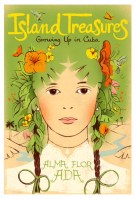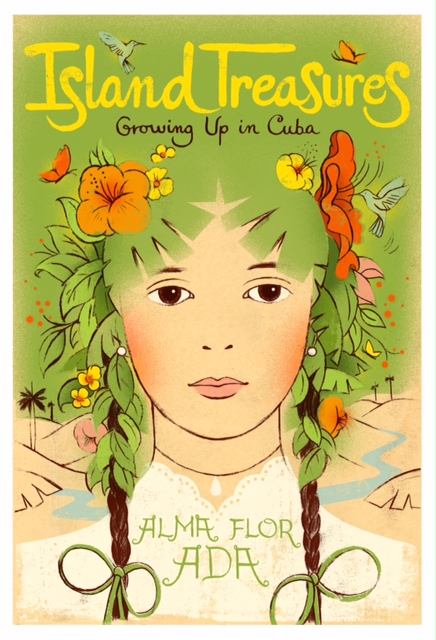
Alma Flor Ada: Always Cuban


Island Treasures FINAL ART“Yo soy un hombre sincero

  de donde crece la palma…”

   –José Martí

During most of my life I have lived outside of Cuba, as part of the Cuban Diaspora, yet my being continues to be rooted in the fertile island where I was born and where I lived as a child, an adolescent, and a young woman.

AFA with braids

Alma Flor

In 1958, during the Batista dictatorship, my father’s dream of helping low-income families own their own homes was thwarted when the soldiers who had bought some of the accessible yet solid houses he had built with such care, refused to make their mortgage payments. Trying to find a solution, my father met with the garrison’s commander. Instead of support, he received a frightening threat that led us to flee to Miami.

At that time, Miami did not have the Latino presence it has today. As I wanted to study Spanish and Latin-American literature, I begged to go study in Mexico City. I was fascinated by the artistic and literary achievements of post-Revolutionary Mexico. However, my parents did not feel comfortable sending me to a country where we knew no one. Instead, they suggested I go to Spain, where my mother had relatives.

Spain became the third country where I lived. While the Franco regime imposed many limitations, I was immensely fortunate to be mentored by some extraordinary professors, Elena Catena, don Alonso Zamora Vicente, and doña María Josefa Canellada, who helped channel my thirst for learning. I will always be grateful for their teaching and their example.

A set of unexpected circumstances led me to Perú, which became the fourth country where I lived. In Cuba, I had delighted in being my parents’ daughter; in Perú I became a mother. In Cuba, I had absorbed my family’s commitment to education; in Perú, I became a teacher. In Cuba, I had learned the key role of education in striving for social justice; in Perú, I studied Paulo Freire’s words and became actively concerned with social issues.

While in Perú, I finished my doctorate degree. The topic of my dissertation led to an appointment as a research scholar at Harvard. There I experienced an exciting cultural milieu comprised of distinguished authors and artists who had left Spain after the Spanish Civil War, including the poet Jorge Guillen. Later, after two years in Lima, I returned to the United States with my children and became involved in several grassroots movements on behalf of social justice and education.

Each of these four countries left a profound imprint on me, as I learned to understand their different worldviews, to enjoy their colors and fragrances, and to love their people. I also learned to rebel against the unjust social conditions suffered by many in each of these places, and also, to admire the resilience, fortitude and creativity of the majority of the people I met, wherever I lived. But always, as the backdrop to all these life experiences, my memories of Cuba continued to nourish my deepest soul.
Top

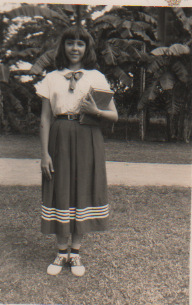
Alma Flor in teen years

As a child, some of my best friends were trees. In the large overgrown gardens of the old historical house where I was born, many different kinds of living creatures inspired me to learn to observe and respect nature. Our colonial city was a microcosm of the larger world; there I learned to listen to those around me and reflect on what I heard. From my family, I learned the values of caring and compassion; kindness and generosity; friendship, knowledge, and justice.

The overgrown gardens have expanded and today I consider the whole planet my home. I continue to marvel at its richness and diversity, including the daily miracles of flower petals and bird feathers. I especially attempt to not remain indifferent to any human experience. Yet, no matter how far my circle of interest may expand, I never feel far from my roots; on the contrary, it is through being nurtured by them, that I can open my heart to everything else.

I learned about immigration from my own family. Both of my grandfathers had immigrated to Cuba from Spain. They each made great efforts to contribute to their new homeland and to defend freedom of thought. My maternal grandfather, Medardo Lafuente Rubio, used his talents for self-expression as a poet, public speaker, educator, and journalist to promote universal human values. During the despotic dictatorship of Machado, he was incarcerated for defending freedom in his newspaper. His time in prison greatly damaged his health and he died not long after his eventual release. My paternal grandfather owned a newspaper and also one of the earliest radio stations in Cuba. His words, whether written or spoken, always defended the value of free independent thinking that had been crushed in his county of birth by Franco’s dictatorship.
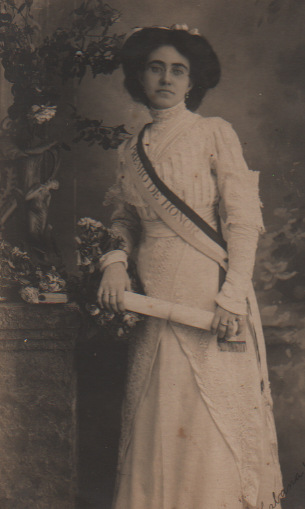
My grandmother on her graduation as a teacher

AFA’s grandmother at graduation from teaching school.

My maternal grandmother, Dolores Salvador, was the strongest influence in my life. Losing her when I was very young filled me with profound nostalgia. In response to the pain of this loss, I sought to protect and nurture my memories of her, as one would a tender plant. And thus I became a storyteller, sharing my stories again and again, sometimes orally, other times in writing, often in silence.

The feelings arising from my own experiences have inspired much of my writing. Even one of my more recent books, Love, Amalia, co-authored with my son Gabriel Zubizarreta, is rooted in the memory of losing my grandmother. Another source of inspiration has been the desire to continue to savor my own children’s childhood.
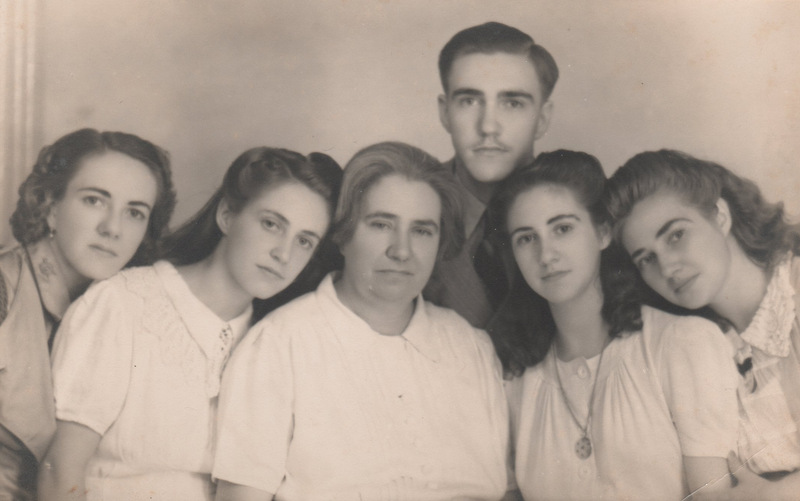
image

AFA’s grandmother, surrounded by her children


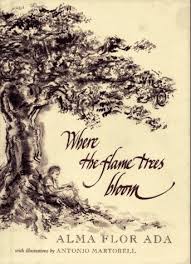
I often remind teachers to encourage children to write, as each child has a unique perspective to share. I am very grateful to an editor of The Hungry Mind who many years ago, asked me to contribute one real-life childhood story for his publication. In response, I wrote my first three real-life stories and submitted them to him. He told me kindly that, while he could only publish one, he wanted to encourage me to write a few more. And thus, Where the Flame Trees Bloom was born.

It took the additional encouragement of my dear friend Antonio Martorell, an inspired artist and illustrator, to continue writing the childhood memoirs that became Under the Royal Palms, and which received the Pura Belpré Medal in 2000. More recently, when Simon & Schuster decided to re-print both of these books under one cover, Emma Ledbetter, my supportive editor, welcomed the idea of also including some new stories from my growing-up years in Cuba. Thus Island Treasures has come to be.
Flame TreesRoyal Palms

Like the mountain springs in Tope de Collantes, in Cuba, whose currents of clear cool water never stop running, all of our memories hold an endless number of sensations, feelings, faces, flavors, aromas, textures, and emotions, if only we are willing to turn inward, to welcome and honor them in some way. It is my hope that as I share my stories with you in Island Treasures, your own awareness of the people who have enriched your life and the moments that have helped shape who you are, will deepen. May you welcome and value your own stories as an intrinsic part of who you are, dear reader, while also rejoicing in who you have become.
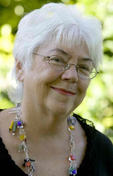
 

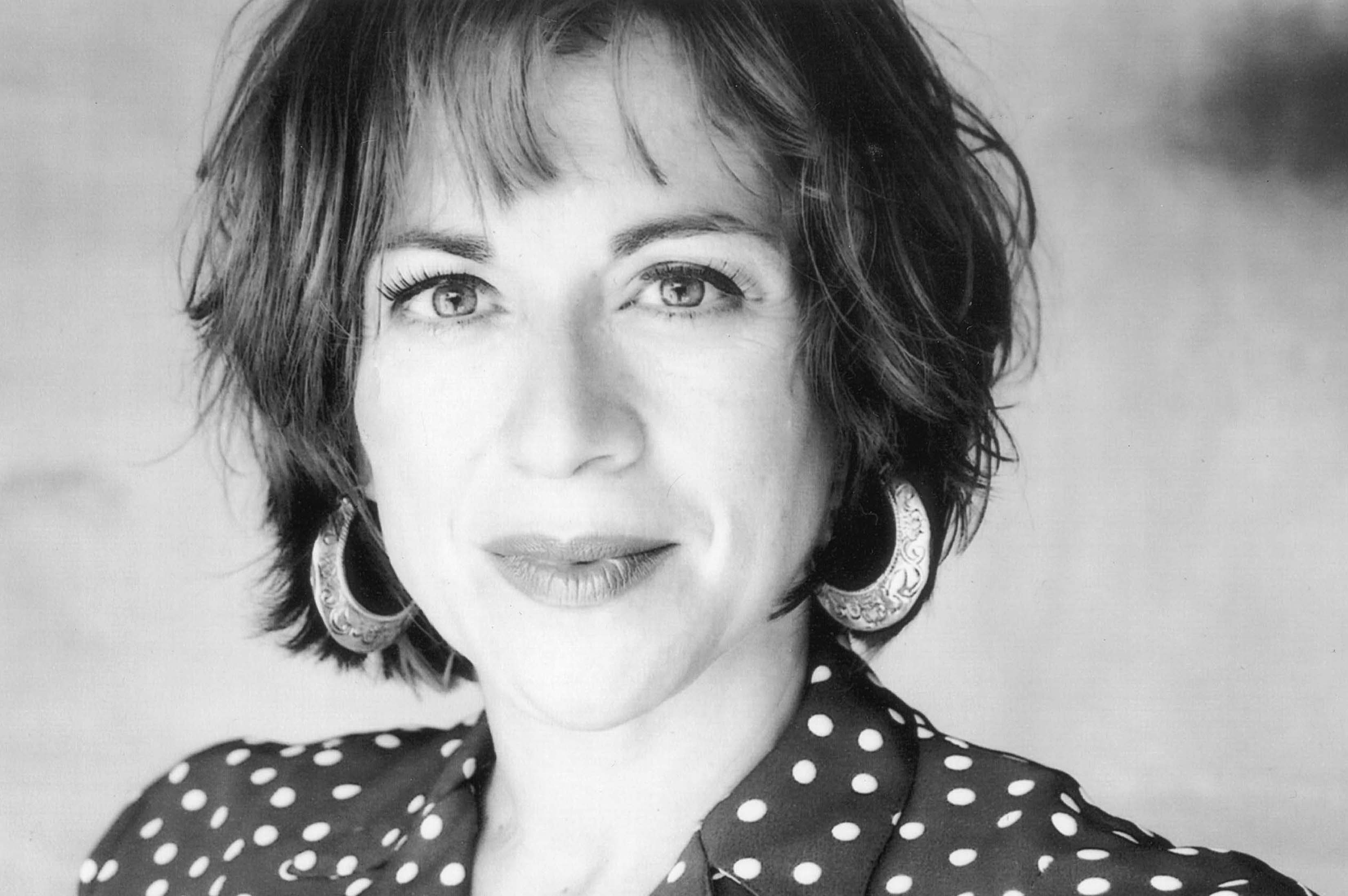
Alma Flor AdaAlma Flor Ada has written countless books, most of which do not specify Cuban settings or characters, but which nearly always highlight Latino life. She is an author, educator, scholar, and internationally known speaker. Her life’s work includes advocacy for peace and social justice. A Pro­fes­sor Emerita at the Uni­ver­sity of San Fran­cisco, she is also a for­mer Rad­cliffe Scholar at Har­vard Uni­ver­sity and Ful­bright Research Scholar.

In the world of children’s books, Alma Flor is known for her poetry, narratives, folk­lore and non-fic­tion. She’s the recipient of many prestigious awards, including the Christo­pher Medal, the Pura Bel­pré Medal, the International Latino Book Award, and the Vir­ginia Hamil­ton Award, in recognition of her body of work for children. Learn more at her official website.
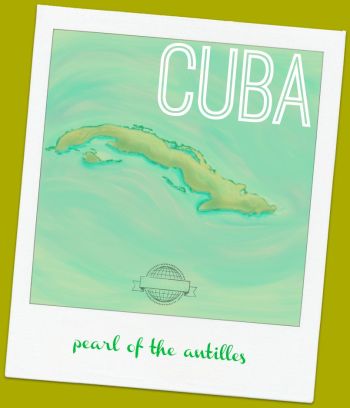


Welcome to Cuba Week!


Cuba PearlCuba has been very much on our minds during this year of momentous change and emotional headlines. In a gesture of love and great hope for the Cuban people on both sides of the Straits of Florida, we invited beloved Cuban American children’s writers to speak from their hearts about anything relating to cubanismo. Lucky us: eight authors responded to our invitation with ¡claro que sí!
Guest posts begin tomorrow and continue through next Monday. To whet your appetite, here are some details. You will hear about immigration journeys, life across two cultures, racial identity, remembrances of the Cuba left behind, and the books that sprang from these experiences. Get ready for gorgeous prose from Enrique Flores Galbis; a fresh challenge to publishers from Nancy Osa; nostalgia mixed with humor and biting reality from Guinevere Thomas, Meg Medina, Laura Lacámara, and Christina Díaz González; as well as stirring insights from award-winning poets Alma Flor Ada and Margarita Engle. These authors’ books have enriched young people’s reading lives. For that, and for the perspectives they’ve shared with us, we want to say ¡gracias de todo corazón!
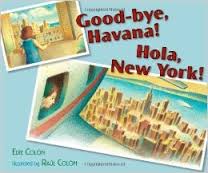
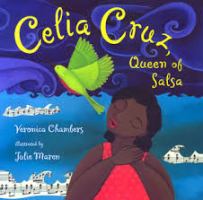
Before we get started on the guest posts, here’s a visual reminder of some glorious children’s books that star Cuban characters and/or settings. Space prevents us from featuring a comprehensive list, but we urge you to add your recommendations in the comments section. To learn more about individual books, click on their cover mages.

Picture Books    

Goodbye Havana Queen of Salsa Martina Mango in Hand

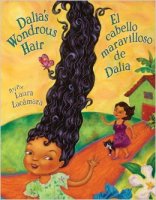
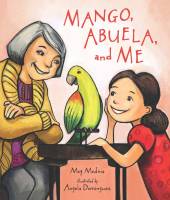
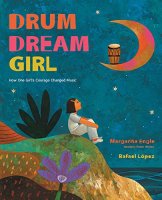
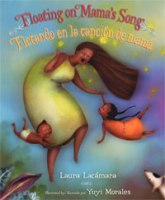
Celia Bossy Gallito Tia Isa  Dalia Cover MANGO_jacket_for_Meg drum dream girl cover floating

Middle-Grade

Island Treasures FINAL ART The Red Umbrella  Oye Celia  Moving Target  My Havana The Wild Book  MountainDog.highrescvr  paperback cover

Young Adult

Cubanita  Tropical Secret    Hurricane dancers notable  Firefly notable  Cuba 15  Down to the Bone   Letters to my mother   Significant Girls  ad6df-yaqui  Surrende Tree Notable  Lightning Dreamer notable  Enchanted Air Poet Slave Dark Dude


Kickin’ Back With #KidLitCon

By Libertad Araceli Thomas

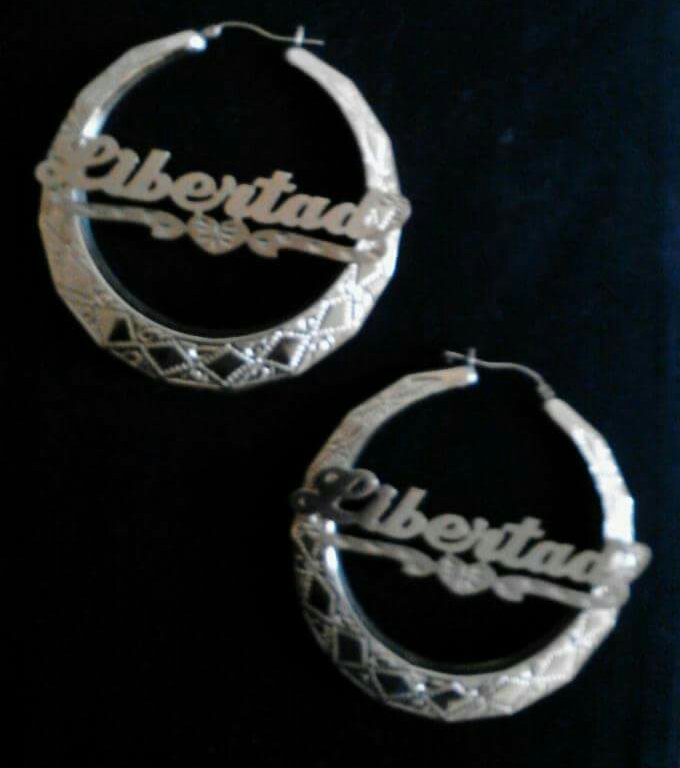
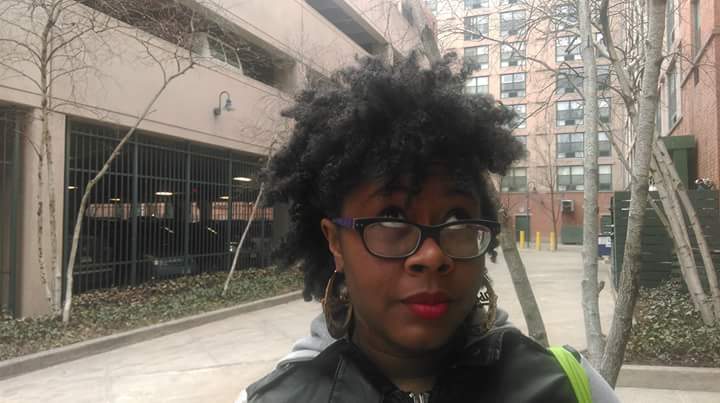
There’s always this anxiety I get when I attend book and writing conferences. While in my everyday non-bookish life I’m pretty extroverted, when I step foot in these places, where most likely, if not for my sister, I’d be one of the few people of color (POC) as well as the only Latina, I shut down and go into hermit mode. I’ll admit the first day was a little tough for me. I did remember a ton of folks from last year, but Kid Lit Con moves around every year, so there’s always tons of new people that you’re not going to know. As I predicted, I closed off. I felt lonely. I thought here are all these people who like books just as much as I do, but I always have this fear that people aren’t going to like me because here I am, this inner city negrita with these big hoop name plate earrings (that I personally cannot live without) and this big hair and very awkward in my own way.

FB_IMG_1444687743048_1

There’s this feeling deep down inside me that I feel awful for admitting being a POC. I have this immense distrust for white people. I’ve never trusted white people to make me feel comfortable. I’ve never trusted them to understand my experiences and worst of all, many opportunities I’ve had to challenge a white person’s way of thinking, I’m almost always shot down, left feeling lesser than and invalidated to the point where sometimes it’s just easier to not say anything at all.

Last year’s theme was a subject very dear to me: Diversity. Sometimes as book bloggers, my sister and I feel very disadvantaged because we’re not blogging about the latest Stephenie Meyer books or the ones that are deemed the next big thing; the books that speak the most to me are books that feature non “default” characters. So I prayed we’d get a chance to bring up diversity before our panel the next day. It unfortunately didn’t happen, so I was feeling a little down on my luck.

My sister and I kept score on how many things had gone wrong with this trip and then the day of our panel, the worst thing in the world happened. Our moderator, Dr. Zetta Elliott, who created this amazing thought provoking presentation, was unable to make it and we’d found out just moments before our scheduled slot.

The show went on with our other lovely panelist/author Mary Fan (who was totally awesome and poised to perfection) reading in Zetta’s place. Our pressing topic?

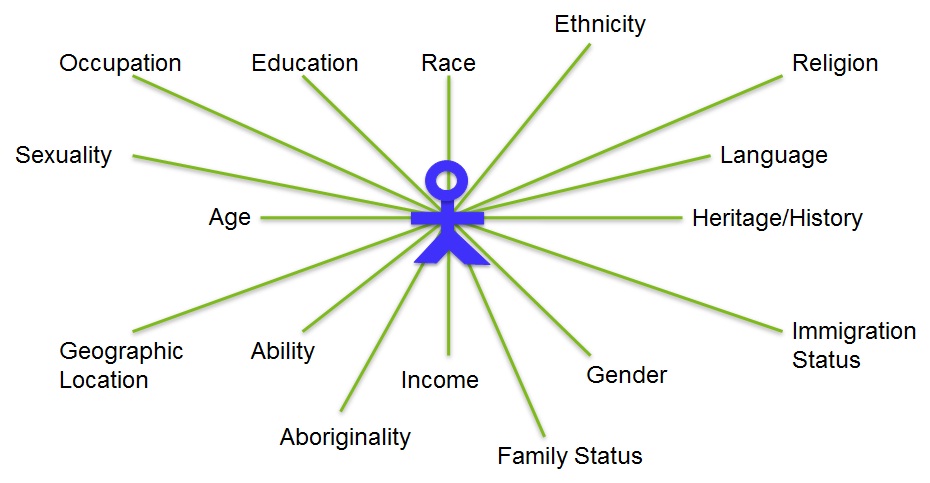
Intersectionality

intersectionality-blueman

Sharing personal stories is hard on paper, but it’s especially hard vocalizing them to a room full of people when you’re on display. A key point I felt passionate about was how perception leads people to believe there’s one way to be something.–one way to be black, one way to be queer, one way to be a person. Being Afro-Latina, Queer and Buddhist, I suffer from a severe case of unicorn syndrome. No one really expects me to be all these things, but I am and there was a librarian named Maureen (who was also Latina, yay!) whose words really stuck out to me: To be Latina is to be intersectional because there is no one identity.

mary fan

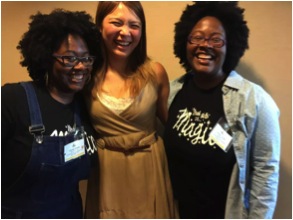
*Guinevere and I with our fellow panelist, Mary Fan*

After our intersectionality panel all the apprehension washed away. One minute, I was feeling like no one saw me and then the next I had an overwhelming amount of people thanking me for challenging their thoughts.

marissa

*Me, Marissa, and Guinevere*

And turns out, we weren’t actually alone. The Latinas were there representing. A young and amazingly beautiful boricua named Marissa (who blogs @Marissa Reads) was just so full of life and loved to read so much that she had to start blogging about books to find others like her!

While our intersectionality panel could have been the very best panel I’ve ever spoke on, I have to say my favorite moment of that day had absolutely nothing to do with any of the panels themselves but a member of the audience during a panel about professional blogging. The father of the young lady we’d met earlier was just so proud of her, filming and taking photos, silently encouraging her love for books.

It brought a tear to my eyes because just a month ago a friend of mine confessed he didn’t push his son to read because “Dominicans don’t read.” Maybe it’s just he doesn’t see Dominican kids in books. Either way, the moment gave me so much hope for the future and plans to incorporate a Dominican character in my next WIP. Just one person’s mind challenged about race, culture, gender, and disability is a battle won in my book. Next year, I pray I won’t be so afraid to tell people my story because my story is one of many that I hope can diversify people’s perceptions about the world we live in today.

4 latinas

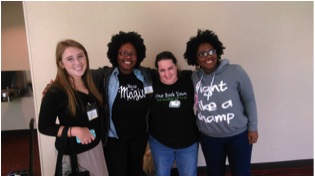
*From left to right Marissa, Guinevere, Maureen and me representing for the Latinas*

FB_IMG_1444688996687

Libertad Araceli Thomas is one half of Twinja Book Reviews, a book blog that celebrates diversity. Between mastering her handstands and perfecting her butterfly kicks, she can be caught reading and promoting a good book! Tweet with her @afrocubansista and @dos_twinjas 

Book Review: Sofi and the Magic, Musical Mural/Sofi y el Mágico Mural Musical


Reviewed by Sujei Lugo

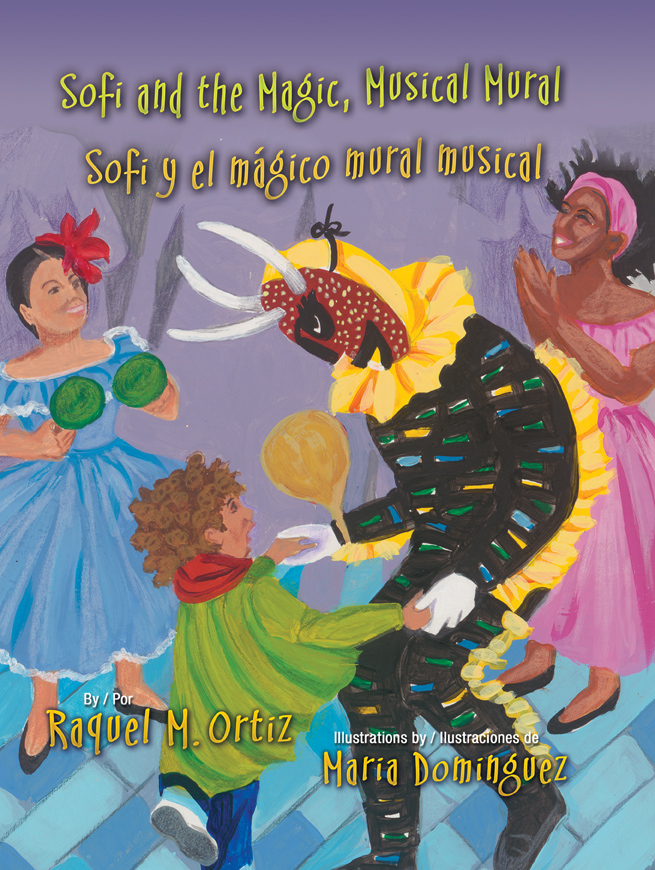
Sofi-and-the-Magic-Musical-MuralDESCRIPTION FROM THE PUBLISHER: When Sofi walks through her barrio to the local store, she always passes a huge mural with images from Puerto Rico: musicians, dancers, tropical flowers and—her least favorite—a vejigante, a character from carnival that wears a scary mask. One day on her way home from the bodega, she stops in front of the mural. Is one of the dancers inviting her to be his partner? “Okay, let’s dance,” Sofi giggles, and suddenly she’s in Old San Juan, surrounded by dancers and musicians playing bongos, tambourines and güiros. She begins to dance and sing with her new friends, but her pleasure turns to fear when the vejigante—wearing a black jumper with yellow fringe and a red, three-horned mask—spins her around and around! What does he want from her? How can she get away?

MY TWO CENTS: In this debut bilingual picture book, author Raquel M. Ortiz and illustrator Maria Dominguez capture the story of an imaginative girl and her magical and musical encounter with a neighborhood mural. Inspired by a mural located in South Bronx, New York, Ortiz and Dominguez give us a story that celebrates Puerto Rican traditions, community-based art, and city life.

Our young protagonist Sofía is lying on her bed feeling pretty bored. Her mom asks her to go to the bodega at the end of the block to get some milk and to remember that she should “not talk to ANYONE!” Sofía gets her scarf and coat, nods to her mom, and embarks on her journey to get the half-gallon of milk. Strolling along the sidewalk, she looks at the huge mural painted on a nearby building. She is stunned by its size and the colorful images of musicians, dancers, amapola flowers, and her least favorite, a vejigante. While returning from the bodega, Sofia can’t help admiring the mural once again. This is when she notices that one of the musicians, a plenero, is extending his hand to her to dance, breaking the wall between reality, art, and imagination. In a heartbeat, Sofía finds herself inside the mural, starting a whimsical experience that will bring her close to her Puerto Rican heritage.

Reading and seeing images of things that I grew up with put a smile on my face. From the plena song “Porque la plena viene de Ponce, viene de barrio de San Antón” to the carnival song “¡Toco-toco, toco-toco! ¡Vejigante come coco!”, I couldn’t help singing along with all the plenas and remembering the presence of plena songs in family gatherings, “navidad” parties, cultural “festivales”, carnivals, and even street protests. No wonder it is known as the  “periódico cantado” (sung newspapers), telling everyday stories all year long.

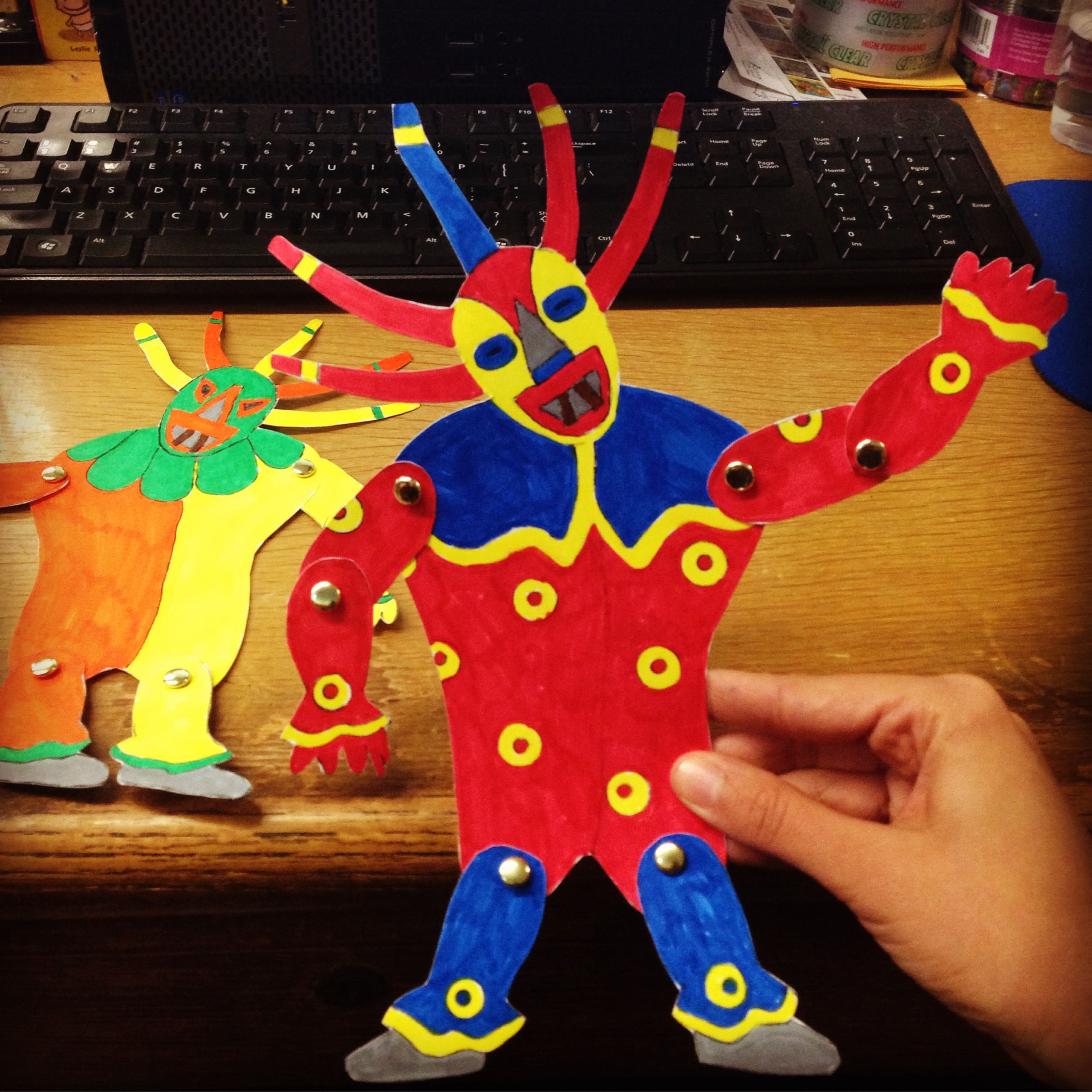
We also meet the famous vejigante, wearing its colorful outfit and a scary mask made from coconut shell (although some are made from papier-mâché). The vejigante is a mischievous folkloric character that resembles a buffoon or the devil, and which became a symbol of Puerto Rican cultural identity. In the story, Sofi plays and dances with the vejigante that she once saw as scary. She ends up wearing his outfit and flies around the Puerto Rican landscape going through El Yunque rainforest, and landing at the church plaza in Old San Juan. Here the author metaphorically portrays how through art, music, and traditions we can “fly” to the island of Puerto Rico, and demonstrates the deep connections that exist between the Puerto Rican diaspora and the island.

In terms of layout and illustrations, the bilingual text is located on the left side of the book with small illustrations dividing the English and Spanish texts and whole-page illustrations accompanying the text on the right side. The illustrator based her design and images on the original mural and conversations with the students that drew the images for mural. From soft colors for the city and bright and vivid colors for the mural, Dominguez’s paintings transport us from a wintry day in New York City to a sunny day in Puerto Rico.

Using The Pueblo Sings/El Pueblo Cantor mural as an inspiration for this picture book communicates the power of art, music, literature, and images to represent a community and tell its stories of resistance. The 7th- and 8th-grade students that designed the mural embraced the process of community building, public art, and history. It was created with and for the Puerto Rican community that has lived in New York City for decades. The mural’s statement is about the existence of the people and is a representation of their stories. It brings identification to the neighborhood and informs visitors about the living, breathing community located there. It is exciting to see the author centering the narrative on a young Puerto Rican girl who experiences this connection with her culture, traditions, and family, and then back to herself. In so doing, this book gives a powerful testament to how children can experience these connections and embrace them as their own.    

The book includes author and illustrator biographical notes, a glossary, and information about the mural.

TEACHING TIPS: The bilingual picture book is recommended for children ages 4 to 8. It works as a read aloud and for early independent readers. At home or at the library, librarians, parents, grandparents or other caregivers can read the story aloud in English, Spanish, or both, while teaching new words, concepts and discussing the different images. Teachers can include the discussion of Puerto Rican history, traditions, and music in their curriculum. 

IMG_4360-2

Vejigantes puppets I created for a library program. I explained to the children the meaning of vejigantes and how I grew up seeing them almost everywhere back in Puerto Rico.


Since the main focus of the story and its inspiration is a mural, children can create their own small-scale cardboard murals. Adults should encourage children to use elements from their community or their personal or family stories as inspiration. Moving activities to the street, adults can stroll down the neighborhood with children to view community murals, posing such questions as: Who created this mural? Who is it about? What does it represent? Does it represent the community where it is located? What type of murals should our neighborhood have? This will create a conversation about public art, public space, and community.

AUTHOR & ILLUSTRATOR: Raquel M. Ortiz was born and raised in Lorain, Ohio, and has been making art and telling stories since she was little. She holds a Ph.D. in Social Anthropology from the University of Salamanca and has worked at The Brooklyn Museum, the Allen Memorial Art Museum and El Museo del Barrio. Raquel is the author of El Arte de la Identidad, the documentary Memories of the Wall: Education and Enrichment through Community Murals and textbooks and educational materials for children in Puerto Rico and the United States. She lives in New York City with her family and is a professor at Boricua College.

Maria Dominguez moved from Cataño, Puerto Rico to New York City when she was five year old. She began her artistic career as a muralist with Cityarts in 1982. Over the past twenty-five years, Dominguez has created over twenty public art murals and worked with the Metropolitan Transportation Authority of New York City, Artmaker, Inc. and Brooklyn Connect. The recipient of grants from the National Endowment for the Arts and the New York Foundation for the Arts, she has also headed El Museo del Barrio’s Education Department. She currently teaches art in New York City’s Public School System.

FOR MORE INFORMATION about Sofi and the Magic, Musical Mural/Sofi y el Mágico Mural Musical, check your local public library, your local bookstore or IndieBound. Also, check out GoodreadsAmazon, and Barnes & Noble.


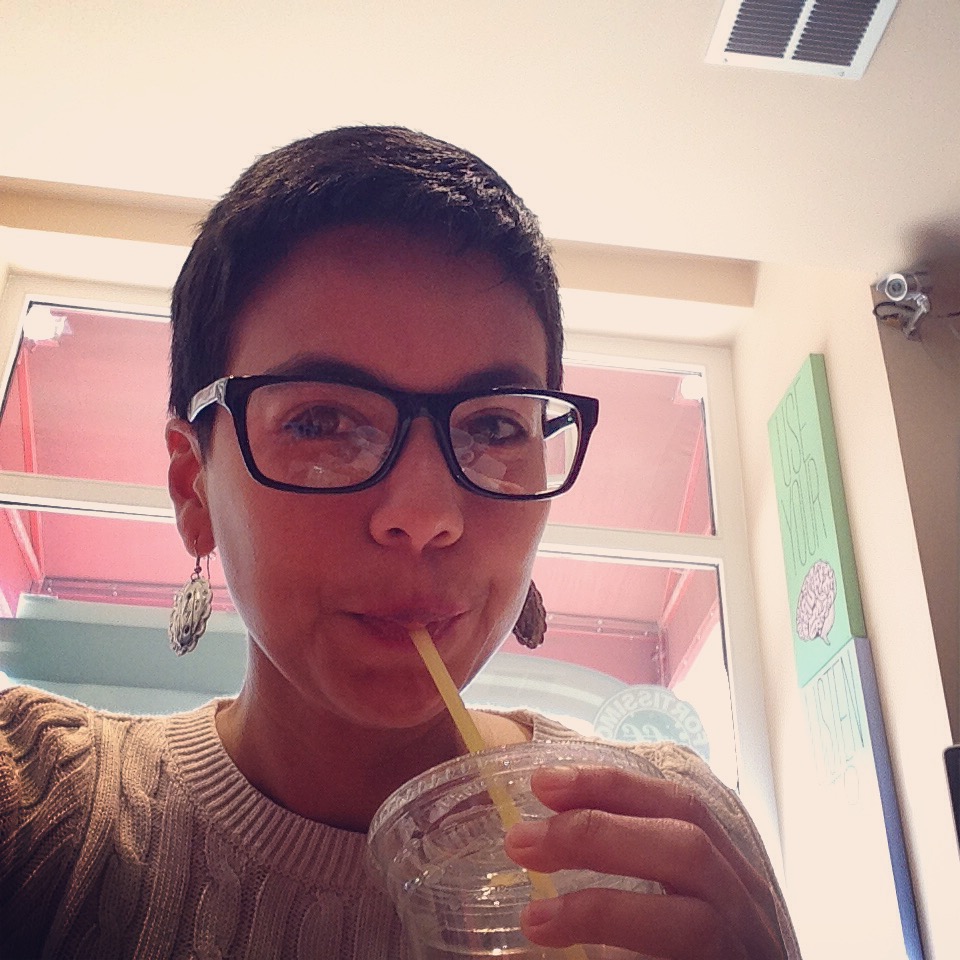
SujeiLugoSujei Lugo was born in New Jersey and raised in her parents’ rural hometown in Puerto Rico. She earned her Master’s in Library and Information Science degree from the Graduate School of Information Sciences and Technologies at the University of Puerto Rico and is a doctoral candidate in Library and Information Science at Simmons College, focusing her research on Latino librarianship and identity. She has worked as a librarian at the Puerto Rican Collection at the University of Puerto Rico, the Nilita Vientós Gastón House-Library in San Juan, Puerto Rico, and the University of Puerto Rico Elementary School Library. Sujei currently works as a children’s librarian at the Boston Public Library. She is a member of REFORMA (The National Association to Promote Library Services to Latinos and the Spanish-speaking), American Library Association, and Association of Library Service to Children. She is the editor of Litwin Books/Library Juice Press series on Critical Race Studies and Multiculturalism in LIS. Sujei can also be found on Twitter, Letterboxd and Goodreads.

Las Comadres y Compadres 4th Annual Writers Conference

las-comadres-logo

By Yadhira Gonzalez-Taylor

What a joy to return for a third year to see all my comadres and compadres in one place, the 4th Annual Comadres and Compadres Writers Conference.

This time, the conference was hosted at the New School on 13th Street in Manhattan.

Comadres Nora de Hoyos Comstock, Adriana Domínguez, and Marcela Landres, welcomed us to another year of fellowship and creative encouragement in the Latin@ literary scene.  We were met with a full day of information panels, craft workshops for adult and children’s literature, and one-on-one sessions with influential members of the publishing world.

Cristina Garcia

Author Cristina García

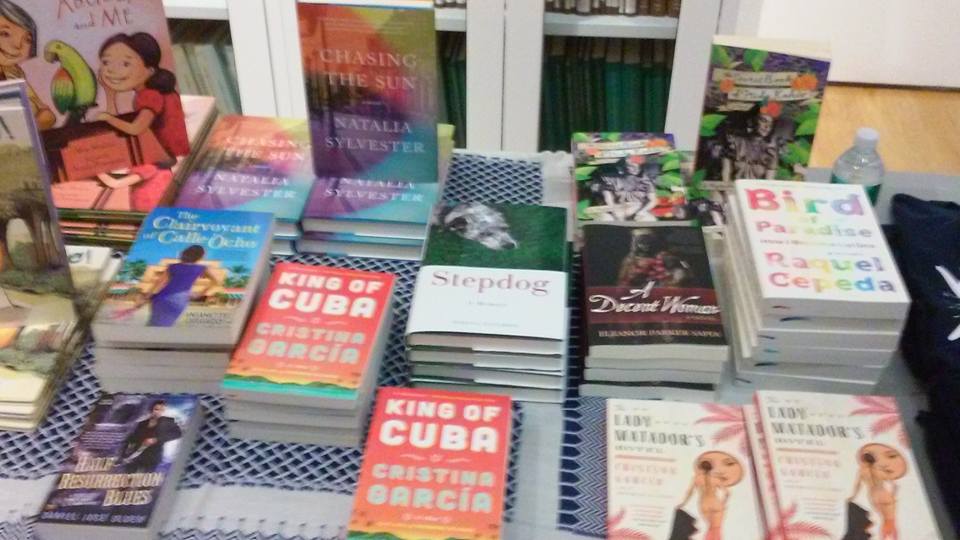
This year’s conference included panels with kid lit authors Meg Medina, Angela Dominguez, and Daniel José Older, literary agent Linda Camacho, Nikki Garcia, an editorial assistant at Little Brown Children’s Books, and Leticia Gomez of Savvy Literary Services. The keynote speaker was Cristina García, author of Dreaming in Cuban, King of Cuba, and these books for younger readers: The Dog Who Loved the Moon, I Wanna Be Your Shoebox, and Dreams of Significant Girls.

For me, attending the conference over the last three years has become my personal mark to the start of the back to writing season. Since it takes place just after summer and shortly before NaNoWriMo (National Novel Writing Month), it provides me with the jump-start I need to tap into my creativity.

I left the conference energized to continue to edit the manuscript I wrote during NaNoWriMo, especially since I shared my work during a one-on-one with Leticia Gomez, CEO of Savvy Literary Service and left the session with a million dollars’ worth of suggestions and ideas on how to tighten my manuscript.

I even had the joy of celebrating a fellow comadre’s recent publication. Eleanor Parker Sapia was one of the first people I met the first time I attended at Medgars Evers College. I was happy to have an autographed copy of her debut novel, A Decent Woman, published by Booktrope and she was equally enthused by updates on my adventures with La Cucarachita Martina, reinvented in my Children’s books. And just for a day in New York City, in early fall, we were two Latina writers and comadres chatting over café con leche.

I am already looking forward to attending next year’s event.

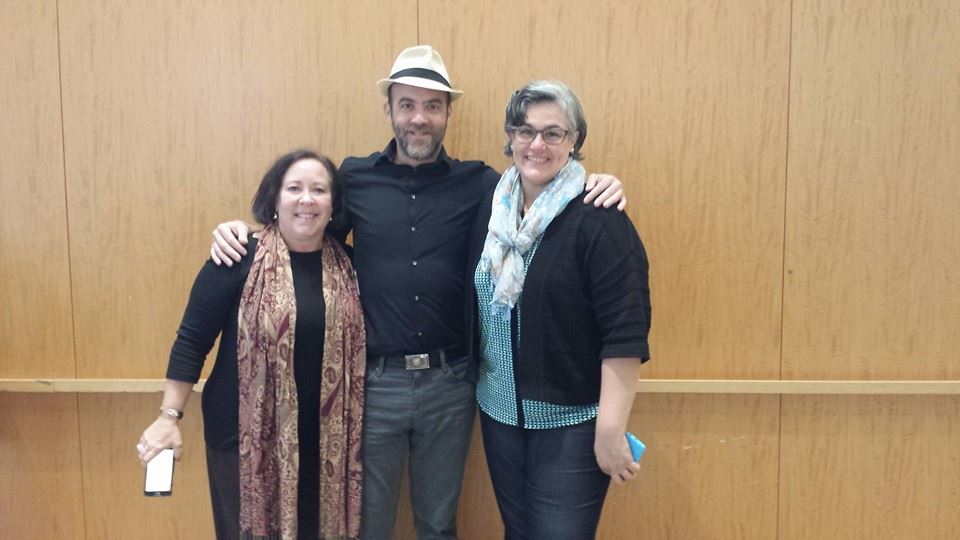
Photos below are courtesy of Eleanor Parker Sapia. From left to right in the second photo are: Eleanor Parker Sapia, Charlie Vázquez, Director of the Bronx Writers Center, and Yadhira Gonzalez-Taylor.

12049437_1894443277447378_3352539637667738205_n   12108846_10153579026511469_3229247458756577757_n


FullSizeRenderYadhira Gonzalez-Taylor is a public service attorney working with at-risk youth in NYC. Before working with young people she worked as prosecutor for Bronx County.  She has published two children’s books, Martina Finds a Shiny Coin and Martina and the Wondrous Waterfall. Both books were illustrated by Alba Escayo, a Spanish Artist who has ancestral roots in Cuba. Yadhira lives with her family in New York.  Follow her on twitter at @gothamesq or Martina the character on twitter at @martinascoin.

Book Review: Becoming Maria by Sonia Manzano

Acting Out Transformative Possibilities: A Review of Becoming Maria: Love and Chaos in the South Bronx

Becoming MariaBy Marilisa Jiménez García, Ph.D.

DESCRIPTION OF THE BOOK: This is the remarkable true story of a girl plunged into a world she never expected. It’s the story of dreams—some of them nightmares, others visions of romance and escape. It’s the tale of a family that is loving and troubled, and of the child who grew up to become a television star.

Set in the 1950’s in the Bronx, this is the beautifully wrought coming-of-age memoir of Emmy Award-winning actress and writer Sonia Manzano, who defined the role of Maria on the acclaimed children’s television series Sesame Street.

MY TWO CENTS: Sonia “Maria” Manzano held a prominent place in American culture for over 40 years, both as a writer and actor on Sesame Street. While many Latino/a readers have struggled to find characters reflecting their experiences in books, Manzano filled this void on one of the most beloved American television franchises in history. Manzano’s performances shaped the way viewers understood Latino/a culture by breaking stereotypes through an expansive repertoire: from friendly neighbor, to comical mime, to new mother, to glamorous leading lady a’ la Ginger Rogers. Indeed, when she announced her retirement this summer, the outpouring of public tributes and reflections on her legendary career underlined just how closely audiences over a generation identified with Manzano’s evolution into a television icon. Now, as a novelist, she continues to respond to the need for Latino/a protagonists. Her newest book, a memoir, highlights the transformative capacity of theatre and performance for young people.

Becoming Maria provides generations of readers with an opportunity to experience Manzano’s evolution from a young Latina, a puertorriqueña, in the Bronx into a promising performer. It is a journey Manzano also reveals as a struggle to reconcile the love and abuse she witnessed in her family life. Becoming Maria is truly the portrait of an artist, as an early passage in the text demonstrates how, even in moments of distress, a young Sonia developed a gift for observation and imagination:

I run to our fourth-floor window, looking for anything, when I see Uncle Eddie’s car pull up. Out spills his wife, Bon Bon; my uncle Frank; his wife, Iris; and my beautiful mother. She is dressed in a soft-colored yellow dress with pleats down the front that she made herself. My father enters my line of vision as he lunges for her. Her brothers restrain him, and I can tell even from the fourth floor that Ma would rip his face off if she could.

There is something beautiful in the picture they make jerking around in the streetlight. And when the Third Avenue El comes swishing through, right in front of our window so suddenly, I feel like I am in the center of the universe and I am happy that they have had this fight because it has introduced me to the wonderful window. And that’s where I go every day, all the time between assaults when there is nervous calm (Manzano 8-9).

Young Sonia’s ability to both observe and “see beyond,” to borrow a phrase from The Giver, her surroundings and circumstances allows her distance and a space to imagine other possibilities. Through this “window,” young Sonia is able reinvent moments in her life. As children’s literature scholar Rudine Sims Bishop has established, a “window” can also function as a metaphor for literature which gives audiences insight to other worlds and cultures.[1] In this moment, young Sonia’s decision to frame her circumstances also signals Manzano’s own expertise providing access into the literary and theatrical worlds she has created for years.

Becoming Maria adds to Manzano’s titles of works marketed for young people. The closest to this text’s breadth and maturity might be her recent young adult novel, The Revolution of Evelyn Serrano (2013), which also features a strong, Latina protagonist coming into her own as a young woman—though the major plot points and struggles emphasized in Evelyn Serrano concern the collective plight of Puerto Ricans in the late 1960s in East Harlem and the rise of the Young Lord’s Party. As in Evelyn Serrano, Becoming Maria includes moments where the young Sonia contemplates the conditions of Puerto Ricans in the New York community and the island, particularly the treatment of Puerto Rican woman by the men in the community. In particular, a young Sonia is frustrated with the realities of internal sexism in a patriarchal culture:

Down with Puerto Rico! Revenge on the island! Screw those people!” becomes my internal battle cry as I vow to shun and reject the place I’ve never been to, where kids drown in sewage, the place of dead mothers, of negligent fathers, of starvation and poverty, of macho men throwing coconuts at their wives’ heads for fun! I know all the horrors even beautiful songs written about the island can’t cover up and will not be fooled by it! (177)

Young Sonia’s struggle to reconcile her views about her home life as both nurturing and abusive parallels with her feelings about her native land. As a writer, Manzano carefully demonstrates how Latino/a authors can both affirm their respective cultures while still encouraging readers to think critically. In fact, the tone and style of Becoming Maria underlines a sense of maturity and confidence in Manzano’s own voice as a novelist.

Overall, Manzano’s work fits into a tradition of Puerto Rican writers including Pura Belpré, Nicholasa Mohr, Piri Thomas, Judith Ortiz-Cofer, and Eric Velasquez who have also written for younger audiences. These writers also demonstrate the power of the creative arts as transformative practices for young Latino/as. Manzano’s position in acting and screenwriting, however, highlights the importance of cultivating spaces in media and performance arts as part of narrating Latino/a histories and counter-narratives.

TEACHING TIPS:

  • Women’s Studies/History: Consider having students read Manzano’s Becoming Maria alongside Mohr’s Nilda (1973) which also emphasizes the evolution of a young female artist. In terms of Latina women’s history, have student compare the differences between the experiences Mohr describes to that of Manzano. Similarly, Becoming Maria might be read in comparison to Esmeralda Santiago’s When I Was Puerto Rican (1993) in which Santiago narrates her journey into performance and New York City’s High School for the Performing Arts, a school which Manzano also attends and describes in the book. How is the journey into performance different/similar in Manzano and Santiago versus the journey into visual arts in Mohr?
  • The Wonderful Window: Young Sonia’s fourth-floor window functions as a kind of retreat which underlines the importance of creating private spaces of reflection and observation for young people. Ask students to reflect on the spaces they retreat to as a means of gaining perspective.
  • Dramatic Arts/Reader’s Theatre: Becoming Maria greatly emphasizes the dramatic arts as a kind of transformative pedagogy for the young Sonia who finds a sense of voice through drama. Consider following up this novel with a play referenced in the book such as Shakespeare’s works and/or Godspell.

[1] Bishop, R. S. (1990). Mirrors, windows, and sliding glass doors. Perspectives: Choosing and Using Books for the Classroom, 6(3), ix–xi.

FOR MORE INFORMATION about Becoming Maria: Love and Chaos in the South Bronx, check your local public library, your local bookstore or IndieBound. Also, check out GoodreadsAmazon, and Barnes & Noble.


Marilisa_Jimenez-GarciaMarilisa Jiménez García is a research associate at the Center for Puerto Rican Studies, Hunter College, CUNY. She works at the intersections of Latino/a Studies and childhood and children’s literature studies. She attended a performing arts middle school for theater and is currently working on a book manuscript on the history of Latino/a children’s and young adult literature and an essay on the Latino/a “YA” tradition. One of the chapters in her manuscripts is about Sonia Manzano’s work. She is also conducting a survey of NYC teachers on teacher education and the use of diverse lit. in the classroom.