Book Review: Funny Bones: Posada and His Day of the Dead Calaveras by Duncan Tonatiuh

Reviewed by Cecilia Cackley

DESCRIPTION OF THE BOOK (from Goodreads): Funny Bones tells the story of how the amusing calaveras—skeletons performing various everyday or festive activities—came to be. They are the creation of Mexican artist José Guadalupe (Lupe) Posada (1852–1913). In a country that was not known for freedom of speech, he first drew political cartoons, much to the amusement of the local population but not the politicians. He continued to draw cartoons throughout much of his life, but he is best known today for his calavera drawings. They have become synonymous with Mexico’s Día de los Muertos (Day of the Dead) festival. Juxtaposing his own art with that of Lupe’s, author Duncan Tonatiuh brings to light the remarkable life and work of a man whose art is beloved by many but whose name has remained in obscurity.

MY TWO CENTS: I can’t say enough good things about this book! Tonatiuh tells Posada’s life story simply, while still giving background information on events such as the Mexican Revolution for context. The pages showing a breakdown of the three distinct artistic processes that Posada used (lithography, engraving and etching) are especially helpful in visualizing exactly how he created his drawings. Tonatiuh’s signature profile figures, inspired by Mixtec codex imagery, fit nicely alongside Posada’s black and white skeletons. The full page reproductions of famous skeleton art alongside a question about what message Posada was communicating with his art push readers to consider the goals of the artist. A detailed author’s note, glossary, and bibliography are essential for those looking for further information. This is a great read aloud for younger kids that still has enough detail and big ideas for older readers.

TEACHING TIPS: This is going to be a marvelous read aloud for both art teachers and classroom teachers. While many people will likely choose to highlight it during National Hispanic Heritage Month or around Dia de Muertos, it should also be a good fit for classes studying political cartoons or art history. Tonatiuh’s fantastic spread at the end of the book showing skeletons doing present day activities is a wonderful prompt for students to create their own calaveras artwork. As our world becomes more global and art and culture make their way across borders, this book provides an opportunity to discuss the importance of crediting artists and researching the history of particular art and cultural traditions.

ABOUT THE AUTHOR: Duncan was born in Mexico City and grew up in San Miguel de Allende. He graduated from Parsons The New School for Design and from Eugene Lang College in New York City in 2008. His work is inspired by Ancient Mexican art, particularly that of the Mixtec codex. His aim is to create images that honor the past, but that address contemporary issues that affect people of Mexican origin on both sides of the border. His book Pancho Rabbit and the Coyote: A Migrant’s Tale is the winner of the 2014 Tomás Rivera Mexican American children’s book award. It is also the first book to receive two honorable mentions, one for the illustrations and one for the text, from the Pura Belpré Award for a work that best portrays, affirms, and celebrates the Latino cultural experience in children’s books. The book was featured in USA Today, The Chicago Sun, The Houston Chronicle among other major publications because it deals with the controversial topic of immigration. His book Diego Rivera: His World and Ours won the 2012 Pura Belpré illustration award. It also won the 2012 Tomás Rivera. His first book Dear Primo: A Letter to My Cousin received an honorable mention from the Pura Belpré Award in 2011. It was named an Americas Award Commended Title and a Notable Book for a Global Society list.

LINKS:

SLJ Review

Kirkus Review

Publishers Weekly Review

Kirkus Prize Finalist Announcement

Google Hangout Video


Cackley_headshotCecilia Cackley is a performing artist and children’s bookseller based in Washington DC where she creates puppet theater for adults and teaches playwriting and creative drama to children. Her bilingual children’s plays have been produced by GALA Hispanic Theatre and her interests in bilingual education, literacy, and immigrant advocacy all tend to find their way into her theatrical work. You can find more of her work at www.witsendpuppets.com.
It’s Not So Scary! The Day of the Dead and Children’s Media


By Cris Rhodes

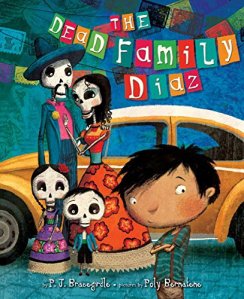
deadfamilydiazWith the Day of the Dead this weekend, I am reminded of recent children’s media, like P.J. Bracegirdle’s The Dead Family Diaz and Jorge Gutierrez’s film The Book of Life, that juxtapose the fraught topic of death against the colorful backdrop of the Day of the Dead. Through their fanciful visuals, full of lush, opulent colors and whimsical and endearing skeleton figures, books and films for children about the Day of the Dead repurpose traditionally scary imagery and repackage it as a beautiful celebration of both death and Mexican culture. While skeletons and death are often regarded as nightmare fuel in children’s literature and media, Day of the Dead narratives embrace the terrifying and show their readers and watchers that these spooky things aren’t so scary after all.

In recent years, for many Mexicans living in Mexico and abroad, Day of the Dead celebrations have come to symbolize something integral to the Mexican cultural identity. The Day of the Dead epitomizes Mexico’s complicated relationship with death and the afterlife, a tradition that finds its roots in the pre-Colombian celebrations of the days of the dead that allowed for the agrarian Mesoamericans to appeal to their bygone ancestors for a fruitful crop. The celebration as it manifests itself today comes from a blending of cultures; while many of the more traditional elements still pay homage to their Mesoamerican foundations, it’s becoming increasingly more common to find hybridized Day of the Dead celebrations throughout the U.S.

cocoFurthermore, mainstream American media have even started a push to officially recognize the Day of the Dead and its unique qualities, as evidenced by the forthcoming Disney/Pixar film Coco, directed by Toy Story 3’s Lee Unkrich with Mexican-American cartoonist Lalo Alcaraz acting as a cultural advisor. Despite Disney’s ill-fated bid to trademark the Day of the Dead in 2013, the company has persisted in making a Day of the Dead-themed film, which stands to be Disney/Pixar’s first film to feature a Latino protagonist. While very few details about Coco have been released, I choose to be optimistic and hope that it, like so many other Day of the Dead narratives, use the potentially terrifying images of skeletons and the similarly scary as reclaimed images that celebrate Mexican culture and its myriad qualities.

While many people tend to conflate the Day of the Dead and Halloween (as evidenced by the released dates of both Day of the Dead-centered films, Coco and The Book of Life, in either October and November), the two are entirely separate celebrations. But the Day of the Dead’s proximity to Halloween, and Halloween’s typically more frightening imagery, often makes the Day of the Dead guilty by association. However, Day of the Dead picture books and films erase fear of the dead through their bookoflifeheart-warming and endearing depictions of living children and their interactions with their deceased loved ones. In these books and the film, The Book of Life, skeletons act as a bridge between the living and the dead. While they epitomize death, skeletons (or calaveras) also connect to the living—take for example Erich Haeger’s Rosita y Conchita—in this bilingual picture book, the Day of the Dead allows the living Conchita to interact with her deceased, and skeletal, twin sister, Rosita. Skeletons also
hint to the inherent festive nature of the Day of the Dead, like the dancing skeletons in Richard Keep’s Clatter Bash! Or the festival-attending skeleton family in Bracegirdle’s The Dead Family DiazMost importantly, in these Day of the Dead narratives, none of the characters are ever truly afraid of the dead or of death. Skeletons become a common occurrence in Day of the Dead narratives, and they act as a motif throughout these texts and in The Book of Life.

By introducing the child viewer to books and to films like The Book of Life, any negative emotions connected to death are suspended. In the film’s afterworld, called the Land of the Remembered, a new world for death is created in the colorful landscapes and festive atmosphere. The Land of the Remembered is a place where memory acts as a source of life. By invoking the positivity of memory even in the absence of death, The Book of Life emphasizes that death is nothing to be feared. In this world, death is not scary nor is it a definitive ending. In the Land of the Remembered, Manolo, the film’s protagonist, is reunited with his immediate family and his ancestors. He sees his death as a necessary event that will allow him to exist with his true love, Maria. It is only after he learns that Maria has not really died and is not in the Land of the Remembered that the festivity of this place is temporarily lost, but it is regained once La Muerte, a goddess of death, and the other gods restore Manolo’s life at the end of the film.

9607766   865485

Ultimately, what these narratives illuminate for their young audiences is that death and all of its tenants are nothing to fear. Though other children’s books and films that explore themes related to death are often viewed as controversial (like the often-banned Bridge to Terabithia, or books that are purposefully frightening like the Goosebumps series), the celebratory nature of Day of the Dead stories provides a positive counter-narrative to the scary and off-putting norm. Teachers and librarians could and should encourage their readers to pick up Day of the Dead books like these, because they explore death and Mexican culture in a positive way. As we gear up to celebrate our own loved ones passed on this Day of the Dead, it would behoove us to take a look at Day of the Dead picture books and The Book of Life, or to eagerly anticipate Coco, as an apt way to celebrate this unique holiday.


CrisRhodesCris Rhodes is a graduate student at Texas A&M University – Corpus Christi where she divides her time between working on her thesis project about Chicana young adult literature, teaching first year composition to her beloved students, and working at her university’s Writing Center. She received her B.A. from Longwood University in her home state of Virginia, where she discovered her love of children’s literature and began her journey studying Latino children’s and young adult literature through an independent study of the stereotypical depictions of Latinos in young adult literature.

Guinevere Thomas and Christina Diaz Gonzalez: Two Versions of Cuban Childhood

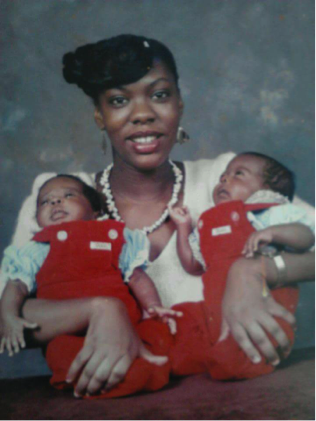
Mom and twinsGrowing Up Q-Ban

by Guinevere Thomas

To grow up Q-ban…it was and still is an experience.

There are probably things that all American-born Cubans share in common. But my childhood environment may not mirror another Cuban-American’s experience, because to explain how I grew up Cuban, is to also explain how I grew up Black.

I was born in Miami, Florida. It was the 80’s and my mother was a teenager doing the best she could in a harsh environment. Folks from Florida know the humidity is a killer. You could never “beat the heat,” but when you’re a kid your tolerance is higher, and much like the heat, nothing really affected me negatively before the age of six.

I was a naïve kid. So naïve, that my mother, bless her heart, told me that every single person in the world was Cuban too, and I believed it. Years later, I sent my mother sarcastic greeting cards about how she totally doomed me for life, but I see now why she did it. While no generation gets off easy when it comes to racism, her generation and those before hers experienced it in a different way. She was hoping I could navigate through the world more readily if I believed everyone was like me.

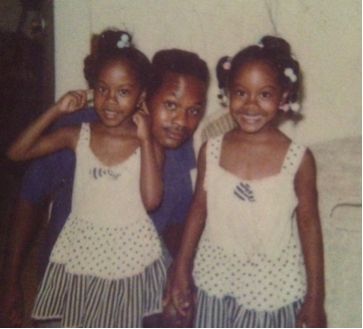
Uncle

Photobombed by an uncle!

Miami made this fantasy easy. I was surrounded by everything Cuban, or at least by closely related cultures that kept the illusion going–Puerto Rican and Haitian, to be exact. Of course, I’d always known I was Black. I just never saw myself as different from other Black kids, because most Black kids I knew in Miami were Cuban too.

Then most of my family uprooted to Jacksonville, Florida, and my naiveté fell away. I realized for the first time how split my identities were, and race and culture became challenges for me. In a city that was mostly composed of non-Latino White and Black American, my family was no longer surrounded by a common culture. We were the other. And it sucked.

In a few ways, we did fit in. In Miami, growing up with coarse hair, I’d stood apart from my mixed race or White Cuban friends whose parents didn’t spend hours on their children’s so-called pelo malo, an offensive term used by Spanish speakers. But in Jacksonville, this was the norm for non-Latino Black girls and boys. Yay! I wasn’t different in that sense anymore!

But then there was that 3rd grade field trip…

We were encouraged to bring snacks, and I asked my mother to make empanadas and ensalada criolla (my mom’s famous mix of delicious tropical veggies and fruits).

“This isn’t salad, there’s no lettuce in it.”

“Why would you put guava paste and cheese together?”

And those were some of the nicer things said about the food.

Strangely, much of the backlash came from my classmates’ parents. I was so embarrassed. Many kids shared my appearance, but they didn’t connect to me on other levels. My food was disgusting to them and they considered my name weird, especially when I went by the full version, Guinevere Zoyana.

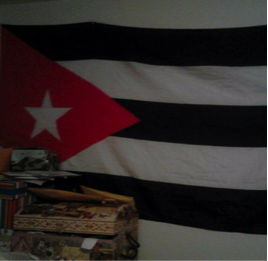
Cuban flag

Guinevere’s bedroom as a teen included the Cuban flag.

For years, I’ve debated about which way I should identify. To most of the world I am African American, which is not bad at all, and for a big portion of my middle school/high school years, I solely chose the term Black, because this made it easier for other people. But as an Afro-Cuban, I’m part of an amazing culture and history. It sucked to hide my full identity simply because people don’t readily view me as Latina.

Even now, I struggle with identity. Growing up Cuban shaped how I saw things: How people treated me based on my appearance and the fact that I was actually Black and Cuban-American. My blended culture even had an impact on my politics.

I know some folks think being Latino is all the same, but even language isn’t enough to make Latinos a monolith. We have different colloquialisms that get lost in translation. For example, my Latino friends who aren’t Cuban think it’s weird I say “Que Bola Asere!” to a complete stranger who my sister’s old boss’ cousin mentioned might be Cuban!

Although kid-lit is producing more books highlighting the Latino experience, this doesn’t mean the stories will mirror everyone’s reality. For a very long time, the Afro-Latino experience was nowhere to be found in books, and this is why I think it’s so important to publish these stories.

Current photoI co-write with my twin sister, Libertad, and despite our experiences, we still haven’t mastered writing for Afro-Cuban teens. But our plans for 2016 will be filled with teens of various Afro-Latino backgrounds. One of our first planned releases features a Haitian-American girl and another puts an Afro-Puerto Rican girl front and center. It’s definitely a journey making these new voices heard and I’m super excited about it!

book coverGuinevere Thomas is one half of Twinja Book Reviews, a book blog that celebrates diversity in books by day, and slays ninjas by night. Diversity is her strong point. Procrastination is her weak point. If you know anyone who’d like to join her My Afro-Latino series, email her at guinevere.libertadthomas@gmail.com. Chat books with her on Twitter @dos_twinjas where she joins her partner in crime to tweet about diversity in books and media. Be sure to visit her official site (in progress). www.gltomas.net  And you can check out her debut release under her shared pen name G.L. Tomas on Amazon here!

Red Umbrella 2The Cuba I Know
by Christina Diaz Gonzalez

Cuba. A land I’ve never seen with my eyes, but have felt in my heart. A place my parents and grandparents would describe in their stories as an island with the most beautiful beaches, rolling verdant hills and, if you believed my grandmother, a place where the sky was a little more blue. I was born in a country only ninety miles north of that seemingly magical island, but those ninety miles were filled with so much pain, heartache and stolen dreams that it was an abyss that my family could not, would not, cross. Yet, part of Cuba, the piece my family carried inside them to the United States, was ever present within the walls of my home.

The Cuba I experienced while living in a small, Southern town was the one my parents and grandparents chose to share with me. It was in their stories of love, loss, and sacrifice that I learned about their struggles to have a good life in Cuba and how it (along with basic freedoms that I would always enjoy in the U.S.) had been taken away from them after the communist revolution. It was this tearing apart of lives that left scars that would permeate through generations. These are the scars that are re-opened every time a dissident is jailed, a blogger beaten, or another balsero drowns trying to cross those ninety miles to freedom. It is the pain of what was left behind, what can never be recovered, of childhoods lost, and dreams turned into nightmares that my family made sure I understood.

And yet… Cuba still beckons all of its children (and the children of its children) with a siren song of love, family and culture. Those were the aspects of Cuban life I experienced on a daily basis and that became ingrained into my identity. Cuba was revealed to me in the Spanish language that we spoke at home and in the sayings like “le ronca el mango” and “por si las moscas” which never made sense in English, but completely summarized a feeling or situation. It was felt in my soul through the music of Celia Cruz, Benny Moré and La Sonora Matancera that was so often played on our old record player. I could savor Cuba in the foods that were prepared by my mother and grandmother (arroz, frijoles negros, and picadillo were staple dishes) and the pastellitos and pan cubano that my extended family would bring up from Miami whenever they came to visit. The lessons of Cuba could be seen in the value placed on education (because “no one can take what’s inside of you”) and in the smaller cultural ideas such as never being allowed to go to sleepovers, never swimming right after eating for fear of the dreadful patatú, and never placing my purse on the floor. This all formed my understanding of what it is to be Cuban.

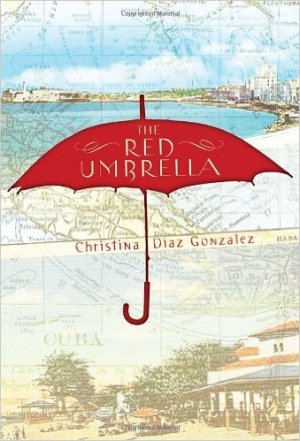
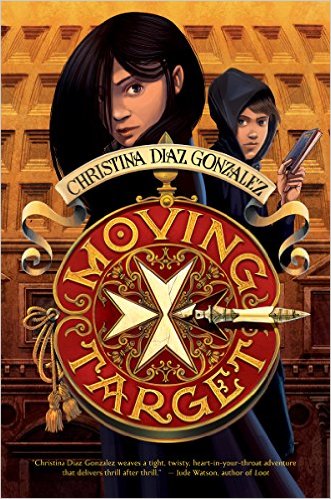
Moving Target 2And now, fifty-five years later, it is that understanding that is reflected in my life. On a large scale, it is most easily seen in my writing through books like The Red Umbrella (the story of a Cuban girl who is sent to the US through Operation Pedro Pan) or Moving Target (an action/adventure story that features an American girl of Cuban descent who becomes embroiled in an ancient mystery dating back to biblical times). But the legacy of Cuba can also be seen in the smaller moments of my personal life such as when my children make Cuban coffee with espumita or I prevent them from jumping into the pool after having a big lunch for fear that there may be something to those patatú stories.

This is my Cuba. My heritage. A heritage that will not be forgotten, but will continue to be passed to the next generation who will hopefully see what my grandparents could not…a free Cuba with a democratically elected government. Until then, I will keep my purse off the floor…por si las moscas.

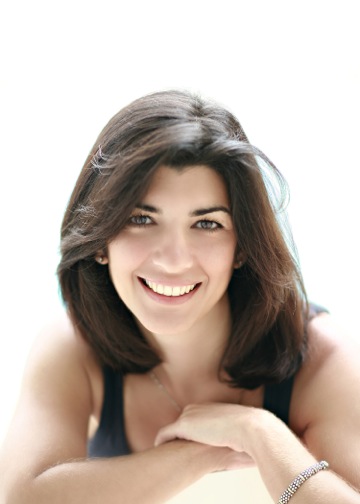
author_highresChristina Diaz Gonzalez is the award-winning author of The Red UmbrellaA Thunderous Whisper, and Moving Target. Her books have received numerous honors and recognitions including the American Library Association’s Best Fiction for Young Adults, the Florida Book Award, the Nebraska Book Award, a Notable Social Studies Book and the International Literacy Association’s Teacher’s Choice Award.  She speaks to students across the country about writing, the importance of telling their stories and the value of recognizing that there is a hero in each one of us. Visit her website at www.christinagonzalez.com for further information.

This concludes our series on Cuban American children’s and YA writers. We hope you loved reading these guest posts as much as we loved hosting them!

Enrique Flores-Galbis: Bridge of Words

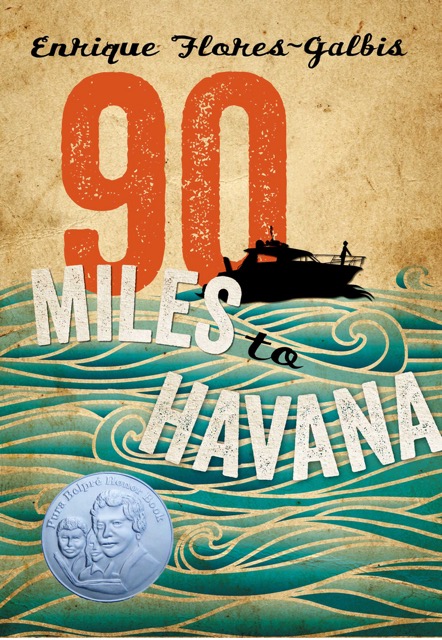
paperback coverAs part of our series on Cuban-American authors, we present an excerpt from a work in progress by Enrique Flores-Galbis, author of the novel 90 Miles to Havana.


One last trip to the well.

I grew up in a house of stories—shared memories, recounted with passion and intensity by those afraid that if they didn’t get their accounts across, the worlds and lives they left behind would disappear, and they would be truly dispossessed.

As a writer I have drawn from these exile stories and benefited from the longing and beauty of their telling, especially those told by my grandmother.

Abuela was the voice of our house. During the day she would sit in her room with the door open. This way, she could track the comings and goings of our large, unruly family, and then broadcast her narratives into the open space at the center of our tall house.

At four in the afternoon she brewed her coffee, rich and strong—the old school way. An old jelly jar, with an embossed design of grape leaves caught the drops of the black liquid oozing from the bottom of the cloth funnel. Stirring two tiny spoonfuls of sugar into her espresso cup she would murmur, “Just enough to sweeten the ninety miles I have to cross,” and then go to her room and close the door.

She would sit in her chair, cup hovering, staring out over the tops of the bare winter trees and then leave. Her body might have been slowly rocking in the chair, but she was gone— she had left the room.

Abuela was a dreamer. She could transcend her self-imposed double exile in Connecticut and return to her home on Obispo street, in Old Havana, at will.

One day, before she closed her door, I asked her, “Abuela, where do you go when you leave?”

Sensing that I was vaguely aware of her travels, she smiled and said, “Havana, of course. Where else would I go?”

It was about this time that our daily ritual of coffee, stories, and my induction into the legion of exile dreamers began.

IMG_4990_1024

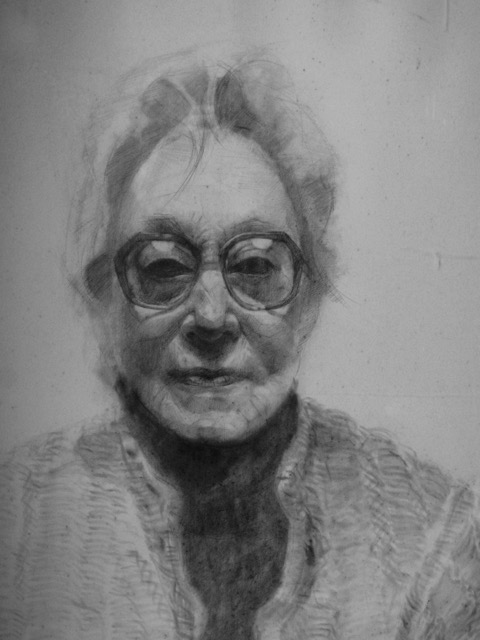
Art by Enrique Flores Galbis

Abuela’s stories always started at the large carved doors of her house on Obispo St. and most of them took place on the same day, the day before her world changed. A sip of coffee, a sigh, and she would begin to describe the doors, the blaring light on the buildings, the hushed blue shadows, and the smell from the chocolate shop on the corner. Each detail, a new strand she would weave into her delicate bridge of words. I listened patiently, closely, until the words disappeared, until only their echoes, the images, remained. And then I too crossed the ninety miles of dark water on her bridge of words.

This, the last story she told me, explained her beginnings as a dreamer and led me to the realization that she was just one of many exiles who dreamed their way back to Havana every day.

“The gallego carpenter carved little cat-like creatures among the leaves and berries at the bottom of the doors where only a child would notice. Those big doors opened into a courtyard paved with smooth grey stones, dug up from the Bay of Biscayne and brought as ballast on the first ships. I always kept my windows open so that I could feel the eternal chill of the grey stones and hear the watery song of the fountain in the middle of the courtyard.

“Every day I was left all alone in that room for my afternoon siesta. I never told anyone before, but as long as I can remember, I wished I had a twin, a girl twin, someone I could whisper my secrets to. Then one day she appeared in my siesta dream. I don’t know how it happened, but there she was, just as real as you are right now. The next day I waited for her, but she did not come back.

“Now I was lonelier than ever before, but determined to bring her back. After all, if I dreamed her once I was sure that I could dream her again. So, one siesta at a time, I began to recreate her, to will her back from my memory.

“I don’t remember how long it took or how old I was when I fully willed her into being, but I do remember the first time she entered my room, she brought the songs of the caged birds as a gift.

“We would lie side by side, barely creasing starched pillowcases, holding hands as we slipped out of this world. In that hour of underwater quiet we were free to roam to places unthinkable at any other time. We tore down walls and burst through gates erected to keep a young girl’s imagination cloistered and safe. We created new worlds and then tossed them back and forth until one of us succeeded in fleshing out a vivid scenario, always reserving a place for the other on our dream stage.

“One day, as I walked to my room for my siesta, there was a loud knock on the big doors. I stopped by the fountain.

“The cook, irritated by the interruption, stepped out of the kitchen and stomped across the courtyard. He nudged the door open only a crack, ready to dismiss the beggar or vendor that had so rudely disturbed his preparation of the evening meal.

“The cook hesitated and then took a step back. As the door swung open, the afternoon light sliced into the shady courtyard. Then the cook, a haughty, serious man, did something that I had never seen him do before. He bowed deeply as a small woman, not much older than myself, walked boldly past him. She stopped at the very tip of the shaft of light as if she wanted me to look at her— to see her fully.

“She had high cheekbones and very small dark eyes. Her sun-darkened skin was a rich ochre, the color of the earth in Matanzas. She seemed to be a perfectly balanced mixture of every race that had ever set foot in the Caribbean.

“She slowly stepped toward me and began to recite details from my secret dream lives, descriptions of places my twin and I had traveled to, places only an intimate of our dreams would know.

“’Have we met?’ I asked.

“ ‘Yes, in your siestas. You left a window open,’ she said in a soft conspiratorial tone.

“I immediately understood what she meant. My dreams were open and inviting. I always left room for my twin and, I realized, they were open to all dreamers.

“It didn’t take me long to see that Uva was my guardian-angel. She had come to teach me about the art of dreams, as she called it, always insisting on the importance of her calling, because shared dreams have the power to affect reality.

“Over time the numbers of dreamers grew, but in exile our once sweet dream turned into a bitter, dark cloud casting its half century shadow on our island.

“Now there are not many of us left and I’m too tired to carry on.

“It is time for this dream to end, so that the new one can begin.”

Good bye, Abuela.


Flores GalbisEnrique Flores Galbis is a painter, teacher, lecturer, and novelist. He immigrated to the United States from Cuba at age nine. As a writer, he is best known for the Pura Belpré Honor Book 90 Miles to Havana. His first novel, Raining Sardines,  (Roaring Brook Press 2007)a recipient of America’s Award Author Honors. Learn more about his art and writing on his professional website. Go here to view an illustrated reading by the author from his award-winning novel.

About that Embargo: Nancy Osa and Margarita Engle

Library Shelves YA

The End of the Cuba “Embargo” in YA Lit

By Nancy Osa

In the late 1990s, I wrote a young-adult novel about a teenager who protests the United States–Cuba trade embargo and sent it out to major publishers. I may have set a record for rejection letters. No children’s publisher dared broach the subject of U.S.-Cuba politics—not even from a humanitarian perspective. I’ll wager that such a reticent attitude is about to die. Soon, all things “Cuba” will be the next hot topics to follow zombies and vampires.

The true theme of my book, though, was not Cuba’s worthiness of respectful neighborly relations but rather Americans’ right to challenge policy through peaceful protest. Which topic were publishers really shying away from? In the 1990s, acts of dissent had been appropriated and/or stigmatized by publicity-hungry groups—Million Man March, anti-WTO factions, abortion clinic terrorists. Exposing teens to international politics, publishing interests seemed to surmise, might only incite high schoolers to riot.

I argued that young American readers should understand their options for agreeing or disagreeing with their homeland’s diplomatic policies. Information, discussion, and even provocation are necessary elements to learning to think critically. Simply ignoring the far-reaching trade and travel restrictions was a disservice to maturing readers, who, by their nature, are quite open to efforts to make the world a better place. When I was 10 years old, for instance, I formed a club and held a fundraiser to buy a trash can for my local park. On the heels of that success, I embraced various causes: women’s rights, resource conservation, humane treatment of animals, etc. When I reached voting age, I voted, marched, petitioned my legislators, and canvassed door-to-door. Not until my thirties did I think deeply about my Cuban heritage, though, and the implications of our national policies to my personal and cultural relationships. I wondered what it would have been like to grow up informed and in touch with my relatives on the island, instead of ignorant and forcibly separated. This was the impetus for writing my book.

When I submitted my novel to publishers, I knew that many young readers would welcome my story about an American girl who joins a protest rally to improve conditions for her family members in Cuba. I couched the topic in typical high-school drama, with a large dose of humor. It wasn’t vitriolic or pointedly critical of any one faction. Still, mainstream publishing houses, librarians, book buyers, and teachers were afraid to raise the hot-button Cuba issue. I suspect they were equally put off by the topic of protest. That book was never published, but another novel about a traditional coming-of-age ceremony—the quinceañero—was. Both Cuba 15books used humor to engage readers in a debate about factionalism: kids vs. parents, traditionalists vs. progressives . . . America vs. Cuba. The book that focused on dresses vs. pants, however, won out over the one that more literally discussed right vs. wrong.

As we face a new relationship between the U.S. and Cuba, I’d like to remind readers and thinkers that people like me have been politely protesting the political stand-off for decades. Twenty-fifteen marks the twenty-third year that the group IFCO/Pastors for Peace has practiced civil disobedience by gathering and delivering goods to Cuban people in need. Communist partisanship is not the motivator; charitable sentiment is.

As someone whose birth was sandwiched between the 1961 Bay of Pigs invasion and the 1962 Cuban Missile Crisis, I have always felt helpless to influence U.S.-Cuba relations politically. But when I joined a Pastors for Peace “Friendshipment,” I gained the power to positively affect Cubans on a personal level while protesting the trade embargo. Does this type of humanitarian overture influence diplomacy? I hope so; but no one has suggested that it prompted President Obama’s executive decision to restore diplomatic ties with Cuba. Let’s face it: peaceful protest does not make for sexy news stories. First Amendment rights of free speech, assembly, and freedom of the press, though, should be considered fitting fodder in young-adult literature.

Nancy OsaNancy Osa is the author of Cuba 15 (Random House), a Pura Belpré Honor Book and winner of the Delacorte Press Prize for a First Young Adult Novel. Her most recent work, Defenders of the Overworld (Sky Pony Press), is an unofficial Minecraft fiction series for young-adult readers. To learn more, visit her website.


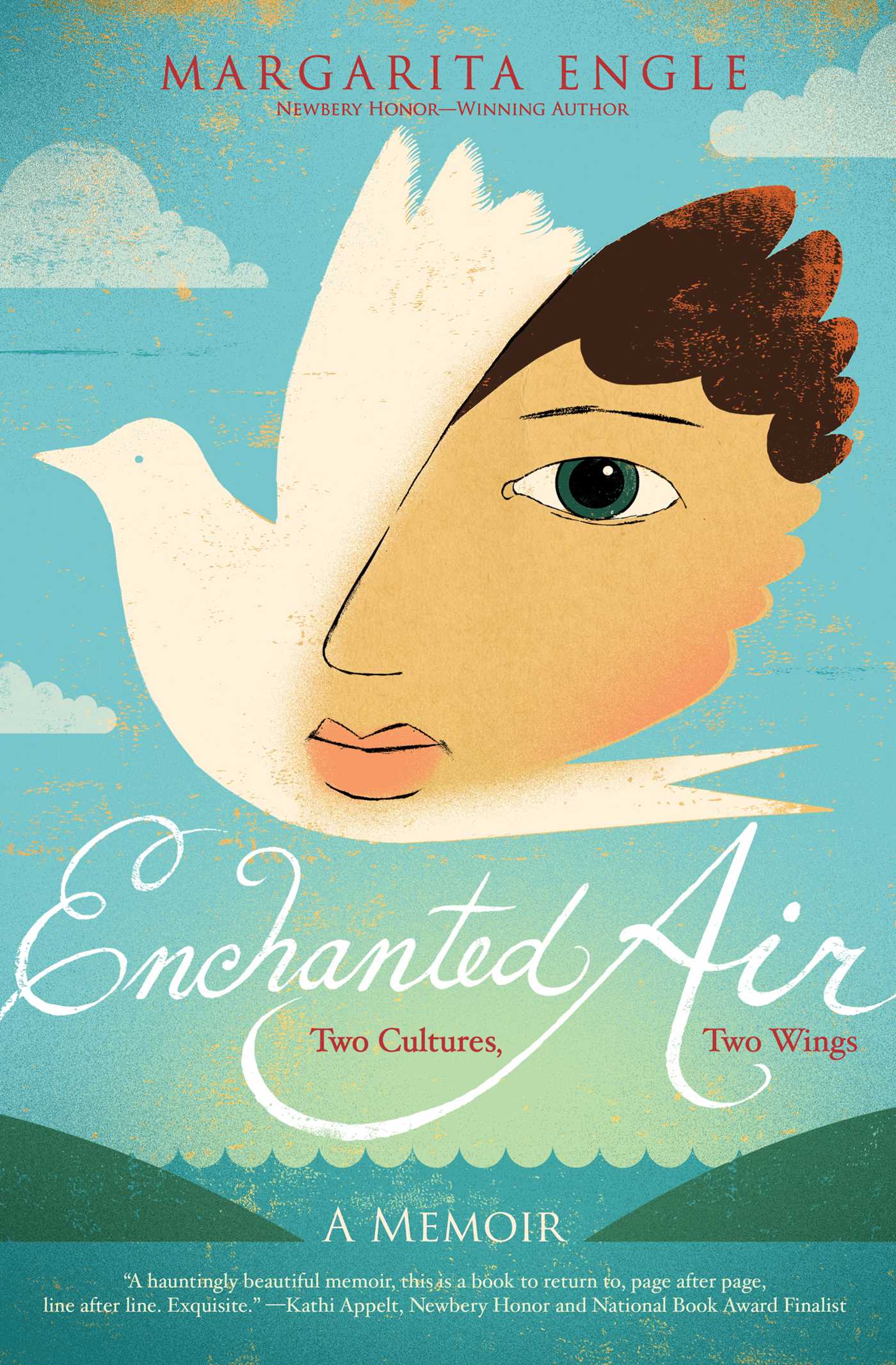
Enchanted AirThe Magic Realism of Memory

By Margarita Engle

The great Cuban poet Dulce María Loynaz wrote a poem called En Mi Verso Soy Libre—In My Poem I Am Free. She spoke of rising up inside the poem, where she is herself. The same is true for me. I reveal my secret self inside the covers of my verse memoir, Enchanted Air, Two Cultures, Two Wings.

Even though I am my true self on those pages, now that the book has been published and can be read by strangers, I’ve begun to wonder if I will be misunderstood or disbelieved. My childhood seems so unusual, almost surrealistic. I’m neither an exile nor a refugee. Until 1960, my family traveled back and forth between Cuba and the U.S., ignoring the Cold War.

The question arises: is a surrealistic childhood typical for the children of immigrants? Yes, I believe it is, even without the international conflict that separated the two halves of my bicultural family. Visiting relatives in another country can be an incredible joy, but upon returning to the U.S., a child of mixed ancestry can feel disoriented. In that sense, my unusual story is common, because the same could be said for children who move back and forth between two homes within the same country, particularly if their parents live in different cities, or if one lives in an urban area, and the other is rural. Immersed in blended memories, these children may experience the insecurity of feeling uncertain where they belong, but by traveling they also gain insights into more than one way of existing. Perhaps exposing them to verse memoirs will give them a window into their own possibilities. They could write travel memoirs, too. They could write poetry! They could find a safe home-on-the-page for overwhelming emotions.

Telling stories

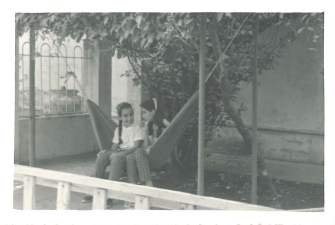
Margarita and her sister in Cuba

During my teen years, it was easier for a U.S. citizen to walk on the moon than to visit relatives in Cuba. Nothing can ever return those years to me intact. They are fractured. Yet somehow, the act of writing about them in verse felt medicinal. Poetry heals. In the author’s note at the end of Enchanted Air, I came out of the anti-Embargo closet, making a plea for normalization of U.S.-Cuba diplomatic relations, travel, and trade. Then, as if in a dream, President Obama announced the first steps toward improved relations. The announcement came during the same week when advanced review copies of Enchanted Air arrived on my doorstep. Joyfully, I revised the author’s note, transforming my plea into a song of gratitude.

With equally dreamlike timing, the U.S. Embassy in Havana re-opened exactly ten days after the release of Enchanted Air. For me, this feels like an era of miracles. Nevertheless, the process of healing the rift between nations will be complex, just as the process of facing childhood emotions to write a memoir is not simple. In Just Write, Walter Dean Myers advised: “I believe your skills as a writer are not so much defined by intelligence or artistic ability as they are by how much of yourself you are willing to bring to the page. Be brave.”

Yes, be brave. There is no other way to face the wounded child inside one’s own mind—a child who never completely outgrows the magic realism of growing up with a memory that contains two distinct ways of perceiving the world. A memory that can turn into verse, where a divided childhood can be made whole, setting the poet free.

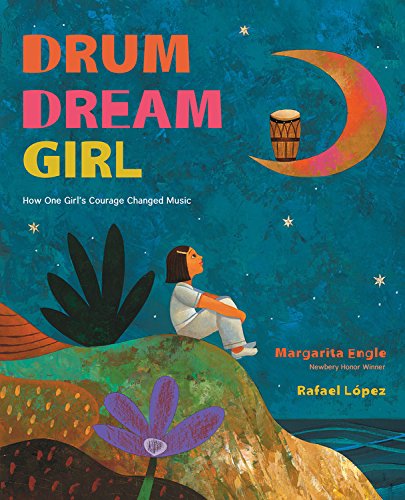
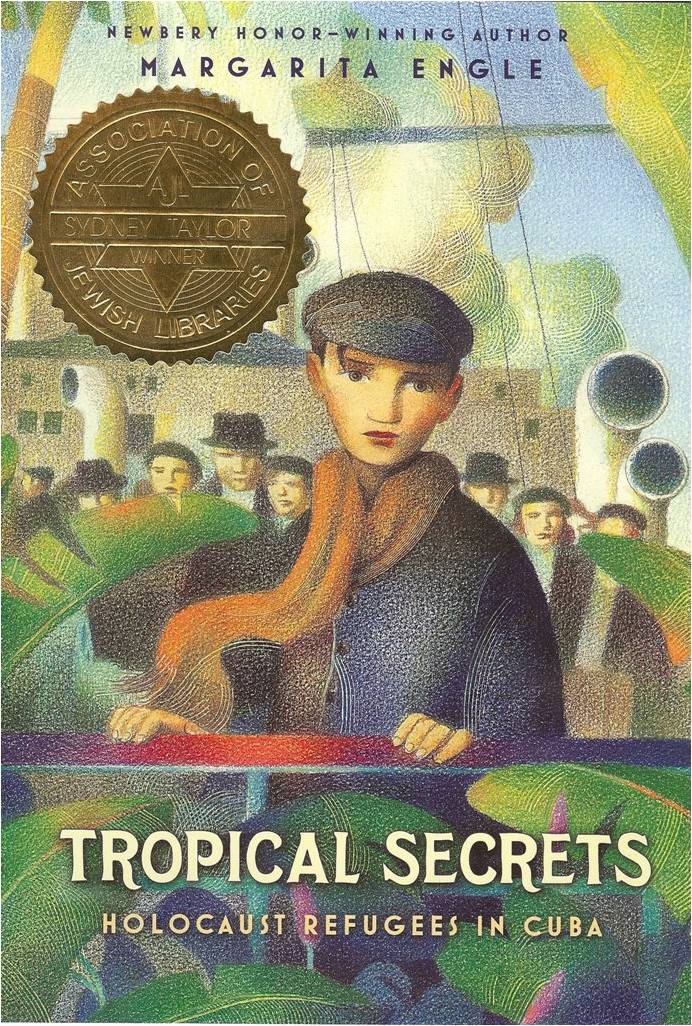
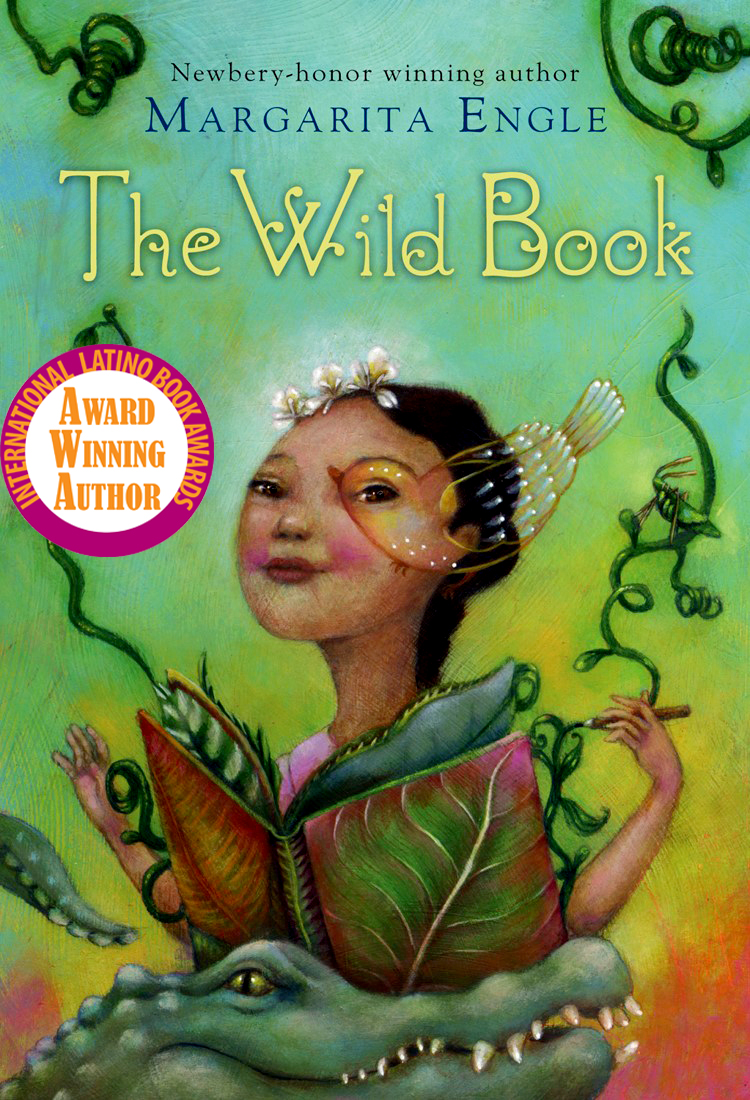
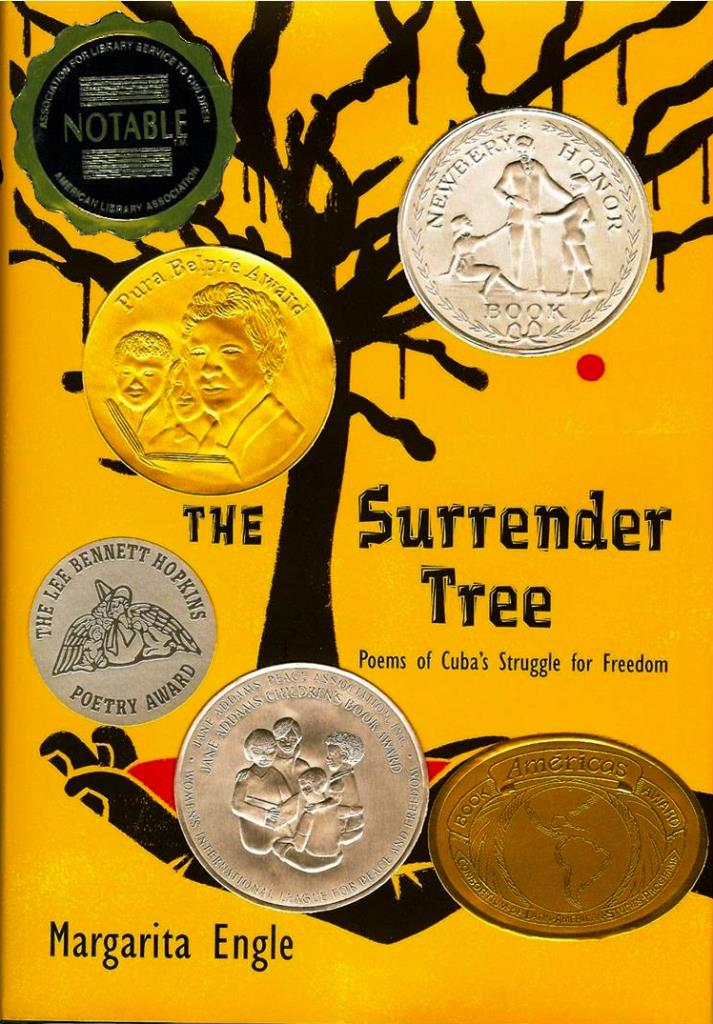
MargaritaMargarita Engle is the author of many books for young readers. Her long list of literary honors includes the Pura Belpré Medal, the Newbery Honor and the 2014 PEN USA. The themes and characters of Margarita’s books often reflect her Cuban heritage, including the titles pictured below. Learn much more on her official website.

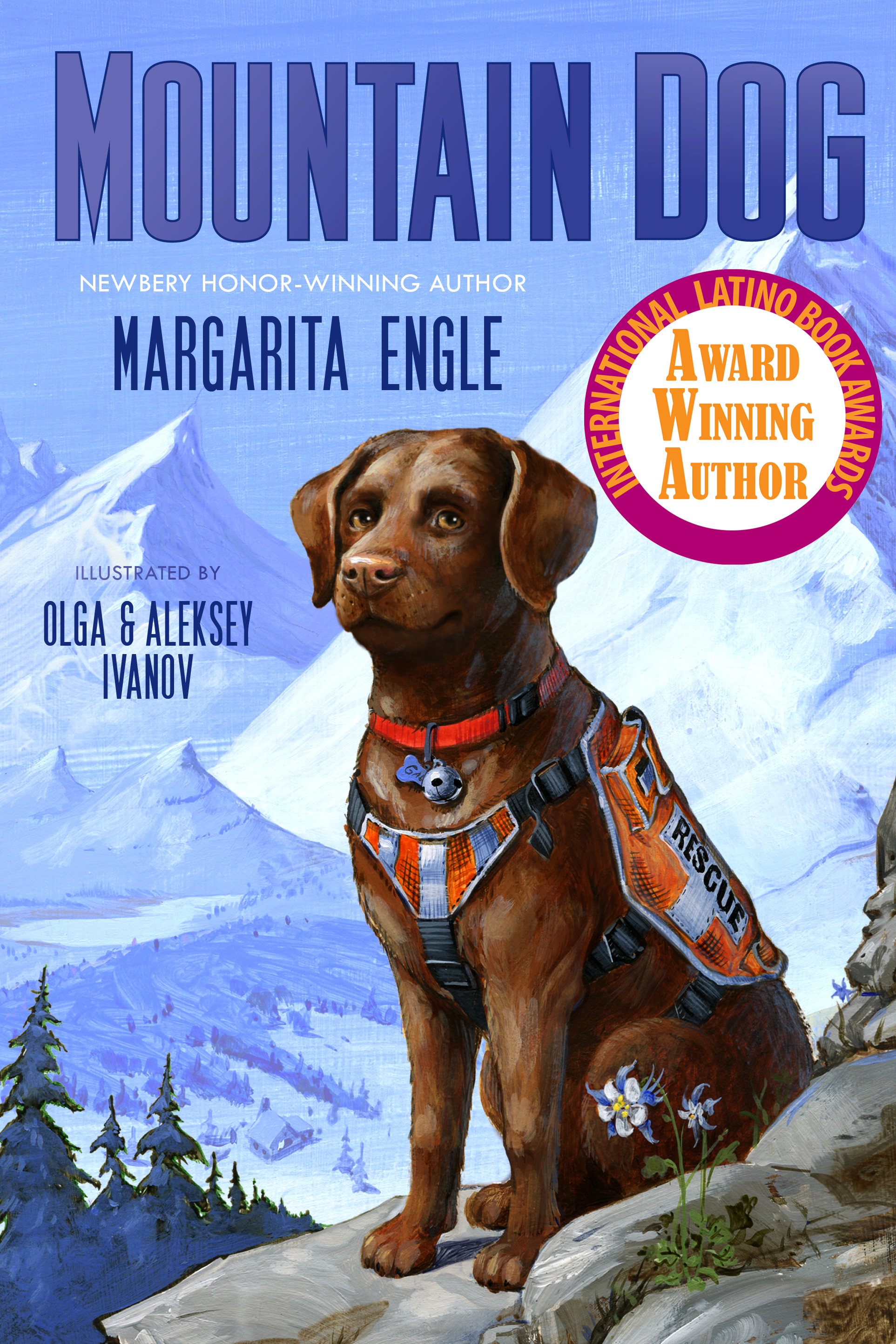
Margarita offers an abundant selection of books based in Cuba or featuring Cuban characters, as seen below.

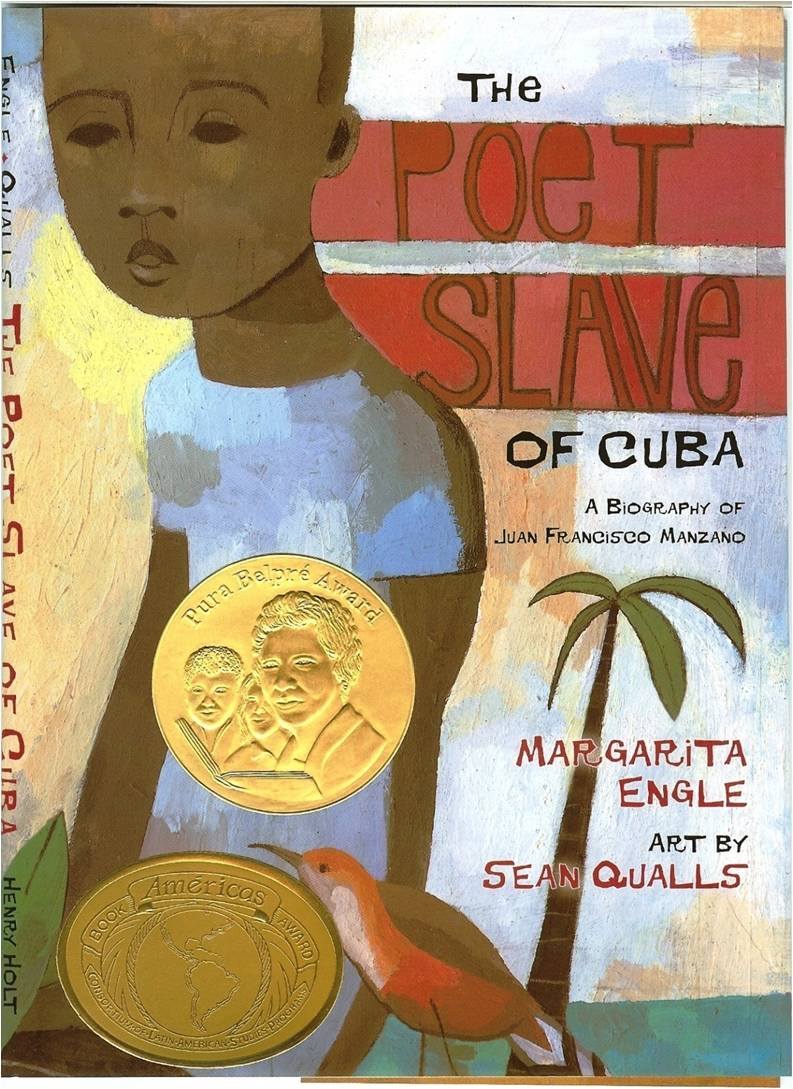
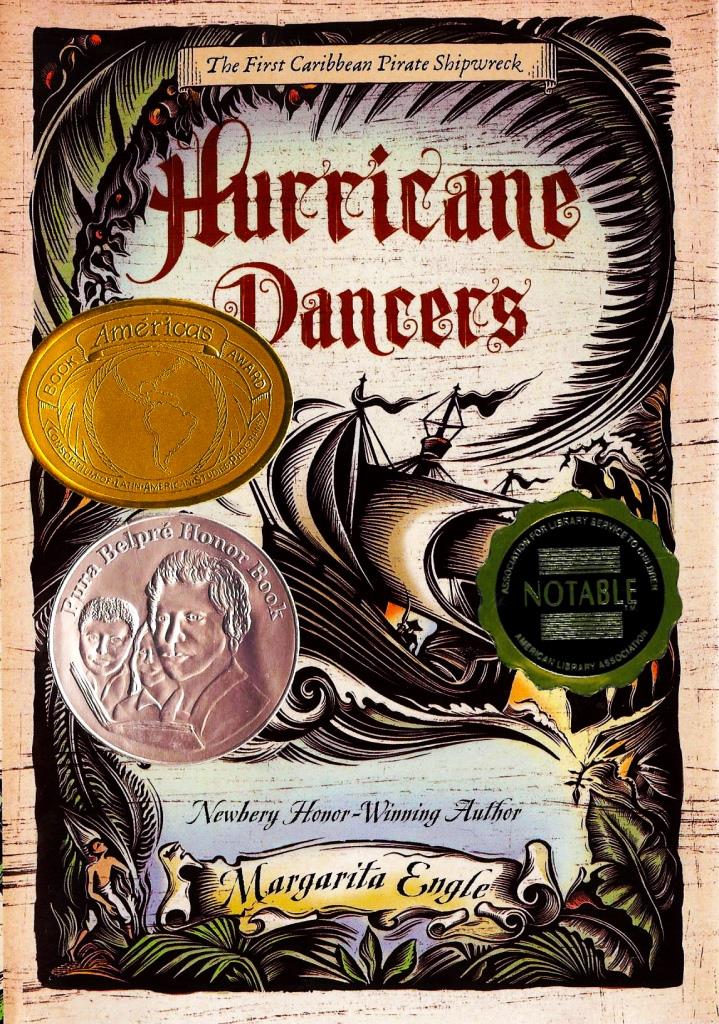
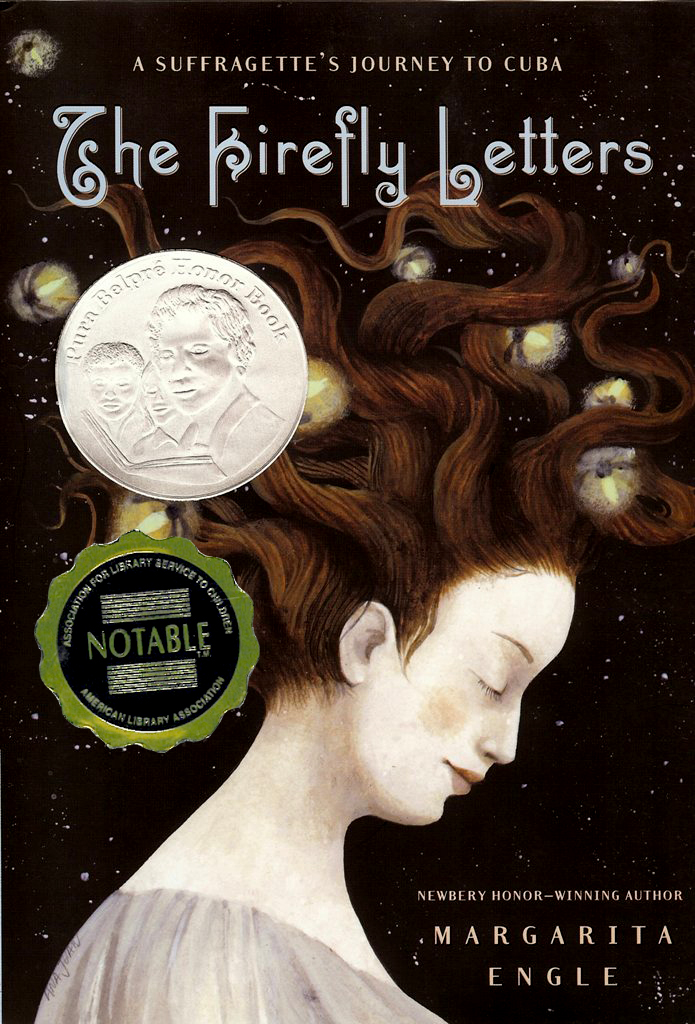
MountainDog.highrescvr  drum dream girl cover  Tropical Secret   The Wild Book  Surrende Tree Notable  Poet Slave  Hurricane dancers notable  Firefly notable  Enchanted Air


Growing Up Cuban: Laura Lacámara and Meg Medina

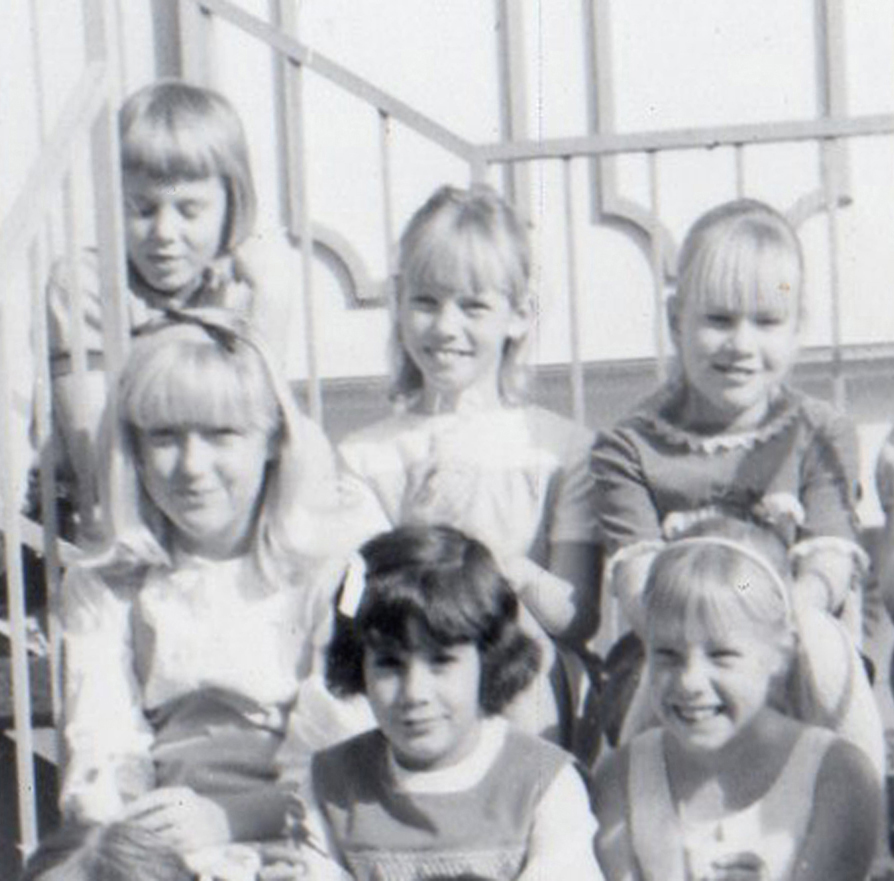
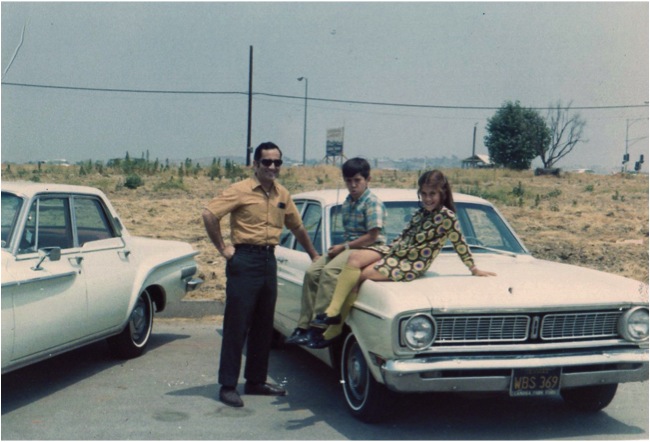
Photo of me & blond girls from class

My Cuban Evolution

By Laura Lacámara

Growing up Cuban-American in suburban Southern California, I teetered back and forth between feeling different, like I didn’t belong, and feeling exotic and special.

The feeling different part came mostly when I was little.

We spoke Spanish at home, while all my friends spoke English.

We ate lechón (roast pork), black beans, and plantains on Christmas eve (nochebuena), instead of turkey, stuffing, and yams on Christmas night.

Then, there was that same embarrassing question asked by all my friends who came over to the house: “Why are your parents fighting?”

“They are not,” I would respond, “they are just talking about what they want for dinner.”

In high school, being Cuban meant getting an easy “A” in Spanish. By the end of high school, being a Spanish-speaking Cuban had gone from totally embarrassing to super cool. I was the “exotic” one among my group of white suburban friends. (I knew I wasn’t really exotic, but I didn’t contradict them because I liked feeling special!)

Me on hood of carFinally, in college, came exploring my roots, and ultimately embracing (and being proud of!) my Cuban-American identity.

Of course, the whole Cuban roots and identity thing comes with the inevitable responsibility to comment on Fidel Castro.

So, when asked that obligatory question by my white, non-Cuban friends: “Don’t you think it’s great that Castro’s revolution has given every Cuban citizen access to a pair of shoes and an education?”

Rather than launching into a big political discussion about the whole embargo thing (which I am totally in favor of lifting, by the way), I now offer the following joke:

“Comrades, what are the three great successes of the revolution? Healthcare, education, and sports. What are the three failures? Breakfast, lunch, and dinner.”

Politics aside, being Cuban remains a very personal thing for me. Sometimes it has felt like missing pieces I can only catch glimpses of here and there, but never quite own.

As a Cuban-American author writing stories inspired by growing up in my Cuban family, I’ve been able to explore some of these pieces and the quality of what Cuba, or being Cuban means to me.

Yes, I have lived in the U.S. most of my life, and I can express myself (verbally and on paper) better in English than in Spanish.

But, deep-down, that Spanish-speaking part of me, the one that finds “home” in a plate of black beans and rice with a slice of my mom’s homemade flan, will always be Cubana!

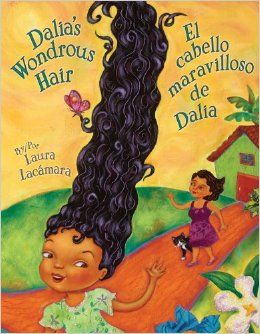
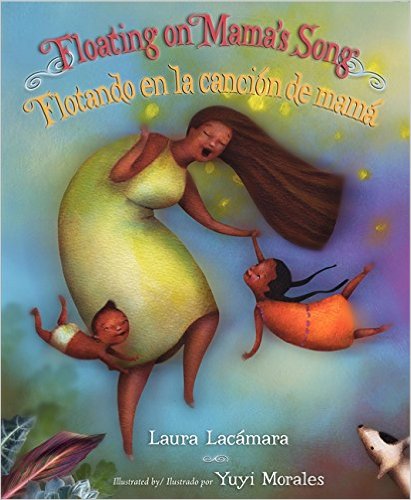
Dalia Cover    Floating

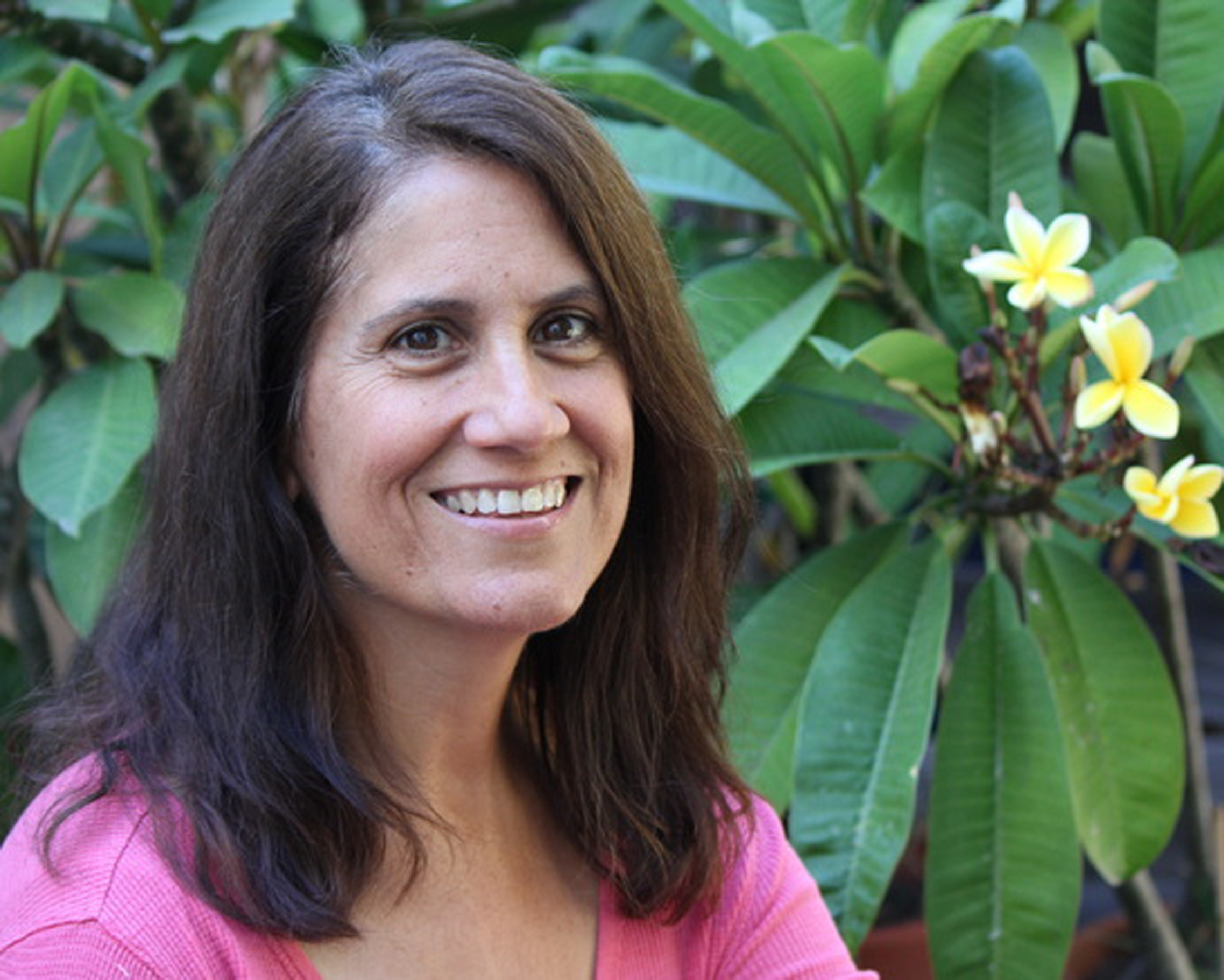
Laura_photo_2015-300 dpiCuban-born Laura Lacámara is the award-winning author and illustrator of Dalia’s Wondrous Hair / El cabello maravilloso de Dalia (Piñata Books), a bilingual picture book about a clever girl who transforms her unruly hair into a vibrant garden.

Laura also wrote Floating on Mama’s Song / Flotando en la canción de mamá, a bilingual picture book inspired by her mother, who was an opera singer in Havana. Illustrated by Yuyi Morales and published by HarperCollins, Floating on Mama’s Song was a Junior Library Guild Selection for Fall 2010 and was a Tejas Star Book Award Finalist for 2011-2012.

You can learn more about Laura’s work at her official website.


Cheeseburger by Day, Guayaba by Night

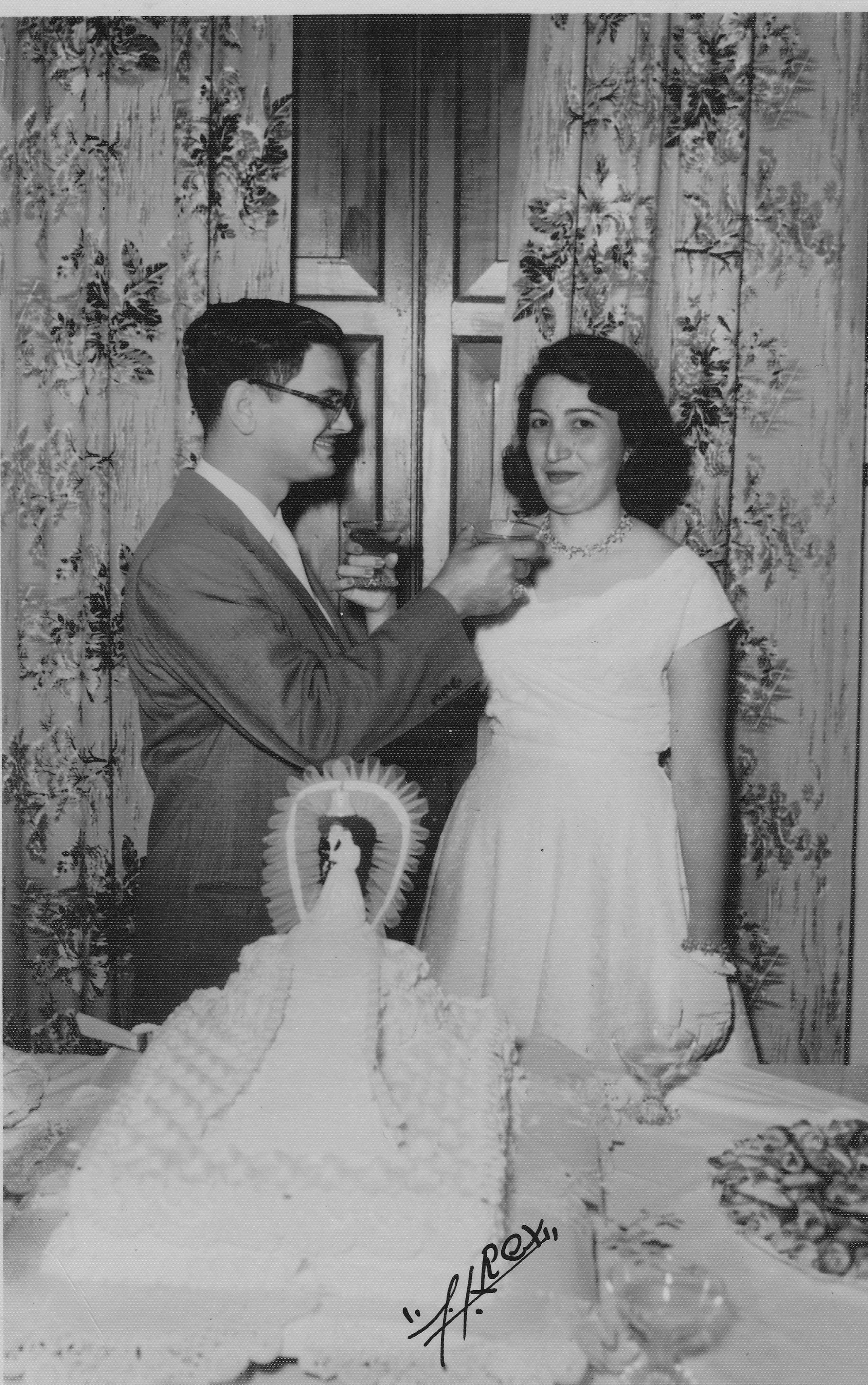
Juan Medina and LIdia Metauten wedding_NEW copy

Meg Medina’s parents at their wedding

By Meg Medina

My parents left Cuba as part of the political exodus in the early sixties. I was the first person in my family born in the United States. I learned Spanish from my mother and English from Romper Room. I grew up biculturally: Cheeseburger by day, guayaba by night, so to speak. All to say that I find that I am Cuban to Americans. To Cubans, I am from the US.

When I consider Cuba, I can only rely on black and white photos and on dreamlike stories – perhaps even the obsessions – of my family. I cut my teeth listening to yarns about a place where you wore only a sweater in the winter, where mangos the size of softballs were heavy with sweetness. It was a place of rivers and beautiful ocean waters where you could see your toes. It was the place of tobacco on their fingertips, a place where my family was happiest and the place that broke their hearts.

Image 7

Two of Meg’s relatives on the streets of Havana

My own memories are these: Months of waiting for letters to arrive on thin airmail paper and my aunt’s voice reading the words aloud. A box of old photographs that arrived decades later, the images bored through by insects, and how those photos made my old mother cry. The odd catch in my chest when I see how dire need somehow got recycled into kitschy tourists waving from the seats of classic American cars.

People often ask: “Have you been to Cuba?”

I have never set foot on the island, but in a way, I have been there every day of my life. But how do we talk about Cuba as phantom limb? And, more important, how do we knit ourselves back together – los de aquí y los de allá – and move forward in search of new and better times?

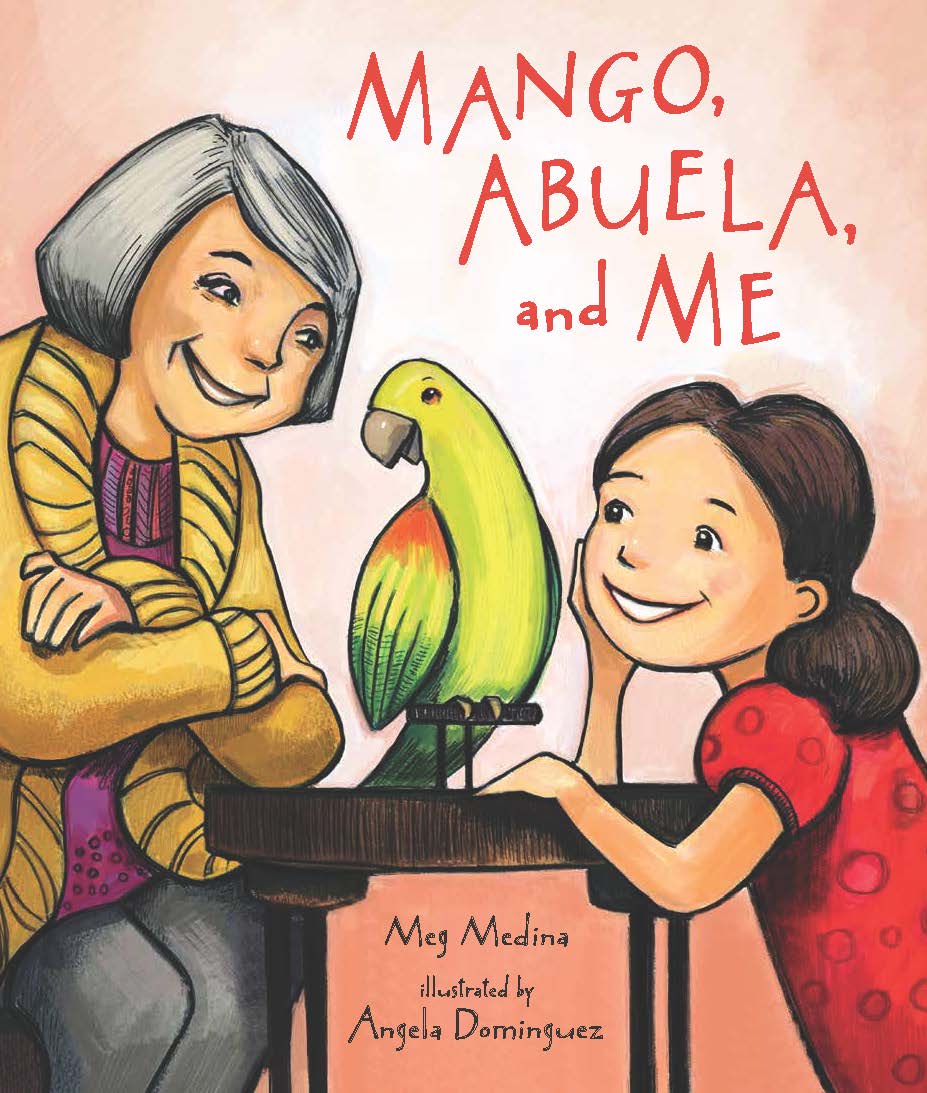
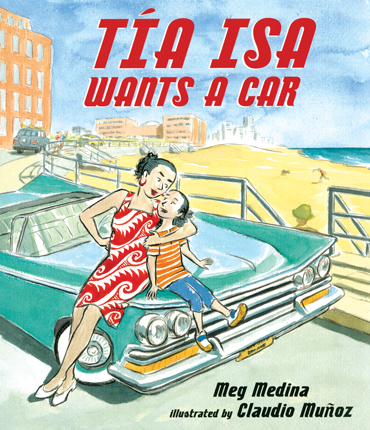
 MANGO_jacket_for_Meg  Tia Isa

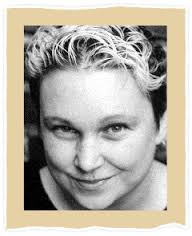
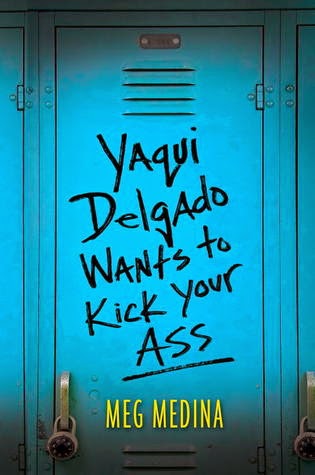
ad6df-yaquiMeg Medina is an award-winning Cuban American author who writes picture books, middle grade, and YA fiction.

She is the 2014 recipient of the Pura Belpré medal and the 2013 CYBILS Fiction winner for her young adult novel, Yaqui Delgado Wants to Kick Your Ass. She is also the 2012 Ezra Jack Keats New Writers medal winner for her picture book Tia Isa Wants a Car.

Photo credit: Petite Shards Productions

Petite Shards Productions

Her most recent picture book, Mango, Abuela, and Me, a Junior Library Guild Selection, has earned starred reviews in Booklist and Publishers Weekly, and  is included in the 2015 American Booksellers Association’s Best Books for Young Readers Catalog.

Meg’s other books are The Girl Who Could Silence the Wind, a 2012 Bank Street Best Book and CBI Recommended Read in the UK; and Milagros: Girl From Away.

Read a wonderful write-up on the Cuban inspiration of Meg’s newest book, Mango, Abuela and Me, at her blog, where you can also find information on her speaking schedule and much more.