The Comadres and Compadres Latino Writers Conference

Pano_Manhattan2007_amk

By Lila Quintero Weaver

Writers workshops and symposiums are every place you look, but only The Comadres and Compadres Latino Writers Conference is specifically geared toward the interests of Latin@ writers. I attended the conference last year and found not only wisdom for the writing life, but also an amazing level of mutual support and enthusiasm for networking among my fellow attendees. Another of the conference’s major strengths is the accessibility of the presenters. The roster of speakers includes authors, editors, agents, and other members of the literary and publishing industry with keen interest in increasing Latin@ representation in books.

My co-blogger Cindy L. Rodriguez wrote about her experience at the 2014 conference, and the year before, Yadhira Gonzalez Taylor shared a recap of the sessions she attended.

This year, on October 3, the 4th Annual Comadres and Compadres Writers Conference will be held at The New School, in Manhattan. The New School is also a co-sponsor of the event.

Adriana Dominguez, of Full Circle Literary, is one the conference founders and organizers. Speaking of this year’s line up, she says, “We will have some amazing editors in attendance on the children’s side, which represents an amazing opportunity for Latino authors in particular! This is the only conference that focuses specifically on Latino writing, and as the numbers of Latino authors (and editors and agents) have dwindled in recent years, we know that our work is more important than ever.”

Please note that the deadline for the lower registration fee ($125) and to sign up for one-on-ones with agents and editors is 9/16, so best to sign up now, while you can still get a one on one, and before the fee goes up to $150 on site!

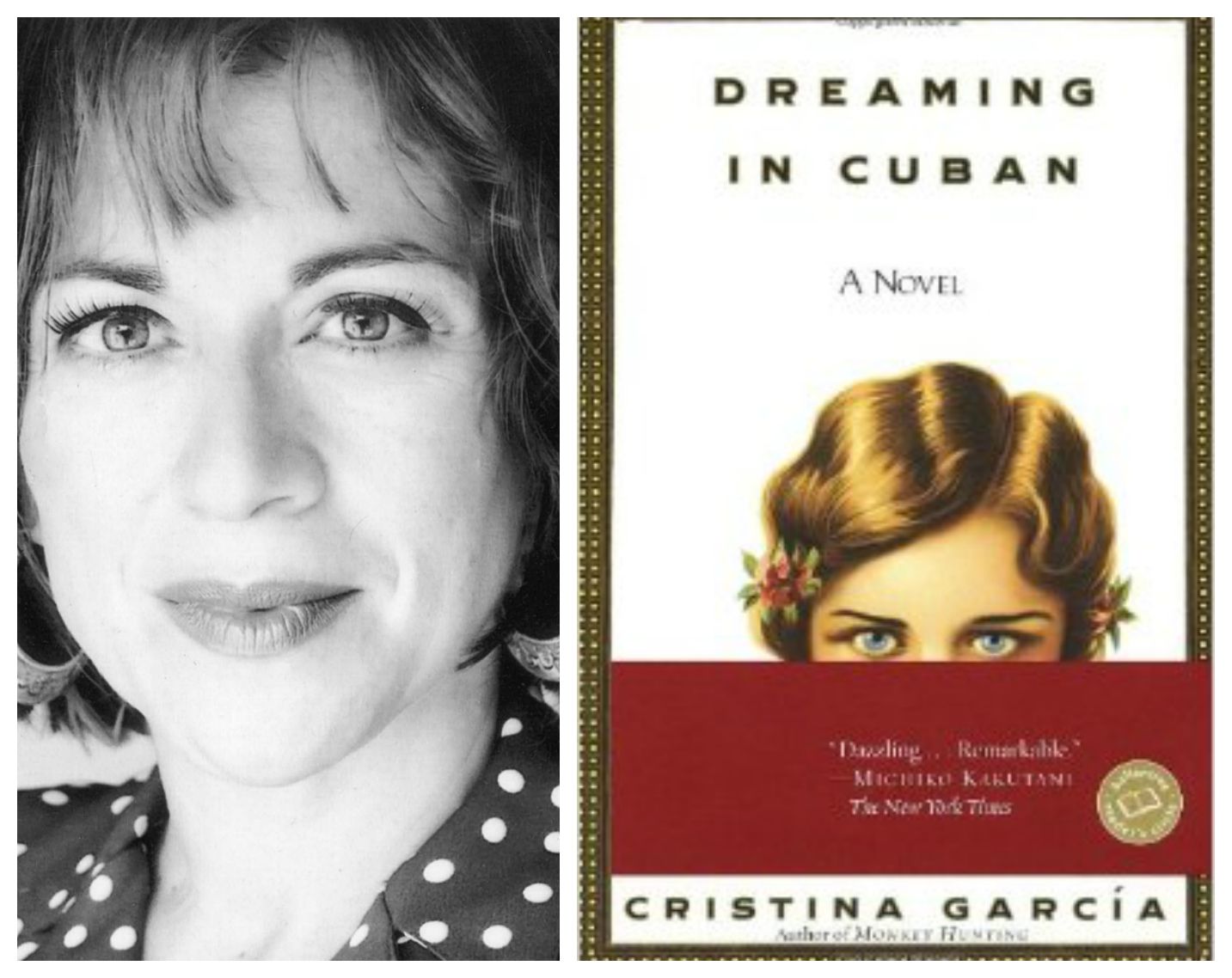
Cristina Garcia collageThis year’s keynote speaker is Cristina García,  the bestselling author of Dreaming in Cuban and other important books.

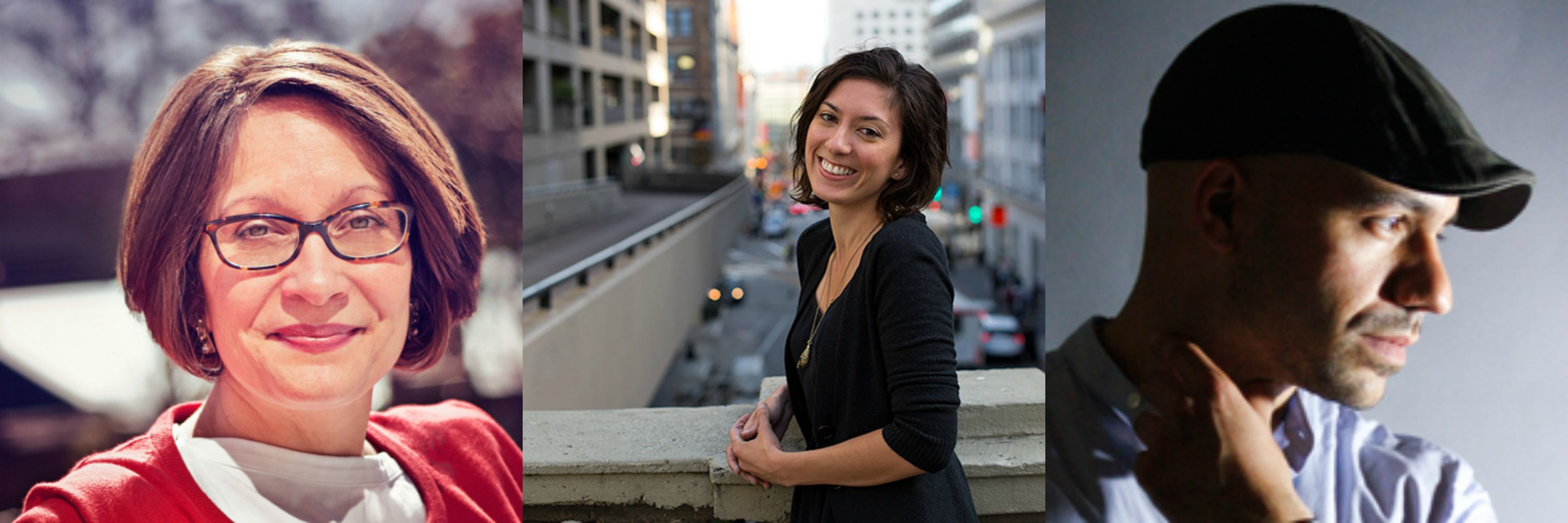
Meg Medina, best known for her Pura Belpré prize-winner, Yaqui Delgado Wants to Kick Your Ass, will lead the children’s writing workshop. Other panelists of note include Angela Dominguez, author-illustrator of many adorable picture books, such as Knit Together, and Daniel José Older, writer of the highly acclaimed YA novel Shadowshapers. You can learn more about the conference program and registration details at the Las Comadres website.

Comadres panelists

Book Review: Out of Darkness by Ashley Hope Pérez

25256386

DESCRIPTION OF THE BOOK: “This is East Texas, and there’s lines. Lines you cross, lines you don’t cross. That clear?”

New London, Texas. 1937. Naomi Smith and Wash Fullerton know about the lines in East Texas as well as anyone. They know the signs that mark them. They know the people who enforce them. But there are some forces even the most determined color lines cannot resist. And sometimes all it takes is an explosion.

Ashley Hope Pérez takes the facts of the 1937 New London school explosion—the worst school disaster in American history—as a backdrop for a riveting novel about segregation, love, family, and the forces that destroy people.

OUR TWO CENTS: 

Cindy L. Rodriguez: As soon as I finished Ashley’s novel, I wanted to reread it as a writer. I want to pull it apart and study it because it’s that good. One of the things I appreciate most was the slow burn of the narrative. The novel opens with the explosion, and then flashes back to show how the characters’ live intersect before the event. The fuse lit in that opening scene coils through the narrative, gaining in intensity as the story leads back to the explosion and then its aftermath. The tension in Naomi’s home, school, and community is palpable throughout the story and increases slowly as we’re led into the heartbreaking climax.

Ashley masterfully balances the big picture and the smallest details. Her writing made me think of a photographer who could both go wide and capture a panoramic view and then zoom in for a close up and not lose anything in this process. She also beautifully balances the swoony magic of falling deeply in love for the first time and the absolutely brutal realities faced by African-Americans and Mexicans at this time in history. BRAVA!!

Lila Quintero Weaver: Ashley’s command of narrative is impressive! In Out of Darkness, she tells a story set in the American past and makes it feel of the moment. It holds all the markers of a historical novel, starting with the cataclysmic explosion of 1937 that looms with ominous eventuality over the characters we come to care about. Threaded with lively detail, the historical richness comes through in social customs, daily activities, and the speech patterns and cultural attitudes typical of 1930s east Texas. No easy feat. I detect a massive amount of research behind it all.

This devotion to authenticity translates into contemporary meaning through the story’s characters and the complicated problems they face. Naomi’s most serious problem is a predatory stepfather whose capacity for evil keeps her in a constant state of vigilance. There is no escape. She has no money or resources and she feels deep loyalty toward her two tender stepsiblings. Because Naomi is Mexican-American and lives in a part of Texas where Mexicans aren’t numerous, she has no community to fall back on and is looked upon by some white classmates as dirty and worthless. When she falls hard for Wash, a young black man who offers her a chance at true happiness, Naomi steps into the arena of forbidden love—one she must keep hidden from society and the stepfather who follows her every move with lecherous eyes. What a story!

Others agree with us, too! Out of Darkness received starred reviews from School Library Journal and Kirkus Reviews. Here are some quotes and links with more information about and praise for the novel:

“The beauty of Perez’s prose and her surefooted navigation through the dangerous landscape of the East Texas oil field in the late 1930s redeem the fact that anyone who dares read this agonizing star-crossed love story will end up in about six billion numb and tiny pieces. Absolutely stunning.” —Elizabeth Wein, author of Code Name Verity and Michael L. Printz Award Honoree

Teen Library Toolbox (an SLJ blog): http://www.teenlibrariantoolbox.com/2015/09/book-review-out-of-darkness-by-ashley-hope-perez/

Detailed review from The Midnight Garden (YA for adults): http://www.themidnightgarden.net/2015/08/outofdarkness.html

Q&A on NBChttp://www.nbcnews.com/news/latino/out-darkness-latina-author-n419026

Diversity in YA post: http://www.diversityinya.com/2015/08/words-that-wake-us/

Q&A on our site earlier this weekhttps://latinosinkidlit.wordpress.com/2015/09/09/qa-with-ashley-hope-perez-about-out-of-darkness/

And this post by Forever Young Adult nails the “casting call” for novel if it were made into a movie. Their picks of Christian Serratos as Naomi and Titus Makin Jr. as Wash were spot on! Nicely done, Forever Young Adult!


TEACHING TIPS: Although the New London, Texas, school explosion was the worst school disaster in our nation’s history, it’s one many (most) students have probably never learned about but should, as it has interesting implications concerning race and class worth exploring. Out of Darkness asks readers to think beyond the black and white dynamics of U.S. race issues by adding Latin@ children to the segregated schools system and portraying the daily concerns and realities of Mexicans who could or could not “pass” as white. Also, the violent consequences of marginalized romantic relationships isn’t often explored in curricula, but might be/should be considering the U.S. Supreme Court’s decision on gay marriage. A book like Out of Darkness could help teen readers appreciate the long history of struggle and violence experienced by people who have wanted to live and love freely.

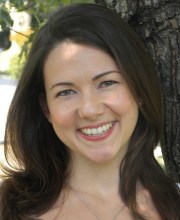
2012AuthorPhoto500pixelsABOUT THE AUTHORAshley Hope Pérez is a writer and teacher passionate about literature for readers of all ages—especially stories that speak to diverse Latino experiences. She is the author of three novels, What Can’t Wait (2011) and The Knife and the Butterfly (2012), and Out of Darkness (2015). A native of Texas, Ashley has since followed wherever writing and teaching lead her. She completed a PhD in comparative literature from Indiana University and enjoys teaching everything from Spanish language and Latin American literature to the occasional course on vampires in literature. She can also be found on Twitter and Facebook.

FOR MORE INFORMATION about Out of Darkness, check your local public library, your local bookstore or IndieBound. Also, check out GoodreadsAmazon, and Barnes & Noble.


Q&A with Ashley Hope Pérez about OUT OF DARKNESS

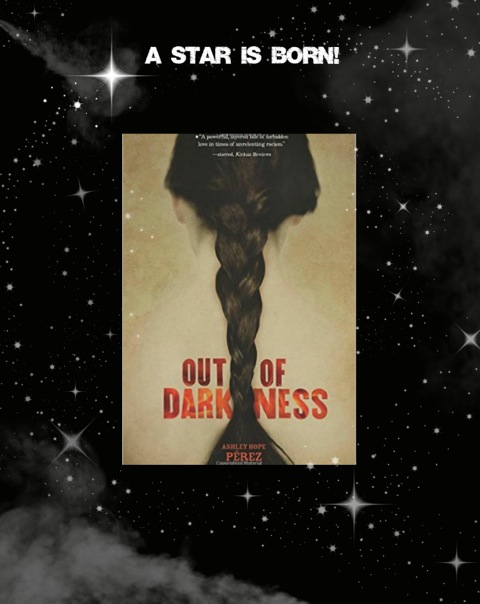
A Star is Born

We’re so thrilled to begin our third year online with a celebration of Out of Darkness by our amiga and co-blogger, Ashley Hope Pérez! Her third novel, which released September 1, is historical fiction, with a deadly school explosion in East Texas in 1937 as its central event. Using multiple points of view, Ashley develops a cast of complex characters who confront brutal racism and violence in addition to the beauty of first love. Amanda MacGregor of Teen Librarian Toolbox said, “Pérez’s story is nothing short of brilliant”, and we wholeheartedly agree! In fact, we think it’s one of the best 2015 releases! If it’s not on your to be read list, it should be. Click here to read Ashley’s post about her work on this novel, and for more insight, see our Q&A with her below.

Ashley, in the last two years, you finished your doctoral dissertation, changed jobs and geographical locations, and gave birth to a second child. How did you manage to write such an ambitious novel with so much else going on in your life?

When you put it like that, it does sound pretty outrageous! The short answer is that, when our first son was one, we moved to Paris for a year. I taught a ton of university English classes, ate yards and yards of bread, and worked on the first draft of the novel. I gave myself that year off from academic research. When we got back, I used the novel as a daily carrot to motivate my academic writing: if I got my words on the dissertation done, I got to take some time for the fiction.

You don’t shy away from controversial territory! This story contains sexual abuse, incest, brutal racism and frank sexuality. Talk about shaping these elements within the boundaries of young-adult fiction.

Wait–there are boundaries to young adult fiction? No one told me!! Really, though, I shouldn’t be glib. It’s just that Andrew Karre (my editor for Out of Darkness as well as for The Knife and the Butterfly and What Can’t Wait) has always seemed more interested in pushing or crossing boundaries than in upholding them. He’s probably one of very few YA editors who sends emails that say things like, “could the sexual details in this scene be a little more explicit, not so coy?” Speaking more broadly, I’ve found it useful to give myself permission to cross even my own boundaries if I felt like doing so would help me get a scene closer to where I wanted it to be. As Andrew puts it, it’s easier to go too far and then scale things back than to strike the right note by trying to tiptoe forward.

You can tell that the frank depictions of consensual sexual activity is where I feel myself most challenged, but the racism and abuse that are part of the story in Out of Darkness are probably what’s harder for readers to contend with. The reality of racism in the world of 1937 East Texas didn’t seem like something I could—or should—varnish in any way. And sexual predation, now as in the past, flourishes in response to the social and economic vulnerability of potential victims. My main character, Naomi, is extremely vulnerable in both of these areas because of her ethnicity and precarious situation in the household where she lives. Being beautiful only puts her at greater risk.

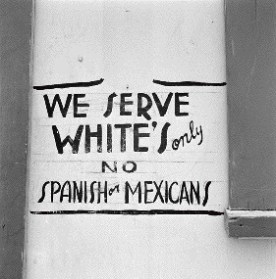
WHITESonlyWhat went into your decision to use multiple points of view?

I was thinking about angles on the story and contrasts from the time I began feeling my way into the historical material for Out of Darkness. Part of what attracted me to the story was my curiosity—almost entirely unsatisfied by historical sources—about how the African American community experienced the explosion of the (white) New London school. The tensions and interplay between characters’ visions of the world seemed integral to the telling of this particular story. This was especially true since I wanted to recenter the narrative on experiences and perspectives that have been, at best, marginal in mainstream history.

I think readers needed to see the world through a range of characters’ eyes in Out of Darkness to grasp how dramatically different our experiences can be even when we are living in the same community. This understanding is not just a source of interest vis-à-vis the past; it can help contemporary readers reckon with the reality of inequity now. For example, it makes possible reflection on dramatic contrasts in schooling experiences or interactions with police for people of different backgrounds.

The racial complexity in this story is fascinating. As a brown-skinned person, Naomi falls between racial identities and finds doors closing in both the white and black communities. Was New London a mostly white settlement in that era? Did your research turn up instances of Mexicans caught between, as Naomi was?

 Prior to the East Texas oil boom, New London was a small agrarian community with  deeply segregated black and white communities. The discovery of oil meant the influx of many outsiders, both those who were working in oil and those who were simply attracted to the possibilities of a more prosperous community. Even though African Americans were mostly excluded from oilfield work (digging ditches was an exception), newcomers also arrived in search of jobs as chauffeurs, maids, busboys, line cooks, and craftsmen. I could not confirm the presence of a Mexican American like Naomi. Although I strongly suspect that a little girl named Juanita Herron was Hispanic, it’s impossible to know for sure. Still, I was satisfied that it was at least plausible for light-skinned children like the twins to slip into the school in much the way that families in Texas with American Indian backgrounds did. For example, the Drinkwater family in New London probably had Cherokee heritage, and their children attended the white school.

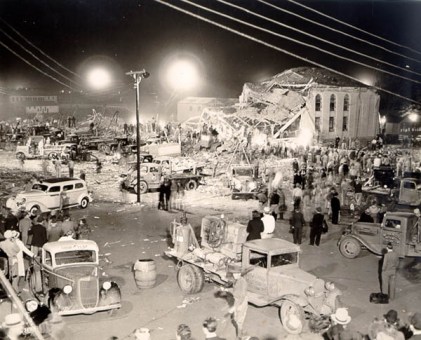
newlondonexplosionNIGHT

What was it about this particular event in history that made you want to dive in and create this narrative?

The New London explosion happened close to home (about 20 minutes from where I grew up), but I knew almost nothing about it and only rarely heard it mentioned. When I started, I didn’t know where the explosion would be in the timeline of the novel, but I knew that I wanted to incorporate it. The more I explored, the clearer it seemed to me that my way “into” the story would be different from the approach taken by historians, although historical detail is of course very important to the world of Out of Darkness. I wanted to think about what the explosion meant for the victims and their families, but I was even more interested in following its repercussions outward.

What becomes possible in a community that has been shattered in this way? What forms of brokenness in the community beforehand might have been overshadowed by the deaths of almost 300 children? For example, I wanted to explore the quieter, but no less terrible, effects of segregation. After all, black children were spared from the explosion precisely because they had been excluded from the opportunities at the white New London school, which was billed in newspapers as “the richest rural school in the country.”

And, as is usually the case, I began imagining particular characters. In the case of Out of Darkness, Wash and Naomi came first, then the twins, then their stepfather Henry. Once I had Wash and Naomi, I had to find a space for them to be together (a special tree in the woods), and that’s how the Sabine River and the East Texas landscape became important to the story. I loved writing about the natural spaces of my childhood. Sometimes describing that physical beauty was a bit of a reprieve from the harshness of my characters’ circumstances. And I think I even managed to fall a bit in love with Wash myself.


2012AuthorPhoto500pixelsAshley Hope Pérez is a writer and teacher passionate about literature for readers of all ages—especially stories that speak to diverse Latino experiences. She is the author of three novels, What Can’t Wait (2011) and The Knife and the Butterfly (2012), and Out of Darkness (2015). A native of Texas, Ashley has since followed wherever writing and teaching lead her. She completed a PhD in comparative literature from Indiana University and enjoys teaching everything from Spanish language and Latin American literature to the occasional course on vampires in literature. She can also be found on Twitter and Facebook.


Let’s Read Latin@: 73 titles released in 2015


We’re back!

After a short summer break, the Latin@s in Kid Lit crew is back to begin our third year online, celebrating children’s literature by/about/for Latin@s. In December 2014, we had posted a preview of 24 middle grade and young adult releases in 2015. Well, as the year rolled on, we discovered many more! Below, we have posted the covers of 71 picture books, early readers, middle grade, and young adult novels by/for/or about Latin@s that have been or will be released in 2015. If we have missed any, please let us know in the comments.

If we have already highlighted a title on the site, you will be led to that post when you click on the cover. Otherwise, you will be taken to IndieBound.org, Amazon, or GoodReads for more information. We have not read all of these titles–so we cannot vouch for each one–but we plan to read and recommend many of these in addition to 2016 releases. So, go ahead and browse the titles, add them to your to-be-read lists, or buy copies for yourself, friends, and family. With schools opening and holidays around the corner, it’s the perfect time to buy books! If we want to continue to celebrate libros Latin@s, we need to read, buy, and support libros Latin@s! Happy reading!


Picture Books & Early Readers:

22521973   21469072   22750413   22929558      25066557   The Sock Thief   KNIT TOGETHER by Angela Dominguez (Dial) 2/15 -- Picture book   23467663   23467664   23467662   23467661      18528167   22749711   23379443            25779175      FINDING THE MUSIC / EN POS DE LA MUSICA by Jennifer Torres; illustrated by Renato Alarcão (Lee & Low) 5/15 -- Picture book  24753419


Middle Grade:

            24527773   22571259   23282198   24040566   23734473   22504701   22639675   22082059   18938092   23756784      22749539      23309533


Young Adult:

17566703         22718685   23899848   Orange Candy Slices: And Other Secret Tales   22918050   21529626   18625184   20734195   23309551   25317760   20345202   24202275   TAKING HOLD: FROM MIGRANT CHILDHOOD TO COLUMBIA UNIVERSITY by Francisco Jiménez (Houghton Mifflin Harcourt) 4/15 -- YA Memoir   23013839      25077874       22392926   22609306   22295304   25256386   23395349   The House of Hades (The Heroes of Olympus, #4)   WhenReasonBreaks_Comp   22550839   19542841   23202520   NAKED 1600x2400   23281665

Summer Vacation Plans & Giving Thanks

As of today, we are on summer vacation! When we return in September, we’ll celebrate our second Blogversary, the release of Ashley Hope Pérez’s new young adult novel, Out of Darkness, and much more. We’ll keep in touch by tweeting past posts through the summer for our new followers. You please keep in touch, too. If you would like to contribute a blog post or you have a book with Latin@ characters that you’d like listed on our site and/or reviewed, please contact us through the form on the blog or by emailing: latinosinkidlit@gmail.com. We don’t guarantee a review for every book, which will be outlined in our new reviewing policy. Below are news items and special thanks to all who have worked with us so far.

What we’re doing with our time off:

Cindy L. Rodriguez: I will be attending the International Literacy Association conference in St. Louis next weekend for both my day job as a reading specialist and to promote When Reason Breaks. I have a few more book events through the summer, and I plan to read and write as much as possible before school begins again in the fall. In August, I will get away with my daughter and friends, spending a week on the beach in Rhode Island.

Sujei Lugo: As a children’s librarian at a public library I’ll be immersed in our summer reading program, which includes: summer reading bingo, bilingual story time, comics workshop, an art program with Growing up Pedro author and illustrator Matt Tavares, music programs, and more! I also plan to find time to continue writing my dissertation proposal and get ready for my August trip to Puerto Rico to visit my family and friends.

Lila Quintero Weaver: Lila recently wrapped up a big project. She plans to clear her mind by reorganizing closets and computer files. Travel plans are on hold until autumn when Gulf Coast beaches are blissfully quiet.

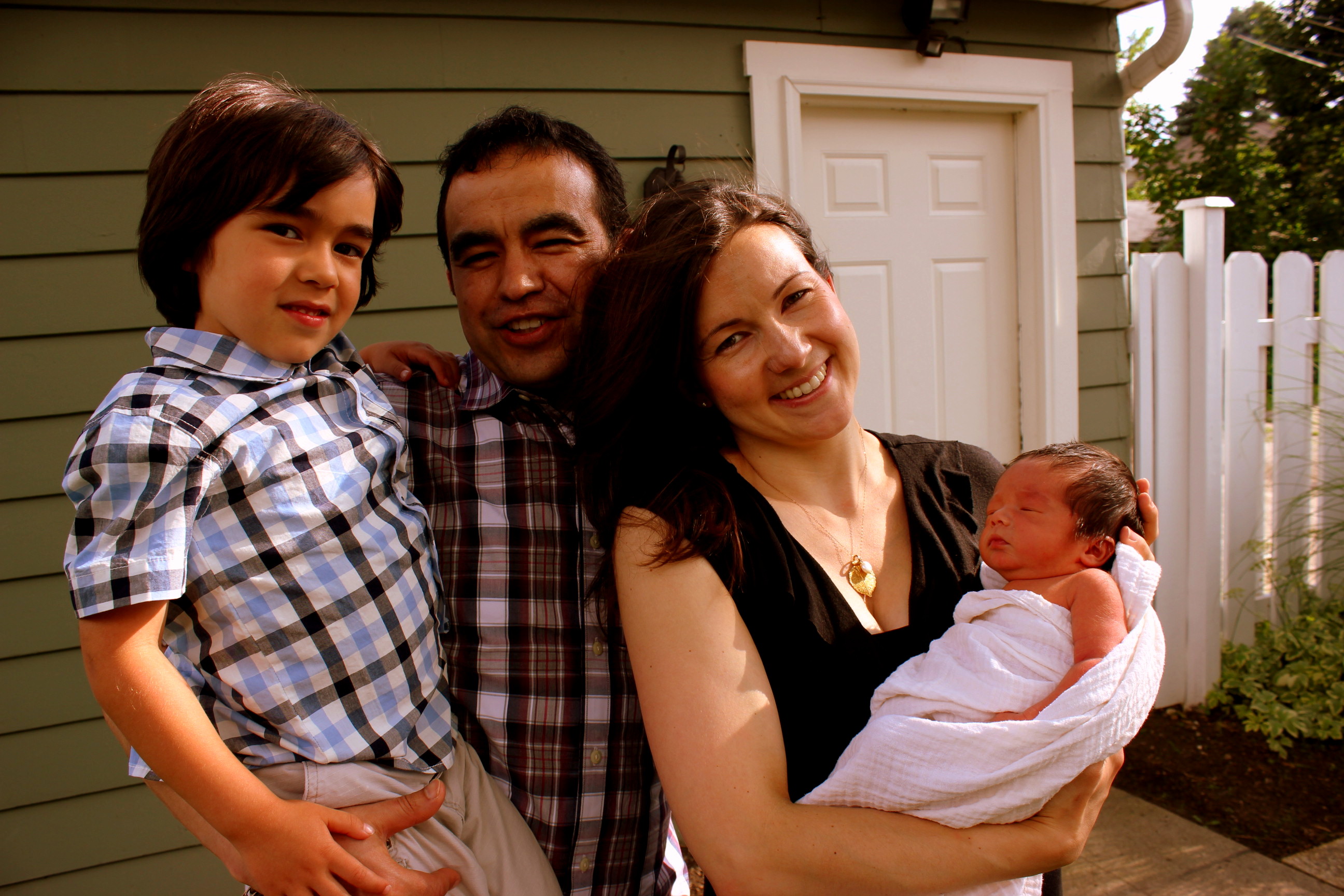
BackYardFamPhotoAshley Hope Pérez is enjoying quality time with her family in Columbus, Ohio, where she, husband Arnulfo, and 5-year-old Liam Miguel welcomed baby Ethan Andrés on June 10. Ashley is spending most of her time nursing the new baby and catching up on YA reading. She’s also looking forward to the release of her third novel, Out of Darkness, in September. Keep an eye out for an August Out of Darkness blog tour!


Zoraida Córdova: This summer I’ll be working on my third romance novel, Life on the Level. Also, I’ll be working on my tan.

Marianne Snow: I’m preparing for my comprehensive exams (three 20-page papers yaaay), attending several weddings, and taking my first ever trip to Canada.  Plus, I’m gearing up to teach a course on children’s literature to undergraduate pre-service teachers in the fall.

Cecilia Cackley: At the moment I’m teaching play writing at a summer camp in Montgomery County, MD and in August I’ll be traveling to Ilobasco, El Salvador and Chichicastenango, Guatemala to teach two weeks of puppetry workshops.

Sonia Alejandra Rodriguez: Having recently completed a PhD in English, Sonia looks forward to relaxing and reading as much as possible. She will also be teaching poetry and spoken word to a group of elementary school students from the Chicago area.

Thanks!!

We’d like to thank the following people for contributing to our site this past year. We appreciate that you took the time to share your expertise and opinions with us as part of our collective effort to celebrate Latin@s in children’s literature. ¡Muchas gracias!

Kimberly Mach

Eileen Fontenot

Adriana Dominguez

Adrienne Rosado

Amy Boggs

Sara Megibow

Kathleen Ortiz

Laura Dail

Arte Público Press

René Saldaña, Jr.

Cathy Camper

Claudia Guadalupe Martinez

Scholastic’s Club Leo en Español

Heather Marie

Kelly Jones

Erin Entrada Kelly

A.L. Sonnichsen

Anna-Marie McLemore

Ronald L. Smith

Kerry O’Malley Cerra

Dhonielle Clayton

Holly Bodger

Kristy Shen and Bryce Leung

Carrie Firestone

Noemi Gamel

Patrick Flores-Scott

Robert Trujillo

Rachel Manija Brown

Sherwood Smith

Mary Louise Sanchez

Heather Harris-Brady

Chris Day

Venessa Ann Schwarz

Tiffany Soriano

Richard Almaraz

Clarissa Hadge

Alex Yuschik

Alexandra Townsend

Marisol La Costa

Monica Sanz

Elizabeth Arroyo

Monica Zepeda

Patricia Toney

Lettycia Terrones

Margarita Engle

Shelley M. Diaz

Libertad Araceli Thomas

Guinevere Zoyana Thomas

Crystal Brunelle

Kimberly Mitchell

Robin Herrera

John Parra

Raúl the Third

Ana Crespo

Jacqueline Jules

José Mélendez

David Bowles

Angie Manfredi

Melissa Grey

Cinco Puntos Press

Diana Lee Santamaria

Kim Baker

Jill Brazier

Anna Banks

Sofia Quintero

Marilisa Jiménez García, Ph.D.

Have a wonderful rest of the summer!

See you in September!


Reflections on the Children’s Literature Association’s Annual Conference


By Marilisa Jiménez García, Ph.D.

The Children’s Literature Association (ChLA) meets for its annual conference every June. Founded in 1973, ChLA seeks to advance scholarship and criticism of children’s and young adult literature, particularly as a field of literary study. Academic associations, journals, and conferences provide scholars with an opportunity to organize and disseminate research. They also provide spaces for rethinking the purpose of a field more broadly with established and up and coming scholars. After years of attending ethnic studies and general literature and literacy conferences, I was invited to form part of a Latin American Children’s Literature panel chaired by Ann González at ChLA 2015 in Richmond, Virginia.

I arrived at ChLA 2015 hoping to reconnect with a group of scholars and educators that inspired my intellectual pursuit of children’s and young adult literature. ChLA 2009 was the first conference I attended as a University of Florida graduate student in Charlotte, North Carolina. My colleagues and professors said I would find a supportive and friendly scholarly community, something I immediately confirmed. I was thrilled to find others who valued the artistic, creative, and historical value of children’s and young adult texts and media, something which might be hard to find in English departments. Yet, from the outset, I also noticed I was one of the only, if not the only, Latino/as at the conference. I was on a panel about language in children’s literature chaired by my dissertation director, Kenneth B. Kidd. By that point, I had found my dissertation research on Puerto Rican children’s literature and its representations of U.S. colonialism, nationalism, race, and gender. After I delivered my paper, “Language Borders and the Case of Puerto Rican Children’s Literature,” which was later published, several people in the audience waited to speak to me about my research. I felt a sense of validation. This was also one of the first times people referred to my research as “brave.” I still wrestle with seeing this as a compliment in terms of the work I do, whether I was brave for presenting Latino/a culture and Spanglish as belonging in a tradition of American writing or if my presence as an underrepresented minority seemed somehow exceptional. Even considering the underrepresentation of Latino/as in American children’s literature and the overall sparse numbers of Latino/a faculty, was I brave for presenting what I knew?
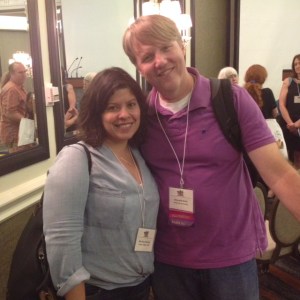
Me and Kenneth Kidd, photo by Ebony Elizabeth Thomas

Me and Kenneth Kidd, photo by Ebony Elizabeth Thomas

Being the only Latina in an academic environment was not a new experience for me, but as someone who studied Victorian and American children’s literature, what was new was my realization of how often the depictions of Anglo-British and Anglo-American children and childhood are presented as central, and even universal. The terms “the child” and “children’s literature” seemed reserved for these portrayals. Progressing into my doctoral career, within the context of groups such as ChLA, I found that my work was often greeted with questions such as, “What does this have to do with children’s literature?” or “How is this about childhood?” In part, my dissertation in 2012, which won an award in Puerto Rican Studies, addressed the centrality of Anglo culture in children’s literature. I now realize that even in my position as a very junior scholar, I was perhaps one of the first to begin probing at the systemic diversity issue in kid lit, which today, though certainly not new predicament, has reached the forefront. Realistically, it was not until Robin Bernstein’s important study Racial Innocence (2013) that the field more holistically and publicly began to underline how representations of childhood and innocence are coded white.

My movement into ethnic studies and organizations like the National Council for Teachers of English (NCTE) provided a space for me to develop the kinds of conversations I wanted to have about race, nationality, and the study of children’s literature in the academy, including its branches into education and library science. Truthfully, those of us who work in Latino/a children’s literature owe a great debt to education scholars, such as Sonia Nieto, whose foundational work on the subject in the 1970s and 1980s parallels with the work of Rudine Sims Bishop in African American children’s literature. Yet, I always kept my eye on ChLA, and was excited to hear that diversity and the lack of minority representation in children’s books would be the theme of ChLA 2014 (“Diverging Diversities: Plurality in Children’s and Young Adult Literature”). I could not attend ChLA 14, though my paper on Latino/a young adult (YA) literature was read by Kidd.

Thursday morning at ChLA 2015 found me a bit anxious. Walking into the Omni Hotel Richmond on the first day of the conference, I was still attempting to process the tragic shooting at a Charleston church the night before. As someone who spent quite a bit of my life in the context of the South and the sway of the Confederate flag, the grim headlines seemed to frame everything I saw, even the 2015 conference theme: “Give Me Liberty, Or Give Me Death.” Once in the reception area, I met a Twitter friend, master’s student, Cristiana Rhodes of Texas A&M University, Corpus Christie, who approaches children’s literature through Chicano/a epistemologies. We discussed our work and perspective on being Latino/a in a field which sometimes struggles to see us as part of “English.” I was so encouraged to see a young Latina chairing a panel at ChLA and presenting her research on resisting stereotypical depictions of the Day of the Dead. Rhodes shared similar feelings to what mine had been as a graduate student. Later on, she said, “As a Latina, one of my primary goals in presenting at any academic conference is visibility–to let other academics know that we’re here and we’re doing good, valuable research. I think our place in ChLA, in particular, is to further solidify that diversity is an integral part of children’s literature, and without diverse perspectives the field would lose something.

“I think children’s lit scholars are beginning to understand that the field shouldn’t just be dominated by (white) hegemonic perspectives, and that’s really encouraging for someone like me who is new to the field. However, I still firmly believe that diversity shouldn’t be tokenized by the association (and I feel it often is) and I feel like the only thing we can do to remedy this is to stay visible and keep our research relevant. That’s my goal as a member of ChLA.”

Rhodes, who plans to pursue a doctorate, also said, “I think, as a whole, the children’s literature community [and ChLA] is really welcoming for new scholars regardless of their race, gender, education-level, etc. I’m always sort of constantly afraid that my age, coupled with my race, will inevitably exclude me from certain spaces within academia, but I’ve never felt left out or ignored because of these things while in the company of other children’s literature scholars.”

Rhodes’ comments continued to impress me as I had lunch with Casey Alane Wilson, Rebekah Fitzsimmons, and Mariko Turk, doctoral students from the University of Florida. Wilson and Fitzsimmons, who presented a paper on the construction of the YA genre, including how YA is used as a platform for diverse writers, helped me see that our field is at a moment of transition and restructuring, a moment in which those of us entering the academy are also questioning the history, structures, and key terms which formed and continue to guide our fields. This urge to question is something we were nurtured as scholars to do. My doctoral training under Kenneth Kidd in particular placed me in a position to think about how children’s literature developed as a field and how it is valued by the different branches, in part because of Kidd’s own against the grain perspective on kid lit. Kidd, a founding member of ChLA’s diversity committee, encouraged me to participate in the membership meeting and the coming year’s diversity committee.

Wilson, who is writing her dissertation on the dynamics of young adult literature, commented on her assurance that ChLA has evolved as a space for confronting these issues, conversations that she said “we, as scholars, have a responsibility to have…But I would also say that I’d like to see more of these conversations that aren’t limited specifically to panels about race — these questions should come up and be discussed in so-called ‘regular’ panels, too.”

The panel I presented on in Latin American children’s literature was well-attended. My panel chair, Gonzalez wrote Resistance and Survival (2011), an important study on Latin American and Caribbean children’s literature, which I highly recommend to anyone interested in learning more about the roots of Latin American cultures and kid lit, including Latino/a. During my presentation on race and nationality in Puerto Rican textbooks, which were used in Puerto Rico and New York City schools during the 1950s, I understood why it was important for me to continue attending ChLA. The research and perspective I brought to ChLA meant that even if Latino/as and people of color in general were underrepresented, my presentation and any conversations it inspired, raised the visibility of these groups in the field. In particular, by retracing the history of Latino/as in children’s literature, I hope to present how people of color form part of the foundation of children’s literature, and not the margins.

In terms of diversity, one of the conference highlights was a panel on Black Lives Matter featuring Katherine Capshaw Smith of the University of Connecticut, Michelle Martin of the University of South Carolina, and Myisha Priest of New York University, and chaired by Richard Flynn of Georgia Southern University, who drew a parallel to the Charleston shooting in his introduction. Together, these scholars underlined the importance of children’s literature and the tensions between innocence and criminality in terms of narrating the public deaths of black children, including Emmit Till, Robert “Yummy” Sandifer, and Kalief Browder. Another panel, “Illustrating African American history,” focused on how race and racism is depicted in children’s literature, and there was a panel titled “American Indians and Indianness,” which I was unable to attend.

Rhodes, Sonia Rodríguez (who could not attend), and I were the only scholars focusing solely on Latino/a children’s literature. Lilian B.W. Feitosa read one paper on Brazilian children’s literature and Renee Lathman read on poverty and marginality in Puerto Rican children’s literature. Also, Rhonda Brock-Servais and Aslyn Kemp from Longwood University delivered a great presentation on gender in Meg Medina’s work. The panel I presented on encompassed my perspective of Latin American and Latino/a children’s literature. In the future, I hope to organize a panel on Latino/a kid lit and hope it will not be seen as a an international panel since Latino/a is indeed a U.S. formation. The international panels at ChLA provide a great opportunity for diverse perspectives on children’s literature, but some scholars, such as Wilson, note that scheduling the international panels concurrently limits the opportunities for exchanges.

ChLA is an organization which has historically been committed to social justice. Overall, I think it would benefit from relationships with scholars doing ethnic studies and education research, an initiative listed in their Diversity Committee Plan 2009-2013. Collaboration with these fields would enable exchanges from the perspective of theories such as critical race theory (CRT) and Latino critical theory (LatCrit). I would also encourage children’s illustrators and authors to attend the conference to see how their work is impacting future frameworks and interpretations. ChLA is still a smaller and more manageable conference than meetings such as American Library Association (ALA), Modern Language Association (MLA), and/or National Council for Teachers of English (NCTE). It’s smaller, welcoming environment perhaps makes it more suitable for increasing the participation of scholars of color through mentoring events or spaces designed to nurture the needs of future faculty. Katherine Slater of Rowan University and chair of the Membership Committee said that ChLA plans to incorporate activities, including panels, speakers, and discussion groups that nurture diversity.

After Saturday’s membership meeting, I spoke to Ebony Elizabeth Thomas of the University of Pennsylvania and Kidd about my intentions to return to ChLA and get more involved in the planning and leadership. I felt incredibly supported during my conversations with Kidd, Thomas, Martin, and Capshaw, and by the ChLA community. Given the social movements and narratives of race overlapping with the narratives of the academy, I also felt that change was impossible to avoid. While preparing this reflection, I spoke with other scholars of color about how entering these spaces where we are the only ones makes us feel overwhelmed at times. Because for us, “diversity” is a term used to describe our lives and very beings, and not a theme. Perhaps, that is why when we choose to come to these places, and in my case return, we seem brave.
 

Marilisa_Jimenez-Garcia

Marilisa Jiménez García is a research associate at the Center for Puerto Rican Studies, Hunter College, CUNY. She works at the intersections of Latino/a Studies and childhood and children’s literature studies. She is currently working on a book manuscript on the history of Latino/a children’s and young adult literature and an essay on the Latino/a “YA” tradition. She is conducting a survey of NYC teachers on teacher education and the use of diverse lit. in the classroom.