Celebrating Pura Belpré Award Winners: Spotlight on Julia Alvarez


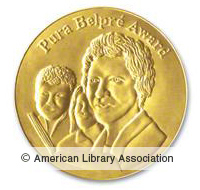
PuraBelpreAwardThe Pura Belpré Awards turns 20 this year! The milestone will be marked on Sunday, June 26, from 1:00-3:00 p.m. during the 2016 ALA Annual Conference in Orlando, FL. According to the award’s site, the celebration will feature speeches by the 2016 Pura Belpré award-winning authors and illustrators, book signings, light snacks, and entertainment. The event will also feature a silent auction of original artwork by Belpré award-winning illustrators, sales of the new commemorative book The Pura Belpré Award: Twenty Years of Outstanding Latino Children’s Literature, and a presentation by keynote speaker Carmen Agra Deedy

Leading up to the event, we will be highlighting the winners of the narrative and illustration awards. Today’s spotlight is on Julia Alvarez, the winner of the 2004 Pura Belpré Narrative Award for Before We Were Free and the 2010 Narrative Award for Return to Sender.

Reviews by Cindy L. Rodriguez

BEFORE WE WERE FREE

DESCRIPTION FROM THE PUBLISHER: Anita de la Torre never questioned her freedom living in the Dominican Republic. But by her 12th birthday in 1960, most of her relatives have emigrated to the United States, her Tío Toni has disappeared without a trace, and the government’s secret police terrorize her remaining family because of their suspected opposition of el Trujillo’s dictatorship.

Using the strength and courage of her family, Anita must overcome her fears and fly to freedom, leaving all that she once knew behind.

From renowned author Julia Alvarez comes an unforgettable story about adolescence, perseverance, and one girl’s struggle to be free.

MY TWO CENTS: Anyone who has read Julia Alvarez’s adult novels will enjoy the connections made in Before We Were Free to How the Garcia Girls Lost Their Accents and In the Time of the Butterflies. In Before We Were Free, Alvarez explores the Trujillo dictatorship in the Dominican Republic through the eyes of Anita de la Torre, a 12-year-old girl in 1960 whose family slowly reduces in number during the novel. Some, like her cousins, the Garcias, flee the country, while others go missing or are arrested. In the beginning, Anita has little knowledge of politics and the underground movement to assassinate Trujillo. In fact, at the start of the novel, Anita looks to El Jefe’s picture at times when she needs strength. She slowly becomes more aware that life under Trujillo has become increasingly dangerous for many, including her own family members who are a part of the movement to kill the dictator.

One moment of shocking clarity comes when Trujillo attends a party and becomes attracted to her fifteen-year-old sister. The family goes into emergency mode and manages to get her sister out of the country before Trujillo can take her in every sense of the word. Anita’s increased understanding leaves her confused and literally shocked into silence. The once-talkative girl slips into silence, at times even forgetting words that were once simple and familiar. When Anita and her mother go into hiding after Trujillo’s assassination, she writes in her diary, but then erases the pages in case the secret police raid the home. She literally cannot say or write anything because of fear. At some point, Anita decides to write and not erase–or be erased. She wants someone to know she existed if she were ever taken away by the police.

Throughout the novel, Alvarez often refers to wings, birds, and flying in connection with the Mirabal sisters, the “Butterflies” who were murdered, and the fight for freedom that continued through Anita’s family and others. Anita not only takes flight from her home, but has to learn how to free herself internally, to spread her wings and fly despite her grief of losing family and everything she considered home.

A masterful storyteller, Alvarez makes a complex political situation accessible to younger readers through Anita, who faces political drama alongside normal 12-year-old milestones, like getting her period and having a first crush. Alvarez also sprinkles the narrative with other issues that she does not delve into deeper, but could be discussion starters for book clubs and students. For example, Anita’s family employs a black, superstitious Haitian maid. While she is loved like family, this dynamic should spark conversation about race and class issues within Latin American countries. Another example is when Anita begins school in New York City. She is placed in the second grade, despite her age, and her teacher calls her “Annie Torres.” This scene is like a one-two punch to the gut and should be examined further. Mental health is another issue touched upon that warrants further discussion. Anita talks about feeling empty and numb, and her mother takes tranquilizers to calm her nerves. The reader gets the idea that living under such conditions and surviving when family members did not will require years of emotional and psychological recovery.

TEACHING TIPS: Before We Were Free is a great option to include in a historical fiction unit in Language Arts or as a fictional option in a Social Studies class learning about different types of governments, Latin America, or under a theme such as “the fight for freedom.” Students often learn about the colonists’ fight against the British, but rarely learn about more recent struggles for democracy in other countries. The relationship between Haiti and the Dominican Republic could be explored, as well as the ideas mentioned above. Anita’s character development should be traced and analyzed, paying close attention to what triggers each of her changes and what finally prompts her to have the courage to embrace her new life.

RESOURCES:

Review from Vamos a Leer

Educator Guide from Vamos a Leer

Reader’s Guide from Penguin Random House


RETURN TO SENDER:

DESCRIPTION FROM THE PUBLISHER: After Tyler’s father is injured in a tractor accident, his family is forced to hire migrant Mexican workers to help save their Vermont farm from foreclosure. Tyler isn’t sure what to make of these workers. Are they undocumented? And what about the three daughters, particularly Mari, the oldest, who is proud of her Mexican heritage but also increasingly connected to her American life. Her family lives in constant fear of being discovered by the authorities and sent back to the poverty they left behind in Mexico. Can Tyler and Mari find a way to be friends despite their differences?

In a novel full of hope, but with no easy answers, Julia Alvarez weaves a beautiful and timely story that will stay with readers long after they finish it.

MY TWO CENTS: Although Before We Were Free and Return to Sender are set in different countries, they have similarities. In Return to Sender, Mari and her family are migrant workers on a Vermont dairy farm. She encounters a mix of acceptance and scorn from her classmates, the townspeople, and even Tyler, at first. The chapters are shared between Mari (first person, often written in letters) and Tyler (third person), who reveals that he is confused about being a proud, patriotic American and knowing that his father is breaking the law by hiring undocumented workers. In addition to dealing with the varied reactions of the locals, Mari’s family worries about the whereabouts of her mother, who returned to Mexico but is supposed to be on her way back via a coyote. She has been unreachable, however, for several months. The family is also under constant threat of deportation. Complicating matters, Mari was born in Mexico, while her two younger sisters were born in the United States, which splits their feelings about where is home and how they would feel if they needed to return to Mexico.

Like Anita in Before We Were Free, Mari ends up in hiding and writing in a diary, after a raid by the U.S. Immigration and Customs Enforcement ends with her parents being arrested. Also like Anita, Mari needs to find her voice and, in her case, she has to find the courage to speak on behalf of her family to government officials. Read together, students could explore the different reasons for immigration, as the families in the two novels come to the United States for different reasons–political asylum versus employment–yet the underlying reason is always the same–more opportunities for their children.

Things that struck me as odd were Mari’s heavy accent (I listened to the audio book), her lack of understanding of English “sayings,” and her fond memories of Mexico, considering she moved to the U.S. when she was 4 and has attended American schools. Based on my experience with ELL students, these details would have made more sense if Mari had been in the U.S. for only a few years, not the majority of her life.

Still, Return to Sender does a great job of offering various viewpoints on immigration and migrant workers on struggling American farms, and I like that Alvarez places her migrant workers in Vermont, where the author lives, as we most often read and hear about migrant workers in border states.

TEACHING TIPS: As mentioned above, students could read both novels and compare/contrast the characters and their experiences, as both face personal, familial, and political challenges. Return to Sender also allows students to learn more about immigration and migrant workers, particularly in New England. The title was taken from a real government operation to find and deport migrant workers, so students can research that particular policy while reading this fictional account. Both books also lend themselves to deep questions about freedom, rights, and who has access to these.

RESOURCES:

Educators guide from Random House

TeachingBooks.net has interviews and several links with more information about Alvarez and her work.


Jilia Avaraz receiving a medal from Barack ObamaABOUT THE AUTHOR: Julia Alvarez is an award-winning writer of poetry, essays, and novels and short stories for children and adults. Alvarez was born in New York City, but her family returned to the Dominican Republic when she was three months old. Her family became involved with the underground movement against dictator Rafael Trujillo. They left the country and returned to New York City in 1960. She graduated with a bachelor’s degree from Middlebury College and earned her master’s in creative writing from Syracuse University. She is currently the writer in residence at Middle College and runs a sustainable coffee farm/literacy center in the Dominican Republic.

Her novels for adults include How the Garcia Girls Lost Their Accent, In the Time of Butterflies, iYo!In the Name of Salomé, and Saving the World. Her books for children include How Tía Lola Came to Visit/Stay, Before We Were Free, Finding Miracles, and Return to Sender. Alvarez has won numerous awards for her work, including the Pura Belpré and Américas Awards for her books for young readers, the Hispanic Heritage Award in Literature, and the F. Scott Fitzgerald Award for Outstanding Achievement in American Literature. In this picture, she is receiving the National Medal of the Arts from the National Endowment of the Arts, presented by President Barack Obama.

Book Review: Nothing Up My Sleeve by Diana López


Reviewed by Marianne Snow Campbell

DESCRIPTION FROM THE PUBLISHER: Sixth graders Dominic, Loop, and Z stumble upon a new magic shop in town and can’t wait to spend their summer mastering cool tricks to gain access to the Vault, a key holders-only back room bound to hold all kinds of secrets. And once they get in, they set their sights even higher: a huge competition at the end of the summer. They work on their card tricks, sleights, and vanishing acts, trying to come up with the most awesome routines possible….Problem is, the trip is expensive, and it’s money that each guy’s family just doesn’t have.

To make things worse, the shop-owners’ daughter, Ariel (who just so happens to be last year’s competition winner), will do anything to make sure the boys don’t come out on top. Even pit them against one another. Will they make it to the competition? And if so, at what cost?

Diana López, author of Confetti Girl and Ask My Mood Ring How I Feel, offers a story that’s just the right mix of heart, high jinks, and a bit of magic.

MY TWO CENTS: There’s a reason that magic trick kits sell so well at toy stores. Lots of kids love the thrill of stage magic – practicing illusions until they’re just right, creating mystery with visual puzzles, and tricking others with sleights of hand. Performing magic can help build kids’ confidence and give them a sense of agency when they might otherwise feel powerless. That’s certainly the case for Dominic, Loop, and Z, three friends who venture into the world of illusion at Conjuring Cats, the new magic store in Victoria, Texas. Each of the boys is facing a quandary that makes him feel powerless. Dominic’s parents are divorced and refuse to speak to each other, which frustrates him to no end. Meanwhile, Loop just found out that his father is actually his stepfather, and Z, the youngest child in a large family, always feels invisible. Their new magical hobby, however, leads to a summer of discovery that none of the friends expect.

One of the most valuable lessons I took away from Nothing Up My Sleeve is that hobbies are important. Once Dominic, Loop, and Z get involved in magic, they blossom. Sure, they encounter struggles along the way – jealousy, in-fighting, money troubles, family drama – but these difficulties only cause the boys to grow cognitively, socially, and emotionally. The teacher in me loves how practicing magic stimulates their critical thinking skills as they write patter (“what a magician says while performing a trick,” p. 134) for their routines and synthesize new tricks by putting their own personal spins on classic illusions. Really smart stuff! As the friends puzzle through magic, you can see how clever each boy is in his own way. This is the beauty of hobbies – kids expressing their intelligence and creativity through fun, personally meaningful activities.

OK, enough with the nerdy teacher musings. Another quality that I love about Diana López’s books is their attention to character development, and Nothing Up My Sleeve doesn’t disappoint. With magic as the backdrop, she conjures three well-rounded, realistic characters who face struggles and earn triumphs just like any real kid might. López creates a strong balance between the boys’ magical endeavors and their personal and home lives that gives this book the perfect blend of excitement and real world relevance.

Furthermore, I have to stress how much it means to me that López sets this book (and her other books) in South Texas. Catching references to places I know – Victoria, Refugio, Corpus Christi, and Houston – made me smile. Like me, a lot of young readers appreciate it when stories are set near their homes. A familiar setting can create a comfortable feeling, which, in turn, can make a book even more personally meaningful and engaging. With so many books, movies, and TV shows set in well known locales like New York and Los Angeles, it’s refreshing to find home in the pages of a book. Thank you, Ms. López for an enjoyable, relatable read!

TEACHING TIPS: As I read through Nothing Up My Sleeve, I couldn’t help thinking what a wonderful summer reading book it would be. Dominic, Loop, and Z’s adventures take place during the summer, and I can easily imagine kids soaking up this book on languid afternoons in June, July, and August. If you teach upper elementary or middle grades, consider putting it on your summer reading list.

Nothing Up My Sleeve is also an excellent book for classroom use. López fills her writing with various literary elements, which makes the book a solid model for student writing. Two particular elements that she focuses on in this book are metaphor – drawing comparisons between magic tricks and problems the boys face – and alternate perspectives. Each chapter assumes a different point, making the story richer and more complex. Unpacking these literary devices with students and encouraging them to incorporate the devices into their own pieces can really help them hone their creative writing skills.

Photo credit: Todd Yates

Photo credit: Todd Yates

ABOUT THE AUTHOR: A former middle school teacher, Diana López has written several books for children, young adults, and adults, including Confetti Girl, Ask My Mood Ring How I Feel, Choke, and Sofia’s Saints. Her writing has also been featured in the anthologies Hecho en Tejas and You Don’t Have a Clue: Latino Mystery Stories for Teens. In 2004, she received a writing fellowship from the Texas Commission for the Arts and the Alfredo Cisneros del Moral Foundation, and Emporia State University honored Confetti Girl with the William Allen White Award in 2012. She teaches literature and creative writing at the University of Houston—Victoria and serves as managing director for Centro Victoria, an organization that celebrates Mexican-American literature and culture. To learn more about her work, you can visit her website or check out her Twitter.


MarianneMarianne Snow Campbell is a doctoral student at The University of Georgia, where she researches nonfiction children’s books about Latin@ and Latin American topics and teaches an undergraduate course on children’s literature. Before graduate school, she taught pre-K and Kindergarten in Texas, her home state. She misses teaching, loves critters, and can also be found on Twitter and Facebook.

Book Review: Allie, First At Last by Angela Cervantes


Allie, First At Last (1)Reviewed by Marianne Snow Campbell

FROM ANGELA CERVANTES’S WEBSITE: Allie Velasco wants to be a trailblazer. A trendsetter. A winner. No better feeling exists in the world than stepping to the top of a winner’s podium and hoisting a trophy high in the air. At least, that’s what Allie thinks…. she’s never actually won anything before. Everyone in her family is special in some way—her younger sister is a rising TV star; her brother is a soccer prodigy; her great-grandfather is a Congressional Medal of Honor winner. With a family like this, Allie knows she has to make her mark or risk being left behind.  She’s determined to add a shiny medal, blue ribbon, or beautiful trophy to her family’s award shelf. When a prestigious school contest is announced, Allie has the perfect opportunity to take first —at last. There’s just one small snag… her biggest competition is also her ex–best friend, Sara. Can Allie take top prize and win back a friend — or is she destined to lose it all?

MY TWO CENTS: Fifth grade can be a tough year – it certainly was for me.  As kids approach and enter adolescence, many begin to grapple with who they are and who they want to be. Meanwhile, they may fall out with longtime friends who are going through the same transitions. While experiencing these growing pains and periods of uncertainty, kids can find comfort in books. Reading about characters who are undergoing the same journeys and struggles can help young readers see that they’re not alone – it’s normal to feel out of place and unsure of oneself.

Allie Velasco is a fifth-grader trying her best to discover her identity and make her mark on the world around her. For Allie, that means being the best at something – not that she’s sure what that something is. While her siblings excel at acting, soccer, and community service, her mother has been voted Best News Anchor of the Year, and her great-grandfather is a war hero, Allie is keenly seeking out her niche and putting a lot of pressure on herself to “succeed.”

Frankly, I wish Allie, First at Last had existed when I was in fifth grade. Although it’s been a couple of decades since I experienced my own tween tribulations, it was almost therapeutic to revisit that stage of my life through Allie. And I’m certain there are plenty of young readers out there today who will relate to her as well. This book is sure to appeal to kids who are “finding themselves,” having friend problems, or feeling eclipsed by siblings.

But don’t go thinking that this book is all sadness and doubt! Angela Cervantes fills the pages with humor that’s sharp with hints of snark and sarcasm, but never mean. For example, Allie and her best friend write a song about her cat called “It’s Not Easy Being Fluffy.” I approve. Also, although Allie faces challenges and insecurities, she still demonstrates strength and self confidence by assertively confronting rude kids in her class, nurturing a loving relationship with her sister and bisabuelo, and demonstrating a deep, natural appreciation for her Mexican-American roots. A great role model indeed.

TEACHING TIPS AND RESOURCES:  Allie, First at Last would be a perfect choice for a middle-grade classroom book club. Teachers can provide students with a list of books (including this one), and students can then choose which book they’d like to read, form small groups with classmates who chose the same book, enjoy, and discuss. With its highly relevant themes and humor, Allie is certain to be a hit, and kids can make it their own as they connect it to their lives and respond collaboratively. Educators should be sure to stock this volume in their classroom libraries and media centers for self-selected reading time. There’s nothing like a fun, engrossing book for motivating kids to read!

Also, be sure to check out Angela Cervantes’s teacher resources, available on her website. She’s created printer-friendly activity sheets with writing prompts for both Allie, First at Last and her previous novel, Gaby, Lost and Found.  The prompts present great ideas for journaling, in-class discussions, and even research projects.  Enjoy!

Angela CervantesABOUT THE AUTHOR: Angela was born and raised in Kansas. Most of her childhood was spent in Topeka, Kansas living in the Mexican-American community of Oakland. Her family also spent a lot of time in El Dorado and Wichita visiting a slew of aunts, uncles and cousins on weekends.
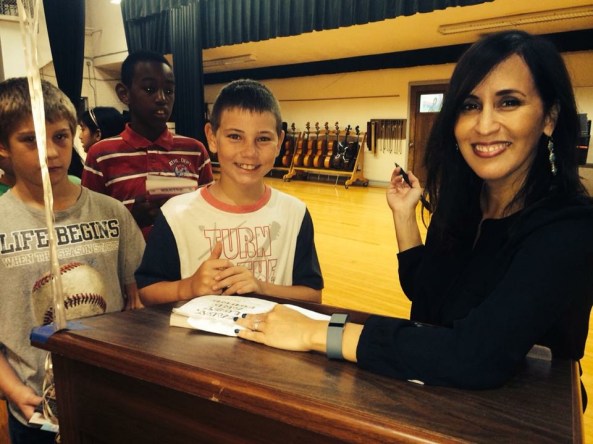
Angela graduated from the University of Kansas (Go Jayhawks!) with a degree in English. After KU, she moved to Brownsville, Texas. In Brownsville, Angela was introduced to the music of Selena, ceviche, and learned to two-step. After Brownsville, Angela moved to Guadalajara, Mexico, where for two years she taught High School English and literature. In 2003, Angela returned to Kansas City, completed an MBA, co-founded Las Poetas, an all-female poetry group, and began working at an international children’s organization.

In 2005, Angela’s short story, “Pork Chop Sandwiches” was published in Chicken Soup for the Latino Soul. In 2007, she won third place for Creative Nonfiction in the Missouri Review’s audio competition for her story “House of Women” and Kansas City Voices’ Best of Prose Award (Whispering Prairie Press) for her short story, “Ten Hail Marys”. In 2008, she was recognized as one of Kansas City’s Emerging Writers by the Kansas City Star Magazine. In 2014, she was named one of the Top Ten New Latino Authors to Watch by LatinoStories.Com.

Angela’s first novel, Gaby, Lost and Found [Scholastic Press; 2013], won Best Youth Chapter Fiction Book in the International Latino Book Awards. Angela’s second middle-grade novel, Allie, First At Last, will be released Spring 2016. See FAQs about the author.

WE ARE GIVING AWAY A HARDCOVER OF ALLIE, FIRST AT LAST BY ANGELA CERVANTES, WHICH OFFICIALLY RELEASES 3/29/16.

CLICK HERE TO LINK TO THE RAFFLECOPTER GIVEAWAY!


MarianneMarianne Snow Campbell is a doctoral student at The University of Georgia, where she researches nonfiction children’s books about Latin@ and Latin American topics and teaches an undergraduate course on children’s literature. Before graduate school, she taught pre-K and Kindergarten in Texas, her home state. She misses teaching, loves critters, and can also be found on Twitter and Facebook.


Guest Post by Angela Cervantes: Piñata Busters and Trailblazers

IMG_0149We’ve all met piñata busters and trailblazers. These are the extraordinary people who take on immense challenges to pave the way for others to succeed. These folks are determined, ready-to-bust-through-obstacle-types who put the “P” in perseverance and the “G” in ganas.
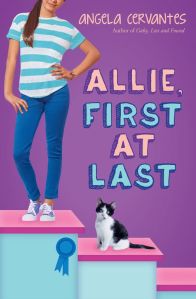
In my second middle grade novel, Allie, First At Last (3/29/16; Scholastic Inc.) ten-year old Alyssa Velasco wants desperately to make her mark and be a trailblazer like the rest of her family—a highly motivated group of trophy-winners and “first-evers.” However, in her determination to win something, she steamrolls through anyone she believes is trying to compete with her, including her ex-best friend, Sara, and new buddy, Victor Garcia.

Allie, First At Last (1)In short, Allie has no clue what it means to be a true trailblazer or piñata buster, but by the end of the book, she finds out the hard way.

I was inspired to write this book because I grew up in a close-knit, proud, Mexican-American community where we celebrated the accomplishments of people like Ellen Ochoa, the first Hispanic woman to go to space (1993 Discovery mission); Henry Cisneros, the first Mexican-American mayor of San Antonio (Yay, Texas!); Tom Flores, the first Hispanic NFL head coach to win the Super Bowl (Go Raiders!).

Being raised in this community, I have always been inspired by the stories of individuals who, regardless of the obstacles before them, like racism, sexism, and poverty, could deliver a strong smack to the status quo and negative stereotypes.

As I wrote Allie, First At Last, I relished researching other Hispanic and non- Hispanic “piñata busters.” I couldn’t feature all of the piñata busters I wanted in my novel, but here are just a few I mention:

  • Katie Jurado – First Mexican actress to be nominated for an Academy Award in an acting category (1954)
  • Sonia Sotomayor- First Latina Supreme Court Justice (2009)
  • Gwendolyn Brooks –  The first African-American person to win a Pulitzer prize (1950)
  • Junko Tabei- First woman to reach the summit of Mount Everest (1975)
  • Billy Mills – First American to win the 10,000m at the Olympics (1964)

The thing about piñata busters/trailblazers is that sometimes we look for them in Hollywood films, Wikipedia, or our history books, but the truth is we don’t have to look that far. They’re all around us.

In Allie, First At Last, Allie’s new friend, Victor Garcia, is a true trailblazer. He is not concerned about a trophy shelf or being famous; he is simply trying to be the first in his family to graduate from high school and go to college someday. The obstacles in front of him are clear: his family is poor, and he will depend on scholarships to afford college. He is a child of immigrants and will be navigating the path to college by himself.

Regardless of the hurdles, Victor enters the game willingly and with one sole purpose: to gash a hole in the obstacles (the piñata) so that his younger siblings and entire family get the sweet rewards.

How many of us have been in Victor’s shoes or know of someone who has been the first in his/her family to go to college? Graduate from college? Start a business? Become a teacher? Publish a children’s book?

For me, Allie, First at Last, is a story celebrating generations of piñata busters and trailblazers.

I wrote it because I couldn’t get Allie Velasco out of my head. She had something to say, so I wrote it for her and for all the kids out there dealing with competition and finding their place in the world. I hope Allie’s story inspires children to explore trailblazers in their own families who have opened a path for them to reach their dreams. I hope they, just like Allie, decide that in their young lives, they won’t close doors behind them, but leave them wide open for others to enter, too.  And I hope, like Allie, they understand that, “true trailblazers are motivated not by glory, but by love for friends, family, and country.”

angela at libraryAngela Cervantes is a native of Kansas. Her achievements are manifold and include earning an MBA, co-founding an all-female poets group, teaching high school, and writing two middle-grade novels, Gaby, Lost and Found, and Allie, First at Last. To learn more, visit her website here.


WE ARE GIVING AWAY A HARDCOVER OF ALLIE, FIRST AT LAST BY ANGELA CERVANTES, WHICH OFFICIALLY RELEASES 3/29/16.

CLICK HERE TO LINK TO THE RAFFLECOPTER GIVEAWAY!


#LargeFears Chat: Where are the Afro-Latinxs in American History?


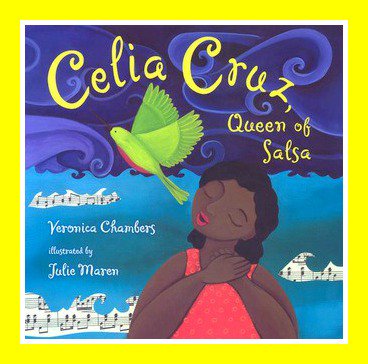
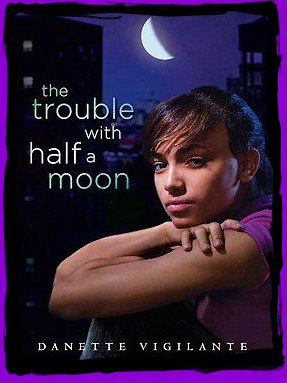
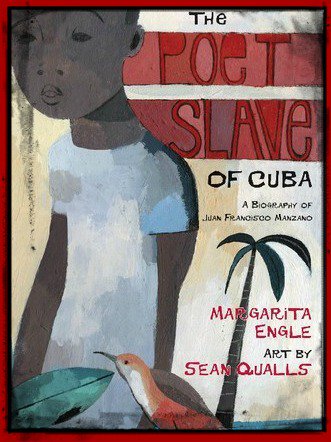
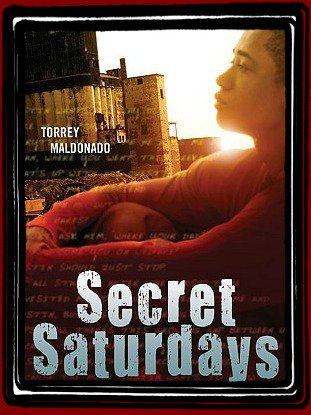
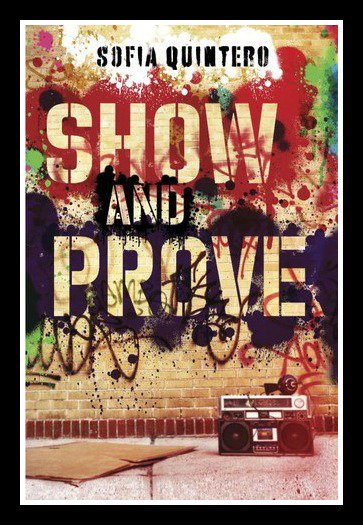
On Tuesday, Edith Campbell, Sujei Lugo, and Guinevere and Libertad Thomas, the sisters behind the Twinja Book Reviews, hosted the most recent #LargeFears Twitter chat. This month’s theme was: “Where are the Afro-Latinxs in American History?” Special guests included Torrey Maldonado, author of Secret Saturdays, Sofia Quintero, author of Show and Prove and Efrain’s Secret, and Robert Liu-Trujillo, a visual artist. The #LargeFears chats started as a continuation of support of diverse books after the publication of Large Fears, a self-published title by Myles E. Johnson and Kendrick Daye, funded through Kickstarter, about a queer black boy facing his greatest fears.

Below is the link to the Storify for the chat and covers of books by/about Afro-Latinxs in honor of Black History Month. Although, these titles should be supported every month of the year, and we vow to do our part by reading and reviewing more of them here.

https://storify.com/Dos_Twinjas/where-are-the-afro-latinx-in-american-history


         AfroLatinx1 AfroLatinx4 AfroLatinx8 AfroLatinx11 AfroLatinx23AfroLatinx13 AfroLatinx14 AfroLatinx15 AfroLatinx16 AfroLatinx17 AfroLatinx18 AfroLatinx19 AfroLatinx20 AfroLatinx21 AfroLatinx22

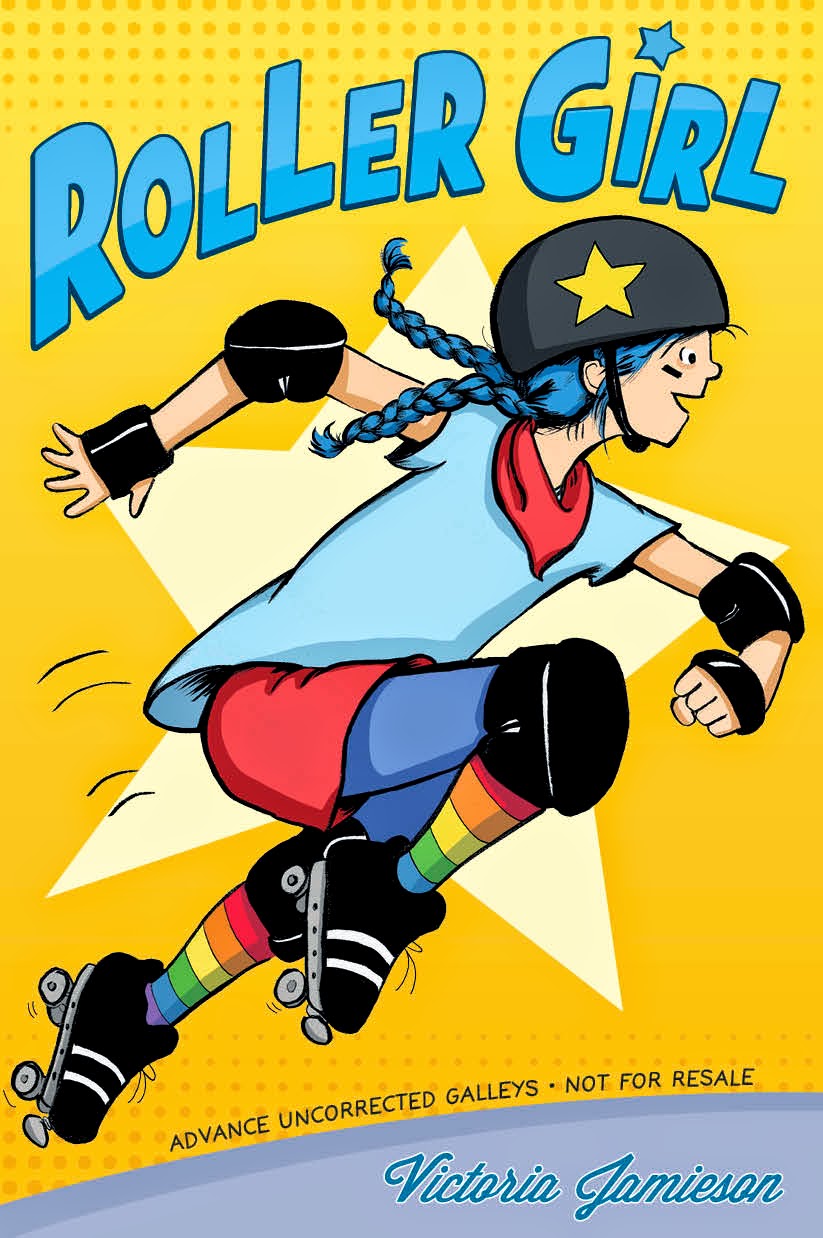
Book Review: Roller Girl by Victoria Jamieson

RollerGirlCVR

Reviewed by Lila Quintero Weaver

Roller Girl is a recipient of a 2016 Newbery Honor!

FROM THE NEWBERY MEDAL HOME PAGE: Astrid falls in love with roller derby and learns how to be tougher, stronger and fearless. Jamieson perfectly captures the highs and lows of growing up in this dynamic graphic novel.

MY TWO CENTS:  Victoria Jamieson’s Roller Girl captivated me right off and only grew sweeter on a second reading. In addition to the immersive power of graphic novels, the story of Roller Girl delivers a solid punch: 12-year-old Astrid Vasquez gets hooked on roller derby and devotes herself to the sport while navigating the ups and downs of middle-school friendships.

Astrid’s passion for roller derby ignites when Ms. Vasquez takes Astrid and her best friend, Nicole, to their first derby bout. Afterward, Astrid can talk of nothing but the derby and fails to notice that Nicole doesn’t share her excitement. Come on, how could she not? Check out the theater of it all: the players’ costumes and wild hair colors, the electricity of the crowd, and the take-no-prisoners energy that drives the sport. Astrid even discovers an idol in Rainbow Bite, a star jammer for the Rose City Rollers, who exemplifies roller derby’s ferocity and skill. Astrid loves the fact that there’s nothing girlie or restrained about roller-derby culture, and when she hears about summer camp for junior players, she’s chomping at the bit to sign up. Best friends do everything together, right? This assumption crumbles when Nicole reveals that she’s planning to attend dance camp instead, along with Rachel, Astrid’s one true nemesis from their early elementary days.

With Nicole’s “desertion,” Astrid has to face the first day at derby camp alone. From there, complications abound. Ms. Vasquez is under the impression that Nicole’s mom will give Astrid a ride home at the end of each day’s session. Astrid is afraid to tell her mom that Nicole isn’t participating, as this would lead to all sorts of questions Astrid wants to avoid. As a result, the lies she must tell and the long walks home she must endure only add to the drama of those first grueling weeks at the rink. Did I mention that Astrid discovers she’s a lousy skater?

Despite aching muscles and botched skill drills, Astrid persists and finds new motivations as she enters more deeply into the world of her chosen sport. The camp coaches balance demanding practices with timely pep talks, and Astrid strikes up a friendship with Zoey, a camper her age. Another boost comes in the form of a correspondence with Rainbow Bite that starts when Astrid discovers the star jammer’s locker and begins leaving notes for her. (Rainbow proves a generous celebrity and writes back with inspiring tips.)

None of these triumphs mean that Astrid transforms into a roller derby standout; what matters are the personal victories that she achieves over the course of the summer, including earning the respect of her teammates and figuring out some important things about who she is and what sort of friend she wants to be.

Roller Girl succeeds on multiple levels. Through a lively narrative and a rich visual landscape, it draws readers into the fascinating world of roller derby, often explaining the rules and strategies of a sport unfamiliar to many through clever diagrams and dramatized scenes. Through these invitations to explore the sport, it portrays women and girls as highly capable both physically and intellectually. Readers get a clear sense that women can—and should—take on tough challenges.

In addition, Roller Girl gives us a Latina character comfortable with her ethnic identity and shows us Anglo characters who are equally accepting. Astrid’s Latina background doesn’t even emerge until page 54, and only much later do we learn that the family is Puerto Rican. This information comes across casually, as just another cool detail about the main character. At least this is how Astrid’s new friend Zoey takes the information when Astrid reveals it during a scene in which West Side Story plays in the background.

Astrid says to Zoey, “I’ve seen this movie! My mom made me watch this for an evening of Puerto Rican cultural heritage. Or something.” (At first blush, the idea that an adult puertorriqueña would push this movie as representative of her culture struck me as improbable. I associate West Side Story with racial stereotypes, discriminatory casting—white actors playing the Puerto Rican leads—and the problematic practice of filming lighter-skinned Latino actors in brown-face. But after asking around, I learned that not all Latinos recoil at the legacy of West Side Story, and many view Rita Moreno’s dynamic, Oscar-winning performance as a cause for celebration.)

In general, my sense is that ethnicity may not be central to the story, yet it gives readers additional exposure to a positively framed diverse character who faces the same challenges most 12-year-olds face. In fact, one of the biggest ways that Roller Girl succeeds is in its depiction of Astrid’s emotional journey. It delivers an honest and satisfying ride through many of the complex social and internal upheavals of middle-school life. I particularly like the author’s portrayal of mixed emotions. On one page, a central panel depicts a kindergarten poster of cartoon faces bearing unambiguous expressions. The caption reads: “The feelings were all simple ones, like ‘happy’ and ‘sad.’ They didn’t tell you about feelings that got mixed together like a smoothie.” In the next panel, Astrid contemplates exactly such “mixed together” feelings, the result of running into Nicole after weeks of separation. Astrid is happy to see her former best friend yet sad about the emotional distance that stands between them now. Out of this, she coins a new word, “shad,” a distillation of those contradictory feelings—happy and sad. This moment of acceptance that emotions are complex seems to me a marker that a character is coming of age.

As happens with the best of sports stories, Roller Girl follows a character’s trajectory through brutal training challenges, inevitable setbacks, as well as moments of triumph–and elevates these into something beyond athletic achievement. At twelve, Astrid is finding her way in the world. Some of her falls are literal and happen on the skating rink. Some are relational and emotional, and arrive without the benefit of coaches to teach her how to land injury-free. The important thing is that after each fall, Astrid is learning how to dust herself off and get back into the game.

TEACHING TIPS AND RESOURCES: A major theme of Roller Girl is the troubled landscape of middle-school friendships. Try this exercise with young readers. Assign a “treasure hunt” for episodes in the story that demonstrate the ebb and flow of friendships. Ask students to identify relational missteps that Astrid and other characters make, i.e., jumping to conclusions, not listening, passing judgments, not speaking up; ask them to do a similar search for positive practices that build friendships.

For visual help on grasping the rules of roller derby, check out the video on this page.

One of Astrid’s challenges is figuring out a good derby name. There are rules and traditions that must be observed, as outlined in this guide.

AuthorPhoto_VictoriaJamieson_LoRes_400x400ABOUT THE AUTHOR/ILLUSTRATOR: Pennsylvania native Victoria Jamieson attended the Rhode Island School of Design. Her work history includes a stint as book designer for HarperCollins Children’s Books. She now writes, illustrates, and teaches illustration at Pacific Northwest College of Art in Portland, Oregon, where she also skates in the Rose City Rollers roller-derby league.


Newbie skaters like Astrid could probably use the tips from this video.


IMG_1291Lila Quintero Weaver is the author-illustrator of Darkroom: A Memoir in Black & White. She was born in Buenos Aires, Argentina. Darkroom recounts her family’s immigrant experience in small-town Alabama during the tumultuous 1960s. It is her first major publication. Lila is a graduate of the University of Alabama. She and her husband, Paul, are the parents of three grown children. She can also be found on her own websiteFacebookTwitter and Goodreads.