
Review by Sonia Alejandra Rodríguez, PhD and Ingrid Campos
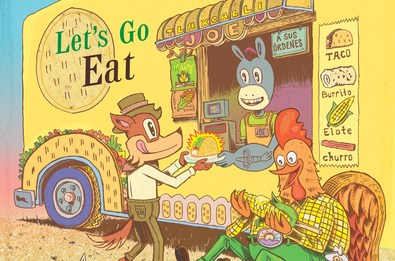
DESCRIPTION OF THE BOOK: In this new Vamos! title, Let’s Go Eat, Little Lobo is excited to take in a show with wrestling star El Toro in his bustling border town. After getting lunch orders from The Bull and his friends to help prepare for the event, Little Lobo takes readers on a tour of food trucks that sell his favorite foods, like quesadillas with red peppers and Mexican-Korean tacos. Peppered with easy-to-remember Latin-American Spanish vocabulary, this glorious celebration of food is sure to leave every reader hungry for lunch!
OUR TWO CENTS: ¡Vamos! Let’s Go Eat by Raúl the Third with color by Elaine Bay centers Little Lobo, his dog Bernabé, and his rooster friend, Kooky Dooky. Little Lobo takes his delivery services to El Coliseo to meet Luchador star, El Toro, who asks Little Lobo to get lunch orders for him and all of his famished wrestling friends before the big show that night. Little Lobo, Bernabé, and Kooky Dooky visit different food trucks and food stands in the area to find some of their favorite Mexican dishes such as tacos, tamales, churros, aguas frescas, and many more delicious treats.
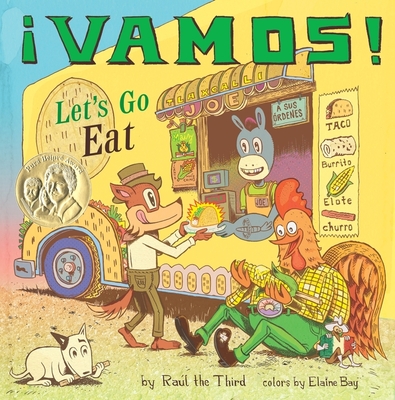
¡Vamos! Let’s Go Eat is crowded with fun, humorous characters from cover to cover: from a snake with a sombrero slithering up a utility pole, to a tortoise driving a “Tortas Tortuga” truck with “despacito” blazoned across the side, to “Armor Dillo,” a luchador armadillo covered in armor, and so much more. The illustrations are also action-packed, mimicking the high energy of any good lucha match. The cars speed by leaving zig-zag “vroom” behind. The floor retumba like waves at the rumble of the luchadors’ hungry tummies. Puffs of smoke or exhaust rise as Little Lobo dashes from one place to the next. Elaine’s color choices bring the book to life–resembling Little Lobo’s lively neighborhood. Additionally, readers will find many words for different types of foods, animals, and actions as part of the illustrations. On one spread, when Little Lobo first meets all the luchadores, their names are drawn to match their styles, like the “L” in “Lizarda” is as long as their tongue. On another page, when Little Lobo goes to pick up dessert, there are so many options that the words fill up half the page: “Flan,” “arroz con leche,” “churros,” and more. Raúl and Elaine give every inch of the pages something new for readers to find with every read.
¡Vamos! is also an extraordinary book for showcasing bilingualism in Spanish and English. Some of the speech bubbles offer immediate translation of the Spanish words and phrases: “Un poquito de esto. Un poquito de lo otro. A little of this. A little of that.” Other speech bubbles or words in the illustrations don’t offer direct translations; instead, the illustrations serve as context for translation. An example of this is when Little Lobo sits to watch the lucha, and the vendor shouts, “¡Cacahuates! ¡Palomitas! ¡Soda!” There’s no direct translation on the page but instead the reader can see the vendor toss a bag of peanuts at Little Lobo. On other pages, the English and Spanish serve as a call and response. When Little Lobo and Bernabé make it to El Coliseo for the first time, Little Lobo asks, “¡¿Qué es eso?!” and one of the luchadores responds with, “That’s our bellies. We are very hungry.” Additionally, there’s a food glossary at the end of the book, which readers can refer to if they are unfamiliar with the words. The author also encourages readers to use a Spanish-English dictionary to look up words not found in the glossary, which is a significant way to encourage proactiveness and agency in young readers.
The heart of this story is not only Mexican food but also love and respect for street food vendors. Raúl does an excellent job at representing the diversity of street food, the types of kitchens where the food is made, and kinds of characters who make the food. After getting the long list of food orders from the luchadores, Little Lobo, Bernabé, and Kooky Dooky head outside to shop from the different food vendors. The narration reads, “A food truck is a kitchen on wheels. Food of all kinds can be prepared there. Some food sellers used modified bikes or wagons.” There are also food sellers selling out of a cooler and from a box around their neck. Additionally, in ¡Vamos!, Raúl shows that street food vendors are an important staple of any community and demonstrates how street food vendors support one another. For example, at one point in the story, Little Lobo notices: “At the elotero, the corn boils in the giant tub right on the cart. Macho gives all his husks to Tammy. She uses them to wrap her tamales.” Here, the vendors support one another by sharing supplies to create food that’ll feed a community, but the example also demonstrates how conservation is an innate part of many Latinx cultures; nothing goes to waste.
By capturing the diversity and beauty of Mexican food and street food vendors, Raúl challenges negative stereotypes that currently may exist around both of these cultures. At a time when street vendors are under constant policing and harassment, a book like ¡Vamos! is essential reading to expand young peoples’ understanding of culinary practices and respect for those who make the food and for those who deliver it.
.

ABOUT THE AUTHOR-ILLUSTRATOR: (From his website) Raúl The Third is an award-winning illustrator, author, and artist living in Boston. His work centers around the contemporary Mexican-American experience and his memories of growing up in El Paso, Texas and Ciudad Juarez, Mexico.
Lowriders in Space was nominated for a Texas BlueBonnet award in 2016-2017 and Raúl was awarded the prestigious Pura Belpré Award for Illustration by the American Library Association for Lowriders to the Center of the Earth. He was also a contributor to the SpongeBob Comics series.
¡Vamos! Let’s Go to The Market! is Raúl’s first authorial project, which he wrote and illustrated, and is colored by Elaine Bay.
.
.
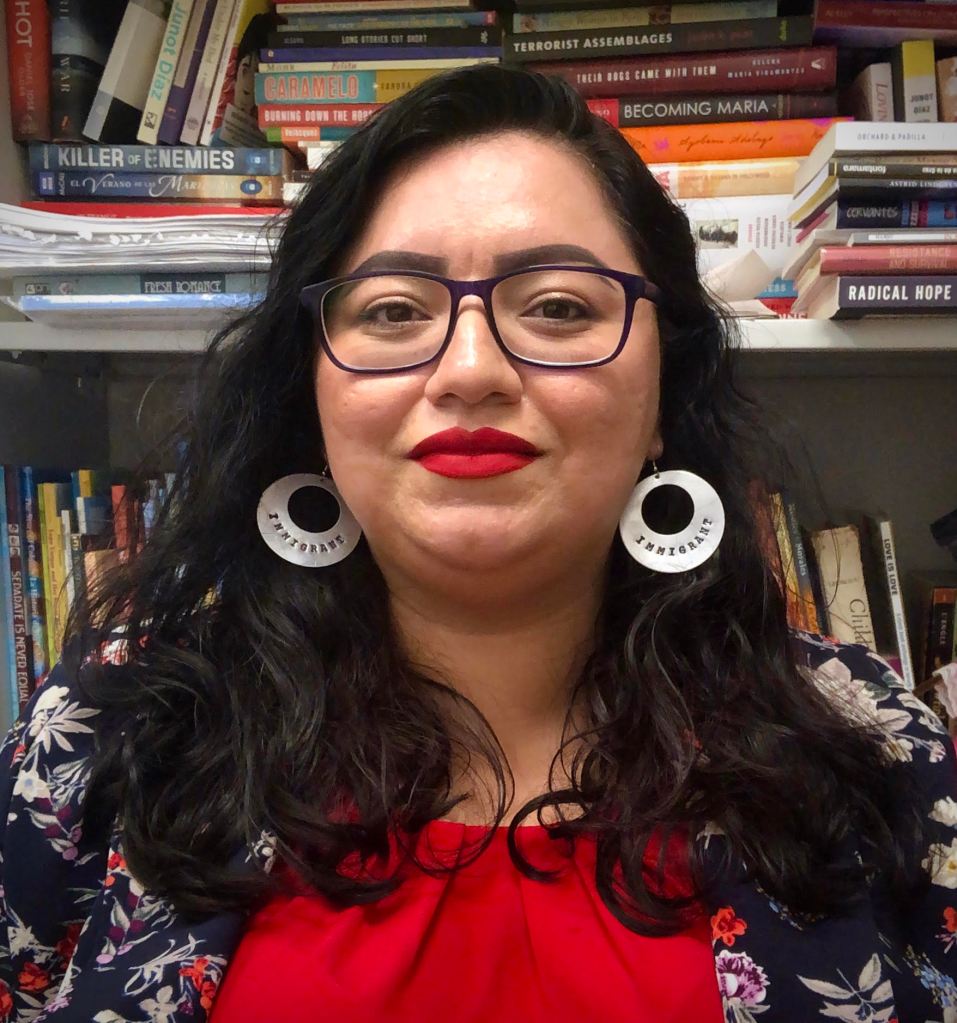
ABOUT THE REVIEWERS: Sonia Alejandra Rodriguez, PhD is an Associate Professor of English at LaGuardia Community College (CUNY) where she teaches composition, literature, and creative writing. Her academic research focuses on decolonial healing in Latinx children’s and young adult literature. Sonia is a Mellon Emerging Faculty Leader.
.
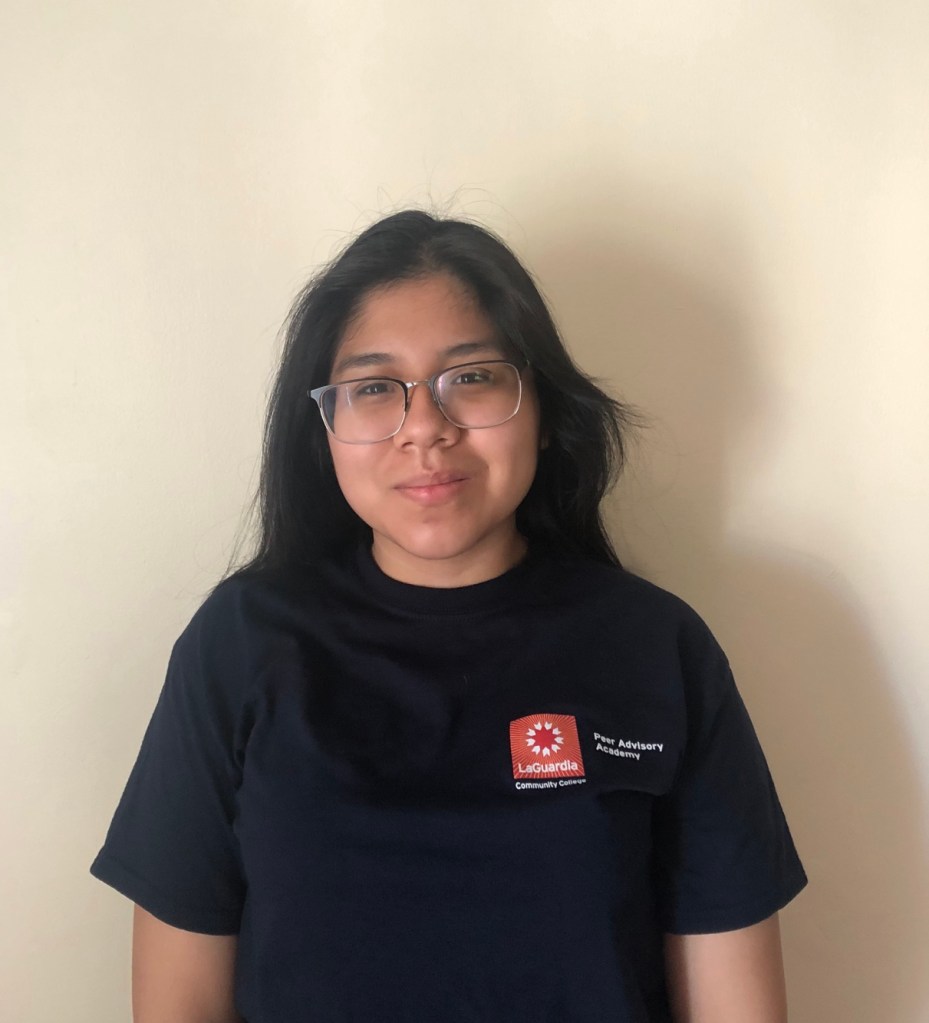
Ingrid Campos is a 19-year-old college student interested in Latinx Literature. After graduating from LaGuardia Community College (CUNY) this year with an associates in Writing and Literature, she will continue her studies at Queens College to earn her Bachelors in English Education 7-12 . Ingrid was born and raised in Queens, New York. As a Mexican-American living in Queens and graduating from the public school system, Ingrid is inspired to become a high school teacher. One of her main goals is to center academic curriculums around more diversity and inclusivity towards Black and Brown students.

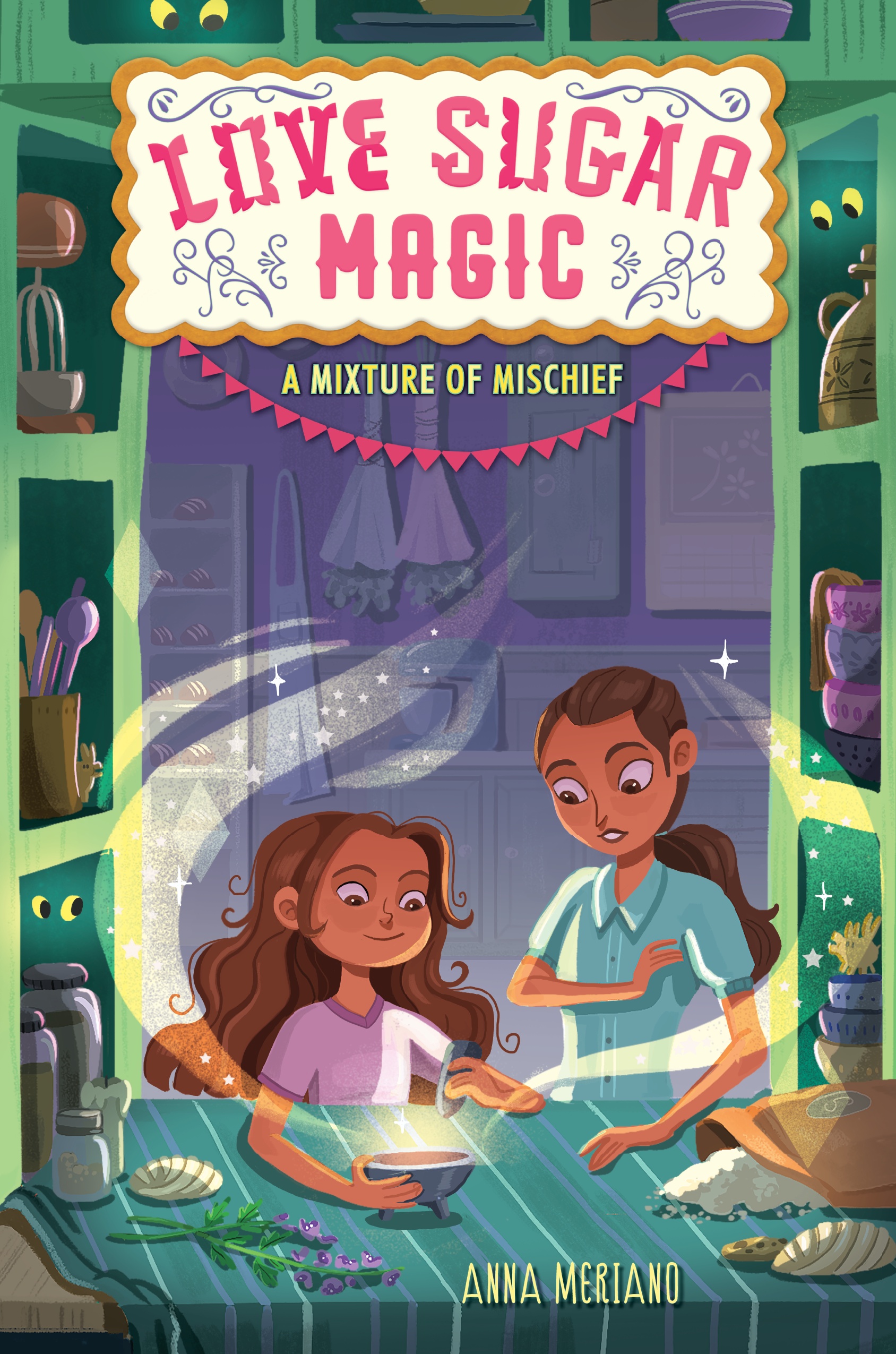
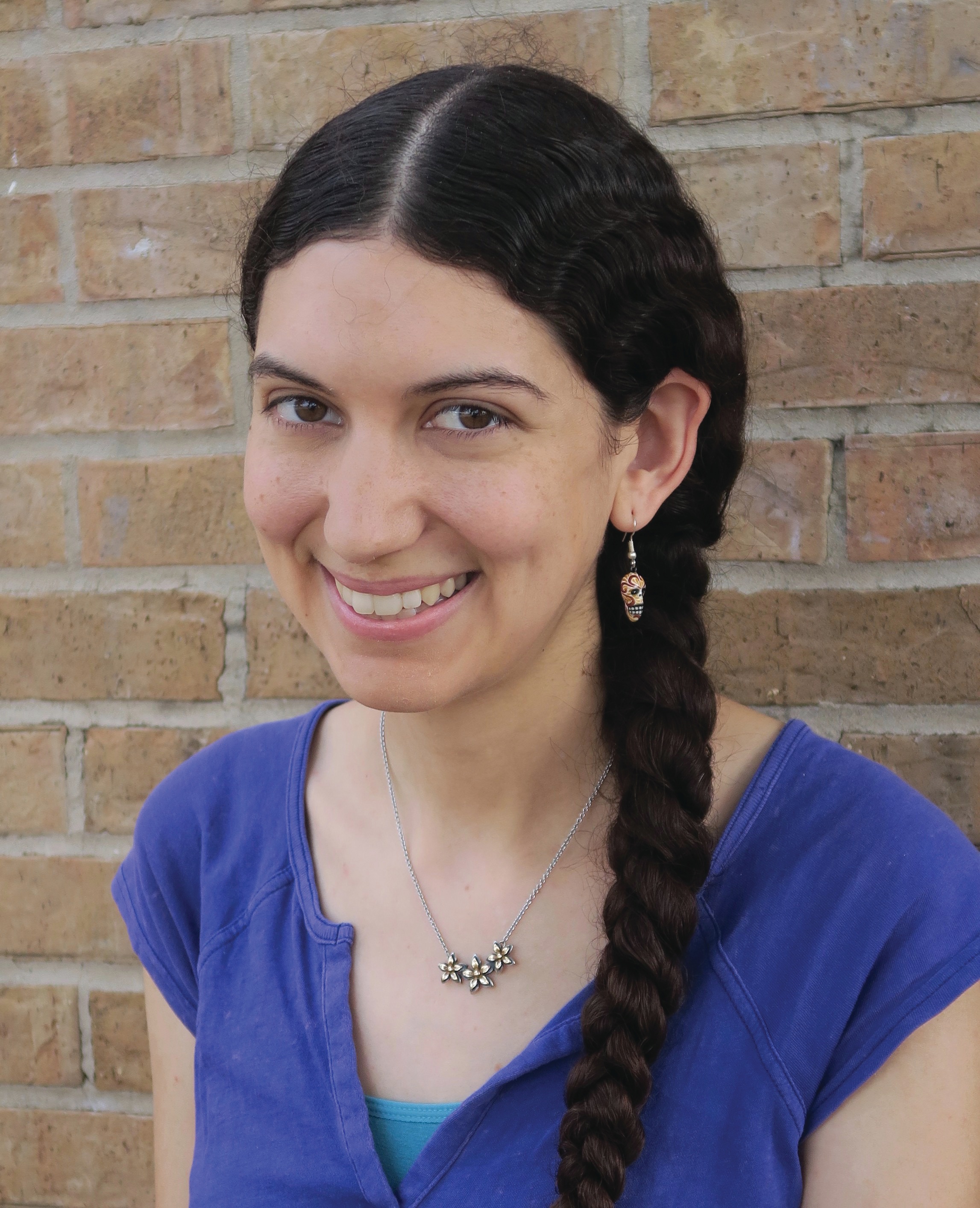 Anna Meriano is the author of the books in the Love Sugar Magic series,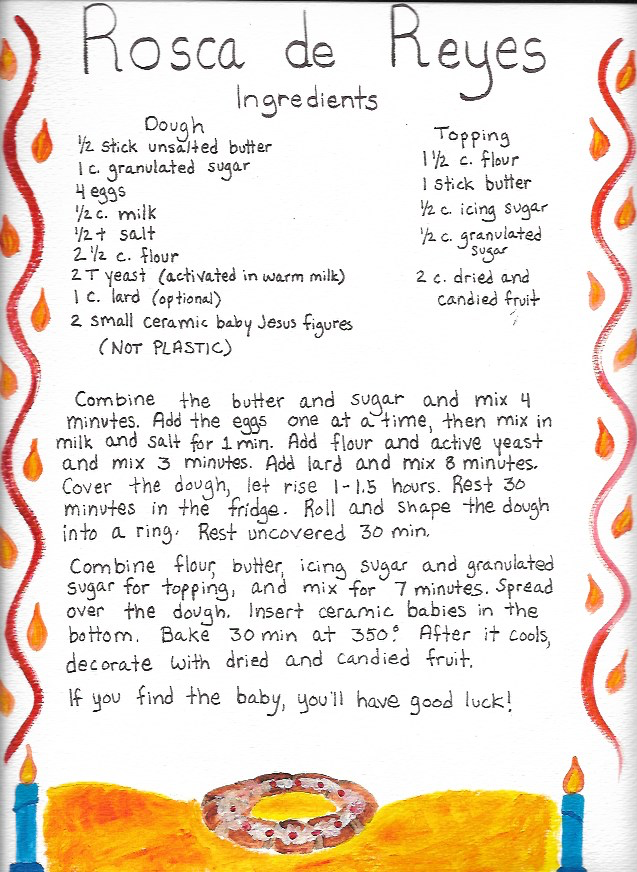
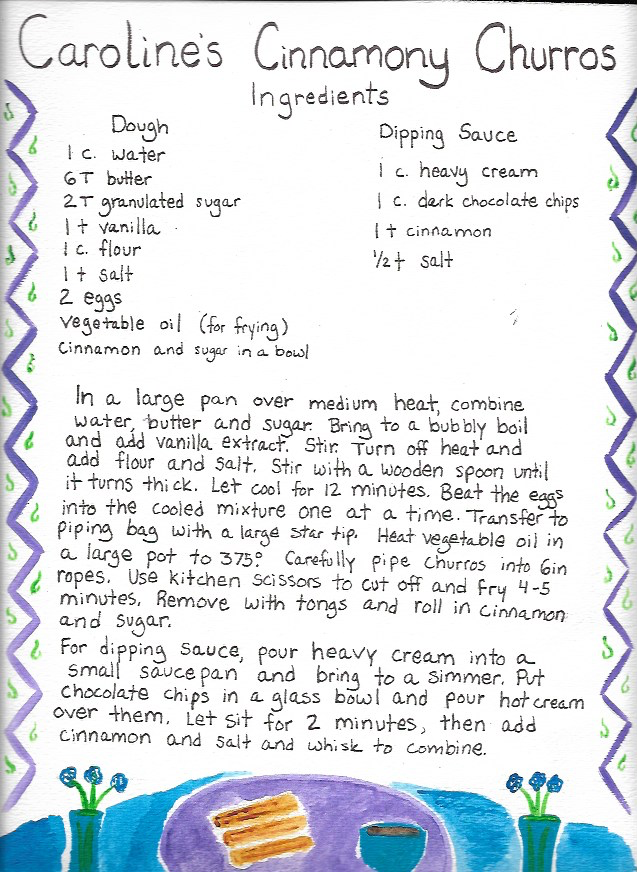
 Cecilia Cackley is a Mexican-American playwright and puppeteer based in Washington, DC. A longtime bookseller, she is currently the Children’s/YA buyer and event coordinator for East City Bookshop on Capitol Hill. Find out more about her art at
 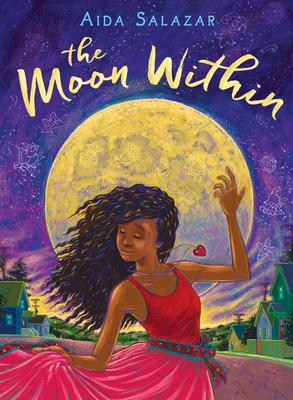 DESCRIPTION OF THE BOOK: Celi Rivera’s life swirls with questions. About her changing body. Her first attraction to a boy. And her best friend’s exploration of what it means to be genderfluid. But most of all, her mother’s insistence she have a moon ceremony when her first period arrives. It’s an ancestral Mexica ritual that Mima and her community have reclaimed, but Celi promises she will NOT be participating. Can she find the power within herself to take a stand for who she wants to be?
 ABOUT THE AUTHOR:
  ABOUT THE REVIEWER: Cris Rhodes is a lecturer in the English department at Sam Houston State University. She recently completed a Ph.D. in English with an emphasis on Latinx children’s literature. Her research explores the intersections between childhood activism and Latinx identities.
 ABOUT THE REVIEWER: Mimi Rankin has a Master’s Degree with Distinction in Children’s Literature from the University of Reading in the United Kingdom. She is currently a Marketing Manager for a company working with over 25 publishers worldwide. Her graduate research focused on claims of cultural authenticity in Hispanic Children’s Literature and her dissertation received highest marks.
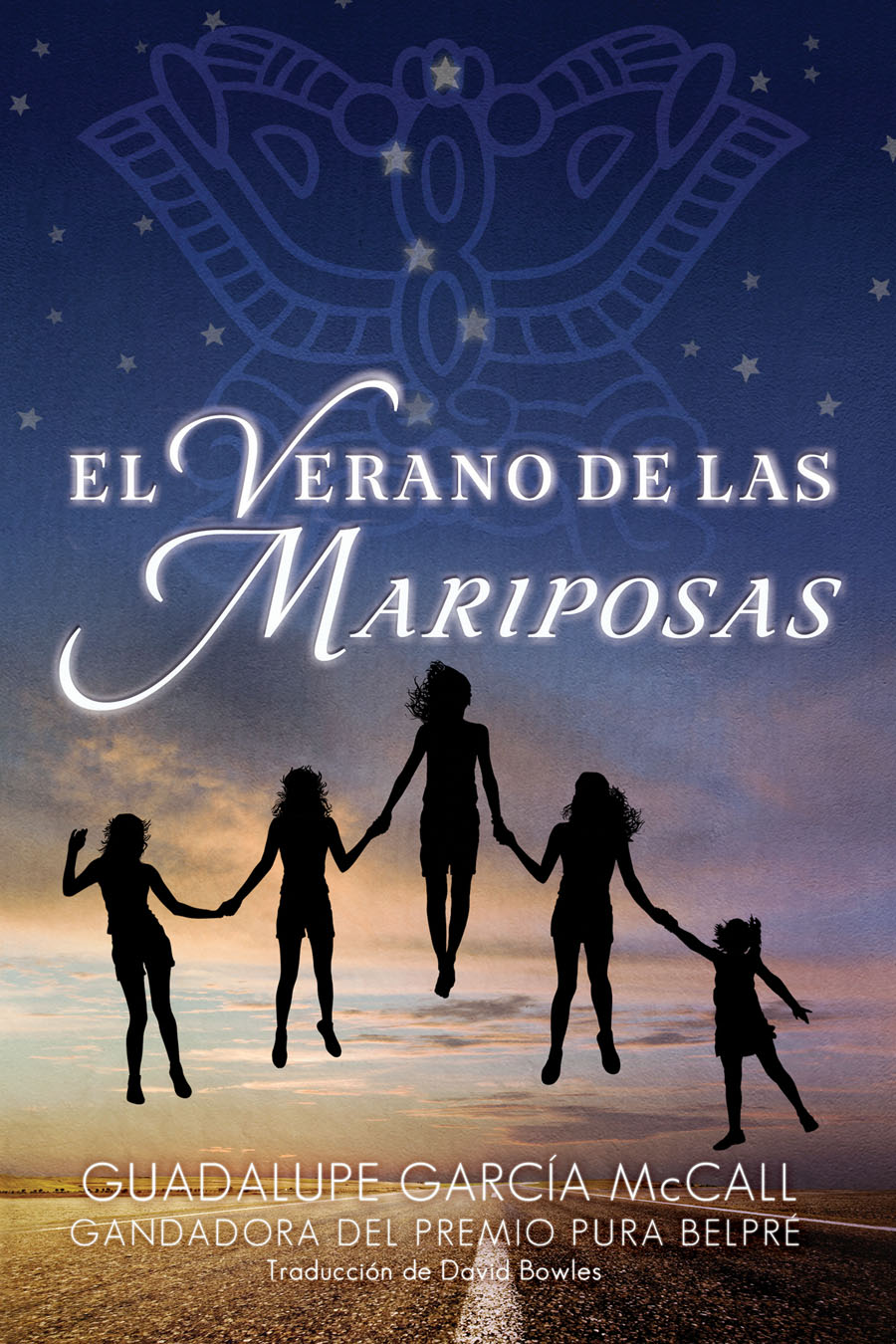 DESCRIPTION OF THE BOOK:
  ABOUT THE AUTHOR (from
  ABOUT THE TRANSLATOR: A Mexican-American author from deep South Texas, David Bowles is an assistant professor at the University of Texas Rio Grande Valley. Recipient of awards from the American Library Association, Texas Institute of Letters and Texas Associated Press, he has written a dozen or so books, including Flower, Song, Dance: Aztec and Mayan Poetry, the critically acclaimed Feathered Serpent, Dark Heart of Sky: Mexican Myths, and They Call Me Güero: A Border Kid’s Poems. In 2019, Penguin will publish The Chupacabras of the Rio Grande, co-written with Adam Gidwitz, and Tu Books will release his steampunk graphic novel Clockwork Curandera. His work has also appeared in multiple venues such as Journal of Children’s Literature, Rattle, Strange Horizons, Apex Magazine, Nightmare, Asymptote, Translation Review, Metamorphoses, Huizache, Eye to the Telescope, and Southwestern American Literature. In April 2017, David was inducted into the Texas Institute of Letters for his literary work.
 ABOUT THE REVIEWER: Katrina Ortega (M.L.I.S.) is the Young Adult Librarian at the Hamilton Grange Branch of the New York Public Library. Originally from El Paso, Texas, she has lived in New York City for six years. She is a strong advocate of continuing education (in all of its forms) and is very interested in learning new ways that public libraries can provide higher education to all. She is also very interested in working with non-traditional communities in the library, particularly incarcerated and homeless populations. While pursuing her own higher education, she received two Bachelors of Arts degrees (in English and in History), a Masters of Arts in English, and a Masters of Library and Information Sciences. Katrina loves reading most anything, but particularly loves literary fiction, YA novels, and any type of graphic novel or comic. She’s also an Anglophile when it comes to film and TV, and is a sucker for British period pieces. In her free time, if she’s not reading, Katrina loves to walk around New York, looking for good places to eat.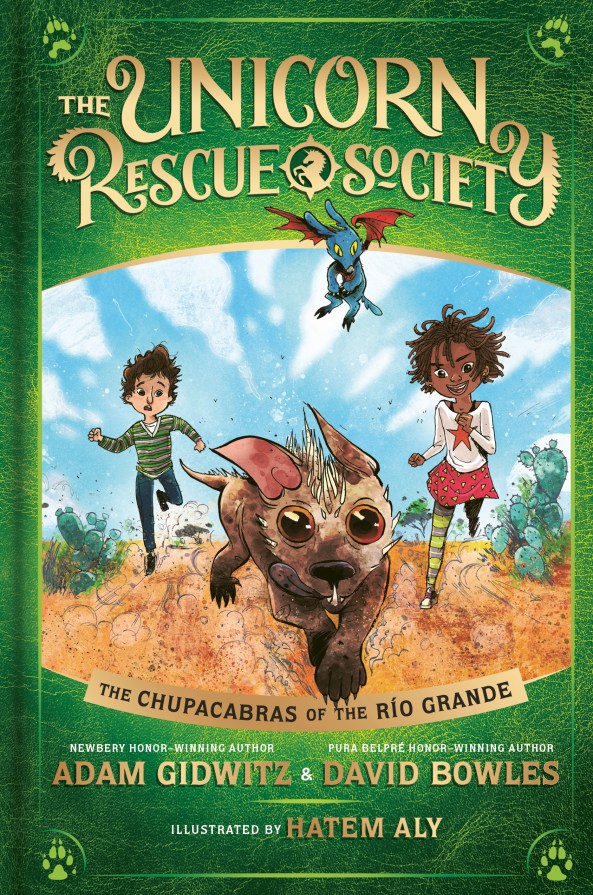
 Latinxs in Kid Lit