January 2022 Latinx Book Releases!

.

We are an affiliate with Indiebound and Bookshop. If If you make a purchase through these links, at no additional cost to you, we will earn a small commission.

In addition to listing 2022 titles by/for/about Latinx on our master list, we will remind readers of what’s releasing each month.

CONGRATULATIONS to these Latinx creators. Let’s celebrate these January book babies!

.
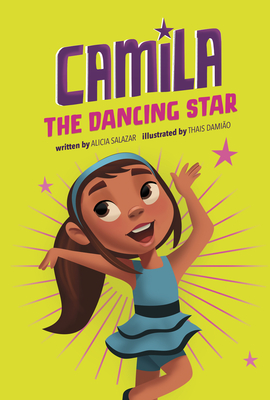
Cover for Camila the Dancing Star

CAMILA THE DANCING STAR by Alicia Salazar, illustrated by Thais Damiao (Picture Window Books, January 1, 2022). Early Reader. Camila’s dance camp is holding a dance competition. She and her partners are working hard and hoping for a win. Their steps, turns, and twirls look great! But when Camila falls, she twists her ankle and ends up on crutches. Are Camila’s dancing days over for now?

.

.

.

.

.
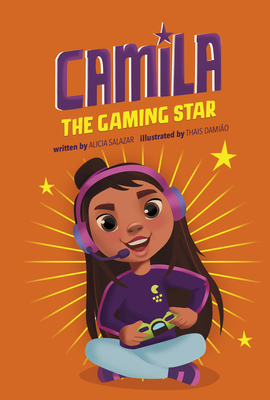
Cover for Camila the Gaming Star

CAMILA THE GAMING STAR by Alicia Salazar, illustrated by Thais Damiao (Picture Window Books, January 1, 2022). Early Reader. Camila wants to buy some new video equipment, so when she hears about a video game tournament, she sees her chance to win big money. Her brother and sister help her perfect her gaming skills, but will it be enough to make her into a winning video game star?

.

.

.

.

.
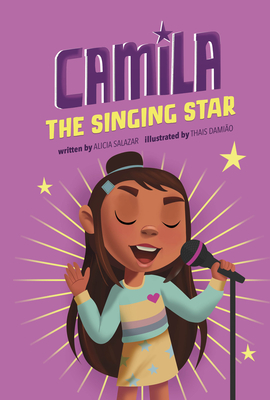
Cover for Camila the Singing Star

CAMILA THE SINGING STAR by Alicia Salazar, illustrated by Thais Damiao (Picture Window Books, January 1, 2022). Early Reader. Camila has entered a singing competition and she knows that she wants to sing her family’s favorite song; but when it comes to actually competing Camila is very nervous about the size of the audience and being in the spotlight–but Camila knows her family is there and that she can use that knowledge to overcome her stage fright. Includes artistic activity.

.

.

.

.

.
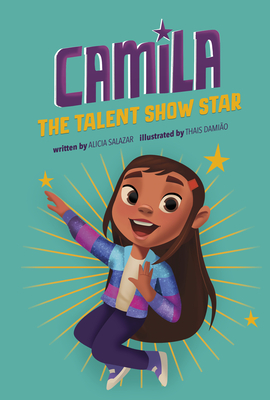
Cover for Camila the Talent Show Star

CAMILA THE TALENT SHOW STAR by Alicia Salazar, illustrated by Thais Damiao (Picture Window Books, January 1, 2022). Early Reader. Every year Camila’s school has a talent show, and Camila wants to sing her favorite song; but Ruby, a new girl, has already signed up to sing the same song and Camila is so mad she decides not to compete at all–until Ruby suggests that they sing together, and Camila discovers sometimes two voices are better than one. Includes suggestions for creating your own talent show.

.

.

.

.

.
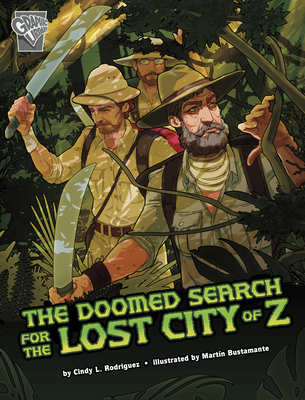
Cover for The Doomed Search for the Lost City of Z

THE DOOMED SEARCH FOR THE LOST CITY OF Z by Cindy L. Rodriguez, illustrated by Martín Bustamante (Capstone Press, January 1, 2022). Graphic Novel. Percy Fawcett was a mapmaker and an adventurer. In the early 1900s, he spent years mapping out the jungles of South America. Fawcett became obsessed with the idea of a lost city of gold hidden deep in the jungle. At the age of 57, Fawcett, his 21-year-old son Jack, and Jack’s friend Raleigh Rimell left on a quest to find the Lost City of Z. The three men were never heard from again. Untangle the clues they left behind.

.

.

.

.
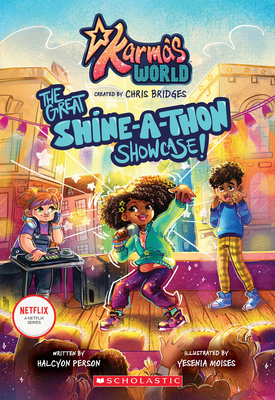
Cover for Karma's World #1

KARMA’S WORLD #1: The Great Shine-A-Thon Showcase! by Halcyon Person, illustrated by Yesenia Moises (Scholastic, January 4, 2022). Chapter Book. Meet Karma Grant! Karma and her friends are totally stoked for the MC Grillz concert in their neighborhood, Hansberry Heights! But when the famous rapper’s bus breaks down and the show is canceled, it’s up to Karma to make the best of some bad luck. Will Karma be able to put on her own concert, the Shine-a-Thon, with her friends or will the pressure prove to be way too much?

.

.

.

.

.
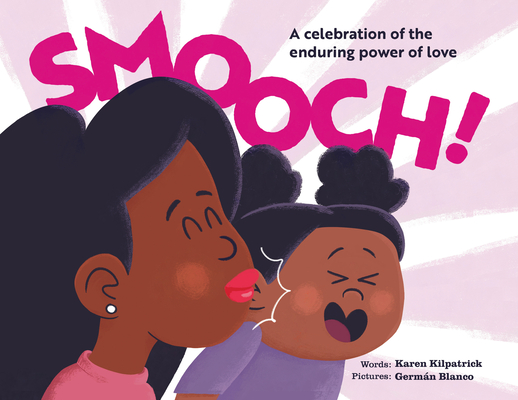
Cover for Smooch

SMOOCH: A Celebration of the Enduring Power of Love by Karen Kilpatrick, illustrated by Germán Blanco (Genius Cat Books, January 4, 2022). Picture Book. Both humorous and endearing, Smooch is a fresh take on the expression of love that is relevant, relatable, and reassuring. Showcasing diverse family structures and characters through bright, colorful artwork, Smooch engages young readers through familiar circumstances and humor and caregivers through touching sentiment. Perfect for showcasing the permanent bond of love in a fun way, or for children dealing with any kind of separation anxiety. 

.
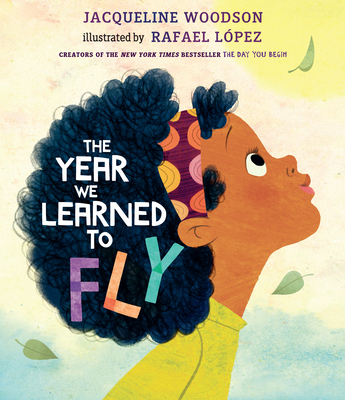
Cover for The Year We Learned to Fly

THE YEAR WE LEARNED TO FLY by Jacqueline Woodson, illustrated by Rafael López (Nancy Paulsen Books, January 4, 2022). Picture Book. On a dreary, stuck-inside kind of day, a brother and sister heed their grandmother’s advice: “Use those beautiful and brilliant minds of yours. Lift your arms, close your eyes, take a deep breath, and believe in a thing. Somebody somewhere at some point was just as bored you are now.” And before they know it, their imaginations lift them up and out of their boredom. Then, on a day full of quarrels, it’s time for a trip outside their minds again, and they are able to leave their anger behind. This precious skill, their grandmother tells them, harkens back to the days long before they were born, when their ancestors showed the world the strength and resilience of their beautiful and brilliant minds.

.
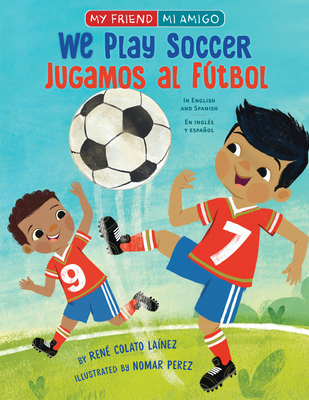
Cover for We Play Soccer

WE PLAY SOCCER by René Colato Laínez, illustrated by Nomar Perez (Holiday House, January 11, 2022). Picture Book. Two boys, an English speaker and a Spanish speaker, are on the same soccer team. They have their uniforms and their cleats. They can both juggle the ball. At first, the boys must wait on the bench. But when the coach lets them in the game, both Joe and José score goals. “We win,” says Joe. “Ganamos,” says José.

.

.

.

.

.
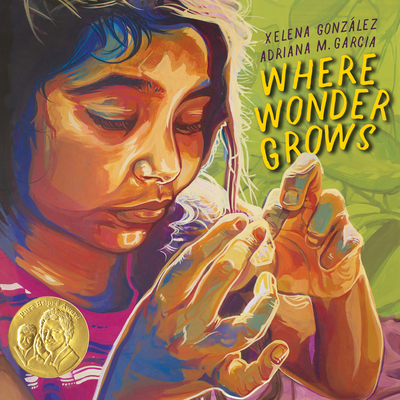
Cover for Where Wonder Grows
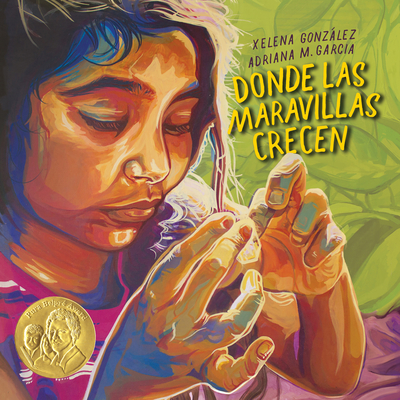
Cover for Donde Las Maravillas Crecen (Where Wonder Grows) (First Concepts in Mexican Folk Art)

WHERE WONDER GROWS/Donde Las Maravillas Crencen by Xelena Gonzálezillustrated by Adriana M. Garcia (Cinco Puntos Press/Lee & Low, January 4, 2022). Picture Book. When Grandma walks to her special garden, her granddaughters know to follow her there. Grandma invites the girls to explore her collection of treasures–magical rocks, crystals, seashells, and meteorites–to see what wonders they reveal. They are alive with wisdom, Grandma says. As her granddaughters look closely, the treasures spark the girls’ imaginations. They find stories in the strength of rocks shaped by volcanoes, the cleansing power of beautiful crystals, the mystery of the sea that houses shells and shapes the environment, and the long journey meteorites took to find their way to Earth. This is the power of Grandma’s special garden, where wonder grows and stories blossom. Releases simultaneously in Spanish.

.
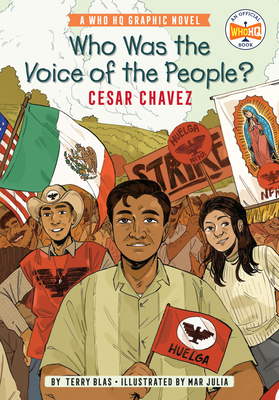
Cover for Who Was the Voice of the People?

WHO WAS THE VOICE OF THE PEOPLE? Cesar Chavez: A Who HQ Graphic Novel by Terry Blas, illustrated by Mar Julia (Penguin Workshop, January 11, 2022). Graphic Novel. Follow Cesar Chavez and the National Farmworkers Association as they set out on a difficult 300-mile protest march in support of farm workers’ rights. A story of hope, solidarity, and perseverance, this graphic novel invites readers to immerse themselves in the life of the famous Latino American Civil Rights leader.

.

.

.

.

.
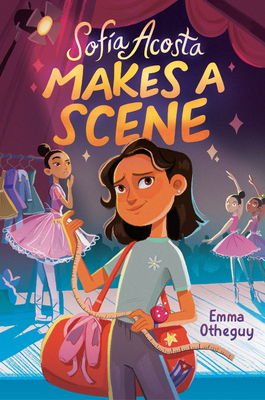
Cover for Sofía Acosta Makes a Scene

SOFÍA ACOSTA MAKES A SCENE by Emma Otheguy (Knopf Books for Young Readers, January 25, 2022). Middle Grade. It’s a good thing Sofía Acosta loves dreaming up costumes, because otherwise she’s a ballet disaster—unlike her parents, who danced under prima ballerina Alicia Alonso before immigrating to the suburbs of New York. Luckily, when the Acostas host their dancer friends from Cuba for a special performance with the American Ballet Theatre, Sofía learns there’s more than dance holding her family together. Between swapping stories about Cuba and sharing holiday celebrations, the Acostas have never been more of a team.

Then Sofía finds out about the dancers’ secret plans to defect to the United States, and makes a serious mistake—she confides in her best friend, only to discover that Tricia doesn’t want “outsiders” moving to their community. Now Sofía wonders what the other neighbors in her tight-knit suburban town really think of immigrant families like hers. Sofía doesn’t want to make a scene, but if she doesn’t speak up, how will she figure out if her family really belongs?

.
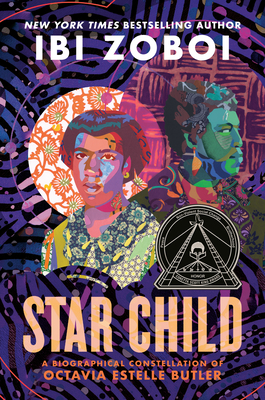
Cover for Star Child

STAR CHILD: A Biographical Constellation of Octavia Estelle Butler by Ibi Zoboi (Dutton Books for Young Readers, January 25, 2022). Acclaimed novelist Ibi Zoboi illuminates the young life of the visionary storyteller Octavia E. Butler in poems and prose. Born into the Space Race, the Red Scare, and the dawning Civil Rights Movement, Butler experienced an American childhood that shaped her into the groundbreaking science-fiction storyteller whose novels continue to challenge and delight readers fifteen years after her death.

.

.

.

.

.
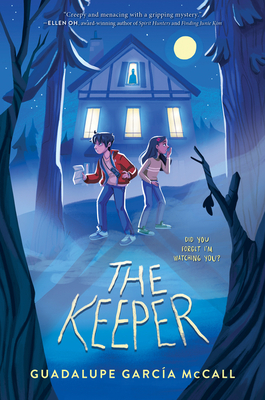
Cover for The Keeper

THE KEEPER by Guadalupe Garcia McCall. (HarperCollins, January 25, 2022). Middle Grade. James’s new house has a history. None of the kids who’ve lived there have ever survived. No sooner have he and his family arrived in their “perfect” new home in their “perfect” new town than he starts getting mysterious letters from someone called the Keeper. Someone who claims to be watching him. Someone who is looking for “young blood.”

James and his sister, Ava, are obviously in danger. But the problem with having a history of playing practical jokes is that no one believes James—not even his parents. Now James and Ava need to figure out who is sending the letters before they become the next victims in their neighborhood’s long history of missing children.

Because one thing is clear: Uncovering the truth about the Keeper is the only thing that will keep them alive.

.
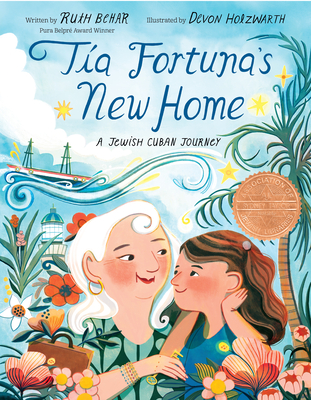
Cover for Tía Fortuna's New Home

TÍA FORTUNA’S NEW HOME: A Jewish Cuban Journey by Ruth Behar, illustrated by Devon Holzwarth (Knopf Books for Young Readers, January 25, 2022). Picture Book. When Estrella’s Tía Fortuna has to say goodbye to her longtime Miami apartment building, The Seaway, to move to an assisted living community, Estrella spends the day with her. Tía explains the significance of her most important possessions from both her Cuban and Jewish culture, as they learn to say goodbye together and explore a new beginning for Tía.

.

.

.
Celebrating 25 Years of the Pura Belpré Award: Book Talk About Separate Is Never Equal by Duncan Tonatiuh

.

We are an affiliate with Indiebound and Bookshop. If If you make a purchase through these links, at no additional cost to you, we will earn a small commission.

The Pura Belpré Award is named after Pura Belpré, the first Latina librarian at the New York Public Library. The Pura Belpré Award, established in 1996, is presented annually to a Latinx writer and illustrator whose work best portrays, affirms, and celebrates the Latino cultural experience in an outstanding work of literature for children and youth.

We have been marking the award’s 25th anniversary in different ways on the blog. Today, Dr. Sonia Rodriguez and Dora M. Guzmán talk about Separate is Never Equal: Sylvia Mendez and Her Family’s Fight for Desegregation by Duncan Tonatiuh. The book won the 2015 Pura Belpré Illustration Honor Award.

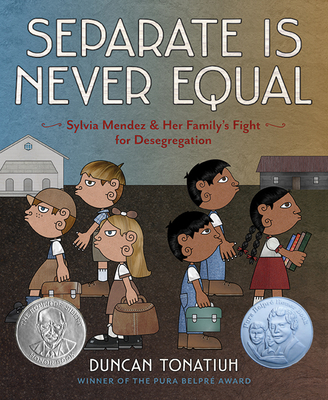
Cover for Separate Is Never Equal

ABOUT THE BOOK: When her family moved to the town of Westminster, California, young Sylvia Mendez was excited about enrolling in her neighborhood school. But she and her brothers were turned away and told they had to attend the Mexican school instead. Sylvia could not understand why—she was an American citizen who spoke perfect English. Why were the children of Mexican families forced to attend a separate school? Unable to get a satisfactory answer from the school board, the Mendez family decided to take matters into its own hands and organize a lawsuit.
 
In the end, the Mendez family’s efforts helped bring an end to segregated schooling in California in 1947, seven years before the landmark Supreme Court ruling in Brown v. Board of Education ended segregation in schools across America.
 
Using his signature illustration style and incorporating his interviews with Sylvia Mendez, as well as information from court files and news accounts, award-winning author and illustrator Duncan Tonatiuh tells the inspiring story of the Mendez family’s fight for justice and equality.

You can find our book talks on our new YouTube channel!

.

.

.

.

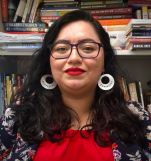
Sonia Alejandra Rodriguez, PhD is an Associate Professor of English at LaGuardia Community College (CUNY) where she teaches composition, literature, and creative writing. Her academic research focuses on decolonial healing in Latinx children’s and young adult literature. Sonia is a Mellon Emerging Faculty Leader.

.

.

.

img_0160

Dora M. Guzmán is a bilingual reading specialist for grades K-5 and also teaches college courses in Children’s Literature and Teaching Beginning Literacy. She is currently a doctoral student with a major in Reading, Language, and Literacy. When she is not sharing her love of reading with her students, you can find her in the nearest library, bookstore, or online, finding more great reads to add to her never-ending “to read” pile!

Book Review: Cece Rios and the Desert of Souls by Kaela Rivera

.

We are an affiliate with Indiebound and Bookshop. If If you make a purchase through these links, at no additional cost to you, we will earn a small commission.

Review by Leslie Adame

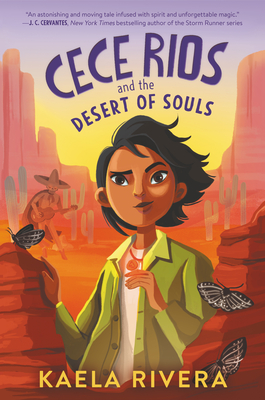
Cover for Cece Rios and the Desert of Souls

DESCRIPTION OF THE BOOK: Living in the remote town of Tierra del Sol is dangerous, especially in the criatura months, when powerful spirits roam the desert and threaten humankind. But Cecelia Rios has always believed there was more to the criaturas, much to her family’s disapproval. After all, only brujas—humans who capture and control criaturas—consort with the spirits, and brujeria is a terrible crime.

When her older sister, Juana, is kidnapped by El Sombrerón, a powerful dark criatura, Cece is determined to bring Juana back. To get into Devil’s Alley, though, she’ll have to become a bruja herself—while hiding her quest from her parents, her town, and the other brujas. Thankfully, the legendary criatura Coyote has a soft spot for humans and agrees to help her on her journey.

With him at her side, Cece sets out to reunite her family—and maybe even change what it means to be a bruja along the way.

MY TWO CENTS: Cece Rios has lived under the scrutiny of her small desert town ever since she was “cursed” by the criatura Tzitzimitl when she was seven. Compared to her perfect sister Juana, Cece considers herself a disappointment and a shame to her entire family. So it is no surprise she feels the need to prove herself when her sister is taken by the criatura El Sombrerón after an argument between the two sisters. But to get to her sister, Cece must become a bruja to obtain access to Devil’s Alley— the home for all criaturas. 

But becoming a bruja is no easy feat. The condition for becoming one requires Cece to gain control of a criatura of her own and win the Bruja Fights. Hearing this, Cece is convinced she’s lost the one opportunity to save her sister, until she rescues the criatura Coyote from Cantil Snake. Indebted to her, and seeing that she’s not malicious like other brujas, Coyote promises to help Cece win the Bruja Fights and save her sister. They form a bond of trust and loyalty, which is non-existent between brujas and criaturas, as the role of brujas is typically to enslave criaturas. Without realizing it, Cece is changing what it means to be a bruja, all while making new friends and obtaining the confidence she needs to save her sister. 

Cece Rios and the Desert of Souls is a beautiful story that combines some of our most favorite Latin American urban legends and places them all in a world set up very eloquently. Although the beginning may be a little slow for younger readers, it is necessary to understand the world Cece Rios comes from. As the story picks up, the reader will fall in love with Cece and root for her success as she ventures on this journey to find her sister as well as herself. The relationship between Cece and her family is a realistic one, and middle grade readers with siblings will come to relate to Cece’s troubles to be seen, as she is constantly compared to her older sister.

Readers will also come to love Coyote, a grumpy but loyal partner whose mysterious backstory will compel the reader to unravel it. The parallels between Cece and her long missing Tía were alluring as well, and it was a joy to unpack her backstory. Overall, Rivera did an amazing job creating a beautiful world with intriguing characters that pull you in from the start. Fans of stories born from urban legends and mythology such as the ones written by Rick Riordan, J.C. Cervantes, and Roshani Chokshi should pick up Cece Rios and the Desert of Souls at their local libraries or book stories. It is truly a treat to read.

.

ABOUT THE AUTHOR: Kaela Rivera was raised to believe in will-o’-the-wisps and el chupacabra, but even ghost stories couldn’t stop her from reading in the isolated treetops, caves, and creeks of Tennessee’s Appalachian forests. She still believes in the folktales of her Mexican and British parents, but now she writes about them from the adventure-filled mountains of the Wild West. When she’s not crafting stories, she’s using her English degree as an editor for a marketing company (or secretly doodling her characters in the margins of her notebook). Her biggest hope is to highlight and explore the beauty of cultural differences—and how sharing those differences can bring us all closer.

.

.

.

ABOUT THE REVIEWER: Leslie Adame is a graduate of the University of California, Los Angeles with a degree in Political Science and a minor in Film, Television, and Digital Media. Along with writing books herself, she invests most of her time mentoring historically marginalized students and preparing them for a higher education. She strongly believes in the importance of representation in books, and has volunteered in events like the Latinx Kidlit Book Festival to put a spotlight on Latinx/e authors. Leslie grew up in the Inland Empire, specifically Ontario, California. She hopes to one day publish a middle grade fantasy centered around a first-generation protagonist and her undocumented parents. 

Celebrating 25 Years of the Pura Belpré Award: Book Talk About The Bossy Gallito by Lucia Gonzalez, illus. by Lulu Delacre

.

We are an affiliate with Indiebound and Bookshop. If If you make a purchase through these links, at no additional cost to you, we will earn a small commission.

The Pura Belpré Award is named after Pura Belpré, the first Latina librarian at the New York Public Library. The Pura Belpré Award, established in 1996, is presented annually to a Latinx writer and illustrator whose work best portrays, affirms, and celebrates the Latino cultural experience in an outstanding work of literature for children and youth.

Cover for The Bossy Gallito / El gallo de bodas (Bilingual): A Traditional Cuban Folktale

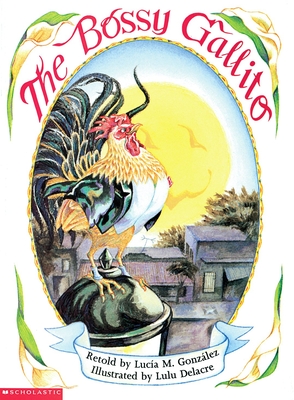
We have been marking the award’s 25th anniversary in different ways on the blog. Today, Dr. Sonia Rodriguez and Dora M. Guzmán talk about The Bossy Gallito / El Gallo De Bodas by Lucía M. Gonzálezillustrated by Lulu Delacre. The book won honors in 1996 for both narrative and illustration.

You can find our book talks on our new YouTube channel!

.

.

.

.

.

Sonia Alejandra Rodriguez, PhD is an Associate Professor of English at LaGuardia Community College (CUNY) where she teaches composition, literature, and creative writing. Her academic research focuses on decolonial healing in Latinx children’s and young adult literature. Sonia is a Mellon Emerging Faculty Leader.

.

.

.

img_0160

Dora M. Guzmán is a bilingual reading specialist for grades K-5 and also teaches college courses in Children’s Literature and Teaching Beginning Literacy. She is currently a doctoral student with a major in Reading, Language, and Literacy. When she is not sharing her love of reading with her students, you can find her in the nearest library, bookstore, or online, finding more great reads to add to her never-ending “to read” pile!

.

.

.

.

Book Review: Paola Santiago and the River of Tears by Tehlor Kay Mejia

.

We are an affiliate with Indiebound and Bookshop. If If you make a purchase through these links, at no additional cost to you, we will earn a small commission.

Reviewed by Sonia Alejandra Rodríguez, PhD & Ingrid Campos

Cover for Paola Santiago and the River of Tears

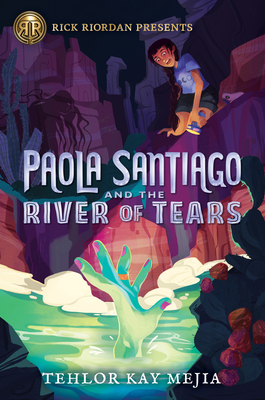
DESCRIPTION OF THE BOOK: Space-obsessed 12-year-old Paola Santiago and her two best friends, Emma and Dante, know the rule: Stay away from the river. It’s all they’ve heard since a schoolmate of theirs drowned a year ago. Pao is embarrassed to admit that she has been told to stay away for even longer than that, because her mother is constantly warning her about La Llorona, the wailing ghost woman who wanders the banks of the Gila at night, looking for young people to drag into its murky depths.

Hating her mother’s humiliating superstitions and knowing that she and her friends would never venture into the water, Pao organizes a meet-up to test out her new telescope near the Gila, since it’s the best stargazing spot. But when Emma never arrives and Pao sees a shadowy figure in the reeds, it seems like maybe her mom was right.

OUR TWO CENTS: Tehlor Kay Mejia’s Paola Santiago and the River of Tears (2020) presents a world of chupacabras, nightmares, and myths. Twelve-year-old Paola Santiago lives in Silver Springs, Arizona, and she’s interested in all things science and space, making her a very rational person. Paola and her best friend, Dante, live in an apartment complex, while their other best friend, Emma, lives on the more affluent side of town. The three of them frequently go near the Gila River to play despite having been warned to avoid going there after the disappearance of Melissa Martínez. Paola’s mom warns her of La Llorona, the wailing woman who haunts the river and takes children away from their parents, but Paola doesn’t believe in myths and folktales because they’re not scientifically sound. Their apartment is filled with the smell of incense and people who get their tarot cards read, and this bothers Paola because she wants a more rational, more grounded in reality, type of mother. One day, the trio plans to bring Emma’s telescope to the Gila. Paola and Dante wait for Emma to come, but she never meets up with them that night. Emma is missing, and Paola and Dante go on a mission to find Emma. Paola will need to tap into her mother’s lessons if she plans to save herself and her friends. 

Paola has had to grow up fast due to her mother’s work schedule and her mother’s free-spirit. This coping mechanism has led to Paola leaning into science—where things make sense and answers are more definitive—and away from her mother—who’s associated with myths, folktales, spirits, and spirituality. At the beginning of this middle grade novel, it’s clear Paola is skeptical of her mother’s stories: “But ghost? There is no scientific basis for them. No evidence at all that their existence was even possible let alone likely. An old folktale was definitely not a valid reason to change one’s plans” (Mejia, 6).  The resistance here, and through most of the novel, is not necessarily to the stories her mother tells but to the complicated relationship Paola and her mother have, wherein Paola must sometimes take care of herself and her own mother. The ghosts are not just the ghosts in her mother’s stories but the ghosts in their relationship they each refuse to confront. 

Paola is forced to rethink her relationship with her mother and how she sees her after her best friend Emma is taken to another world. Paola faces the monsters that resemble those in her mother’s stories. And when rational thinking isn’t enough to save her friends, Paola taps into what her mother’s been telling her, her entire life, to save everyone. Such realization is significant for Paola’s growth because she’s making room for her culture’s stories and mythology alongside her belief in science as part of how she understands herself. Her journey and fight to save Emma gave Paola an opportunity to celebrate her culture rather than reject it. As adult readers, we found this to be a powerful message about what should be considered knowledge and which types of knowledges should be respected. We believe this message—all knowledges, even those coming from family, have value—will also be empowering to young readers.

Not only does Mejia do an extraordinary job at including Mexican mythology in this novel, she also includes contemporary issues affecting Latinx communities at large, such as immigration and racial profiling. Sal is a memorable character in the River of Tears. Sal is a lost niño who used to live in Paola and Dante’s apartment complex. Sal experiences an incident with ICE officers: “He always came to mind whenever she saw stories about tent cities on the news, showing women who like her mom cried over lost children who looked like Pao. Eventually, those stories went away as it became clear that viewers preferred to pretend that brown-skinned kids weren’t disappearing but put into cages” (Mejia, 130). In a very emotional moment in the novel, Paola will meet Sal and the tragic truth of what could happen to children taken by ICE or thrown into cages will come to light. It’s important that Mejia decided to let Sal tell his side of the story and that Sal finds agency in unexpected ways and in an unexpected world. 

An overarching theme throughout the novel is class, which intersects with racial profiling. When Emma is first missing, Dante and Paola seek help from the police station. They encounter a police officer who shrugs them off. The officer says: “We’ve seen your kind here before. Trouble, all of you. Now, if you don’t have business with us, you need to get out” (Mejia, 37). The officer talks down to Dante and Paola because he makes certain assumptions about them based on what they look like and where they live. This encounter leaves Paola feeling ashamed. It’s only when Emma’s white parents go into the police station and get involved that both she and Dante get taken seriously. The distrust for the police to find Emma, based on previous experiences, leads Paola’s determination to find her friend herself. 

Paola Santiago and the River of Tears is a novel about finding self-empowerment in one’s culture in the face of systematic marginalization. Paola’s mother and her neighbor give her the tools, all based in her Mexican American culture, to save her missing friend Emma. Although Paola may not necessarily understand, or even see these tools at first, they’re there for her when she needs them the most. Mejia creates a brilliant, empathetic, and strong character in Paola Santiago. We need more books like this one that center brown girls interested in STEM, that tell readers to be proud of their culture, and that include magical chanclas as secret weapons.

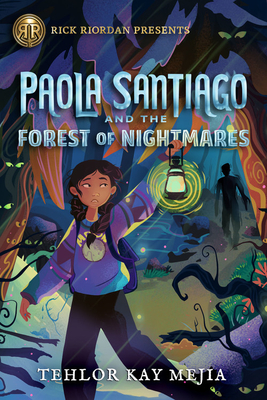
The sequel to Paola Santiago and the River of Tears is Paola Santiago and the Forest of Nightmares, which released August 3, 2021.

Cover for Paola Santiago and the Forest of Nightmares

.

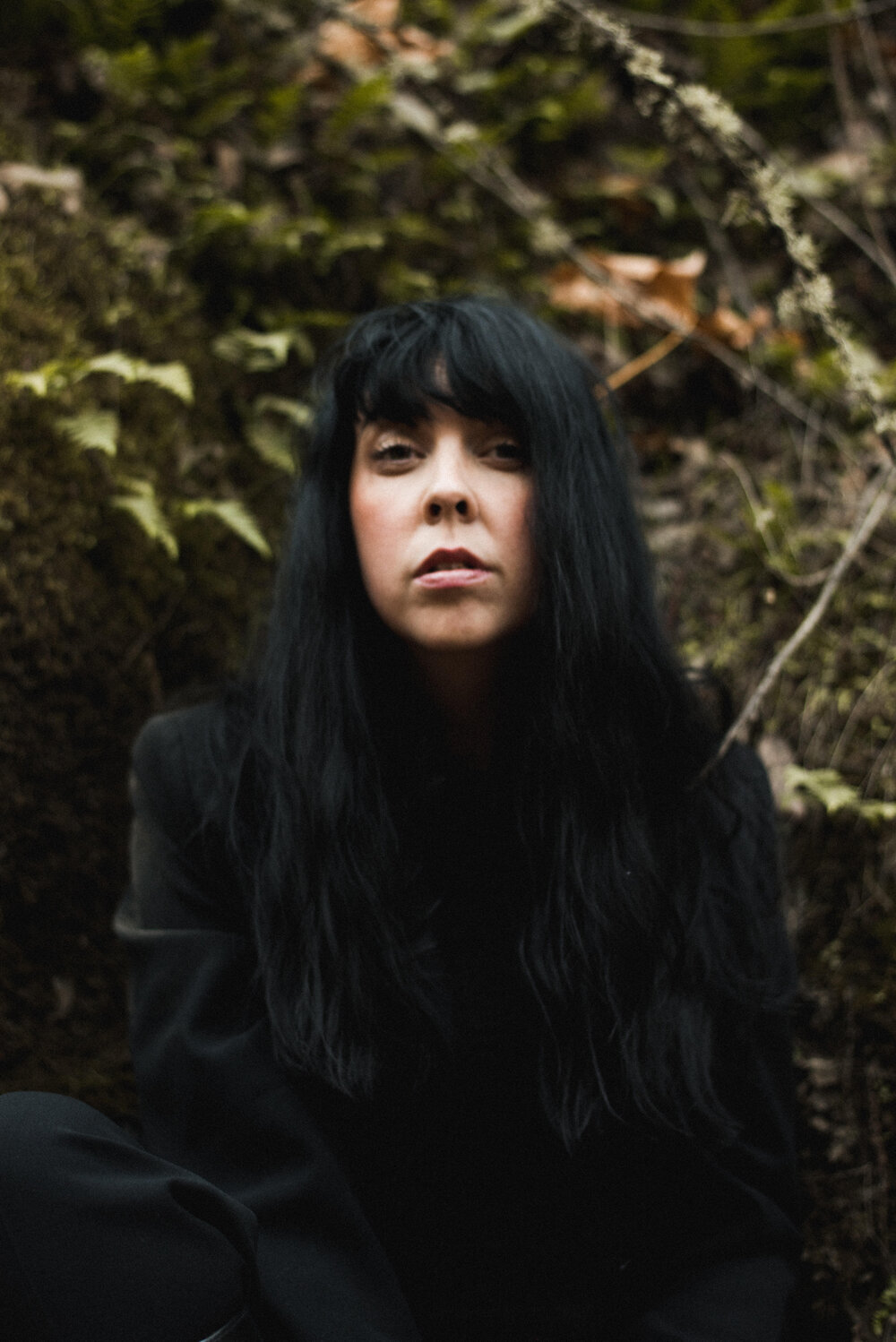
Photo & Styling: Tia Reagan Creative | Editing: Adrian King

ABOUT THE AUTHOR: Tehlor Kay Mejia is the author of the critically acclaimed young adult fantasy duology WE SET THE DARK ON FIRE and WE UNLEASH THE MERCILESS STORM. Her middle grade debut, PAOLA SANTIAGO AND THE RIVER OF TEARS, released from Rick Riordan Presents in 2020 and its sequel PAOLA SANTIAGO AND THE FOREST OF NIGHTMARES released in 2021.

Her debut novel received six starred reviews, and was chosen as an Indie’s Next Pick and a Junior Library Guild selection, as well as being an Indiebound regional bestseller. It was runner up for the Neukom Institute Literary Arts Award for Speculative fiction, awarded through Dartmouth College, was featured in Seventeen, Cosmopolitan, and O by Oprah Magazine’s best books of 2019 lists, and was a book of the year selection by Kirkus and School Library Journal.

Tehlor lives in Oregon where she grows heirloom corn and continues her quest to perfect the vegan tamale.

.

.

.

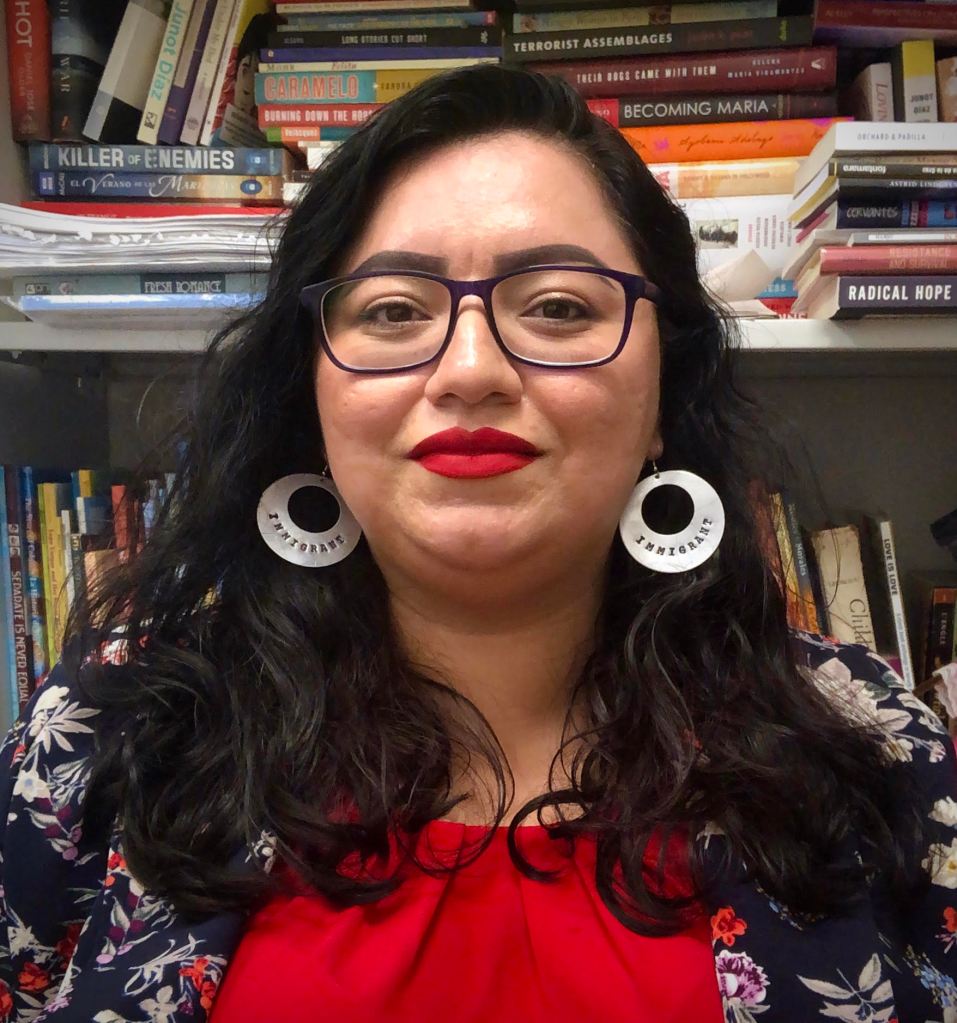
ABOUT THE REVIEWERSSonia Alejandra Rodriguez, PhD is an Associate Professor of English at LaGuardia Community College (CUNY) where she teaches composition, literature, and creative writing. Her academic research focuses on decolonial healing in Latinx children’s and young adult literature. Sonia is a Mellon Emerging Faculty Leader.

.

.

.

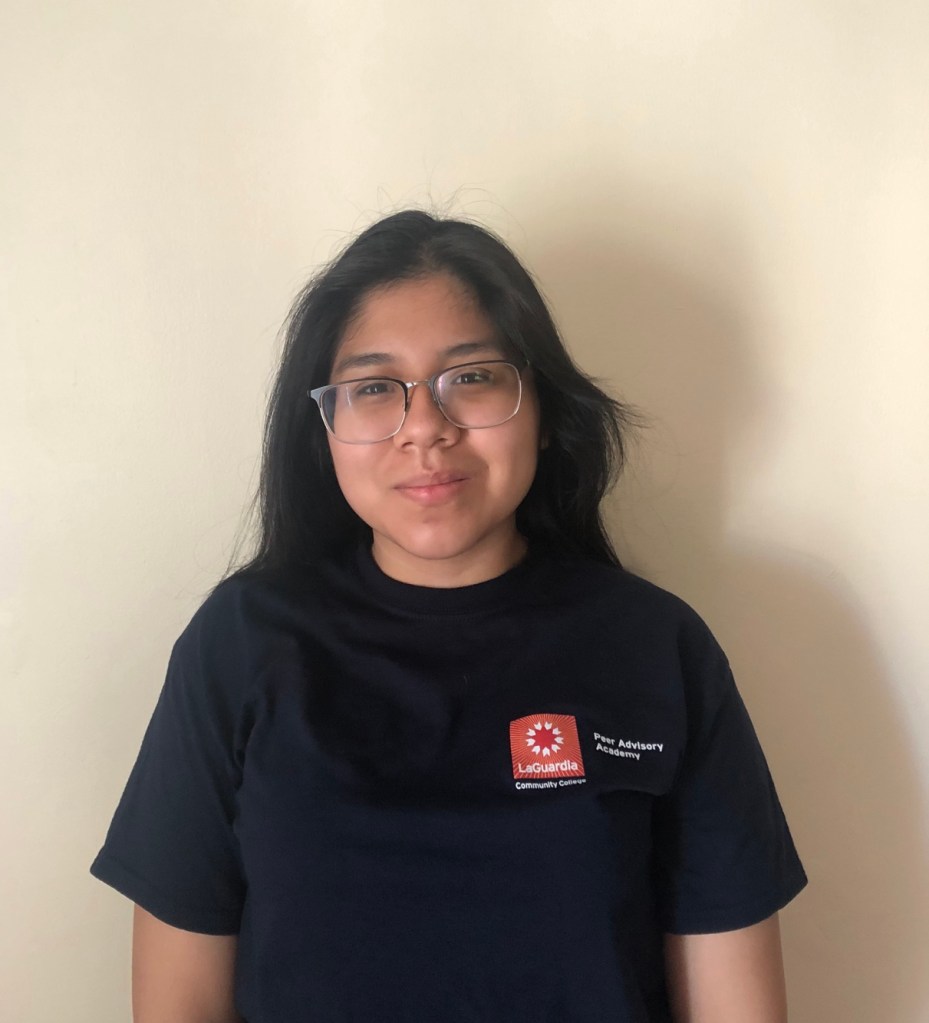
Ingrid Campos is a 19-year-old college student interested in Latinx Literature. After graduating from LaGuardia Community College (CUNY) this year with an associates in Writing and Literature, she will continue her studies at Queens College to earn her Bachelors in English Education 7-12 . Ingrid was born and raised in Queens, New York. As a Mexican-American living in Queens and graduating from the public school system, Ingrid is inspired to become a high school teacher. One of her main goals is to center academic curriculums around more diversity and inclusivity towards Black and Brown students.


Celebrating 25 Years of the Pura Belpré Award: Book Talk About Viva Frida by Yuyi Morales

.

We are an affiliate with Indiebound and Bookshop. If If you make a purchase through these links, at no additional cost to you, we will earn a small commission.

The Pura Belpré Award is named after Pura Belpré, the first Latina librarian at the New York Public Library. The Pura Belpré Award, established in 1996, is presented annually to a Latinx writer and illustrator whose work best portrays, affirms, and celebrates the Latino cultural experience in an outstanding work of literature for children and youth.

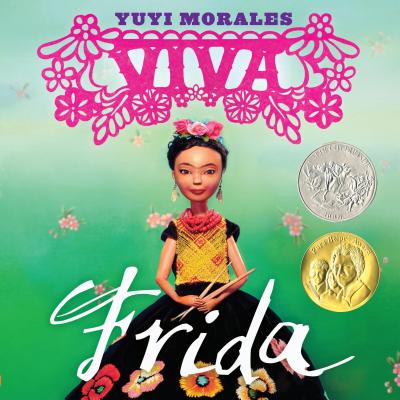
We have been marking the award’s 25th anniversary in different ways on the blog. Today, Dr. Sonia Rodriguez and Emily R. Aguiló-Pérez talk about Viva Frida by Yuyi Morales. The book won the 2015 Pura Belpré Illustration Award.

Cover for Viva Frida

ABOUT THE BOOK: Frida Kahlo, one of the world’s most famous and unusual artists is revered around the world. Her life was filled with laughter, love, and tragedy, all of which influenced what she painted on her canvases.

Distinguished author/illustrator Yuyi Morales illuminates Frida’s life and work in this elegant and fascinating book.

.

.

.

.

You can find our book talks on our new YouTube channel!

.

.

.

.

Sonia Alejandra Rodriguez, PhD is an Associate Professor of English at LaGuardia Community College (CUNY) where she teaches composition, literature, and creative writing. Her academic research focuses on decolonial healing in Latinx children’s and young adult literature. Sonia is a Mellon Emerging Faculty Leader.

.

.

.

headshot

Emily R. Aguiló-Pérez is an Assistant Professor of English (Children’s Literature) at West Chester University of Pennsylvania.  Her teaching and research are in the areas of children’s literature (particularly Latinx literature), girlhood studies, and children’s cultures. Her published work has focused on girlhood as represented in literature and Puerto Rican girls’ identity formation with Barbie dolls. She has presented research on Latinx children’s books at various conferences and has served on children’s book award committees such as the 2017 Lee Bennett Hopkins Poetry Award and the 2018 Pura Belpré Award. Currently, she is part of the Pennsylvania Center for the Book’s “A Baker’s Dozen” committee.