Diversity Needed Under the Sea: Not All Mermaids Have Blond Hair and Blue Eyes

By Cindy L. Rodriguez

This month, we’re taking a look at Latin@s in science fiction and fantasy. On Monday, Zoraida Córdova explained how instead of writing about her immigration experience, which seemed expected of her, she decided to write about what interested her most: merfolk.

While there have been hundreds of children’s books published about mermaids, very very very few have featured mermaids or mermen who did not have blond or red hair and blue or green eyes. We asked via Twitter if anyone knew of a Latin@ YA author, other than Zoraida, who wrote about merpeople, or books, other than Zoraida’s The Vicious Deep series, that featured diverse characters. We didn’t get any responses. So, the world under the sea seems to be another area of kid lit that could use some diversifying.

If you have a mermaid story in you, waiting to be told, please consider this: every culture has its own mythology packed with gods and goddesses similar to those in Greek and Roman tales. I’m not saying you should ignore Poseidon or not create white merfolk with blond hair and blue eyes. But, think about it this way: Wouldn’t the sea god mingle with mermaids of color if he is responsible for all of the seas in the world? Knowing that merfolk exist in Mexican, Brazilian, Caribbean, and African mythology, to name a few, gives you the opportunity to diversify your mermaid community. And I know we’re talking about fantasy fiction here, so really you can do whatever you want, including making your mermaids purple, green, or any other color. But, if your writing is rooted in known mythological stories, then keep in mind that mythological stories exist beyond Greece and Rome, so your merfolk don’t all have to look the same.

Check these out:

A cool Tumblr dedicated to mermaids of color.

The City Gallery at Waterfront Park in Charleston, South Carolina, had an exhibit called Mermaids and Merwomen in Black Folklore.

The Smithsonian National Museum of African Art had an exhibit on Mami Wata (Mother Water), the water spirit of Africa.
Iemanja.JPG    

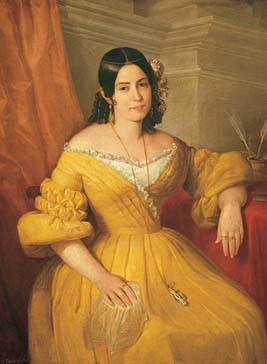
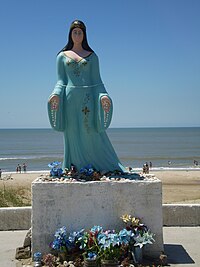
L to R: The first two images are of Iemanjá, Brazil’s goddess of the sea, who is sometimes portrayed as a mermaid. The image on the right is a bronze statue of Iara, a water queen. The statue is outisde the Alvorada Palace, the official presidential residence in Brasília.


On the left is a Loteria card, part of a Mexican game of chance, featuring La Sirena (the siren). On the right is a work of art by Jose Garcia Antonio of San Antonino Castillo Velasco, Oaxaca, Mexico seen at the Museo de Culturas Populares in Coyoacan, Mexico City.

confetti-cannon-oAnd now, we’d like to celebrate our own Zoraida Córdova, mermaid expert and writer extraordinaire. Why? Because she’s a Latina writer with a diverse cast of characters in the deep blue sea. And her final novel of The Vicious Deep trilogy, published by Sourcebooks Fire, released on July 1!

Here’s a run down of her series:
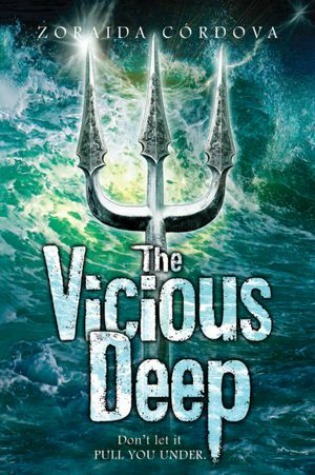
12246929For Tristan Hart, everything changes with one crashing wave. He was gone for three days. Sucked out to sea in a tidal wave and spit back ashore at Coney Island with no memory of what happened. Now his dreams are haunted by a terrifying silver mermaid with razor-sharp teeth. His best friend Layla is convinced something is wrong. But how can he explain he can sense emotion like never before? How can he explain he’s heir to a kingdom he never knew existed? That he’s suddenly a pawn in a battle as ancient as the gods. Something happened to him in those three days. He was claimed by the sea…and now it wants him back.

13092528A storm is coming…The ocean is a vicious place. Deeper and darker than Tristan could have imagined. Beneath its calm blue surface, an ancient battle is churning —and no one is safe. In the quest for the Sea Throne, Tristan has already watched one good friend die. Now he must lead the rest on a dangerous voyage in search of the trident that will make him king. But while Tristan chases his destiny, the dark forces racing against him are getting stronger, and the sea witch of his nightmares is getting closer. Battling sea dragons and savage creatures of the deep, Tristan needs his friends’ support. But they each have their secrets, and a betrayal will force Tristan to choose between his crown and his best friend Layla — the only girl he’s ever loved.

17933160

This epic clash of sand and sea will pit brother against brother–and there can only be one winner. In two days, the race for the Sea Court throne will be over-but all the rules have changed. The sea witch, Nieve, has kidnapped Layla and is raising an army of mutant sea creatures to overthrow the crown. Kurt, the one person Tristan could depend on in the battle for the Sea King’s throne, has betrayed him. Now Kurt wants the throne for himself. Tristan has the Scepter of the Earth, but it’s not enough. He’ll have to travel to the mysterious, lost Isle of Tears and unleash the magic that first created the king’s powerful scepter. It’s a brutal race to the finish, and there can only be one winner.
http://www.youtube.com/watch?v=XW2ePtEN7DM

The 2014 International Latino Book Awards Winners!!

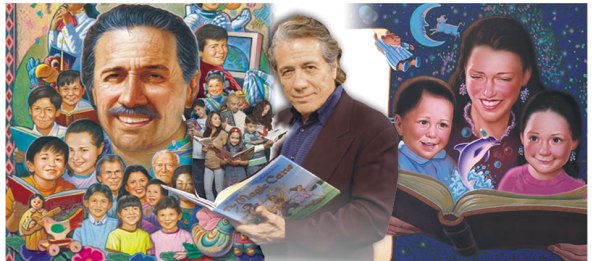
Below are the first place winners of the 16th Annual International Latino Book Awards in the children’s, youth, and young adult categories. If you click on the images, you will be taken to Goodreads, Barnes and Noble, or Amazon for more information. The Awards are produced by Latino Literacy Now, an organization co-founded by Edward James Olmos and Kirk Whisler, and co-presented by Las Comadres para las Americas and Reforma, the National Association to Promote Library and Information Services to Latinos. The Awards were announced this past weekend, on June 28, in Las Vegas as part of the ALA Conference. For the complete list, which includes adult fiction, nonfiction, and second place and honorable mention winners, click hereCONGRATULATIONS TO ALL OF THE WINNERS!!

Best Latino Focused Children’s Picture Book: English

18296043

Best Latino Focused Children’s Book: Spanish or Bilingual

17265250  19483940

Best Children’s Fiction Book: English

Best Children’s Fiction Picture Book: Bilingual

17940785

Best Children’s Fiction Picture Book: Spanish

17802285

Best Children’s Nonfiction Picture Book

13610203

Best Educational Children’s Picture Book: English

15791044

Best Educational Children’s Picture Book: Spanish or Bilingual

Hola! Gracias! Adios!

Most Inspirational Children’s Picture Book: English

18371476

Most Inspirational Children’s Picture Book: Spanish or Bilingual

Pink Firetrucks

Best Youth Latino Focused Chapter Book

10436183  16670129

Best Youth Chapter Fiction Book: English

17166339

Best Youth Chapter Fiction Book: Spanish or Bilingual

Best Youth Chapter Nonfiction Book

Most Inspirational Chapter Book

The Adventures of Chubby Cheeks: The Pro Quest

Best Young Adult Latino Focused Book: English

15769992

Best Young Adult Latino Focused Book: Spanish or Bilingual

Los Pájaros No Tienen Fronteras by Edna Iturralde

Best Young Adult Fiction Book: English

15798660

Best Young Adult Fiction Book: Spanish or Bilingual

La Guarida de las Lechuzas by Antonio Ramos Revillas

Best Young Adult Nonfiction Book

Best Educational Young Adult Book

Most Inspirational Young Adult Book

15769992

Best Book Written by a Youth: English

15020431

Best Book Written by a Youth: Spanish or Bilingual

  Serendipity, Poems About Love in High School

Best Children’s Picture Book Translation: Spanish to English

17465058

Best Children’s Picture Book Translation: English to Spanish

Best Chapter/Young Adult Book Translation: English to Spanish

El Gusano de Tequila

Best First Book: Children’s and Youth


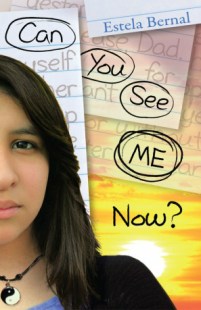
Q&A with Author Estela Bernal About “Can You See Me Now?”

can you see me nowBy Edith Campbell

This Q&A was originally published on Edi Campbell’s site.

Estela Bernal made her debut as an author this past May with Can You See Me Now? (Pinata/Arte Publico). As you get to know her today and find out a little more about Can You See Me Now? you’ll be impressed, but you’ll be even more impressed to know that she’s donating 100% of her proceeds to education and animal rights.

Just a little about the book. Kirkus says:

Tragedy strikes on Mandy’s 13th birthday when her father is struck by a drunk driver and killed. Now grief—both her own and her mother’s—complicates the already confusing landscape of early adolescence.

With her mother working more and more hours in the wake of her father’s death, Mandy begins spending most of her time living with her grandmother. Often the target of bullies, loner Mandy approaches Paloma to be her partner for a school project. Paloma is also a misfit, but she carries herself with a self-assured grace that Mandy finds compelling. As she becomes closer to Paloma, she learns about the practices of yoga and meditation, which are foundational in Paloma’s family. An overweight boy in class, Rogelio, is also touched by tragedy when his family’s home burns down, and Paloma invites him to join their yoga crew. As the three continue practicing together, they each begin to cultivate their own peace amid the chaos in their lives. Though each faces personal challenges, they find friendship and support in one another. Bernal has succeeded in crafting a story that acknowledges tragedy without wallowing in it, placing her emphasis on resilience and personal growth. The quick pace and distinctive characters make for a smooth, well-crafted read.

Middle-grade readers should respond to this tender story of learning to connect with others through open eyes and an open heart. (Fiction. 10-13)

estelaAnd here’s Estela’s interview:

Edi: Where did you grow up?

Estela: I grew up in South Texas (the Rio Grande Valley).

Edi: Do you have any pets?

Estela: I love animals and have had many pets through the years. I currently have two cats.

Edi: What were some of the first books you found as a child that turned you into a reader?

Estela: I grew up in a home where we had no books. There were no public libraries in my hometown either. Despite the lack of age-appropriate reading material, I fell in love with books as soon as I learned to read. I remember reading the Weekly Reader and whatever else I could get my hands on at school. Although I don’t remember where I got it, Pearl Buck’s The Good Earth was one book I read and re-read. I’ve always been a dreamer and this book opened up an exotic, new, and very fascinating world to me.

Edi: Meat or vegetables?

Estela: Vegetables, absolutely! As an animal lover, I volunteered with many animal welfare organizations until I was able to form my own. Through it, I do community education and help provide low-cost spay/neuter services to residents’ pets in underserved communities. It would be hard to justify rescuing some animals while eating others. Besides, I find that when I eat a healthy diet, I feel so much better.

Edi: Which famous person would you most like to have write a review for your book?

Estela: So many famous and not-so-famous people come to mind. It always makes me happy to hear about celebrities and other public figures who are also great philanthropists and who help raise awareness about some very important issues facing society today. But there are also many unsung heroes quietly working to help make their communities better places to live. I sincerely believe we all have the potential to do good and that, after all, is what really matters. Two of my own favorite causes are education and animal welfare so my choice would have to be someone with similar ideals.

Edi: What three things would you like to add to a list of national treasures?

Estela: Although man-made treasures are priceless, I believe that natural treasures are absolutely essential. I’d love to see all public waterways, land (public, private, agricultural), and all living beings protected and preserved for our well-being and that of future.

Edi: Why would you be up at 3 am?

Estela: Usually, I’m only up at that time if I’m traveling and have to catch an early flight.

Edi: What book(s) are you currently in the middle of reading?

Estela: I’m currently making my way through a 100 Greatest Books for Kids list and just started Pam Muñoz Ryan’s Becoming Naomi León. I’m also reading my latest copy of Glimmer Train.

Edi: What made you decide to write about a teen who discovers yoga?

Estela: One of my nephews died accidentally a few years ago. The accident happened in front of his wife and children and I began to wonder how such a tragic event would affect any family who witnessed it. That also got me thinking about how a child, already weighed down by grief, would cope with the additional burden of parental abandonment and being bullied on top of everything else. Adolescence is tough enough as it is, and adding all this other stress can lead to such despair that anyone could easily be overwhelmed. I wanted to introduce the idea that there are alternatives to violence, that there is help even when we think there is no safe way out of certain situations, and most importantly, that there are ways to access inner peace.

When I first discovered yoga, I was going through a stressful period in my life and still remember the feeling of calm and well-being that I experienced when I was able to slow down the thoughts racing through my mind long enough to catch my breath and try to put things in perspective. The character Paloma seemed the perfect vehicle through which to introduce the topic and Mandy, of course, was the ideal student.

Edi: I’m sorry to hear your family experienced such a tragedy. I can definitely see how that experience could inspire your writing.

I haven’t had the opportunity to read Can You See Me Now?, but I do know it’s about a thirteen-year-old girl whose father dies in a car accident and her mother blames her for it. At 13 (or there about) to which adult were you the closest?

Estela: I was a very shy child and at thirteen I was closest to my mother. Because I was the youngest child in my family and my parents were old enough to be my grandparents, the fear of losing them seemed to always be in the back of my mind. If my mother wasn’t there when I got home from school or from playing with my friends, I panicked.

Edi: Who is your favorite author and what is it that really strikes you about their work?

Estela: Again, this is a hard question to answer because there are so many authors I admire, but I’d have to say Harper Lee ranks pretty high on my list along with Sandra Cisneros. Although their work is very different, I find the characters so easy to relate to and the stories so hard to forget.

Edi: What’s the trick to writing humor?

Estela: I’m sure there is a trick to it and I suppose part of it is to be naturally funny. I don’t set out to write humor, but because I do write about serious issues which can be hard to address when writing for a younger audience, I try to ease the tension by including bits of humor here and there as I weave the story. The humor I use is based on things that tickle my own funny bone.

Edi: What does diversity mean to you?

Estela: Diversity to me is inclusivity. I try to write about things that all readers can relate to regardless of their racial or social background because, no matter what other commonalities we may or may not share, there are certain things that we all have to experience at some point in life.

Speaking of diversity, I’m glad to see that the need for diversity in children’s literature is finally starting to get the attention it deserves. Although the need has always been there, it’s great that diversity among the writing population is also changing, however gradually.

Edi: Thanks, Estela! It’s a pleasure getting to know you!

Visit Estela’s website.

Edith CampbellEdith Campbell is a mother, librarian, educator and quilter. She received her B.A. in Economics from the University of Cincinnati and MLS from Indiana University.  Her passion is promoting literacy in all its many forms to teens and she does this through her blog, CrazyQuiltEdi and in her work as an Education  Librarian at Indiana State University in Terre Haute, Indiana. Edith currently serves as the IN State Ambassador for the United States Board on Books for Young People and is a past member of YALSA’s Best Fiction for Young Adults selection committee.

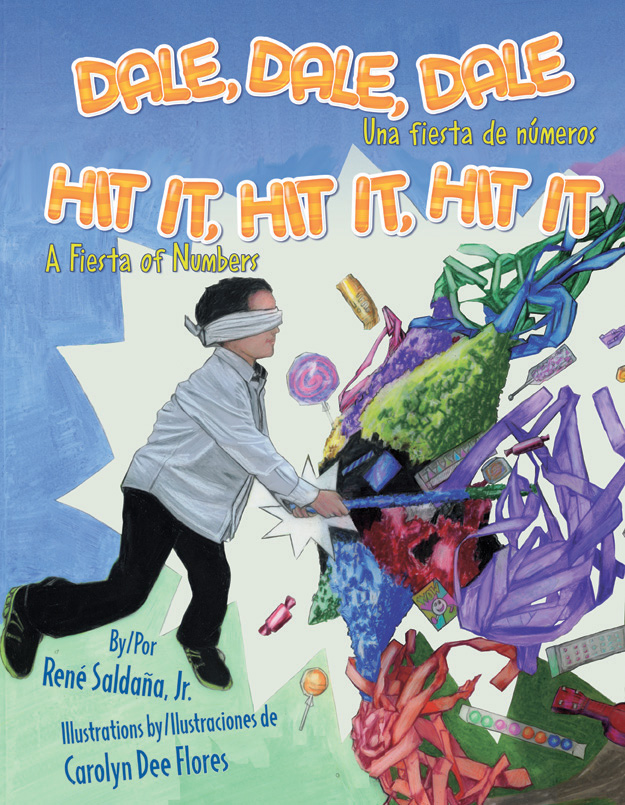
Book Review: Dale, Dale, Dale: Una fiesta de números/Hit it, Hit it, Hit it: A fiesta of numbers by René Saldaña, Jr.

By Sujei Lugo

DaleDaleDaleCoverDESCRIPTION FROM THE BOOK (provided by publisher): In this bilingual counting picture book, a young boy counts to twelve in anticipation of his birthday party: one piñata filled with candy; two hours until the party; three tables set for all the guests, etc.

MY TWO CENTS: Using simple text interwoven with a birthday party theme, René Saldaña, Jr. creates a fun bilingual counting book that makes us want to join the party. Carolyn Dee Flores’s illustrations are filled with photorealism and vibrant colors, supporting Saldaña’s words, and they successfully capture the excitement of children’s birthday parties. In what is definitely a welcomed surprise, Dale, Dale, Dale/ Hit it, Hit it, Hit it not only illustrates an adequate counting story, but decides to tell a good tale about sharing and enjoying a special day with your loved ones.

Our young protagonist is Mateo, a boy who anxiously awaits his birthday party and who uses this opportunity to practice counting throughout his special day. From “one piñata filled with candy” to “twelve children ready to swing at the piñata,” readers can count along with Mateo in Spanish and English. The items that the boy chooses to count include party supplies, colorful toys, lucha libre masks, musical instruments, and his own cousins. The picture book doesn’t limit readers to count only Mateo’s choices, but places other elements that can be counted throughout each page.

This bilingual book provides simple sentences in Spanish and English, which early readers, whether in one language or both, can easily follow. Although the translation of some words is problematic for language learners, for example, niños/guests, it isn’t a limitation to learn and practice words in two different languages.

As a picture book, the photorealistic illustrations can be seen by some as a weakness at the moment to capture children’s attention. But Flores plays well with vibrant colors to encourage young readers to focus on the story and stimulate them, not only to count, but also to identify different colors displayed on every page. The educational content of the book will inspire children to count everything around them and will motivate them to be even more excited to have their own birthday party.

TEACHING TIPS: As early readers or as a read aloud, this bilingual picture book works well for children ages 4-6. Parents, caregivers, and librarians can read in Spanish, English, or both, while encouraging young ones to practice their counting skills and color identification. Children can also point out what they like about birthday parties and collaborate to plan their next one. A song is included in the story, which can be useful if you include a piñata in your party.

Teachers can plan learning activities to combine math and language arts. Students can learn new vocabulary words, numbers, colors, and Spanish-English language meaning. Activities that develop memory and concentration can be done with second graders, including sequence of events and pairing numbers with items mentioned in the book.

AUTHOR & ILLUSTRATOR: René Saldaña, Jr. is a Latino young adult and children’s books writer and Language and Literacy professor at Texas Tech University. He holds a B.A. from Bob Jones University, a M.A. from Clemson University, and a Ph.D. in English and Creative Writing from Georgia State University.

He is the author of several books, including his semi-autobiographical novel The Jumping Tree (2001), Finding Our Way: Stories (2003), the Junior Library Guild selection The Whole Sky Full of Stars (2007),  A Good Long Way (2010), the collection of short stories Dancing with the Devil and Other Tales from Beyond/Bailando con el Diablo y otros cuentos del más allá (2012), and the bilingual Mickey Rangel mystery series.

Carolyn Dee Flores, a former computer analyst, is a writer, illustrator, musician, and composer. She attended the International School of Bangkok, Thailand and Naha, Okinawa, Japan, and Trinity University, where she studied Engineering, Philosophy and Art. Flores began her painting career as a muralist and oil painter, before switching over to children’s books illustration.

She has illustrated several other children’s books, including Canta, Rana, Canta/Sing, Froggie, Sing (2013), Peggy Caravantes’s Daughter of Two Nations (2013).

For more information about Dale, Dale, Dale: Una fiesta de números/Hit it, Hit it, Hit it: A fiesta of numbers (2014), visit your local library or bookstore. Also check out worldcat.org, goodreads.com, indiebound.org, and Arte Público Press.


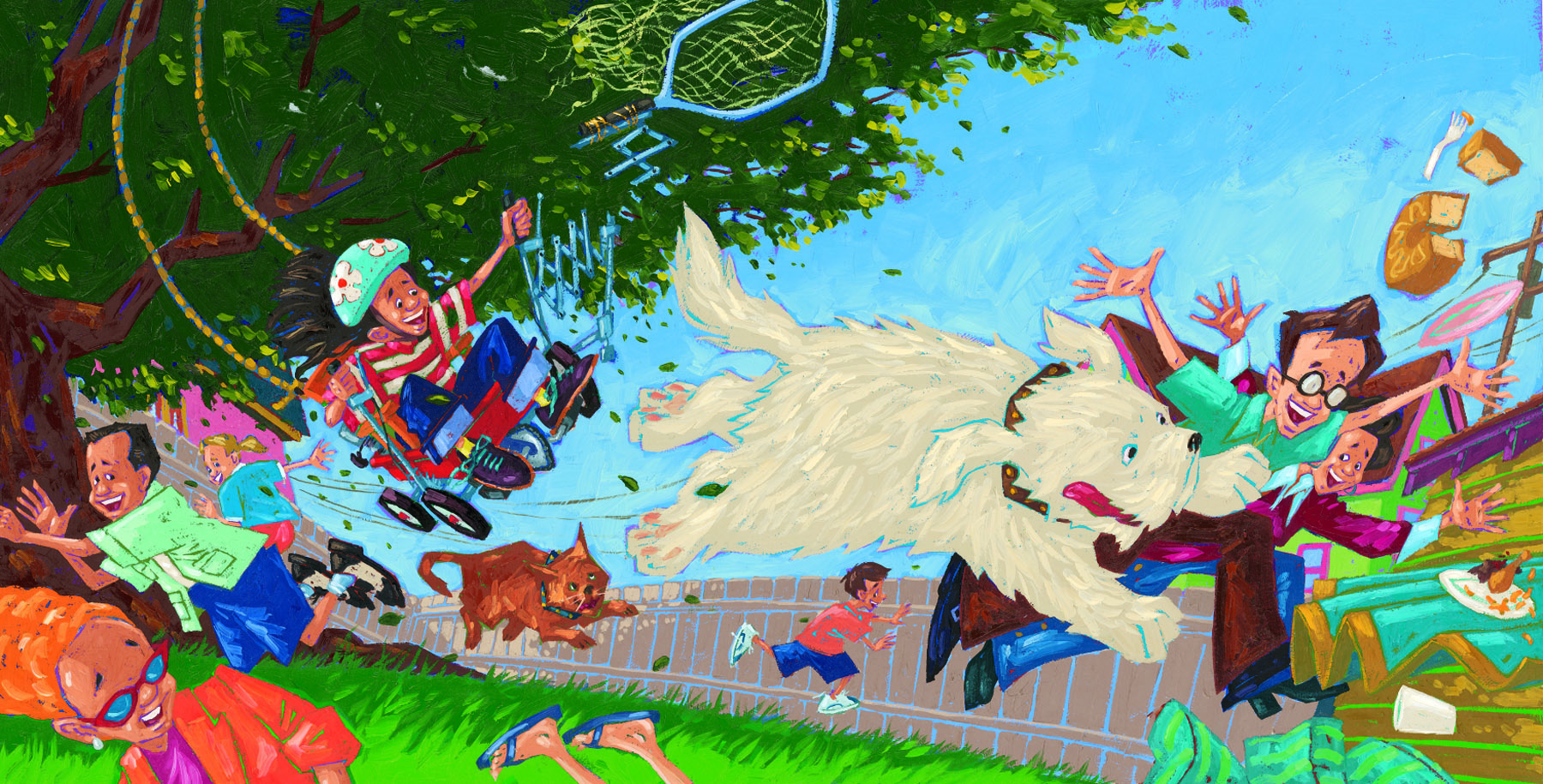
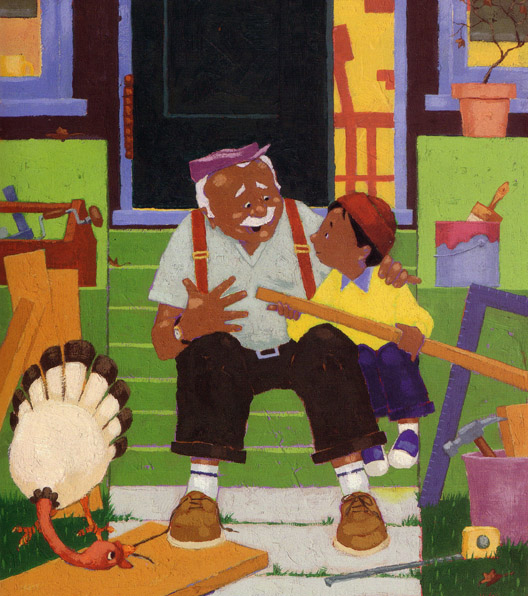
Illustrator Joe Cepeda Talks to Latin@s in Kid Lit, Part 2

By Lila Quintero Weaver

We’re continuing a fascinating conversation with acclaimed illustrator Joe Cepeda. His work graces many Latin@-themed children’s books. Did you miss the first installment? Go here.

Lila: When did your interest in art begin? How did you train for a career in illustration?

Joe: When I was young, I enjoyed drawing enough that my mom enrolled me at the Los Angeles Music and Art School in East Los Angeles, a small jewel of a place where I first tried painting. By my teens, though, I stopped going and after graduating high school found myself headed to college to study engineering. It took me awhile before I changed all of that. Initially, I thought I’d be an editorial cartoonist, but as soon as I got a brush back in my hand, I realized I wanted to do something that had an artfulness to it as well. Illustration afforded the perfect combination of content and creative articulation for me.

swing_leopoldo1

To be honest, my training was largely guided toward editorial work. I sort of fell into children’s books. Creating a piece for a magazine article is much like doing work for a cover. There is a certain amount of seduction employed in influencing a magazine reader to stop and read an article, much the way you’d want someone to pick up a book off a shelf. A combination of abstraction, mystery, emotion, and information might play a role in creating that single image that will lure the audience in.

From the books I’ve illustrated, I pretty much taught myself sequential image-making and continue to do that. With a portfolio largely lacking any real samples that reflected page-turning sensibilities, it was very fortunate that I was signed up to illustrate those first books. I believe that it was an inclination to write a picture as much as illustrate one that may have been evident to my first editors and art directors. They seem to have responded to that and took a risk. I’m grateful to them for doing so.

GraciasGrandfather_72cropped

Lila: Most of us have no idea how an illustrator goes about his work. Can you give us a tour of the process?

Joe: In many ways, the real work is done throughout the sketch phase. For editorial work, I usually create a few alternate ideas for a director to choose from. The sketches need to be tight enough for the director to envision the finished art.

For books, the sketch process is more comprehensive. The first sketches are thumbnails in which I mostly brainstorm, trying to find the basic rhythm, character introduction, action, choreography of the story, etc. The second phase of sketches, laid out as a dummy (a design/template that allows you to see the whole book planned out) focuses on the essential content of the story, as well as soundly composing the images. This is the working plan to be shared with editors and art directors. It’s important to understand that this design is as much for others as it is for oneself. This is where mistakes are caught.

Finally, in the last draft of sketches, details are included to a more specific degree. The emotions of your images many times are expressed in the details of your illustrations. It’s where things become funny, scary, thrilling, suspenseful, etc. This shouldn’t be confused with complexity—a simple picture has as much power as an ornate one. Once the dummy is okayed, it’s on to the finished work. Almost all of my books have been executed as oil paintings over acrylic under-paintings on illustration board. A recent book I illustrated was delivered as digitally rendered finishes. Whatever your medium of choice, the more confident you are of your plan, the more enjoyable the last part of the process will be. I leave color out of the initial plans because I prefer to be responsive when it comes to that, leaving a level of spontaneity for the end.

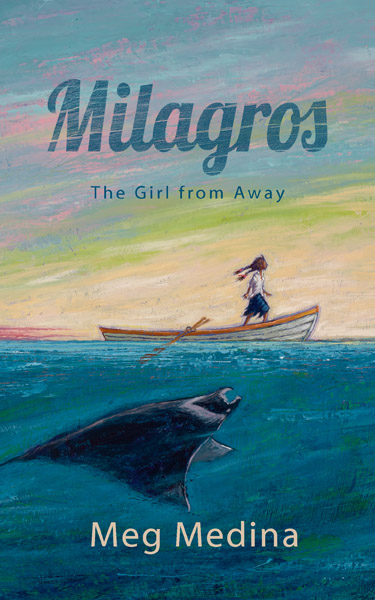
Milagros_jacket_finish72Lila: Let’s close out this conversation by returning to a book cover, the one you recently did for the e-book version of Meg Medina’s Milagros: A Girl from Away. It’s breathtaking, truly exceptional. I know Meg was thrilled with it!

Joe: Thanks for the kind words. Milagros is a great story and it was a wonderful opportunity to illustrate the cover of the e-book. After reading the manuscript, I couldn’t help responding to Milagros as a girl between two worlds. It’s the “between” part that intrigued me as a source for creating a provocative image. Milagros is not only traveling from one place to another, as she does in the story, she’s also between the clarity of a wide-open sky and the deep mystery and profundity of the ocean. The magical realism of the story, in my mind, calls for a more symbolic and open-ended image. Alternative ideas depicted Milagros closer to the viewer, larger in the design. This would emphasize Milagros more. A reader might respond to that kind of image, “That girl looks like me, i want to read about her.” It’s certainly popular to create covers that are more character-based, but, I’m glad that we decided to go the other way, that is, emphasizing the mystery, the peril of the journey, and the hopefulness and optimism of Milagros’ spirit. A reader here might ask, “Where is that girl going? What is she facing? Is she lost? Is she on her way somewhere? Is she safe? Will she get there? What will she find? Keeping her small in the design also helps the reader ask, “Who is she?” My first sketches didn’t include the manta ray, inclined to depict Milagros navigating her way alone, but, as we discussed, it’s a central part of the story. I’m glad mantas are such mysterious and, perhaps, very poetic creatures. I wanted it to have an ambiguous posture… is it a threat to her, or is it a witness, or, even something more? For me, the more questions you ask when looking at a cover, the better a cover does its job.

“““““““`

To learn more about Joe’s craftsmanship and illustration technique, see this extensive interview by Kathleen Temean.

Want to see Joe in his studio and hear more of his story? Here’s a video interview, worth the double click-through!

http://www.youtube.com/watch?v=ExxVgkZeX0o


Book Review: The Lightning Dreamer by Margarita Engle

By Lila Quintero WeaverLightning Dreamer notable

DESCRIPTION FROM THE BOOK JACKET: Tula is a girl who yearns for words, who falls in love with stories, but in Cuba, girls are not allowed an education. No, Tula is expected to marry well—even though she’s filled with guilt at the thought of the slaves Mamá will buy with the money gained by marrying Tula to the highest bidder.

Then one day, hidden in the dusty corner of a convent library, Tula discovers the banned books of a rebel poet. The poems speak to the deepest part of her soul, giving her a language with which to write of the injustice around her. In a country that isn’t free, the most daring abolitionists are poets who can veil their work with metaphors, and Tula becomes just that.

In powerful, haunting verses of her own, Margarita Engle evokes the voice of Gertrudis Gómez de Avellaneda, known as Tula, a young woman who was brave enough to speak up for those who could not.

MY TWO CENTS: The novel begins in 1827. Tula’s mother, who twice made the mistake of marrying for love, is desperate to prevent her thirteen-year-old daughter from taking a similar path. Mamá’s motivations are clear-cut. A wealthy connection through Tula is the family’s only hope for propping up their shaky economic status. In 19th-century colonial Cuba, arranged marriages are the social norm, but Tula’s mother worries that a girl who buries her nose in books will not attract the right kind of husband–a rich one.

Who is Tula? Margarita Engle is acclaimed for novels in verse that bring to life history’s outliers, young men and women from previous centuries who thought and acted in surprisingly modern ways, and Tula stands tall among them. She’s based on Gertrudis Gómez de Avellaneda, a Cuban poet who championed liberty for all humans and wrote Sab, an abolitionist novel, the first of its kind in Spanish. Sab predated Uncle Tom’s Cabin, the Harriet Beecher Stowe classic, by eleven years. Avellaneda’s importance as an abolitionist and feminist writer is not widely known in English-speaking America. The Lightning Dreamer corrects this oversight and imagines Avellaneda’s formative years, just as she began to discover the life-changing force of poetry.

Marriageability is not the only issue that arises from Tula’s penchant for reading. She happens upon the forbidden poetry of José María Heredia, whose sharp observations awaken Tula’s passion for justice. In colonial Cuba, injustice is everywhere. Her eyes take in the plight of African slaves, biracial babies abandoned to the convent, lovers kept apart by miscegenation taboos, and girls like herself, doomed to business arrangements thinly masquerading as marriages. Tula expresses her ardor for justice through poetry, which she burns to keep her mother from discovering.

When Tula refuses the marriage that her grandfather arranges, she must rise to meet a string of new challenges. The inheritance is lost and her family is condemned to relative poverty. For a while, Tula finds refuge in a storyteller’s community, where she becomes entangled in an unrequited love. She moves away from the countryside to Havana, where she supports herself through tutoring. In 1836, her brother, Manuel, warns her that their mother is cooking up another arranged match. Tula flees for Spain, expecting to find greater social and creative freedom there.

The Lightning Dreamer is written in free verse and is voiced through multiple characters. Tula is the most frequent speaker. Short segments provide other characters’ point of view. A partial list includes Tula’s mother; Manuel; Caridad, the freed slave who works for the family; the nuns who offer Tula space to read and write in peace; and Sab. Each character speaks in first person. I imagine them as a series of stage players delivering brief and sometimes prejudicial monologues reflecting on Tula’s choices. This approach perfectly suits the fictionalized treatment of a young poet. The language is spare and often stunning, capturing vivid images and profound interiority, as in this excerpt:

When we visit my grandfather

on his sugar plantation,

I see how luxurious

my mother’s childhood

must have been,

surrounded by beautiful

emerald green sugar fields

harvested

by row after row

of sweating slaves.

How can one place

be so lovely

and so sorrowful

all at the same time?

READING LEVEL: 12 and up

TEACHING TIPSThe Lightning Dreamer is an ideal jumping off point for exploring a wide array of subjects suggested in the novel. These range from colonialism, to New World slavery and racism, to patriarchal societies and the history of women’s political movements. At the back of the book, extensive notes provide comparisons between the historical Avellaneda and Tula, her fictionalized counterpart. This section also includes Spanish and translated excerpts of Avellaneda’s poetry and a bibliography of related sources.

Margarita contributed a guest post to Latin@s in Kid Lit that illuminates her love of biographical writing.

Henry Louis Gates’ PBS series, Black in Latin America, may be of interest for classroom use, in conjunction with the reading of The Lightning Dreamer. The episode “Cuba: The Next Revolution” focuses on the ongoing struggle by Afro Cubans to overcome centuries of racism. There’s no mention of Avellaneda in this one-hour documentary film; nevertheless, interviews and scenery enriched my reading. The film is particularly effective in its treatment of Cuba’s history of slavery and the role of freed slaves in the protracted battle for independence from Spain. The ruins of sugar plantations dating back to the book’s era starkly reminded me of Tula’s world.

RECOGNITION FOR THE LIGHTNING DREAMER: Awards and honors continue to flood in. They include:

2014 Pura Belpré Honor Book

School Library Journal’s Top Ten Latino-themed Books for 2013

YALSA 2014 Best Fiction for Young Adults

For a full list of awards and more information, please visit Margarita’s author website. I also recommend following her on Facebook, where she frequently posts updates on appearances, interviews and release dates for new books.

MargaritaTHE AUTHOR: Margarita Engle is a native of California and the author of many children’s and young adult books. She is the daughter of an American father and a Cuban mother. Childhood visits to her extended family in Cuba influenced her interest in tropical nature, leading to her formal study of agronomy and botany. She is the winner of the first Newbery Honor ever awarded to a Latino/a. Her award winning young adult novels in verse include The Surrender Tree, The Poet Slave of Cuba, Tropical Secrets, and The Firefly Letters.

FOR MORE INFORMATION ABOUT The Lightning Dreamer, visit your local library or bookstore. Also check out worldcat.org, indiebound.org, goodreads.com, amazon.com, barnesandnoble.com, and Houghton Mifflin/Harcourt.