Book Review: Yes! We Are Latinos by Alma Flor Ada and F. Isabel Campoy

Reviewed by Lila Quintero Weaver

Yes We Are LatinosDESCRIPTION FROM THE PUBLISHER: Juanita lives in New York and is Mexican. Felipe lives in Chicago and is Panamanian, Venezuelan, and black. Michiko lives in Los Angeles and is Peruvian and Japanese. Each of them is also Latino.

Thirteen young Latinos and Latinas living in America are introduced in this book celebrating the rich diversity of the Latino and Latina experience in the United States. Free-verse fictional narratives from the perspective of each youth provide specific stories and circumstances for the reader to better understand the Latino people’s quest for identity. Each profile is followed by nonfiction prose that further clarifies the character’s background and history, touching upon important events in the history of the Latino American people, such as the Spanish Civil War, immigration to the US, and the internment of Latinos with Japanese ancestry during World War II.

Alma Flor Ada and F. Isabel Campoy’s informational yet heartwarming text provides a resource for young Latino readers to see themselves, while also encouraging non-Latino children to understand the breadth and depth of the contributions made by Latinos in the US.

Yes! We Are Latinos stands alone in its presentation of the broad spectrum of Latino culture and will appeal to readers of fiction and nonfiction.

MY TWO CENTS:  Yes! We are Latinos belongs on every essential reading list of Latino children’s literature, as is often true of books co-authored by the acclaimed duo of Alma Flor Ada and Isabel Campoy. No single work can cover every expression of Latino life in the United States, yet this book for middle-grade readers provides a generous glimpse of historical, cultural, ethnic, and linguistic aspects of the community. The authors’ approach pairs thirteen character vignettes, written as monologues in free verse, with matching expository sections of historical and cultural information. Collectively, the alternating sections deliver vivid, easily digestible insights into what is meant by Latino. There is no single Latino identity, the characters seem to say, and each of us is worthy of your attention.

The authors’ commitment to showing a wide representation of Latino life comes through in the vignettes. The featured characters reflect a generous range of ethnic and regional groups, some of which speak no Spanish, mirroring the fact that many Latinos come from bicultural and transnational families. In one vignette, we meet Susana, a Sephardic girl who lives in San Francisco. In another, we’re introduced to Dominican-born Santiago, who now calls Detroit home.

Sometimes young Latin@s would love nothing better than to break away from traditions they consider too confining. The story of Gladys, a Puerto Rican living in Philadelphia, is the best example of this. She watches the preparations for her sister’s quinceañera, expecting that before long her mother will want to start planning Gladys’s “quinces.” But Gladys’s dreams are pulling her in another direction, toward college.

Julio is from a farm migrant family originating in Teotitlán del Valle, a village in Oaxaca, Mexico. Like other members of his original indigenous community, Julio speaks Zapotec. When his family moves to Stockton, California, he must navigate two foreign languages, English and Spanish, in order to function in a primarily Spanish-speaking Chicano community, within a mainstream American setting. He’s adjusting to life in the new country, but still looks back on his homeland with longing and pride, recalling the beautiful and prized tapestries that Teotitlán’s weaving looms are known for.

In one pair of monologues, two Latinas with Asian backgrounds form a friendship. Lili is a Guatemalan of Chinese descent, whereas Mikito’s heritage is Japanese and Peruvian. The families of both girls passed through multiple immigration journeys. In the educational follow-up, we learn about waves of Asian immigrants that landed on the shores of South and Central American countries and the descendants of these immigrants who eventually drifted northward. The section on Japanese Latinos reveals a troubling detail of American history: Wartime internment camps built to contain Japanese Americans also held Japanese families who were deported at the urging of the United States by the Latin American countries where they resided. In these internment camps, Japanese Latinos often found themselves socially isolated, since they spoke only Spanish and few others in the camp could communicate with them.

The factual sections that follow the monologues highlight each character’s nation of origin. In Santiago’s case, it’s the Dominican Republic. A brief review of the island-nation’s history includes important facts about the Trujillo dictatorship, although the achievements of outstanding Dominicans receive greater attention. These include acclaimed novelists Julia Alvarez and Junot Díaz, haute-couture fashion designer Oscar de la Renta, and professional baseball players David Ortiz and Manny Ramirez.

Outmoded characterizations of Latino life give everyone the same background, the same history, the same traditions and tastes. This book’s emphasis counteracts generalizations and brings forward Latinos’ complexity. In each vignette, the authors touch on multiple elements, including the scattered geographic settings where the characters live, the varied occupations their parents work in, and the traditions their families celebrate. Yes! We Are Latinos offers an important and long overdue contribution to children’s literature.

TEACHING TIPSYes! We Are Latinos is the work of educators and seems custom-made for later elementary and middle school classrooms. The poetic narratives bring life to the informational sections, which in turn invite further exploration of the countries and histories they feature. Teachers may want to assign students paired sections to expand upon through written reports or artistic responses. For example, students could design posters depicting specific Latino cultures. Another idea is to have students compose poetic vignettes of imaginary characters reflecting geographic regions not covered in the book.

ESL instructors are likely to appreciate the book’s short, digestible sections, which contain not only interesting stories, but also broad vocabulary.

Older readers may want to dive into Cristina Henriquez’s recent novel, The Book of Unknown Americans, reviewed here by Ashley Hope Pérez.

For additional resources:


Alma Flor AdaALMA FLOR ADA

A native of Cuba, Alma Flor Ada is an award-winning author, poet, storyteller and scholar of literature. She has published more than 200 books for children, many of them in partnership with Isabel Campoy.

In this interview, Alma Flor Ada discusses the development of Yes! We Are Latinos and other topics, including poetry and bilingualism.
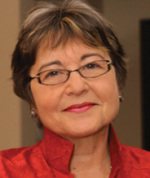
 

Isabel CampoyISABEL CAMPOY

Isabel Campoy is a Spanish storyteller, poet, playwright, songwriter and educator in literacy and language acquisition. She is fluent in multiple languages and her work in the field of publishing includes translation. She is an award-winning author and a frequent writing partner of Alma Flor Ada.


Video visits with the authors:

Alma Flor on literacy, stories, family connections, teaching, and writing books:

Isabel discusses stories and recites lines in Spanish:

Isabel talks about her life and work:


Overflowing with Thanks, Bookwise

WNDB_ButtonThis is the week when we as bloggers pause to give thanks, starting with the fact that we have so many amazing readers–readers who care about Latin@ kid lit as much as we do! We appreciate each one of your clicks, comments, social-media shares, and other forms of participation. If you’ve been silent up to now, let us hear from you soon. We value your partnership.

Another thing we’re super grateful for this Thanksgiving is the emergence and explosive growth of the We Need Diverse Books campaign. Ceilings are cracking under the pressure of this push and all of us stand to benefit, so thank you to the bright minds that dreamed it up.

Another reason to feel grateful in 2014 is that Latin@ kid lit is in much better shape than it was in years past. As we reflect back on our own or our children’s bookshelves, we’re delighted that kids today have a growing number of Latino options.

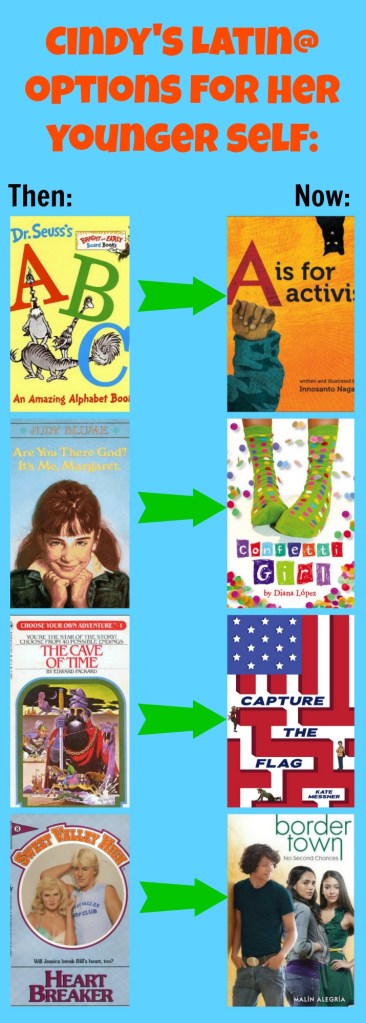
To demonstrate this point, check out a few of Cindy‘s beloved titles from her childhood, matched by current Latino options.

Cindy's Latino Option Collage

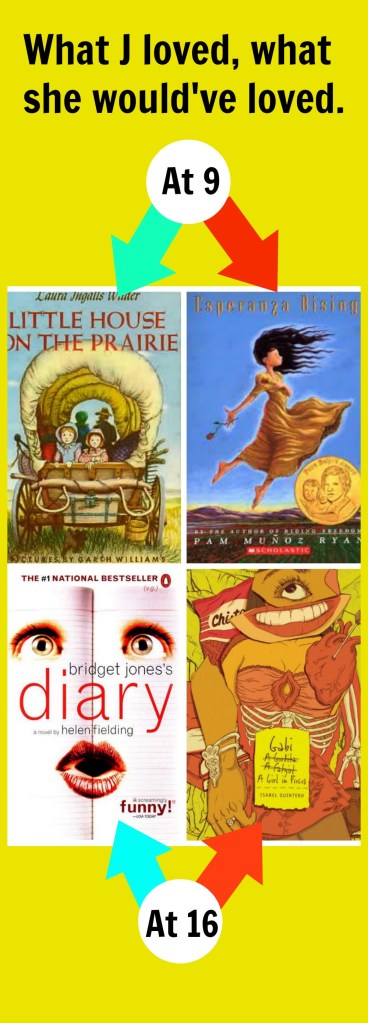
I, Lila, decided to frame this comparison through my oldest daughter’s experience. “J” was a 1980s baby who read late into the night by the light of her digital alarm clock, so you know she was crazy about books. Here are a couple of J’s favorites, matched with contemporary Latino options she would’ve loved.

What She Loved Collage

Now for expressions of thanks from two other members of the team.

Zoraida

2014 has been crazy for me. I work full time, launched the last book in my trilogy, wrote, sold and launched a New Adult romance. And I’m still not done yet. Despite a crazy work schedule, I am thankful that I do have a support system that allows me to find time to write. I have a wonderful network of friends and a boyfriend who knows me extremely well. I’m thankful that I get to be part of a wonderful group of writers here at Latin@s in Kid Lit, but most importantly that we’re getting the conversation rolling about issues dear to our hearts. I hope the next year brings even better things for us all.

LOTL.v3

Sujei

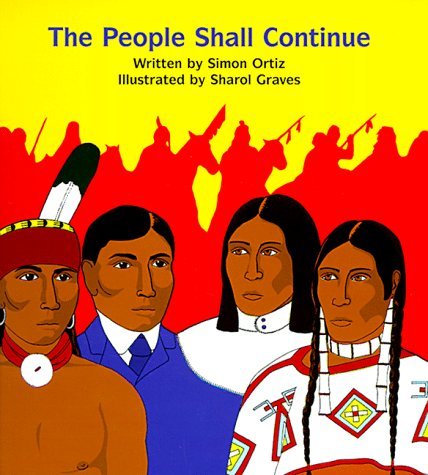
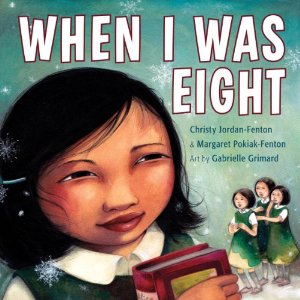
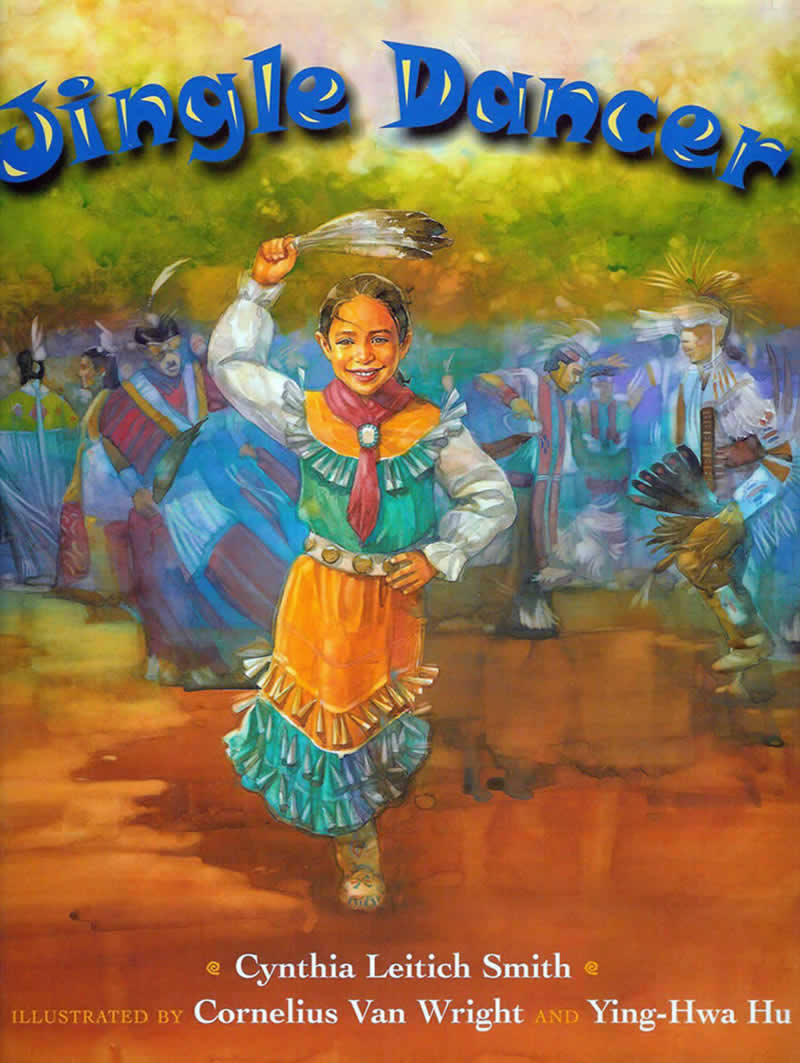
Growing up in Puerto Rico, Thanksgiving in my family seemed like “Eating Turkey with Fried Plantains Day.” Considering that November is Native American Heritage Month, I find deeper reasons to feel thankful. In my late teens, I started questioning the impact of this “first meal,” and saw it more as the beginning of genocide, colonialism, and the suffering of our indigenous people and ancestors. I’m thankful for books that teach us the real story and those that talk about Native people in the present tense and show us that they live everyday lives. Books that highlight these realities disrupt the narrative of old-school texts, which often historicize and stereotype indigenous people.

Here are three of Sujei’s recommendations for children’s books that honor the experiences and history of Native Americans.

People Shall Continue When I was 8 JingleCover_hi-res

Our mission is to promote diversity in children’s books, specifically Latin@ books and creators. So when you’re thinking about ways to diversify your kid lit bookshelves, explore our archives for reviews and posts. We’re so thankful that you care about Latino representation in children’s and teen’s books, and we want to continue serving those interests.

Happy Thanksgiving!

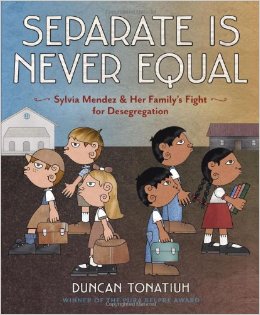
Book Review: Separate is Never Equal: Sylvia Mendez and Her Family’s Fight for Desegregation by Duncan Tonatiuh

Reviewed by Lila Quintero Weaver

Separate is Never Equal 2

DESCRIPTION OF THE BOOK: When her family moved to the town of Westminster, California, young Sylvia Mendez was excited about enrolling in her neighborhood school. But she and her brothers were turned away and told they had to attend the Mexican school instead. Sylvia could not understand why—she was an American citizen who spoke perfect English. Why were the children of Mexican families forced to attend a separate school? Unable to get a satisfactory answer from the school board, the Mendez family decided to take matters into their own hands and organize a lawsuit.

In the end, the Mendez family’s efforts helped bring an end to segregated schooling in California in 1947, seven years before the landmark Supreme Court ruling in Brown v. Board of Education ended segregation in schools across America.

Using his signature illustration style and incorporating his interviews with Sylvia Mendez, as well as information from court files and news accounts, Duncan Tonatiuh tells the inspiring story of the Mendez family’s fight for justice and equality.

MY TWO CENTS: Kudos to Duncan Tonatiuh for shining a bright spotlight on a consequential, but often overlooked chapter of American civil rights, and bringing this true story of Latinos fighting for racial justice to young readers. The book features Tonatiuh’s trademark, award-winning illustration and his retelling of the facts.

In the mid-1940s, when the action takes place, Sylvia Mendez is nine years old. She’s the daughter of Gonzalo Mendez, a Mexican-born, naturalized citizen of the United States, and his wife, Felicitas, from Puerto Rico. When the Mendez family moves from Santa Ana, California, to a farming community in Orange County, Sylvia and her brothers are not permitted to enroll in the neighborhood school and are instead sent to a school designated for Mexicans, which is farther from home. Unlike the white children’s school, it’s dirty, crowded and lacks a playground. The students eat lunch outdoors next to a fly-infested cow pasture. To top it off, the teachers seem indifferent, as if Mexican children weren’t worth the bother.

The Mendez family launches a campaign to demand equal education for their children. Sylvia’s father first pursues answers from officials all the way up the line to the board of education, but no one offers a credible explanation. The common refrain is “that is how it is done.” Mr. Mendez organizes members of the Mexican community and hires a lawyer to challenge the discriminatory practices in court. Young Sylvia is in the courtroom during the proceedings, where she hears statements by a school official about the supposedly lice-ridden, inferior nature of Mexicans. It takes two court cases to settle the outcome. The judge’s final ruling states that “public education must be open to all children by unified school association regardless of lineage.”

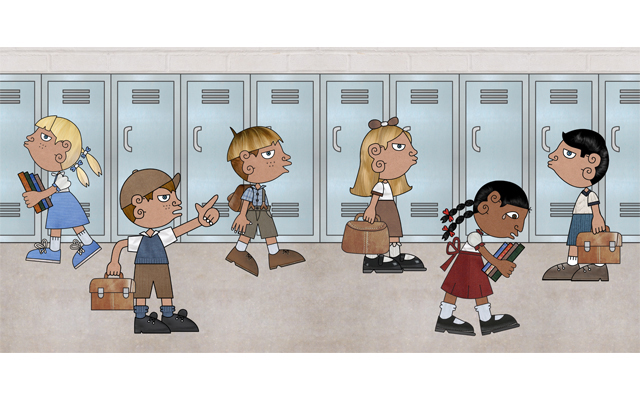
After Sylvia’s parents successfully face down California’s version of Jim Crow laws, she enrolls in the neighborhood school, shattering longstanding color barriers. In the corresponding page spread, a white boy tells Sylvia, “You don’t belong here,” and Sylvia is shown with a bowed head and a tear sliding down her cheek. Reminded by her mother of the long fight they undertook to win her right to equal schooling, Sylvia perseveres, proving herself as steely as her parents. In the closing pages, she and other brown-skinned children are shown side-by-side with white classmates in the school playground.

Separate is Never Equal spread

Tonatiuh’s account highlights the exemplary character of Mr. and Mrs. Mendez. Every movement for justice has its heroes and pioneers, and the Mendez family richly deserves that level of recognition. Taking up the fight involved considerable personal risk. They used their life savings to kickstart the legal fund. Eventually, they received wider support. Leading the charge took Mr. Mendez away from the farm for long stretches, leaving Mrs. Mendez to perform farming tasks that her husband normally would have handled. As the story shows, many Mexican families in the community declined to join the lawsuit, for fear of economic retribution. “No queremos problemas,” they said.

The California campaign for educational equality, spearheaded by the Mendez case, ultimately led to the 1954 ruling on Brown v. Board of Education. The victory illuminated by Separate is Never Equal belongs in a clear line of prominent milestones of American civil rights. How fortunate that someone with Tonatiuh’s skill has brought it out of the shadows.

TEACHING RESOURCES: Beyond the importance of the story, Tonatiuh’s groundbreaking illustrations deserve readers’ attention. His drawings marry childlike innocence with characteristics of ancient Mixtec art. (See my review of Pancho Rabbit and the Coyote: A Migrant’s Tale for a fuller discussion of his style.) In Separate is Never Equal, the illustrations take on the added dimension of historical details from the 20th century. Teachers may want to provide students with photographs from the era to demonstrate how carefully Tonatiuh researched and reproduced clothing, hairstyles, automobile models, and other authenticating markers of the 1940s.

As is generally the case with nonfiction picture books, younger readers will likely need adult guidance to understand sections of the story that deal with legal proceedings and other points of the Mendez’s battle.

This book presents powerful opportunities for teaching empathy and strengthening awareness of the pain that racism inflicts. One scene shows a public swimming pool with a sign stating, “No Dogs or Mexicans Allowed.” Mexican children look longingly through the fence at the white children frolicking in the pool. Teachers can pose discussion questions such as, “Imagine yourself on both sides of the fence. How would you feel in either situation?” Consider comparing Sylvia Mendez’s experiences with those of Ruby Bridges, the young African American girl who integrated New Orleans schools in 1960.

A section in the back of the book includes an author’s note, a glossary, a bibliography and explanatory details about methodology. Much of Tonatiuh’s research came from court documents and extensive interviews with Sylvia Mendez. Glossary entries include a handful of Spanish phrases used in the book and historical terms that round out the context. One example is the origin of “separate but equal,” a phrase plucked from the 1896 ruling by the U.S. Supreme Court in the Plessy v. Ferguson case, which laid the foundation for decades of Jim Crow laws.

In 2010, Sylvia Mendez received the Presidential Medal of Freedom. She is interviewed on this video, which highlights points of the story told in the book and shows photographs of her as a child and of the schools in question.

Duncan Tonatiuh

Duncan Tonatiuh  was born and raised in Mexico. He studied art in the United States. His picture book Pancho Rabbit and The Coyote: A Migrant’s Tale won the 2014 Tomás Rivera Mexican American children’s book award, and two honors for text and illustration from the Pura Belpré Award. Read more about Duncan on his official website.

Robert Trujillo’s Successful Kickstarter Campaign for Furqan’s First Flat Top

By Robert Trujillo

Spot paintingPeace Latin@s in Kid Lit readers! My name is Robert Trujillo and I’m an illustrator/author from Oakland, California. I am a part of a growing movement of independent children’s book creators here in the Bay Area, and it is an honor to be a contributor to this blog (I am a reader as well!). In this post, I am going to talk about my experience crowd funding my first children’s book and why creating the story is so important to me.
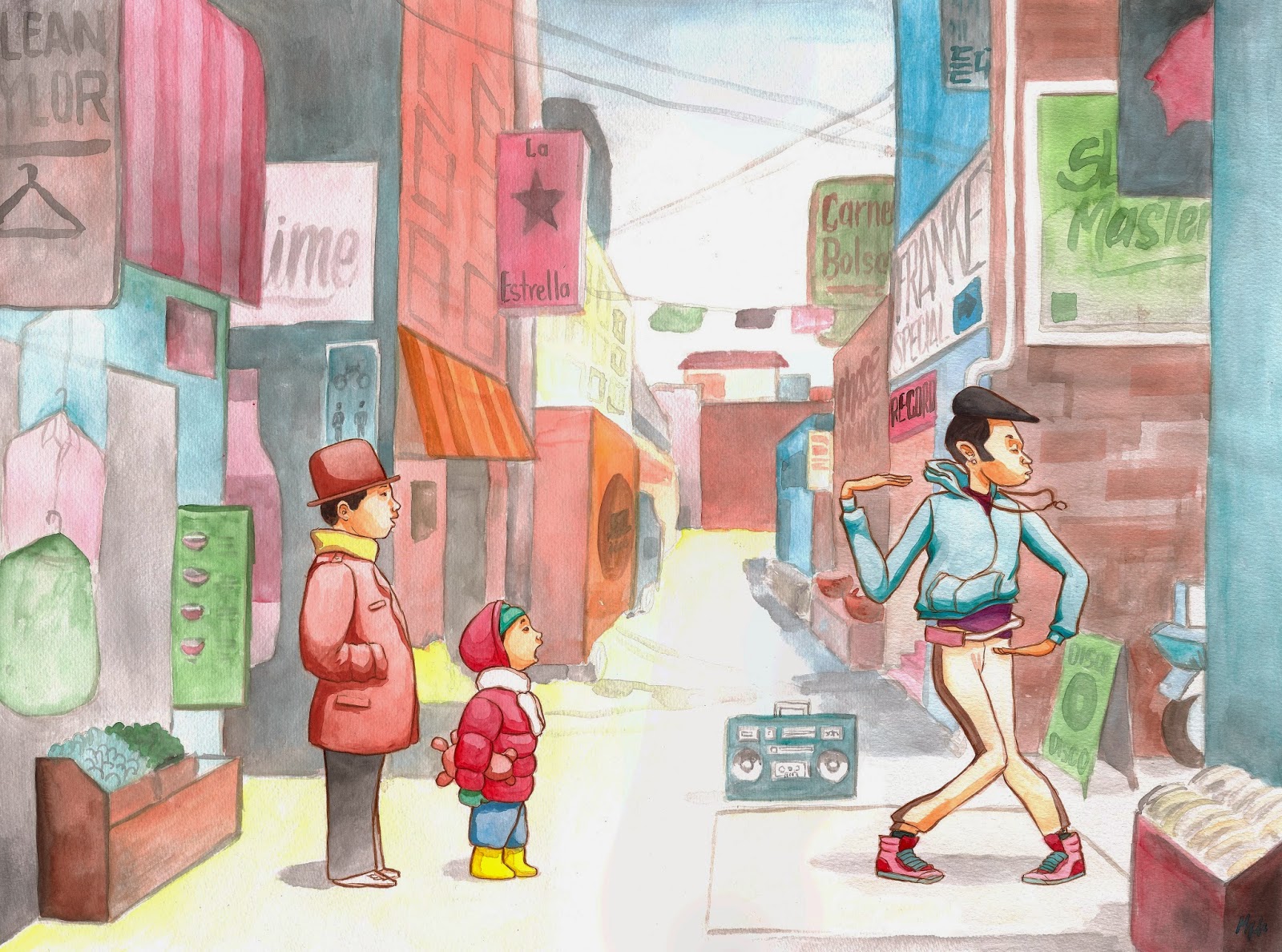
I’m a dad. My kid is 10 years old this year! When my son was first born, I decided that I wanted to read to him a lot and that I would look for cool books for and about him. As I got reacquainted with children’s literature, I found a few great stories that I enjoyed. I’ve always wanted to use my art to communicate a positive or progressive message, and while reading, I became inspired to tell my own stories–about children who are mixed racially, teen parents, kids who are raised bilingual or trilingual, alternative parenting, hip hop culture, social justice, freedom fighters, and more. But to be honest with you, when I sought out books in big stores like this, there weren’t any that reflected my son or these thoughts. In fact, I felt like these stories were almost invisible. So I decided I would make them. I did not know how to do it, so I decided to study. I’m still learning and will be a lifelong student of the craft.

After a three-year break, I decided to go back to college, finish my degree, and study storytelling in various ways. I immersed myself in comics, graphic novels, young adult novels, anime, film, and children’s books. I met a lot of very talented people who were also interested in telling their stories. I started to go to bookstores, blogs, events, etc. to learn. I sent out tons of art samples and contacted tons of editors, art directors, and publishers. I knew that it would be hard work and that it was normal to get a small response when you are just starting out, but I didn’t know until much later just how unrepresented stories that I want to tell were in the mainstream industry.

I reached out to other artists and writers in the field, who were gracious and generous–mostly. I understood that no one–NO ONE–was going to tell my story. Not only that, I could not wait any longer for people in power through the typical “submission” process to see it, understand it, or give me permission to tell it. I would have to do it on my own and take no shit from anyone. So I practiced, failed, tried out many styles, cultivated relationships, asked dumb questions, failed some more, shared my work all the time with family and friends, and slowly began to feel and be seen as a storyteller! I began to develop stories that spoke to me, without worrying if they were sellable to companies or gatekeepers in the industry. And one of those stories was Furqan’s First Flat Top.

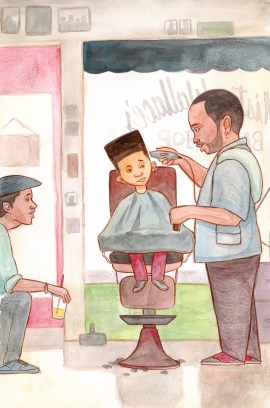
It is partly based on my experience as I got my first flat top around the age of Furqan Moreno, the main character in the book. And it is partly a mixture of various influences, all thrown in the pot to make something that tastes right when I tell people about it, or draw. And that is why it is so important to me. But, how did I go from having an idea to getting it successfully funded? Well, here are some pointers.

Short story 21

Campaign Strategy

So for me doing a Kickstarter about my story was about figuring out the best way to approach it and building a team of trusted riders (friends) to roll with me. I could not have done this book without my family, friends, colleagues, and fellow book creators. When I started, I knew that I wanted to hit the people I know with an image that they could relate to and share easily. I knew that I wanted to connect the many circles I subscribe to or participate in. And I knew that I should do it when it felt right.

Authentic connections

What this means basically is to do what you love and seek out others who have very similar feelings at heart. People of all races, religions, political views, and beliefs can spot a phony a mile away. I am learning to take the time to not only create my story, but to invest in the children’s book community in some shape or form. For me, it means doing my homework, studying the art, etc. And when I do this, I often meet like-minded folks doing the same thing. After seven plus years, I’ve built some small connections with people. I’m still studying it, and I have a long way to go to be able to tell stories that touch people.

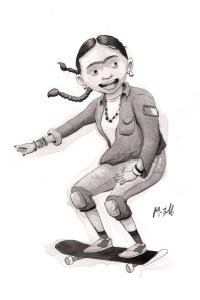
RTrujillo_FridaSkate copyAn art to it/outlet

Art has so many different connotations. I love to do many different types of art. I have a hard time sticking to one particular message or style because I like to explore. Exploring to me, means learning and growing. If I just paint a picture the same way over and over again because it works, it will be a style that is recognizable. But I want to transcend style. I want to just keep trying new things. So when I began working on a series of short stories using illustration and creative writing, it was a creative outlet. It was uninhibited and fun, and I think different folks connected with the stories for that reason. So, I would say “have fun” with your chosen medium first.

Social Media

This is a tough one for some folks. On the one hand, I try to detach sometimes. Not so much when I first started to explore with sites like Myspace, but now, I have more than 10 different platforms where I not only engage with people who have similar interests, but I share content. The majority of the time I’m sharing things that I have created, but very often I share things that others have written, drawn, or said because it inspires me. Social media to me isn’t so much about talking and having everyone listen to you. It is about having an ongoing conversation about what drives you. When you do that, you naturally connect with people from Ireland to Idaho and everywhere in between. And of course you want to check in with your friends and family, because they are the folks that will give you your first shot. Then they share it with other people, who in turn may also listen.

Characters collageCommunication

While the campaign was going, before, and even now as I type this, I try to be open to receive and give. Open communication is key. Of course, I have my privacy, but I do like to see what my favorite musician, journalist, or sculptor is doing lately. And so I share my work and talk about it. Sometimes it feels like no one is listening, and then there are these amazing bursts of conversation where I connect with people one on one about storytelling; and I had no idea they were even into it. It helps to be accessible. You can turn it on or off when necessary but get out there and talk to folks, online or in person.

Planning

Right now I’m looking at my storyboards, sketches, and manuscript for the book. It is very challenging to create a picture book, but this one is fun because it’s a chance to just do my thing. No art directors, no editors (even though they are definitely helpful at times), nada. It’s just me and a team of folks I rely on to say “yeah” or “nope” when the time is right and I can’t decide. Before the campaign, I planned to create a short story, develop it, test it, get feedback, and expand it. I planned to talk to blogs, and various activists in the field of diversity, and I came across a bunch of obstacles that I was not expecting.

Follow through and Community

As I mentioned, I get help from people. Seek out people, build a phone tree, an email group, a regular group. Whatever, just build a community of people who can support you and whom you can support. And set small goals and knock them out. Start small so you can follow through and finish them. This way, you build momentum and feel like you are achieving something, moving forward, or progressing.

Good luck to all of you creators out there!

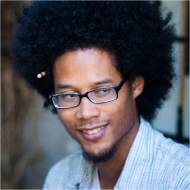
photo1Born and raised in the Bay Area, Robert Trujillo is a visual artist and father who employs the use of illustration, storytelling, and public art to tell tales. These tales manifest in a variety of forms and they reflect the artist’s cultural background, dreams, and political / personal beliefs. He can be found online http://work.robdontstop.com/ and on Twitter at @RobertTres.


Scholastic Asks Three Questions to Three Latina Illustrators

By Concetta Gleason
Editorial Manager of Club Leo en Español

To mark the end of Hispanic Heritage Month this week, Club Leo en Español is proud to share exclusive art and interviews with three fantastic and dynamic Latina illustrators: Yuyi Morales (author/illustrator of Niño Wrestles the World), Angela Dominguez (author/illustrator of Maria Had a Little Llama /María tenía una llamita), and Alejandra Oviedo (illustrator of Animaletras).

We asked each artist to answer three questions in words and art:

1. What inspires your work?
2. If you could have a superpower, what would it be?
3. What are your words to live by?

Each woman provided wildly imaginative, unique, and different examples of her artistic persona and motivations. Let’s explore!

Yuyi Morales won the 2014 Pura Belpré Illustration Award for Niño Wrestles the World. Not to brag but Yuyi briefly made us Internet-famous (by association) when she shared a sneak peek of her exclusive art on her resplendent Instagram account.

Yuyi answered the questions in a comic-book style and as a new person: she awoke one morning—transformed and “more beautiful than ever”—as “Tzitzimitl,” an ancient Aztec deity who shares a deep connection with the stars and astrology. Ha! Eat dust, Kafka.

For the record, Tzitzimitl > cockroach. Any day of the week. Thanks, Yuyi!


Alejandra Oviedo, the illustrator of Animaletras, sent us sweet and imaginative illustrations that capture the beauty and freedom of childhood. Her illustrations are made from intricate and delicate paper cuts, and she is inspired by looking at the world through the eyes of a child.

1. What inspired your work for Animaletras?

My inspiration for the illustrations came from kids’ drawings. I find them beautiful, and they portray the most important elements of each animal. I also paid attention to animal pictures, and I visited the zoo many times to capture not only the animals’ shapes but also their attitudes and personalities.

2. If you had a superpower, what would it be?

I would love to fly like a bird.

3. Words to live by?

Always put love in what you do; believe in your dreams and do not leave them behind.

What inspiring answers! Thanks, Alejandra!


Angela Dominguez, author and illustrator of the Pura Belpré Illustration Honor book Maria Had a Little Llama /Maria tenía una llamita, sent us fun and playful photographs of Peruvian children and llamas that she used to as models and inspiration for her book.

1. What inspired your work for Maria Had a Little Llama/María tenía una llamita?

The inspiration for the project came from an illustrator’s assignment at a Society of Children’s Book Writers and Illustrators conference. I was given the task of doing my own version of “Mary Had a Little Lamb.” I was excited about the assignment, but I found it really difficult at first to find inspiration to reinterpret the classic story. My first doodles felt a little quiet, soft, and too familiar. I wanted my Mary to have personality with rich colors!

Whenever I’m stuck, I go to the library. There, I began researching sheep and farm life. It was in a book that I discovered a picture of a little girl with a llama. The idea of including llamas with the sheep led me to set the story in Peru. Finally I knew how I could personalize Mary, and that’s when Mary turned into Maria. The more I looked at books, the more I was inspired by the beautiful faces of the Peruvian children, the rich textiles, and the lush landscapes. I’ve never been to Peru, and I think my desire to visit the country pushed me to create landscapes of this idealized world I have in my head.

2. If you could have a superpower, what would it be?

I would teleport. I love traveling, but I don’t particularly enjoy flying or how long it takes to get somewhere. Plus I would love to be able to give a family member or a friend a hug really quickly and then get back to work.

3. Do you have a life motto or favorite phrase? 

I have a few. First, I’m not sure where I read it, but “persistence plus passion equals success” is my favorite motto. I also love so many quotes from Winston Churchill and Henry Ford. This one quote, in particular, from Henry Ford is just so motivating. He said, “Enthusiasm is the yeast that makes your hopes shine to the stars. Enthusiasm is the sparkle in your eyes, the swing in your gait. The grip of your hand, the irresistible surge of will and energy to execute your ideas.” It’s just so beautiful.

Thanks, Angela! We’d be happy to travel to Peru with you!

It’s wonderful to see Latina illustrators have prominence in children’s literature, and that as visual storytellers they have broken new ground—from Mexican myths to remaking classic fairy tales.

We thank and celebrate Yuyi Morales, Alejandra Oviedo, and Angela Dominguez for opening the worldview of children everywhere.

Club Leo en Español supports your classroom with fun and affordable books that connect children’s home language and learning. Our books include amazing series, original titles, and winners of the Pura Belpré Award, which celebrates the remarkable contributions of artists who give voice to the Latino community through children’s literature.

Club Leo en Español apoya tu salón de clases con libros divertidos y asequibles que conectan la lengua materna y el aprendizaje de los niños. Nuestra colección incluye increíbles series, títulos originales y ganadores del Premio Pura Belpré, que celebra los extraordinarios aportes de artistas que dan voz a la comunidad latina a través de la literatura infantil.

Book Review: Violet by Alidis Vicente

By Sujei Lugo

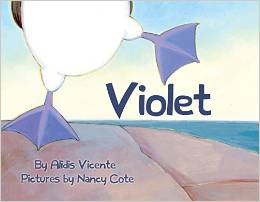
VioletDESCRIPTION: “Violet is a bright and colorful story set in the Galápagos Islands. Told entirely from the point of view of the animals that live there, this is the tale of a unique baby bird named Violet. Violet’s mother is a Red-Footed Booby, and Violet’s father is a Blue-Footed Booby. Their baby, Violet, is the first one of her kind, a Purple-Footed Booby, and she displays characteristics of both species. Violet’s red footed and blue footed relatives, however, don’t notice her similarities at first, just her differences, and they don’t see how she will ever fit in. Through the kindly intervention of a wise old Galápagos Tortoise, the birds all learn an important lesson about acceptance, and Violet shows off a new dance that is the best of all of them”

MY TWO CENTS: Through the voices of talking animals, Alidis Vicente brings us a rhyming children’s book about prejudice and acceptance. Nancy Cote’s illustrations, founded on acrylic paintings and a pastel colors palette, supports the sympathetic approach of the story. This is the second collaboration between Vicente and Cote, and is one of those children’s books that uses animals to provide a voice of justice and a moral tale at the end.

The story is set in the Galápagos Islands and is told from the perspective of those who have heard the tale about this place “where nature is untouched” and where two group of birds were “forced to pick a side.” Readers are immediately introduced to the biodiversity of the Galápagos Islands and how animals “ruled the land.” Violet was like no other animal that lived on those islands. She was a purple-footed booby, the offspring a blue-footed booby (father) and red-footed booby (mother), who grew up mingling with their own. Her parents defied their social roles and barriers and decided to start a family, thus a baby seabird named Violet was born. The new family returned to their hometown, where the news of a “mixed seabird” was taken as “horrific,” a disgrace, and a baby whose feet “shouldn’t be on land.” In the midst of this outrage, an old, wise tortoise interferes to bring sense to chaos and acknowledge that Violet is different, a descendant of a red-footed and blue-footed booby. Violet proceeds to show her skills, changing the mood and reception of fellow animals, providing actions for the tortoise’s final statement: “THIS makes the Galápagos complete.”

Alidis Vicente uses the opportunity to talk about prejudice and differences and successfully moves beyond the tired “we are all the same” trope. Through a simple story, she challenges colorblindness and provides the characters of this narrative (and readers) the lens to acknowledge differences among their habitats (communities). It is then that communities should work to challenge, minimize and, finally, eradicate prejudice and oppression due to our differences. Although books with talking animals may hinder children in the understanding of social issues, adults can play a role in guiding children to situate what was discussed to their own lives and their surroundings.

TEACHING TIPS: Violet is a great picture book for K-3 grade students and it successfully intersects Language Arts, Science, and Art. Language Arts teachers can incorporate this book in their classrooms and provide students the opportunity to learn new words, while enriching their vocabulary regarding fauna terms, verbs, and adjectives. The book includes a glossary with definitions and pronunciations of some words used in the story. Teachers can also give meaning to those new words and the story’s plot by encouraging a discussion around prejudice and differences.

Science teachers can use the book to teach students about different species, habitats, and biodiversity. The book incorporates several illustrations of different animals with their specific physical attributes. In collaboration with Art class, students can draw and paint images of sea lions, iguanas, seabirds, and whales, while learning about their distinctive features, habitats, and endangered species.

AUTHOR & ILLUSTRATOR: Alidis Vicente is a stay-at-home mom from New Jersey who began writing children’s books once her son was born. She graduated from Rutgers University and worked for New Jersey’s Division of Youth and Family Services before focusing on her career as a writer. Vicente is the author of The Coquí and the Iguana (2011), The Missing Chancleta and Other Top Secret Cases (2013). The Missing Chancleta won first place in the Best Youth Chapter Fiction Book (Spanish/Bilingual Category) in the 2014 International Latino Book Awards. You can also read her guest post on Latin@s in Kid Lit.

Nancy Cote is a children’s books author and illustrator from Massachusetts who earned her B.F.A. in Painting from the University of Massachusetts-Dartmouth. Her books have won several awards including the Oppenheim Toy Portfolio Gold Seal Award, 1996 Notable Children’s Trade Book from The Children’s Book Council and the National Council for Social Studies, Florida Reading Association Children’s Book Award, SSLI 1999 Honor Book,  She has illustrated various picture books, such as Flip-Flops (1998), I Like Your Buttons! (1999), Hamster Camp: How Harry Got Fit (2004),  Mrs. Fickle’s Pickles (2006), Ella and the All-Stars (2013) and Watch the Cookie! (2014).

For more information about Violet, visit your local library or bookstore. It’s also available in amazon.com

me2

Alidis Vicente

Nancy Cote