Book Review: Talking with Mother Earth / Hablando con Madre Tierra by Jorge Argueta

By Marianne Snow

349744DESCRIPTION OF THE BOOK (from Goodreads): Tetl’s skin is brown, his eyes are black, and his hair is long. He’s different from the other children, whose taunts wound him deeply, leaving him confused and afraid. But Tetl’s grandmother knows the ancient teachings of their Aztec ancestors, and how they viewed the earth as alive with sacred meaning. With her help, he learns to listen to the mountains, wind, corn, and stones. Tetl’s journey from self-doubt to proud acceptance of his Nahuatl heritage is told in a series of powerful poems, beautifully expressed in both English and Spanish. Vivid illustrations celebrate nature’s redemptive powers, offering a perfect complement to the poignant story.

MY TWO CENTS: History books and other nonfiction texts often speak of the Americas’ original inhabitants in the past tense, as if they completely disappeared after Europeans swept across the land. For example, I remember learning that the Spanish defeated and killed (or married) all indigenous people when they invaded Mexico and Central America in the sixteenth century. Wrong. Despite facing frequent marginalization and discrimination by “mainstream” society, Nahua people, the diverse descendants of the Aztecs, still live in El Salvador, Mexico, and the United States today.

Talking with Mother Earth / Hablando con Madre Tierra – a stunning bilingual collection of autobiographical poems and winner of the illustrious International Latino and Américas Book Awards for outstanding works of Latin@ children’s literature – affirms and celebrates the complexity of a contemporary Nahua individual. In these simple yet profound poems, Jorge Tetl Argueta, who identifies as Pipil Nahua, provides us with a window into his childhood and sensitively explores issues of cultural identity from several different angles, including his spiritual beliefs, his connection to Mother Earth, ethnic pride, racial bullying, and history of the Nahua people. As they read his beautiful words, children with Nahua heritage might see reflections of themselves, while readers from other backgrounds can learn about cultural practices and perspectives that are different from their own.

Mirroring Argueta’s poems are Lucía Angela Pérez’s vibrant pastel drawings, simultaneously striking and soft, bold and soothing as they permeate each page. Prepare to be swallowed up in color as soon as you open the cover! Also, the illustrations sustain the theme of links between the present and past as they portray young Tetl standing side by side with his grandmother, his ancestors, and Aztec gods.

Another enticing feature of this book is its relatively unusual dual language format. Although we’re seeing more and more English-Spanish dual language books on the market these days, most of these books place the English text first on the page, above or before the Spanish text. While this positioning might not seem like a big deal, it can send a message to readers that English should be the first language in their lives – that it’s better than Spanish. Books that place Spanish first do pop up every once in awhile, however, and Talking with Mother Earth / Hablando con Madre Tierra is one of them, emphasizing to Spanish-speaking readers the importance of their linguistic skills.

So if you’re searching for a book that promotes empathy, beauty, linguistic diversity, cultural awareness, and positive self-image, look no further! If you enjoy it, be sure to check out Jorge Argueta’s other works for children – they’ll leave you smiling (and probably a little bit hungry).

TEACHING TIPS: Due to multifaceted subject matter in Talking with Mother Earth / Hablando con Madre Tierra, educators can choose to use the entire text or individual poems to start fruitful, critical discussions and lessons with their students. For example, teachers might draw upon “Indio” / “Indian” – an examination of racial bullying – when facilitating analyses of racism and discrimination in schools. Additionally, they might focus on Argueta’s poems on nature and Nahua spirituality to help students understand the diversity of religious beliefs and ethnicities in contemporary Latin America. Or they might highlight this book as a mentor text when encouraging students to write their own nature poetry.

The dual language format of Talking with Mother Earth / Hablando con Madre Tierra also makes it a valuable resource for Spanish and English learners – the abundance of words related to nature can help readers describe the earth bilingually. An added bonus is the inclusion of several Nahuatl words and phrases that illustrate Latin@ / Latin American linguistic diversity even further.

ABOUT THE AUTHOR (from his website): Jorge Tetl Argueta is a celebrated Salvadoran poet and writer whose bilingual children’s books have received numerous awards. His poetry has appeared in anthologies and textbooks. He won the Américas Book Award, among other awards, for his first collection of poems for children, A Movie in my Pillow. He was the Gold Medal Award winner in the 2005 National Parenting Publications Awards (NAPPA) for Moony Luna / Luna, Lunita, Lunera. His other works for children include Xochitl and the Flowers (2003 Américas Award Commended Title), Trees are Hanging from the Sky, Talking with Mother Earth, The Little Hen in the City, and The Fiesta of the Tortillas.

RELATED LINKS:


MarianneMarianne Snow is a doctoral student at the University of Georgia, where she researches Latin@ picture books, representations of Latin@ people in nonfiction children’s texts, and library services for Spanish-speaking children and families. Before moving to Georgia, she taught Pre-K and Kindergarten in her home state of Texas and got her master’s degree in Teaching English to Speakers of Other Languages (TESOL) at Texas A&M University. In her spare time, she enjoys obnoxiously pining for Texas, exploring Georgia, re-learning Spanish, and blogging at Critical Children’s Lit.

Guest Post: The Universality of Being an Outsider


by Jacqueline Jules

1956Family

Jacqueline Jules’ family in 1956

In my small Virginia town, like many places in the 1960s south, the first question people asked upon meeting was “What church do you go to?”

As a child, I remember fielding that question from parents of new friends and hearing my mother answer it in grocery stores.

“We’re Jewish,” I would explain politely. “We go to a synagogue.”

The response was generally a startled one. People would stare like I was a new species at the zoo.

“Oh my! I don’t think I’ve ever met a Jewish person before!”

From there, I’d often have to answer a series of questions about my “Jewish Church.”

I had been taught from a young age that I represented my religion. If I was impolite, all Jews would be considered rude. I had to be on my best behavior at all times so that others would not have a reason to dislike Jewish people. On many occasions, I also had to explain why Jews didn’t believe in Jesus and why I wasn’t terrified of going to hell. And the questions were just as likely to come from adults as other children.

Growing up, Christmas and Easter were never seasons of joy for me. They were times when the questions intensified. Why didn’t I celebrate Christmas? Didn’t the Jews kill Jesus? I learned early on that the Christmas spirit did not extend to Jewish children.

To add to my stranger status, my parents were not Southern born. Mom was a Northerner from Rochester, New York. Dad was from Switzerland and spoke with a thick German accent. He came to the US after World War II and was not a citizen when I was born. His name was Otto. In small-town Southern culture, having foreign roots set my family apart even in our tiny Jewish community.

So feelings of being “different” are quite familiar to me. I know what it is like to be the child of an immigrant. To be embarrassed in public when people ask your father to repeat something three times because they can’t understand what he is saying. To hear a parent talk of a homeland missed deeply. To long for relatives abroad who were only a part of our lives through letters and very occasional visits. To feel alone, apart from others who are comfortable in their skin and their surroundings.

Years later, when I took a position as a librarian in an elementary school with a large immigrant population, I identified with my students immediately. I had watched my own father struggle with the English language, which he learned in adulthood, at age 32. To his credit, he became quite fluent, but he still made some mistakes with grammar and pronunciation. Misunderstandings occurred in family conversations when my father did not understand a nuance or a cultural reference. Or we didn’t understand the perspective he was coming from. He didn’t approve of everything American. I recall what fun he made of sliced white bread which he compared to eating a sponge, and how excited he was when we found bakeries that sold French bread. And I remember how much my father hated turkey. He thought it tasted dry and he insisted my mother serve lamb or duck on Thanksgiving. I also remember that he didn’t care for pumpkin pie. In his mind, pies should be filled with fruit, gooseberries in particular.

The first Thanksgiving I taught at Timber Lane Elementary, a Title I school in Fairfax County, Virginia, I noticed right away that my immigrant students were not interested in my Thanksgiving lessons. Up until then, my story times had been received warmly. Seeing that my English-language learners enjoyed repetitive songs and choruses, I had quickly adopted them into my curriculum. My students had enjoyed songs about animals, the seasons, the five senses, etc. Why did they hate my turkey songs?

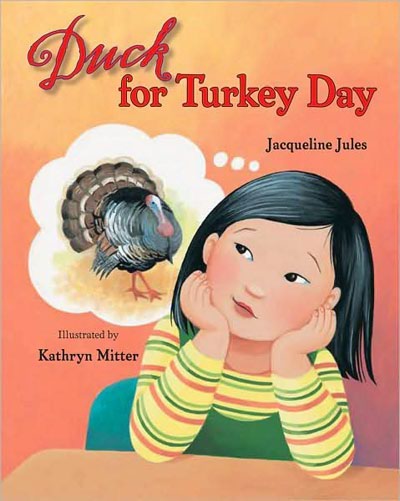
DuckforTurkeyDaybyJJulesA student gently explained: “We don’t have that kind of Thanksgiving dinner in my house.” Suddenly, I stopped being a teacher and returned to my own childhood, where I had been informed that turkey and pumpkin pie were the correct meal choices. These memories led to my first book with Albert Whitman Publishers, Duck for Turkey Day, about young Tuyet, who is worried that her Vietnamese-American family is breaking the rules for Thanksgiving. While the emotions of this book belong to my own childhood, they were deeply shared by the kids I taught. Making my characters Vietnamese-American gave me the opportunity to show how much I identified with my students, along with the universality of the problem. It also made my story current. My experiences as a Jewish child of a German-Swiss in the 1960s south are historical now. While I have shared my Jewish heritage in many of my books, I don’t want everything I write to be limited to my own particular, and not necessarily, universal experiences. Growing up as an outsider myself has naturally made me empathetic to other minorities in America. And it has made me downright indignant that so few children’s books reflect the lives of children who are not white, Christian, and middle-class.

All too often, books with non-majority characters portray their lives as a situation requiring great explanation. As a young Jewish mother in the 1980s, I was annoyed that most Jewish holiday books described traditions in such detail, they read like nonfiction. Not every Christmas story describes the Nativity. Most Easter stories are about bunnies, not the Resurrection. Why can’t Jewish children have light-hearted picture books that celebrate the joy of their culture, too?

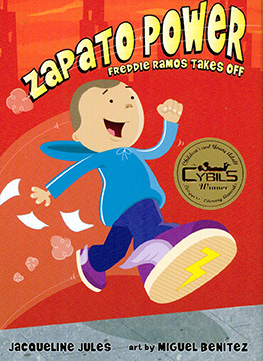
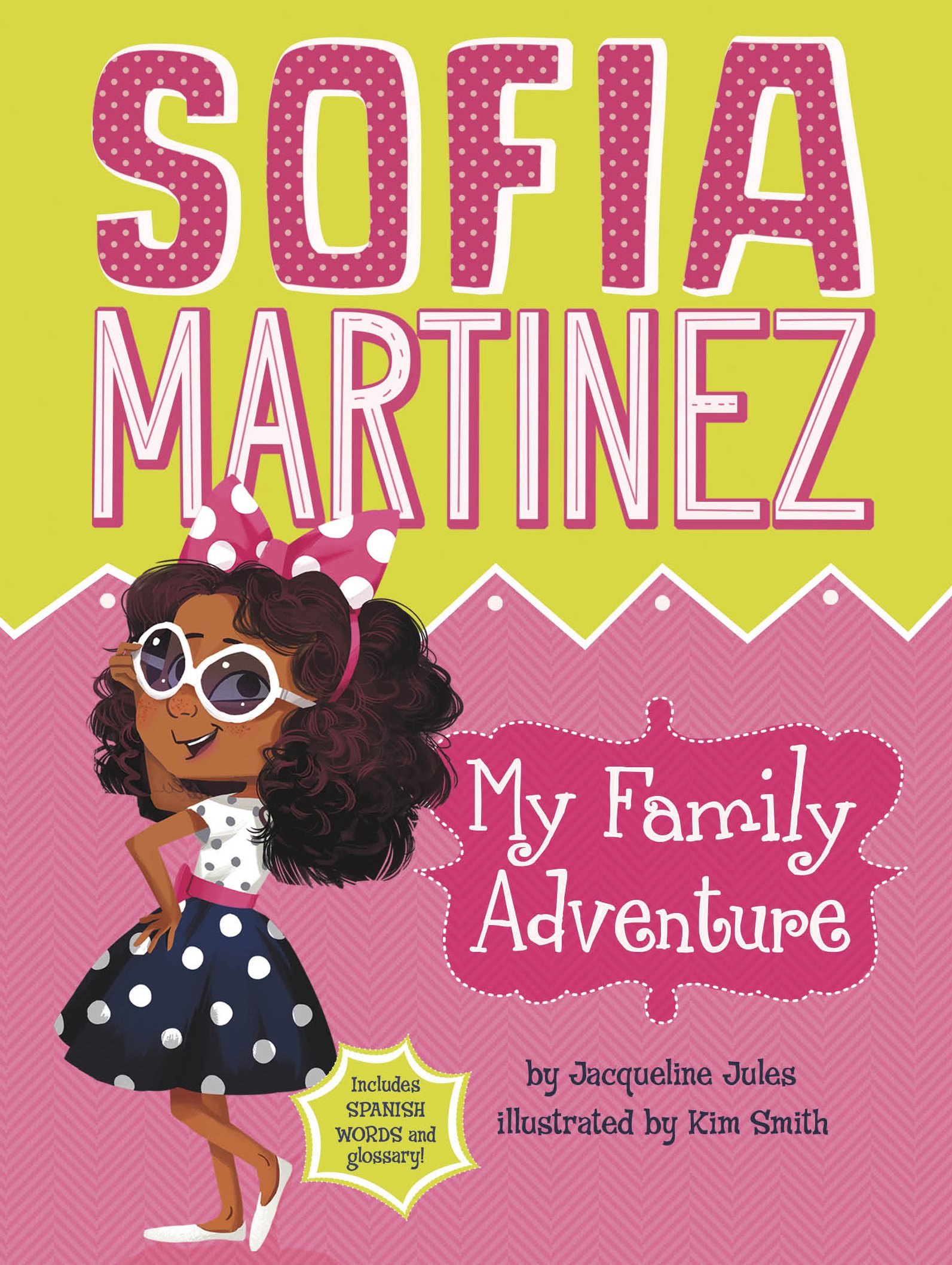
ZapatowithStickerAnd why can’t children of color have books, particularly easy readers, where they see themselves enjoying life? Why is minority status always the problem in a story rather than just one facet of a particular person’s existence? In my Zapato Power books, a chapter book series about a boy with super-powered purple sneakers, the main character, Freddie Ramos, is Latino. He lives an urban apartment life in a close-knit immigrant community, just like most of the students I taught. But that is not the plot of his stories. Freddie is mostly concerned with how he will solve mysteries and be a hero with his super speed. And in my new series, Sofia Martinez, my main character is a spirited Latina who wants more attention from her large, loving family. I taught many Sofias. Her family eats tamales at Christmas. She uses Spanish phrases in her conversations. And she deserves to learn to read with books that show her family life as fun and normal, not a particular ethnic challenge to be overcome.SofiaMartinezFamilyAdventure

Many authors say they write the books they would have liked to see as a child. I do that. But I also write stories I wish I had been able to give my students when I taught—books that show it is okay to be who you are.


JJulesWebPic

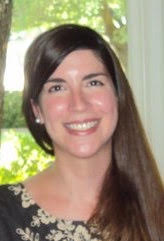
Jacqueline Jules is the award-winning author of 30 books, including No English, Duck for Turkey Day, Zapato Power, Never Say a Mean Word Again, and the recently released Sofia Martinez series. After  many years as a librarian and teacher, she now works full-time as an author and poet at her home in Northern Virginia. Find her on Facebook and at her official author site.


A Frank Remembrance of My ALA Midwinter Experience

 By Sujei Lugo

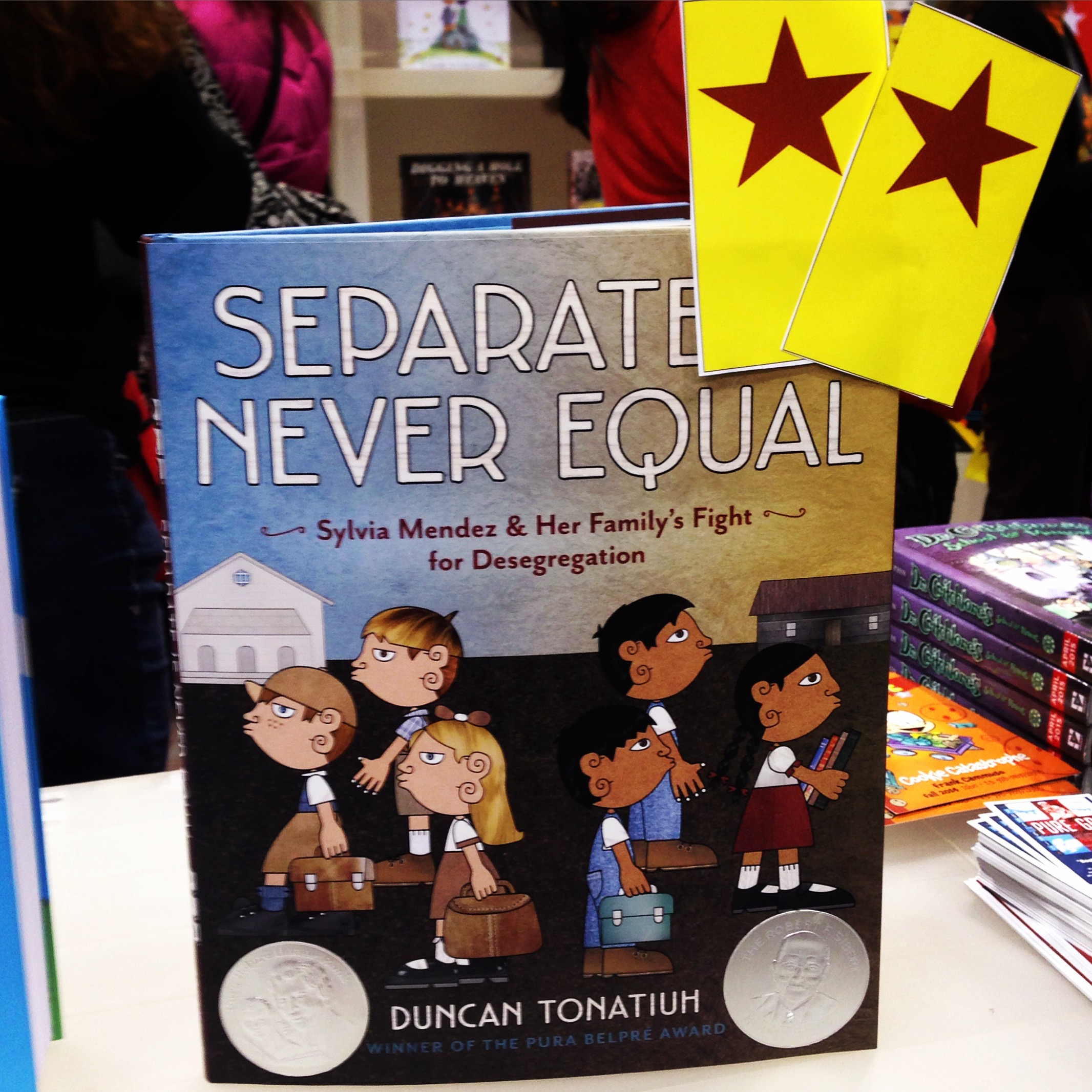
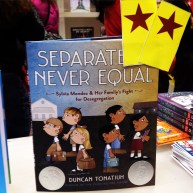
SEPARATE IS NEVER EQUAL by Duncan Tonatiuh, Pura Belpré Illustrator Honor Book & Sibert Informational Honor Book

SEPARATE IS NEVER EQUAL by Duncan Tonatiuh, Pura Belpré Illustrator Honor Book & Sibert Informational Honor Book

Several days ago, I had the opportunity to attend the 2015 American Library Association (ALA) Midwinter Meeting & Exhibits Conference (#alamw15), held in Chicago. My main reasons for attending the conference were to meet with my dissertation committee, attend REFORMA (The National Association to Promote Library & Information Services to Latinos and the Spanish Speaking) meetings and discuss and collaborate with fellow Reformistas about ongoing projects and events. My presence in Chicago and #alamw15 also drove me to participate in and attend events and engage in conversations with fellow bloggers, librarians, educators, authors, publishers, and supporters of children’s and young-adult literature.

In this post I want to share with you about the sessions and events that I took part in and some reflections on my overall experience at the conference.

On Friday, January 30, 2015, the Association for Library Service to Children (ALSC), along with the Children’s Book Council (CBC) hosted Day of Diversity: Dialogue and Action in Children’s Literature and Library Programming. I was not able to attend because this was an invitation-only event, but I followed the conversation through tweets, then afterward in blog posts reflecting on that day. The purpose of the event was to “discuss strategies for ensuring that all children have access to diverse literature and library programming.” Although great remarks were given by the keynote speaker, former ALA and REFORMA president Dr. Camila Alire; Día founder, author, and storyteller Pat Mora; former ALA Offices for Literacy & Outreach Services Director Satia Orange; and Native authors and authors of color, the overall impression was that it felt like a Diversity 101 event. Based on social media commentaries and subsequent talks, the event lacked real discussions about systemic problems, White privilege and anti-racist approaches to children’s literature. These conversations are long overdue in children’s librarianship and the publishing industry, and it is a pity that events where these conversations should happen do not embrace that challenge. Great recaps and reflections were posted by Debbie Reese, Edith Campbell, Zetta Elliott, Sarah Park, Don Tate, Maya Christina Gonzalez and Jason Low.

The REFORMA meetings and events were a great experience to get to know fellow Latino/a and Chicano/a librarians, educators and authors, immerse myself in committee work and projects, and finally meet people whose work I have admired for years. These gatherings were among the most welcoming spaces I’ve attended in my professional career in the United States. They also are dealing with serious issues regarding not only Latino populations in the United States, but Latin American immigrants as well.
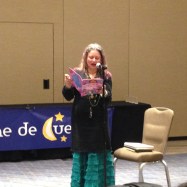
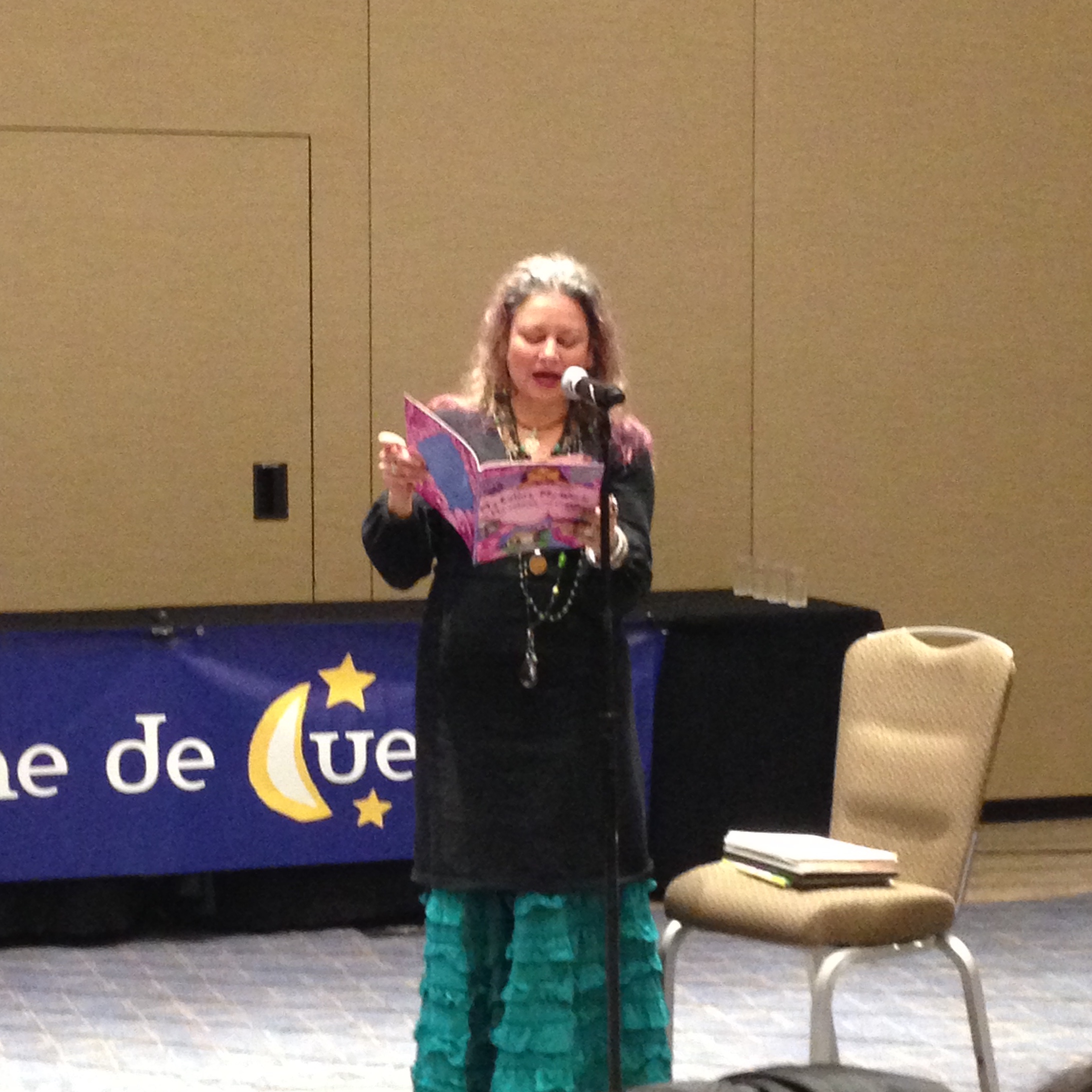
Maya Christina Gonzalez reading MY COLORS, MY WORLD/MIS COLORES, MI MUNDO during Noche de Cuentos

Maya Christina Gonzalez reading MY COLORS, MY WORLD/MIS COLORES, MI MUNDO during Noche de Cuentos

A great example of this is the Children in Crisis Project. With this project, REFORMA delivers blankets, books, and backpacks to children held in detention centers near the border. The children, many as young as two years old, are unaccompanied refugee minors crossing the border, mainly from El Salvador, Guatemala, and Honduras. Their journey crossing the border, many to reunite with family in the U.S. and to escape state and local violence, must be seen as a humanitarian crisis, and care needs to be given to focus on the social, emotional, informational, and legal needs of these children. As the co-chair of REFORMA’s Children in Crisis Task Force, Oralia Garza de Cortés said, “this project is like an underground railroad of books to our most vulnerable children.” REFORMA is currently partnering with nonprofits to continue to enhance efforts to help and support our children. (Here is a link that informs about ways to help, collaborate with, and donate to the Children in Crisis Project.)

On Saturday night, REFORMA celebrated its traditional Noche de Cuentos, an evening filled with stories, people, and warmth. The night was enlivened by author, storyteller, and librarian Lucía González, and Latino children’s literature and literacy consultant Oralia Garza de Cortés. Both women have been great supporters of Latino children’s literature for decades and contributed immensely to diversity in children’s librarianship. Lucía is also the author of the bilingual picture book The Storyteller’s Candle, about the life and impact of Pura Belpré’s work in New York, its Puerto Rican community in 1920’s-30s, and bilingual children’s librarianship. Oralia is the co-founder of the Pura Belpré Award, named after the Puerto Rican author, folklorist, and first Latina librarian of the New York Public Library. In “Noche de Cuentos” they both showcased their talent for sincere and engrossing storytelling. It was proof of how important preserving and telling our stories are. “That’s how stories get around, you tell them,” said Lucía, after finishing the tale of Blanquita and Her Wild Ducks, giving us a powerful reminder of how the voices that are constantly silenced, marginalized, and misrepresented will always find ways to amplify and give strength to their communities through storytelling. This was affirmed many times during the night: Pat Mora read poems and brought us charm and joy, and Maya Christina González read her picture books and told us that “kids need to know we are part of nature, and we belong here.” More emphasis on the power of our stories came when Jasmin Cardenas, a local storyteller, told us that “if we tell stories, this would be a better place.” Claudia Guadalupe Martinez shared the importance of community building, as portrayed in her YA novel, Pig Park. With its focus on stories, people, marginalized voices, powerful voices, and community support for each other, Noche de Cuentos was a much-needed intergenerational event.

While #alamw15 focused more on meetings, the exhibit hall, and the Youth Media Awards, several additional sessions were offered. I attended the Ignite Session on Saturday and was looking forward to seeing the presentations of two fellow librarians, tweeps, and overall great supporters of diversity in children’s literature–Angie Manfredi and Edith Campbell. In her presentation, “20 Kids/Teens Titles to Diversify Your Collection Today,” Angie gave fast book talks about diverse children’s and young-adult books that librarians can add to their collection. From the Latino holiday picture book T’was Nochebuena to the middle grade all-black cast book The Zero Degree Zombie Zone, she gave her audience a glimpse of diverse titles that reflect an intersection of different identities and backgrounds. Her energy and enthusiasm encouraged people to not only state that “We Need Diverse Books,” but that we need to buy them and promote them in our libraries and bookstores. (You can see the slides to her presentation here.)
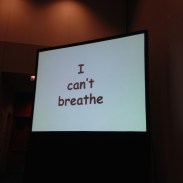
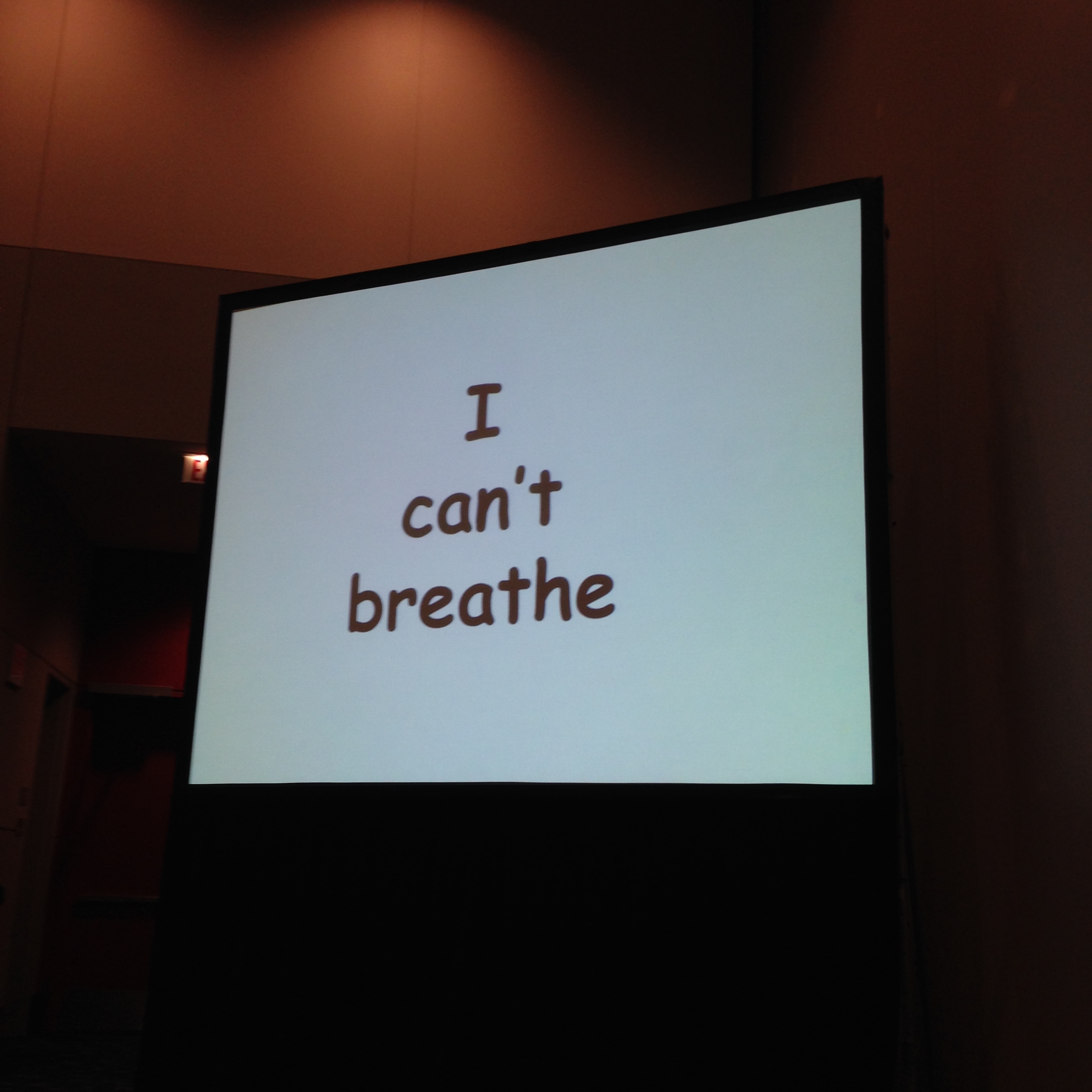
Slide of Edith Campbell's The Kids Are Not All White presentation

Slide of Edith Campbell’s The Kids Are Not All White presentation

The closing presentation of the Ignite Session was Edith’s “The Kids Are Not All White.” She started out by giving numbers and percentages demonstrating how children’s literature is not representative of our children’s population. She leaned toward a reflection and call to action to truly make efforts to be inclusive in our libraries. She challenged the view that diverse books are only for kids of color, and the status quo in books that shows us “who we were, but not who we can be.” Edith addressed language diversity, too, calling on us to include titles written in other languages in our collections, and titles that intersect income, gender, and race. She also emphasized the need to rethink views about self-publishing and technology, and how they are fertile spaces for those who are traditionally marginalized. Both presentations fit well within the different conversations about diversity and children’s literature that were happening at #alamw15. Because it was an Ignite session with a broad audience, they were “preaching” outside the usual crowd, to an audience that included academic and adult services librarians that may not have otherwise been aware of the attention being given to White privilege and diversity in publishing around the #kidlit world.

As we all know, the most talked about event of #alamw15 was the Youth Media Awards. This was my first time attending the awards, which I usually watch on my computer through a livestream. Early that morning, attendees, overwhelmingly White, started gathering and lining up to enter the room. Although I was, like them, excited to see who the winners and honorees of such a widely followed event in the world of U.S. children’s literature would be, I used the opportunity to engage in conversations, view people’s reactions, and note the racial/ethnic background of those deciding the award-worthy books of the year. As awards were presented to books by/about people of color and people with disabilities, the crowd kept clapping joyfully as a sign of approval that diverse titles were being recognized. (For a full list of winners visit: ALA Youth Media Award Winners and for a list of Latino/a authors and illustrators winners and honorees, here is our recap.)

As people were applauding and celebrating the diversity of winning titles, I was thinking how great it was to see those book covers on that big screen, and how those that had overlooked them during the year were now finally going to at least read about them and maybe even bring them to their libraries and classrooms. You see, the fact is that we’ve always been publishing great award-worthy titles, but they are continually neglected by the children’s literature world. While people were applauding, I was thinking about recent comments I’d heard that Brown Girl Dreaming shouldn’t win the Newbery, since she had already won the National Book Award. I wondered if similar things were said when a White author’s book had won the National Book Award. This, along with other observations and conversations, led me to question the celebratory spirit around me. Was the applause like that scene from The Boondocks’ “Garden Party” episode, where everything Huey says White people around him seem obligated to applaud and praise?
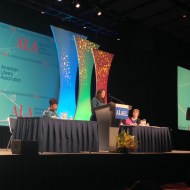
Silvia Cisneros, REFORMA president, presenting the Pura Belpré Award in English and Spanish

Silvia Cisneros, REFORMA president, presenting the Pura Belpré Award in English and Spanish

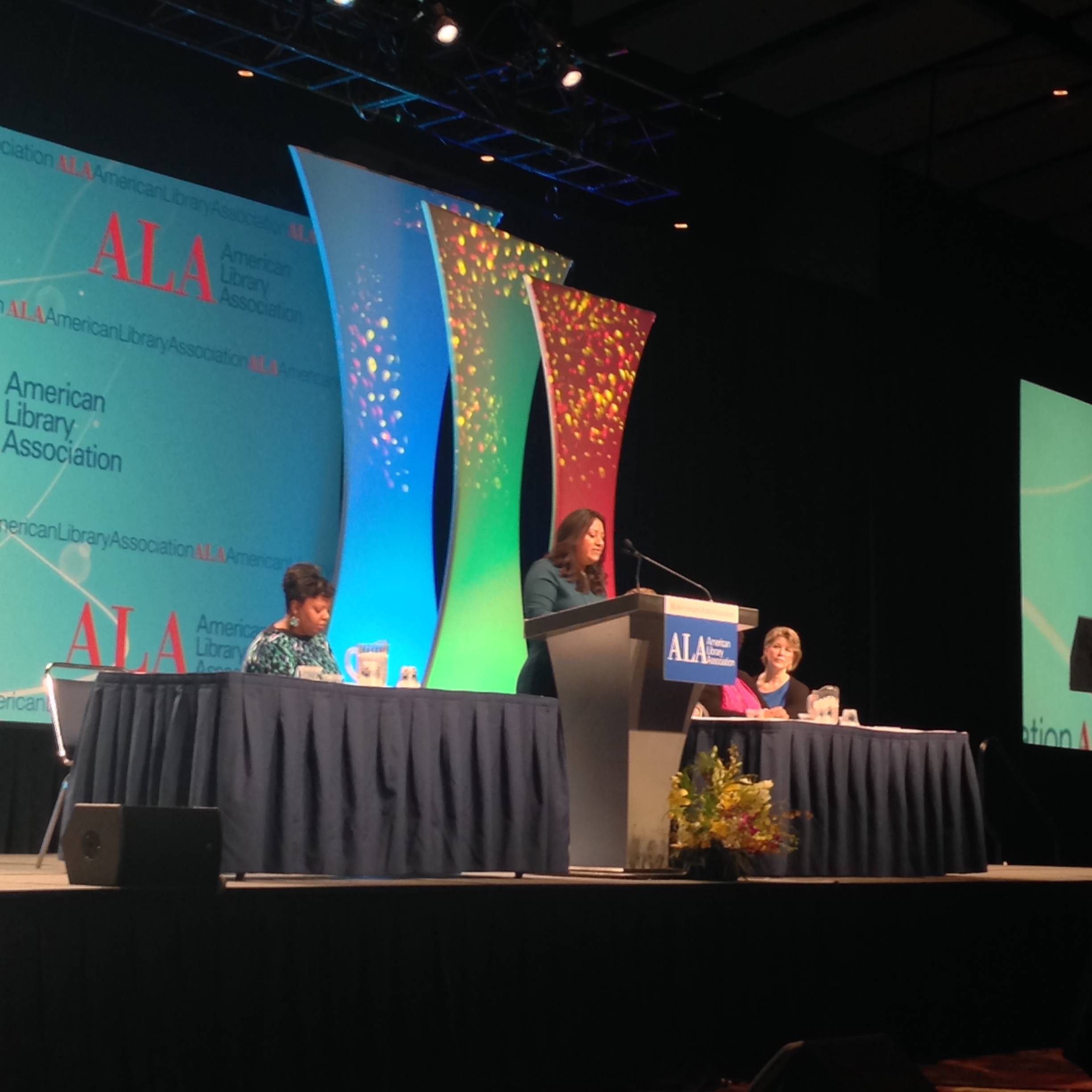
As I sat in the room, I heard some audience members complaining about the use of Spanish during the Pura Belpré Awards, an award that celebrates Latino children’s literature and is co-sponsored by REFORMA. As the morning unfolded, I watched the almost all-White committee members stand up, some wearing “Trust the Process” t-shirts. Toward the end of the awards, someone said that apparently there were finally good diverse titles this year, since they won awards. The implication was that the lack of award-winning diverse titles in years past was an indication that Latinos, Asians, Native, and Black people had never published GREAT books throughout those years.

When I finally exited the room, I approached Pat Mora (walking away by herself) to congratulate her for her work and her Mary Hill Arbuthnot Honor Lecture Award. While talking to her, I was surprised and angry that no other person approached her to congratulate her. This woman has been an influential force in children’s literature, and she had just won an award recognizing her marvelous work. That work includes being the founder of Día, an official annual celebration that has been sponsored and championed by ALA. I realized that most people there had no idea who she was. The same people that were applauding inside the room as her picture was displayed on the big screen, as soon as her award was announced? The same people that sometimes state their “concern” of how we need to bring more authors, illustrators, and librarians of color to these events and into our field?

I introduced myself to her (in Spanish), and as we started talking, the first thing she said to me was: “Nada ha cambiado” (Nothing has changed). Words that stayed in my mind as I reflected upon my experience walking through the exhibit halls.

Nada ha cambiado.

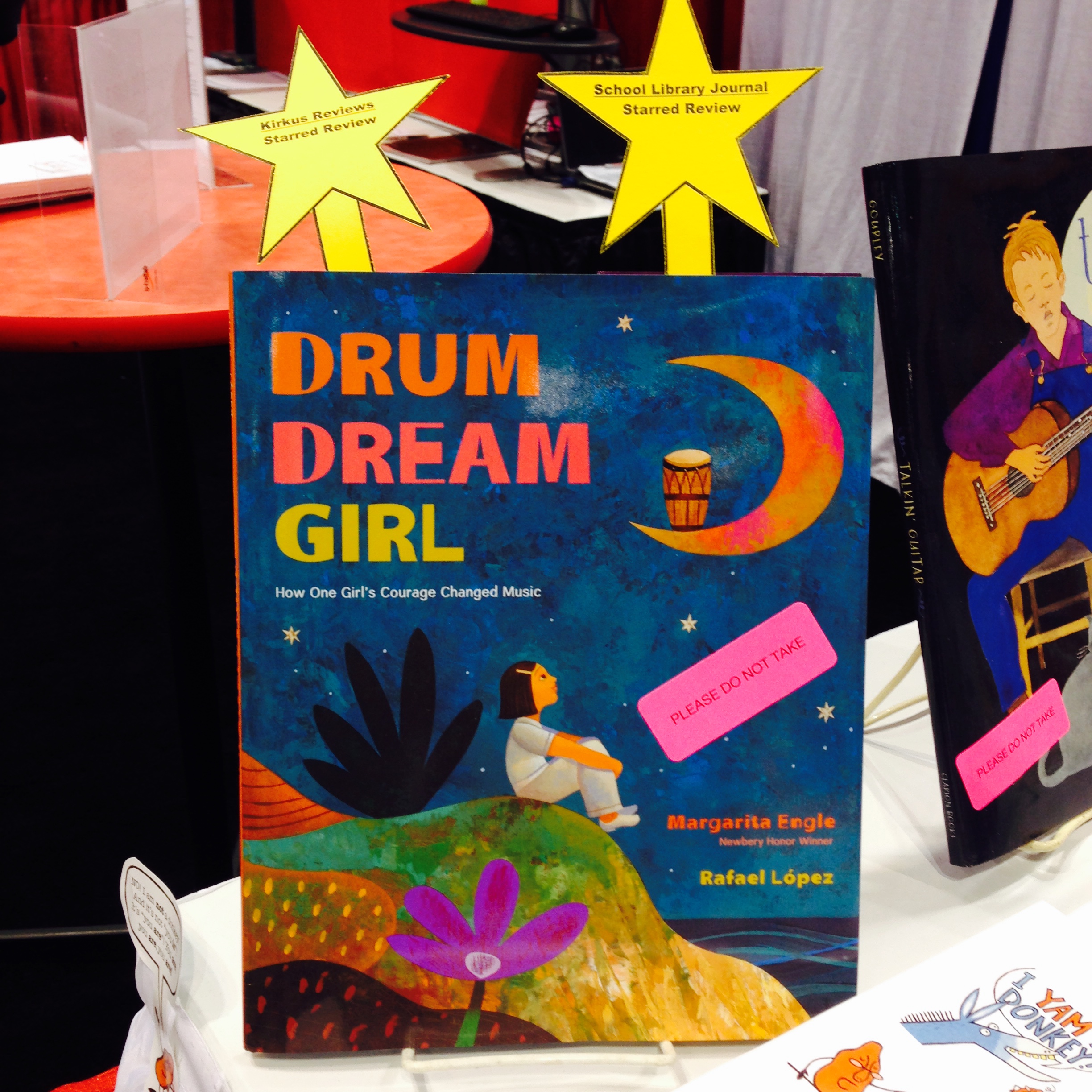
The exhibit hall is a place where publishers, authors, and library businesses display new products, highlight new titles, and give away promotional materials and advanced reader’s copies (ARCs). The layout of the exhibit hall speaks volumes about the power centers: the amount of floor space that the big publishing houses occupy tells us how much of the exhibit floor they own. This is obvious. Fees paid for space in the exhibit hall in any convention generate revenue for the organization that sets up the event. Simply put, the big publishers with their marketing budgets, will obviously have a higher visibility than small publishers, but it still feels uncomfortable that smaller publishers are marginalized on the floor of an event organized by/for librarians that work in libraries that serve a diverse society. As I walked through the exhibit hall, my approach was to find Latino children’s and young-adult books and children’s books in Spanish. Among the sea of book covers with bears, puppies, and White girls at the Scholastic booth, I saw, in the far back, one of my most anticipated YA books of 2015, Shadowshaper, by Daniel José Older. I asked the publisher’s rep if she had a copy of it to give away. In the booth were stacks and stacks of other titles, prominently placed, evident that they were being heavily promoted by the publisher. As I strolled down those aisles I was surprised to see a large stack of ARCs of Pam Muñoz Ryan’s Echo. They were going fast as librarians took copies. Minutes later, I approached a big publisher’s representative and asked her what Latino children’s books they had. She replied that they only carry “good” books. The look on my face and the two Latino books I had in my hands, no doubt, pushed her to follow her response with: “You already have those. Those are the good ones.”
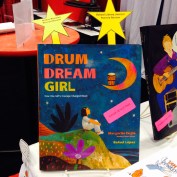
DRUM DREAM GIRL: HOW ONE GIRL'S COURAGE CHANGED MUSIC, written by Margarita Engle and illustrated by Rafael López

DRUM DREAM GIRL: HOW ONE GIRL’S COURAGE CHANGED MUSIC, written by Margarita Engle and illustrated by Rafael López

Despite that conversation (and it was only one of many), I can say that I found several Latino children’s books, but in a low percentage compared to books by White people, about White people, and bears. Was I able to find a couple of Latino/a books, because I was looking for them? Because I recognize and know the titles, covers, authors and illustrators? Could people who had no idea Latino/a writers and illustrators exist, see their books? Were they displayed in a way such that people who don’t know about them could see, browse, and then buy them?

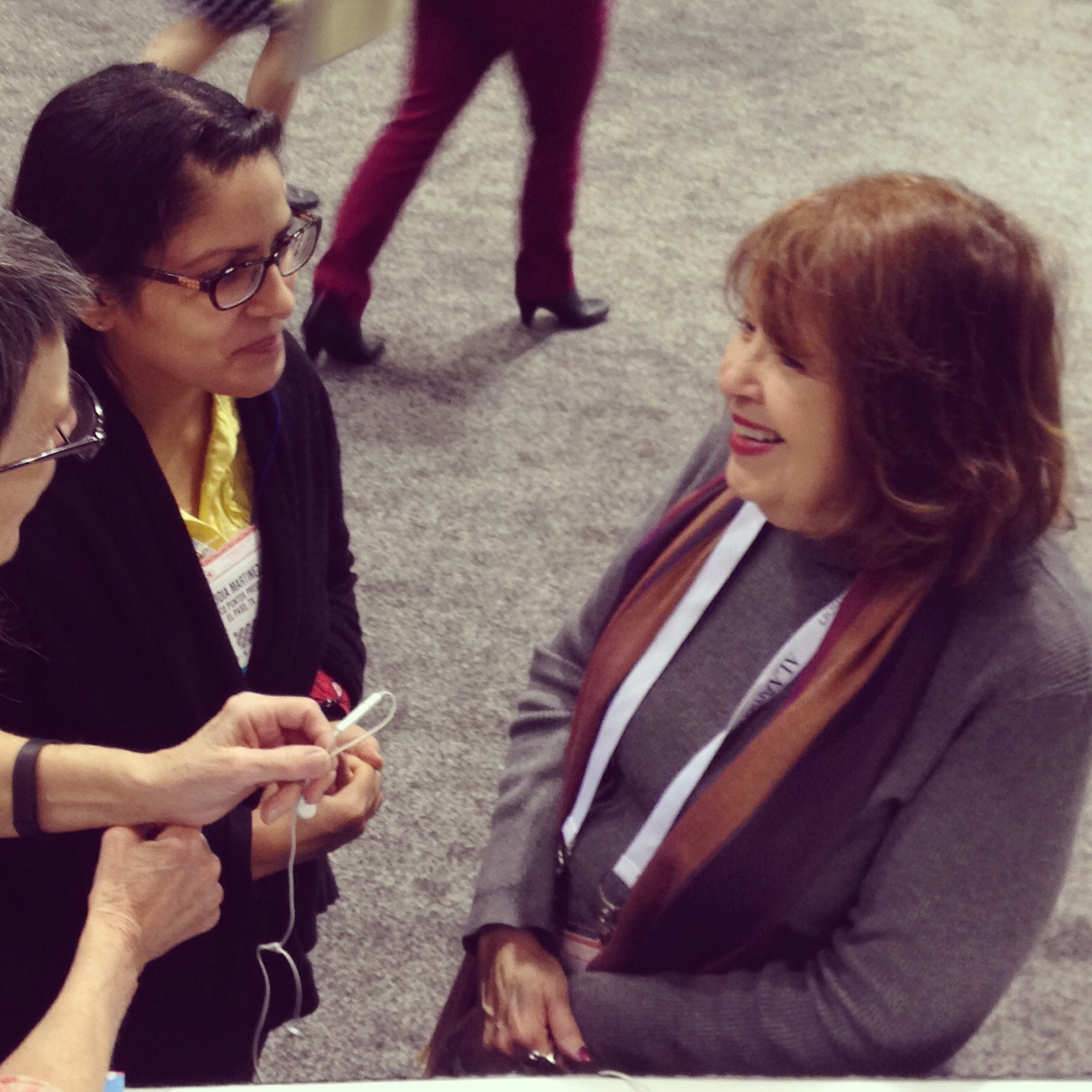
Another thing that caught my attention was that indie presses that publish stories by Native authors and authors of color were not packed with people. At their book signings, there were no lines of people waiting to meet the authors. This called to mind René Saldaña’s post: Forgive Me My Bluntness: I’m a Writer of Color and I’m Right Here In Front of You: I’m the One Sitting Alone at the Table. I was honored to meet Erika T. Wurth, author of Crazy Horse’s Girlfriend (Debbie Reese’s review); Isabel Quintero, author of Gabi, a Girl in Pieces (our review by Sonia Alejandra Rodriguez); J.L. Powers, author of Colors of the Wind: The Story of Blind Artist and Champion Runner George Mendoza; and Lee Byrd, co-founder of Cinco Puntos Press.

Wurth, Quintero, Powers, and Byrd are among the many people with whom I had great conversations. I am among a growing number of people who support their work. In my many interactions and conversations, we laid out common ground and talked about how White privilege and institutionalized racism in children’s literature and publishing have always been a systemic issue. Privilege and power go across the publishing industry, book reviewing, librarianship, education, and media. We need more than diverse books. We need opportunities at places like library conferences to create awareness about privilege and power. In our work as bloggers, we must review and promote books by writers who are of marginalized populations. We must point to their accurate reflections of those populations. But we must also call out stereotypical and racist content in children’s books overall, and we must name White privilege when we see it. Yep, there’s a hell of a lot to do.

Pan Dulce: Lee Byrd from Cinco Puntos Press interviews Claudia Guadalupe Martinez (author of PIG PARK) and Pat Mora (author of CANTA, CHICO BRAVO, CANTA) talking about their books, growing up in El Paso, Texas. Full interview: https://www.youtube.com/watch?v=e-yf9v_WTME&feature=youtu.be

Pan Dulce: Lee Byrd from Cinco Puntos Press interviews Claudia Guadalupe Martinez (author of PIG PARK) and Pat Mora (author of CANTA, CHICO BRAVO, CANTA) talking about their books, growing up in El Paso, Texas.

Full interview: Pan Dulce #4


*Note:
The upcoming major event for REFORMA and Latino children’s literature is the Pura Belpré Award 20th Anniversary Celebración that’s going to be held in Orlando, Florida at the 2016 ALA Annual Conference. I attended the Task Force meeting; there are great plans ahead to celebrate past award winners and honorees, and a wide selection of Latino children’s books as well. More information to come! Check out how you can help and support this gran celebración.
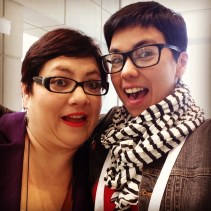
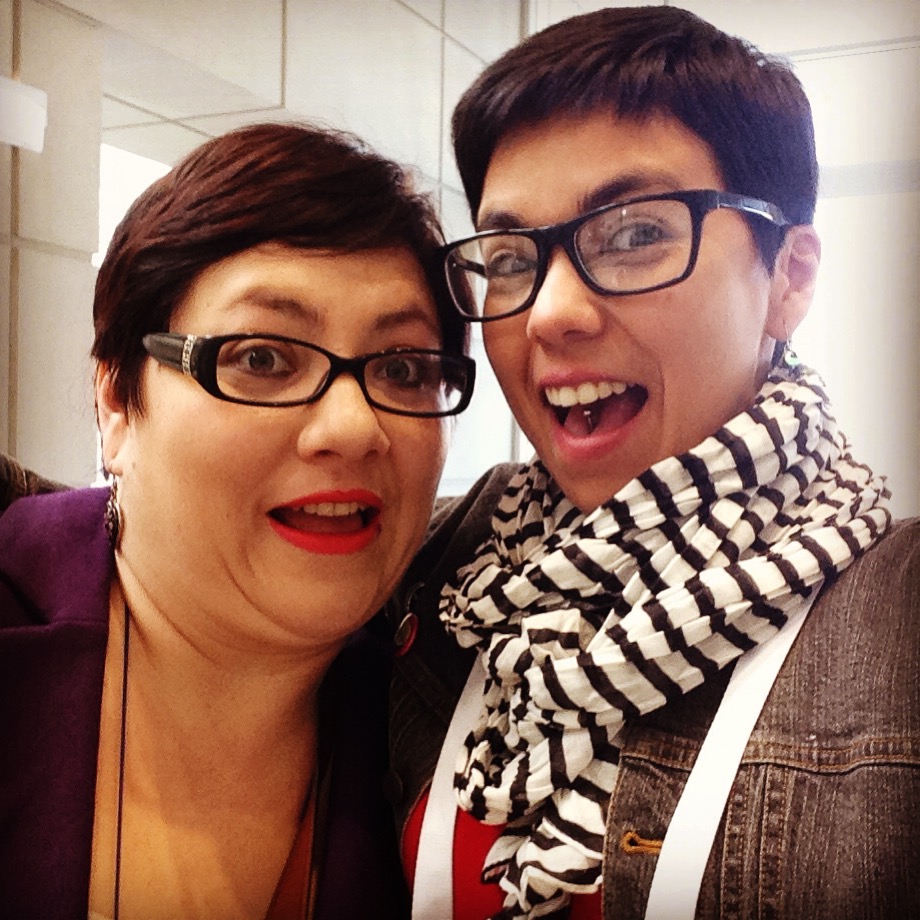
With Isabel Quintero, author of GABI, A GIRL IN PIECES, winner of the William C. Morris Award (Young Adult Debut Award)
With Isabel Quintero, author of GABI, A GIRL IN PIECES, winner of the William C. Morris Award (Young Adult Debut Award)

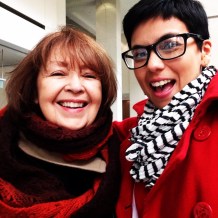
With Pat Mora. Such an honor to finally meet her.

With Pat Mora. Such an honor to finally meet her.


Q & A with Illustrator Raúl the Third

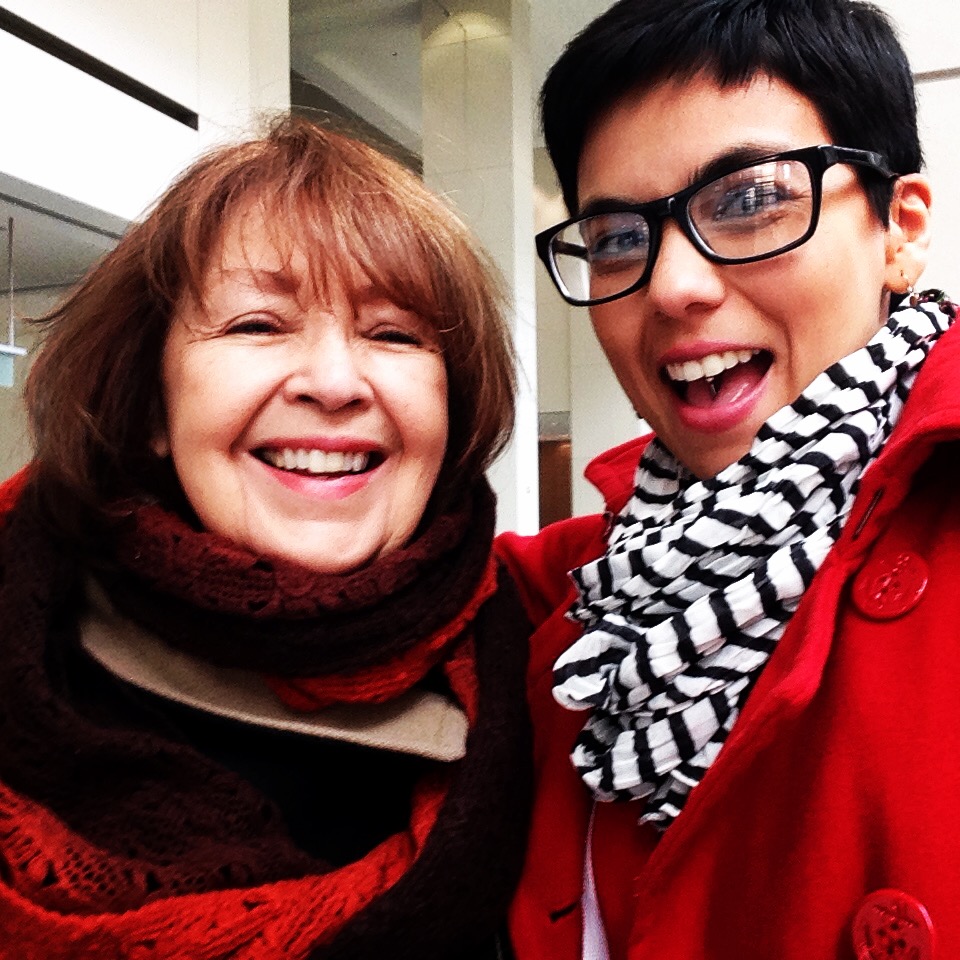
selfie

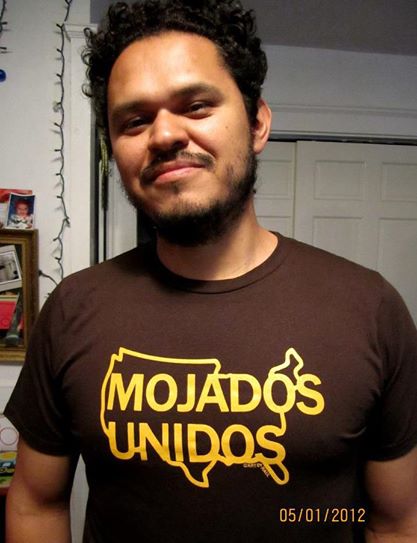
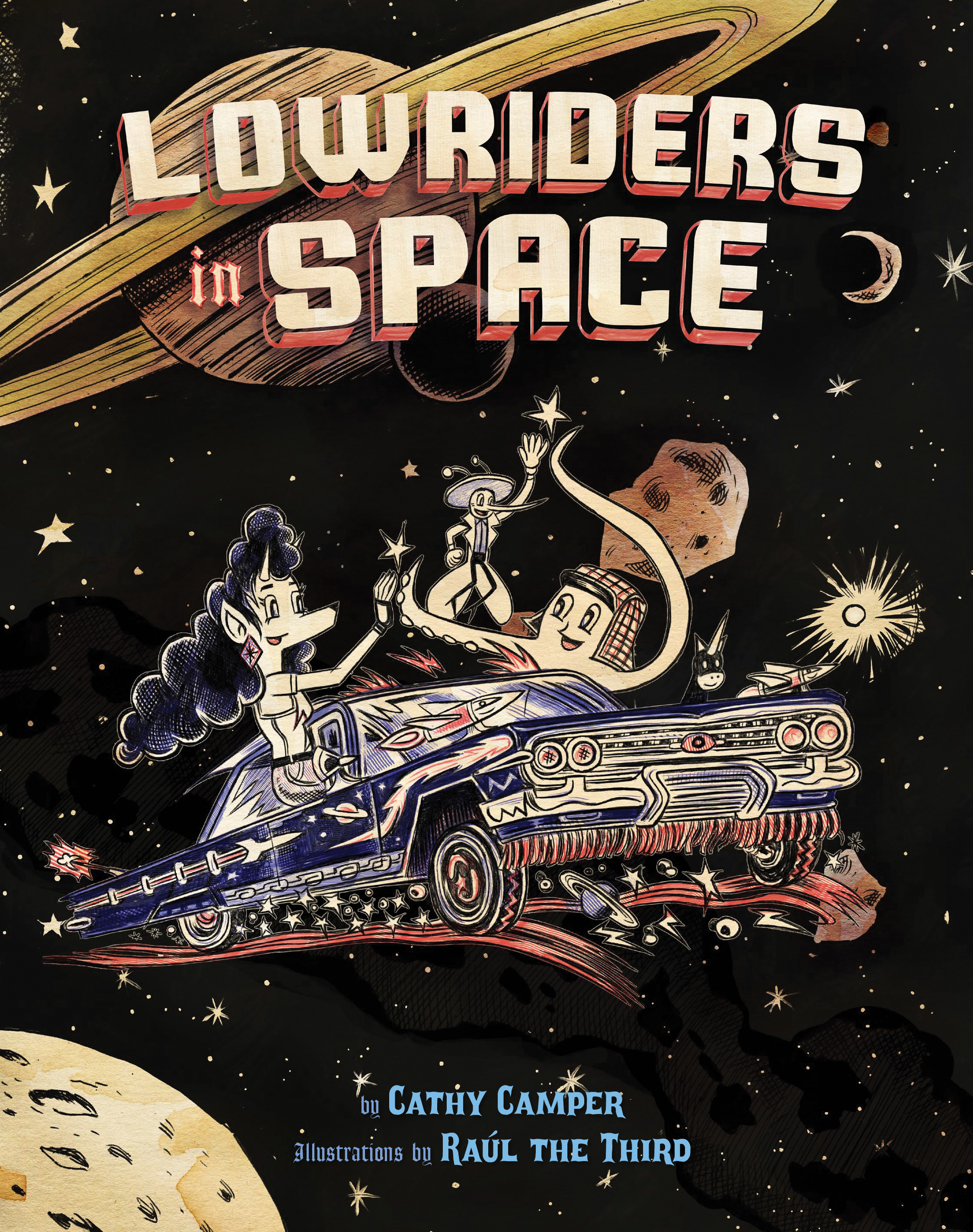
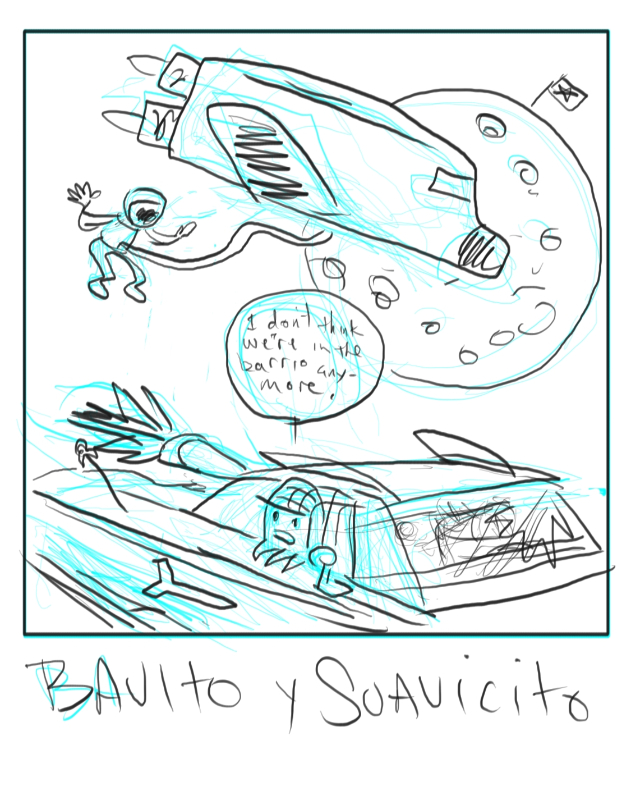
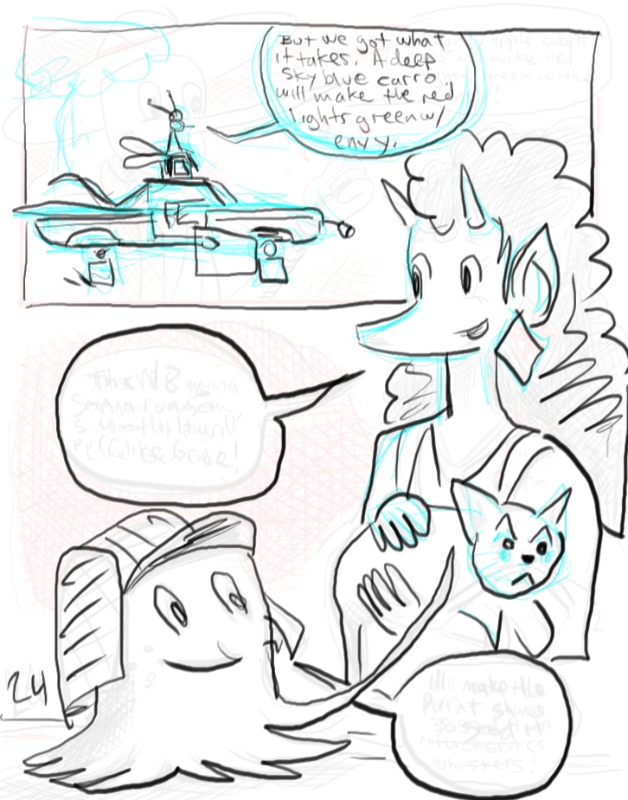
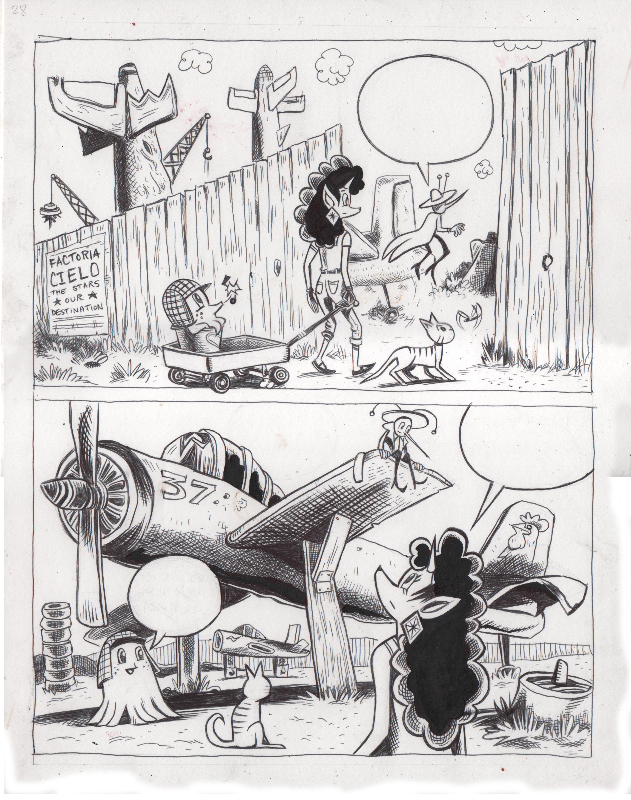
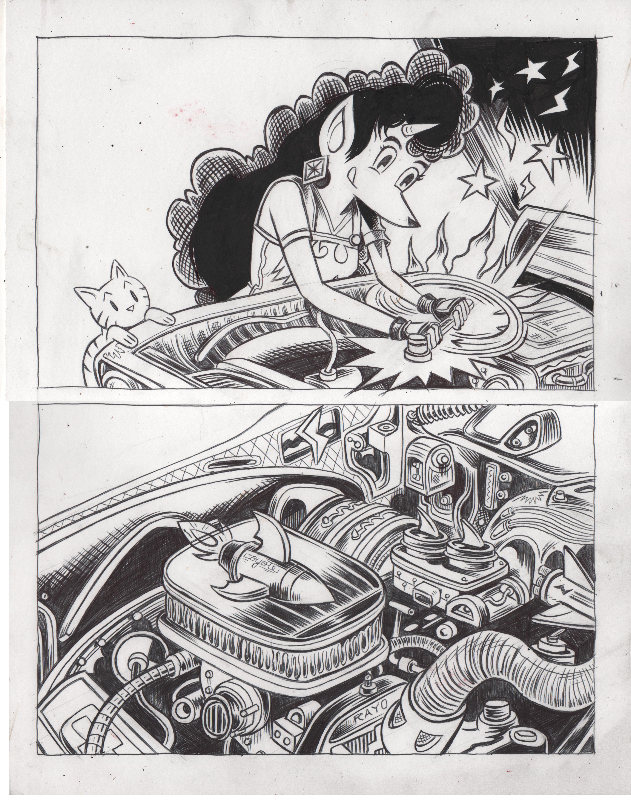
Now here’s something different. Pour yourself a cup of Nescafé Suave and welcome to an ear-catching hang-out with two cool artists from the world of Latin@ kid lit. Chances are, you already know and love acclaimed illustrator Raúl Gonzalez, aka Raúl the Third, lauded in review after review for his work in Lowriders in Space, a dynamic graphic novel for kids written by Cathy Camper, released in 2014. (For a partial list of articles about Raúl, Cathy and LRIS, see the bottom of this post.)
Lowriders in Space_FC_HiRes

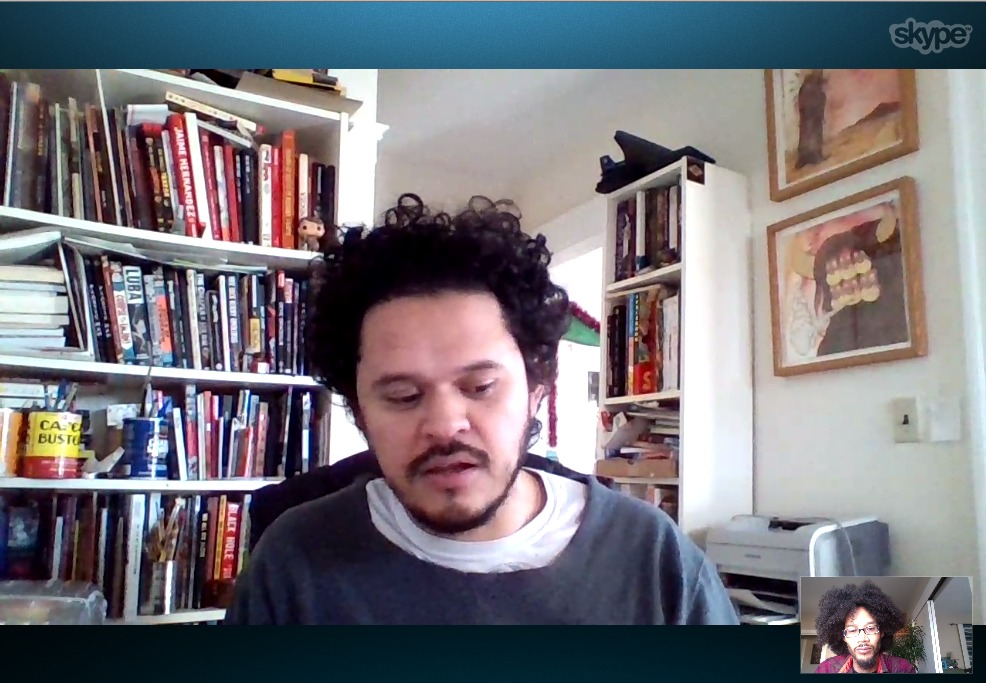
Raúl’s interviewer is Robert Trujillo, an up-and-coming illustrator based in California, who guest posted for Latin@s in Kid Lit in 2014. Instinct told us that Robert and Raúl would hit it off. How right we were! Today we’re offering Raúl and Robert’s Skyped conversation in audio format. It’s 32 minutes of lively repartee on becoming an artist, breaking into illustration, diversity in kid lit and much more– all laced with a zesty dose of Mexican American culture and comic-book geekiness. We’re betting you’ll find the chat engaging, revealing and funny.

(Teachers and parents, a small caution about some adult language.)

Some readers may not have access to audio playback, so we’re also posting a transcript of the conversation. Click here: Raúl Gonzalez Interview

Whether you listen or read, be sure to scroll down the length of this post for a FEAST of images related to the Q & A.


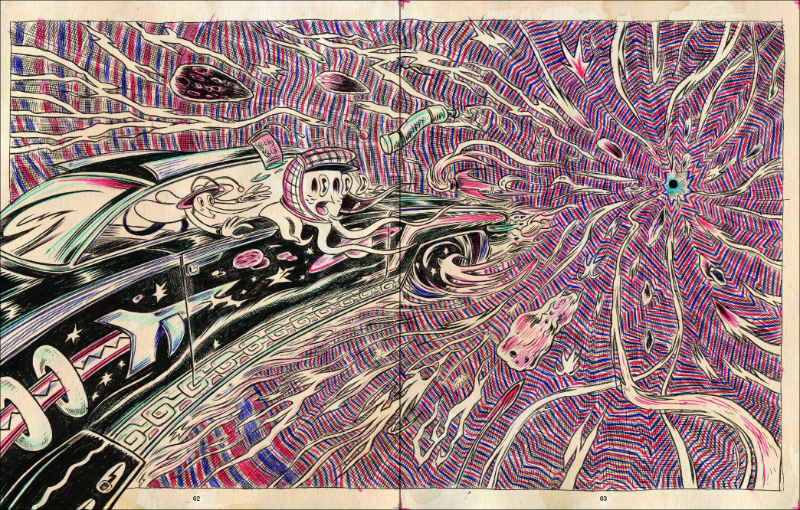
blackhole

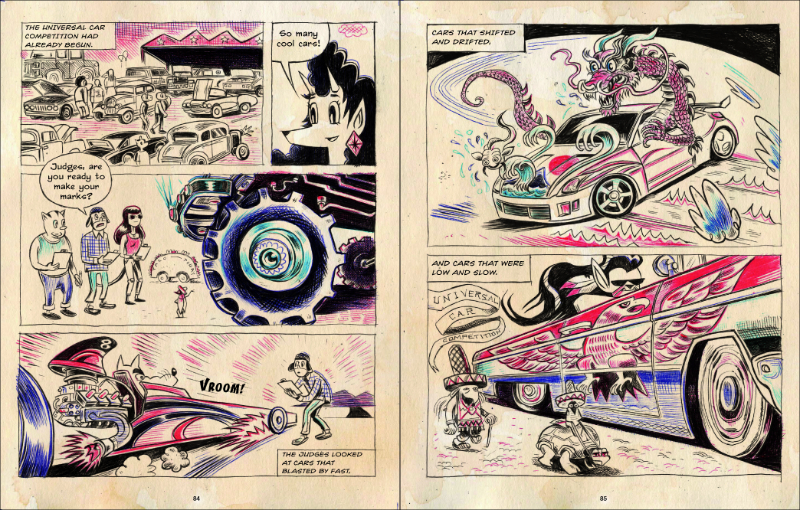
A spread in Lowriders in Space, penned in Bic ballpoints by Raúl Gonzalez


Throughout the interview, Raúl refers to sketches, thumbnails, and overlays that he created for Lowriders in Space. To enlarge the view, click on individual images.


page39 revisions     page24

page28      page32

low and slow

DSC01306

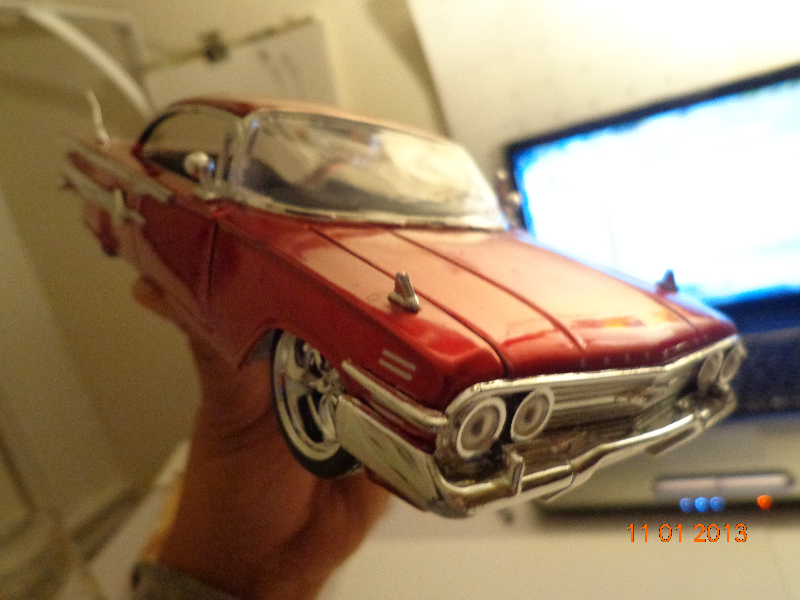
The die-cast Impala


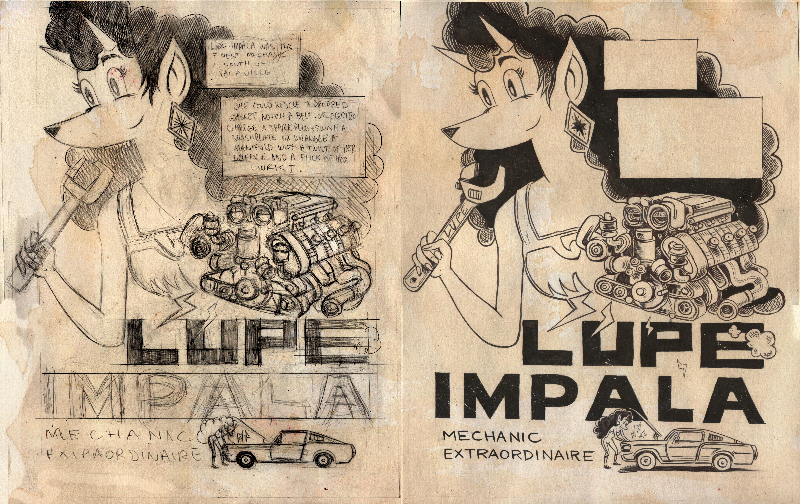
penicltoinks-lupe

Inking stage


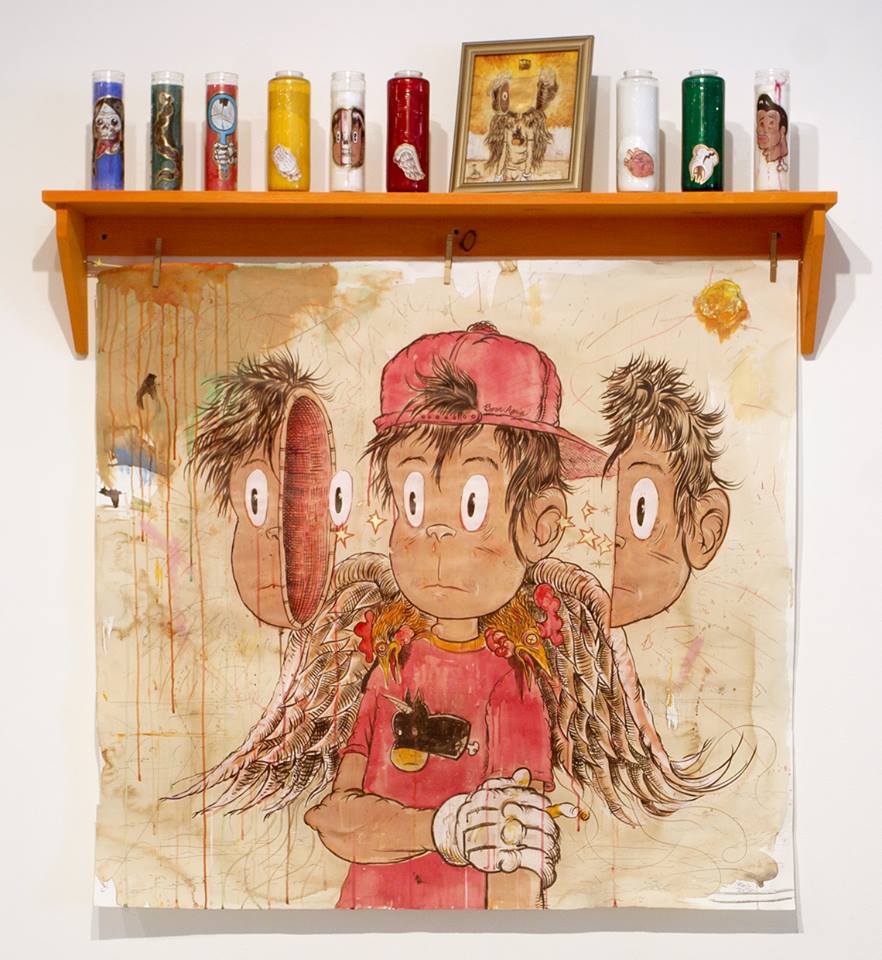
More art by Raúl, the fine artist and muralist

born again

Born Again, by Raúl


Tufts University

A mural by Raúl at Tufts University


The Shape of Your Path crop

“The Shape of Your Path,” by Raúl


Photos of Raúl on book tour and at home

library crop

Raul at a library visit

family1

Raúl with his parents


family

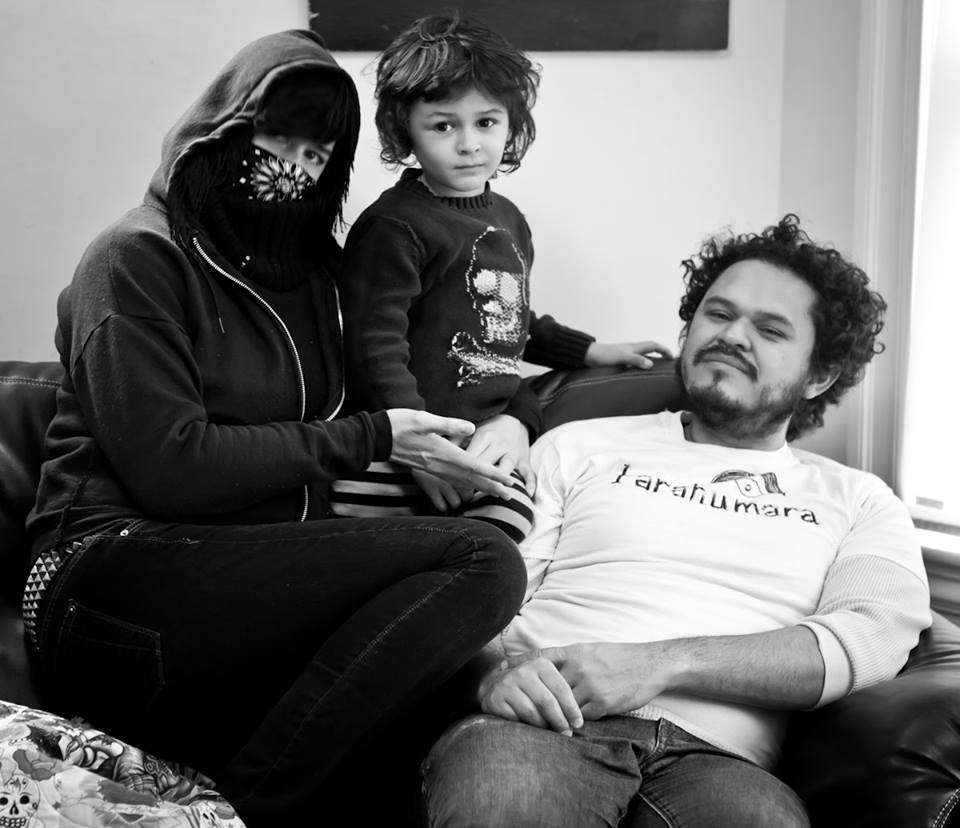
The artist and his family


The Thing cropped

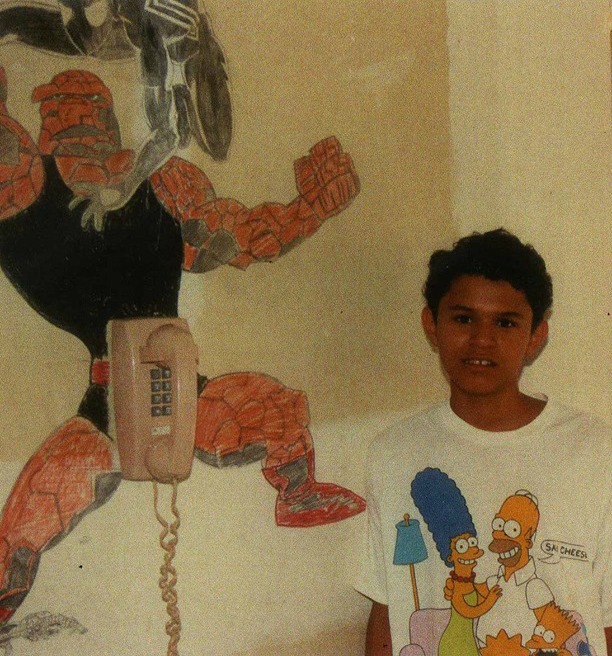
“The Thing,” an early comic creation by Raúl

Raúl and LRIS have been written up EVERYWHERE! Here’s a minuscule sampling of the coverage.

Kirkus–a starred review of Lowriders in Space

School Library Journal, a print interview with Raúl

The Nerdy Book Club, featuring the 2014 Nerdy Awards for Graphic Novels

The Boston Globe, an exhibit by Latino artists at the Fitchburg Art Museum


Visit Raúl’s website here. He’s also on Facebook and Twitter. And don’t miss the official trailer for Lowriders in Space!  It’s a co-creation by Raúl, his artist wife, Elaine Bay, and their young son.

Screen Shot Raul and Rob

Raúl, center; Robert, bottom right


A huge thanks to our interviewer, Robert Trujillo! We look forward to seeing his art in future publications, including his upcoming book with Arte Público.

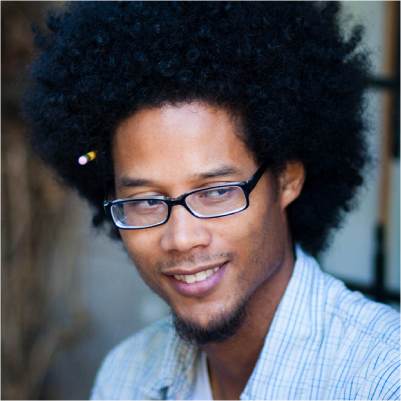
photo1 Born and raised in the Bay Area, Robert Trujillo is a visual artist and father who employs illustration, storytelling, and public art to tell tales. These tales manifest in a variety of forms and they reflect the artist’s cultural background, dreams, and political / personal beliefs. He can be found online and on Twitter at @RobertTres.


Finally, a special thanks to our audio editor, Caitlin C. Weaver.


A Rich Year for Art-Related Kid Lit with Latino Flair

By Sujei Lugo and Lila Quintero Weaver

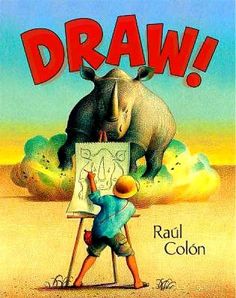
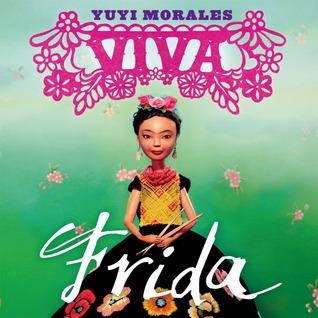
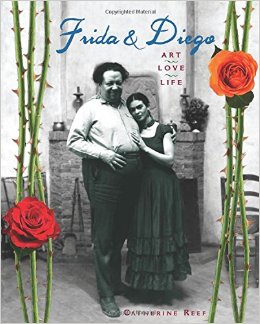
The year 2014 brought us three outstanding Latino children’s books celebrating art. Each book represents a distinct format: Draw! by Raúl Colón, is a wordless picture book; Viva Frida, by Yuyi Morales, is a poetic tribute to a beloved artist of worldwide importance; and Frida & Diego: Art, Love, Life, by Catherine Reef, is a work of non-fiction geared toward upper-level grades. These releases came in a year already brimming with strong Latino titles in children’s publishing, along with the We Need Diverse Books campaign, which challenges publishers and others in the book industry to question their views and roles regarding literature by and about people of color.

And guess what? Latin@s create art, too, so why shouldn’t they be celebrated in art-related books?

Children’s books that extol visual art serve to influence readers in significant ways. Through them, children can learn to appreciate art’s life-enriching power. They can also begin to see themselves as potential creators of art. Up to a certain age, most children freely produce drawings, collages, finger paintings, and other forms of artistic expression. But as kids reach the middle elementary years, inhibition seems to set in. Often, these kids stop making art because they have begun to see themselves as incapable. In fact, many great artists owe their success to a rediscovery of childlike abandon, to a time when the internal critic wasn’t peering over their shoulder. Also, Latin@ children are exposed to fewer artistic role models from within the community. What if good art books transmitted the opposite message–that anyone, from any culture, can create art? Great Latin@ artists already exist and kids need to become familiar with them. The following books make an ideal way to start delivering that message.

Draw!Draw! by Raúl Colón

In this lovely picture book based on Colón’s childhood, readers are transported through a flight of fancy to golden views of the African savanna, where an adventurous drawing session takes place. Initially, we see a boy drawing in his bedroom. His focus is on animals of the African grasslands. Three pages later, the boy is on the ground, somewhere on the African continent, among his subjects, observing them at close range, and capturing their likenesses with deft pencil strokes. Colón achieves this flight of imagination without the aid of words. The paintings in this book display a tender vintage feel in keeping with much of Colón’s acclaimed work in illustration. In every sense, Colón demonstrates a masterful command. His compositions are striking. He nails the anatomy of both human and wild animal subjects, as well as a wide array of studio techniques. These include the use of expressive, swirling textures and a tawny palette of hues, fitting for the story’s era and setting. This gem of a book landed on quite a few “best of” lists for 2014, including:

New York Times Best Illustrated Books of 2014

NPR Best Books of 2014: Children’s Books

Publishers Weekly Best Children’s Books of 2014: Picture Books

School Library Journal Best Books of 2014: Picture Books

School Library Journal’s Top 10 Latino Books of 2014

For extensive views of interior pages, see this article in SLJ.

Viva FridaViva Frida, by Yuyi Morales

Viva Frida is Yuyi Morales’s love letter to Frida Kahlo. The depth of Morales’s admiration for the groundbreaking Mexican surrealist painter comes through in every expertly prepared page spread. Morales incorporates acrylic painting, stop-motion puppetry and other three-dimensional elements into a series of dioramas, photographed by her collaborator, Tim O’Meara. The result is eye-popping. Each spread bursts with jewel-like colors and captivating details, including Mexican textiles, bits of jewelry and animal fur. Clay figures representing Frida, her husband, Diego, and their animal friends are central to each diorama. Readers familiar with Kahlo’s work will recognize iconic elements in the injured fawn, the monkey, Frida’s famous eyebrows, her hand-shaped earrings and much more. A simple and brief poetic text in Spanish and English complements each page’s visual design. Viva Frida is a stunner that understandably caught the attention of important list-makers.

NPR Best Books of 2014: Children’s Books

Publishers Weekly Best Children’s Books of 2014: Picture Books

School Library Journal Best Books of 2014: Picture Books

 School Library Journal’s Top 10 Latino Books of 2014

Center for the Study of Multicultural Children’s Literature: Best Multicultural Books of 2014

For interior views, see the book’s official page.

Frida and DiegoFrida & Diego: Art, Love, Life, by Catherine Reef

Frida & Diego: Art, Love, Life, by Catherine Reef, is a complex and satisfying portrayal of two giants of twentieth-century art and the development of their storied careers. The book relies on primary sources and seldom-seen photographs to describe the individual lives and work of each artist, as well as their combined lives. Reef weaves into this dual biography fascinating views of the political and social history of Mexico. Readers learn about Frida Kahlo’s medical odyssey. A childhood diagnosis of polio left her with an atrophied leg. As a young woman, she also suffered a debilitating accident that resulted in many surgeries and long periods of painful convalescence. Reef includes details of the couple’s complicated and often troubled marital life. These are not gratuitous digressions, however, since Frida’s body of work is in many ways a reflection of her physical and emotional suffering. Diego Rivera’s work as a muralist captures the era of upheaval that he lived in and reveals much about his devotion to socialist causes. The book includes behind-the-scenes stories of murals he painted in U.S. cities, which often became entangled in political controversy and resulted in conflict between Rivera and his patrons.

School Library Journal’s Top 10 Latino Books of 2014

Center for the Study of Multicultural Children’s Literature: Best Multicultural Books of 2014

These three books come from different perspectives, but their approaches overlap as they magnify works of art and what it takes to produce them. In his picture book, Raúl Colón uses imagination to portray the skills of a budding artist. Yuyi Morales’s tribute to Kahlo reflects the inner world of a powerfully emotional artist. Catherine Reef’s biography informs the reader of the complexity and suffering that composed Khalo’s internal make-up and that of her marital partner.

TEACHING TIPS

Draw! by Raúl Colón

Picture book, K-4

This picture book can be integrated into art and language-arts curricula. Teachers and librarians can use this book to encourage children to compose or tell their own illustrated stories. Art teachers will find a useful example of sound artistic practice in how Colón closely observes his subjects.

Viva Frida by Yuyi Morales

Picture book, K-3

Bilingual and ESL instructors can incorporate this book into their classroom to teach new vocabulary in English and Spanish. The text is brief and focuses on verbs. Teachers of language arts can employ the book’s model of short poetic sentences to suggest a story. In the art classroom, Viva Frida can inspire the creation of dioramas, costumed puppets and other three-dimensional works.

Frida & Diego: Art, Love, Life by Catherine Reef

Non-fiction, grades 9-12

This book holds rich possibilities as a classroom text for Mexican American studies, art history, and social studies. One of the key lessons is the importance in an artist’s life of historical context. Students of social studies can create a timeline of historical events, paralleled by notable developments in Frida’s and Diego’s life. The book includes a brief selection of reproductions for each artist and a list of resources for further study, which teachers can use as a basis for assignments. Art history classes may want to explore the work of other muralists and female painters of the twentieth century or of Mexican artists throughout the ages.

For further information on the creators, see the following:

An interview with Raul Colon at Illustration Friday

An interview with Catherine Reef at Teenreads

And please don’t miss this spectacular video featuring Yuyi Morales demonstrating the creation of Viva Frida!

Guest Post: How to Create Diverse Characters

by Kimberly Mitchell

YemeniBoy

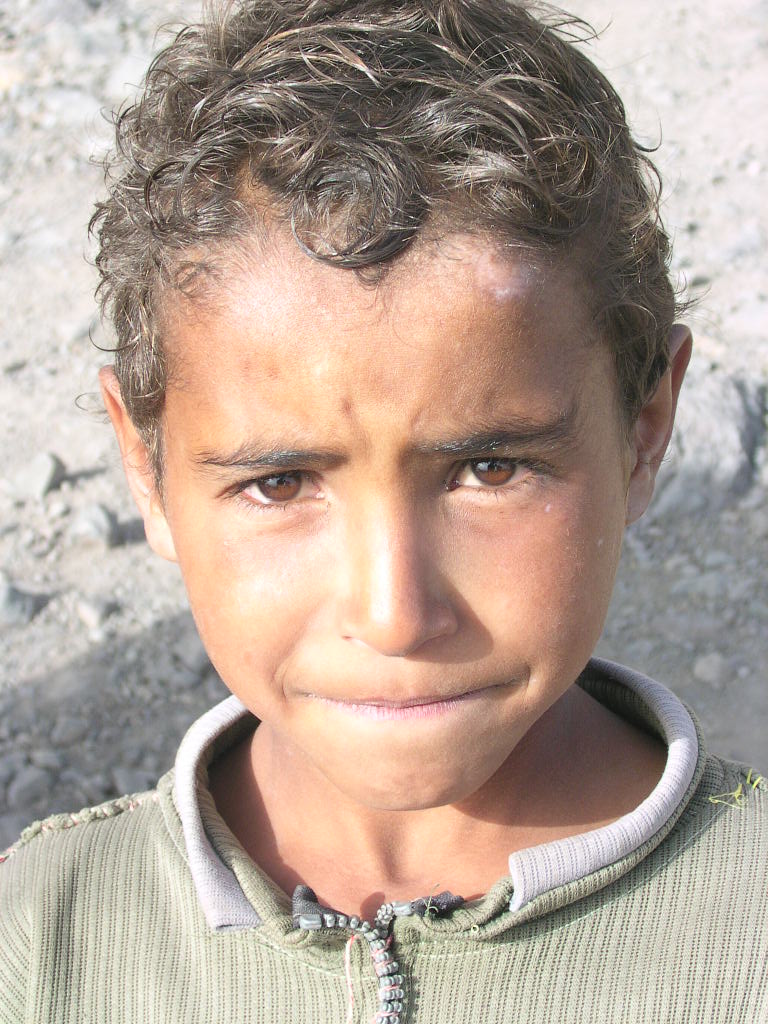
A boy from Taiz, Yemen

With the launch of the #weneeddiversebooks campaign last spring, the idea of diversity in children’s writing is everywhere these days. As the diverse books movement moves forward, all writers of kid lit should consider how to create diversity in their work.

Creating characters outside your race and ethnicity can sound daunting. It doesn’t have to be this way. My characters often represent cultures and races outside my own. In Traders of Incense, my protagonist is an Arab boy, based on my time spent in Yemen. In Pen and Quin and the Mystery of the Painted Book, Pen and Quin are Mexican American twins. My motivation behind creating these protagonists stems from my desire to connect with readers and view the world through the eyes of others.

Here are some suggestions on how to create authentic, diverse characters.

1) Mine your own background and experience.

I’ve had the chance to travel to some spectacular places, from Yemen to Peru. The people I’ve met and the cultures I’ve experienced changed the way I view the world.

Where have you traveled? It doesn’t have to be as dramatic as the Middle East. Perhaps you grew up in the South and now live in the Northeast, or vice versa. Or you came from a predominantly majority town and now work with people from different backgrounds.

Use these experiences as launching points for characters and settings in your work.

2) Consider your relationships.

Who do you hang out with? Are your friends, colleagues, and mentors different from you ethnically, economically, or culturally? If not, now is the time to examine those relationships and diversify! It’s difficult to write diverse characters when your own life doesn’t reflect diversity.

If you want to create characters outside your own experience and do so in an authentic way, you must reach out to people different from yourself with an open mind and heart. Be open with your intentions as a writer, but be authentic in your desire to develop the relationship. People love to talk about their families and traditions if you let them. My friends from other cultures and backgrounds have been great sources for me to draw on when creating my characters. Enjoy making new friends and learning new things!

3) Cultivate familiarity.

As you create your diverse characters, you must be familiar with the background and family you’ve chosen for them. Cultivating familiarity means putting yourself in a position to really know what it’s like to be your character.

It could mean studying a new language, traveling to a new city, or finding those places in your own city where your character would live, work, and play. Get familiar with it until it feels natural to you. Until that happens, your characters won’t feel authentic.

4) Do your research – and not just on Google.

Let me say that Google Earth is an amazing invention. I have used it countless times in my own work. A 360-degree street view? Yes! However, the internet cannot provide all the information you need to create your characters.

Doing your research should include finding places and people like your characters and talking to them, participating in events, and reading stories similar to your own, especially when those stories reflect the types of characters you’re creating.

5) Authenticate through readers.

This one is huge for writers creating characters outside their own backgrounds. If possible, I always include beta readers with ethnicities or backgrounds similar to my characters and ask them to read the story with an eye toward that aspect of the work.

For my story that includes Mexican-American protagonists, I asked friends who are Mexican and American, and now raising their Mexican American sons, to read the story. Listen carefully to the response of your readers, and be willing to tweak the story according to their response.

6) Be prepared for kickbacks.

As hard as you try, you won’t fully be able to escape criticism. There will always be people who question your ability to write a story about a Latina girl if you aren’t Latina, or who claim you can’t speak for a Muslim boy if you’re not Muslim.

OLYMPUS DIGITAL CAMERA

The author with a Yemeni friend

Certainly you want to avoid stereotyping as much as possible, but if you use your experiences, relationships, research and authentic readers well, you’ll be able to weed out many of the difficulties of writing across diverse backgrounds.

7) Love your characters and your story. Let them speak for themselves.

As writers, we get to choose the types of characters we create. We can’t let the fear of stepping outside of ourselves dictate our choices. The alternative would be simply staying within the comfort of your own race, background, gender, ethnicity, social status and nationality.

And I, for one, refuse to do that. The children we write for deserve better.

KimberlyMitchell2014Kimberly Mitchell loves journeys, real or imagined. She has traveled to five continents and speaks four languages. Kimberly is represented by Marlene Stringer of the Stringer Literary Agency and hopes to find publishers for her middle-grade novels soon. She lives in Northwest Arkansas with her husband and the best souvenir she ever found, a Yemeni cat.