Latinx in Publishing: Spotlight on Literary Agent Linda Camacho


Today, we are starting what we hope will be an ongoing, occasional series that highlights Latinx in the publishing industry. Our first post is a Q&A with Linda Camacho, an agent with the Prospect Agency

LiKL: Please tell us about your background and how you became a literary agent.

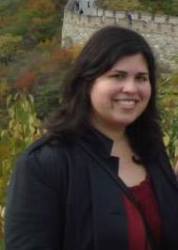
prospect-agency-profile-picLinda: After I graduated from college, I worked at Penguin on the adult side and eventually left to pursue other things. I flirted with the idea of law school, but I missed publishing, so it wasn’t very long before I decided to return to it. Only, the job market had just begun its plummet, so I couldn’t actually land a job. That led to a series of internships in various departments at Dorchester, Simon & Schuster, Random House, and Writers House literary agency. Thankfully, Random House eventually took pity and hired me! I did children’s marketing there, during which time I discovered a passion for kid lit as well—so much so, that I got my MFA in children’s writing from Vermont College of Fine Arts.

Initially, I wanted to be an editor, but my time at Writers House turned me onto the idea of agenting. Until then, I never really understood what agents actually did until I was given the chance to see it for myself. When I was later offered my position at Prospect Agency, I knew the flexibility of the role would be a better fit for me.

LiKL: We’d love for you to shed some light on all you do as a literary agent. What are all the things you handle? Is there such thing as a “typical” day that you can describe?

Linda: There’s so much that an agent does! We handle all our clients’ business affairs, so beyond contract negotiation, we represent their foreign, film/TV, audio and other subsidiary rights. We generally act as the liaison between the author and publisher (particularly when things get sticky) and help in the more mundane matters like payment collection for them as well. That’s on top of reading the queries and manuscripts of potential clients.

There’s really no typical day on the job, really. After answering emails first thing in the morning, I’ll check in on client submissions, nudging any editors who still have a manuscript and noting any passes or interest. I also try to go through queries pretty quickly. I get about 20 a day, so maybe no more than an hour, if that. Additionally, I edit client manuscripts for those I’m getting ready to submit to editors and, if time permits, I try to catch up on reading requested manuscripts from querying writers. That’s between editor lunches, client phone calls, and more emails that come up. It can feel pretty scattered.

LiKL: What is the most challenging part of your job? What is the most rewarding?

Linda: The most challenging part of the job is managing expectations. Even when my clients have reasonable ones, it can be difficult to keep their spirits buoyed in the face of rejection. I give plenty of pep talks, that’s for sure. Thankfully, I like talking (just ask my family members)! The most rewarding part? Why, making that call to my client to let them know they have an offer. That’s thrilling. Another agent once told me we’re like fairy godmothers that way, helping people’s wishes come true. I like that image!

LiKL: As a Latina in publishing, do you face any particular challenges?

Linda: In terms of challenges, I’m always looking to find more Latinx who are interested in not just writing, but in other areas of publishing as well. The fact is, not enough Latinx know about publishing as a viable career option. I’m part of an group called Latinx in Publishing, whose aim is to recruit and provide mentorship to help diversify our industry.

LiKL: With the brighter spotlight on diverse books, thanks to We Need Diverse Books and other groups, are you seeing a change in the types of manuscripts you’re receiving and/or what publishers want?

Linda: As a result of the diversity conversations occurring now more than ever, I’m seeing more under-represented writers submit to me, so that’s promising! And more editors are asking for diversity, so I remain hopeful that things will continue to evolve. It’s going to take a long time, but there has definitely been a shift. I’m also starting to get more commercial queries, which is exciting, because it can’t be all about “issue” books.

LiKL: What do you want? What’s on your wish list?

Linda: For adult fiction, I’d love to see more diverse romance and women’s fiction romance (please, please!). For kidlit, I do the occasional picture book, but those are very select. I’m focusing more on middle grade and young adult genre fiction across all genres–if it’s great writing coupled with a strong hook, send it my way!

LiKL: Are you open to queries? If so, how can writers submit to you?

Linda: I am! I accept queries via the electronic form on Prospect Agency’s submission page (http://www.prospectagency.com/boathouse.html)

LiKL: What is one of your all-time favorite kid lit books? Why?

Linda: Anne of Green Gables, hands down. Anne (with an e) is that smart, imaginative, short-tempered girl I always longed to be. Plus, I grew up in the Bronx and Anne’s life in the countryside couldn’t have been more different from my city upbringing.

LiKL: Anything else you’d like to add?

Linda: We need diverse writers, so I urge them to not give up. We also desperately need more diverse folks on the other side of the publishing table (i.e., in editorial, marketing, sales), so please apply to those openings and seek people out who can connect you to those jobs. We need you.

Book Review: Stef Soto, Taco Queen by Jennifer Torres


Reviewed by Caissa Casarez

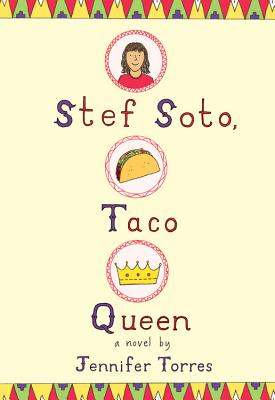
Stef Soto, Taco Queen CoverDESCRIPTION FROM THE BOOK’S BACK COVER: Estefania “Stef” Soto is itching to shake off the onion-and-cilantro embrace of Tia Perla, her family’s taco truck. She wants nothing more than for Papi to get a normal job and for Tia Perla to be a distant memory. Then maybe everyone at school will stop seeing her as the Taco Queen.

But when her family’s livelihood is threatened, and it looks like her wish will finally come true, Stef surprises everyone (including herself) by becoming the truck’s unlikely champion. In this fun and heartfelt novel, Stef will discover what matters most and ultimately embrace an identity that even includes old Tia Perla.

MY TWO CENTS: Jennifer Torres doesn’t waste any time introducing the readers to Stef and the people in her life, including Papi and her best friend Arthur in the first scene outside of their Catholic middle school. She notices Papi in his taco truck – known as Tia Perla for the rest of the book – and she gets angry because he had originally promised to let her meet him at a nearby gas station. This is the first of many conflicts Stef has with her parents about maturity at the seventh-grade level. The conflicts are about issues that come up in many houses of middle school students.

One of my favorite scenes of the book is in chapter 3, when Stef reminisces about the early stages of Tia Perla being in her family’s life. From what Torres describes as “kitchen-table whispers” about the kinds of beans and salsa it’ll feature (“nothing from a jar,” insists Mami) to learning the origin of the name (Stef’s pick), the entire scene was sweet and a key part of the story. The chapters in the entire book are short but detailed enough for readers of any age to get a glimpse into Stef’s life.

Despite the joy Tia Perla once brought to Stef, she feels anything but joy about the beloved truck as the book goes on. She tries to be nice to former-friend-turned-popular-girl Julia by offering her a ride home in Tia Perla, but Julia turns around and calls Stef the “Taco Queen” behind her back. This comes after Julia makes a scene before the start of their English class by announcing she has tickets to see local pop sensation Viviana Vega in concert. Torres then takes the readers into more of Stef’s life at Saint Scholastica School – trying to fit in and leave Tia Perla in the dust. Stef’s favorite day of the week is Tuesday, which she realizes is not common, because it’s when she has her art class. “And in art class,” Torres writes, “I never hear Mami’s voice telling me I’m too young, or Papi’s nagging me to be careful. I am in charge of the blank piece of paper in front of me, and I can turn it into something as vivid and adventurous or as quiet and calm as I want.” This part of the story stuck out to me because of the way Torres compares making art with wanting independence.

Stef spends every Saturday helping her Papi and Tia Perla during their busiest day of the week. They travel to farmers markets, parks, and other outdoor common areas in their city to feed the crowds with the scrumptious food they’re known for. Even though Papi seems grateful every time Stef helps him out, she still wants nothing to do with Tia Perla, especially when it gets in the way of her independent life she’s trying to create.

During a stop on one of Tia Perla’s routine Saturdays, Stef visits her other best friend, Amanda, after her soccer game. While the two are cooling off with the help of strawberry soda, they listen to the radio and eventually win concert tickets to see Viviana Vega. Stef is cautiously optimistic about her parents letting the two attend the concert alone – until they say no, despite her papi giving her a cell phone she thinks is to check in with them at the concert.

The book then turns its focus to two more complex and meaningful issues previously introduced before Stef’s blowup with her papi. Stef and her classmates decide to work together in a unique way to get more art supplies (hint: a school-wide event is included). And, in a move that impacts Stef more than she realizes, Papi’s business (and Tia Perla) is threatened by new proposed city rules that would impact all food trucks in the area, specifically the taco trucks. Stef seems more mature than others her age when she mentions translating important notes for her papi and others from English into Spanish.

The book ends with a couple of different twists that I didn’t see coming, but I believe both twists worked really well to help bring the story to a close. Stef learns to love all of the parts that make up her identity – even Tia Perla.

Torres does a wonderful job describing the characters and each place they’re in throughout the book. I felt like I was following Stef and her family and friends through their adventures. The book addresses many important topics that may be tough for some kids and families to discuss, but I believe the issues were written in a way that kids can understand. I felt for Stef during some of the scenes with her parents.

There are some basic Spanish words and sentences in the book, most of which are italicized except for one – Orale! That word appears several times in the book with several different meanings, which I loved. It helped set the tone for each of the different chapters, especially when Stef described each way it was written for each scene.

Overall, Stef Soto, Taco Queen is a wonderful read. It’s recommended for kids in grades 4-7 (ages 9-12), but I would suggest it to anyone looking for a story about a girl trying to find herself in this crazy world.

TEACHING TIPS: This book could be used to discuss the idea of working together to help solve problems, especially in the face of adversity. Stef’s art teacher, Mr. Salazar, helped his class raise money to bring in more art supplies, even though he was skeptical about their idea at first. The book could also be used in a way to discuss local politics for students. Not many middle-school students get involved with politics in such a way that Stef did, but I believe the book would be a good way to teach students how to make a difference in their community.

jtorresABOUT THE AUTHOR (from the book’s back cover): Jennifer Torres was 17-years-old–a senior at Alverno High School in Sierra Madre, California—when the first time a story of hers was published in a newspaper. The story was about making tamales with her family, but it was also about love and tradition and growing up. She went on to study journalism at Northwestern University and the University of Westminster. Today, she works as a freelance journalist and is the author Finding the Music, a picture book from Lee & Low. Jennifer lives with her husband and two little girls in central California. Stef Soto, Taco Queen is her debut novel.

BOOK LINKS: Amazon, Barnes & Noble, IndieBound, GoodReads


assertABOUT THE REVIEWER: Caissa Casarez is a proud multiracial Latina and a self-proclaimed nerd. When she’s not working for public television, Caissa loves reading, tweeting, and drinking cold brew. She especially loves books and other stories by fellow marginalized voices. She wants to help reach out to kids once in her shoes through the love of books to let them know they’re not alone. Caissa lives in St. Paul, MN, with her partner and their rambunctious cat. Follow her on Twitter & Instagram at @cmcasarez.

American Stories of Opportunity, Hope, and Ambition: A Guest Post by Author Jennifer Torres


By Jennifer Torres

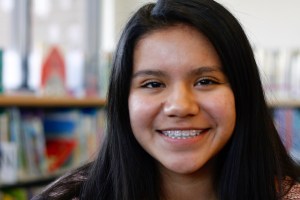
Melissa, an 8th grader who plans to go to MIT and be a college math professor.

Melissa, an 8th grader who plans to go to MIT and become a college math professor.

Escalon is a Spanish word that means “step” or “stepping stone.” It is also a small town in the heart of California’s agricultural Central Valley, surrounded by dairies and almond orchards. Just off Main Street there, across from American Legion Post 263, is the library where Melissa, an eighth grader, volunteers to read to younger children, sometimes in English and sometimes in Spanish.

“I think it’s important to read to kids because they get to know new things when they read a book,” she told me. Melissa’s own favorite books, she said, are mystery and fantasy novels. “It’s like a whole new world.”

Just like Melissa, many of the children who visit the Escalon Library are the sons and daughters of Mexican immigrants, families who saw, in the United States, a step toward opportunity and who courageously took it.

Stef Soto, Taco Queen CoverThose stories are American stories, and I hope that readers will recognize them in Stef Soto, Taco Queen.

The fictional Stef Soto, like millions of very real children in the United States who have immigrant parents, is a first-generation American.

Just like Melissa, Stef sometimes translates for her mom and dad.

Just like Stef, Melissa has parents whose hearts thunder with hope and ambition for their daughter.

“I want her to remember where she comes from, but her future is here,” Melissa’s mom, Adriana, told me in Spanish as she helped her daughter lead an arts-and-crafts project at the library. (She credits the San Joaquin County Office of Education’s Migrant Education department for encouraging her to become an advocate for Melissa’s learning). “I want her to graduate, to go to college, to have a better quality of life.”

She and her husband have encouraged Melissa to begin investigating colleges, to think about what she wants to study, who she wants to be.

“I’ve decided I want to go to the Massachusetts Institute of Technology,” Melissa said, braces glinting. “I think that’s a good one for what I want to do.”

What she wants to do is teach math. When I asked her what grade, she hesitated, sheepish about correcting me.

Finally, she shook her head. “No, I want to be a math professor. Like at a university.”

Just like I did—in a family that includes first-, second-, third- and fourth-generation Americans, as well as some who still live in Mexico—Stef is growing up speaking and listening to a vibrant mix of English and Spanish. We both find comfort in friends and family and warm tortillas, smeared with butter.

And just like all of us, I think, she is trying hard to figure out exactly where she belongs. Too often, for too many, it can feel like a here or there question.

But as I have learned, as students like Melissa remind us, and as characters like Stef discover, our stories are so much richer than that.

“I get to have both cultures,” Melissa said. “And I want people to know that immigrants are people—smart people—who want a better future, and so they came to this country. I think it’s really brave of them.”

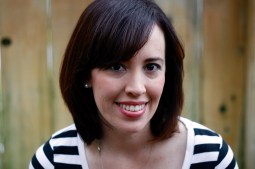
jtorresFrom the author’s website: Hi there. I’m Jennifer. I live with my family in California’s Central Valley, and I write stories. I used to work as a newspaper reporter, writing stories about real people, whose lives told us something about our world and maybe about ourselves. Now, I write books for young readers—books with make-believe characters whose stories, I hope, are just as full of life and truth as the real ones.

Check out my picture book, Finding the Music, published by Lee & Low Books, and look out for my debut middle-grade novel, Stef Soto, Taco Queen, coming January 2017 from Little, Brown Books for Young Readers.

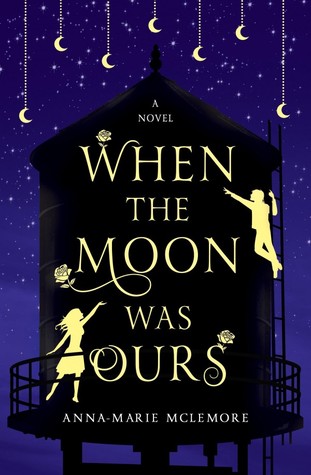
Book Review: When the Moon Was Ours by Anna-Marie McLemore


28220826Reviewed by Elena Foulis

DESCRIPTION OF THE BOOK: To everyone who knows them, best friends Miel and Sam are as strange as they are inseparable. Roses grow out of Miel’s wrist, and rumors say that she spilled out of a water tower when she was five. Sam is known for the moons he paints and hangs in the trees, and for how little anyone knows about his life before he and his mother moved to town. But as odd as everyone considers Miel and Sam, even they stay away from the Bonner girls, four beautiful sisters rumored to be witches. Now they want the roses that grow from Miel’s skin, convinced that their scent can make anyone fall in love. And they’re willing to use every secret Miel has fought to protect to make sure she gives them up.

MY TWO CENTS: When the Moon Was Ours, captures a beautiful love story full of colors, scents, musical prose, and magical realism. Miel and Samir are peculiar children; Miel grows roses from her wrists and Sam paints moons and hangs them in trees around town. Anna-Marie McLemore’s rich narrative walks us through the lives of Miel and Sam, two teenagers with complicated histories. Miel’s fear of water, ghosts, pumpkins, and tormented memories of her mother, are intensified when the town’s rusted water tower falls and water rushes out over the fields and her. It is at this moment that she appears in the town, at the age of five, alone, in a thin nightgown, and bathed in rusted water.  No one knows her or approaches her, except for Moon (Sam), who talks to her and covers her with his jacket. Miel goes home with Sam, but Aracely, the town’s curandera, offers to bring her home and look after her.

This town, like the novel, is full of mystery. There are four beautiful sisters, known as the Bonner sisters, who are thought to be witches. They usually get people to do what they want, and get boys to fall in love with them. They seemingly accept and care for Miel, but are manipulative and cruel to her when they think her flowers can help them get their powers back. The Bonner sisters are not free from gossip, envy, unexpected pregnancies, and secret sexual desires. The readers slowly begin to discover that what makes everyone mysterious—aside  from the growing roses from Miel’s skin—is the world of secrets, half-truths, and distorted memories that each character holds. Hanging throughout the novel is the theme of gender fluidity. The story follows the blooming romance between Miel and Sam, who seem to tend to each other’s pains, desires, and bodily discoveries of unexpected peculiarities. Both Miel and Sam are foreign to the town, but it is Sam who is sometimes the target of discrimination because of the color of his skin and feminine features. Sam tells Miel the story his mother told him about bacha posh, a cultural practice in which families with no sons, dress a daughter as a son, and as an adult, the daughter returns to live as woman. Eventually, we discover how this tradition has impacted Sam’s life. Similarly, we learn about the connection between Sam’s life and Aracely, the town’s healer.

It is clear that the Bonner sisters are white, Miel is Latina, and Sam is Italian-Pakistani, and, although minimal, we can see how they experience life in this town. Las gringas bonitas, as Miel refers to them, are privileged and powerful, while Sam works the Bonner family’s fields. The theme of racial experiences or discrimination is not central to the novel, but it does point us to different lived experiences.

In the end, the novel is about acceptance and love. It is also about the complexity and danger of strict gender roles, and the freedom to live outside of that. For Sam, his assigned name and gender at birth did not match who he had become. The man he had become is the man who Miel loved. It is important to note the author’s personal story at the end of the book. Although she tells us at the beginning that this is a work of fiction, in the end, she explains her personal connection to Miel and Sam’s story. The author grew up listening to La Llorona stories, the weeping woman who, the legend tells, tried to drown her children by the river, and later learned about the story of the bacha posh, a cultural practice in Afghanistan and Pakistan. She also tells us about her marriage to a transgender male.

TEACHING TIPS: Teaching this novel opens up the opportunity to research different legends, traditions, and cultural practices in relation to gender plurality and sexuality. For example, recent stories from India and Mexico about cultures that have embraced a third gender have come to light.  The author’s page offers several links on interviews, music, and essays written about transgender awareness. As a pre-reading activity, teachers can also hold discussions about legends like La Llorona, children’s folk ghost stories, and the differences and similarities between curanderos/healers and witches. Further research into McLemore’s use of colors, scents, and other sensory descriptions can open up discussions about culture, mood, place, and magical realism.

Anna-Marie McLemoreABOUT THE AUTHOR: Anna-Marie McLemore was born in the foothills of the San Gabriel Mountains, raised in the same town as the world’s largest wisteria vine, and taught by her family to hear la llorona in the Santa Ana winds. She is a Lambda Literary Fellow, and her work has been featured by The Portland Review, Camara Oscura, and the Huntington—USC Institute on California and the West. Her debut novel The Weight of Feathers was a Junior Library Guild Selection, a YALSA Best Fiction for Young Adults book, and a William C. Morris YA Debut Award Finalist. When the Moon Was Ours is her second novel. 


headshot2016ABOUT THE REVIEWER: Elena Foulis has a Ph.D. in Comparative Literature and Cultural Studies from the University of Arkansas. Her research and teaching interests include U.S. Latina/o literature, and Digital Oral History. She is currently working on a digital oral history collection about Latin@s in Ohio, which has been published as an eBook titled, Latin@ Stories Across Ohio. She currently lives in Cleveland, Ohio.

¡Felicidades! to the 2017 ALA Youth Media Award Winners and Honor Books

Image result for congratulations

Congratulations to the authors and illustrators who were honored at the American Library Association’s Midwinter conference! The Caldecott Medal and Coretta Scott King (Illustrator) Award went to Radiant Child: The Story of Young Artist Jean-Michel Basquiat, written and illustrated by Javaka Steptoe. It’s a heartfelt and vibrant picture book biography about the childhood and life of Puerto Rican-Haitian American artist Jean-Michel Basquiat.

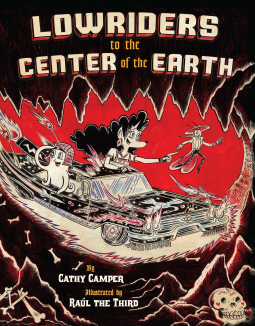
The newest Pura Belpré Awards went to Juana Medina for her book Juana and Lucas and Raúl the Third for his illustrations in Lowriders: to the Center of the Earth.

Click here for an inside look at Juana Medina’s studio.

And click here for more information about Juana, the author-illustrator.

But, wait…there’s more….

Click here for a review of the first Lowriders book.

And click here for a super-cool audio interview of Raúl by author-illustrator Robert Trujillo.

Here are the winners and honor books by/for/about Latinxs. Click on the covers for more information:

The Randolph Caldecott Medal for the most distinguished American picture book for children and the Coretta Scott King (Illustrator) Book Award went to:

18552623

Pura Belpré Award (Author) honoring Latino authors whose work best portrays, affirms, and celebrates the Latino cultural experience:

Winner:

28686882

Honor book:

25226174

Pura Belpré Award (Illustrator) honoring a Latino writer and illustrator whose children’s books best portray, affirm, and celebrate the Latino cultural experience.

Winner:

Image result for lowriders to the center of the earth

Honor Books:

28818354  28186139

Andrew Carnegie Medal for excellence in children’s video

22749711

Stonewall Award Honor Books included:

28220826

Alex Awards for the 10 best adult books that appeal to teen audiences. The list included:

25938482

25666051

Del inglés al español: entrevista con Teresa Mlawer


Readers, this is a first for us–a complete article in Spanish! We are delighted to present this guest post, an interview with the translator Teresa Mlawer, originally published on the blog Lapl en español, a service of the Los Angeles Public Library. We are reprinting it with their permission. 

blog-post-cover-teresa-mlawerby Patricia Tarango, Multilingual Collections Librarian, Los Angeles Public Library

Introduction: A recipient of the nation’s highest honor for library service—the National Medal from the Institute of Museum and Library Services, the Los Angeles Public Library serves the largest and most diverse urban population of any library in the nation. Its Central Library, 72 branch libraries, collection of more than 6 million books, state-of-the-art technology accessible at www.lapl.org, and more than 18,000 public programs a year provide everyone with free and easy access to information and the opportunity for lifelong learning. Lapl en español is the Spanish language blog written by library staff.

Del inglés al español: entrevista con Teresa Mlawer

Desde que tradujo Silvestre y la piedrecita mágica en 1980, Teresa Mlawer ha completado más de 500 traducciones de libros del inglés al español. Muchos de los libros que ha traducido son considerados clásicos universales de la literatura infantil y juvenil. Teresa fue pionera en este campo, y hoy continúa haciendo posible que niños tengan acceso a maravillosas historias en su idioma, el español. Tuvimos la dicha y el honor de conversar con Teresa y de preguntarle sobre su experiencia como traductora, editora y experta en libros infantiles.

1 – ¿Qué tan importante ha sido para usted traducir al español libros clásicos como Silvestre y la piedrecita mágicaBuenas noches luna y Donde viven los monstruos?

En 1975 comencé a distribuir libros en español. En aquel entonces, la mayoría de los libros infantiles venían de España, y unos pocos de México y Argentina. Muchos eran libros de autores de esos países o traducciones de otros idiomas, pero no necesariamente de libros publicados en Estados Unidos. Como vendíamos principalmente los libros infantiles a las escuelas, los maestros empezaron a pedir traducciones de libros en inglés como Silvestre y la piedrecita mágicaDonde viven los monstruos y Buenas noches luna. Entonces empezamos a publicar algunos libros bajo el sello de Lectorum y a recomendarles a las editoriales americanas que publicaran ediciones en español de sus clásicos. Fue así como muchas editoriales americanas me contrataron para que yo hiciera estas traducciones.

Por ejemplo, traducciones como Buenas noches lunaHarold y el lápiz color morado y Donde viven los monstruos, las hice para HarperCollins. Cuando no lograba que las editoriales de Estados Unidos publicaran ediciones en español de sus libros, le recomendaba los libros a las editoriales españolas con miras a vender en este mercado y muchas empezaron a aceptar mis sugerencias, ya que era importante que los niños hispanohablantes pudieran leer traducciones al español de algunos de estos magníficos libros que sus compañeros de clase podían leer y disfrutar de su lectura en inglés. Esto tuvo una gran aceptación en los años 80 cuando la educación bilingüe tuvo un gran auge, especialmente en California.

De hecho, casi todos los libros en español que yo le recomendé a HarperCollins siguen en prensa después de más de 25 años. Son clásicos que nunca mueren.

2 – ¿Cuál es su proceso para traducir un libro en español? ¿Cómo decide cuál es el vocabulario indicado?

Cuando yo traduzco para editoriales norteamericanas o para una editorial mexicana, uso un vocabulario neutral, del español de Latinoamérica. Un vocabulario neutral que lo entienda todo el mundo. Sin embargo, si traduzco una historia que tiene lugar, por ejemplo, en la República Dominicana o que tiene lugar en Puerto Rico, y hay alguna palabra que es indígena de ese país, la utilizo porque considero que es importante respetar la voz del autor y el vocablo de ese país.
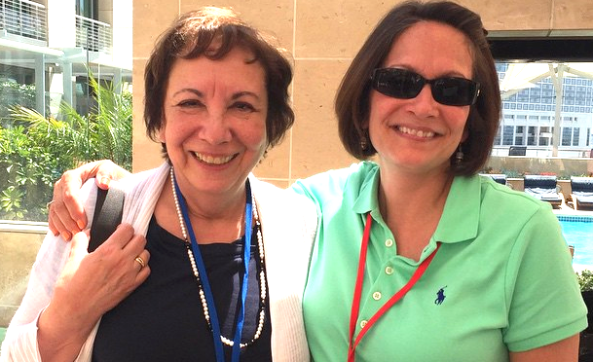
teresa-mlawer-y-meg-medina-reforma

3 – Yo leí uno de los blogs de Meg Medina y ella dijo como le gustó que usted fuera la traductora de su libro Mango, abuela y yo, porque usted le puso el sabor indicado al dialecto de Cuba.

Exactamente. A eso es lo que me refería anteriormente. Lo mismo sucedió cuando hice la traducción de Yaqui Delgado quiere darte una paliza porque en esta historia hay varias voces. Voces cubanas, puertorriqueñas, voces dominicanas. A Meg Medina le gustó mucho, por ejemplo, que en el libro de Mango, abuela y yo en lugar de usar la palabra cajones (común en México), elegí la palabra gavetas (común en Cuba) para traducir la palabra “drawers”. La voz de Meg, aunque universal es cubana, y especialmente en esta historia. Por encima de todo, yo siempre respecto la voz del autor/autora en mis traducciones.

Acabo de traducir el libro que ganó el premio Newbery este año, Última parada de la calle Market (Last Stop on Market Street), publicado por Corimbo, en España. Soy muy cuidadosa y tuve un par de dudas al traducir unas partes del libro. Como conozco a Matt de la Peña le escribí y le pregunté: Matt, tengo un problema. No estoy segura si interpreto bien lo que tú tratas de decir. ¿Me puedes ayudar? Era una cosa muy sencilla y todavía me pregunto ¿cómo pude haber sido tan tonta? En una de las páginas, el niño se sube al autobús con la abuela. Entonces, la abuela le dice al niño: “Boy, what do we need a car for? We got a bus that breathes fire”. Y yo me preguntaba ¿cómo yo voy a traducir eso? ¿Cómo que el autobús echa fuego?
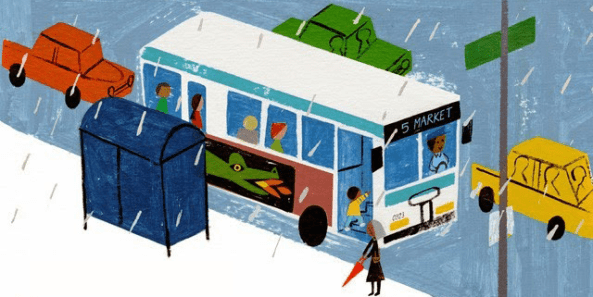
last-stop-on-market-street-interior2Llamé a Matt y él me dijo: “abre el libro y mira las ilustraciones con cuidado”. Abro el libro y miro el dibujo de la página y no veo que el autobús eche fuego. Entonces le dije: Lo siento Matt, pero no veo nada y Matt me contestó: “Teresa, mira al dragón que echa fuego”. Caigo en cuenta y le pregunto: Matt ¿crees que debo especificar que el autobús tiene un dragón pintado en un costado? Pero él me dijo: “No, no Teresa, los niños ven las cosas que no vemos los adultos y se darán cuenta de que se refiere al dibujo del dragón, y verán el fuego que sale de su boca.”

Para mí fue un libro muy especial de traducir porque es muy sencillo pero muy poético. Con pocas palabras Matt descubre todo un mundo en este libro.

Una traducción que me dio mucho trabajo fue la de Yaqui Delgado quiere darte una paliza porque Meg Medina tiene el don de la palabra y expresar sus palabras en otro idioma y a la vez mantener la fuerza que encierran sus palabras fue definitivamente un reto para mí. Meg me envió una carta que una profesora de una universidad que enseña un curso de traducción le escribió. En la carta, la profesora decía que había encontrado la traducción tan buena que la iba a usar en clase para que sus estudiantes examinaran este trabajo de traducción a fondo. Eso fue muy halagador.

Otra traducción que nos dio bastante trabajo fue la traducción de El Gato ensombrerado (The Cat in the Hat) de Dr. Seuss, que hice en colaboración con Georgina Lázaro. En este libro mantuvimos no solo la rima sino la métrica que es muy importante especialmente en las obras de Dr. Seuss. Traducir los libros con rima no es nada fácil. Hay quien traduce los libros con rima y no le presta atención a la métrica, o sea, el número de sílabas de cada estrofa, lo cual es muy importante en la rima. Esto es algo que aprendí de mi buena amiga y colega Georgina Lázaro. Ambas estamos muy orgullosas del resultado de nuestra colaboración.

Debo hacer hincapié que toda persona que escribe o traduce necesita la ayuda de un buen editor y corrector de pruebas. Yo personalmente nunca he publicado un libro o una traducción que no haya sido revisada antes. En España tengo una editora que tiene un gran dominio de la gramática, y ella revisa todas mis traducciones.

 4 – ¿Qué tan importante es la diversidad cultural en los libros para niños?

Esa respuesta la conoces tú mejor que nadie. Yo creo que es muy importante que los niños se vean reflejados en los libros. Todavía queda mucho camino por recorrer, pero creo que hemos avanzado un poco y que honestamente las editoriales norteamericanas están poniendo de su parte para que haya más diversidad en los libros que publican. Pero también tenemos que pensar, que con tantos millones de hispanos en este país, es un número reducido de escritores que escriben literatura infantil y juvenil. Necesitamos que más autores latinos escriban para niños.

5 – En su opinión ¿qué importancia tienen los libros bilingües en Estados Unidos y especialmente en una ciudad como Los Ángeles?

Existen muchas opiniones al respecto, pero yo te voy a dar mi opinión personal, basada en lo que yo he podido observar en el mercado durante todos estos años. Hay mucho interés por parte de los editores, de los bibliotecarios y de las librerías porque se publiquen más libros bilingües. Ahora, cuando yo hago una traducción de un libro que es bilingüe, de alguna forma, al tratar de seguir el texto lo más fielmente posible, uno de los dos idiomas no fluye natural. Por eso yo personalmente prefiero dos ediciones separadas: una en inglés y otra en español. Aunque no dejo de ver las ventajas de algunos libros, como poco texto, en ambos idiomas.

Es importante que cualquier libro bilingüe sea escrito por un autor que domine ambos idiomas. Si esto no es posible, se debe contratar a un traductor para el español o el inglés cuya lengua materna sea a la que va a traducir. Hay que respetar ambos idiomas: el inglés y el español y que ambos sean totalmente correctos y que fluyan bien.

6 – ¿Está trabajando en algunas traducciones ahora?

Traduje hace poco la historia Esperando (Waiting) de Kevin Henkes. También acabo de terminar la traducción al español de Ladder to the Moon (Escalera a la Luna) que escribió hace ya algún tiempo la hermana de Barack Obama y que fue ilustrado por la increíble ilustradora Yuyi Morales.

También recientemente traduje un libro que me encantó. Un libro que tiene rima, métrica y un mensaje muy especial, El pez pucheros (The Pout-Pout Fish). Traducir este ingenioso libro, lograr la rima, la métrica y el mensaje de la autora, me tomó mucho tiempo, pero quedé muy complacida con el resultado final.

7 – ¿Hay algún libro (o libros) que le recuerde su infancia o que a usted le haya impactado?

Un libro que me impactó mucho y que traduje hace 25 años fue Los cien vestidos (The Hundred Dresses). Cada vez que pienso en la historia o la leo, me entran ganas de llorar. Otro libro que también me impacto mucho fue Sadako y las mil grullas de papel (Sadako and The Thousand Paper Cranes).

8- ¿Qué le diría usted a los padres, maestros y tutores para motivarlos a inculcar en los niños el amor por la lectura y la importancia de que mantengan el idioma suyo o de sus padres mediante la lectura de buenos libros en español?

Yo creo que los maestros y los bibliotecarios son los mejores promotores de la literatura infantil y de que los niños lean. Sé que es importante que los niños aprendan inglés y que lean en inglés, pero también es importante que no pierdan su idioma, o el de sus padres o abuelos. Es importante que los niños se sientan orgullosos de sus raíces. Yo llevo 56 años en Estados Unidos y aprendí inglés, pero cada vez mi español es mejor porque hago uso del español constantemente.

Yo creo que el trabajo comienza desde el hogar. Cuando yo era pequeña, mis padres siempre el Día de Reyes me dejaban juguetes, pero también me dejaban libros, dejando bien claro la importancia que para ellos tenían los libros en casa. Mi madre trabajó en una librería antes de casarse y el amor por los libros y la lectura nos lo inculcó desde pequeñas a mi hermana y a mí. Los padres son los primeros maestros de sus hijos y de ellos los niños aprenden con el ejemplo. Hay que darle a los libros y a la lectura la importancia que merecen en el hogar.

Lista de librosDel inglés al español: libros traducidos por Teresa Mlawer