The 2014 International Latino Book Awards Winners!!

Below are the first place winners of the 16th Annual International Latino Book Awards in the children’s, youth, and young adult categories. If you click on the images, you will be taken to Goodreads, Barnes and Noble, or Amazon for more information. The Awards are produced by Latino Literacy Now, an organization co-founded by Edward James Olmos and Kirk Whisler, and co-presented by Las Comadres para las Americas and Reforma, the National Association to Promote Library and Information Services to Latinos. The Awards were announced this past weekend, on June 28, in Las Vegas as part of the ALA Conference. For the complete list, which includes adult fiction, nonfiction, and second place and honorable mention winners, click hereCONGRATULATIONS TO ALL OF THE WINNERS!!

Best Latino Focused Children’s Picture Book: English

18296043

Best Latino Focused Children’s Book: Spanish or Bilingual

17265250  19483940

Best Children’s Fiction Book: English

Best Children’s Fiction Picture Book: Bilingual

17940785

Best Children’s Fiction Picture Book: Spanish

17802285

Best Children’s Nonfiction Picture Book

13610203

Best Educational Children’s Picture Book: English

15791044

Best Educational Children’s Picture Book: Spanish or Bilingual

Hola! Gracias! Adios!

Most Inspirational Children’s Picture Book: English

18371476

Most Inspirational Children’s Picture Book: Spanish or Bilingual

Pink Firetrucks

Best Youth Latino Focused Chapter Book

10436183  16670129

Best Youth Chapter Fiction Book: English

17166339

Best Youth Chapter Fiction Book: Spanish or Bilingual

Best Youth Chapter Nonfiction Book

Most Inspirational Chapter Book

The Adventures of Chubby Cheeks: The Pro Quest

Best Young Adult Latino Focused Book: English

15769992

Best Young Adult Latino Focused Book: Spanish or Bilingual

Los Pájaros No Tienen Fronteras by Edna Iturralde

Best Young Adult Fiction Book: English

15798660

Best Young Adult Fiction Book: Spanish or Bilingual

La Guarida de las Lechuzas by Antonio Ramos Revillas

Best Young Adult Nonfiction Book

Best Educational Young Adult Book

Most Inspirational Young Adult Book

15769992

Best Book Written by a Youth: English

15020431

Best Book Written by a Youth: Spanish or Bilingual

  Serendipity, Poems About Love in High School

Best Children’s Picture Book Translation: Spanish to English

17465058

Best Children’s Picture Book Translation: English to Spanish

Best Chapter/Young Adult Book Translation: English to Spanish

El Gusano de Tequila

Best First Book: Children’s and Youth


The Little Ecuadorian Mermaid

web_mermaid

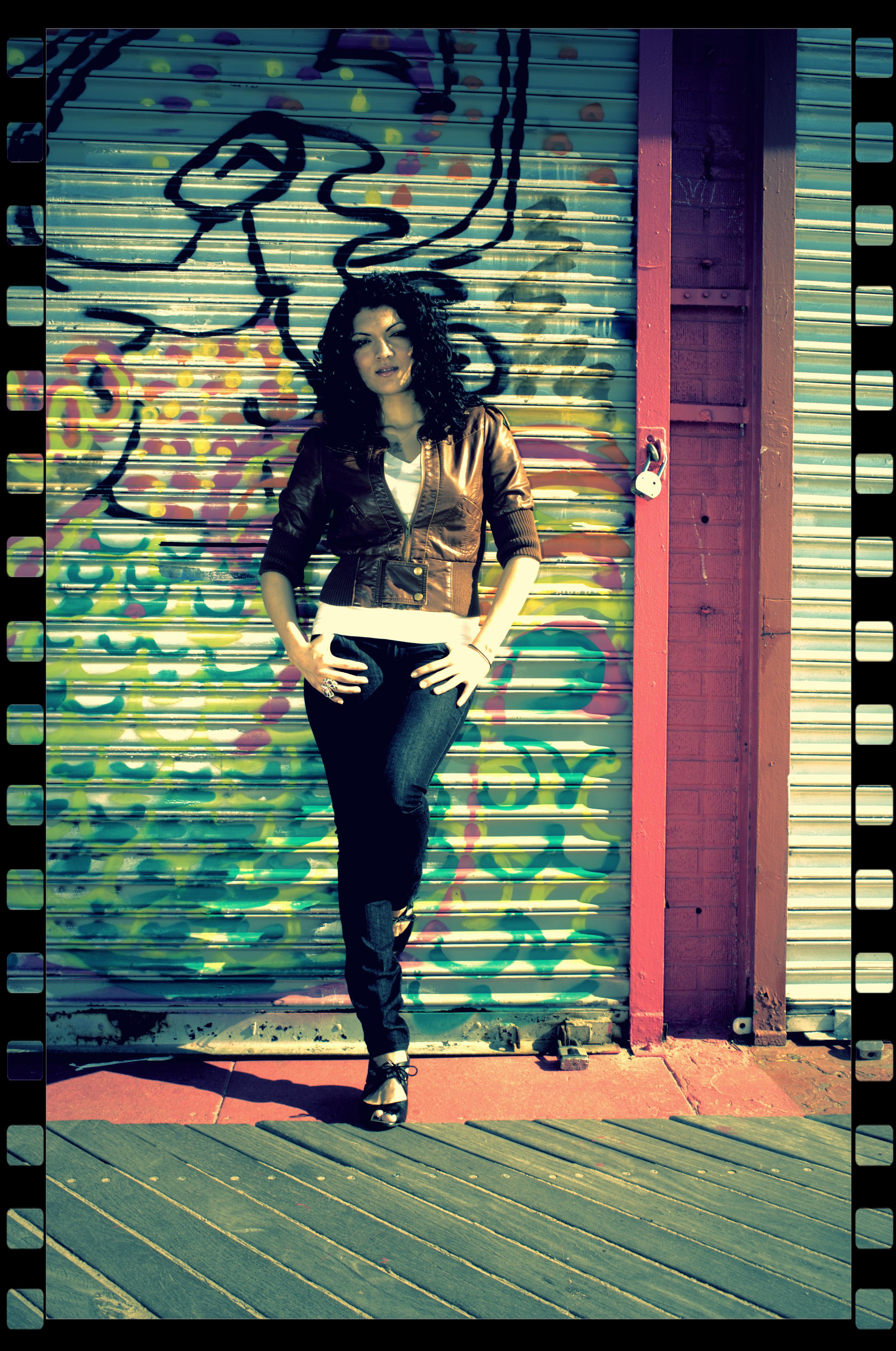
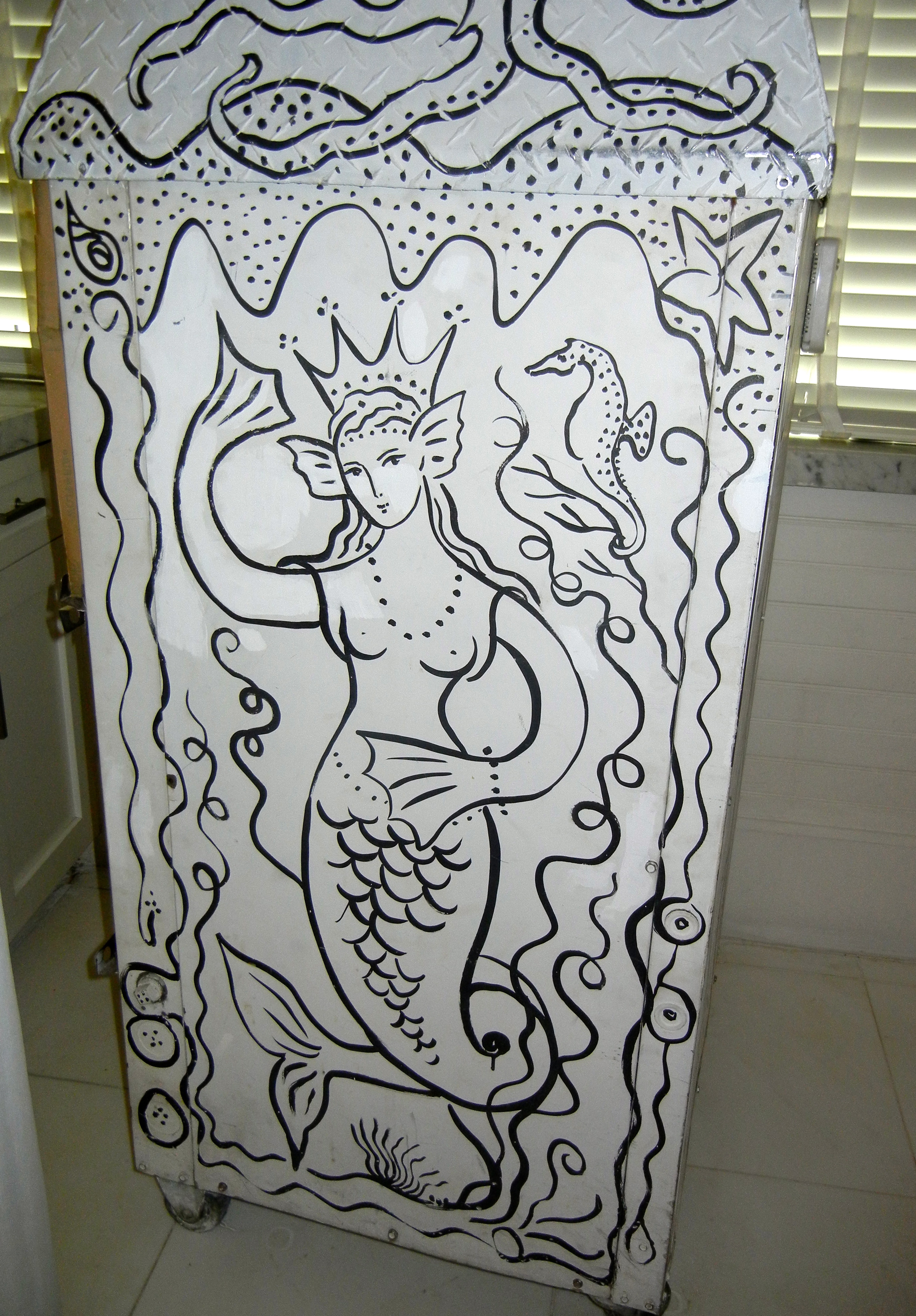
Graffiti mermaid at the Lola Starr store in Coney Island

By Zoraida Córdova

Welcome as we kick off our LATIN@S IN SCI-FI & FANTASY MONTH!

After the release of my first book someone told me that mermaids were cool and all, but I should write about my own “experience.” I remember the words more than the guy who said them to me. Now, I believe that fantasy stories are a great metaphor for coming of age. I have a 16 year old dude who turns into a merman and the first thing he worries about is how his body changes (typical boys). In Blood and Chocolate, the very sexy werewolf is a metaphor for the changes girls go through when they menstruate. Hell, watch the first three seasons of Buffy the Vampire Slayer for stories that are magic, but still mirror “normal” teenage coming of age.

mermaid laptop

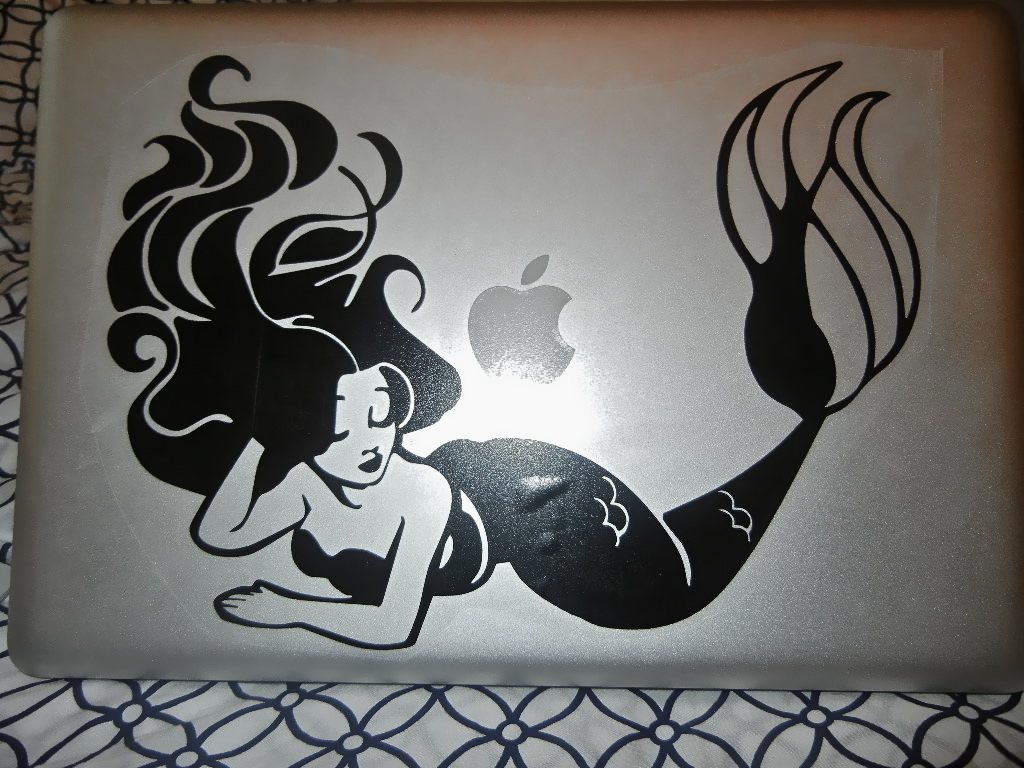
My laptop

But when this guy told me all these years ago to write about my “experience,” he wasn’t talking about coming of age, he was talking about my immigrant experience. Some time ago, I put out a question to Twitter for links to Latin@s writing YA fantasy, and I got back “Have you read Isabelle Allende’s YA series?” (She is a BAMF in her own right, but still). While I love contemporary stories, and I think it’s important to read all kinds of narratives that show how different each Latino experience is in the U.S., the stories I want to write are about magic.

Mermaid_blog

from @Pocoquattro

I grew up listening to my grandmother sing to me. I grew up reading fables and getting scared of el Cuco and la Llorona. When I started writing The Vicious Deep trilogyI knew I was writing a book that had been brewing in my head for years. For a long time when people remarked “You speak English so well,” I would respond with “All I did as a kid was watch The Little Mermaid,” so that’s how I learned to speak English. It’s true, I watched it every day, rewinding the VHS as soon as Ariel got her happy ending. Whether or not it was my vehicle for the English language is debatable, but it’s become part of the story I tell.

I’ve always been drawn to magic and magical things. I want to believe in magic, and the way that I can show that is through creating magical worlds. When I was in high school my favorite books were about vampires and witches and dragons. It was book browsing at a B&N with a friend that pushed me to really write about mermaids. The conversation went something like this:

Me: I can’t find a mermaid story that I really love.

Him: So write one.

Me: Yeah…

THAT’S IT. I listened. I took a notebook with me to the beach (Coney Island, obvs) and this story LITERALLY poured out of my head. (Two points from Ravenclaw for improper use of “literally.”)

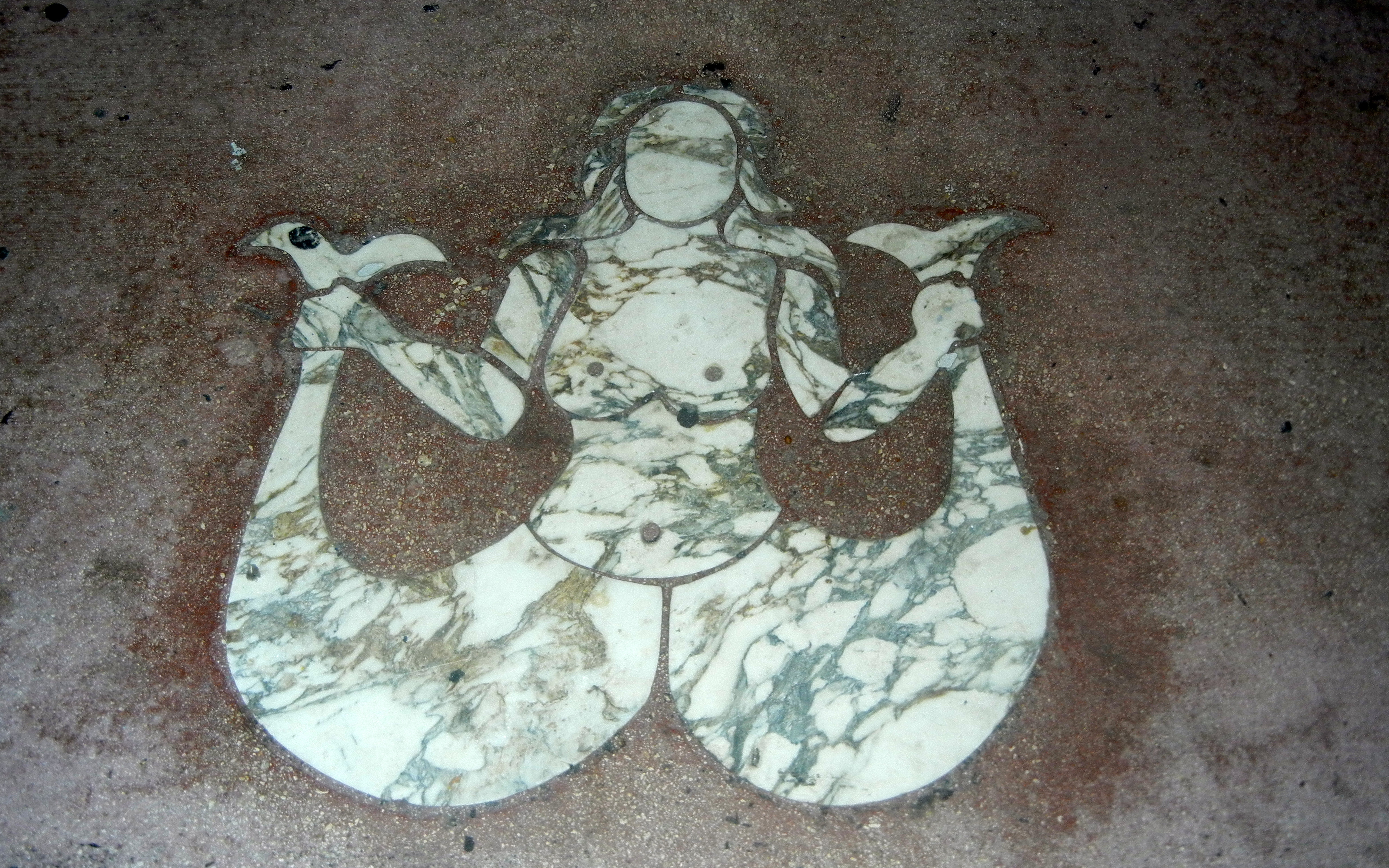
Mermaid on the ground in South Beach.

Mermaid on the ground in South Beach.

If you don’t see the story you want to read on the shelves, write it. Mermaids have always been magical to me, but it wasn’t until someone else pointed it out that I realized I could add my own mythology to my favorite magical creatures. Lately, we’ve been talking about diversity a lot, and I think the same thing applies to that. You don’t see yourself represented? Write your own story. If you want to write about magical ponies that travel through time, do it. If you want to write about the story of a girl who is looking for summer romance, do that, too.

I wonder if the reason there aren’t more Latin@s writing as much SF/F is because people (like that dude mentioned earlier) assume that the only story we have to tell is one of immigration or assimilation. And that’s just not so. If you check out this list from Cosmopolitan of 5 Latina YA authors to look out for, all of these stories fall in SF/F category. And if you go to Diversity in YA, they have an awesome list of just some Latin@s (authors and/or characters) in SF/F.

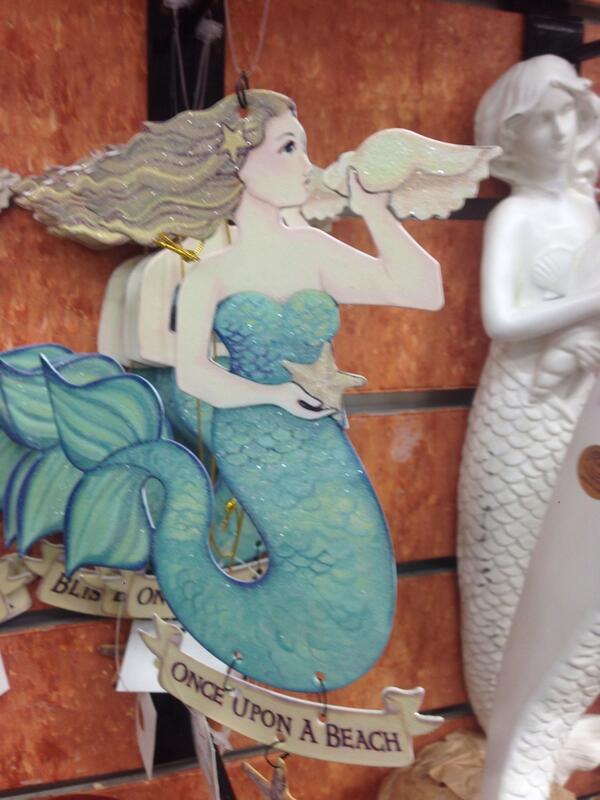
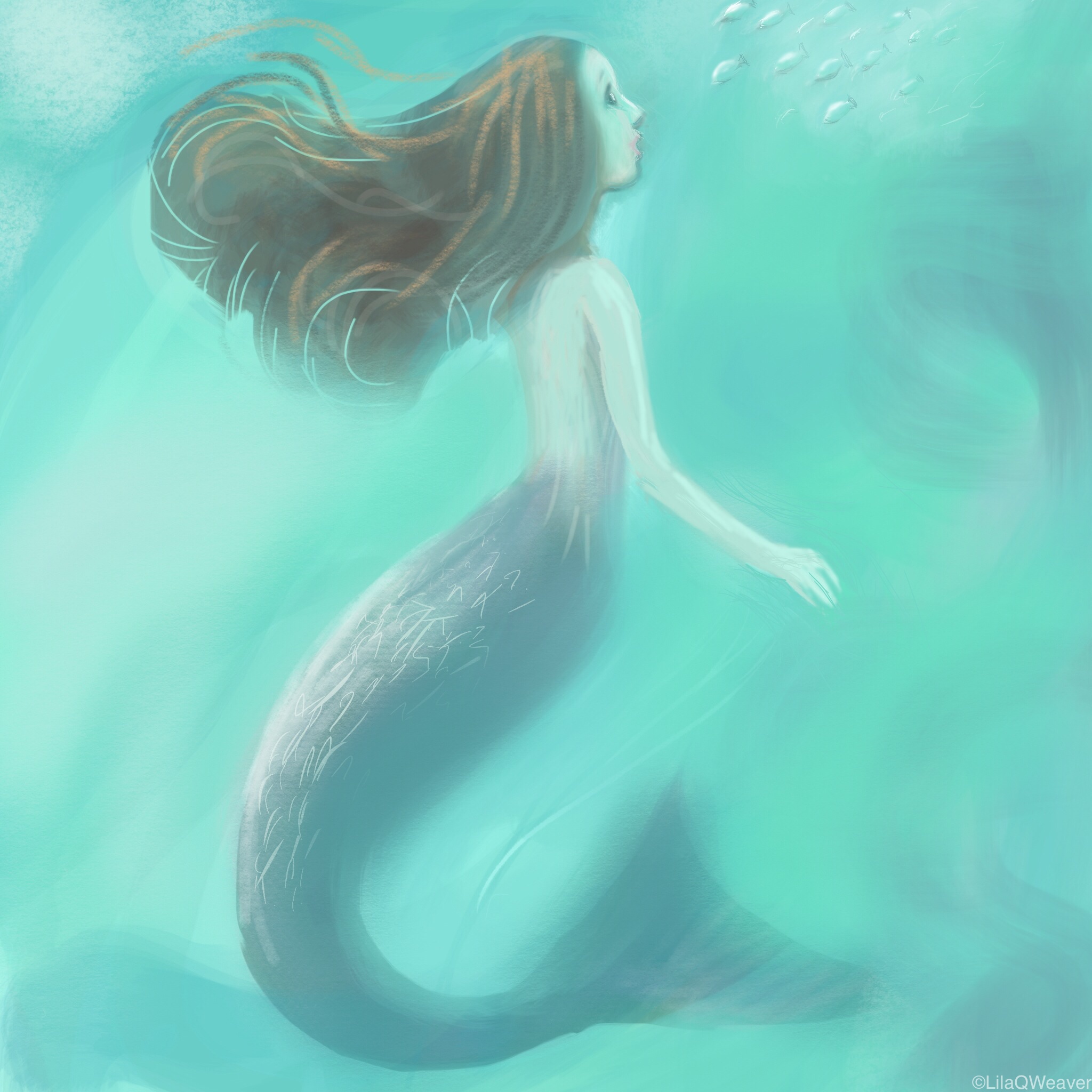
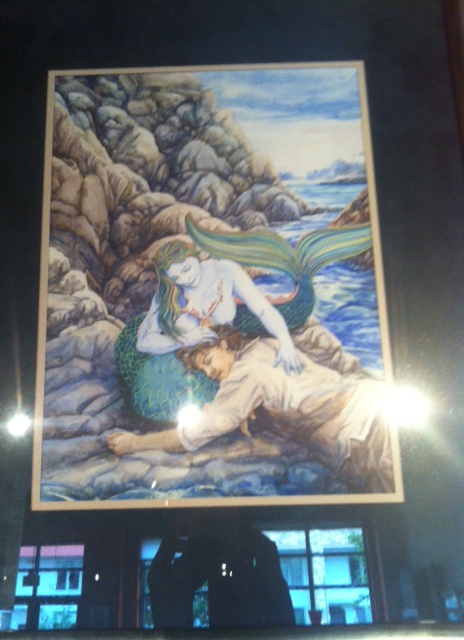
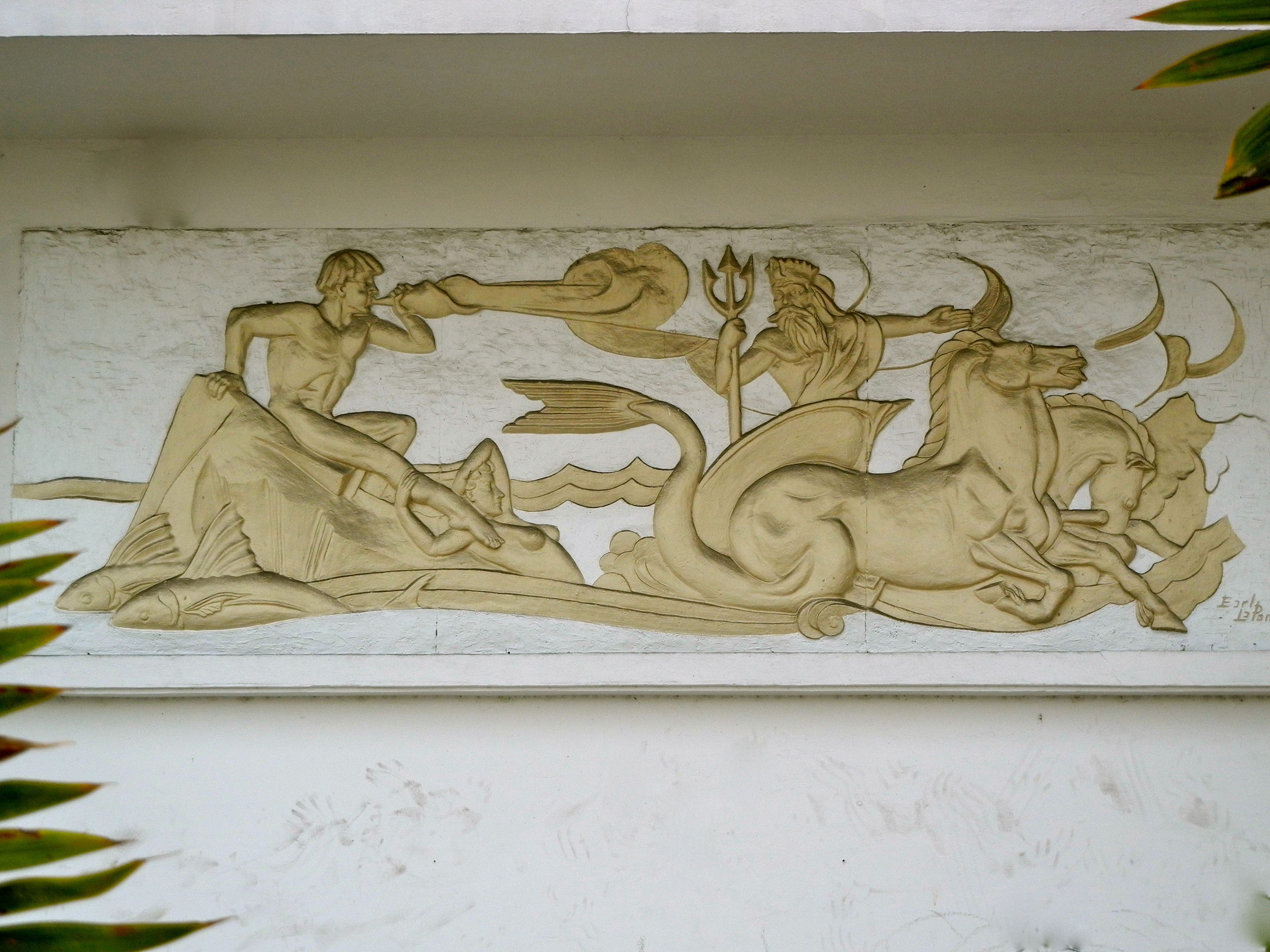
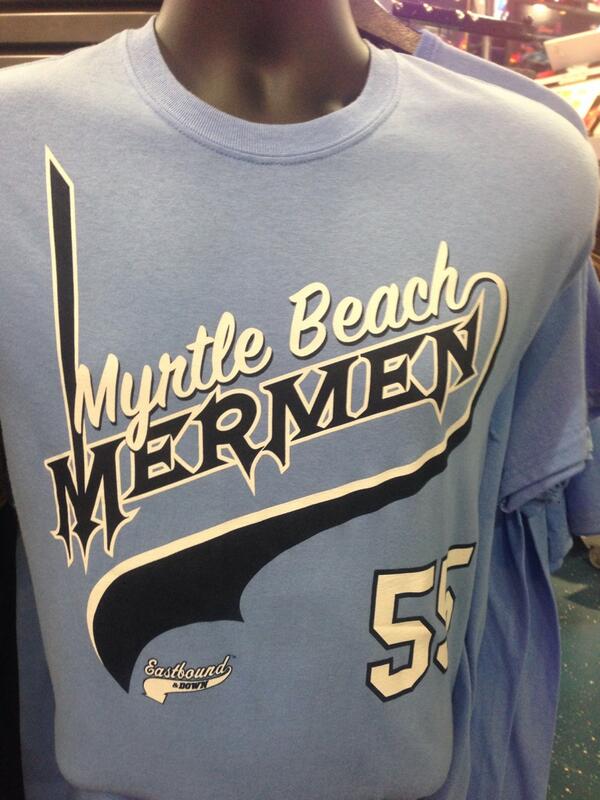
Tomorrow is the launch of the third book, The Vast & Brutal Sea.  I want to share some images of mermaids around town. I asked the lovely ladies of Latin@s in Kid Lit (and some from Twitter friends) to snap photos of mermaids if they happen upon them:

photo (11)

Original art by the super talented Lila Weaver

photo (9)

From Stephanie Guerra. Cafe Torino, downtown Seattle

Triton! South Beach

Triton! South Beach

The Sagamore Hotel in South Beach

The Sagamore Hotel in South Beach

mermaid_3

From @PoccoQuattro.

A friend sent this to me. Art by Paul Webb from St. Louis.

A friend sent this to me. Art by Paul Webb from St. Louis.


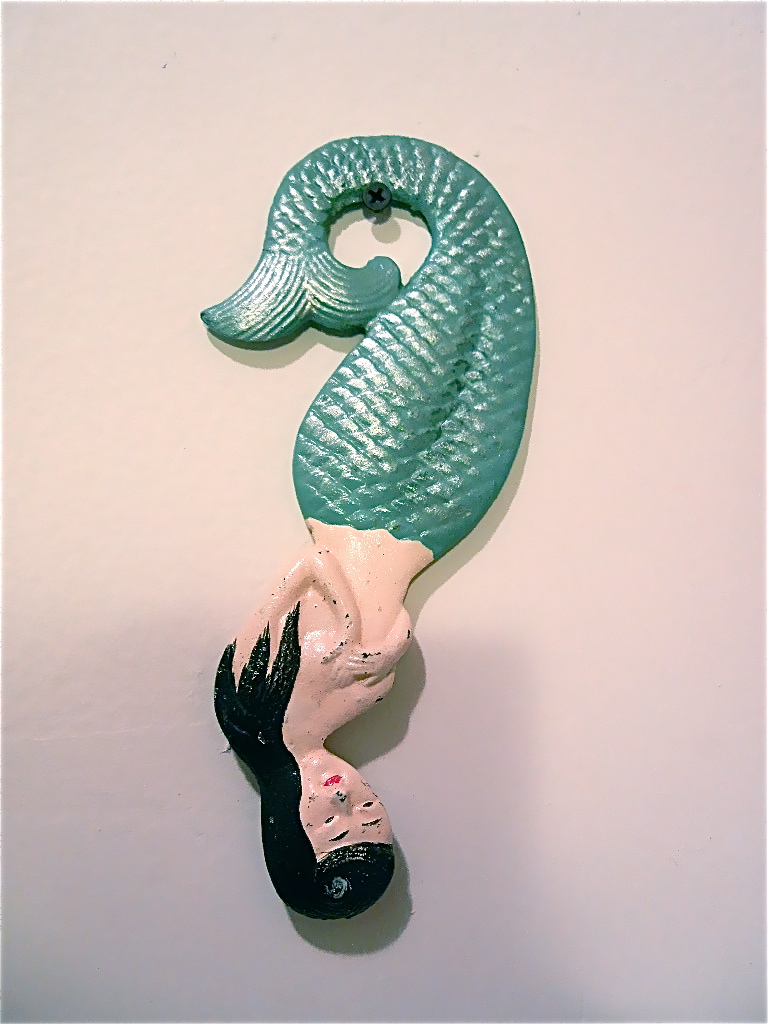
And now from my apartment, the Chateau Mer-mont: 

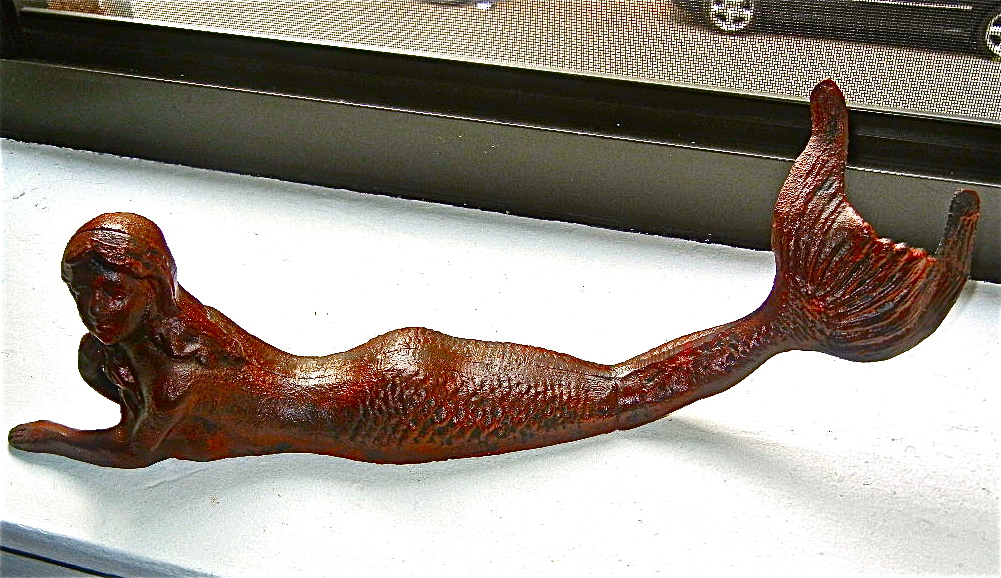
mermaid bottle opener

Her tail opens bottles. That’s talent.

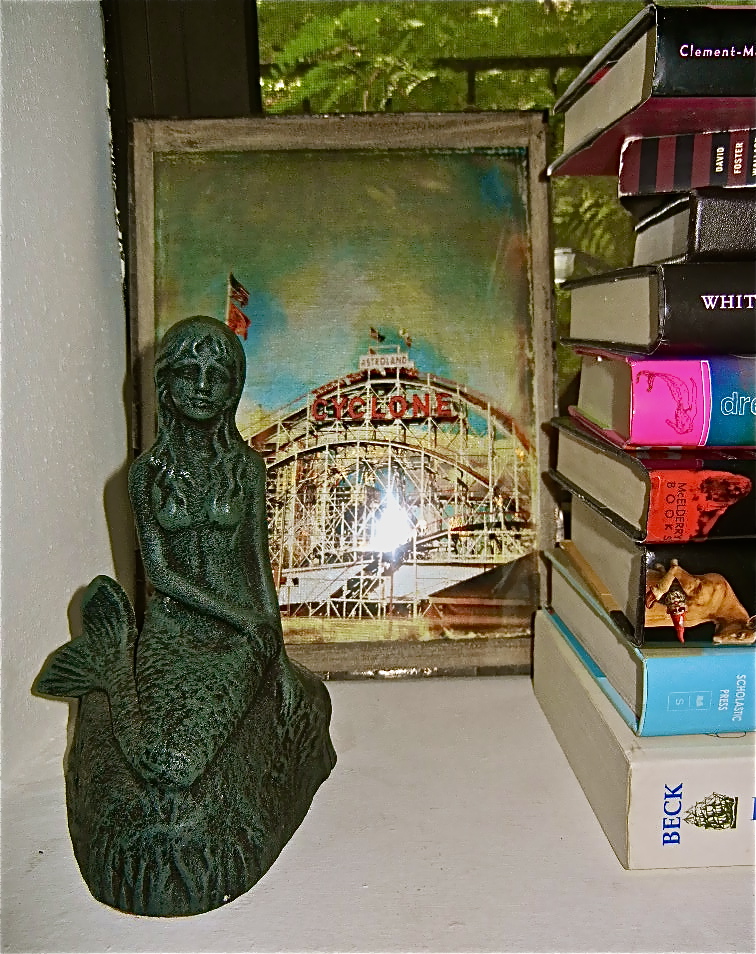
mermaid and coney

My bookend…not holding up any books.

mermaid fancy

My fancy mermaid being fancy


I hope from now on you’ll start seeing mermaids everywhere. For now, follow my blog tour over at www.zoraidacordova.com I hope you enjoy the rest of our SF/F month!


Swim with the fishies like,

Zoraida

Book Review: The Lightning Dreamer by Margarita Engle

By Lila Quintero WeaverLightning Dreamer notable

DESCRIPTION FROM THE BOOK JACKET: Tula is a girl who yearns for words, who falls in love with stories, but in Cuba, girls are not allowed an education. No, Tula is expected to marry well—even though she’s filled with guilt at the thought of the slaves Mamá will buy with the money gained by marrying Tula to the highest bidder.

Then one day, hidden in the dusty corner of a convent library, Tula discovers the banned books of a rebel poet. The poems speak to the deepest part of her soul, giving her a language with which to write of the injustice around her. In a country that isn’t free, the most daring abolitionists are poets who can veil their work with metaphors, and Tula becomes just that.

In powerful, haunting verses of her own, Margarita Engle evokes the voice of Gertrudis Gómez de Avellaneda, known as Tula, a young woman who was brave enough to speak up for those who could not.

MY TWO CENTS: The novel begins in 1827. Tula’s mother, who twice made the mistake of marrying for love, is desperate to prevent her thirteen-year-old daughter from taking a similar path. Mamá’s motivations are clear-cut. A wealthy connection through Tula is the family’s only hope for propping up their shaky economic status. In 19th-century colonial Cuba, arranged marriages are the social norm, but Tula’s mother worries that a girl who buries her nose in books will not attract the right kind of husband–a rich one.
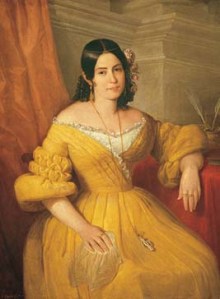
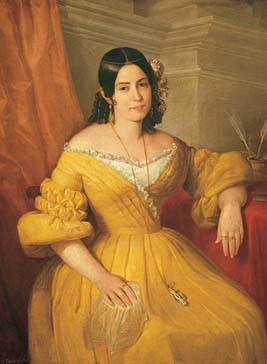
Who is Tula? Margarita Engle is acclaimed for novels in verse that bring to life history’s outliers, young men and women from previous centuries who thought and acted in surprisingly modern ways, and Tula stands tall among them. She’s based on Gertrudis Gómez de Avellaneda, a Cuban poet who championed liberty for all humans and wrote Sab, an abolitionist novel, the first of its kind in Spanish. Sab predated Uncle Tom’s Cabin, the Harriet Beecher Stowe classic, by eleven years. Avellaneda’s importance as an abolitionist and feminist writer is not widely known in English-speaking America. The Lightning Dreamer corrects this oversight and imagines Avellaneda’s formative years, just as she began to discover the life-changing force of poetry.

Marriageability is not the only issue that arises from Tula’s penchant for reading. She happens upon the forbidden poetry of José María Heredia, whose sharp observations awaken Tula’s passion for justice. In colonial Cuba, injustice is everywhere. Her eyes take in the plight of African slaves, biracial babies abandoned to the convent, lovers kept apart by miscegenation taboos, and girls like herself, doomed to business arrangements thinly masquerading as marriages. Tula expresses her ardor for justice through poetry, which she burns to keep her mother from discovering.

When Tula refuses the marriage that her grandfather arranges, she must rise to meet a string of new challenges. The inheritance is lost and her family is condemned to relative poverty. For a while, Tula finds refuge in a storyteller’s community, where she becomes entangled in an unrequited love. She moves away from the countryside to Havana, where she supports herself through tutoring. In 1836, her brother, Manuel, warns her that their mother is cooking up another arranged match. Tula flees for Spain, expecting to find greater social and creative freedom there.

The Lightning Dreamer is written in free verse and is voiced through multiple characters. Tula is the most frequent speaker. Short segments provide other characters’ point of view. A partial list includes Tula’s mother; Manuel; Caridad, the freed slave who works for the family; the nuns who offer Tula space to read and write in peace; and Sab. Each character speaks in first person. I imagine them as a series of stage players delivering brief and sometimes prejudicial monologues reflecting on Tula’s choices. This approach perfectly suits the fictionalized treatment of a young poet. The language is spare and often stunning, capturing vivid images and profound interiority, as in this excerpt:

When we visit my grandfather

on his sugar plantation,

I see how luxurious

my mother’s childhood

must have been,

surrounded by beautiful

emerald green sugar fields

harvested

by row after row

of sweating slaves.

How can one place

be so lovely

and so sorrowful

all at the same time?

READING LEVEL: 12 and up

TEACHING TIPSThe Lightning Dreamer is an ideal jumping off point for exploring a wide array of subjects suggested in the novel. These range from colonialism, to New World slavery and racism, to patriarchal societies and the history of women’s political movements. At the back of the book, extensive notes provide comparisons between the historical Avellaneda and Tula, her fictionalized counterpart. This section also includes Spanish and translated excerpts of Avellaneda’s poetry and a bibliography of related sources.

Margarita contributed a guest post to Latin@s in Kid Lit that illuminates her love of biographical writing.

Henry Louis Gates’ PBS series, Black in Latin America, may be of interest for classroom use, in conjunction with the reading of The Lightning Dreamer. The episode “Cuba: The Next Revolution” focuses on the ongoing struggle by Afro Cubans to overcome centuries of racism. There’s no mention of Avellaneda in this one-hour documentary film; nevertheless, interviews and scenery enriched my reading. The film is particularly effective in its treatment of Cuba’s history of slavery and the role of freed slaves in the protracted battle for independence from Spain. The ruins of sugar plantations dating back to the book’s era starkly reminded me of Tula’s world.

RECOGNITION FOR THE LIGHTNING DREAMER: Awards and honors continue to flood in. They include:

2014 Pura Belpré Honor Book

School Library Journal’s Top Ten Latino-themed Books for 2013

YALSA 2014 Best Fiction for Young Adults

For a full list of awards and more information, please visit Margarita’s author website. I also recommend following her on Facebook, where she frequently posts updates on appearances, interviews and release dates for new books.

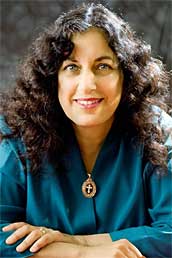
MargaritaTHE AUTHOR: Margarita Engle is a native of California and the author of many children’s and young adult books. She is the daughter of an American father and a Cuban mother. Childhood visits to her extended family in Cuba influenced her interest in tropical nature, leading to her formal study of agronomy and botany. She is the winner of the first Newbery Honor ever awarded to a Latino/a. Her award winning young adult novels in verse include The Surrender Tree, The Poet Slave of Cuba, Tropical Secrets, and The Firefly Letters.

FOR MORE INFORMATION ABOUT The Lightning Dreamer, visit your local library or bookstore. Also check out worldcat.org, indiebound.org, goodreads.com, amazon.com, barnesandnoble.com, and Houghton Mifflin/Harcourt.

 

Guest Post: Margarita Engle’s Passion for Writing About Hope and Forgotten Heroes

.

By Margarita Engle

Recently, I was asked what “legacy” I hope to leave by writing. Legacy is an intimidating word, but at least one portion of the answer is fairly simple. I love writing about independent thinkers who have been forgotten by history. These lost heroes might have been celebrated in their own times, or they may have worked in such obscurity that their names are unknown. Many are famous in their countries of origin, but have never been introduced to readers in the U.S.

Just a few years ago, any library search for children’s books about Latinos would have revealed little more than a series of shamefully inaccurate works glorifying brutal conquistadores. During the interim, excellent biographies of César Chávez and Sonia Sotomayor have been added, along with a handful of beautiful picture books about artists, writers, and musicians.

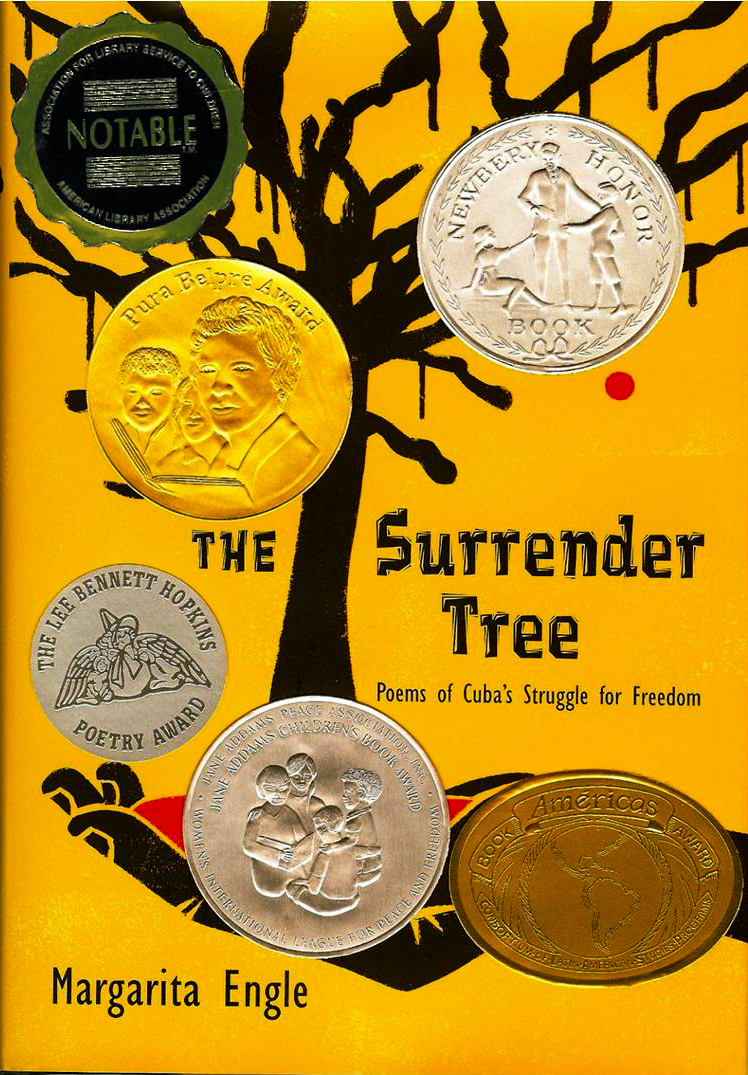
Surrende TreeThe work of reclaiming lost heroes has barely begun. My own approach is not strictly biographical because I love writing verse novels, and I also love writing first person interpretations of historical events. I often mix historical figures with fictional characters. In other words, I feel free to explore, experiment, and imagine. It’s a process that feels like time travel. Diaries, letters, and journals are my most important research materials, because they contain the emotional essence of history, along with the meticulous details of daily life. When I wrote The Poet Slave of Cuba, I was fortunate to have access to Juan Francisco Manzano’s autobiographical notes, which had been smuggled off the island by British abolitionists. For The Surrender Tree, I could not find anything written by Rosa la Bayamesa or any of Cuba’s other courageous wartime nurses, so I read the diaries of rebel soldiers, as well as interviews with reconcentration camp survivors. The Lightning Dreamer is based on the poetry and prose of Gertrudis Gómez de Avellaneda, who wrote a groundbreaking interracial romance novel that was published more than a decade before Uncle Tom’s Cabin. Not only was Sab far more daring, it was also more influential in Europe and Latin America. So why don’t North Americans know Avellaneda’s name? Does it make sense to learn only about our own little corners of the world?

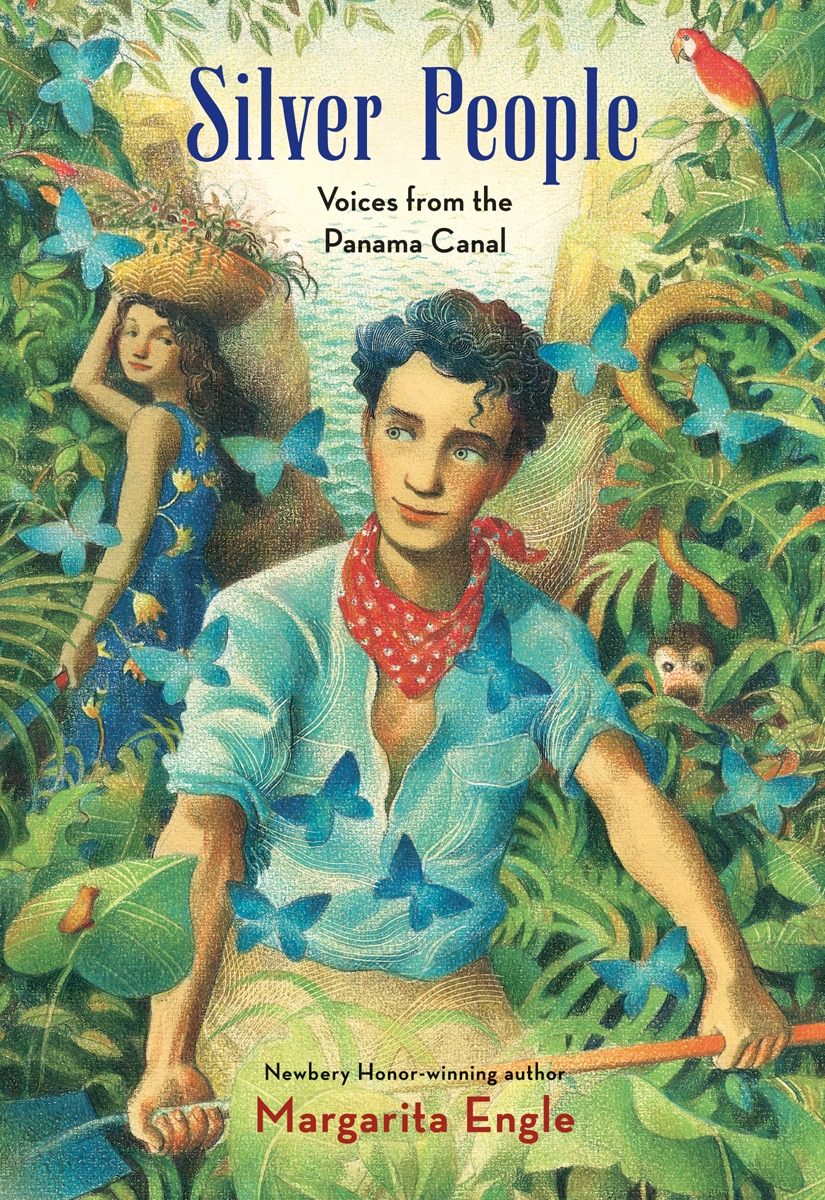
Hope is at the heart of every topic I choose. I love to write about people I admire. In general, I admire them because they were independent thinkers, far ahead of their times, or because their courage took the form of kindness. I don’t see history as a series of wars, with dates of battles to memorize and names of generals who are automatically assumed to be heroic. My heroes are the ordinary people who made hopeful choices in times that must have seemed hopeless. Tropical Secrets and Silver People are examples of topics so huge—the Holocaust, and construction of the Panama Canal—that I chose to write primarily in the voices of fictional composite characters, rather than individual historical figures. For Hurricane Dancers, the absence of first person indigenous Cuban accounts of the Conquest forced me to rely on a combination of legends, imagination, and the diaries of priests. I read the journals of conquistadores with skepticism, because they were written with a specific agenda—trying to make themselves look heroic, so that they could apply for additional funds from the Spanish Crown.

final Silver People cover-1Lightning Dreamer notable-1

Not all of my books are verse novels, and not all are for young adults. One of my favorite challenges is writing picture books about people who are not considered “famous enough” for biographical works. This limitation has actually helped me present my historical picture book manuscripts simply as inspiring stories, instead of struggling to make the subjects seem more famous than they are. Some are not famous at all, simply because Latinos, other minorities, and women, have generally been omitted from earlier historical writings. Sadly, recent history books tend to copy the earlier ones. The result is an entire segment of classroom curricula and pleasure reading with no representation of forgotten groups.

At present, I have several biographical picture books already in the publishing pipeline, and several that are still searching for publishers. None of them are about easily recognized names, if you live in the U.S. Thankfully, with the help of wonderful editors and fantastic illustrators, I hope that these picture books will inspire young readers. Drum Dream Girl (Harcourt, 2015) is being illustrated by the amazing Rafael López, whose gorgeous art will help illuminate the life of a ten-year-old Chinese-African-Cuban girl who broke the island’s taboo against female drummers. The Sky Painter (Two Lions, 2015) will have beautiful, scientifically accurate illustrations by Aliona Bereghici, to show how a boy of Puerto Rican origin became the world’s greatest bird artist, by allowing birds to live, instead of following Audubon’s tradition of killing and posing them.

If children have heard Latin jazz or visited New York’s Natural History Museum, they’ve heard and seen the results of Millo Castro’s courage and Louis Agassiz Fuertes’ kindness, even though they are unlikely to have seen those names in a library or classroom. I firmly believe that it is time to make room for books about the lives of people who should be famous, rather than limiting young readers to books about people who are already famous.

No discussion of biographical writing is complete without the subject of autobiography. Writing a childhood memoir has been the greatest challenge of my life. It is strictly nonfiction—no imagining, only remembering. Certain memories are excruciatingly painful. I love recalling childhood trips to visit my extended family in Cuba, but I dread remembering the October 1962 Missile Crisis that ended those journeys. Enchanted Air, a Cold War Memoir (Atheneum, 2015) combines the two. Positive and negative. Joy and sorrow. Despair and hope. With a powerful cover illustration by one of the world’s greatest artists, Edel Rodríguez, this memoir already feels like my life’s work. It is a book that helps me reclaim the separated half of my family, and along with them, the half of my identity that was almost destroyed by politicians.

Writing about lives is a process of exploration, so even though the memoir feels like my life’s work, I’ve already found other people I hope to depict in verse novels and picture books. I’ve returned to the research stage, reading history, and deciding which parts of history have not yet been honestly portrayed.

****

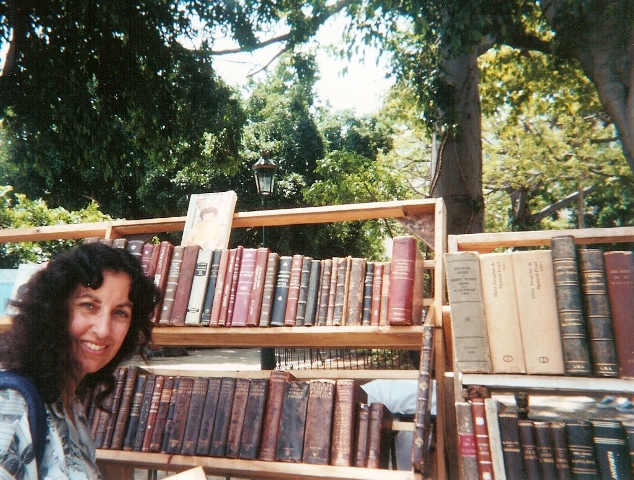
Margarita-HavanaMargarita Engle is the Cuban-American author of many young adult verse novels, including The Surrender Tree, which received the first Newbery Honor ever awarded to a Latino/a. Her books have also received multiple Pura Belpré Awards and Honors, as well as three Américas Awards and the Jane Addams Peace Award. Margarita’s newest verse novel is Silver People, Voices From the Panama Canal, and her newest picture book is Tiny Rabbit’s Big WishShe lives in central California, where she enjoys hiding in the forest to help train her husband’s wilderness search and rescue dogs. For more information, visit her author site and enjoy interviews by Caroline Starr Rose  and Robyn Hood Black.

Book Review: The Secret Side of Empty by Maria E. Andreu

By Stephanie Guerra

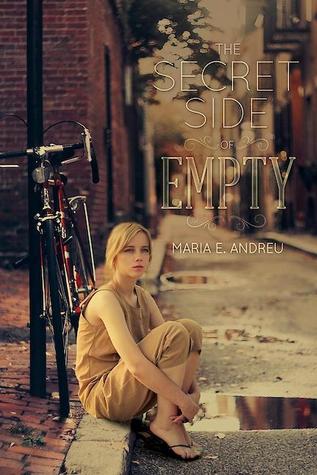
18079898DESCRIPTION FROM THE BOOK JACKET: M.T. is undocumented. But she keeps that a secret. As a straight-A student with a budding romance and loyal best friend, M.T.’s life seems as apple-pie American as her blondish hair and pale skin. But she hides two facts to the contrary: her full name of Monserrat Thalia and her status as an undocumented immigrant.

But it’s getting harder to hide now that M.T.’s a senior. Her school’s National Honor Society wants her to plan their trip abroad, her best friend won’t stop bugging her to get her driver’s license, and all everyone talks about is where they want to go to college. M.T. is pretty sure she can’t go to college, and with high school ending and her family life unraveling, she’s staring down a future that just seems

In the end, M.T. will need to trust herself and others to stake a claim in the life that she wants

Told in M.T.’s darkly funny voice and full of nuanced characters, The Secret Side of Empty is a poignant but unsentimental look at what it’s like to live as an “illegal” immigrant, how we’re shaped by the secrets we keep, and how the human spirit ultimately always triumphs.

MY TWO CENTS: This is an ambitious book, taking on a range of powerful topics including immigration, domestic abuse, and suicide. Maria Andreu approaches her themes head on and unflinchingly. Her writing is raw and honest, and as a result, the book engages at a deeper level than the average YA.

Monserrat Thalia, or M. T., is a conflicted, loveable character and a convincing portrait of a teen struggling with the challenges of “illegal” immigrant status. M. T. is from Argentina, but her desire for rootedness, her grief, and her uneasy relationship with America and Americans all speak to common threads experienced by immigrants from many cultures. As M. T. approaches high school graduation, the differences between her situation and that of her friends emerge in stark contrast: because of her undocumented status, she has no possibility of a degree, and no chance for a job and the trappings of a “successful” life. Meanwhile, her friends are college and career bound.

As M. T. grows increasingly bleak about her dead-end future, even contemplating suicide, her father enters his own spiral of immigration-related frustration, inadequacy, and violence. The book raises provocative questions: When does disciplinary hitting cross a line into abuse? How frequently or severely must violent episodes occur to justify a call for help? What are the products of intersecting adult insecurity, fear of deportation, cultural background, and violence?

I applaud Maria Andreu for taking a courageous look at all these questions through a snapshot of M. T.’s senior year. Andreu’s writing is clean and accessible with sharp-edged wit and darkly ironic undertones sure to appeal to teen readers. Characterizations are strong, with a special flair for finely drawn secondary characters. Best of all, no easy answers are offered. This book calls for thoughtful discussion, and is ideal for illuminating and humanizing an experience that many readers understand only through media coverage and political debate.

Maria AndreuAUTHORMaria E. Andreu is the author of the novel The Secret Side of Empty, the story of a teen girl who is American in every way but one: on paper. She was brought to the U.S. as a baby and is now undocumented in the eyes of the law. The author draws on her own experiences as an undocumented teen to give a glimpse into the fear, frustration and, ultimately, the strength that comes from being “illegal” in your own home.

Now a citizen thanks to legislation in the 1980s, Maria resides in a New York City suburb with all her “two’s”: her two children, two dogs and two cats. She speaks on the subject of immigration and its effect on individuals, especially children. When not writing or speaking, you can find her babying her iris garden and reading post apocalyptic fiction. You can also find her on Facebook and Twitter.

FOR MORE INFORMATION ABOUT The Secret Side of Empty, visit your local library or bookstore. Also, check out worldcat.org, indiebound.org, goodreads.com, amazon.com, and barnesandnoble.com.

Seven Things You Need to Know About After the Book Deal

By Maria E. Andreu

18079898Have you ever noticed that, in romantic comedies, the end is very often a wedding? What’s up with that? Love stories don’t end at a wedding. That’s when real life begins, the business of figuring out who does the laundry, where you’re going to live, and how in the world you figure out where you spend Thanksgiving and Christmas. It’s the same thing with publishing. The day you ink the book deal may be the happy ending in the movie version, but in real life it’s just the start of the story.

After many years of dreaming of being a writer, I got my movie-worthy happy ending. I got the first agent I pitched for The Secret Side of Empty, from a house so prestigious just reading their client list gives me goose bumps. We sold the book in the first round of submissions to a publisher who has done amazing things for the book, truly an ideal publisher for my first time at the rodeo. (And there was more than one offer to weigh). Anyone who hears my publishing story wants to stop me there and sort of bask in the moment, happy in the knowledge that it does happen that way sometimes. And it does.

But then you wake up the next day.

Just like no one tells you what to do once you get back from the honeymoon, here are 7 things no one will tell you about what it’s like AFTER the book deal.

  1. Editing is terrifying. Sure, you’ve edited before. You’ve joined critique groups. Maybe you’ve been brave and gone to pitch slams and other places where your words have been torn apart and criticized. Great. Now you’ll have a team of bona-fide professionals poring over your every word. I got an editorial letter so detailed that I shut the document immediately after seeing its page count (let’s just say this: it was in the double digits) and couldn’t make myself open it for 2 weeks. Be prepared. It’s not about you. It’s about making the work the best it can be.
  2. Book promotion is exhausting. Yes, you’ve waited your whole life for it. Yes, you’re going to love most of it. And you’re going to be exhausted anyway. You’ll be thrilled to learn that your publisher will schedule a blog tour for you (maybe, if you’re lucky). You’ll forget that it means you’ll have to actually write all those posts, answer all those interview questions, send head shots, book covers and photos of your frizzy hair in the 8th grade or the bicycle you learned to ride on. Then you’ll go to schools, libraries, festivals, and grocery stores and auto body shops too, if they’ll take you. Fun, yes. Mostly. Take naps now.
  3. Your launch date is not real. Just like a lot of brides stress the wedding and forget it’s actually a marriage they should be planning, so too a lot of authors obsessively plan the Twitter party and Tumblr extravaganza that will be their Launch Day, forgetting that it isn’t really even a Real Thing. My books shipped almost 3 weeks early. When I asked, a helpful professional told me, “Unless your name is J.K. Rowling, no one’s taking up warehouse space to perfectly orchestrate your big reveal.” It will help you to remember that book promotion, like a marriage, is something that you’re in for the long haul. So don’t stress the day so much and come up with a long-term strategy.
  4. It’s a crowded marketplace. You thought it was hard to get attention when you were in the throng of hopefuls? Wait until you see your book on a shelf full of all the others who broke out of the pack. You’ve got a couple of seconds to catch a potential reader’s attention, online and off. If the competition of trying to get published bothers you, you should know it doesn’t stop after your book is out in the world.
  5. Reviews hurt. Bad reviews can cut you to the quick. Even good ones can sometimes leave you scratching your head. Much ink has been spilled advising writers not to let critics get to them. That’s great advice. Also pretty hard to follow, particularly at first when you’re hungry for any sign of how your book is doing and what people think. My advice is to ignore reviews completely – good and bad. It is advice you will not follow. Hold on, I’ve got to go check my Goodreads page real quick.
  6. People will find things in your book you didn’t realize were there. I’ve had readers ask me about love triangles I didn’t intend to include and legislation I didn’t mean to reference. I’ve had readers write to tell me they love a character and a whole bunch of others reach out to tell me how much they loathe that very same character. All with supporting evidence. When you release your book out into the world, it is no longer yours alone.
  7. It will be hard to find time to write. Do you struggle with finding time now? Imagine having all the responsibilities you have now, except take away a lot of your free time on weekends and evenings (because you’re at book festivals and you’re writing blog posts). Now write. That’s what it’s like to try to write books # 2, 3 and beyond.

Lest I seem like too much of a downer, let me say that publishing my debut novel has been magical, the culmination of a lifelong dream. I’ve been honored to speak at schools and libraries and events all over the country and have received wonderful attention from the trade reviewers. I’ve gotten the tingles when I discovered that my book is in libraries as far away as Singapore, Australia, and Egypt, as well as across the United States. Just imagine… my words being read by someone right now somewhere halfway around the globe. Amazing! I share my “things no one will tell you” not to discourage you, but to invite you to look at the whole picture. Like anything worth striving for – a marriage, parenthood, career – publishing a book is a massive undertaking with highs and lows. Once you reach the peak of Published Author, there is another one, just as big, right in front of you. Then another, and another, all the way to the horizon. And that’s what makes it beautiful.

Maria AndreuMaria E. Andreu is the author of the novel The Secret Side of Empty, the story of a teen girl who is American in every way but one: on paper. She was brought to the U.S. as a baby and is now undocumented in the eyes of the law. The author draws on her own experiences as an undocumented teen to give a glimpse into the fear, frustration and, ultimately, the strength that comes from being “illegal” in your own home.

Now a citizen thanks to legislation in the 1980s, Maria resides in a New York City suburb with all her “two’s”: her two children, two dogs and two cats. She speaks on the subject of immigration and its effect on individuals, especially children. When not writing or speaking, you can find her babying her iris garden and reading post apocalyptic fiction. You can also find her on Facebook and Twitter.

The Secret Side of Empty has received positive reviews from Kirkus and Publisher’s Weekly, among others. The novel was also the National Indie Book Award Winner and a Junior Library Guild Selection.