Book Review + Giveaway: Moving Target by Christina Diaz Gonzalez

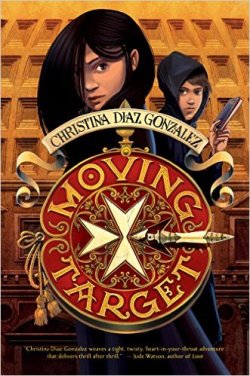
Moving Target 2

Reviewed by Lila Quintero Weaver

DESCRIPTION OF THE BOOK:

What if you could control destiny?

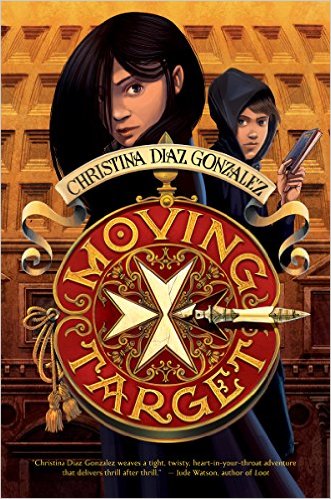
Cassie Arroyo’s world is ripped apart when her father vanishes. What could anyone possibly want with a middle-aged art history professor? But there’s no doubt that he’s being chased by a dangerous organization called the Hastati—and Cassie is their next target.

Cassie learns that she is a descendant of an ancient bloodline that enables her to use the Spear of Destiny: an object that in the right hands can shape the future, and in the wrong hands destroy it. But the spear has been missing for years. It seems that the Hastati will do whatever it takes to control it—and if they can’t find the spear itself, they’ll go after the ones who can use it.

On the run, with only her best friend, Simone, to help her, Cassie must stay one step ahead of the Hastati as she tries to decipher the clues that will lead her to the spear. Her life—and the fate of the world—depend on it.

MY TWO CENTSMoving Target is a middle-grade fantasy thriller starring Cassie Arroyo, a Cuban-American expatriate living in Italy. It’s the first in a series, with the sequel scheduled to release next fall. The plot rides on the journey of three teen characters: Cassie, her friend Simone, and Asher. Asher is the nephew of Brother Gregorio, the monastic figure who provides shelter to Cassie after her father is struck by a hail of bullets, whisked off to surgery, and then vanishes, as far as his daughter can tell. When Cassie discovers that she, not her father, is the main target of the assassins, she teams up with Asher and Simone to recapture the Spear of Destiny, a medieval artifact mysteriously linked to Cassie’s family line and the reason that her formerly blasé life at a private school is shattered overnight. In their quest, the kids must decode cryptic clues, navigate secret tunnels, hitch rides with sketchy characters, and elude menaces by the dozens, including the lurking possibility of betrayal from people entrusted with their care.

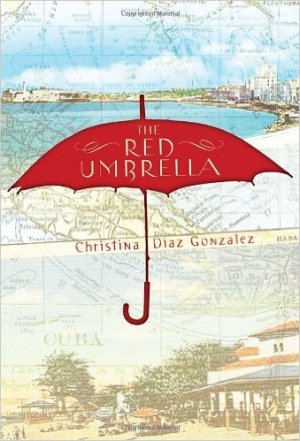
The setting for Moving Target is Rome and its surrounding countryside. It’s the perfect backdrop for a contemporary story with ancient implications, one that pairs narrow alleyways with Vespas, and Italian Renaissance art with cell-phone-dependent teenagers—not to mention gun-toting assassins. These combinations feel familiar and cinematic, since many of us have acquired such mental images from the world of high-adventure movies. Christina Diaz Gonzalez seems comfortable in the realm of taut intrigue. Her previous novels capture similarly tense life-and-death stories set The Red Umbrellaagainst vivid backdrops. The Red Umbrella takes place in revolution-era Cuba, with threats encroaching on the main character’s family before and after she and her brother escape to the United States, courtesy of the Pedro Pan airlift. In A Thunderous Whisper, the plot bristles with espionage and Thunderous whispermortal danger: the main character’s father fights in the Spanish Civil War, and the family loses everything in the Nazi bombing of Guernica, their hometown. The intensity remains in Moving Target, but here the author replaces history with fantasy, drawing liberally on religious iconography, mythology and elements of the supernatural.
Cassie Arroyo may be Latina, but as a plot-driven novel, Moving Target’s focus is on adventurous twists and turns. Cassie’s ethnicity remains mostly in the background, although Spanish dialogue and cultural references do occasionally find their way into the picture. In the thriller genre, where protagonists tend to be Anglo by default, books like Moving Target help to normalize the presence of Latina characters in all types of stories, even fantasy thrillers. This is something to applaud.

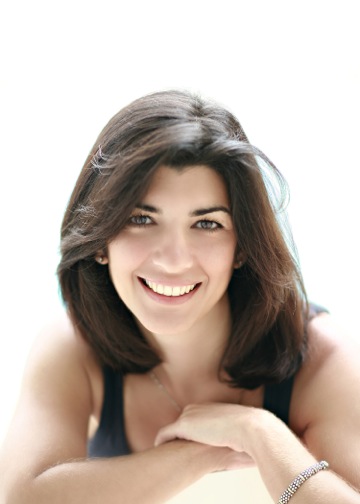
Christina GonzalezChristina Diaz Gonzalez is the award-winning author of The Red UmbrellaA Thunderous Whisper, and Moving Target. Her books have received numerous honors and recognitions including the American Library Association’s Best Fiction for Young Adults, the Florida Book Award, the Nebraska Book Award, a Notable Social Studies Book and the International Literacy Association’s Teacher’s Choice Award.  She speaks to students across the country about writing, the importance of telling their stories and the value of recognizing that there is a hero in each one of us. Visit her website at www.christinagonzalez.com for further information.

Check out Christina’s recent guest post for this blog’s Cuban series here.
 

IMG_1291Lila Quintero Weaver is the author-illustrator of Darkroom: A Memoir in Black & White. She was born in Buenos Aires, Argentina. Darkroom recounts her family’s immigrant experience in small-town Alabama during the tumultuous 1960s. It is her first major publication. Lila is a graduate of the University of Alabama. She and her husband, Paul, are the parents of three grown children. She can also be found on her own websiteFacebookTwitter and Goodreads.


ENTER HERE TO WIN A COPY OF MOVING TARGET, PLUS A POSTER, BOTH SIGNED BY CHRISTINA DIAZ GONZALEZ.


Book Review: The Head of the Saint by Socorro Acioli


Reviewed by Cecilia Cackley

DESCRIPTION OF THE BOOK (from Goodreads): After walking for days across the harsh Brazilian landscape only to be rejected by his last living relative, Samuel finds his options for survival are dwindling fast – until he comes to the hollow head of a statue, perfect for a boy to crawl into and hide…

Whilst sheltering, Samuel realizes that he can hear the villagers’ whispered prayers to Saint Anthony – confessing lost loves, hopes and fears – and he begins to wonder if he ought to help them out a little. When Samuel’s advice hits the mark, he becomes famous, and people flock to the town to hear about their future loves. But with all the fame comes some problems, and soon Samuel has more than just the lovelorn to deal with.

MY TWO CENTS: This was a great read with a little bit of everything—mystery, romance, long-lost relatives, miracles, good guys, and villains. Although it is a relatively short book, it packs a lot into the 179 pages. The village of Candeia has a presence that almost makes it another character, and certainly it goes through as many changes over the course of the story as anyone else. Readers will root for Samuel as he struggles first to simply survive, and then to understand and control his visions and power. With themes of faith, power, and destiny, this is a book to read, share and discuss for both teens and adults.

TEACHING TIPS: Acioli began this book as part of a workshop with the great South American writer Gabriel García Márquez, and it would be an interesting exercise for students to compare Candeia and its residents with other insular towns in Latin American fiction. The multiple points of view in the novel are a good discussion starter and give teachers the opportunity to have students write from the point of view of different characters. The development of Candeia and the fate of the statue are a good jumping off point for discussing the changing landscape of Brazil, especially as developers and the government pour money into high profile projects and events like the World Cup and the Olympics.

Socorro Acioli ABOUT THE AUTHOR: Socorro Acioli was born in Fortaleza, Ceará in 1975. She is a journalist, has a master’s degree in Brazilian literature and is currently studying for a PhD in Literary Studies at the Universidade Federal Fluminense, Rio de Janeiro. She started her writing career in 2001 and since then has published books of various genres, such as children’s short stories and YA novels. In 2006, she was selected to take part in a workshop called ‘How to tell a tale’, conducted by the Nobel Prize Winner Gabriel García Márquez at the San Antonio de Los Banõs International Film and Television School, Cuba. The author was selected by García Márquez himself based on the synopsis for The Head of the Saint. In 2007, she was a visiting researcher at the International Youth Library in Munich, Germany, and she has also lectured in several other countries such as Portugal, Bolivia and Cape Verde. Socorro is also a translator, essayist and literary theory teacher, and you can follow her at www.socorroacioli.wordpress.com or on Twitter: @AcioliSocorro

Links:

https://www.youtube.com/watch?v=fRNJAIYNbCc

http://artofsavingalife.com/artists/socorro-acioli/

FOR MORE INFORMATION about The Head of the Saint, check your local public library, your local bookstore or IndieBound. Also, check out GoodreadsAmazon, and Barnes & Noble.


Cackley_headshotCecilia Cackley is a performing artist and children’s bookseller based in Washington DC where she creates puppet theater for adults and teaches playwriting and creative drama to children. Her bilingual children’s plays have been produced by GALA Hispanic Theatre and her interests in bilingual education, literacy, and immigrant advocacy all tend to find their way into her theatrical work. You can find more of her work at www.witsendpuppets.com.

Guest Post: Amber J. Keyser on Heritage and Healing


WayBackFromBrokenToday, we’re thrilled to have a guest post by Amber J. Keyser, author of The Way Back From Broken (Carolrhoda Lab, 2015). Amber’s debut novel earned a starred review from Booklist, which described it as “an exquisite and enthralling exploration of loss, love, and healing” and concluded that “this vivid, moving exploration of grief and recovery hits all the right notes.” Here’s the publisher’s description of The Way Back from Broken:

Rakmen Cannon’s life is turning out to be one sucker punch after another. His baby sister died in his arms, his parents are on the verge of divorce, and he’s flunking out of high school. The only place he fits in is with the other art therapy kids stuck in the basement of Promise House, otherwise known as support group central. Not that he wants to be there. Talking doesn’t bring back the dead.

When he’s shipped off to the Canadian wilderness with ten-year-old Jacey, another member of the support group, and her mom, his summer goes from bad to worse. He can’t imagine how eight weeks of canoeing and camping could be anything but awful.

Yet despite his expectations, the vast and unforgiving backcountry just might give Rakmen a chance to find the way back from broken . . . if he’s brave enough to grab it.

And now, here’s Amber.


My debut novel, The Way Back From Broken, is about two young people thrown together by shared tragedy who find healing in the Canadian wilderness. When I set about writing it, I knew I wanted to explore the different ways people navigate the difficult terrain of loss. How do we grieve? What helps us heal? Where are the pitfalls that can trap us? I wanted to write about how loss reverberates through families and threatens to tear them apart.

There are two families at the center of The Way Back From Broken—the Cannons and the Tatlases. Their lives intersect at Promise House in a support group for families who have lost children. Loss is their common ground. It links these families across differences of race and religion.

Fifteen-year-old Rakmen Cannon is biracial. His father, Michael, is black, and his mother, Mercedes, is a Catholic from Mexico. Ten-year-old Jacey Tatlas’s family is white. Her mother, Leah, is an agnostic who would rather be hiking than in church and has little use for organized religion of any kind.

The story that I’ve written belongs to Rakmen and Jacey. The Way Back From Broken explores what happens to them, but in this post, I wanted to write about the relationship between their mothers. Although it is touched upon very lightly in the final version of the book, it is still foundational to the story.

When Rakmen and Jacey’s mothers first meet, Mercedes (Rakmen’s mother) has been coming to the support group for nearly ten months after the death of her infant daughter. She is a woman of faith who does not shy away from the hard work of grief. She goes to group and therapy; she also finds comfort in prayer. She embraces Leah, whose loss is much fresher.

Leah has never been a religious person. She is a biology teacher who likes to hike and canoe. For her, comfort and solace are found in nature. But the loss of her stillborn son has shaken her to the core. She feels as if her own body has betrayed her.

As she and Mercedes become friends, Leah sees the comfort that Mercedes finds in her faith and wishes that she were able to access the spiritual sustenance that Mercedes does. Desperate to find a way to make some sense of her loss, Leah decides to return to the cabin where she spent many happy summers as a child.

This decision—and the trust these two women share—sets many things in motion during the course of The Way Back From Broken. One of the powerful things to come from the crucible of their loss is the way their families become connected, which sets much of the rest of the story in motion. Mercedes chooses to send Rakmen along with Leah and Jacey to Canada, where the stories of their families become even more intertwined. The differences that too often hold people apart make all of them stronger, especially their children. And in the end, they forge a new kind of family.


AmberKeyserAbout the author: Amber J. Keyser is an evolutionary biologist-turned-writer, who loves stories about heroes, scientists, and adventurers. She grew up in Oregon backpacking, fishing, and white-water rafting. Now she lives on the dry side of the mountains with her husband, two kids, and dog named Gilda. Every summer she returns to a cabin in Canada that was built by her grandmother, Algonquin Park’s first licensed, female canoe guide. If she had a choice, she would travel everywhere by canoe or on horseback.

Some of Amber’s forthcoming and recent books include The V-Word (Beyond Words, 2016), an anthology of personal essays by women about first time sexual experiences, and Sneaker Century: A History of Athletic Shoes (Twenty-First Century Books, 2015). She is the co-author with Kiersi Burkhart of the middle grade series Quartz Creek Ranch (Darby Creek, 2017). She can be reached by email at amber.j.keyser@gmail.com. Information about upcoming appearances can be found on her website at www.amberjkeyser.com.

Guinevere Thomas and Christina Diaz Gonzalez: Two Versions of Cuban Childhood

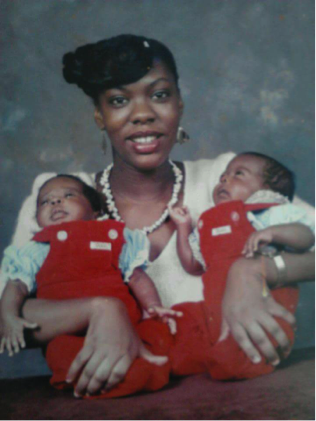
Mom and twinsGrowing Up Q-Ban

by Guinevere Thomas

To grow up Q-ban…it was and still is an experience.

There are probably things that all American-born Cubans share in common. But my childhood environment may not mirror another Cuban-American’s experience, because to explain how I grew up Cuban, is to also explain how I grew up Black.

I was born in Miami, Florida. It was the 80’s and my mother was a teenager doing the best she could in a harsh environment. Folks from Florida know the humidity is a killer. You could never “beat the heat,” but when you’re a kid your tolerance is higher, and much like the heat, nothing really affected me negatively before the age of six.

I was a naïve kid. So naïve, that my mother, bless her heart, told me that every single person in the world was Cuban too, and I believed it. Years later, I sent my mother sarcastic greeting cards about how she totally doomed me for life, but I see now why she did it. While no generation gets off easy when it comes to racism, her generation and those before hers experienced it in a different way. She was hoping I could navigate through the world more readily if I believed everyone was like me.

Uncle

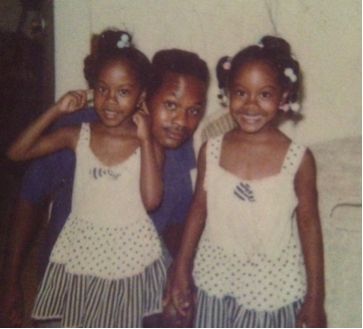
Photobombed by an uncle!

Miami made this fantasy easy. I was surrounded by everything Cuban, or at least by closely related cultures that kept the illusion going–Puerto Rican and Haitian, to be exact. Of course, I’d always known I was Black. I just never saw myself as different from other Black kids, because most Black kids I knew in Miami were Cuban too.

Then most of my family uprooted to Jacksonville, Florida, and my naiveté fell away. I realized for the first time how split my identities were, and race and culture became challenges for me. In a city that was mostly composed of non-Latino White and Black American, my family was no longer surrounded by a common culture. We were the other. And it sucked.

In a few ways, we did fit in. In Miami, growing up with coarse hair, I’d stood apart from my mixed race or White Cuban friends whose parents didn’t spend hours on their children’s so-called pelo malo, an offensive term used by Spanish speakers. But in Jacksonville, this was the norm for non-Latino Black girls and boys. Yay! I wasn’t different in that sense anymore!

But then there was that 3rd grade field trip…

We were encouraged to bring snacks, and I asked my mother to make empanadas and ensalada criolla (my mom’s famous mix of delicious tropical veggies and fruits).

“This isn’t salad, there’s no lettuce in it.”

“Why would you put guava paste and cheese together?”

And those were some of the nicer things said about the food.

Strangely, much of the backlash came from my classmates’ parents. I was so embarrassed. Many kids shared my appearance, but they didn’t connect to me on other levels. My food was disgusting to them and they considered my name weird, especially when I went by the full version, Guinevere Zoyana.

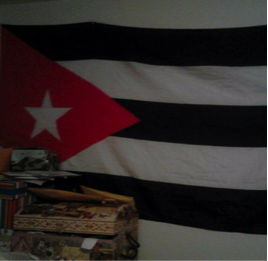
Cuban flag

Guinevere’s bedroom as a teen included the Cuban flag.

For years, I’ve debated about which way I should identify. To most of the world I am African American, which is not bad at all, and for a big portion of my middle school/high school years, I solely chose the term Black, because this made it easier for other people. But as an Afro-Cuban, I’m part of an amazing culture and history. It sucked to hide my full identity simply because people don’t readily view me as Latina.

Even now, I struggle with identity. Growing up Cuban shaped how I saw things: How people treated me based on my appearance and the fact that I was actually Black and Cuban-American. My blended culture even had an impact on my politics.

I know some folks think being Latino is all the same, but even language isn’t enough to make Latinos a monolith. We have different colloquialisms that get lost in translation. For example, my Latino friends who aren’t Cuban think it’s weird I say “Que Bola Asere!” to a complete stranger who my sister’s old boss’ cousin mentioned might be Cuban!

Although kid-lit is producing more books highlighting the Latino experience, this doesn’t mean the stories will mirror everyone’s reality. For a very long time, the Afro-Latino experience was nowhere to be found in books, and this is why I think it’s so important to publish these stories.

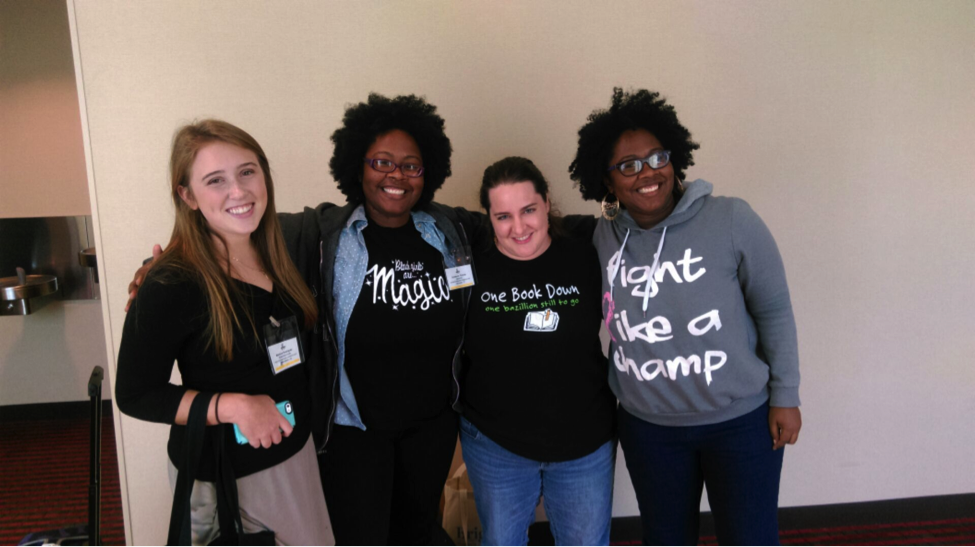
Current photoI co-write with my twin sister, Libertad, and despite our experiences, we still haven’t mastered writing for Afro-Cuban teens. But our plans for 2016 will be filled with teens of various Afro-Latino backgrounds. One of our first planned releases features a Haitian-American girl and another puts an Afro-Puerto Rican girl front and center. It’s definitely a journey making these new voices heard and I’m super excited about it!

book coverGuinevere Thomas is one half of Twinja Book Reviews, a book blog that celebrates diversity in books by day, and slays ninjas by night. Diversity is her strong point. Procrastination is her weak point. If you know anyone who’d like to join her My Afro-Latino series, email her at guinevere.libertadthomas@gmail.com. Chat books with her on Twitter @dos_twinjas where she joins her partner in crime to tweet about diversity in books and media. Be sure to visit her official site (in progress). www.gltomas.net  And you can check out her debut release under her shared pen name G.L. Tomas on Amazon here!

Red Umbrella 2The Cuba I Know
by Christina Diaz Gonzalez

Cuba. A land I’ve never seen with my eyes, but have felt in my heart. A place my parents and grandparents would describe in their stories as an island with the most beautiful beaches, rolling verdant hills and, if you believed my grandmother, a place where the sky was a little more blue. I was born in a country only ninety miles north of that seemingly magical island, but those ninety miles were filled with so much pain, heartache and stolen dreams that it was an abyss that my family could not, would not, cross. Yet, part of Cuba, the piece my family carried inside them to the United States, was ever present within the walls of my home.

The Cuba I experienced while living in a small, Southern town was the one my parents and grandparents chose to share with me. It was in their stories of love, loss, and sacrifice that I learned about their struggles to have a good life in Cuba and how it (along with basic freedoms that I would always enjoy in the U.S.) had been taken away from them after the communist revolution. It was this tearing apart of lives that left scars that would permeate through generations. These are the scars that are re-opened every time a dissident is jailed, a blogger beaten, or another balsero drowns trying to cross those ninety miles to freedom. It is the pain of what was left behind, what can never be recovered, of childhoods lost, and dreams turned into nightmares that my family made sure I understood.

And yet… Cuba still beckons all of its children (and the children of its children) with a siren song of love, family and culture. Those were the aspects of Cuban life I experienced on a daily basis and that became ingrained into my identity. Cuba was revealed to me in the Spanish language that we spoke at home and in the sayings like “le ronca el mango” and “por si las moscas” which never made sense in English, but completely summarized a feeling or situation. It was felt in my soul through the music of Celia Cruz, Benny Moré and La Sonora Matancera that was so often played on our old record player. I could savor Cuba in the foods that were prepared by my mother and grandmother (arroz, frijoles negros, and picadillo were staple dishes) and the pastellitos and pan cubano that my extended family would bring up from Miami whenever they came to visit. The lessons of Cuba could be seen in the value placed on education (because “no one can take what’s inside of you”) and in the smaller cultural ideas such as never being allowed to go to sleepovers, never swimming right after eating for fear of the dreadful patatú, and never placing my purse on the floor. This all formed my understanding of what it is to be Cuban.

Moving Target 2And now, fifty-five years later, it is that understanding that is reflected in my life. On a large scale, it is most easily seen in my writing through books like The Red Umbrella (the story of a Cuban girl who is sent to the US through Operation Pedro Pan) or Moving Target (an action/adventure story that features an American girl of Cuban descent who becomes embroiled in an ancient mystery dating back to biblical times). But the legacy of Cuba can also be seen in the smaller moments of my personal life such as when my children make Cuban coffee with espumita or I prevent them from jumping into the pool after having a big lunch for fear that there may be something to those patatú stories.

This is my Cuba. My heritage. A heritage that will not be forgotten, but will continue to be passed to the next generation who will hopefully see what my grandparents could not…a free Cuba with a democratically elected government. Until then, I will keep my purse off the floor…por si las moscas.

author_highresChristina Diaz Gonzalez is the award-winning author of The Red UmbrellaA Thunderous Whisper, and Moving Target. Her books have received numerous honors and recognitions including the American Library Association’s Best Fiction for Young Adults, the Florida Book Award, the Nebraska Book Award, a Notable Social Studies Book and the International Literacy Association’s Teacher’s Choice Award.  She speaks to students across the country about writing, the importance of telling their stories and the value of recognizing that there is a hero in each one of us. Visit her website at www.christinagonzalez.com for further information.

This concludes our series on Cuban American children’s and YA writers. We hope you loved reading these guest posts as much as we loved hosting them!

About that Embargo: Nancy Osa and Margarita Engle

Library Shelves YA

The End of the Cuba “Embargo” in YA Lit

By Nancy Osa

In the late 1990s, I wrote a young-adult novel about a teenager who protests the United States–Cuba trade embargo and sent it out to major publishers. I may have set a record for rejection letters. No children’s publisher dared broach the subject of U.S.-Cuba politics—not even from a humanitarian perspective. I’ll wager that such a reticent attitude is about to die. Soon, all things “Cuba” will be the next hot topics to follow zombies and vampires.

The true theme of my book, though, was not Cuba’s worthiness of respectful neighborly relations but rather Americans’ right to challenge policy through peaceful protest. Which topic were publishers really shying away from? In the 1990s, acts of dissent had been appropriated and/or stigmatized by publicity-hungry groups—Million Man March, anti-WTO factions, abortion clinic terrorists. Exposing teens to international politics, publishing interests seemed to surmise, might only incite high schoolers to riot.

I argued that young American readers should understand their options for agreeing or disagreeing with their homeland’s diplomatic policies. Information, discussion, and even provocation are necessary elements to learning to think critically. Simply ignoring the far-reaching trade and travel restrictions was a disservice to maturing readers, who, by their nature, are quite open to efforts to make the world a better place. When I was 10 years old, for instance, I formed a club and held a fundraiser to buy a trash can for my local park. On the heels of that success, I embraced various causes: women’s rights, resource conservation, humane treatment of animals, etc. When I reached voting age, I voted, marched, petitioned my legislators, and canvassed door-to-door. Not until my thirties did I think deeply about my Cuban heritage, though, and the implications of our national policies to my personal and cultural relationships. I wondered what it would have been like to grow up informed and in touch with my relatives on the island, instead of ignorant and forcibly separated. This was the impetus for writing my book.

When I submitted my novel to publishers, I knew that many young readers would welcome my story about an American girl who joins a protest rally to improve conditions for her family members in Cuba. I couched the topic in typical high-school drama, with a large dose of humor. It wasn’t vitriolic or pointedly critical of any one faction. Still, mainstream publishing houses, librarians, book buyers, and teachers were afraid to raise the hot-button Cuba issue. I suspect they were equally put off by the topic of protest. That book was never published, but another novel about a traditional coming-of-age ceremony—the quinceañero—was. Both Cuba 15books used humor to engage readers in a debate about factionalism: kids vs. parents, traditionalists vs. progressives . . . America vs. Cuba. The book that focused on dresses vs. pants, however, won out over the one that more literally discussed right vs. wrong.

As we face a new relationship between the U.S. and Cuba, I’d like to remind readers and thinkers that people like me have been politely protesting the political stand-off for decades. Twenty-fifteen marks the twenty-third year that the group IFCO/Pastors for Peace has practiced civil disobedience by gathering and delivering goods to Cuban people in need. Communist partisanship is not the motivator; charitable sentiment is.

As someone whose birth was sandwiched between the 1961 Bay of Pigs invasion and the 1962 Cuban Missile Crisis, I have always felt helpless to influence U.S.-Cuba relations politically. But when I joined a Pastors for Peace “Friendshipment,” I gained the power to positively affect Cubans on a personal level while protesting the trade embargo. Does this type of humanitarian overture influence diplomacy? I hope so; but no one has suggested that it prompted President Obama’s executive decision to restore diplomatic ties with Cuba. Let’s face it: peaceful protest does not make for sexy news stories. First Amendment rights of free speech, assembly, and freedom of the press, though, should be considered fitting fodder in young-adult literature.

Nancy OsaNancy Osa is the author of Cuba 15 (Random House), a Pura Belpré Honor Book and winner of the Delacorte Press Prize for a First Young Adult Novel. Her most recent work, Defenders of the Overworld (Sky Pony Press), is an unofficial Minecraft fiction series for young-adult readers. To learn more, visit her website.


Enchanted AirThe Magic Realism of Memory

By Margarita Engle

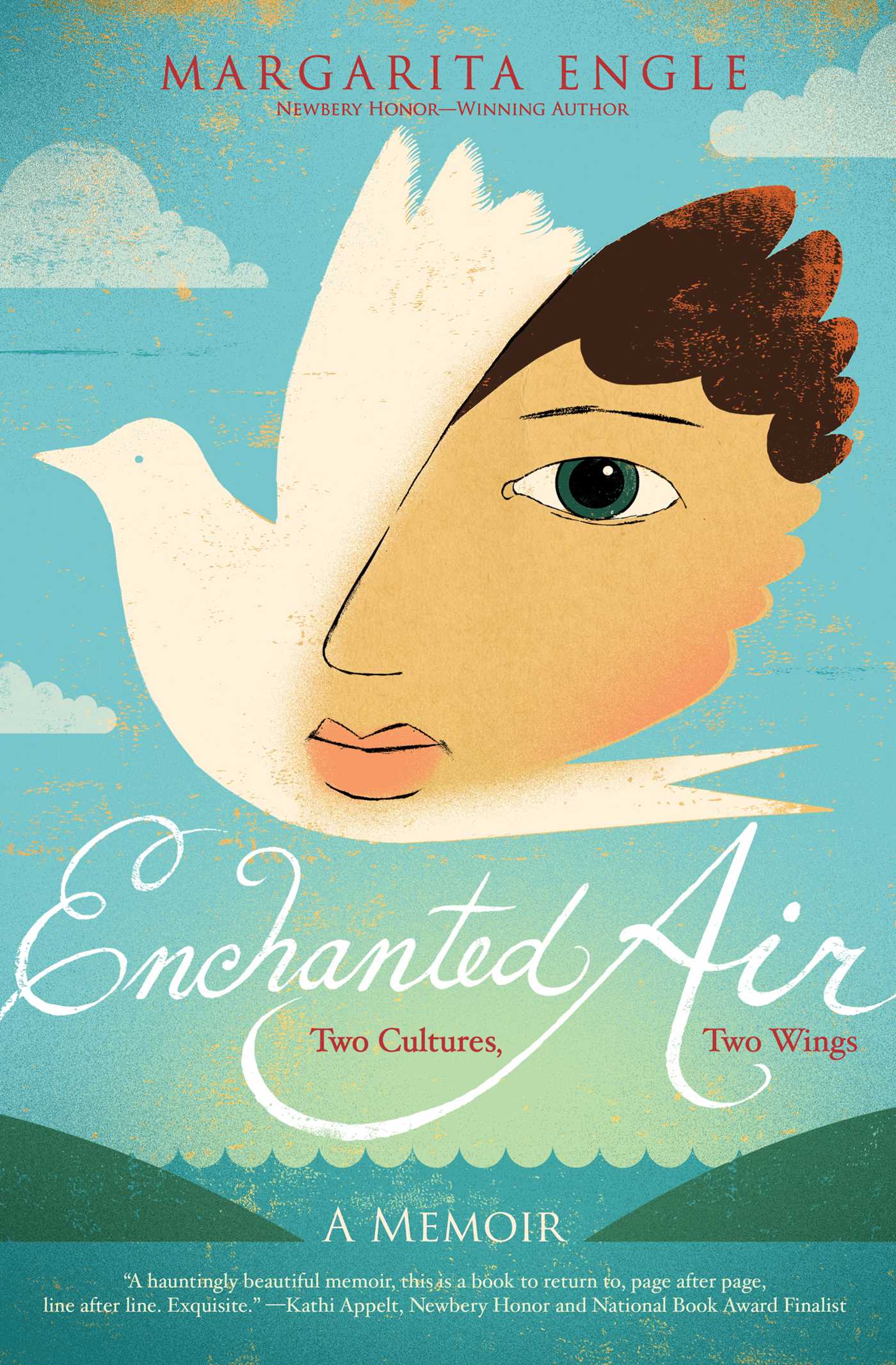
The great Cuban poet Dulce María Loynaz wrote a poem called En Mi Verso Soy Libre—In My Poem I Am Free. She spoke of rising up inside the poem, where she is herself. The same is true for me. I reveal my secret self inside the covers of my verse memoir, Enchanted Air, Two Cultures, Two Wings.

Even though I am my true self on those pages, now that the book has been published and can be read by strangers, I’ve begun to wonder if I will be misunderstood or disbelieved. My childhood seems so unusual, almost surrealistic. I’m neither an exile nor a refugee. Until 1960, my family traveled back and forth between Cuba and the U.S., ignoring the Cold War.

The question arises: is a surrealistic childhood typical for the children of immigrants? Yes, I believe it is, even without the international conflict that separated the two halves of my bicultural family. Visiting relatives in another country can be an incredible joy, but upon returning to the U.S., a child of mixed ancestry can feel disoriented. In that sense, my unusual story is common, because the same could be said for children who move back and forth between two homes within the same country, particularly if their parents live in different cities, or if one lives in an urban area, and the other is rural. Immersed in blended memories, these children may experience the insecurity of feeling uncertain where they belong, but by traveling they also gain insights into more than one way of existing. Perhaps exposing them to verse memoirs will give them a window into their own possibilities. They could write travel memoirs, too. They could write poetry! They could find a safe home-on-the-page for overwhelming emotions.

Telling stories

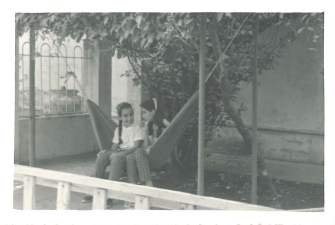
Margarita and her sister in Cuba

During my teen years, it was easier for a U.S. citizen to walk on the moon than to visit relatives in Cuba. Nothing can ever return those years to me intact. They are fractured. Yet somehow, the act of writing about them in verse felt medicinal. Poetry heals. In the author’s note at the end of Enchanted Air, I came out of the anti-Embargo closet, making a plea for normalization of U.S.-Cuba diplomatic relations, travel, and trade. Then, as if in a dream, President Obama announced the first steps toward improved relations. The announcement came during the same week when advanced review copies of Enchanted Air arrived on my doorstep. Joyfully, I revised the author’s note, transforming my plea into a song of gratitude.

With equally dreamlike timing, the U.S. Embassy in Havana re-opened exactly ten days after the release of Enchanted Air. For me, this feels like an era of miracles. Nevertheless, the process of healing the rift between nations will be complex, just as the process of facing childhood emotions to write a memoir is not simple. In Just Write, Walter Dean Myers advised: “I believe your skills as a writer are not so much defined by intelligence or artistic ability as they are by how much of yourself you are willing to bring to the page. Be brave.”

Yes, be brave. There is no other way to face the wounded child inside one’s own mind—a child who never completely outgrows the magic realism of growing up with a memory that contains two distinct ways of perceiving the world. A memory that can turn into verse, where a divided childhood can be made whole, setting the poet free.

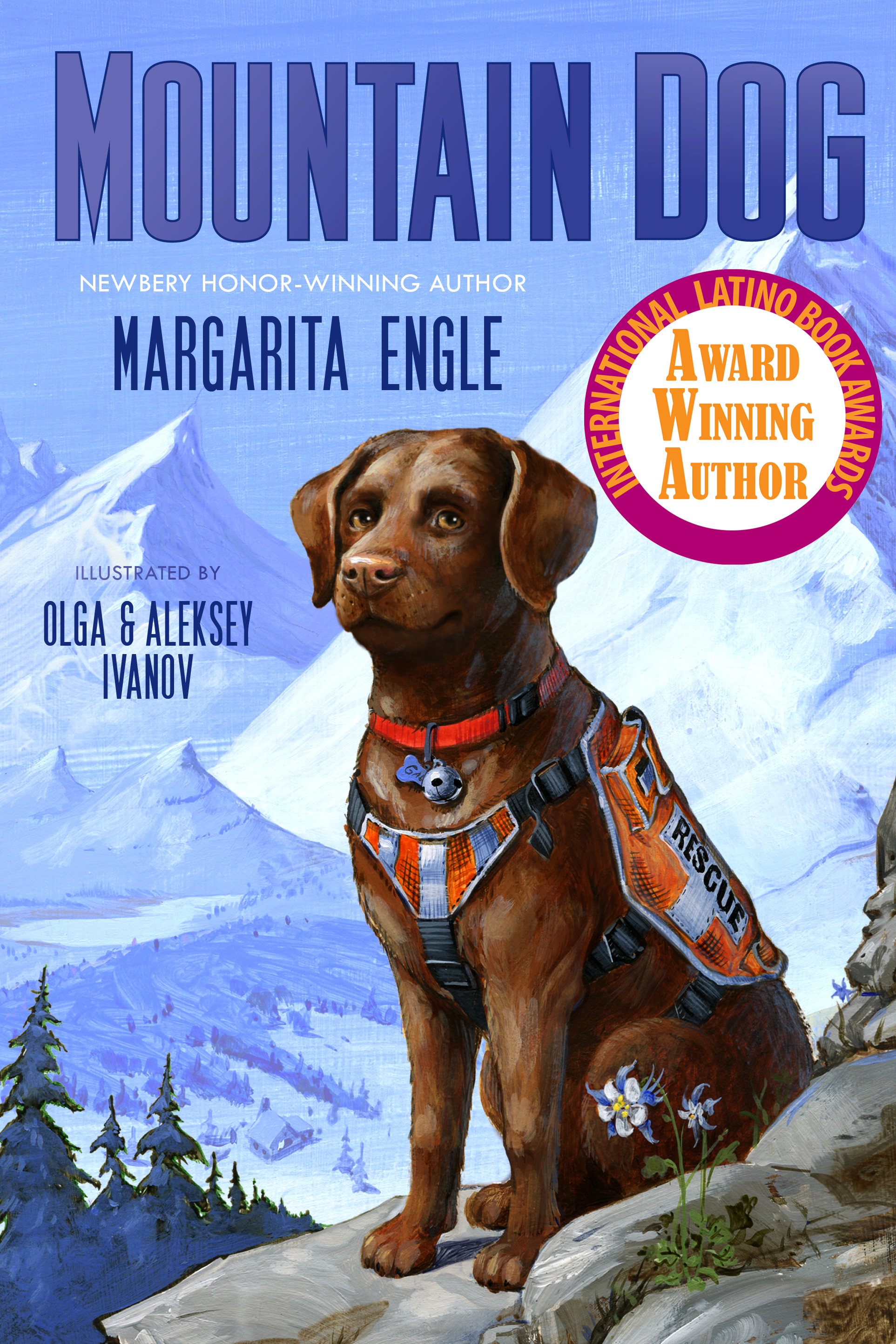
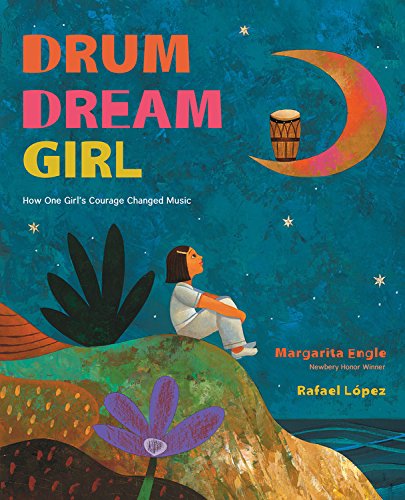
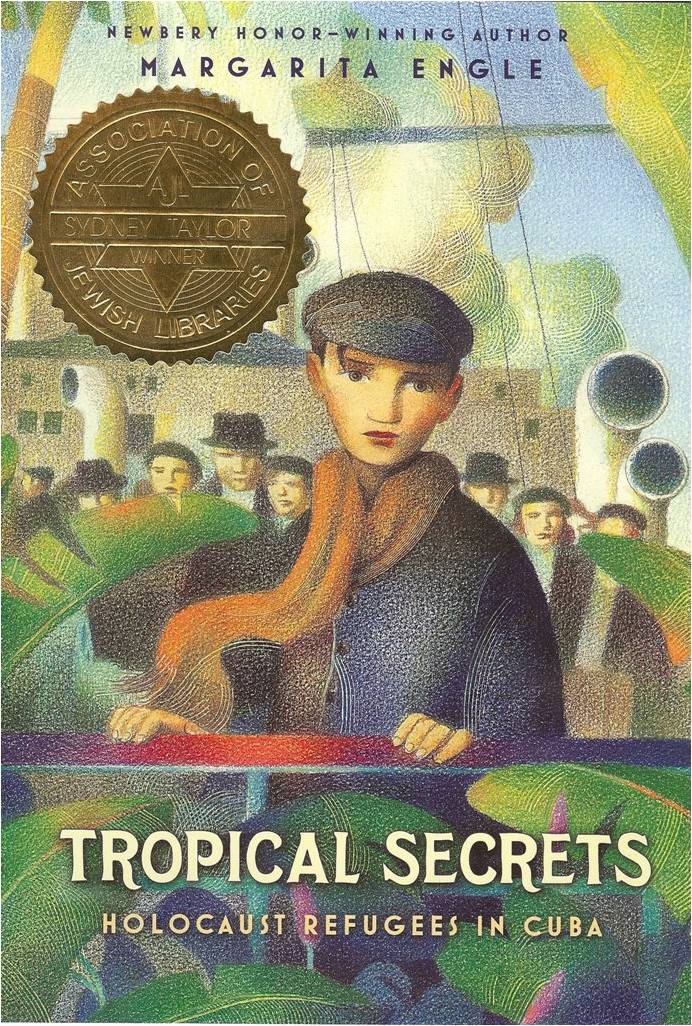
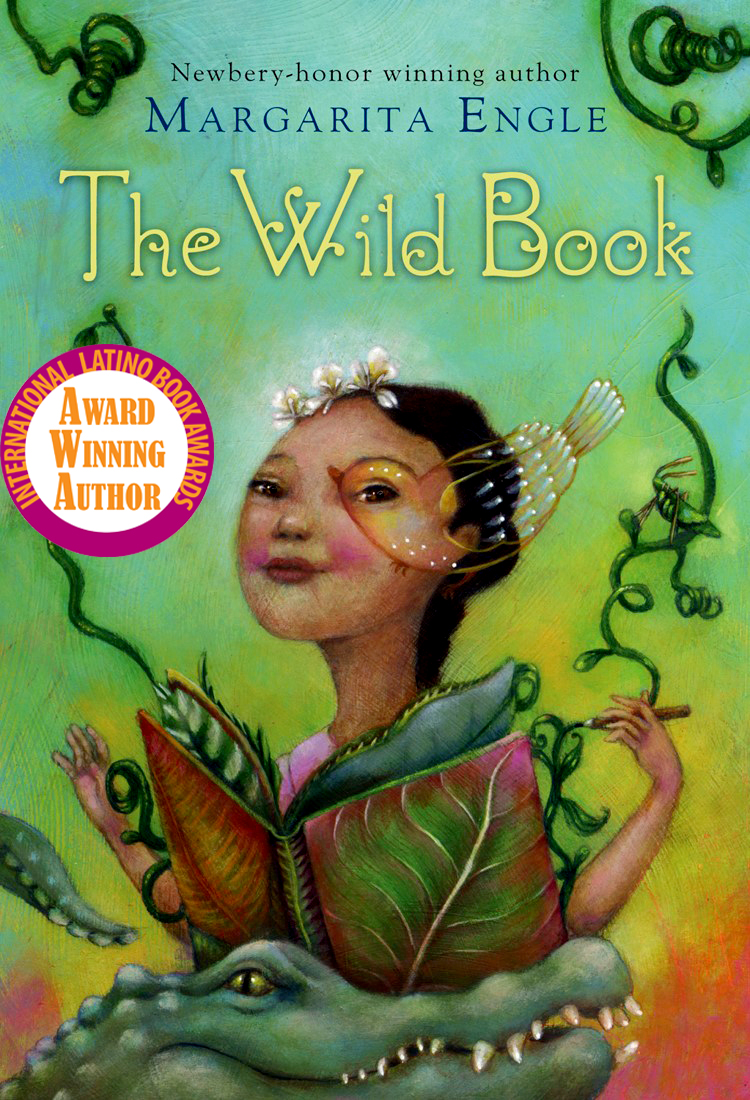
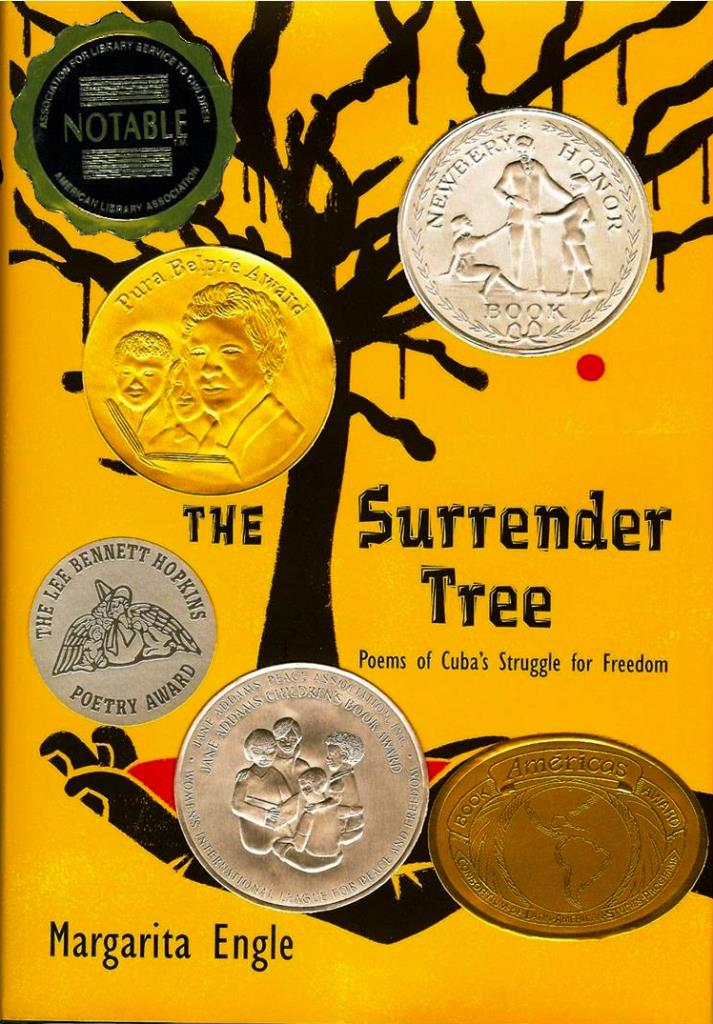
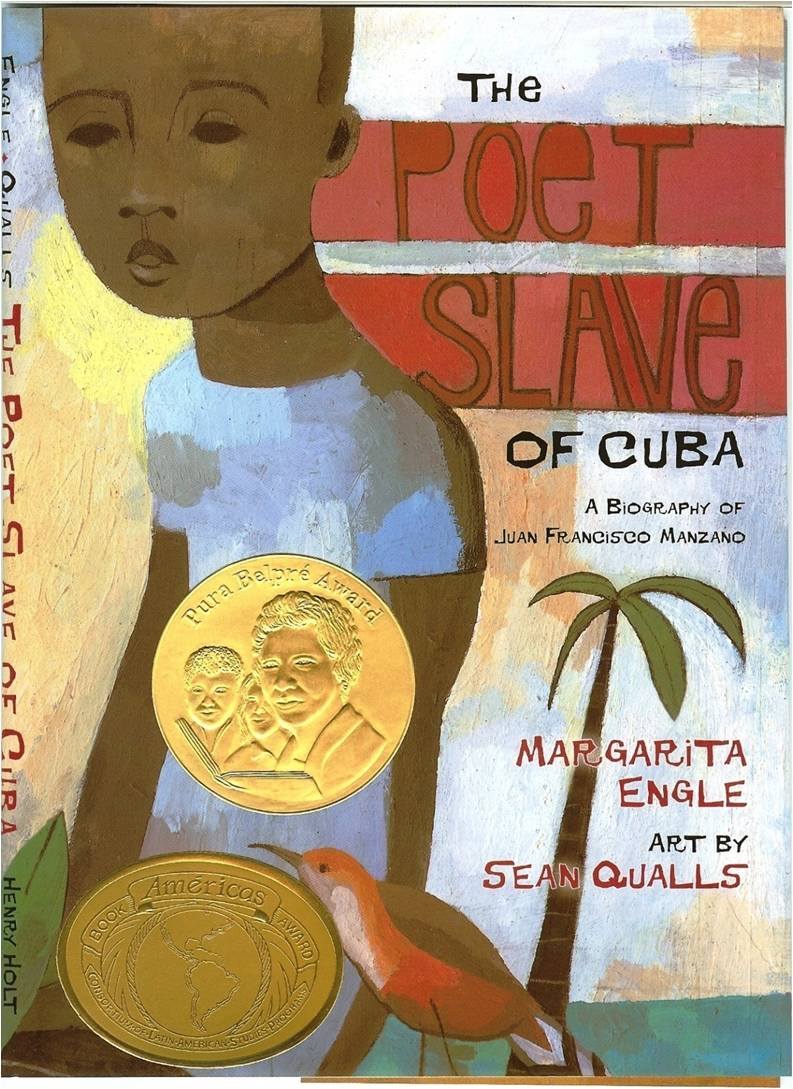
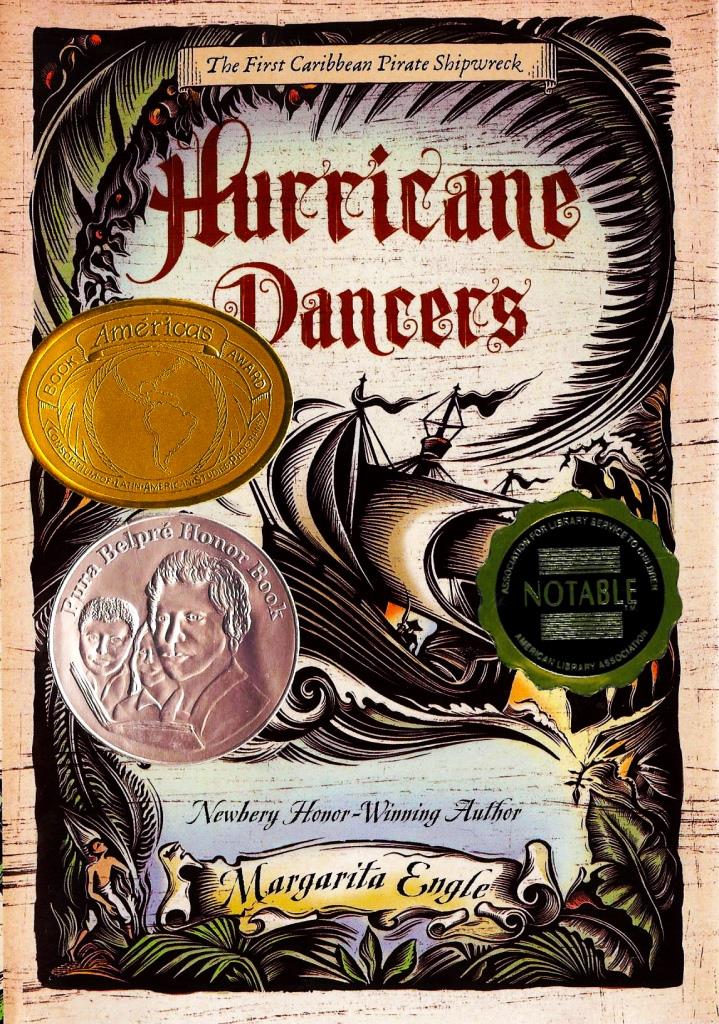
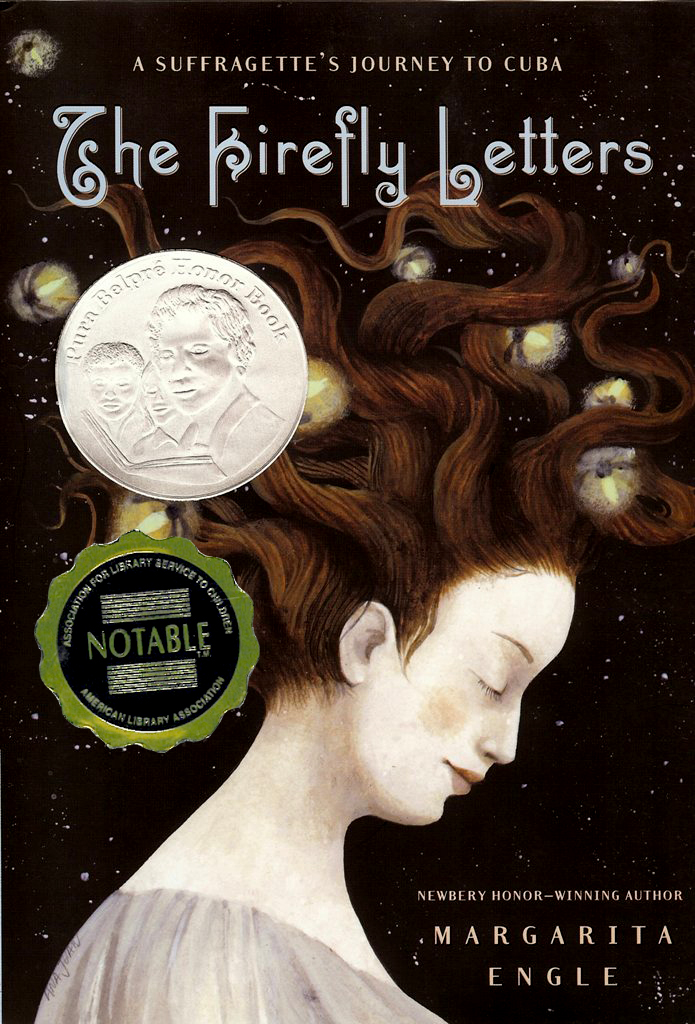
MargaritaMargarita Engle is the author of many books for young readers. Her long list of literary honors includes the Pura Belpré Medal, the Newbery Honor and the 2014 PEN USA. The themes and characters of Margarita’s books often reflect her Cuban heritage, including the titles pictured below. Learn much more on her official website.

Margarita offers an abundant selection of books based in Cuba or featuring Cuban characters, as seen below.

MountainDog.highrescvr  drum dream girl cover  Tropical Secret   The Wild Book  Surrende Tree Notable  Poet Slave  Hurricane dancers notable  Firefly notable  Enchanted Air


Growing Up Cuban: Laura Lacámara and Meg Medina

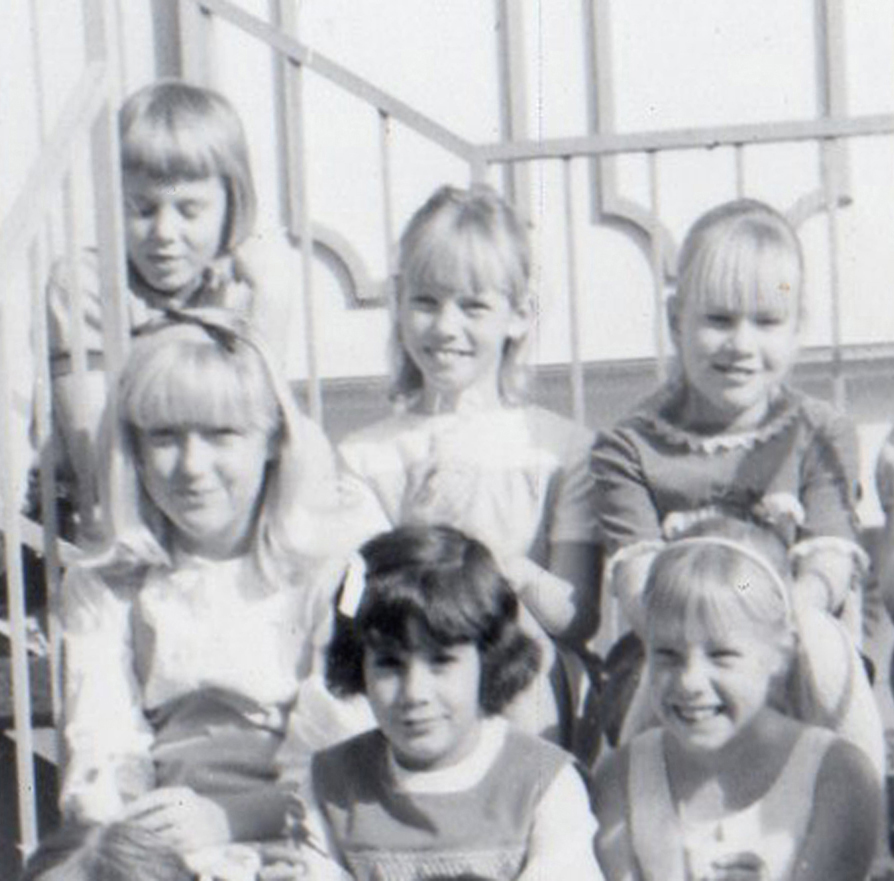
Photo of me & blond girls from class

My Cuban Evolution

By Laura Lacámara

Growing up Cuban-American in suburban Southern California, I teetered back and forth between feeling different, like I didn’t belong, and feeling exotic and special.

The feeling different part came mostly when I was little.

We spoke Spanish at home, while all my friends spoke English.

We ate lechón (roast pork), black beans, and plantains on Christmas eve (nochebuena), instead of turkey, stuffing, and yams on Christmas night.

Then, there was that same embarrassing question asked by all my friends who came over to the house: “Why are your parents fighting?”

“They are not,” I would respond, “they are just talking about what they want for dinner.”

In high school, being Cuban meant getting an easy “A” in Spanish. By the end of high school, being a Spanish-speaking Cuban had gone from totally embarrassing to super cool. I was the “exotic” one among my group of white suburban friends. (I knew I wasn’t really exotic, but I didn’t contradict them because I liked feeling special!)

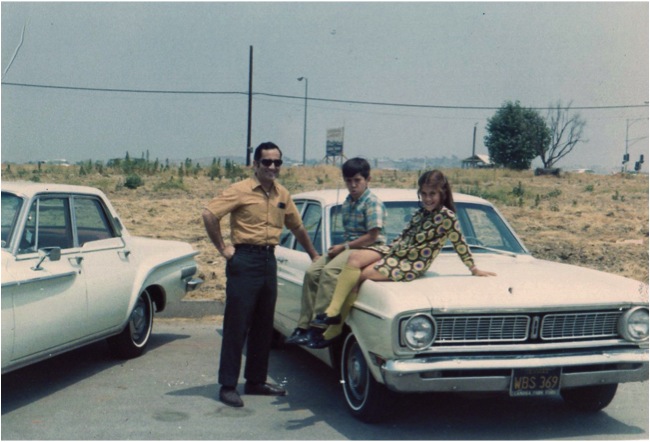
Me on hood of carFinally, in college, came exploring my roots, and ultimately embracing (and being proud of!) my Cuban-American identity.

Of course, the whole Cuban roots and identity thing comes with the inevitable responsibility to comment on Fidel Castro.

So, when asked that obligatory question by my white, non-Cuban friends: “Don’t you think it’s great that Castro’s revolution has given every Cuban citizen access to a pair of shoes and an education?”

Rather than launching into a big political discussion about the whole embargo thing (which I am totally in favor of lifting, by the way), I now offer the following joke:

“Comrades, what are the three great successes of the revolution? Healthcare, education, and sports. What are the three failures? Breakfast, lunch, and dinner.”

Politics aside, being Cuban remains a very personal thing for me. Sometimes it has felt like missing pieces I can only catch glimpses of here and there, but never quite own.

As a Cuban-American author writing stories inspired by growing up in my Cuban family, I’ve been able to explore some of these pieces and the quality of what Cuba, or being Cuban means to me.

Yes, I have lived in the U.S. most of my life, and I can express myself (verbally and on paper) better in English than in Spanish.

But, deep-down, that Spanish-speaking part of me, the one that finds “home” in a plate of black beans and rice with a slice of my mom’s homemade flan, will always be Cubana!

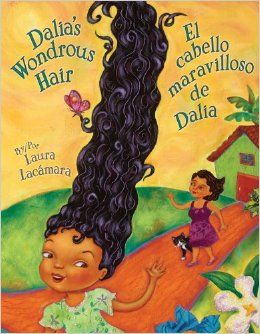
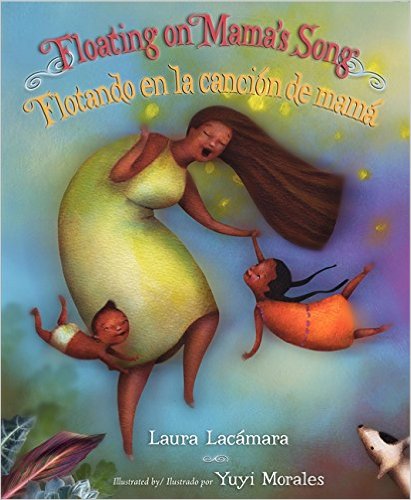
Dalia Cover    Floating

Laura_photo_2015-300 dpiCuban-born Laura Lacámara is the award-winning author and illustrator of Dalia’s Wondrous Hair / El cabello maravilloso de Dalia (Piñata Books), a bilingual picture book about a clever girl who transforms her unruly hair into a vibrant garden.

Laura also wrote Floating on Mama’s Song / Flotando en la canción de mamá, a bilingual picture book inspired by her mother, who was an opera singer in Havana. Illustrated by Yuyi Morales and published by HarperCollins, Floating on Mama’s Song was a Junior Library Guild Selection for Fall 2010 and was a Tejas Star Book Award Finalist for 2011-2012.

You can learn more about Laura’s work at her official website.


Cheeseburger by Day, Guayaba by Night

Juan Medina and LIdia Metauten wedding_NEW copy

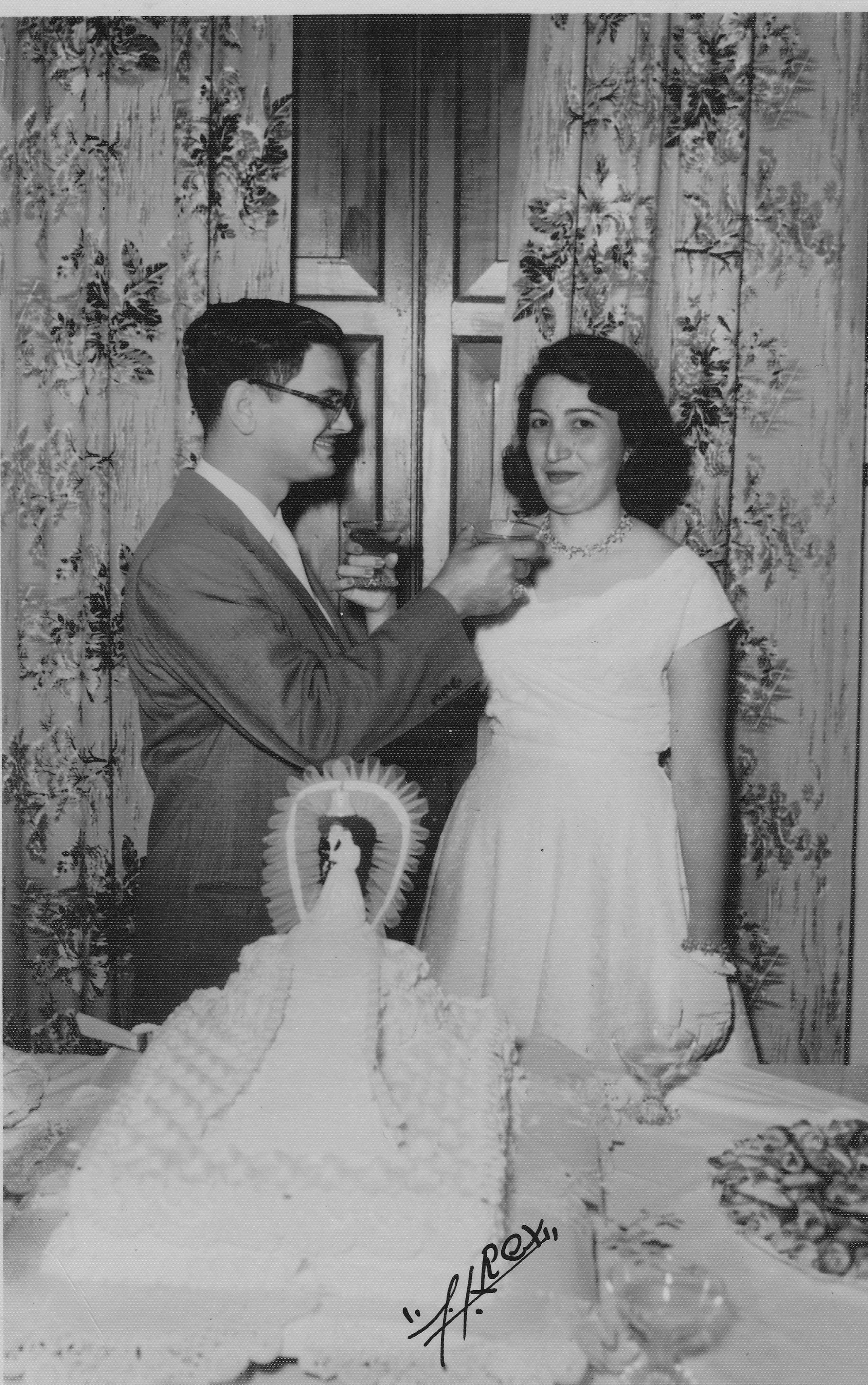
Meg Medina’s parents at their wedding

By Meg Medina

My parents left Cuba as part of the political exodus in the early sixties. I was the first person in my family born in the United States. I learned Spanish from my mother and English from Romper Room. I grew up biculturally: Cheeseburger by day, guayaba by night, so to speak. All to say that I find that I am Cuban to Americans. To Cubans, I am from the US.

When I consider Cuba, I can only rely on black and white photos and on dreamlike stories – perhaps even the obsessions – of my family. I cut my teeth listening to yarns about a place where you wore only a sweater in the winter, where mangos the size of softballs were heavy with sweetness. It was a place of rivers and beautiful ocean waters where you could see your toes. It was the place of tobacco on their fingertips, a place where my family was happiest and the place that broke their hearts.

Image 7

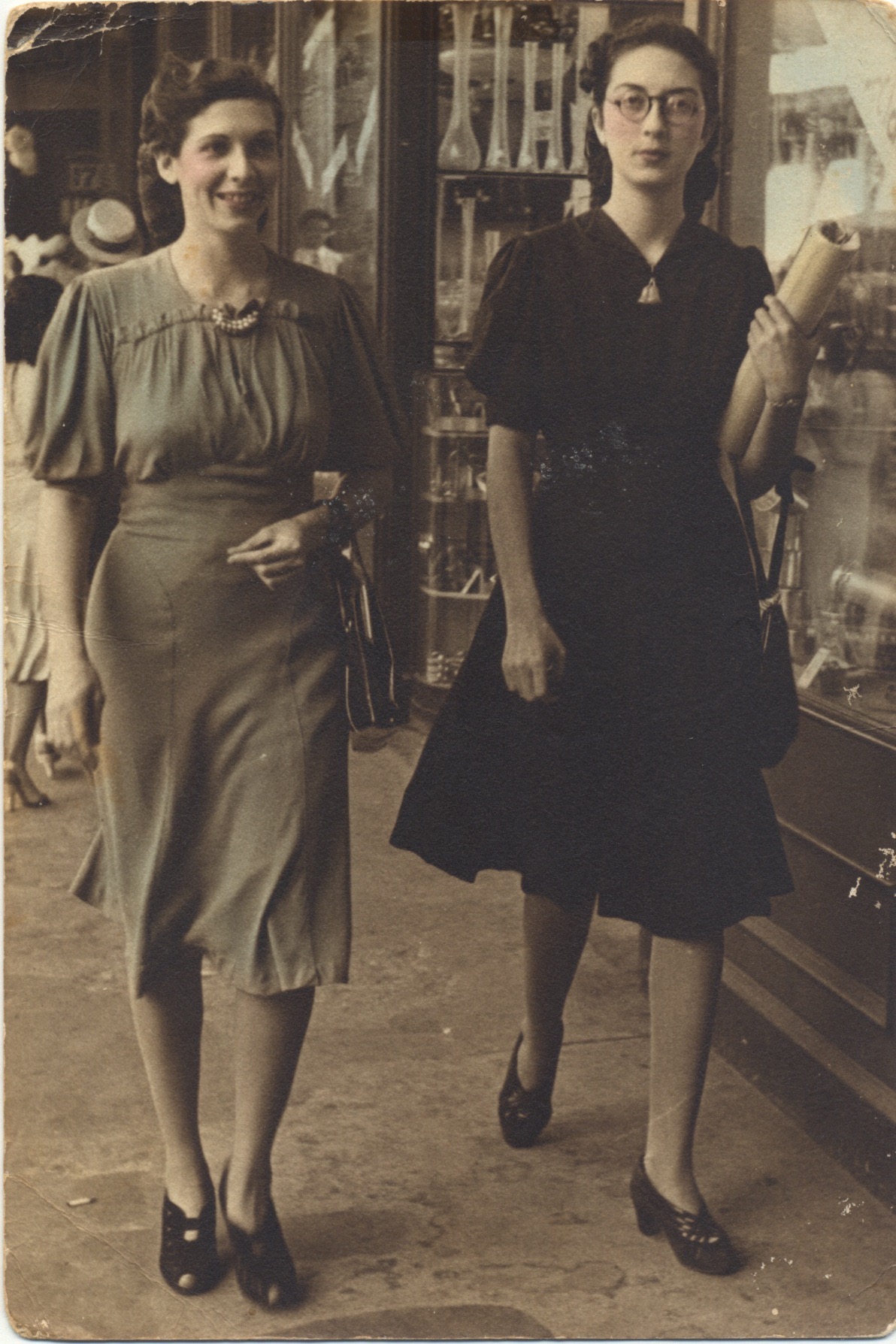
Two of Meg’s relatives on the streets of Havana

My own memories are these: Months of waiting for letters to arrive on thin airmail paper and my aunt’s voice reading the words aloud. A box of old photographs that arrived decades later, the images bored through by insects, and how those photos made my old mother cry. The odd catch in my chest when I see how dire need somehow got recycled into kitschy tourists waving from the seats of classic American cars.

People often ask: “Have you been to Cuba?”

I have never set foot on the island, but in a way, I have been there every day of my life. But how do we talk about Cuba as phantom limb? And, more important, how do we knit ourselves back together – los de aquí y los de allá – and move forward in search of new and better times?

 MANGO_jacket_for_Meg  Tia Isa

ad6df-yaquiMeg Medina is an award-winning Cuban American author who writes picture books, middle grade, and YA fiction.

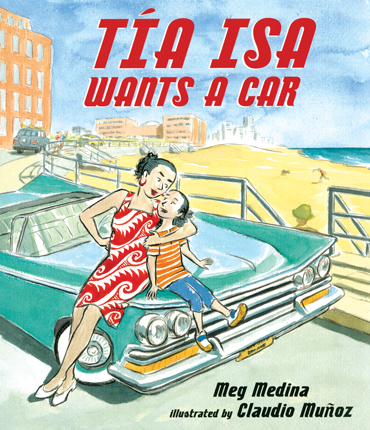
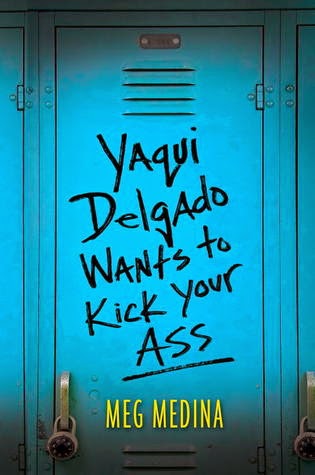
She is the 2014 recipient of the Pura Belpré medal and the 2013 CYBILS Fiction winner for her young adult novel, Yaqui Delgado Wants to Kick Your Ass. She is also the 2012 Ezra Jack Keats New Writers medal winner for her picture book Tia Isa Wants a Car.

Photo credit: Petite Shards Productions

Petite Shards Productions

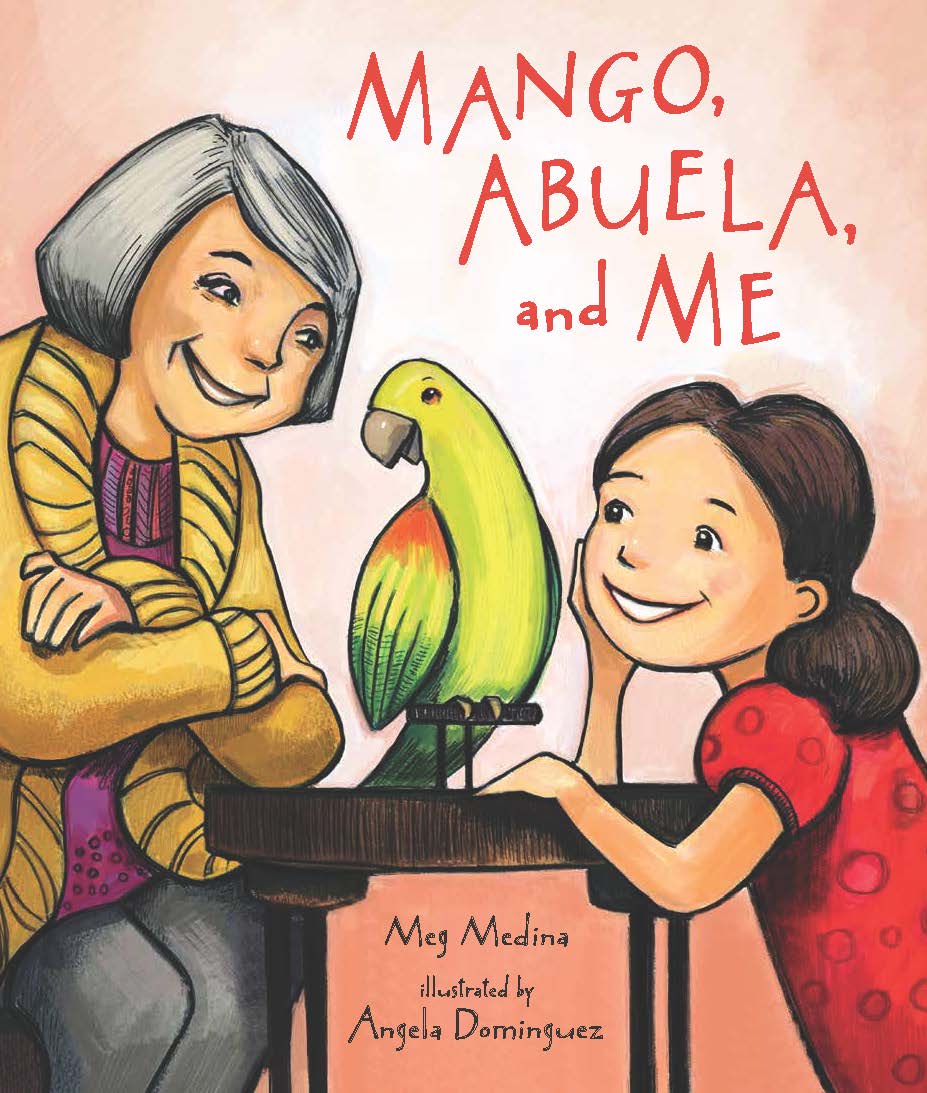
Her most recent picture book, Mango, Abuela, and Me, a Junior Library Guild Selection, has earned starred reviews in Booklist and Publishers Weekly, and  is included in the 2015 American Booksellers Association’s Best Books for Young Readers Catalog.

Meg’s other books are The Girl Who Could Silence the Wind, a 2012 Bank Street Best Book and CBI Recommended Read in the UK; and Milagros: Girl From Away.

Read a wonderful write-up on the Cuban inspiration of Meg’s newest book, Mango, Abuela and Me, at her blog, where you can also find information on her speaking schedule and much more.