Pitch Fiesta Update: 15 Writers Matched with Mentors to Prepare for the Event

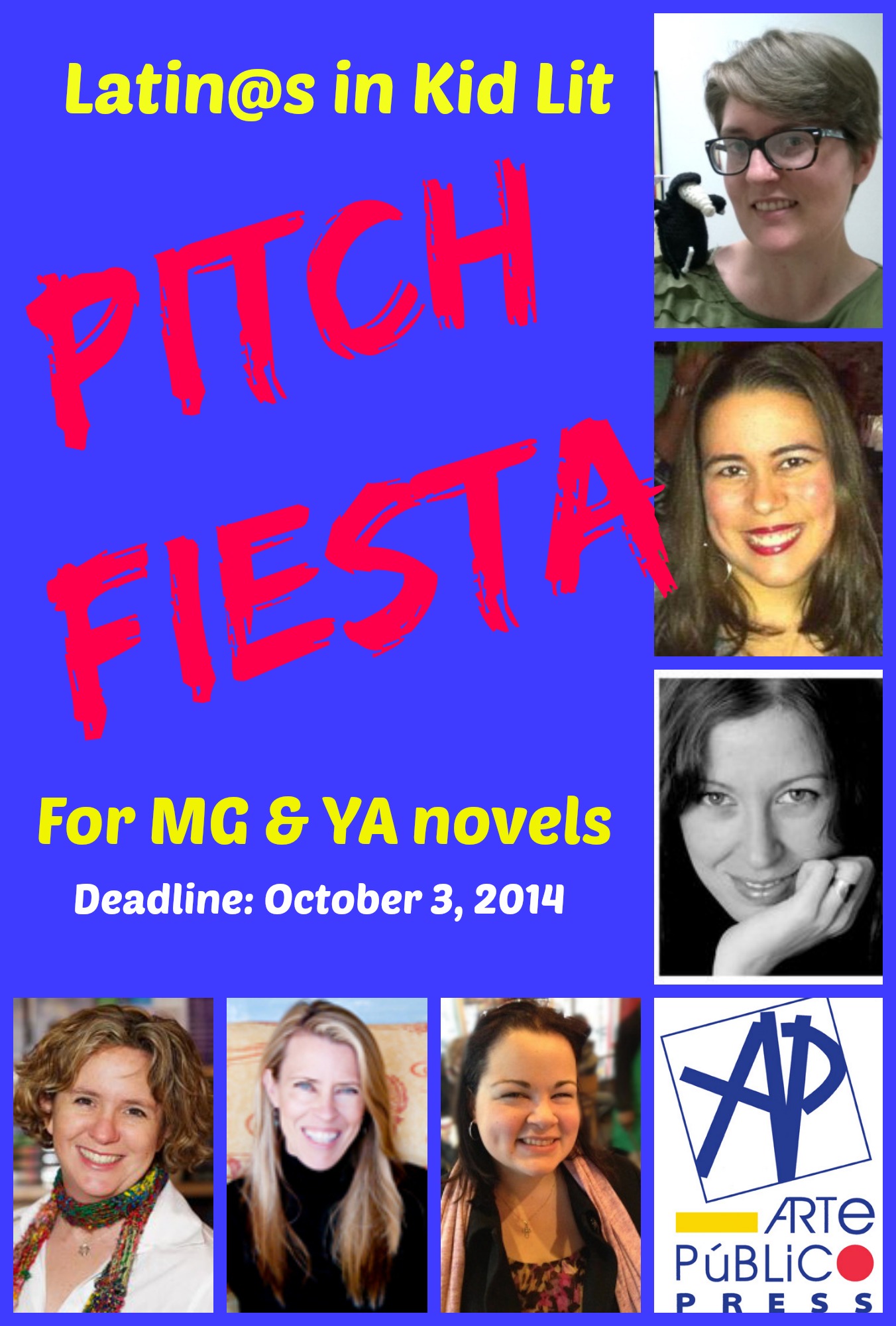
We’re excited to provide an update on Latin@s in Kid Lit’s first Pitch Fiesta. The deadline for submissions was October 3. We received 21 entries and reduced that number to 15 viable contenders representing middle grade and young adult–realistic, science fiction, fantasy, magical realism, LGBTQ, and Southern Gothic.

So, here’s the thing. We had no idea how many entries to expect. I (Cindy) thought we’d get maybe a half-dozen, which the LiKL crew could easily manage to review and prepare for pitching. So, when we ended up with 15!! viable entries, we flashed the bat signal at our kid lit writer friends. For those of you who don’t know, the kid lit community is awesome, and in no time, we had enough people ready to mentor our writers.

Here’s the process: Each mentor has been matched with a writer. The mentor will review the writer’s query and first pages with a critical eye. The mentor will email comments, thoughts, questions, concerns, suggestions, etc. to the writer. The two will work to make the query and first pages as clean and agent-ready as possible. Polished queries will be posted on our site on November 12-13 for the agents’ review. We hope “I’ve got to have it” type sparks will fly and matches will be made between writers and agents! These sparks of love over a manuscript will eventually lead to more books by and about Latin@s!

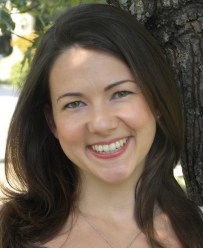
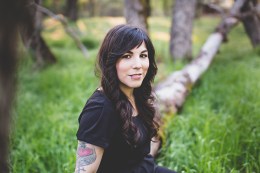
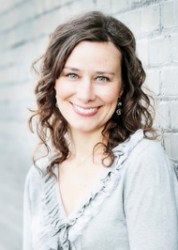
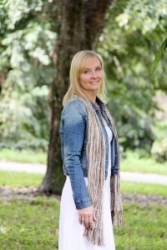
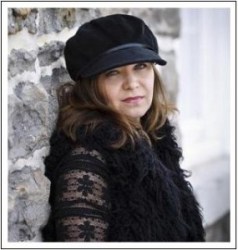
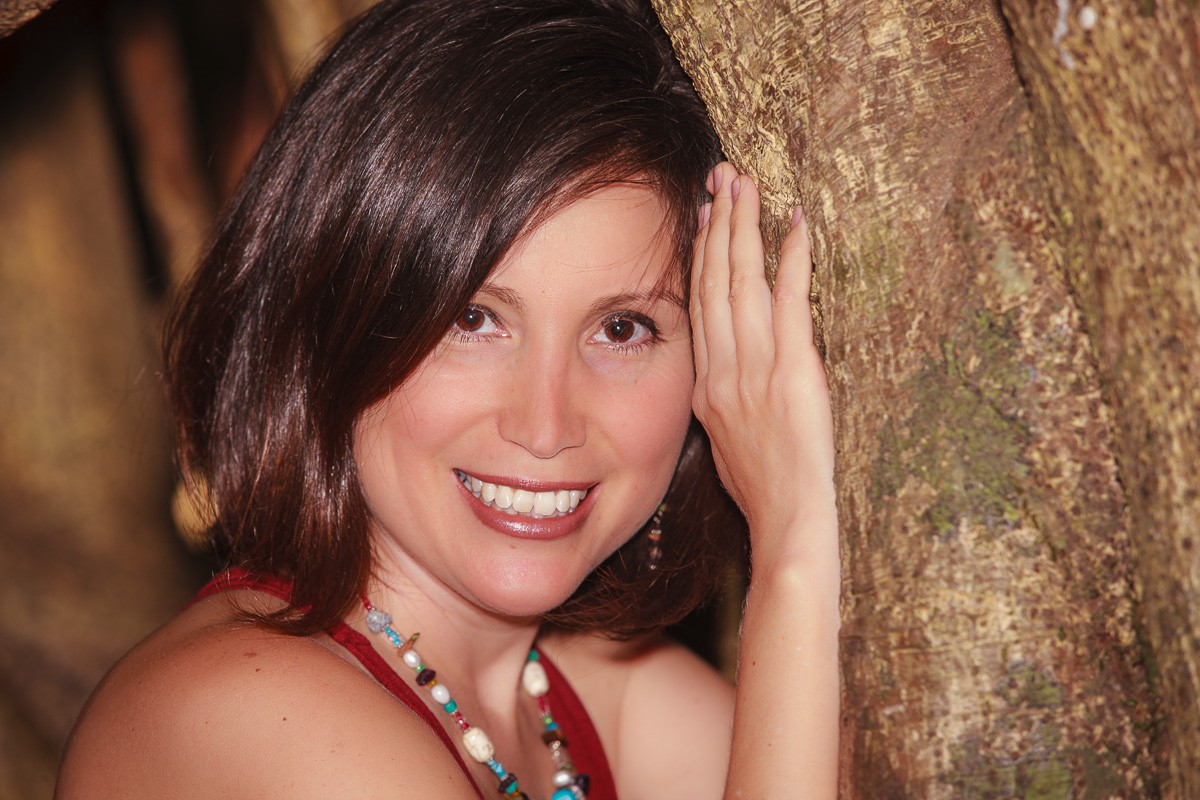
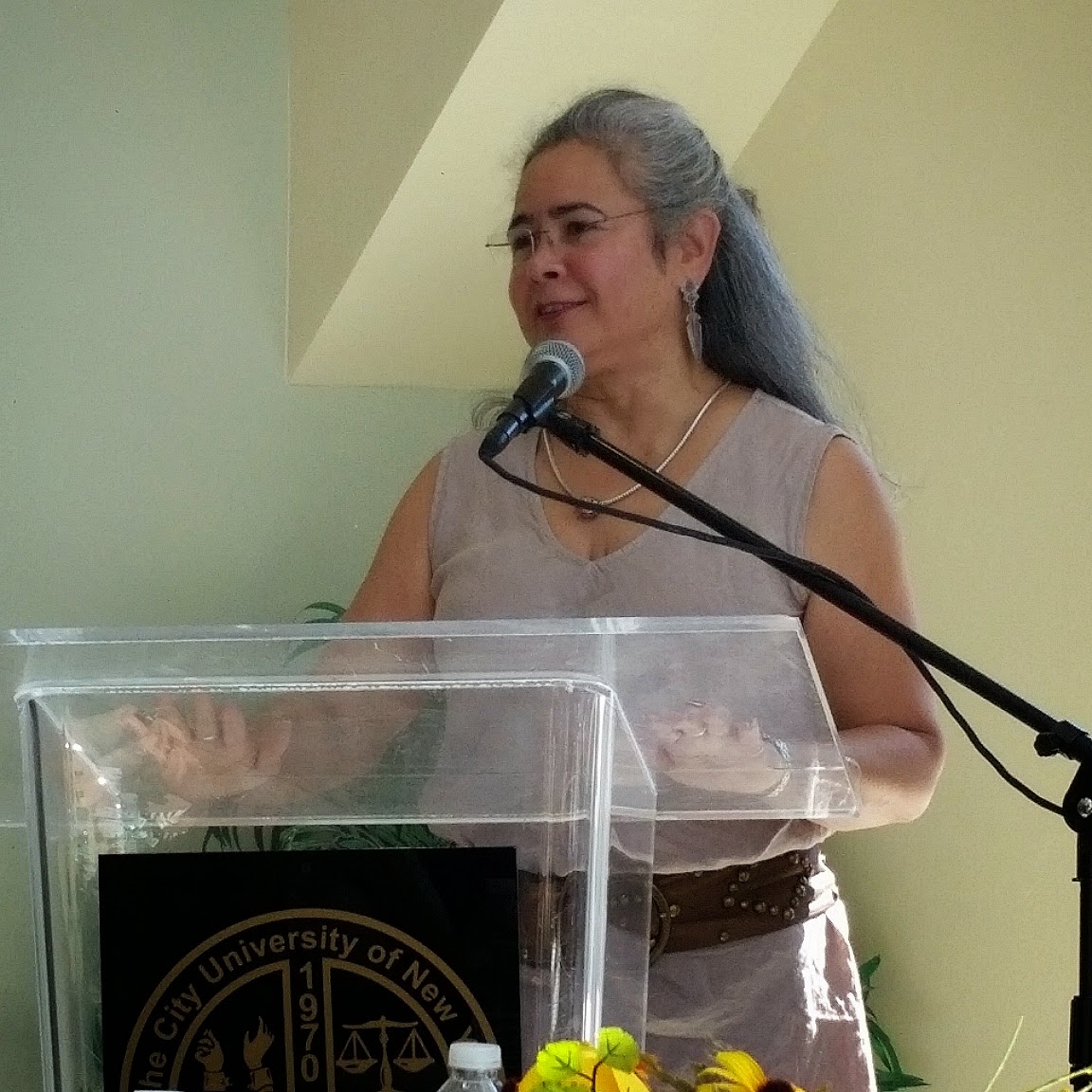
For now, though, there’s work to be done. Still, we wanted to publicly say, THANK YOU!!! to the authors who stepped up to help! Many are members of the Fearless Fifteeners, the Diversity League, and/or the We Need Diverse Books Team. They all support diversity in children’s literature and want to “pay forward” the help they received on the path to publishing. Below are all of the mentors. Names and titles match with photos going lef to right. If you click on the photos, you will be taken to the authors’ websites for more information.

Cindy L. Rodriguez: WHEN REASON BREAKS (Bloomsbury)

Ashley Hope Pérez: WHAT CAN’T WAIT and THE KNIFE AND THE BUTTERFLY (Carolrhoda Books)

Zoraida Córdova: THE VICIOUS DEEP trilogy (Sourcebooks Fire) and LUCK ON THE LINE (Diversion Books)

Heather Marie: THE GATEWAY THROUGH WHICH THEY CAME (Curiosity Quills Press)

Kelly Jones: UNUSUAL CHICKENS FOR THE EXCEPTIONAL POULTRY FARMER (Knopf Books for Young Readers)

Erin Entrada Kelly: BLACKBIRD FLY (Greenwillow Books)

A.L. Sonnichsen: RED BUTTERFLY (Simon and Schuster Books for Young Readers)

Anna-Marie McLemore: THE WEIGHT OF FEATHERS (Thomas Dunne)

Ronald L. Smith: HOODOO (Clarion)

Kerry O’Malley Cerra: JUST A DROP OF WATER (Sky Pony Press)

Dhonielle Clayton: TINY PRETTY THINGS (HarperTeen) and THE BELLES (Disney-Hyperion)

Holly Bodger: 5 TO 1 (Knopf Books for Young Readers)

Kristy Shen and Bryce Leung: LITTLE MISS EVIL (Spencer Hill Middle Grade)

Carrie Firestone: The title of Carrie’s debut novel hasn’t been finalized, but she will be published in 2016 by Little Brown & Co.

  2012AuthorPhoto500pixels  317988_632439229822_92623787_n

Heather-AuthorPhotos-3-WEBSIZE  Kelly Jones  Erin Entrada Kelly A.L. Sonnichsen Anna-Marie McLemoreRonald L. SmithKerry CerraDhonielle Clayton Holly Bodger Kristy and Bryce  profile photo


Three Reasons Why I Use Spanish Phrases in My Writing

By Noemi Gamel

 “Motherf—s will read a book that’s one third Elvish, but put two sentences in Spanish and they [white people] think we’re taking over.”
 — Junot Diaz, Professor of Writing at MIT

Junot speaks plainly. This quote was the MIT professor’s response when asked why he used Spanish phrases in his writing. As a Mexican-American writer, whose first language was Spanish but was educated entirely in English, this topic strikes a raw chord with me.

I write in English, even the dialogue that is spoken by primarily Spanish-speaking characters, but I often interject Spanish phrases in my prose. From a strictly technical perspective, I do this because my cognition is in English and my Spanish writing level is poor. To remind the reader that the character speaks Spanish, I interject occasional phrases in Spanish that serve as electric literary language shocks. From a social and emotional perspective, there are three more complex and profound reasons for my use of Spanish phrases in my writing.

1. Because I must.

There is no greater agony than bearing an untold story inside you.
— Maya Angelou, Author and Poet

I blend Spanish with English because the language is an indelible part of me. It was my first language. I also use Spanish phrases to reflect the reality of the marriage of both languages in characters that grew up along the Texas-Mexican border, as I did. I may think in English. I may write better in English. Heck, I think I even speak English better than I do Spanish (but please don’t tell my parents!). In spite of the effects of American assimilation, Spanish is the untold story I bear inside of me. The Spanish words flow out of my hands just like carbon dioxide flows out with my breath. It is effortless, inevitable, and life-sustaining.

2. To teach children that speaking a second language is a gift.

“We need to help students and parents cherish and preserve the ethnic and cultural diversity that nourishes and strengthens this community – and this nation.”
— Cesar Chavez, Mexican-American farm worker and activist

I attended an elementary school in the south side of McAllen, Texas. McAllen is a small city less than 10 miles from the border with Mexico. There were maybe two children in my grade level whose parents spoke English at home. Most of the teachers at the school were of Mexican descent. Yet, we were not allowed to speak Spanish at school. The Spanish language was treated as a blemish that had to be obliterated.

Fast forward two decades (OK, maybe three) later, and I am astonished to see how many Texas public schools have dual language programs. My children attended a private Montessori school that included Spanish in the curriculum. Private Spanish immersion schools are popping up everywhere. Finally, the Texas education system has received a clue from the words of Cesar Chavez. The power and value of speaking two languages is fully recognized. Most importantly, educators no longer treat Spanish as a shameful entity. Latino children are given the freedom to be proud of their native language.

I interject Spanish phrases into my writing to reinforce that sentiment. I want Latino children to feel the same pride I felt when I first heard Madonna’s “La Isla Bonita” on the radio. The more these children see their native language in the media, whether it is books, television, or movies, the more that sense of pride and belonging is reinforced. Speaking a language in addition to English is not something to be swept under the rug. They should display it with pride.

3. To share the beauty of the Latino culture.

“A lot of different flowers make a bouquet.”
–Muslim Proverb

Growing up as the daughter of immigrants and living as an expatriate in Costa Rica as an adult has taught me about the intrinsic importance of language in cultural adaptation and acceptance. I use Spanish phrases in my writing to share the beauty of my culture with others. Spanish is just one of the flowers that make up the bouquet of diversity in America that adds to the natural beauty of the people that make up its population.

Spanish is a rhythmic, flowery language filled with metaphors. I often can capture an emotion better with a Spanish term or phrase than I can in English. I hope that when I do that, the reader, especially if they are not Latino, catches a glimpse into the colorful Latino culture.

In the recent months, the lack of diversity in children’s literature has taken the spotlight in part as a result of the formidable efforts of the #WeNeedDiverseBooks team. As a writer, I have felt validated by this group regarding my use of Spanish words and phrases in my writing. I hope other writers follow suit. As a reader, I am excited to think that I may now encounter other languages in the books that I read. There is no reason to be afraid.

NoemiNoemi Gamel was born and raised in south Texas along the Mexican border. She practiced as a physician for eight years before putting her career on hold to write diverse children’s fantasy books and to travel the world with her partner, Chris, and their two children. She wrote The Black Rose and Other Scary Stories That Happened To Me! as an homage to the Mexican folktales of her childhood. The Iris of Issoria, a children’s fantasy novel, will be available October 7, 2014. For more information, visit her at www.NoemiGamel.com or follow her on Twitter at @NoemiGamel.

Shine a Bright Spotlight on Unsold Diverse Books: An Idea Inspired by Hollywood’s Black List

By Patrick Flores-Scott

I’m happy to have the opportunity to be blogging here at Latin@s in Kid Lit!

Once again, I’ve got the We Need Diverse Books movement on my mind.

If you’re reading this post, I’m sure you’re very aware that children’s literature does not reflect the true diversity of this land. And you’re very likely to agree that it must.  And you can explain the myriad reasons why it must. And you’ve most likely asked yourself, How do we fix this? And I bet you’ve got ideas.

It’s going to take many ideas from myriad sources and a lot of people working together in every phase of the publishing industry to make change happen.

I’d like to use this post to throw one possible idea into that mix. For many reasons, I’m not the guy to put this one into action, but I think it’s an idea worthy of consideration, and it would be very cool if someone ran with it.

The idea is stolen from Hollywood. It’s called the Black List. I’m not referring to the mid-last-century process of blacklisting supposed Hollywood communists and those who refused to name names, in an effort to keep them from ever working in this town again. And I’m not referring to NBC’s TV show, The Blacklist. I’m referring to the Black List, which is a list of the best unsold scripts for each calendar year. Simple as that.

The List was started by Franklin Leonard in an effort to bring attention to scripts that otherwise, may never have seen the light of day, and in an attempt to create a path to success for yet-to-be-produced screenwriters.

Check out this link to an interview with Franklin Leonard. It’s is a great introduction to the Black List.

In the interview, Franklin Leonard states that:

“…the more that we can do to shine a very bright spotlight on people doing ambitious and very high quality work, the more likely it is that those scripts get made. I think the role we play is to shine that bright spotlight and say, “Here’s a bunch of stuff that maybe you overlooked, that maybe you loved but you didn’t pull the trigger on for whatever reason; it might be worth taking a second look.”

He goes on to say that’s exactly what happens when the list comes out each year. There are meetings all over Hollywood where executives go over the list and reconsider scripts they’d previously passed on, or they find new scripts that they then request from writers and agents.

Since 2005, over two-hundred films that made it onto a Black List have been produced. Some of them include Argo, American Hustle, The Descendants, Juno, The Wolf of Wall Street, Slumdog Millionaire, The Social Network, and The Wrestler.

In an attempt to start a dialogue, here are some ideas about how the Black List could work in the world of kid lit:

The Kid List (or whatever it’s going to be called) committee would solicit manuscripts from writers from underrepresented backgrounds, or manuscripts with underrepresented main characters, regardless of the writer’s background.

The purpose of The Kid List would be to connect publishers with manuscripts that an esteemed committee would deem worthy of publication. It would also be a vehicle for connecting unrepresented writers with agents. Furthermore, the list could be used as a form of mentorship for writers of promising manuscripts that do not make the list. These writers would be given quality feedback and the opportunity to resubmit to the list the following year.

The manuscripts could be sent from agents or from individuals who do not yet have representation. I picture manuscripts coming from unpublished writers, but I think it’d also be appropriate for a published author to submit a manuscript that has gone through the traditional editorial submission process without garnering a deal.

At the end of the year, the committee would create a list made up of  (whatever number) of manuscripts that they feel are worthy of publication. I picture the list being unveiled by the committee during one of the major book conventions.

The make-up of the selection committee would be crucial to the success of The Kid List. In order to shine that spotlight that Franklin Leonard talks about, the folks on the committee would need to be bright lights in their own right. They should be influential librarians, well-regarded booksellers and big-name authors. It would be a major time commitment—maybe like being a member of the BFYA committee—but I think there are enough big-time players out there who value diversity in children’s literature and who would like to play a role in making that diversity happen.

Recruiting a selection committee, creating its rules and structures… all that, would be a big challenge for some dynamic, driven passionate individuals. Are you one of them?

My big fear would be that the list would come out… and nothing would happen. Editors and agents would greet it with a big whatever. I just don’t think that’d be the case. I truly believe that, for the most part, editors would like to publish more “diverse books.” But change is hard. People need a nudge. They need help. They need to be educated and they need someone they respect telling them it’s okay to go for it. But more than all that, The Kid List would create marketing buzz for books before they’re even sold. What publisher wouldn’t want a piece of that?

I could picture the first Kid List coming out and one book being published off that list. It might not seem like much, but editors and agents would know that a cool book from an unknown author was sold, at least in part, because of The Kid List. They’d check it out a little closer the next year and maybe then a few more books would be published because of The List. From there, it’s not hard seeing a time and place where The Kid List has done for diversity in kid lit what the Black List has done for Hollywood.

And it’s not hard to picture young writers from diverse backgrounds, inspired by the idea that there’s a path that I can take to get a book published. And the characters in that book can look like I do.

There it is. One idea. Let me know what you think. Or don’t, and just go for it.

PatrickFS1Patrick Flores-Scott was, until recently, a long-time public school teacher in Seattle, Washington. He’s now a stay-at-home dad and early morning writer in Ann Arbor, Michigan. Patrick’s first novel, Jumped In, has been named to a YALSA 2014 Best Fiction for Young Adults book, an NCSS/CBC Notable Book for the Social Studies and a Bank Street College Best Book of 2014. He is currently working on his second book, American Road Trip.

The Comadres y Compadres Writers Conference Offers Great Panels & Intimate Setting

By Cindy L. Rodriguez

image (1)

Bestselling author Esmeralda Santiago

Once, I attended a large conference for educators, and when I approached the keynote speaker to ask a question, handlers surrounded her and ushered her away. I bring this up because the Comadres y Compadres Writers Conference was the opposite experience. The conference, held at Medgar Evers College in Brooklyn on September 27, was an intimate affair, meaning the well-known agents, editors, and authors were *right there* and accessible. Bestselling author Esmeralda Santiago posed for pictures. Meg Medina paused in the hallway to sign books. Conference-goers lunched at small tables with Stacy Whitman from Tu Books and Adriana Dominguez from Full Circle Literary. How cool, right?

The conference, in its third year, was developed by Dominguez, Marcela Landres, and Nora de Hoyos Comstock, the founder of Las Comadres para las Americas to “provide unpublished Latino writers with access to published Latino authors as well as agents and editors who have a proven track record of publishing Latino books.” The one-day event offered panels, one-on-one critiques, a pitch slam, and a lunch-time speech by keynote speaker Esmeralda Santiago, who told her own publishing story and emphasized the discipline needed to be a professional writer. Books of all the presenters were also available from La Casa Azul, a New York City bookstore that specializes in Latino Literature.

image (2)

Author Meg Medina

Here were some of the highlights:

Author Meg Medina, winner of the Pura Belpré Award for Yaqui Delgado Wants to Kick Your Ass, emphasized the importance of diversity in children’s literature. “We’re looking at a diverse set of kids in the (school) seats, so we need a diverse set of books.” She added that Latin@ books are not only for Latin@s: “Our books matter to all kids of all cultures.”

In terms of craft, Medina told writers to put their efforts into creating great work, not a great platform. The writing comes first. She also said she is not a methodical planner. Instead, she follows her character–she lets the characters speak to her–as she is writing and often asks, “What are you really afraid of? What’s really the problem?” When creating an antagonist, writers should “create a worthy opponent, a layered opponent. Don’t create a stereotype, especially for the bad guy.”

Medina spoke at a later panel with our own Lila Quintero Weaver, author of Darkroom: A Memoir in Black and White. During that session, moderated by Shelley Diaz, Senior Editor of School Library Journal’s reviews, Lila spoke about her non-traditional publishing route that led her to become an accidental author. Her graphic novel was originally a college project that eventually landed on the desk of the University of Alabama Press editors. Lila said she couldn’t think of a single disappointment in publishing so far and encouraged writers to see the process as an opportunity to grow, not just get published.

image

Meg Medina, Lila Quintero Weaver, and Shelley Diaz

Here are Lila’s thoughts after the conference:

“One of the exceptional values of conferences like Comadres is what they offer over social media alone. You can share a table at lunch, laugh together, chat about life beyond writing, and listen to the same speaker in the same moment. It’s the magic of synergy, which in the case of Latin@s comes with extra simpatico in the sauce! I returned home with a pocketful of business cards, and my Twitter feed lit up with Latin@ conversations on multiple topics. Let’s not forget the opportunity to discover new writers. My Goodreads update will soon reflect that fact. I wasn’t seeking representation or editorial feedback, but those opportunities were present at the conference too, another BIG reason for attending. So yes, my experience boils down to making great connections with Latin@ writers, the kind that endure if you work on them.”

For those seeking representation and editorial feedback, we have good news. Agents and editors said they want more diverse titles, but they said they’ve seen too many memoirs and depressing stories cross their desks. They would, however, like to see more young adult manuscripts with Latin@ protagonists. Nancy Mercado, editorial director at Scholastic said she’d love a Latino Cheaper by the Dozen, and Johanna Castillo, vice president and senior editor at Atria/Simon & Schuster, said she’s hoping to see rich stories about immigrant children raised without their families in the U.S.

Organizers said attendance at this year’s conference doubled from last year, a great sign that the event will be around for years to come.

Click here for another report on the conference, and click here for more  information about Las Comadres.

The Pitch Fiesta Rocks On!

A friendly reminder: we’re at the midway point of the Pitch Fiesta. Don’t wait much longer to submit your novel! Need a refresher on the rules and procedures? Go here.

Pitch Fiesta

Writers: You’re Invited to Our First Ever Pitch Fiesta!

We’re baaaaaaack from vacation and so excited to announce the details for our first ever Pitch Fiesta, an online pitch event that could lead to writer-agent-publisher matches and future books by/for/about Latin@s. This event is open to middle grade and young adult writers. We’re sorry, but no picture book manuscripts this time around. We might have a separate event in the future for picture book writers and illustrators.
Before we get to the application information, let’s introduce our participating agents and publisher:

ADominguezSMALLAdriana Dominguez, an agent at Full Circle Literary since 2009, has 15 years of experience in publishing, most recently as Executive Editor at HarperCollins Children’s Books, where she managed the children’s division of the Rayo imprint. She is a member of the Brooklyn Literary Council, which organizes the Brooklyn Book Festival, and one of the founders of the Comadres and Compadres Writers Conference in NYC. She is interested in middle grade novels and literary young adult novels. Adriana has a long trajectory of publishing underrepresented authors and illustrators, and welcomes submissions that offer diverse points of view.
 

29380_10152263632420414_1819881365_n

Adrienne Rosado is an agent at the Nancy Yost Literary Agency as well as the Foreign Rights Director. She is interested in literary and commercial fiction, especially YA, urban fantasy, multicultural fiction, women’s fiction, and new adult, all with strong voices and an authentic tone.  She’s especially drawn to dark humor, innovative takes on classic literary themes, and Southern gothics. Adrienne is also on the lookout for quirky and smart narrative nonfiction, memoirs, pop science, and business books with a creative approach. Please no picture books, chapter books, poetry, or westerns.
 

headshotdeathofrats

Amy Boggs is an agent at the Donald Maass Literary Agency. She is looking for all things fantasy and science fiction, especially high fantasy, urban fantasy, steampunk (and its variations), YA, MG, and alternate history. She is also looking for unique works of contemporary YA, historical fiction, Westerns, and works that challenge their genre are also welcome. She seeks and supports projects and authors diverse in any and all respects, such as (but not limited to) gender, race, ethnicity, disability, and sexuality. Please no: thrillers, women’s fiction, picture books, chapter books, poetry, screenplays, or any debut work under 30,000 words in length.


sara_sized_160x240Sara Megibow is an agent at the Nelson Literary Agency. Sara is looking for debut authors with a complete novel-length manuscript in any of these genres: middle grade, young adult, new adult, romance, erotica, science fiction or fantasy. Any sub-genre is accepted including paranormal, historical, contemporary, steampunk, fantasy, etc. In short – if you can write it, Sara will read it – as long as it’s 100% complete, novel-length, not previously published and in one of the above genres. Where does Diversity fit in? Sara is looking for manuscripts AND/OR authors representing diversity of religion, race, culture, socio-economic status, ability, age, gender and/or sexual orientation. Sara is on twitter @SaraMegibow and on Publishers Marketplace here:  http://www.publishersmarketplace.com/members/SaraMegibow/

 

_KO Agent Photo

Kathleen Ortiz is the director of subsidiary rights and a literary agent for New Leaf Literary & Media, Inc. She is an active member of AAR and SCBWI. She’s always on the hunt for outstanding stories with strong characters whose voice and journey stay with her long after she finishes reading the story. She loves YAs set within other cultures and experiences across all genres (though she’s a bit full up on sci-fi and dystopian at the moment).



Laura Dial

Laura Dail of the Laura Dail Literary Agency received her Master’s degree in Spanish Literature from Middlebury College (but would prefer to consider works in English). She’s most interested in realistic YA, and funny middle grade and chapter books. She represents fiction and nonfiction, but no picture books, poetry, or screenplays. See more here: http://ldlainc.com/kids-teen-ya/


AP long logo color verticalArte Público Press, affiliated with the University of Houston, specializes in publishing contemporary novels, short stories, poetry, and drama based on U.S. Hispanic cultural issues and themes. Arte Público also is interested in reference works and non-fiction studies, especially of Hispanic civil rights, women’s issues and history. Manuscripts, queries, synopses, outlines, proposals, introductory chapters, etc. are accepted in either English or Spanish, although the majority of our publications are in English.

Piñata Books is Arte Público Press’ imprint for children’s and young adult literature. It seeks to authentically and realistically portray themes, characters, and customs unique to U.S. Hispanic culture. Submissions and manuscript formalities are the same as for Arte Público Press.

Now, here are the guidelines:

1. Writers who are Latin@ or writers of any ethnicity who have included Latin@ characters, settings, etc. in their manuscripts are eligible to apply.

2. You must have a complete manuscript at the time of the Pitch Fiesta. If an agent or editor is interested, you must have a complete manuscript ready to send. So, writers–get writing! Finish that manuscript!

3. Please read and consider what the agents are looking for. Please do not send us a query and first pages in a genre that does not mesh with their lists.

4. We will accept applications from September 2 through October 3. To apply, please send your query and the first 5-10 pages of your middle grade or young adult novel to our email: latinosinkidlit@gmail.com. In the subject line, please write: PITCH FIESTA ENTRY. Please post both the query and the first pages directly into the email. No attachments.

5. One of the Latin@s in Kid Lit members will read and respond to your email. During the month of October, we will help selected writers revise and polish queries and first pages to prepare for the Pitch Fiesta. Even though we will help you with your queries and first pages, please send us your best work. We have the right to reject any applications.

Queries and first pages will be posted on November 12 and 13. If an agent or an editor from Arte Público is interested, you will be contacted.

Exciting, right?

We hope writers will take advantage of this opportunity to present your work to publishing professionals who are actively seeking, and thereby supporting, diversity in kid lit!