2014 Reading Challenge: June

Participants in our 2014 Latin@s in Kid Lit Reading Challenge are out of control in the best possible way! Take a look at the variety of books that were read in June, which happens to be the half-way point of the challenge. Now would be a great time to join us or renew your commitment to the challenge, which is to read one book a month that is written by a Latin@ author (any subject) or a book written by anyone that has Latin@ characters, themes, settings, etc. You’re not required to review–only read and enjoy and let us know what you have read! If you do post a review somewhere, we will link it to the book covers below. If you choose not to review, we will link the covers to Goodreads. For July, you may want to consider some of the new winners of the International Latino Book Awards.

6413788 16043528 13436375 9757257 18166935 13482750 8585924  17286899 18048909 15814459 11387515 862908 8811369 6789056  14740980 240298 465967  13610203  2282907  6084038  4080320  15953630  17171578  8455432  16057383  18654377  10351733  18654384  1861037  52390 1139921  18148193  321133  3308853  15791044  11129790  12921673313233169587  688161  1807231  424182  640476  15893258  2429455

YA Author Steven dos Santos Talks Sci-Fi, Diversity, and Overcoming Obstacles

12617286By Eileen Fontenot

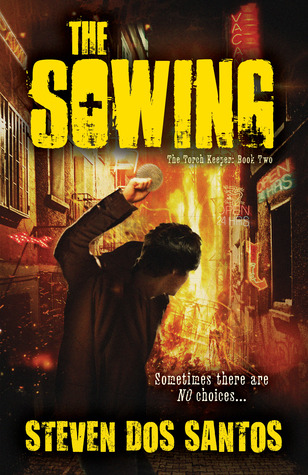
This month, we are taking a look at Latin@s in science fiction and fantasy. Today, we have a Q&A with Steven dos Santos, author of The Culling and The Sowing.

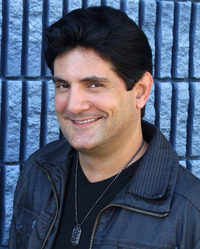
Born in New York City and raised in South Florida, Steven dos Santos began writing at age 7. It was only after a couple different career paths as an adult that he decided to become a professional writer. His trilogy, entitled The Torch Keeper, is his first effort. Book One, The Culling, was published last year, and the second book, The Sowing, was published in 2014.

In addition to the mind-boggling twists and shocks and the intense descriptions of violence and the horror in which his characters live in their dystopian world, what makes this series special is its main character, Lucian “Lucky” Spark, who is gay. Also striking is that the world in which dos Santos’ characters inhabit have equal rights, such as marriage equality. It’s also a bit of a novelty to have the main character in this type of genre not be a straight female. (Looking at you, Katniss Everdeen.)

Steven was kind enough to answer a few questions for Latin@s in Kid Lit – among other things, about the rewards and struggles of his writing career and what’s in store for the future.

Eileen: Could you tell us a bit about what prompted you to write this series? What is it about this genre that is appealing to you?

Steven: I’ve always been a fan of sci-fi movies and books, particularly stories that deal with moral dilemmas. Ever since I was a kid I was always terrified by the idea of what would happen if I was in a situation where I could only save one person that I loved. Who would I choose? How would I choose in such an impossible situation? Writing The Culling gave me a chance to explore that no-win scenario and grapple with my own nightmares.

Eileen: What kind of research do you do to create your books’ themes/characters/setting?

Steven: For The Torch Keeper series, I found myself researching a lot of different things that probably raised a few eyebrows at the NSA! LOL. Everything from disarming explosive devices, the effects of hypothermia on the body, symptoms of terminal illnesses, the history and stats of the Statue of Liberty, humankind’s negative effects on the environment and potential harm it can create in the future, etc. Even though both The Culling and The Sowing have futuristic elements, I felt it was very important to ground them in reality in order to heighten the emotional effects. All the tech and post-apocalyptic devastation are based on things that could actually happen, which, in my opinion, not only raises the stakes, but definitely increases the tension.

17342414Eileen: Do you base your characters on people you know in real life? Would you say that Lucky is a reflection of yourself?

Steven: I try not to base my characters on specific people that I know. I may borrow traits from people I’ve encountered and then blend those together to create someone totally different. That being said, my protagonist, Lucian “Lucky” Spark is very sensitive, a dreamer, and a bit of a romantic. He also likes to read and he’s a gay male of Latin descent. You do the math! 😉

Eileen: What are your thoughts on diversity in YA scifi/fantasy works? Is this an important issue for you personally? If so, how?

Steven: This is an issue I’m very passionate about! While I think it’s great that there is definitely an increased awareness on the parts of readers and publishers alike regarding diversity in YA scifi/fantasy, I think we are only beginning to scratch the surface of this extremely important issue. Everyone deserves to see him or herself portrayed as the hero of a novel, the one to save the world. It’s also extremely important for young people to read about all types of people and realize just how much they have in common. Growing up, I wish there had been more books that included characters like me on their pages. This was definitely a big motivator in writing The Torch Keeper series.

Eileen: Who or what has influenced you in your writing career? Do you feel that being a gay Latino influences your work?

Steven: My mom was a definite inspiration in pursuing my writing dreams. I was brought up not only embracing my Hispanic heritage, but also to be proud of the country of my birth, America. I also definitely feel being part of a minority (or more than one in my case) has challenged me to strive for greater representation of diversity. But on those days when I’m feeling particularly frustrated, I read these messages I’ve received.

This one from a high school student:

Thanks for writing a great book and I hope it receives all of the attention it deserves. I know some people won’t pick up the book because it has gay characters. I try to plead with them because it is a great book. Love is love to me and everyone should be accepted for what they are and that’s the great thing about your book. Right now I’m struggling with my own sexuality, not really struggling because I know I am gay but my mother doesn’t accept them. You have inspired me though to try to come out. You have relieved some of the pressure. Thank you.

And this other one from another reader:

I just really want to say thank you for your books because it’s really really awesome to see a novel with an openly queer protagonist on the shelf at Barnes and Noble and then read it and find that the book isn’t about the “struggles of being a queer teen” and instead created actual conflicts rather than people just being appalled by two boys being together and after I read The Culling I sat down and just cried because it’s so nice to feel validated and accepted especially if you live in a place where being accepted as anything other than heterosexual is unheard of so yeah thank you so so much for your books they’re incredible and I really really hope they affect other people like they affected me.

And that is a magical reminder of why I do what I do. If I can reach just one person in such a powerful manner, I’ve accomplished something wonderful. That’s also why it meant so much to me when The Culling was recently named an American Library Association Rainbow List Top Ten Selection.

Eileen: Have you experienced any roadblocks getting published? Or has it been fairly smooth sailing?

Steven: I’ve definitely experienced obstacles on my road to publication. I actually had an agent put in writing that while she loved my book, she was going to have to pass because the market for YA books is heterosexual females and no one would want to read a book about a male protagonist, especially a gay male protagonist. To say I was crushed would be a grave understatement. This wasn’t a rejection of the quality of my writing, which I could improve if need be. This was far more insidious. It was a rejection of my being. Basically, the message was, no matter how good my writing was, no one was ever going to be interested if I wrote about a particular type of teen.

If I wrote about people like me.

Eileen: What are you working on now?

Steven: I’m actually working on finishing the concluding novel in The Torch Keeper series! My goal is to finish it by the end of summer. I’ve already written the ending, which I pretty much envisioned while writing The Culling. I can’t say too much about it, but rest assured like The Culling and The Sowing, the title of Book 3 will also end in ING. (Hint: It’s NOT “The Reaping!”) I’ve also started work on an entirely new novel that is more in the horror genre and will once again feature a diverse cast.

Steven dos Santos

Steven dos Santos

If readers would like to contact me, they can do so at:

www.stevendossantos.com

www.facebook.com/stevendossantosauthor

www.facebook.com/TheTorchKeeper

http://www.tumblr.com/blog/stevendossantos

www.twitter.com/stevendossantos

www.twitter.com/TheTorchKeeper

Join The Torch Keeper Fan Forums at:

http://chaosreads.com/forum/69-the-torch-keeper-series-steven-dos-santos/

And they can find my books at:

Goodreads: The Culling

Goodreads: The Sowing

Amazon: The Culling

Amazon: The Sowing

The Little Ecuadorian Mermaid

web_mermaid

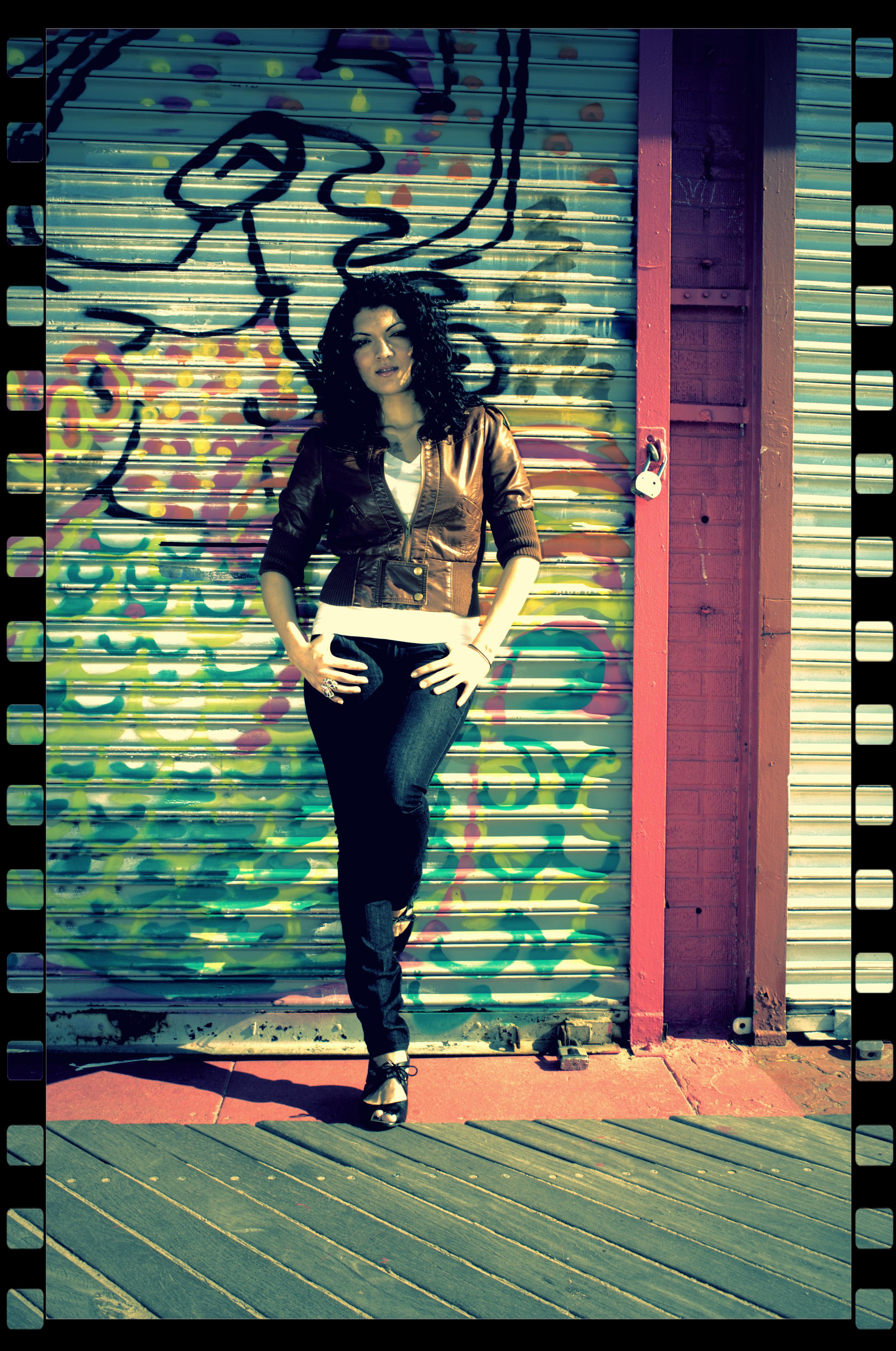
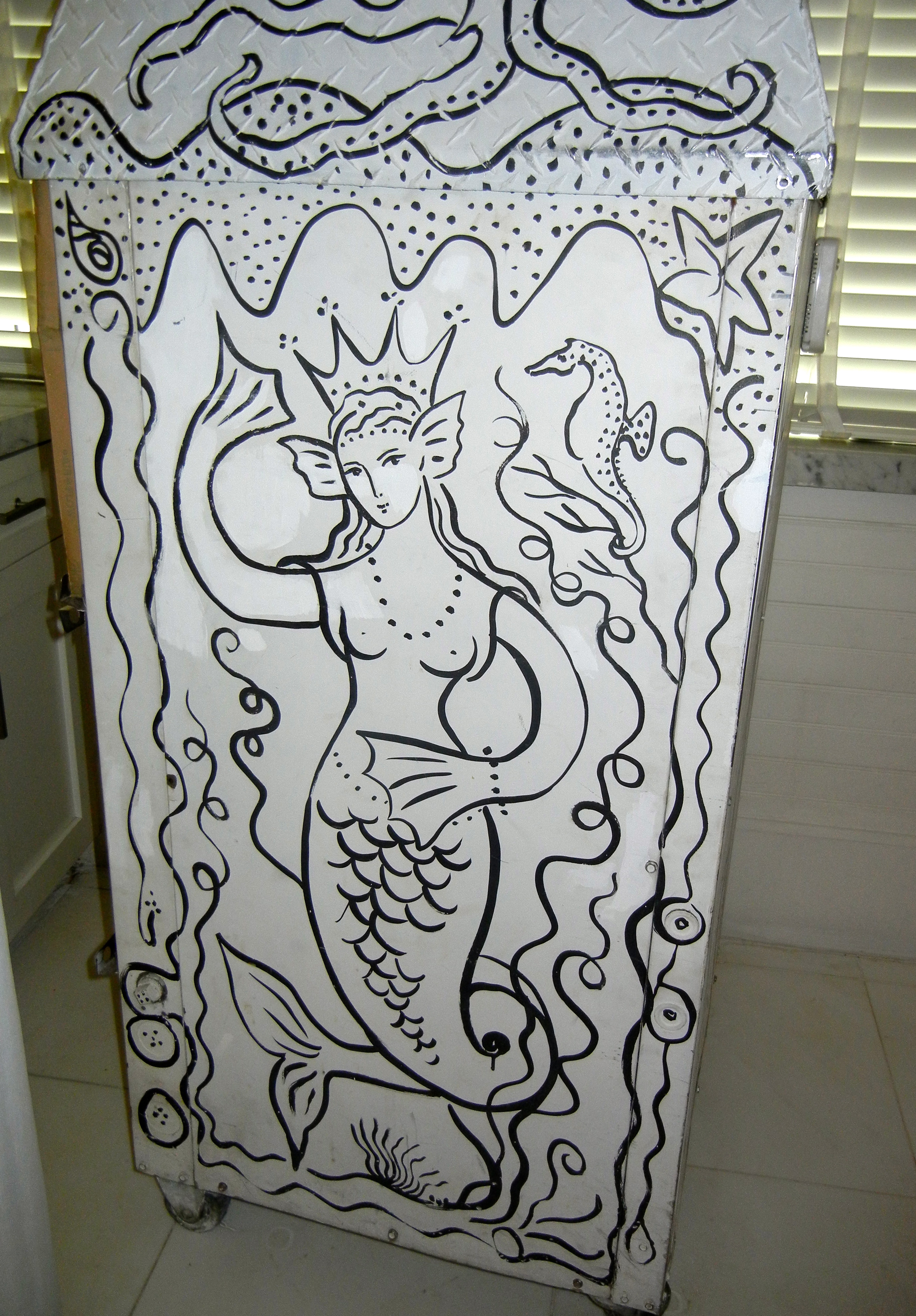
Graffiti mermaid at the Lola Starr store in Coney Island

By Zoraida Córdova

Welcome as we kick off our LATIN@S IN SCI-FI & FANTASY MONTH!

After the release of my first book someone told me that mermaids were cool and all, but I should write about my own “experience.” I remember the words more than the guy who said them to me. Now, I believe that fantasy stories are a great metaphor for coming of age. I have a 16 year old dude who turns into a merman and the first thing he worries about is how his body changes (typical boys). In Blood and Chocolate, the very sexy werewolf is a metaphor for the changes girls go through when they menstruate. Hell, watch the first three seasons of Buffy the Vampire Slayer for stories that are magic, but still mirror “normal” teenage coming of age.

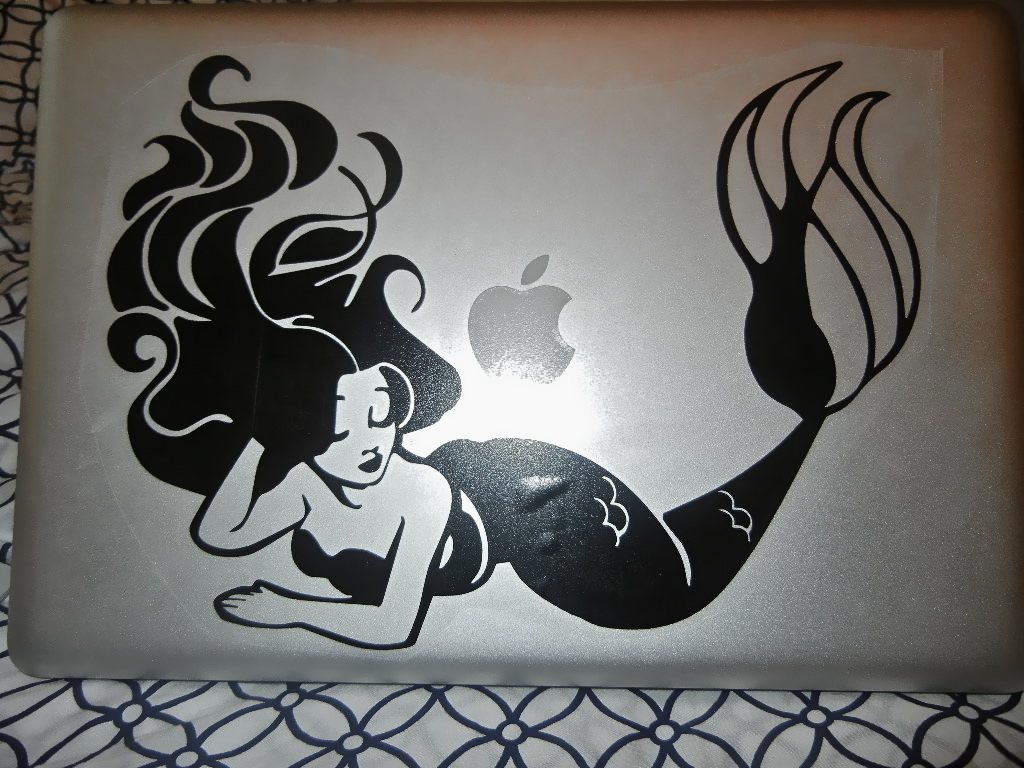
mermaid laptop

My laptop

But when this guy told me all these years ago to write about my “experience,” he wasn’t talking about coming of age, he was talking about my immigrant experience. Some time ago, I put out a question to Twitter for links to Latin@s writing YA fantasy, and I got back “Have you read Isabelle Allende’s YA series?” (She is a BAMF in her own right, but still). While I love contemporary stories, and I think it’s important to read all kinds of narratives that show how different each Latino experience is in the U.S., the stories I want to write are about magic.

Mermaid_blog

from @Pocoquattro

I grew up listening to my grandmother sing to me. I grew up reading fables and getting scared of el Cuco and la Llorona. When I started writing The Vicious Deep trilogyI knew I was writing a book that had been brewing in my head for years. For a long time when people remarked “You speak English so well,” I would respond with “All I did as a kid was watch The Little Mermaid,” so that’s how I learned to speak English. It’s true, I watched it every day, rewinding the VHS as soon as Ariel got her happy ending. Whether or not it was my vehicle for the English language is debatable, but it’s become part of the story I tell.

I’ve always been drawn to magic and magical things. I want to believe in magic, and the way that I can show that is through creating magical worlds. When I was in high school my favorite books were about vampires and witches and dragons. It was book browsing at a B&N with a friend that pushed me to really write about mermaids. The conversation went something like this:

Me: I can’t find a mermaid story that I really love.

Him: So write one.

Me: Yeah…

THAT’S IT. I listened. I took a notebook with me to the beach (Coney Island, obvs) and this story LITERALLY poured out of my head. (Two points from Ravenclaw for improper use of “literally.”)

Mermaid on the ground in South Beach.

Mermaid on the ground in South Beach.

If you don’t see the story you want to read on the shelves, write it. Mermaids have always been magical to me, but it wasn’t until someone else pointed it out that I realized I could add my own mythology to my favorite magical creatures. Lately, we’ve been talking about diversity a lot, and I think the same thing applies to that. You don’t see yourself represented? Write your own story. If you want to write about magical ponies that travel through time, do it. If you want to write about the story of a girl who is looking for summer romance, do that, too.

I wonder if the reason there aren’t more Latin@s writing as much SF/F is because people (like that dude mentioned earlier) assume that the only story we have to tell is one of immigration or assimilation. And that’s just not so. If you check out this list from Cosmopolitan of 5 Latina YA authors to look out for, all of these stories fall in SF/F category. And if you go to Diversity in YA, they have an awesome list of just some Latin@s (authors and/or characters) in SF/F.

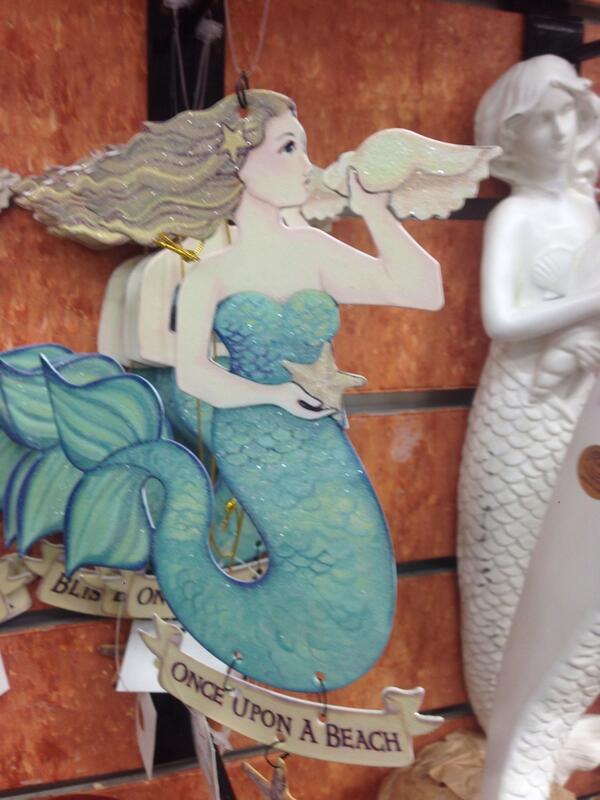
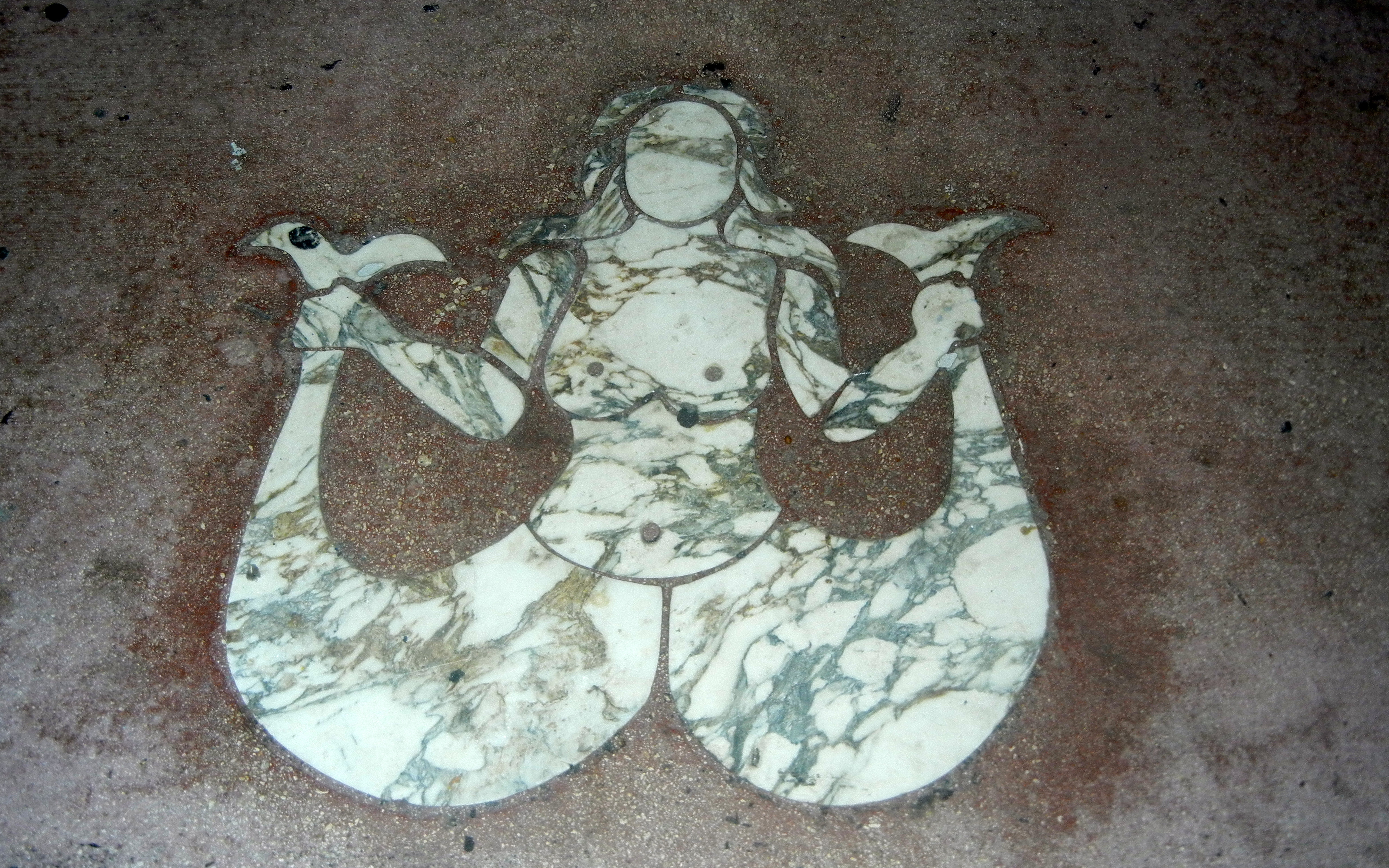
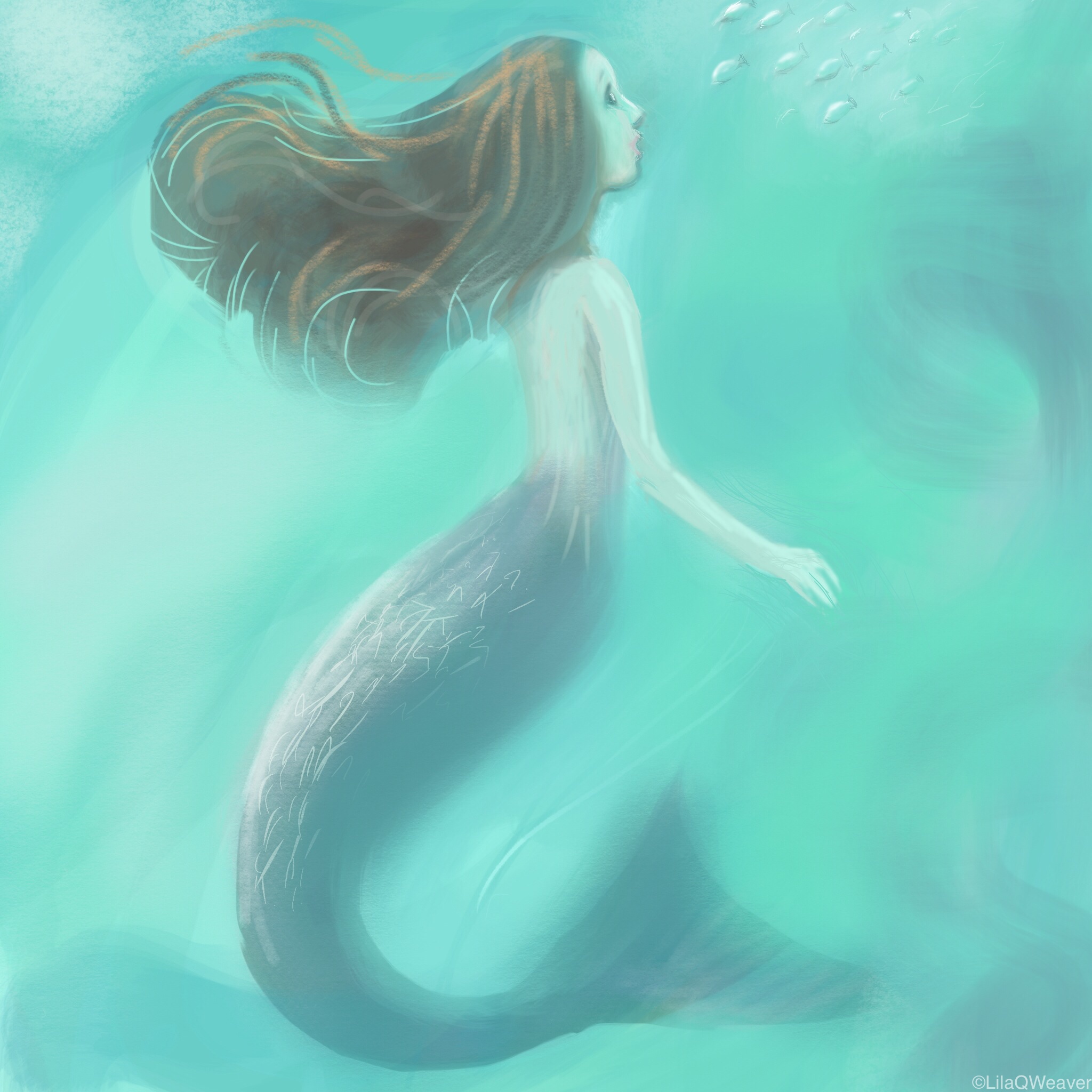
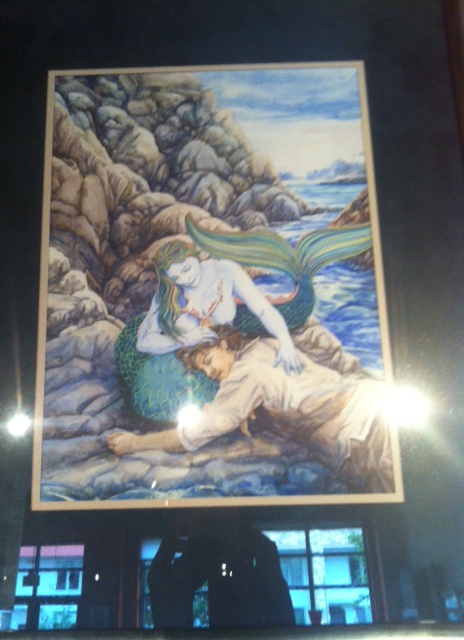
Tomorrow is the launch of the third book, The Vast & Brutal Sea.  I want to share some images of mermaids around town. I asked the lovely ladies of Latin@s in Kid Lit (and some from Twitter friends) to snap photos of mermaids if they happen upon them:

photo (11)

Original art by the super talented Lila Weaver

photo (9)

From Stephanie Guerra. Cafe Torino, downtown Seattle

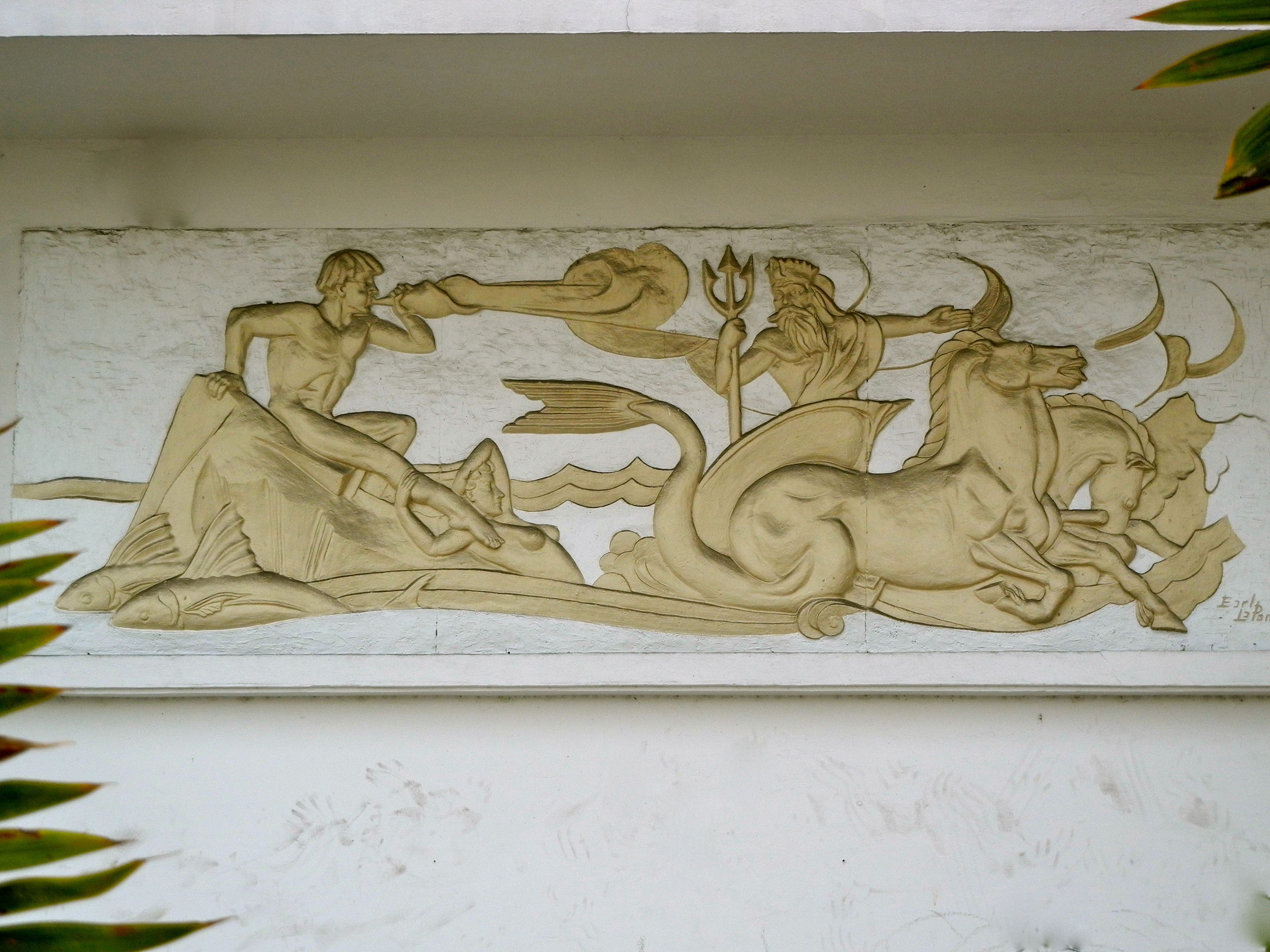
Triton! South Beach

Triton! South Beach

The Sagamore Hotel in South Beach

The Sagamore Hotel in South Beach

mermaid_3

From @PoccoQuattro.

A friend sent this to me. Art by Paul Webb from St. Louis.

A friend sent this to me. Art by Paul Webb from St. Louis.


And now from my apartment, the Chateau Mer-mont: 

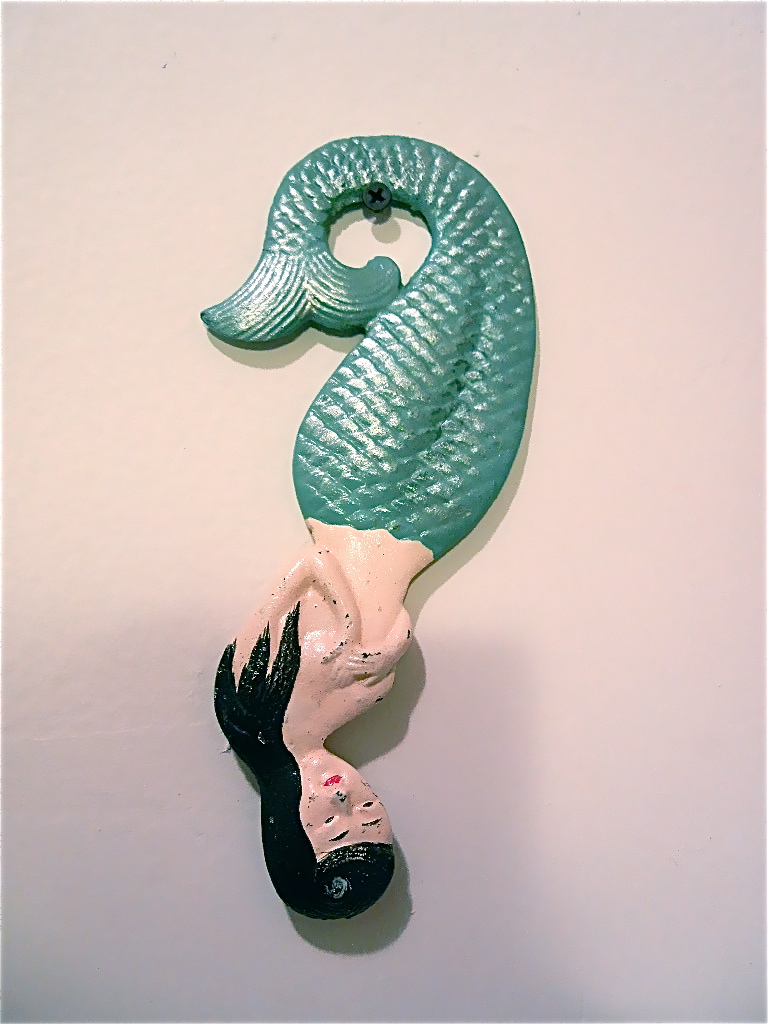
mermaid bottle opener

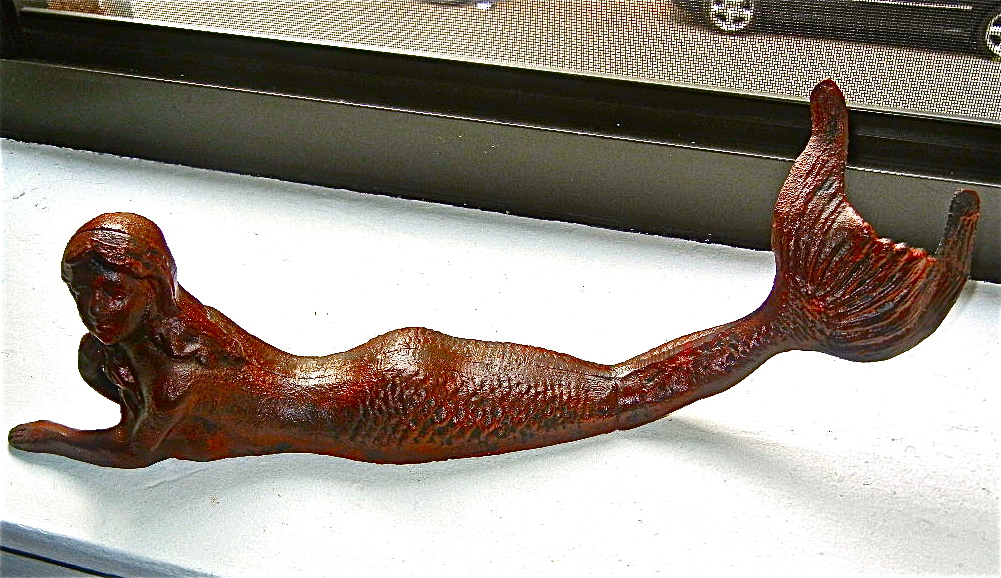
Her tail opens bottles. That’s talent.

mermaid and coney

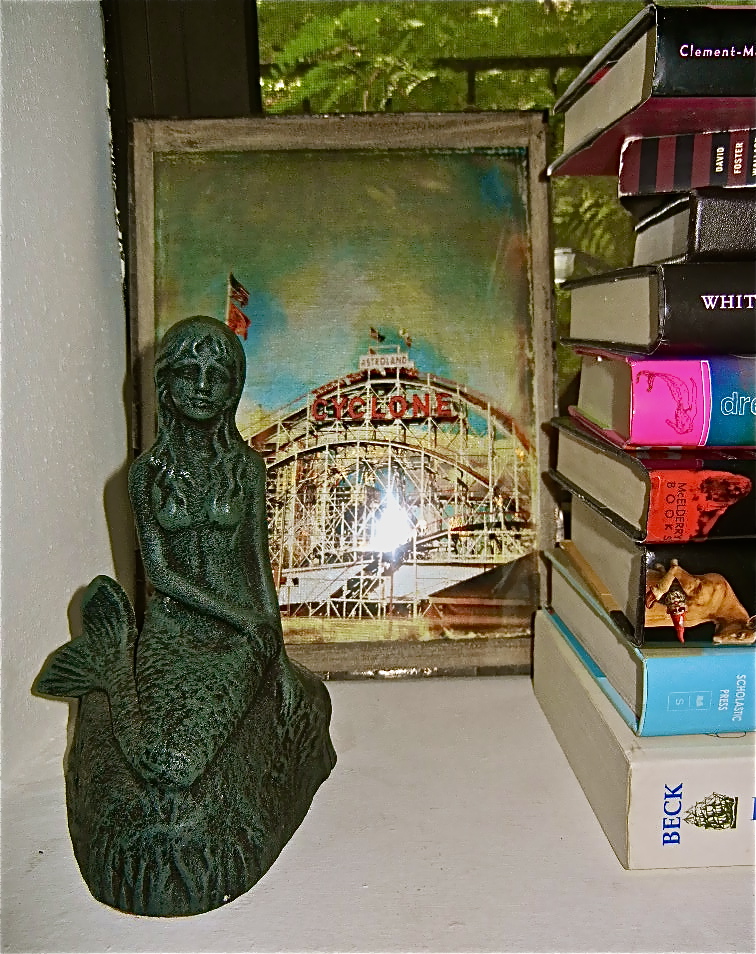
My bookend…not holding up any books.

mermaid fancy

My fancy mermaid being fancy


I hope from now on you’ll start seeing mermaids everywhere. For now, follow my blog tour over at www.zoraidacordova.com I hope you enjoy the rest of our SF/F month!


Swim with the fishies like,

Zoraida

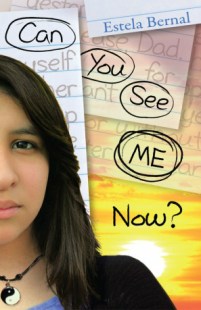
Q&A with Author Estela Bernal About “Can You See Me Now?”

can you see me nowBy Edith Campbell

This Q&A was originally published on Edi Campbell’s site.

Estela Bernal made her debut as an author this past May with Can You See Me Now? (Pinata/Arte Publico). As you get to know her today and find out a little more about Can You See Me Now? you’ll be impressed, but you’ll be even more impressed to know that she’s donating 100% of her proceeds to education and animal rights.

Just a little about the book. Kirkus says:

Tragedy strikes on Mandy’s 13th birthday when her father is struck by a drunk driver and killed. Now grief—both her own and her mother’s—complicates the already confusing landscape of early adolescence.

With her mother working more and more hours in the wake of her father’s death, Mandy begins spending most of her time living with her grandmother. Often the target of bullies, loner Mandy approaches Paloma to be her partner for a school project. Paloma is also a misfit, but she carries herself with a self-assured grace that Mandy finds compelling. As she becomes closer to Paloma, she learns about the practices of yoga and meditation, which are foundational in Paloma’s family. An overweight boy in class, Rogelio, is also touched by tragedy when his family’s home burns down, and Paloma invites him to join their yoga crew. As the three continue practicing together, they each begin to cultivate their own peace amid the chaos in their lives. Though each faces personal challenges, they find friendship and support in one another. Bernal has succeeded in crafting a story that acknowledges tragedy without wallowing in it, placing her emphasis on resilience and personal growth. The quick pace and distinctive characters make for a smooth, well-crafted read.

Middle-grade readers should respond to this tender story of learning to connect with others through open eyes and an open heart. (Fiction. 10-13)

estelaAnd here’s Estela’s interview:

Edi: Where did you grow up?

Estela: I grew up in South Texas (the Rio Grande Valley).

Edi: Do you have any pets?

Estela: I love animals and have had many pets through the years. I currently have two cats.

Edi: What were some of the first books you found as a child that turned you into a reader?

Estela: I grew up in a home where we had no books. There were no public libraries in my hometown either. Despite the lack of age-appropriate reading material, I fell in love with books as soon as I learned to read. I remember reading the Weekly Reader and whatever else I could get my hands on at school. Although I don’t remember where I got it, Pearl Buck’s The Good Earth was one book I read and re-read. I’ve always been a dreamer and this book opened up an exotic, new, and very fascinating world to me.

Edi: Meat or vegetables?

Estela: Vegetables, absolutely! As an animal lover, I volunteered with many animal welfare organizations until I was able to form my own. Through it, I do community education and help provide low-cost spay/neuter services to residents’ pets in underserved communities. It would be hard to justify rescuing some animals while eating others. Besides, I find that when I eat a healthy diet, I feel so much better.

Edi: Which famous person would you most like to have write a review for your book?

Estela: So many famous and not-so-famous people come to mind. It always makes me happy to hear about celebrities and other public figures who are also great philanthropists and who help raise awareness about some very important issues facing society today. But there are also many unsung heroes quietly working to help make their communities better places to live. I sincerely believe we all have the potential to do good and that, after all, is what really matters. Two of my own favorite causes are education and animal welfare so my choice would have to be someone with similar ideals.

Edi: What three things would you like to add to a list of national treasures?

Estela: Although man-made treasures are priceless, I believe that natural treasures are absolutely essential. I’d love to see all public waterways, land (public, private, agricultural), and all living beings protected and preserved for our well-being and that of future.

Edi: Why would you be up at 3 am?

Estela: Usually, I’m only up at that time if I’m traveling and have to catch an early flight.

Edi: What book(s) are you currently in the middle of reading?

Estela: I’m currently making my way through a 100 Greatest Books for Kids list and just started Pam Muñoz Ryan’s Becoming Naomi León. I’m also reading my latest copy of Glimmer Train.

Edi: What made you decide to write about a teen who discovers yoga?

Estela: One of my nephews died accidentally a few years ago. The accident happened in front of his wife and children and I began to wonder how such a tragic event would affect any family who witnessed it. That also got me thinking about how a child, already weighed down by grief, would cope with the additional burden of parental abandonment and being bullied on top of everything else. Adolescence is tough enough as it is, and adding all this other stress can lead to such despair that anyone could easily be overwhelmed. I wanted to introduce the idea that there are alternatives to violence, that there is help even when we think there is no safe way out of certain situations, and most importantly, that there are ways to access inner peace.

When I first discovered yoga, I was going through a stressful period in my life and still remember the feeling of calm and well-being that I experienced when I was able to slow down the thoughts racing through my mind long enough to catch my breath and try to put things in perspective. The character Paloma seemed the perfect vehicle through which to introduce the topic and Mandy, of course, was the ideal student.

Edi: I’m sorry to hear your family experienced such a tragedy. I can definitely see how that experience could inspire your writing.

I haven’t had the opportunity to read Can You See Me Now?, but I do know it’s about a thirteen-year-old girl whose father dies in a car accident and her mother blames her for it. At 13 (or there about) to which adult were you the closest?

Estela: I was a very shy child and at thirteen I was closest to my mother. Because I was the youngest child in my family and my parents were old enough to be my grandparents, the fear of losing them seemed to always be in the back of my mind. If my mother wasn’t there when I got home from school or from playing with my friends, I panicked.

Edi: Who is your favorite author and what is it that really strikes you about their work?

Estela: Again, this is a hard question to answer because there are so many authors I admire, but I’d have to say Harper Lee ranks pretty high on my list along with Sandra Cisneros. Although their work is very different, I find the characters so easy to relate to and the stories so hard to forget.

Edi: What’s the trick to writing humor?

Estela: I’m sure there is a trick to it and I suppose part of it is to be naturally funny. I don’t set out to write humor, but because I do write about serious issues which can be hard to address when writing for a younger audience, I try to ease the tension by including bits of humor here and there as I weave the story. The humor I use is based on things that tickle my own funny bone.

Edi: What does diversity mean to you?

Estela: Diversity to me is inclusivity. I try to write about things that all readers can relate to regardless of their racial or social background because, no matter what other commonalities we may or may not share, there are certain things that we all have to experience at some point in life.

Speaking of diversity, I’m glad to see that the need for diversity in children’s literature is finally starting to get the attention it deserves. Although the need has always been there, it’s great that diversity among the writing population is also changing, however gradually.

Edi: Thanks, Estela! It’s a pleasure getting to know you!

Visit Estela’s website.
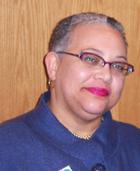
Edith CampbellEdith Campbell is a mother, librarian, educator and quilter. She received her B.A. in Economics from the University of Cincinnati and MLS from Indiana University.  Her passion is promoting literacy in all its many forms to teens and she does this through her blog, CrazyQuiltEdi and in her work as an Education  Librarian at Indiana State University in Terre Haute, Indiana. Edith currently serves as the IN State Ambassador for the United States Board on Books for Young People and is a past member of YALSA’s Best Fiction for Young Adults selection committee.

Book Review: Dalia’s Wondrous Hair/El Cabello Maravilloso de Dalia by Laura Lacámara

By Sujei Lugo

18654384DESCRIPTION FROM THE BOOK: A Cuban girl transforms her long and unruly hair into a garden.

MY TWO CENTS: In this bilingual picture book, with a Spanish translation by Gabriela Baeza Ventura, Laura Lacámara brings us a whimsical Caribbean tale of a young Cuban girl and her luxuriant hair. Lacámara’s colorful illustrations express the joyful spirit of the main character and transport us to the sunny, tropical Caribbean.

The story introduces us to Dalia, a young girl who one day wakes up and finds out that her hair has grown straight up and as tall as a Cuban royal palm tree. Many children would panic with such news, but Dalia can’t hold the excitement of her new wondrous hair. She then embarks on a journey to add to her hair different natural elements of a Caribbean tropical island, such as wild tamarind, coontie plant, and violet leaves. Her purpose is to show her mother the different types of “trees” she can recreate using her hair, ending with a beautiful and unique one.

What stands out in this picture book is Lacámara’s ability to portray through her paintings the endearing relationship between Dalia and her mother and their lives in harmony with nature. The expressions on their faces capture the happiness and warmth of a loving mother and daughter bond. Other characters in the book, Señora Dominguez, Señora Soledad and Soledad’s daughters, all play supporting roles to Dalia’s “hairy” journey and to their connection to the natural world. Through this all-women set of characters, we see a growing sense of community and a sympathetic portrayal of peculiar characters we can encounter in a rural neighborhood.

By situating their home in rural Cuba, the author incorporates the Caribbean’s particular flora and fauna into the story. Through beautiful landscapes that fill the book with a graphical sense of the fresh air and natural environment of this tropical island, the book introduces young readers to different components of the natural world: royal palms, sugar cane fields, wild tamarinds, moonflowers, coontie plants, wild violets, caterpillars, birds, fireflies, ponds, and the ocean. Even the characters’ clothing are filled with flowers and leaf patterns, giving us powerful images that convey a reverence to the natural world.

According to a statement on the first page, the publication of Dalia’s Wondrous Hair/El Cabello Maravilloso de Dalia was funded by a grant from the city of Houston through the Houston Arts Alliance and published by Piñata Books, the children’s literature imprint of Arte Público Press. We should acknowledge their efforts, along with other great publishers,  to continuously provide a space for the publication of Latino/a authors and illustrators.

TEACHING TIPS: This bilingual picture book is recommended for children ages 4-7. It works well as a read aloud and for early readers. At home or at the library, librarians, parents, grandparents, family members or guardians can read with their young ones in English, Spanish or both, while teaching new words and identifying different colors, animals, and plants. The author provides a guide to create your own butterfly garden at home, a fun activity for everyone to enjoy.

Language Arts, Science, and Art teachers can create different activities where students can learn new words, identify adjectives mentioned throughout the story, and learn about different types of plants, trees, and animals. The book includes notes of Cuban natural world references (in English and Spanish) that are part of their stories, with a description. Art teachers can use this book to incorporate science to their classrooms. Students can draw, paint, or use different materials to create their own version of Dalia’s hair, using as reference words learned and natural elements of the story. 

AUTHOR: Laura Lacámara is a Cuban-born children’s books author and illustrator. Lacámara holds a Bachelor of Fine Arts in Drawing and Painting from California State University, Long Beach and studied printmaking at Self Help Graphics in East Los Angeles. Her love for writing and illustrating children’s books grew when she signed up for a children’s book illustration class at Otis College of Art and Design in Los Angeles, California.

She is the author of Floating on Mama’s Song/Flotando en la Canción de Mamá (Junior Library Guild Selection, Fall 2010 & Tejas Star Book Award finalist 2011-12) and illustrator of The Runaway Piggy/El Cochinito Fugitivo (winner of 2012 Tejas Star Book Award) and Alicia’s Fruity Drinks/Las Aguas Frescas de Alicia.

Laura Lacámara is an active member of the Society of Children’s Book Writers and Illustrators (SCBWI) and frequently serves as a presenter at conferences, book festivals, and schools. She currently lives in Southern California.

FOR MORE INFORMATION ABOUT Dalia’s Wondrous Hair/El Cabello Maravilloso de Dalia, visit your local library or bookstore. Also check out worldcat.org, indiebound.orggoodreads.comamazon.com, and barnesandnoble.com.

Writers and Cantantes: How Music Inspires While Writing

By Zoraida Córdova

My least favorite feeling is the moment I dig in my purse and realize I left my headphones at home. ARGH! Not only is it a terrible thing because I hate the sound of the busker butchering Wonderwall on acoustic, but it’s because I love music. No Bella Swans up in here.

This is not to say that my taste in music is great. I will never understand Lana Del Rey and sometimes I like country songs (I hope you can still accept me as a friend.) But music, like all things we invest our love into, is a matter of personal taste.

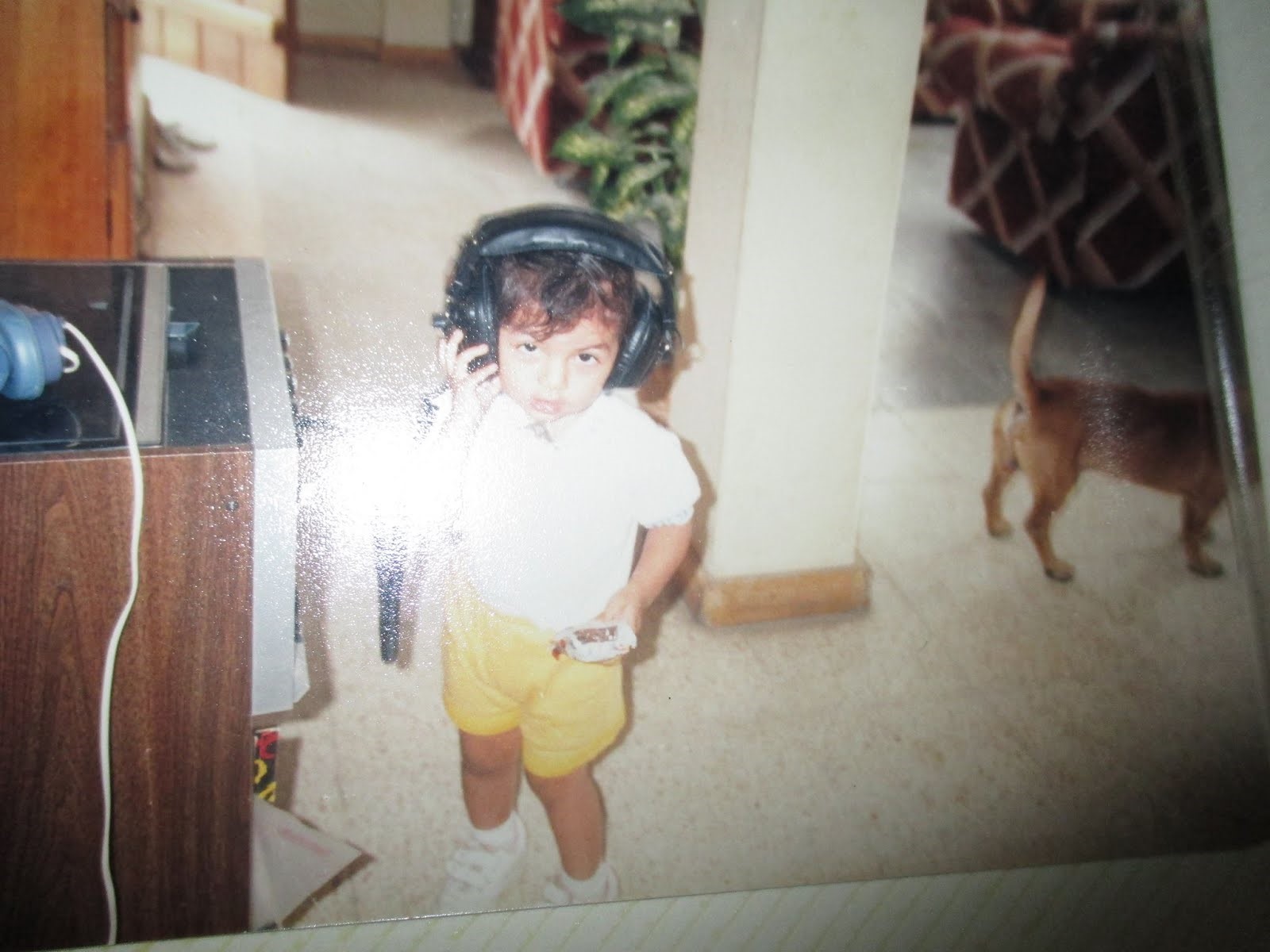
One of my favorite stories my grandmother tells me about my childhood is that when I was a baby, the only way to get me to shut up was to put a radio beside my hammock (crib? What you think I am, a Queen?). So for as long as I can remember, I’ve been listening to the smooth stylings of Lisandro Mesa, Oscar D’Leon, Ruben Blades, and because I’m Ecuadorian, Julio Jaramillo.

Zoraida pic1How many of you need playlists when you’re writing? I certainly do. Music has always gotten my creativity flowing, and I especially love Latin music because it always tells a STORY. (Sometimes it makes me sad that younger generations don’t get the Salsa greats and instead get “I LUH YA PAPI” by JLo, but that’s a different story.)

When I was 5 , I didn’t understand that “No Le Pegue La Negra” by Joe Arroyo told the story of how African slaves were brought to Colombia in the 1600s and started intermarrying with the Natives. The Spaniards would beat the African women and then people would rebel. While that’s kind of a morbid thing to be listening to when you’re little, these were the songs I grew up with.

Most Latin pop ballads by Christian Castro and Chayanne are about how they can’t be with the girl, but they’re in so much love, oh my god. Shakira’s original Rock Latino songs were a mix of Colombian vallenato instruments and electric guitars and all of her words used to be pure poetry. The other day I felt really moody on my train ride to work, so I put on Selena’s greatest hits and a bidi bidi bom bom later, I was in a perfectly good mood. See, my grandmother had a good idea all those years ago.

These are the sounds, I realize, I have had in all my writing playlists. My Maná is mixed in with my Red Hot Chili Peppers and my Celia Cruz is mixed in with my Goo Goo Dolls. Whether I’m writing about mermaids in Coney Island or I’m working on a contemporary romance set in Boston.

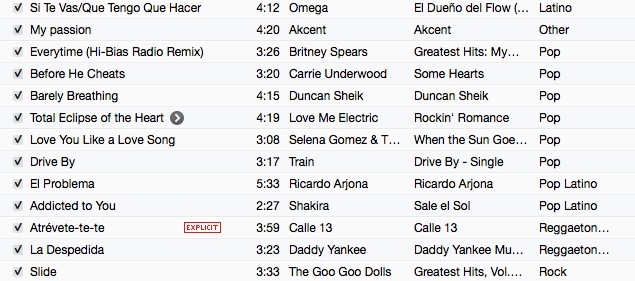
I leave you with a random sampling of the last songs I listened to on iTunes.

Zoraida Pic2

What do you listen to when you write? What was your favorite song growing up? Share with us in the comments!