Book Review: The Great and Mighty Nikko! / ¡El gran y poderoso Nikko! by Xavier Garza

23282198

Reviewed by Marianne Snow

DESCRIPTION OF THE BOOK: Nikko loves bedtime. That’s because his bed turns into a magical wrestling ring for the masked luchadores that he loves. They bounce up and down like crazy. His mom, of course, doesn’t believe Nikko. She accuses him of jumping on his bed. But that’s just not true at all. She just can’t see what Nikko sees. And to prove his point—zoosh! Here comes luchador numero UNO with a golden mask and a silver cape. Oh, wow. Number TWO wears an orange mask with yellow flames. Another looks like a jaguar and he growls! A rooster! A bull with horns! And a dragon that breathes fire! And so it goes until TEN luchadores are jumping on Nikko’s bed. That’s when the Great and Mighty Nikko puts on his mask, taking on all ten wrestlers at once and defeating them soundly. Ahh, a fresh victory under his belt, now it’s time for Mighty Nikko to catch some zzzzzs!

MY TWO CENTS: As an early childhood teacher and aunt to several little ones, I’m always on the lookout for exciting new picture books that will capture young readers’ attention and, ideally, trick them into learning. Happily, Xavier Garza’s new dual language concept book – The Great and Mighty Nikko! / ¡El gran y poderoso Nikko! – fits the bill, bringing together the exhilaration of lucha libre and the practical skill of counting. Young readers will love how the tension mounts as, one by one, rudos (rascally wrestling opponents) join forces on Nikko’s bed / wrestling ring to challenge him in the ultimate pre-bedtime match. They won’t even notice that they’re learning as they anxiously turn the pages to count the ever-growing group of opponents. Meanwhile, Garza’s bold use of color, fluid brush strokes, comic-style layout and variety of luchador masks in his illustrations add to the drama. What an entertaining read – I’ll definitely be adding this lively tale to my educational library!

TEACHING TIPSThe Great and Mighty Nikko! / ¡El gran y poderoso Nikko! is the perfect addition to a preschool learning unit about sports, or teachers and students can simply enjoy it as a fun read-aloud. In addition to counting the luchadores on each page, children can practice their analytic skills by making predictions about what will happen when Nikko finally faces off against his opponents. Moreover, inviting children to join in on each page’s refrain – “Now there are ___ luchadores wrestling on my bed! / ¡Ahora hay ___ luchadores luchando en mi cama!” – will help them develop their bilingual pre-reading skills. Since the comic-style layout might be unfamiliar to young readers who are used to “traditional” written narratives, teachers can point out specific textual elements like speech bubbles and sound effects text. Comics and graphic novels are extremely popular with kids, so learning these features can benefit them in the future. With so many interesting facets, this book has something to teach every child.

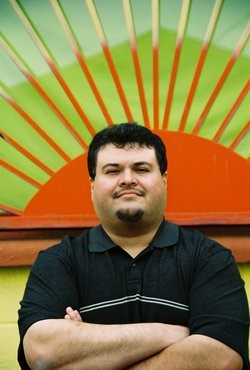
Xavier GarzaABOUT THE AUTHOR: Xavier Garza is a prolific author, artist, and storyteller whose work is a lively documentation of the dreams, superstitions, and heroes in the bigger-than-life world of South Texas. Garza is celebrated for his lucha libre picture books and chapter books.  Maximilian and the Mystery of the Guardian Angel was a Pura Belpré Honor Book and an ALA Notable Book in 2012.

FOR MORE INFORMATION about The Great and Mighty Nikko! / ¡El gran y poderoso Nikko!, check your local public library, your local bookstore or IndieBound. Also, check out GoodreadsAmazon, and Barnes & Noble.


MarianneMarianne Snow Campbell is a doctoral student at The University of Georgia, where she researches nonfiction children’s books about Latin@ and Latin American topics and teaches an undergraduate course on children’s literature. Before graduate school, she taught pre-K and Kindergarten in Texas, her home state. She misses teaching, loves critters, and can also be found on Twitter and Facebook.

Book Review: Funny Bones: Posada and His Day of the Dead Calaveras by Duncan Tonatiuh

Reviewed by Cecilia Cackley

DESCRIPTION OF THE BOOK (from Goodreads): Funny Bones tells the story of how the amusing calaveras—skeletons performing various everyday or festive activities—came to be. They are the creation of Mexican artist José Guadalupe (Lupe) Posada (1852–1913). In a country that was not known for freedom of speech, he first drew political cartoons, much to the amusement of the local population but not the politicians. He continued to draw cartoons throughout much of his life, but he is best known today for his calavera drawings. They have become synonymous with Mexico’s Día de los Muertos (Day of the Dead) festival. Juxtaposing his own art with that of Lupe’s, author Duncan Tonatiuh brings to light the remarkable life and work of a man whose art is beloved by many but whose name has remained in obscurity.

MY TWO CENTS: I can’t say enough good things about this book! Tonatiuh tells Posada’s life story simply, while still giving background information on events such as the Mexican Revolution for context. The pages showing a breakdown of the three distinct artistic processes that Posada used (lithography, engraving and etching) are especially helpful in visualizing exactly how he created his drawings. Tonatiuh’s signature profile figures, inspired by Mixtec codex imagery, fit nicely alongside Posada’s black and white skeletons. The full page reproductions of famous skeleton art alongside a question about what message Posada was communicating with his art push readers to consider the goals of the artist. A detailed author’s note, glossary, and bibliography are essential for those looking for further information. This is a great read aloud for younger kids that still has enough detail and big ideas for older readers.

TEACHING TIPS: This is going to be a marvelous read aloud for both art teachers and classroom teachers. While many people will likely choose to highlight it during National Hispanic Heritage Month or around Dia de Muertos, it should also be a good fit for classes studying political cartoons or art history. Tonatiuh’s fantastic spread at the end of the book showing skeletons doing present day activities is a wonderful prompt for students to create their own calaveras artwork. As our world becomes more global and art and culture make their way across borders, this book provides an opportunity to discuss the importance of crediting artists and researching the history of particular art and cultural traditions.

ABOUT THE AUTHOR: Duncan was born in Mexico City and grew up in San Miguel de Allende. He graduated from Parsons The New School for Design and from Eugene Lang College in New York City in 2008. His work is inspired by Ancient Mexican art, particularly that of the Mixtec codex. His aim is to create images that honor the past, but that address contemporary issues that affect people of Mexican origin on both sides of the border. His book Pancho Rabbit and the Coyote: A Migrant’s Tale is the winner of the 2014 Tomás Rivera Mexican American children’s book award. It is also the first book to receive two honorable mentions, one for the illustrations and one for the text, from the Pura Belpré Award for a work that best portrays, affirms, and celebrates the Latino cultural experience in children’s books. The book was featured in USA Today, The Chicago Sun, The Houston Chronicle among other major publications because it deals with the controversial topic of immigration. His book Diego Rivera: His World and Ours won the 2012 Pura Belpré illustration award. It also won the 2012 Tomás Rivera. His first book Dear Primo: A Letter to My Cousin received an honorable mention from the Pura Belpré Award in 2011. It was named an Americas Award Commended Title and a Notable Book for a Global Society list.

LINKS:

SLJ Review

Kirkus Review

Publishers Weekly Review

Kirkus Prize Finalist Announcement

Google Hangout Video


Cackley_headshotCecilia Cackley is a performing artist and children’s bookseller based in Washington DC where she creates puppet theater for adults and teaches playwriting and creative drama to children. Her bilingual children’s plays have been produced by GALA Hispanic Theatre and her interests in bilingual education, literacy, and immigrant advocacy all tend to find their way into her theatrical work. You can find more of her work at www.witsendpuppets.com.

About that Embargo: Nancy Osa and Margarita Engle

Library Shelves YA

The End of the Cuba “Embargo” in YA Lit

By Nancy Osa

In the late 1990s, I wrote a young-adult novel about a teenager who protests the United States–Cuba trade embargo and sent it out to major publishers. I may have set a record for rejection letters. No children’s publisher dared broach the subject of U.S.-Cuba politics—not even from a humanitarian perspective. I’ll wager that such a reticent attitude is about to die. Soon, all things “Cuba” will be the next hot topics to follow zombies and vampires.

The true theme of my book, though, was not Cuba’s worthiness of respectful neighborly relations but rather Americans’ right to challenge policy through peaceful protest. Which topic were publishers really shying away from? In the 1990s, acts of dissent had been appropriated and/or stigmatized by publicity-hungry groups—Million Man March, anti-WTO factions, abortion clinic terrorists. Exposing teens to international politics, publishing interests seemed to surmise, might only incite high schoolers to riot.

I argued that young American readers should understand their options for agreeing or disagreeing with their homeland’s diplomatic policies. Information, discussion, and even provocation are necessary elements to learning to think critically. Simply ignoring the far-reaching trade and travel restrictions was a disservice to maturing readers, who, by their nature, are quite open to efforts to make the world a better place. When I was 10 years old, for instance, I formed a club and held a fundraiser to buy a trash can for my local park. On the heels of that success, I embraced various causes: women’s rights, resource conservation, humane treatment of animals, etc. When I reached voting age, I voted, marched, petitioned my legislators, and canvassed door-to-door. Not until my thirties did I think deeply about my Cuban heritage, though, and the implications of our national policies to my personal and cultural relationships. I wondered what it would have been like to grow up informed and in touch with my relatives on the island, instead of ignorant and forcibly separated. This was the impetus for writing my book.

When I submitted my novel to publishers, I knew that many young readers would welcome my story about an American girl who joins a protest rally to improve conditions for her family members in Cuba. I couched the topic in typical high-school drama, with a large dose of humor. It wasn’t vitriolic or pointedly critical of any one faction. Still, mainstream publishing houses, librarians, book buyers, and teachers were afraid to raise the hot-button Cuba issue. I suspect they were equally put off by the topic of protest. That book was never published, but another novel about a traditional coming-of-age ceremony—the quinceañero—was. Both Cuba 15books used humor to engage readers in a debate about factionalism: kids vs. parents, traditionalists vs. progressives . . . America vs. Cuba. The book that focused on dresses vs. pants, however, won out over the one that more literally discussed right vs. wrong.

As we face a new relationship between the U.S. and Cuba, I’d like to remind readers and thinkers that people like me have been politely protesting the political stand-off for decades. Twenty-fifteen marks the twenty-third year that the group IFCO/Pastors for Peace has practiced civil disobedience by gathering and delivering goods to Cuban people in need. Communist partisanship is not the motivator; charitable sentiment is.

As someone whose birth was sandwiched between the 1961 Bay of Pigs invasion and the 1962 Cuban Missile Crisis, I have always felt helpless to influence U.S.-Cuba relations politically. But when I joined a Pastors for Peace “Friendshipment,” I gained the power to positively affect Cubans on a personal level while protesting the trade embargo. Does this type of humanitarian overture influence diplomacy? I hope so; but no one has suggested that it prompted President Obama’s executive decision to restore diplomatic ties with Cuba. Let’s face it: peaceful protest does not make for sexy news stories. First Amendment rights of free speech, assembly, and freedom of the press, though, should be considered fitting fodder in young-adult literature.

Nancy OsaNancy Osa is the author of Cuba 15 (Random House), a Pura Belpré Honor Book and winner of the Delacorte Press Prize for a First Young Adult Novel. Her most recent work, Defenders of the Overworld (Sky Pony Press), is an unofficial Minecraft fiction series for young-adult readers. To learn more, visit her website.


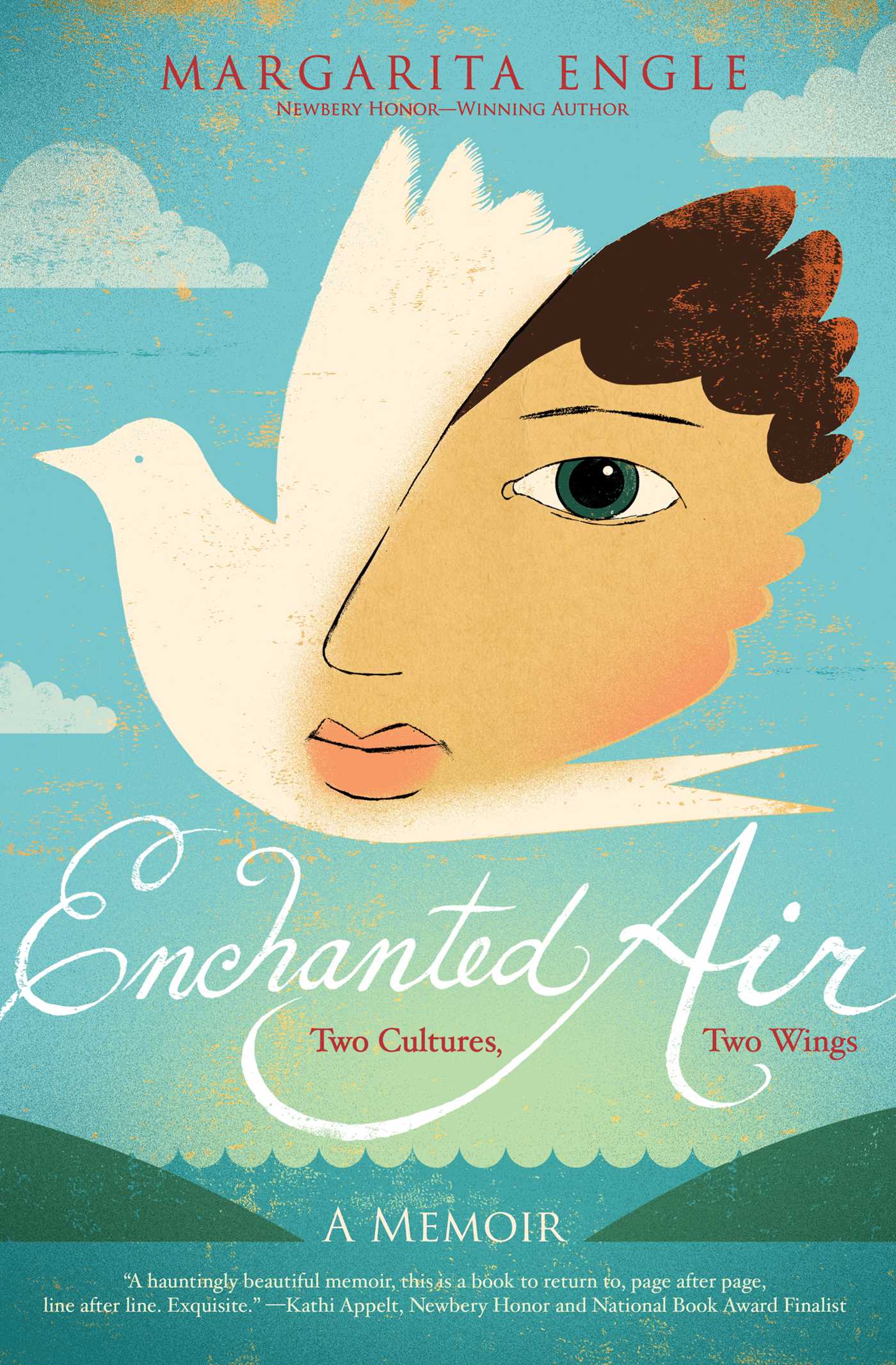
Enchanted AirThe Magic Realism of Memory

By Margarita Engle

The great Cuban poet Dulce María Loynaz wrote a poem called En Mi Verso Soy Libre—In My Poem I Am Free. She spoke of rising up inside the poem, where she is herself. The same is true for me. I reveal my secret self inside the covers of my verse memoir, Enchanted Air, Two Cultures, Two Wings.

Even though I am my true self on those pages, now that the book has been published and can be read by strangers, I’ve begun to wonder if I will be misunderstood or disbelieved. My childhood seems so unusual, almost surrealistic. I’m neither an exile nor a refugee. Until 1960, my family traveled back and forth between Cuba and the U.S., ignoring the Cold War.

The question arises: is a surrealistic childhood typical for the children of immigrants? Yes, I believe it is, even without the international conflict that separated the two halves of my bicultural family. Visiting relatives in another country can be an incredible joy, but upon returning to the U.S., a child of mixed ancestry can feel disoriented. In that sense, my unusual story is common, because the same could be said for children who move back and forth between two homes within the same country, particularly if their parents live in different cities, or if one lives in an urban area, and the other is rural. Immersed in blended memories, these children may experience the insecurity of feeling uncertain where they belong, but by traveling they also gain insights into more than one way of existing. Perhaps exposing them to verse memoirs will give them a window into their own possibilities. They could write travel memoirs, too. They could write poetry! They could find a safe home-on-the-page for overwhelming emotions.

Telling stories

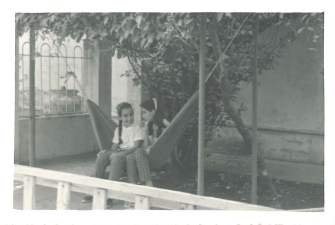
Margarita and her sister in Cuba

During my teen years, it was easier for a U.S. citizen to walk on the moon than to visit relatives in Cuba. Nothing can ever return those years to me intact. They are fractured. Yet somehow, the act of writing about them in verse felt medicinal. Poetry heals. In the author’s note at the end of Enchanted Air, I came out of the anti-Embargo closet, making a plea for normalization of U.S.-Cuba diplomatic relations, travel, and trade. Then, as if in a dream, President Obama announced the first steps toward improved relations. The announcement came during the same week when advanced review copies of Enchanted Air arrived on my doorstep. Joyfully, I revised the author’s note, transforming my plea into a song of gratitude.

With equally dreamlike timing, the U.S. Embassy in Havana re-opened exactly ten days after the release of Enchanted Air. For me, this feels like an era of miracles. Nevertheless, the process of healing the rift between nations will be complex, just as the process of facing childhood emotions to write a memoir is not simple. In Just Write, Walter Dean Myers advised: “I believe your skills as a writer are not so much defined by intelligence or artistic ability as they are by how much of yourself you are willing to bring to the page. Be brave.”

Yes, be brave. There is no other way to face the wounded child inside one’s own mind—a child who never completely outgrows the magic realism of growing up with a memory that contains two distinct ways of perceiving the world. A memory that can turn into verse, where a divided childhood can be made whole, setting the poet free.

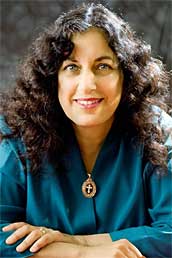
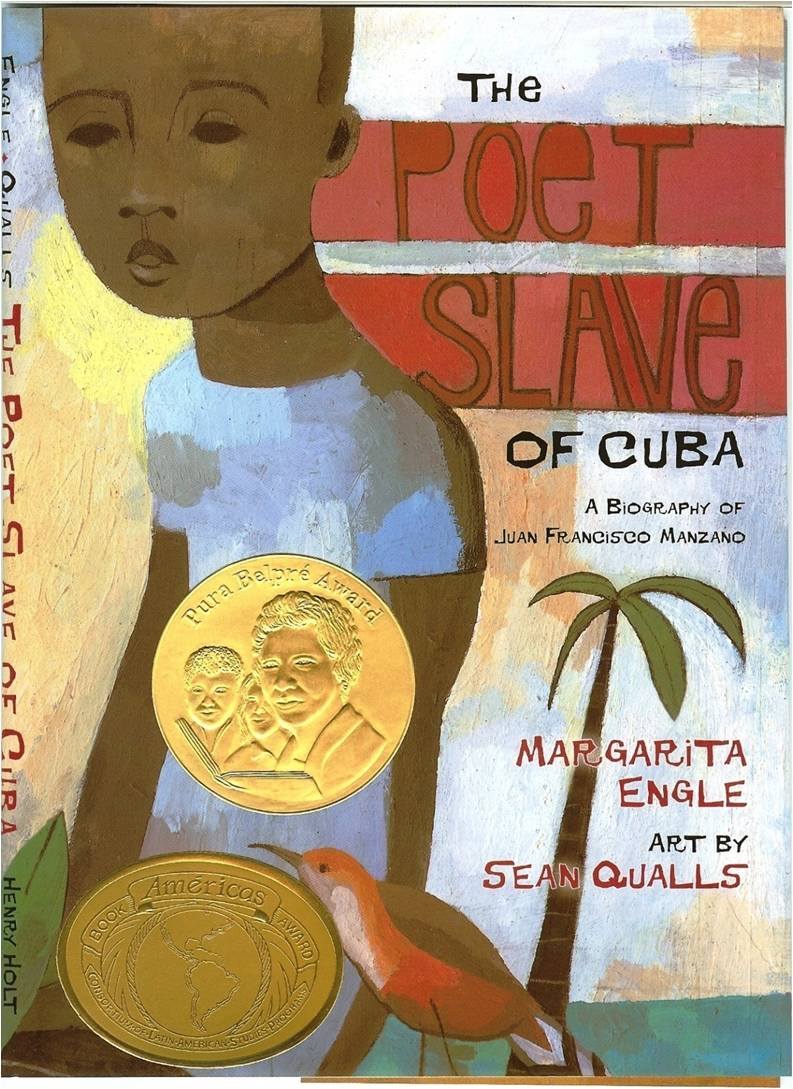
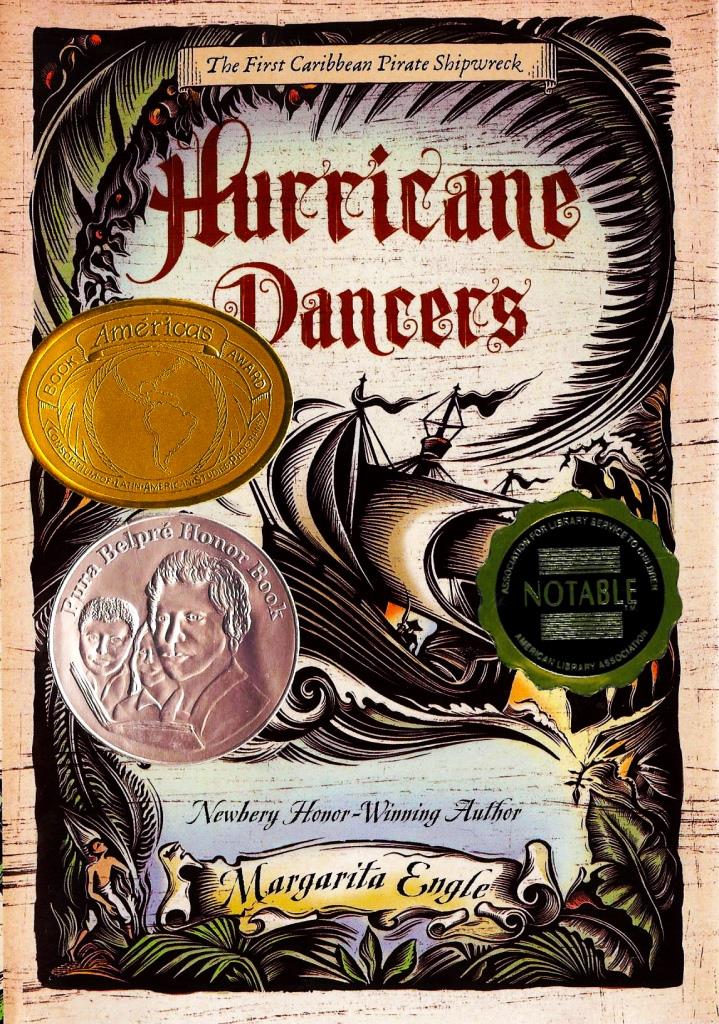
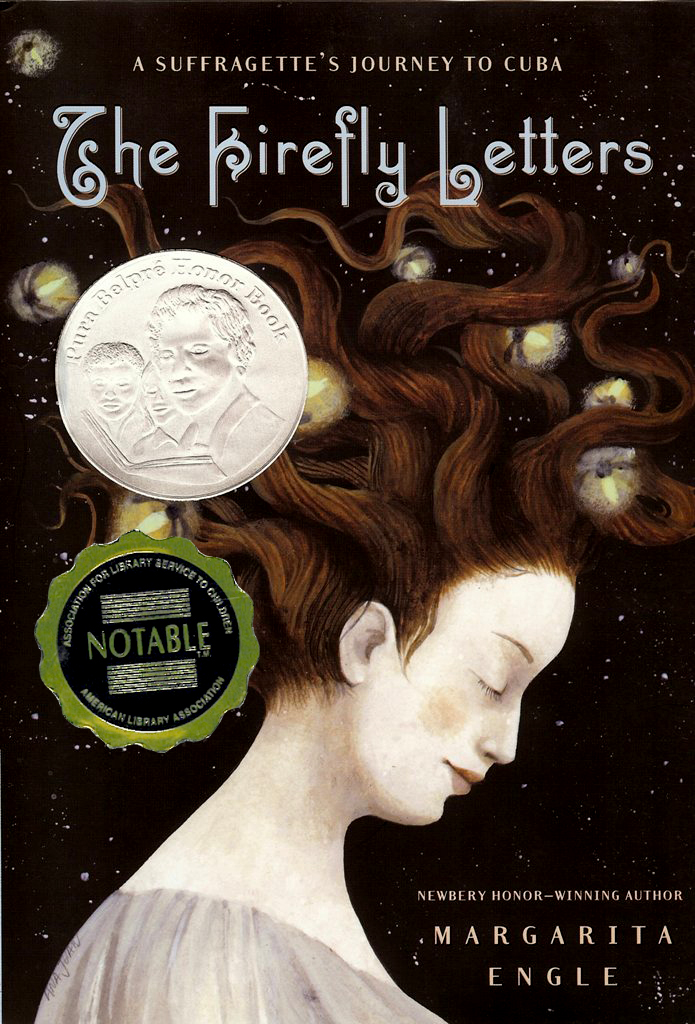
MargaritaMargarita Engle is the author of many books for young readers. Her long list of literary honors includes the Pura Belpré Medal, the Newbery Honor and the 2014 PEN USA. The themes and characters of Margarita’s books often reflect her Cuban heritage, including the titles pictured below. Learn much more on her official website.

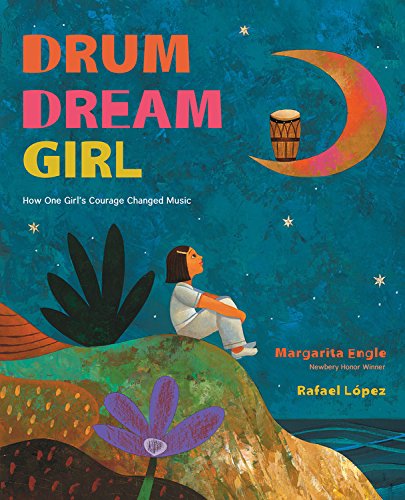
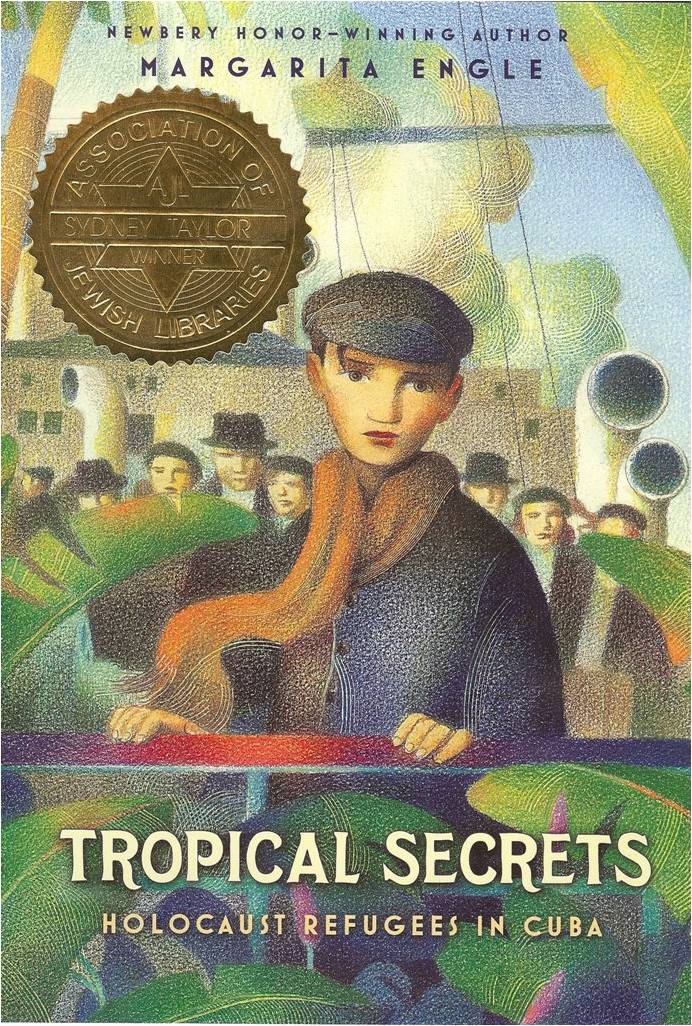
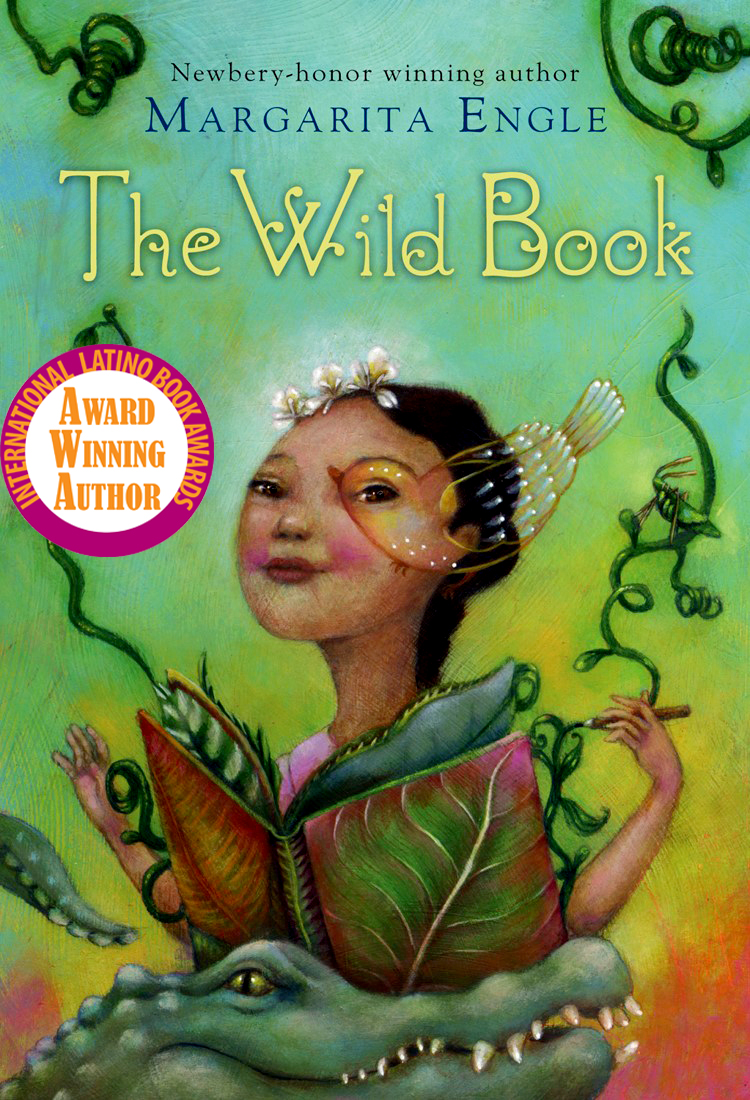
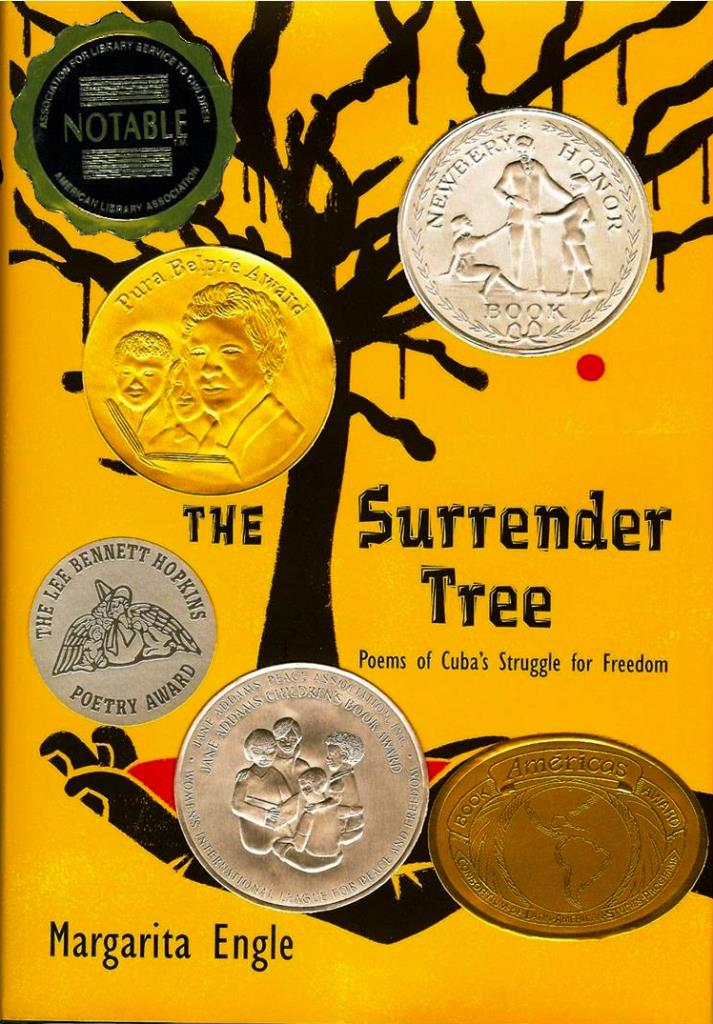
Margarita offers an abundant selection of books based in Cuba or featuring Cuban characters, as seen below.

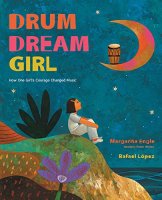
MountainDog.highrescvr  drum dream girl cover  Tropical Secret   The Wild Book  Surrende Tree Notable  Poet Slave  Hurricane dancers notable  Firefly notable  Enchanted Air


Growing Up Cuban: Laura Lacámara and Meg Medina

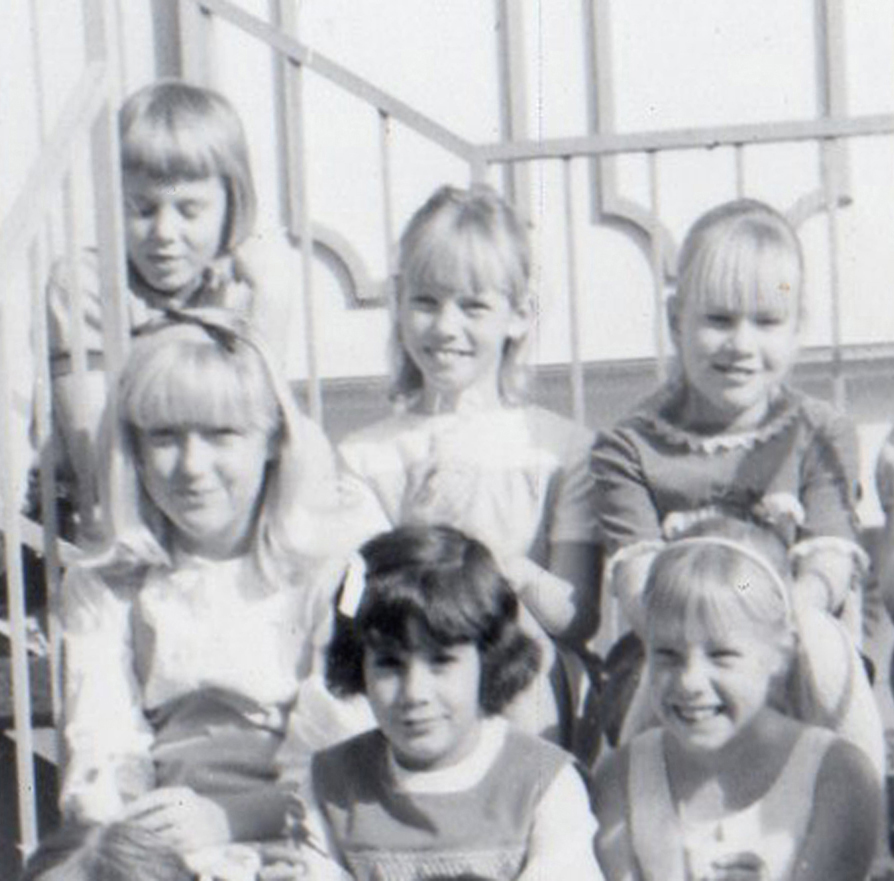
Photo of me & blond girls from class

My Cuban Evolution

By Laura Lacámara

Growing up Cuban-American in suburban Southern California, I teetered back and forth between feeling different, like I didn’t belong, and feeling exotic and special.

The feeling different part came mostly when I was little.

We spoke Spanish at home, while all my friends spoke English.

We ate lechón (roast pork), black beans, and plantains on Christmas eve (nochebuena), instead of turkey, stuffing, and yams on Christmas night.

Then, there was that same embarrassing question asked by all my friends who came over to the house: “Why are your parents fighting?”

“They are not,” I would respond, “they are just talking about what they want for dinner.”

In high school, being Cuban meant getting an easy “A” in Spanish. By the end of high school, being a Spanish-speaking Cuban had gone from totally embarrassing to super cool. I was the “exotic” one among my group of white suburban friends. (I knew I wasn’t really exotic, but I didn’t contradict them because I liked feeling special!)

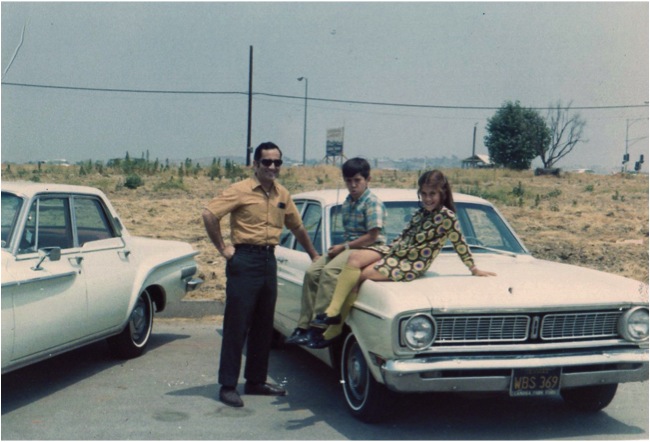
Me on hood of carFinally, in college, came exploring my roots, and ultimately embracing (and being proud of!) my Cuban-American identity.

Of course, the whole Cuban roots and identity thing comes with the inevitable responsibility to comment on Fidel Castro.

So, when asked that obligatory question by my white, non-Cuban friends: “Don’t you think it’s great that Castro’s revolution has given every Cuban citizen access to a pair of shoes and an education?”

Rather than launching into a big political discussion about the whole embargo thing (which I am totally in favor of lifting, by the way), I now offer the following joke:

“Comrades, what are the three great successes of the revolution? Healthcare, education, and sports. What are the three failures? Breakfast, lunch, and dinner.”

Politics aside, being Cuban remains a very personal thing for me. Sometimes it has felt like missing pieces I can only catch glimpses of here and there, but never quite own.

As a Cuban-American author writing stories inspired by growing up in my Cuban family, I’ve been able to explore some of these pieces and the quality of what Cuba, or being Cuban means to me.

Yes, I have lived in the U.S. most of my life, and I can express myself (verbally and on paper) better in English than in Spanish.

But, deep-down, that Spanish-speaking part of me, the one that finds “home” in a plate of black beans and rice with a slice of my mom’s homemade flan, will always be Cubana!

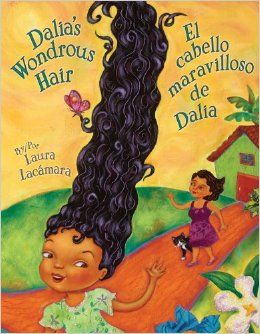
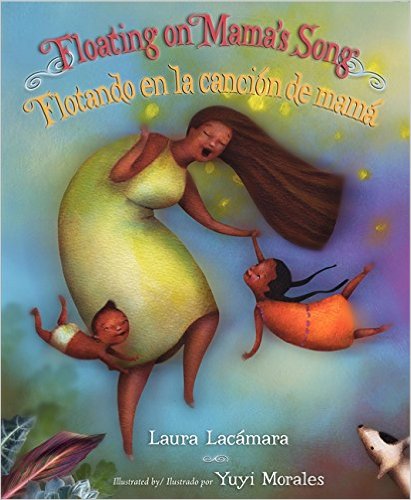
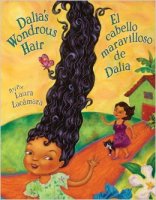
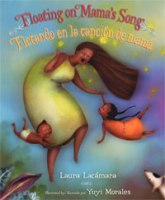
Dalia Cover    Floating

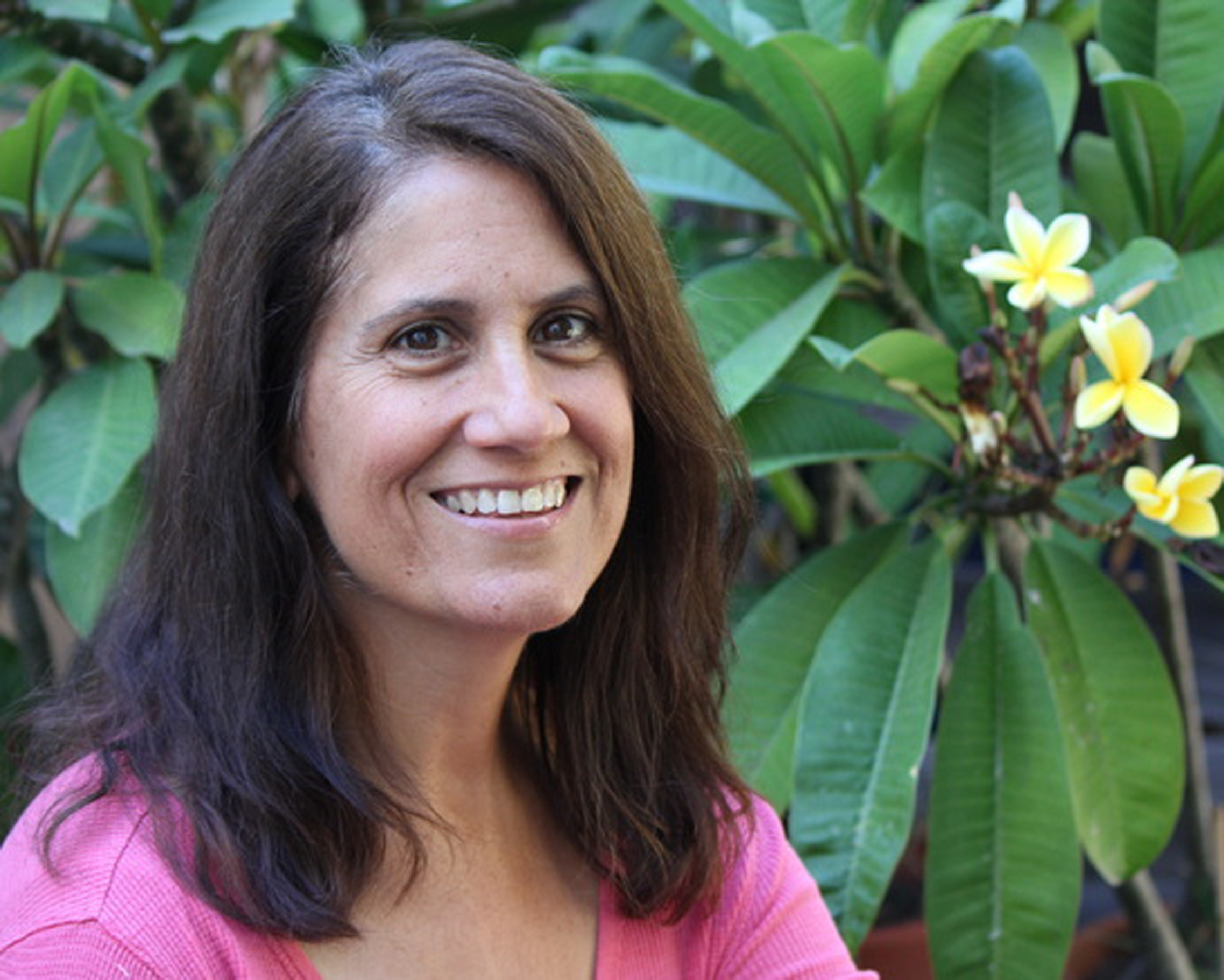
Laura_photo_2015-300 dpiCuban-born Laura Lacámara is the award-winning author and illustrator of Dalia’s Wondrous Hair / El cabello maravilloso de Dalia (Piñata Books), a bilingual picture book about a clever girl who transforms her unruly hair into a vibrant garden.

Laura also wrote Floating on Mama’s Song / Flotando en la canción de mamá, a bilingual picture book inspired by her mother, who was an opera singer in Havana. Illustrated by Yuyi Morales and published by HarperCollins, Floating on Mama’s Song was a Junior Library Guild Selection for Fall 2010 and was a Tejas Star Book Award Finalist for 2011-2012.

You can learn more about Laura’s work at her official website.


Cheeseburger by Day, Guayaba by Night

Juan Medina and LIdia Metauten wedding_NEW copy

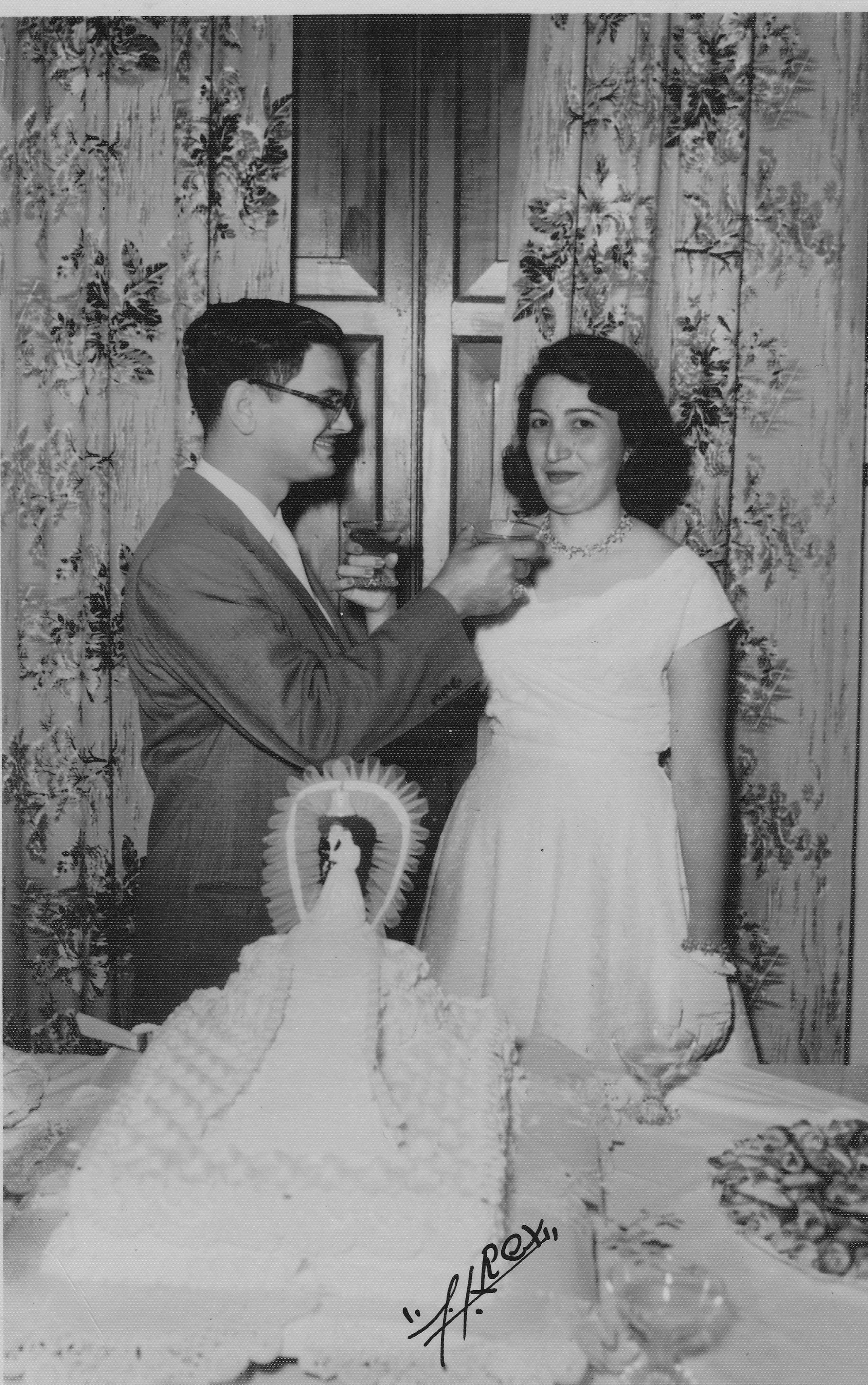
Meg Medina’s parents at their wedding

By Meg Medina

My parents left Cuba as part of the political exodus in the early sixties. I was the first person in my family born in the United States. I learned Spanish from my mother and English from Romper Room. I grew up biculturally: Cheeseburger by day, guayaba by night, so to speak. All to say that I find that I am Cuban to Americans. To Cubans, I am from the US.

When I consider Cuba, I can only rely on black and white photos and on dreamlike stories – perhaps even the obsessions – of my family. I cut my teeth listening to yarns about a place where you wore only a sweater in the winter, where mangos the size of softballs were heavy with sweetness. It was a place of rivers and beautiful ocean waters where you could see your toes. It was the place of tobacco on their fingertips, a place where my family was happiest and the place that broke their hearts.

Image 7

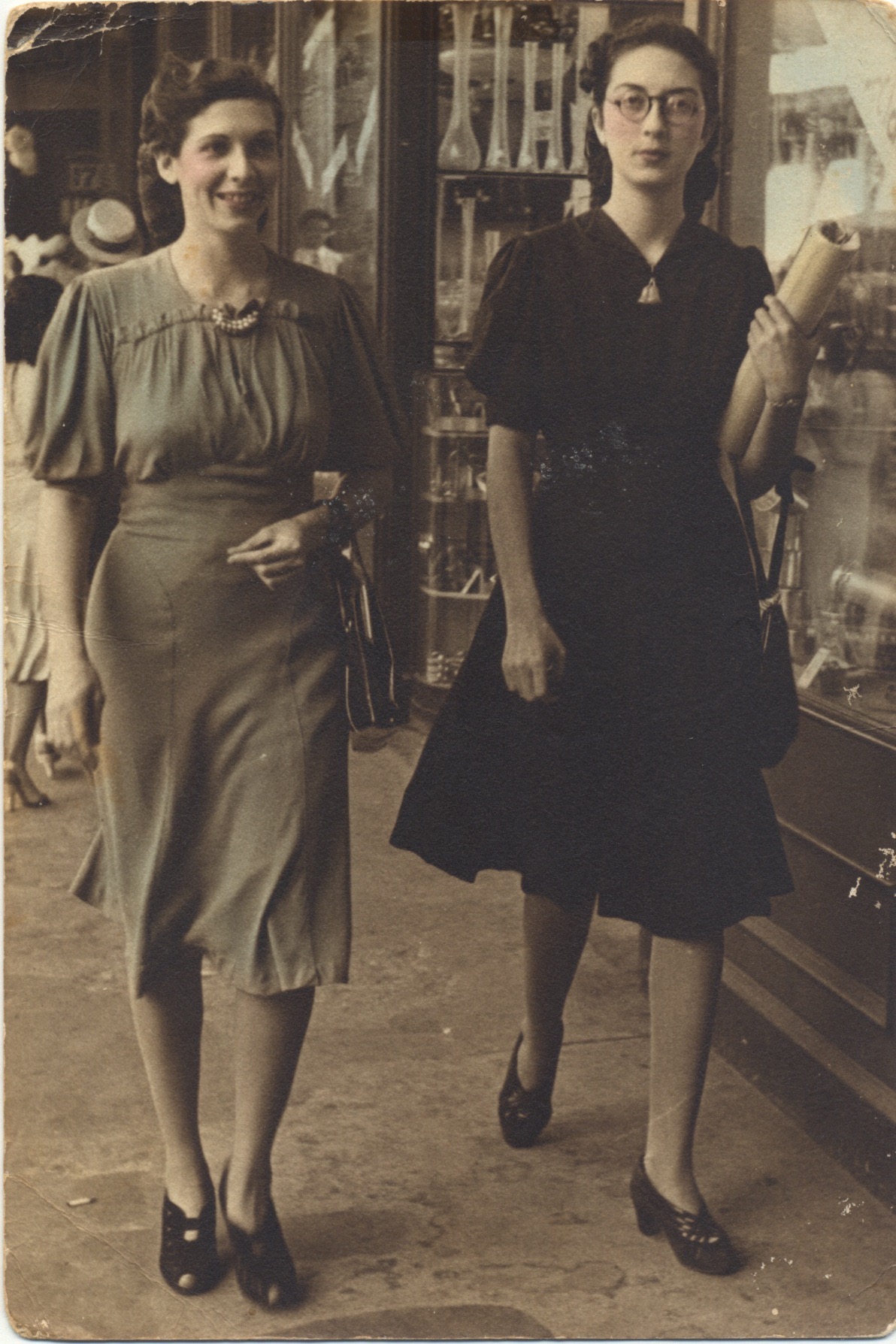
Two of Meg’s relatives on the streets of Havana

My own memories are these: Months of waiting for letters to arrive on thin airmail paper and my aunt’s voice reading the words aloud. A box of old photographs that arrived decades later, the images bored through by insects, and how those photos made my old mother cry. The odd catch in my chest when I see how dire need somehow got recycled into kitschy tourists waving from the seats of classic American cars.

People often ask: “Have you been to Cuba?”

I have never set foot on the island, but in a way, I have been there every day of my life. But how do we talk about Cuba as phantom limb? And, more important, how do we knit ourselves back together – los de aquí y los de allá – and move forward in search of new and better times?

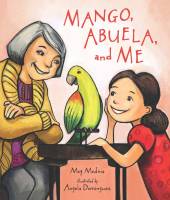
 MANGO_jacket_for_Meg  Tia Isa

ad6df-yaquiMeg Medina is an award-winning Cuban American author who writes picture books, middle grade, and YA fiction.

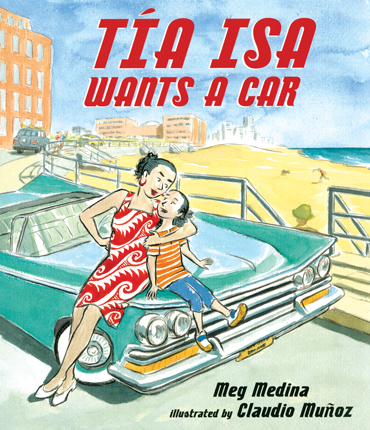
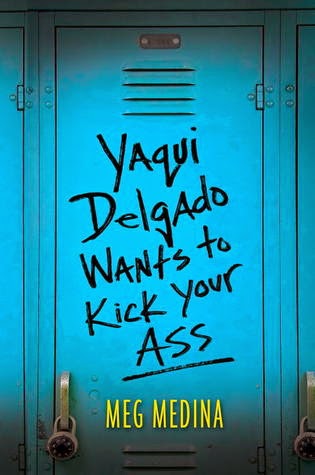
She is the 2014 recipient of the Pura Belpré medal and the 2013 CYBILS Fiction winner for her young adult novel, Yaqui Delgado Wants to Kick Your Ass. She is also the 2012 Ezra Jack Keats New Writers medal winner for her picture book Tia Isa Wants a Car.

Photo credit: Petite Shards Productions

Petite Shards Productions

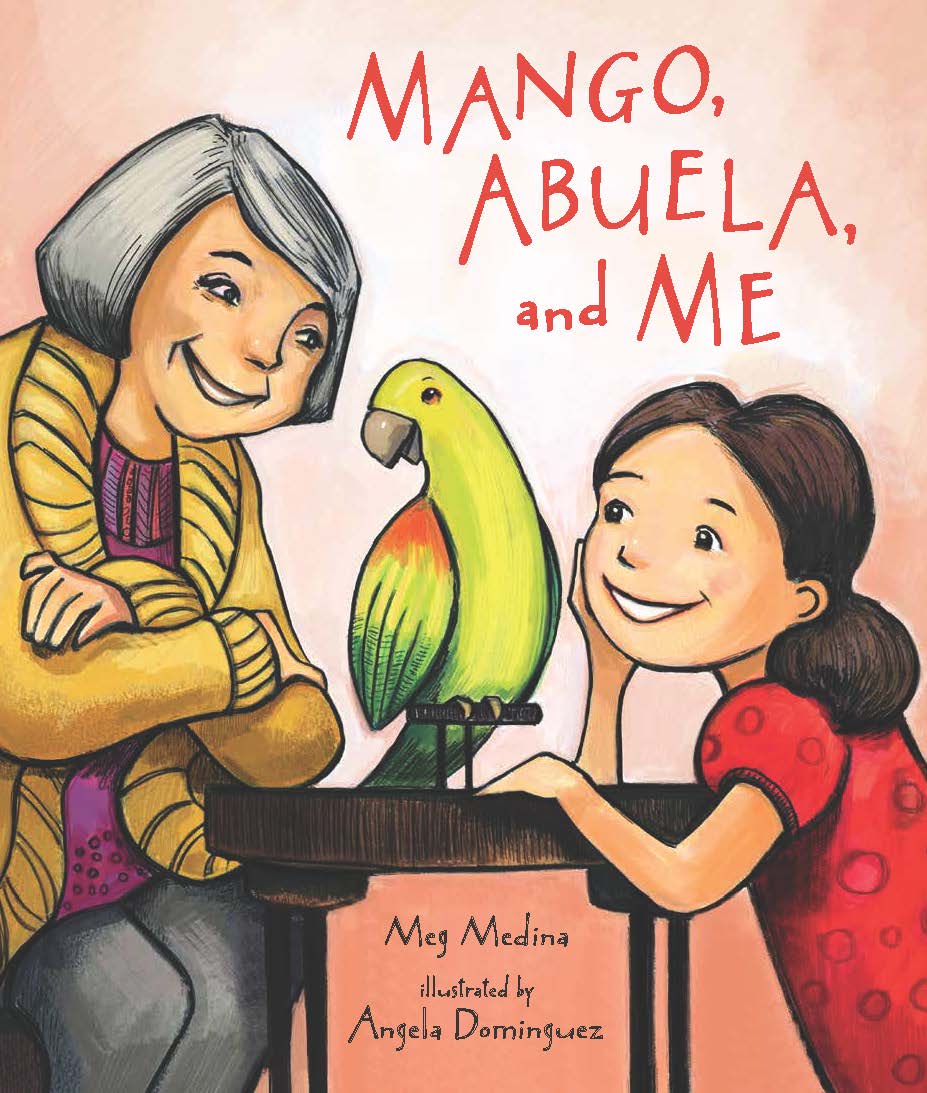
Her most recent picture book, Mango, Abuela, and Me, a Junior Library Guild Selection, has earned starred reviews in Booklist and Publishers Weekly, and  is included in the 2015 American Booksellers Association’s Best Books for Young Readers Catalog.

Meg’s other books are The Girl Who Could Silence the Wind, a 2012 Bank Street Best Book and CBI Recommended Read in the UK; and Milagros: Girl From Away.

Read a wonderful write-up on the Cuban inspiration of Meg’s newest book, Mango, Abuela and Me, at her blog, where you can also find information on her speaking schedule and much more.

Alma Flor Ada: Always Cuban


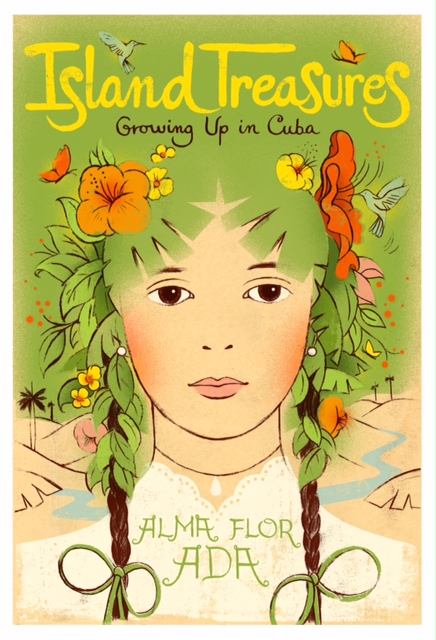
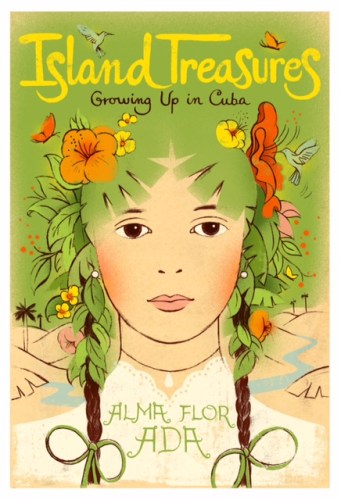
Island Treasures FINAL ART“Yo soy un hombre sincero

  de donde crece la palma…”

   –José Martí

During most of my life I have lived outside of Cuba, as part of the Cuban Diaspora, yet my being continues to be rooted in the fertile island where I was born and where I lived as a child, an adolescent, and a young woman.
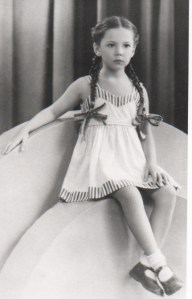
AFA with braids

Alma Flor

In 1958, during the Batista dictatorship, my father’s dream of helping low-income families own their own homes was thwarted when the soldiers who had bought some of the accessible yet solid houses he had built with such care, refused to make their mortgage payments. Trying to find a solution, my father met with the garrison’s commander. Instead of support, he received a frightening threat that led us to flee to Miami.

At that time, Miami did not have the Latino presence it has today. As I wanted to study Spanish and Latin-American literature, I begged to go study in Mexico City. I was fascinated by the artistic and literary achievements of post-Revolutionary Mexico. However, my parents did not feel comfortable sending me to a country where we knew no one. Instead, they suggested I go to Spain, where my mother had relatives.

Spain became the third country where I lived. While the Franco regime imposed many limitations, I was immensely fortunate to be mentored by some extraordinary professors, Elena Catena, don Alonso Zamora Vicente, and doña María Josefa Canellada, who helped channel my thirst for learning. I will always be grateful for their teaching and their example.

A set of unexpected circumstances led me to Perú, which became the fourth country where I lived. In Cuba, I had delighted in being my parents’ daughter; in Perú I became a mother. In Cuba, I had absorbed my family’s commitment to education; in Perú, I became a teacher. In Cuba, I had learned the key role of education in striving for social justice; in Perú, I studied Paulo Freire’s words and became actively concerned with social issues.

While in Perú, I finished my doctorate degree. The topic of my dissertation led to an appointment as a research scholar at Harvard. There I experienced an exciting cultural milieu comprised of distinguished authors and artists who had left Spain after the Spanish Civil War, including the poet Jorge Guillen. Later, after two years in Lima, I returned to the United States with my children and became involved in several grassroots movements on behalf of social justice and education.

Each of these four countries left a profound imprint on me, as I learned to understand their different worldviews, to enjoy their colors and fragrances, and to love their people. I also learned to rebel against the unjust social conditions suffered by many in each of these places, and also, to admire the resilience, fortitude and creativity of the majority of the people I met, wherever I lived. But always, as the backdrop to all these life experiences, my memories of Cuba continued to nourish my deepest soul.
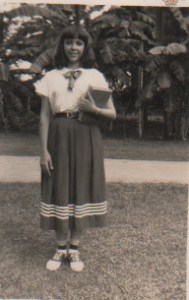
Top

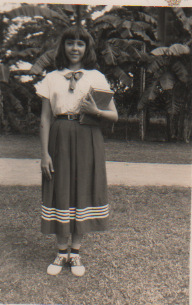
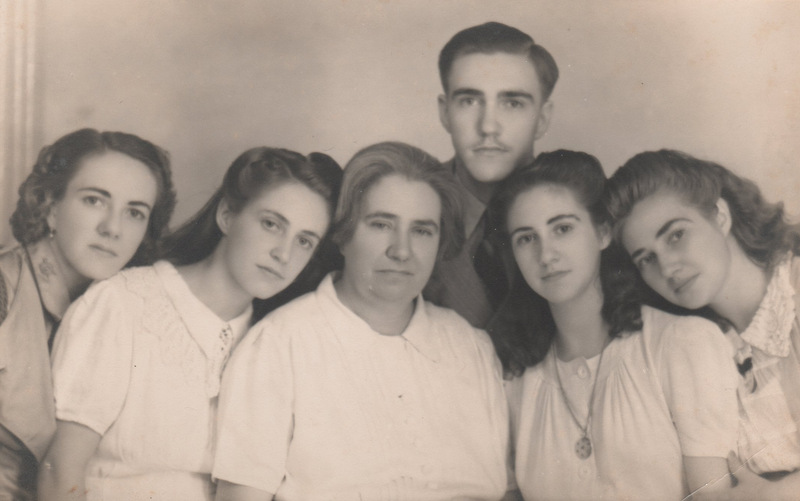
Alma Flor in teen years

As a child, some of my best friends were trees. In the large overgrown gardens of the old historical house where I was born, many different kinds of living creatures inspired me to learn to observe and respect nature. Our colonial city was a microcosm of the larger world; there I learned to listen to those around me and reflect on what I heard. From my family, I learned the values of caring and compassion; kindness and generosity; friendship, knowledge, and justice.

The overgrown gardens have expanded and today I consider the whole planet my home. I continue to marvel at its richness and diversity, including the daily miracles of flower petals and bird feathers. I especially attempt to not remain indifferent to any human experience. Yet, no matter how far my circle of interest may expand, I never feel far from my roots; on the contrary, it is through being nurtured by them, that I can open my heart to everything else.

I learned about immigration from my own family. Both of my grandfathers had immigrated to Cuba from Spain. They each made great efforts to contribute to their new homeland and to defend freedom of thought. My maternal grandfather, Medardo Lafuente Rubio, used his talents for self-expression as a poet, public speaker, educator, and journalist to promote universal human values. During the despotic dictatorship of Machado, he was incarcerated for defending freedom in his newspaper. His time in prison greatly damaged his health and he died not long after his eventual release. My paternal grandfather owned a newspaper and also one of the earliest radio stations in Cuba. His words, whether written or spoken, always defended the value of free independent thinking that had been crushed in his county of birth by Franco’s dictatorship.

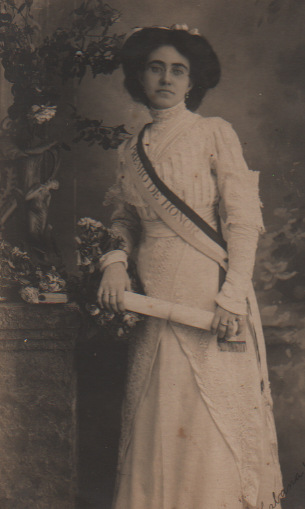
My grandmother on her graduation as a teacher

AFA’s grandmother at graduation from teaching school.

My maternal grandmother, Dolores Salvador, was the strongest influence in my life. Losing her when I was very young filled me with profound nostalgia. In response to the pain of this loss, I sought to protect and nurture my memories of her, as one would a tender plant. And thus I became a storyteller, sharing my stories again and again, sometimes orally, other times in writing, often in silence.

The feelings arising from my own experiences have inspired much of my writing. Even one of my more recent books, Love, Amalia, co-authored with my son Gabriel Zubizarreta, is rooted in the memory of losing my grandmother. Another source of inspiration has been the desire to continue to savor my own children’s childhood.
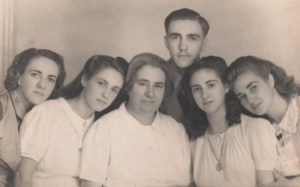
image

AFA’s grandmother, surrounded by her children


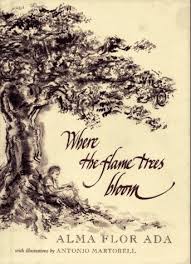
I often remind teachers to encourage children to write, as each child has a unique perspective to share. I am very grateful to an editor of The Hungry Mind who many years ago, asked me to contribute one real-life childhood story for his publication. In response, I wrote my first three real-life stories and submitted them to him. He told me kindly that, while he could only publish one, he wanted to encourage me to write a few more. And thus, Where the Flame Trees Bloom was born.

It took the additional encouragement of my dear friend Antonio Martorell, an inspired artist and illustrator, to continue writing the childhood memoirs that became Under the Royal Palms, and which received the Pura Belpré Medal in 2000. More recently, when Simon & Schuster decided to re-print both of these books under one cover, Emma Ledbetter, my supportive editor, welcomed the idea of also including some new stories from my growing-up years in Cuba. Thus Island Treasures has come to be.
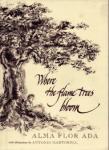
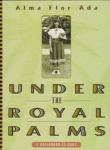
Flame TreesRoyal Palms

Like the mountain springs in Tope de Collantes, in Cuba, whose currents of clear cool water never stop running, all of our memories hold an endless number of sensations, feelings, faces, flavors, aromas, textures, and emotions, if only we are willing to turn inward, to welcome and honor them in some way. It is my hope that as I share my stories with you in Island Treasures, your own awareness of the people who have enriched your life and the moments that have helped shape who you are, will deepen. May you welcome and value your own stories as an intrinsic part of who you are, dear reader, while also rejoicing in who you have become.
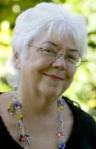
 

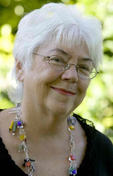
Alma Flor AdaAlma Flor Ada has written countless books, most of which do not specify Cuban settings or characters, but which nearly always highlight Latino life. She is an author, educator, scholar, and internationally known speaker. Her life’s work includes advocacy for peace and social justice. A Pro­fes­sor Emerita at the Uni­ver­sity of San Fran­cisco, she is also a for­mer Rad­cliffe Scholar at Har­vard Uni­ver­sity and Ful­bright Research Scholar.

In the world of children’s books, Alma Flor is known for her poetry, narratives, folk­lore and non-fic­tion. She’s the recipient of many prestigious awards, including the Christo­pher Medal, the Pura Bel­pré Medal, the International Latino Book Award, and the Vir­ginia Hamil­ton Award, in recognition of her body of work for children. Learn more at her official website.


Welcome to Cuba Week!


Cuba PearlCuba has been very much on our minds during this year of momentous change and emotional headlines. In a gesture of love and great hope for the Cuban people on both sides of the Straits of Florida, we invited beloved Cuban American children’s writers to speak from their hearts about anything relating to cubanismo. Lucky us: eight authors responded to our invitation with ¡claro que sí!
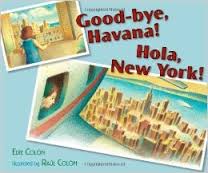
Guest posts begin tomorrow and continue through next Monday. To whet your appetite, here are some details. You will hear about immigration journeys, life across two cultures, racial identity, remembrances of the Cuba left behind, and the books that sprang from these experiences. Get ready for gorgeous prose from Enrique Flores Galbis; a fresh challenge to publishers from Nancy Osa; nostalgia mixed with humor and biting reality from Guinevere Thomas, Meg Medina, Laura Lacámara, and Christina Díaz González; as well as stirring insights from award-winning poets Alma Flor Ada and Margarita Engle. These authors’ books have enriched young people’s reading lives. For that, and for the perspectives they’ve shared with us, we want to say ¡gracias de todo corazón!

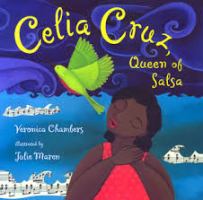
Before we get started on the guest posts, here’s a visual reminder of some glorious children’s books that star Cuban characters and/or settings. Space prevents us from featuring a comprehensive list, but we urge you to add your recommendations in the comments section. To learn more about individual books, click on their cover mages.

Picture Books    

Goodbye Havana Queen of Salsa Martina Mango in Hand

Celia Bossy Gallito Tia Isa  Dalia Cover MANGO_jacket_for_Meg drum dream girl cover floating

Middle-Grade

Island Treasures FINAL ART The Red Umbrella  Oye Celia  Moving Target  My Havana The Wild Book  MountainDog.highrescvr  paperback cover

Young Adult

Cubanita  Tropical Secret    Hurricane dancers notable  Firefly notable  Cuba 15  Down to the Bone   Letters to my mother   Significant Girls  ad6df-yaqui  Surrende Tree Notable  Lightning Dreamer notable  Enchanted Air Poet Slave Dark Dude