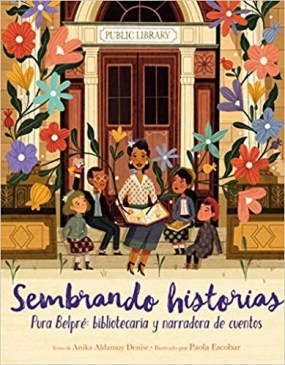
Book Review: Planting Stories: The Life of Librarian and Storyteller Pura Belpré / Sembrando Historias: Pura Belpré bibliotecaria y narradora de cuentos


  Planting in Spanish

Review by Dora M. Guzmán

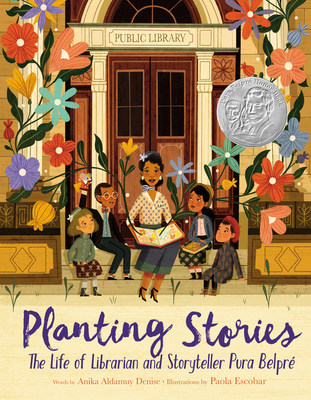
DESCRIPTION OF THE BOOK: Follow la vida y el legado of Pura Belpré, the first Puerto Rican librarian in New York City.

When she came to America in 1921, Pura carried the cuentos folkloricos of her Puerto Rican homeland. Finding a new home at the New York Public Library as a bilingual assistant, she turned her popular retellings into libros and spread seeds across the land. Today, these seeds have grown into a lush landscape as generations of children and storytellers continue to share her tales and celebrate Pura’s legacy.

This portrait of the influential librarian, author, and puppeteer reminds us of the power of storytelling and the extraordinary woman who opened doors and championed bilingual literature.

MY TWO CENTS: Another bilingual favorite to add to the informational biography shelf! Pura Belpré is widely known for the book award created in her honor through the American Library Association. Every year, the Pura Belpré Award is one that recognizes Latinx authors and illustrators that reflect the Latinx culture in their picture books or novels.

Pura Belpré had seeds of determination and passion that followed her from Puerto Rico. That same blessing led her to work in a library and share her stories with children, however, she quickly discovered that many of her own stories, reflective of her Puerto Rican culture, were not readily available to the community. Therefore, she begins to share her stories with children and then begins to write down all her stories for others to read. Soon after, she is telling her stories all around the world. This biographical account of Pura’s life story and life’s work is nothing short of inspirational. Pura unequivocally shares her passion for storytelling to all so that her stories and culture are not lost. Despite losing her best friend and husband, she returns to the library scene while also inspiring others, and sees her seeds of storytelling and Latinx culture, come to fruition.

The sentence structures are concise but impactful as they tell the story, almost in a poetic form, of inspiration and passion as Pura moves to a role within the library. The reader is mesmerized in her storytelling and how certain words stand out with the use of a brushstroke. Words and phrases in Spanish are realistically embraced within the narrative structure, so much that it flows and might go unnoticed. The sharp, bold, multicolored background brings life to the determining force behind Pura’s life and purpose with books and libraries. The illustrator perfectly captures the authenticity of the story through its detailed illustrations and placement of characters and scenes. The illustrations dance around the entire page, which keeps the reader involved as the story progresses. Certain illustrations, like the simple flowers and musical notes, follow Pura as she shares her stories across the pages. The additional final pages also provide extensive references to text and film for further research in Pura’s lifework, as well as Latinx culture, especially the Puerto Rican culture.

Overall, a perfect addition, in both English and Spanish, to your biography shelf, especially highlighting the power of small, yet meaningful actions and how it evolves into a movement across Latinx and book cultures.

TEACHING TIPS: Many of these teaching moments can be implemented in a grades K-5 setting, with a focus on the primary grades.

  • Teaching descriptive vocabulary words and phrases
  • Focus on character traits, especially traits describing Pura throughout the story
  • Focus on the illustrator’s purpose of using certain colors or placement of illustrations to convey meaning
  • This book can also be combined in a biographical unit of inspirational storytellers or librarians.
  • Students can also be invited to research more of Pura Belpré’s lifework, as well as the impact of the Pura Belpré award on books.

To learn more about the Pura Belpré Medal and find the latest winners and honors, check out the ALA’s Pura Belpré Award home page.

Anika Denise Author Hi-res PhotoABOUT THE AUTHOR: Anika Aldamuy Denise first heard the stories of Pura Belpré from her titi Rose, who, like Pura’s family, enjoyed sharing the treasured folklore of Puerto Rico. Today, Anika is the celebrated author of several picture books, including Starring Carmen!, Lights, Camera, Carmen!, and Monster Trucks. She lives with her husband and three daughters in Rhode Island. Other new titles coming in 2019 include The Best Part of Middle illustrated by Christopher Denise, and The Love Letter illustrated by Lucy Ruth Cummins.Visit her online at www.anikadenise.com.


ABOUT THE ILLUSTRATOR: Paola Escobar grew up traveling from town to town in Colombia. From a very young age she liked to draw the stories her grandmother Clara told about her ancestors, the countryside, and animals. Today, Paola is an illustrator who is passionate about telling stories of her own, having published with SM Spain, Planeta, Norma, and more. She lives very happily in Bogota, Colombia, with her husband and their dog, Flora. Follow her on Instagram here!
 

img_0160ABOUT THE REVIEWER: Dora M. Guzmán is a bilingual reading specialist for grades K-3 and also teaches an undergraduate college course in Children’s Literature. When she is not sharing her love of reading with her students, you can find her in the nearest library, bookstore, or online, finding more great reads to add to her never ending “to read” pile!
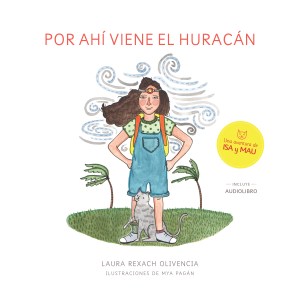
 

Book review: Por ahí viene el huracán: Una aventura de Isa y Mau


We don’t often publish reviews or articles exclusively in Spanish, but since the picture book reviewed below is not yet available in English, it seems sensible to direct this post to readers of Spanish. To be clear, we do hope for an eventual English edition. After all, Por ahí viene el huracán is an authentic depiction of a child’s experience of Hurricane María, written and illustrated by Puerto Ricans with close knowledge of what the storm did to their island and their people. We hope it will find expression in multiple languages!
Readers on the mainland may order copies of this edition at Libros787.com. 

Reseña por Sujei Lugo y Lila Quintero Weaver

POR AHÍ VIENE EL HURACÁN: Una aventura de Isa y Mau es escrito por Laura Rexach Olivencia e ilustrado por Mya Pagán. (Editorial Destellos, 2018)

El impacto del Huracán María el pasado septiembre de 2017, marcó fuertemente la vida y experiencias de diversas comunidades en Puerto Rico y la diáspora. Lxs niñxs no estuvieron exentos del impacto psicológico, físico, natural, y social del fenómeno atmosférico y sus vidas y experiencias son igual de válidas. Varias personas se han dado la tarea de documentar y representar el paso e impacto del huracán a través de las letras, la música y el arte. Entre estos tenemos varios libros de literatura infantil y juvenil. Uno de ellos lo es Por ahí viene el huracán escrito por Laura Rexach Olivencia e ilustrado por Mya Pagán.

Aunque el nombre del huracán no es mencionado, detalles dentro de la historia y la fecha de publicación nos pueden indicar que se trata del Huracán María. “El último no vino. Pero dicen que este sí que viene.” Frase que se repetía luego del Huracán Irma y a la llegada del Huracán María.

La historia es contada desde la perspectiva de una niña llamada Isa y sus conversaciones con su gato Mau. Isa espera con ansias la hora de salida ya que al otro día no habría clase debido al posible paso de un huracán. Al llegar a la casa, Isa conversa como su gato Mau sobre la necesidad de prepararse ante el posible impacto del huracán. Toda la familia está trabajando para preparar la casa, sus pertenencias y organizar los suplidos necesarios. Isa observa cómo los vecinos y la comunidad anda de lado a lado comprando materiales, alimentos, artículos de primera necesidad y como todos cargan las mismas cosas, baterías, agua, latas, velas y linternas. La abuela también los acompaña en la casa y todos se quedarán en el mismo cuarto, algo que le emociona a Isa porque cree que es un “pijama party”, sensación que muchos también sentimos durante nuestra niñez.

Tan pronto comienzan los vientos, se va la luz, lo que causa que muchos en la casa despierten por el calor, el ruido del viento o simplemente, ansiedad. Su abuela Lela, como cariñosamente la llama Isa, intenta calmar a la niña pero Isa no logra recuperar el sueño. La familia de Isa tuvo que levantarse para reforzar los paneles en las ventanas debido a los fuertes vientos y lluvia. Los ruidos que se escuchaban eran aterradores, que hasta los adultos del hogar siente miedo, algo que Isa nunca había visto a su padre sentir. ¡Qué eternidad!, expresan. Sentimiento que fue expresado constantemente al describir el huracán. Recuerdo mensajes recibidos y leídos de lo “eterno que se sentía”, “esto no para”, “esto es el día más largo de mi vida”.   

Al otro día el sonido del viento fue disminuyendo y la calma fue regresando. Isa ayuda en la casa secando y controlando el agua que está entrando a la misma. El barrio y los caminos están clausurados por troncos de árboles, postes caídos, puentes derrumbados y pasan seis días atrapados, muy cercano a la realidad vivida en Puerto Rico. Una imagen presenta un camión de la Guardia Nacional o Fuerzas Armadas, y el texto narra cómo un grupo de soldados llegaron a su vecindario a ayudar, algo que no muchas personas vivieron post Huracán María.

El libro ilustrado es bastante certero en plasmar lo que se vivió luego de María, las filas interminables para agua, gasolina, alimentos. El desespero que se vivió y que algunos aún viven. Muchas personas perdieron sus hogares, familiares, trabajos y cotidianidad, que fueron desplazados y se trasladaron a vivir a los Estados Unidos. Isa observa que su amigo Nico, es uno de los miles de niños que tuvieron que mudarse e Isa siente una tristeza sobre algunas de las consecuencias del impacto del huracán.

“Llega el mes de noviembre y la escuela del pueblo sigue cerrada porque aún no llega la electricidad”. Las escuelas fueron unos de los lugares más impactados por María, algunos aún funcionaban como refugio, otros como cocinas y espacios comunitarios, otras sufrieron daños en la infraestructura y otras fueron eventualmente cerradas. Al igual que Isa, muchas familias y comunidades crearon “una nueva rutina diaria.” Isa reflexiona sobre su amigo Nico que tuvo que irse, sobre el cierre de su escuela y como está deseosa que tanto Nico y la escuela vuelvan a su vida. Entre preocupación y esperanza, Isa vuelve a sentir vida en su barrio.

El texto es simple, honesto y captura la esencia de los personajes, el ambiente que reina antes, durante y luego de un fenómeno atmosférico sin ser condescendiente con los lectores. Se puede sentir la voz y experiencia de las personas que realmente pasaron por este desastre natural y proveen una visión auténtica de la historia. Los detalles, el vocabulario, la vestimenta y otras imágenes capturan algunas de las experiencias y realidades puertorriqueñas.

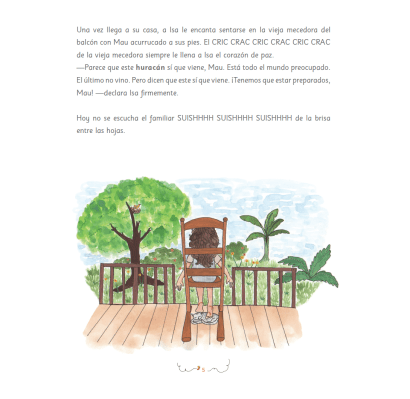
La autora incorpora el uso de onomatopeyas de diversos sonidos como el desagüe en la bañera, la vieja mecedora, el silencio, los martillazos en la pared, los zapatos caminando, el sonido aterrador del viento, los ladridos del perro, los cuchillos para cortar vegetales, el suave cantar de la brisa y el cantar del coquí. A través de las onomatopeyas y las expresiones faciales de los personas, se captura el progreso gradual de las emociones y labores antes, durante y después del paso de un huracán.

El diseño del libro y yuxtaposición del texto, las ilustraciones y los espacios en blanco proveen una cierta calma dentro una historia que puede hacer recordar a algunos lectores los malos recuerdos, emociones y experiencias vividas.  El libro incluye un glosario de palabras que pueden ser nuevas para los pequeños lectores y que están resaltadas en negrillas (bold) dentro del texto a lo largo de la historia.

El arte consiste de ilustraciones sencillas presentadas con aire de inocencia. Pintados de acuarela, los dibujos resaltan, gracias a una gama amplia de colores y tonos. Además se utilizan bordes bien definidos, semejantes en estilo a los de los comics. Aunque se nota que los paisajes naturales suelen inclinarse a lo sobresimplificado, la mayoría de las ilustraciones emparejan a la historia perfectamente.

Más que nada, la ilustradora brilla en sus representaciones de los personajes. Las caras son distintas, como también son los detalles de la ropa, los zapatos, los sombreros, los peinados, las gafas de sol, y otros artículos. Es una fiesta para los ojos. El efecto visual es encantador y sirve bien para entretener a los lectores de cualquier edad.

Una nota de la autora y/o la ilustradora hubiera ayudado a brindar un poco de contexto a la historia y para los lectores no familiarizados con huracanes o el Huracán María. Pero también puede verse como una historia que puede plasmarse y presentarse en relación a otros huracanes, desastres naturales y experiencias.


Laura Rexach Olivencia es consultora en filantropía estratégica y combina su perspectiva de madre puertorriqueña con su experiencia en negocios y pasión por la educación para ayuda a adelantar proyectos que inspiran. Vive en San Juan, Puerto Rico con su esposo y tres hijos pequeños.



Mya Pagán es una ilustradora puertorriqueña. Completó un Bachillerato en Lenguas Extranjeras de la UPR de Río Piedras con concentración en francés e italiano. Además de su pasión por los idiomas, siempre le ha encantado dibujar y traducir lo que la rodea y lo que siente a papel. Actualmente trabaja como ilustradora a tiempo completo y ha trabajado con varias agencias.
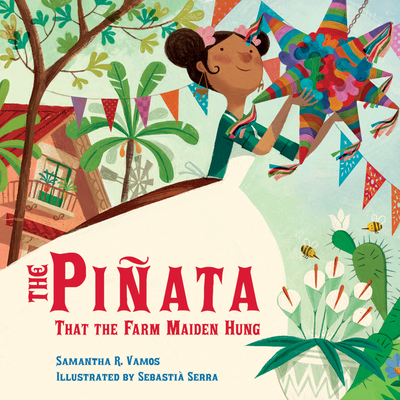
Book Review: The Piñata that the Farm Maiden Hung by Samantha R. Vamos, illus. by Sebastià Serra


Review by Dora M. Guzmán

DESCRIPTION OF THE BOOK: A band of helpful animals joins the farm maiden, a farmer, and a boy in order to make a piñata from scratch and decorate the plaza. But then everyone falls asleep in the warm afternoon sun…

…and no one fills the pinata that the farm maiden hung.

How will they finish in time for the party? And who is the party for?

This bilingual story borrows the familiar structure of “The House that Jack Built” and is a companion title to The Cazuela That the Farm Maiden Stirred, a Pura Belpré Illustrator Honor Book.

MY TWO CENTS: This is a must-have addition to your classroom library and curriculum! It highlights the significance and collaboration in Latinx celebrations, traditions, and community. I am infatuated with this book’s integration of culture and overall style in a familiar story structure from the first book, The Cazuela that the Farm Maiden Stirred. The farm maiden and her community members, who include the boy, horse, cat, goose, farmer, and sheep, all partake in sharing their contribution to make the centerpiece of the celebration. In this case, the centerpiece is the piñata. There are other essential pieces to complete the celebration like alebrijes, cascarones, and papel picado. The author does not explicitly tell the reader who this party is for or why, but the characters are enthusiastically working together to get it right!

The author and illustrator, however, give readers a clue into this celebration by placing on the first page a young girl in her room who then walks outside, with the remaining characters peeking out of the house. This is a great stopping point for inferring and predicting before the story begins!

The deliberate shading and bold layers of color accentuate character features and the beauty in the environment as the characters are preparing for a celebration. Throughout the story line, words in Spanish are emphasized in bold print and their definitions are included at the end of the book. Cultural representations include alebrijes (wood carvings), cascarones (confetti in eggshells), and papel picado (tissue paper flags). Characters also share humor and collaboration as they work together to make this moment as special as they can, even when they all take a nap and forget to fill the piñata! No worries, because as they say “Teamwork makes the dream work,” and a dream it sure was! The birthday girl walks in and is surprised by the beautiful, thoughtful setup, but most of all there is an intricate and colorful piñata! The story ends at it should whenever a piñata is in the story- time to hit and break it! Readers are invited to sing along in Spanish and English to La Canción de la Piñata/ The Piñata Song, one that is reminiscent in many Latinx childhood memories.

Overall, I am forever grateful for this, a book that authentically reflects a Latinx culture. While there was an absence of food, except for the cake, it highlighted other parts of the celebration that are just as important. The words in this book brought life to Spanish vocabulary words and to the illustrations that married with the theme of collaboration, teamwork, and love for special moments like birthdays. Most of all, it solidifies the symbolic meaning of the piñata, which is an experience that is meant to be shared with those who bring you joy and happiness.

TEACHING TIPS: Many of these teaching moments can be implemented in a grades K-5 setting, with a focus on the primary grades.

  • The repetitive nature in the text is perfect for reader participation and engagement in read alouds, especially in the early grade levels.
  • Readers can develop their inferring abilities, especially with the illustrations.
  • Focus on building vocabulary, not only focusing on the Spanish words that are introduced but also on verbs and descriptive language.
  • Readers can be invited to learn more about other traditions, centerpieces, and components that are essential in other cultural celebrations.
  • Students can learn to make a piñata!
    • Included at the end of a book, is a step-by-step guide to make a piñata. This pairs well with a lesson on reading the procedural text.
  • This book can also be combined in a unit to compare and contrast story lines and characters. Books in this unit can include The Cazuela That the Farm Maiden Stirred, as well as other stories similar to The House that Jack Built. Students can also be invited to write their own story that follows this structure.


Image result for samantha r vamosABOUT THE AUTHOR: Samantha R. Vamos is the author of the companion title for this book, The Cazeula That the Farm Maiden Stirred, a Pura Belpré Illustrator Honor Book. She also wrote Alphabet Boats, Alphabet Trains, and Alphabet Trucks. She lives with her family in California.

Listen to Samantha R. Vamos talk about this book, The Piñata That the Farm Maiden Hung, on her publisher’s podcast.

Link: (https://charlesbridge.blogspot.com/2019/01/charlesbridge-unplugged-19-samantha.html)


Image result for Sebastiá SerraABOUT THE ILLUSTRATOR: Sebastià Serra is an award-winning artist who has illustrated more than 70 children’s books in Spain, Italy, France, UK, Portugal, Taiwan, Brazil, and the United States. Also, he has worked as a graphic designer for several television shows, family theatre, and many museums and cultural institutions. He lives in Barcelona, Spain.


img_0160ABOUT THE REVIEWER: Dora M. Guzmán is a bilingual reading specialist for grades K-3 and also teaches an undergraduate college course in Children’s Literature. When she is not sharing her love of reading with her students, you can find her in the nearest library, bookstore, or online, finding more great reads to add to her never ending “to read” pile

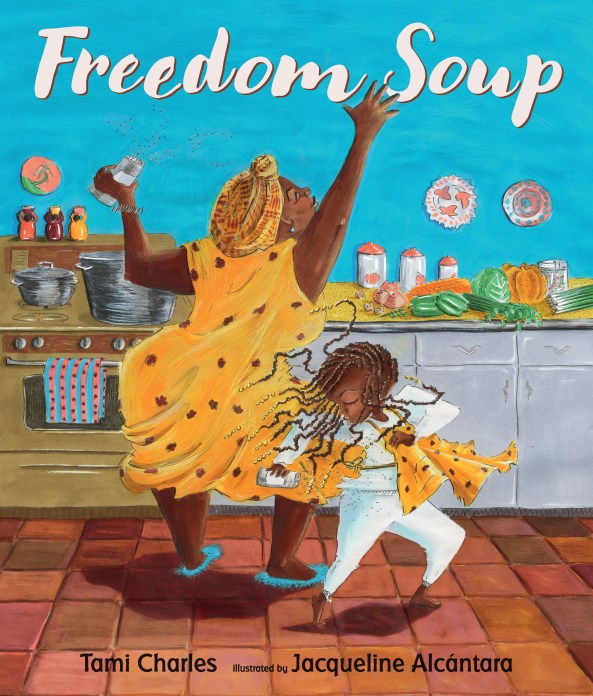


Cover Reveal for Freedom Soup by Tami Charles, illus. by Jacqueline Alcántara

We are delighted to host the cover reveal for Tami Charles’s picture book, Freedom Soup, which will be published by Candlewick Press.

Freedom Soup celebrates the history behind the Haitian tradition of ringing in the New Year by eating soup joumou. The book is written by Tami Charles and illustrated by Jacqueline Alcántara.

First, here is some information about the creators:


PictureTami Charles: Former teacher. Wannabe chef. Tami Charles writes picture books, middle grade, young adult, and nonfiction. Her middle grade novel, Like Vanessa, earned Top 10 spots on the Indies Introduce and Spring Kids’ Next lists, three starred reviews, and a Junior Library Guild selection. Her recent titles include a picture book biography, Fearless Mary, humorous middle grade novel, Definitely Daphne, and forthcoming titles published by Sterling, Charlesbridge, Candlewick Press, and more. When Tami is not writing, she can be found presenting at schools both stateside and abroad. (Or sneaking in a nap…because sleep is LIFE!)


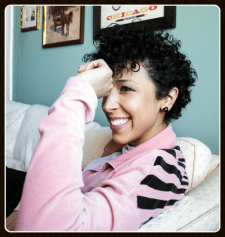
photo credit @eyeshotchaJacqueline Alcántara is a freelance illustrator and spends her days drawing, painting, writing and walking her dog. She is fueled by electronic and jazz music, carbs and coffee. Jacqueline studied Art Education and taught high school art and photography before transitioning to illustration.

In combination with freelance illustration, Jacqueline has a wide range of work experience in other art and design related positions. She managed an art gallery and framing studio in Chicago, worked in the set decoration department on NBC’s “Chicago Fire”, and was the Member Relations Manager at Soho House Chicago where she cultivated a community of Chicago creatives in fashion, advertising, fine art and more. She has a never ending interest in learning new skills and taking on new challenges.

Her experience working with children has led her to focusing on children’s literature and specifically in pursuit of projects featuring a diverse main character. She won the 2016 “We Need Diverse Books Campaign” Mentorship Award and is excited to be working to promote inclusiveness and diversity in children’s literature and the illustration field.

Now, here is some information about the book, pulled from this interview with Tami Charles.

She said, “Freedom Soup is written in tribute to the undying spirit of the Haitian people. Today, many people associate Haiti with poverty and earthquakes. But long ago, on January 1, 1804, Haiti made history as the first black republic to free themselves from the bondage of slavery. When slavery still existed on the island, slave masters rang in the New Year by eating Freedom Soup. They didn’t grow the vegetables or prepare the soup, of course. Their slaves did that for them. And for all of their hard work, slaves were not even allowed to eat the soup to celebrate the New Year. After twelve years of uprisings and fighting for their freedom, Haiti claimed their independence from France. Do you know how they celebrated? By eating Freedom Soup, of course! What a testament to their faith and resilience!”

Finally, here is the cover of Freedom Soup:

Start scrolling…

*

*

*

*

*

Keep scrolling…

*

*

*

*

*

Almost there…

*

*

*

*

*

Ta-da!


9780763689773

Beautiful cover! We can’t wait to hear more about this book. We will keep you posted on a release date.

Cover Reveal: A New Home/Un Nuevo Hogar by Tania de Regil

We are delighted to host the cover reveal for Tania de Regil’s picture book, A New Home, which will be published by Candlewick Press.


First, here is the official description of the book, which will be released April 9, 2019, in both English and Spanish:

Moving to a new city is exciting. But what if your new home isn’t anything like your old home? Will you make friends? What will you eat? Where will you play? In a cleverly combined voice accompanied by wonderfully detailed illustrations depicting parallel urban scenes, a young boy conveys his fears about moving from New York City to Mexico City, while at the same time a young girl expresses trepidation about leaving Mexico City to move to New York City. This is a very personal book for the author/illustrator, who calls it “…a love letter dedicated to these two magnificent cities, which I’ve had the honor of calling home and seeing for what they really are.” A New Home offers a heartwarming story that reminds us that home may be found wherever life leads.

Now, here’s some information about the author-illustrator:

taniadrTania de Regil was featured in our third Spotlight on Latina Illustrators and this is her American publishing debut. Tania studied fashion design at Parsons School of Design in New York City and finished her studies in her home country of Mexico. Her work as a costume designer in film and television has helped to better grasp the art of storytelling through images. Tania’s illustration work is always filled with interesting details for children to discover. She uses a variety of media in her work, such as watercolor, gouache, color pencils, wax pastels and ink to create richly textured, engaging images. Tania’s debut picture book, Sebastián y la isla Tut, which she both wrote and illustrated, was published in November, 2015 by Macmillan Mexico.

Ready to see the beautiful cover?

Okay, start scrolling…

*

*

*

*

Keep scrolling…

*

*

*

*

Almost there…

*

*

*

*

Ta-da!


You can connect with Tania on Twitter and her website.

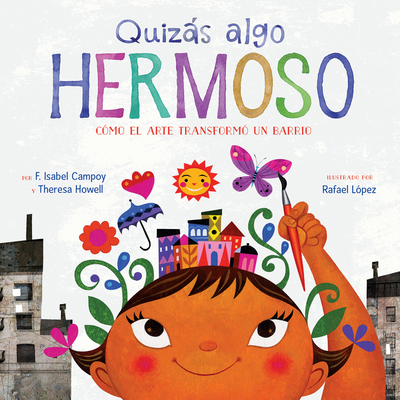
Book Review: Quizás algo hermoso by F. Isabel Campoy, Theresa Howell, illus. by Rafael López


Review by Maria Ramos-Chertok

DESCRIPTION OF THE BOOK: Una edición en español lírica del aclamado e inspirador libro de cuentos ilustrados Quizás algo hermoso, ilustrado por el ganador de la medalla Pura Belpré, Rafael López.

Ganador del Premio Tomás Rivera

¿Qué pueden conseguir unas gotas de color en una comunidad gris? Viendo lo que Mira y sus vecinos descubren, ¡más de lo que nunca pudo imaginarse! Basado en una historia real, Quizás algo hermoso nos revela cómo el arte puede inspirar la transformación – y cómo incluso la más pequeña artista puede llegar a conseguir algo grande. ¡Toma un pincel y únete a la celebración!

A lyrical Spanish language edition of the acclaimed and inspiring picture book Maybe Something Beautiful, illustrated by Pura Belpré Medal winner Rafael López.

MY TWO CENTS: Quizás algo hermoso is hopeful and inspiring, not only because of its message, but because it is based on a true story.  In the book, we meet Mira, a young artist who uses colorful drawings to enliven her world and connect with people in her neighborhood.  When she meets a muralist in her community, her love of art takes on another dimension, and together they work to transform their surroundings by engaging in a collective art project.  Their desire to be inclusive shows their neighbors that artistic expression is accessible to anyone willing to pick up a paint brush. By doing so, they debunk the idea that the label “artist” should be reserved solely for those who pursue formal artistic training.   The permission to create, to unite for a common purpose, and to use beauty as a tool in community empowerment provide valuable motivation for readers imagining how to replicate this magical experience.

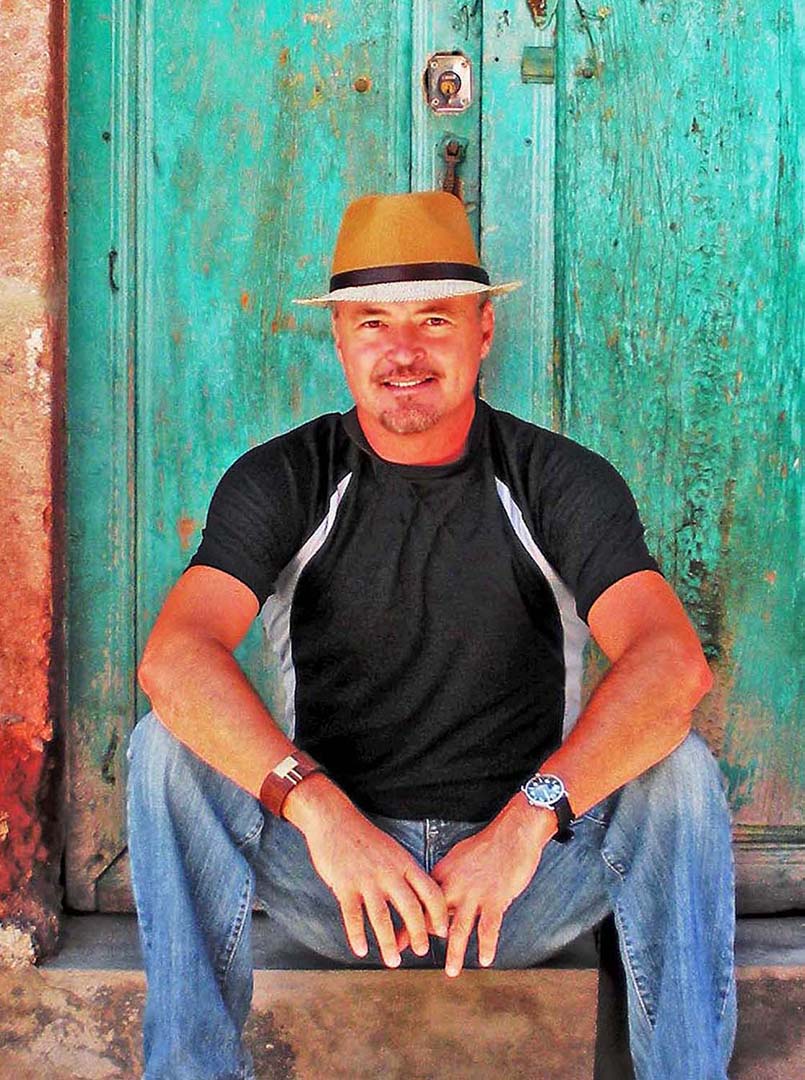
Aside from the message, readers will be delighted to know that the illustrator, Rafael López, is the muralist upon whom the story is based. López and his wife Candice, a graphic designer and community organizer, are the ones who envisioned this project in the East Village of San Diego, California. The illustrations are vivid, engaging, and inspiring. The art depicts a multiracial cast of characters, something I personally look for and value in picture books.

I’ve read both the English (2016) and Spanish (2018) versions of the book and thoroughly enjoyed both. I am thrilled that such a relevant and instructional book has been translated into Spanish because it allows the message to reach a wider audience.

TEACHING TIPS: At the most basic level, Quizás algo hermoso can be used to encourage children to engage in art by showing them that one does not have to be a self-identified artist to enjoy and benefit from an art project. Beyond that, the book can be used to introduce community-based art. Whenever possible, I would recommend bringing students on a field trip to view local murals. Part of that lesson might include a discussion about the value and purpose of engaging a neighborhood in such a project.

Aside from the uplifting aspects of the book, there is also a deeper layer to explore related to depressed communities – communities that are dilapidated and somber, like the one in which Mira lived. For students living in such an area, this could be a difficult conversation, but one that might give voice to some important discussions related to class, race, and community resources. There might also be an inquiry as to why pejorative words are sometimes used to describe communities (e.g., slums, ghettos) and how those words make people feel. I’d recommend this conversation for older students.

Teachers can also discuss the benefits of what happens when people come together to work on a common goal: meeting new people, talking to people you might not have otherwise spoken to, and seeing change happen. This could be an opportunity to have your class choose a group project and then have them journal throughout the process about what they are learning about themselves and others.

While the primary audience for this book is younger children, I see a benefit of using it with older children (through fifth grade), especially in bi-lingual classrooms and/or Spanish language classrooms.


isabel-campoyABOUT THE AUTHORS (from the book)Isabel Campoy is an author, anthologist, translator, and bilingual educator who has won many awards for her professional contributions. Her many accolades include ALA Notables, the San Francisco Library Award, the Reading the World Award from the University of San Francisco, the NABE Ramón Santiago Award, the International Latino Children’s Book Award, and nine Junior Library Guild selections. She is a member of the North American Academy of Spanish Language. She lives in Northern California.


THERESA HOWELLTheresa Howell is a children’s book author and editor with many bilingual books to her credit. Mutually inspired by Rafael Lopez’s efforts to transform communities through art, they combined their talents in the lyrical text of Maybe Something Beautiful. She lives in Colorado.


ABOUT THE ILLUSTRATOR: Rafael López is both the illustrator of this book and the inspiration for the character of the muralist. He was born and raised in Mexico, a place that has always influenced the vivid colors and shapes in his artwork. He now creates community-based mural projects around the world and illustrates award-winning children’s books. Rafael López divides his time between Mexico and San Diego, California.


ABOUT THE REVIEWER: Maria Ramos-Chertok is a writer, workshop leader and coach who facilitates The Butterfly Series, a writing and creative arts workshop for women who want to explore what’s next in their life journey. In December 2016, she won 1st place in the 2016 Intergenerational Story Contest for her piece, Family Recipes Should Never be Lost. Her work has appeared in the Apogee Journal, Entropy Magazine, and A Quiet Courage. Her piece Meet me by the River will be published in Deborah Santana’s forthcoming anthology All the Women in my Family Sing (Jan 2018) http://nothingbutthetruth.com/all-the-women-in-my-family-sing/. She is a trainer with Rockwood Leadership Institute www.rockwoodleadership.organd a member of the Bay Area chapter of Write on Mamas. For more information, visit her website at www.mariaramoschertok.com