2014 Reading Challenge: July & August Update

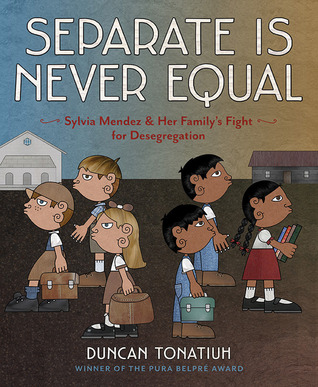
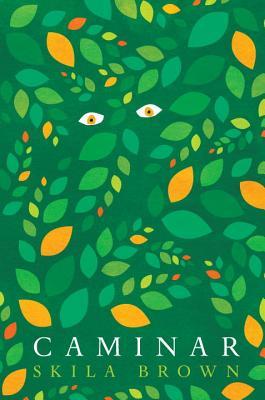
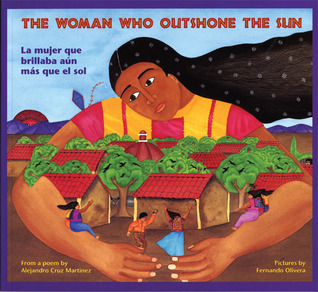
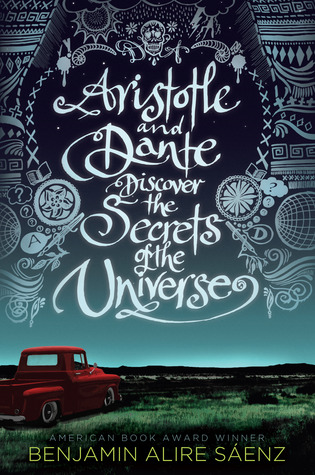
If you want to diversify your TBR pile, this is the perfect month to do it since it is National Hispanic Heritage Month. Our challenge is heading into its final months, but it’s never too late to join us. Here are the guidelines: read one book a month that is written by a Latin@ author (any subject) or a book written by anyone that has Latin@ characters, themes, settings, etc. You’re not required to review–only read and enjoy and let us know what you have read! If you do post a review somewhere, we will link it to the book covers below. If you choose not to review, we will link the covers to Goodreads. Explore our book lists or past book talks (Libros Latin@s) for suggestions.

Also, since this is National Banned Books Week, you can choose from the Latin@ titles that have been challenged, according to this list kept by the National Council of Teachers of English. Here they are:

Always Running Before We Were Free  Bless Me, Ultima  95127  9328  7133770  94064

And here are some of the titles read by our Reading Challenge participants:

106281  17928557  18405521  18651917  18166935  17643  1369609  17870787  288563  15893258  18654377  1274318  20702546  12000020  13436375  1258175  Moony Luna/Luna, lunita lunera  16670129  15791044  6098251  378653  2376261


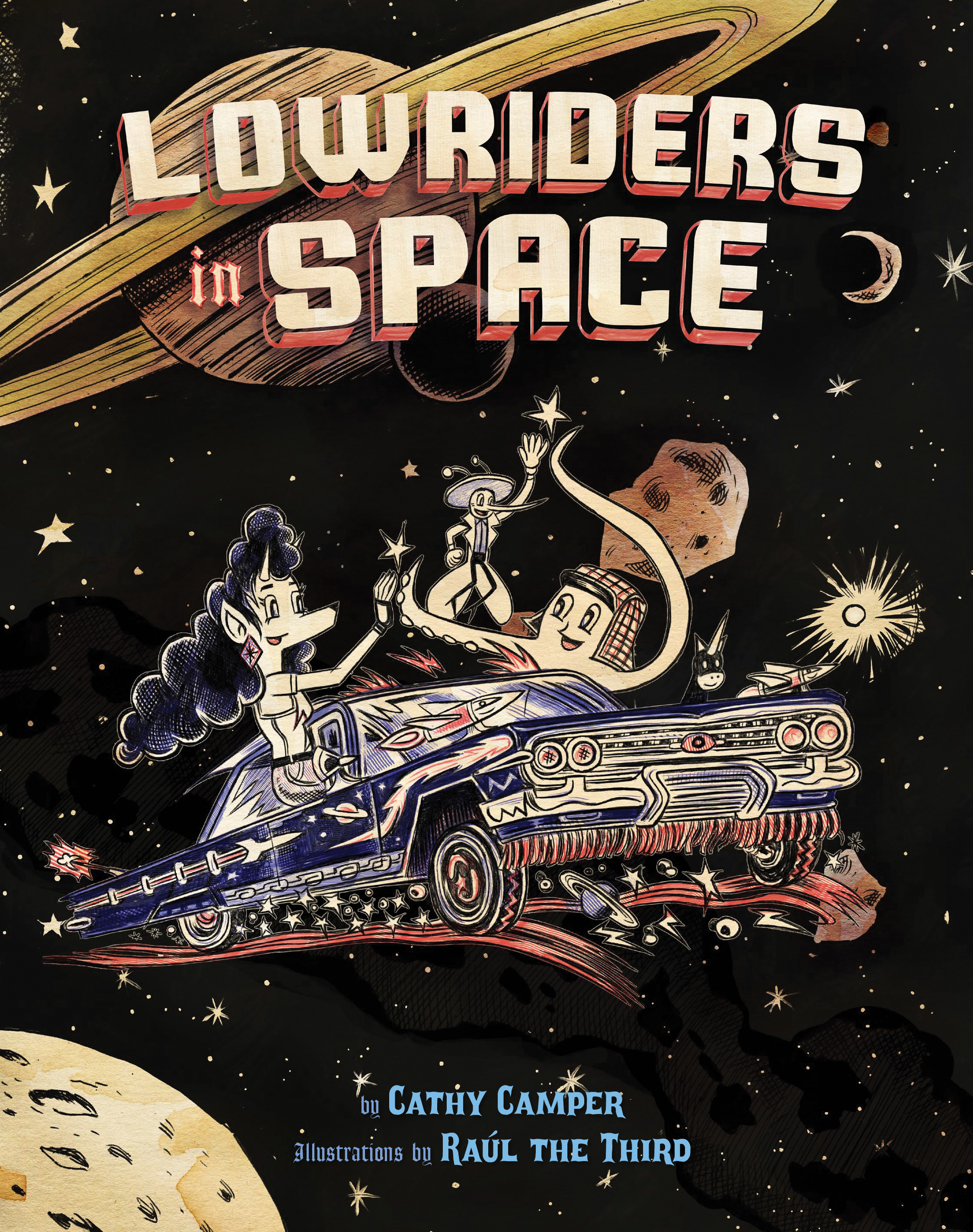
Book Review: Lowriders in Space by Cathy Camper, illustrated by Raúl the Third

Lowriders in Space_FC_HiResBy Lila Quintero Weaver

This book talk is based on an advance review copy. Quotes and details may vary in the final version.

DESCRIPTION FROM THE BOOK JACKET: Lupe Impala, El Chavo Flapjack and Elirio Malaria love working with cars. You name it, they can fix it. But the team’s favorite cars of all are lowriders—cars that hip and hop, dip and drop, go low and slow, bajito y suavecito. The stars align when a contest for the best car around offers a prize of a trunkful of cash for the best car around—just what the team needs to open their own shop! ¡Ay chihuahua! What will it take to transform a junker into the best car in the universe? Striking, unparalleled art from debut illustrator Raúl the Third recalls ballpoint-pen-and-Sharpie desk-drawn doodles, while the story is sketched with Spanish, inked with science facts, and colored with true friendship. With a glossary at the back to provides definitions for Spanish and science terms, this delightful book will educate and entertain in equal measure.

MY TWO CENTS: Look in the children’s section for graphic novels from the Latino perspective and you’ll find precious few choices. Look there for books about lowriders and your choices will be still slimmer. Here is Lowriders in Space, ready to fill both spots with a joyous, celebratory tale. You don’t need deep knowledge of the lowrider culture to appreciate this middle-grade graphic novel, brought to you by the author-illustrator team of Cathy Camper and Raúl the Third.

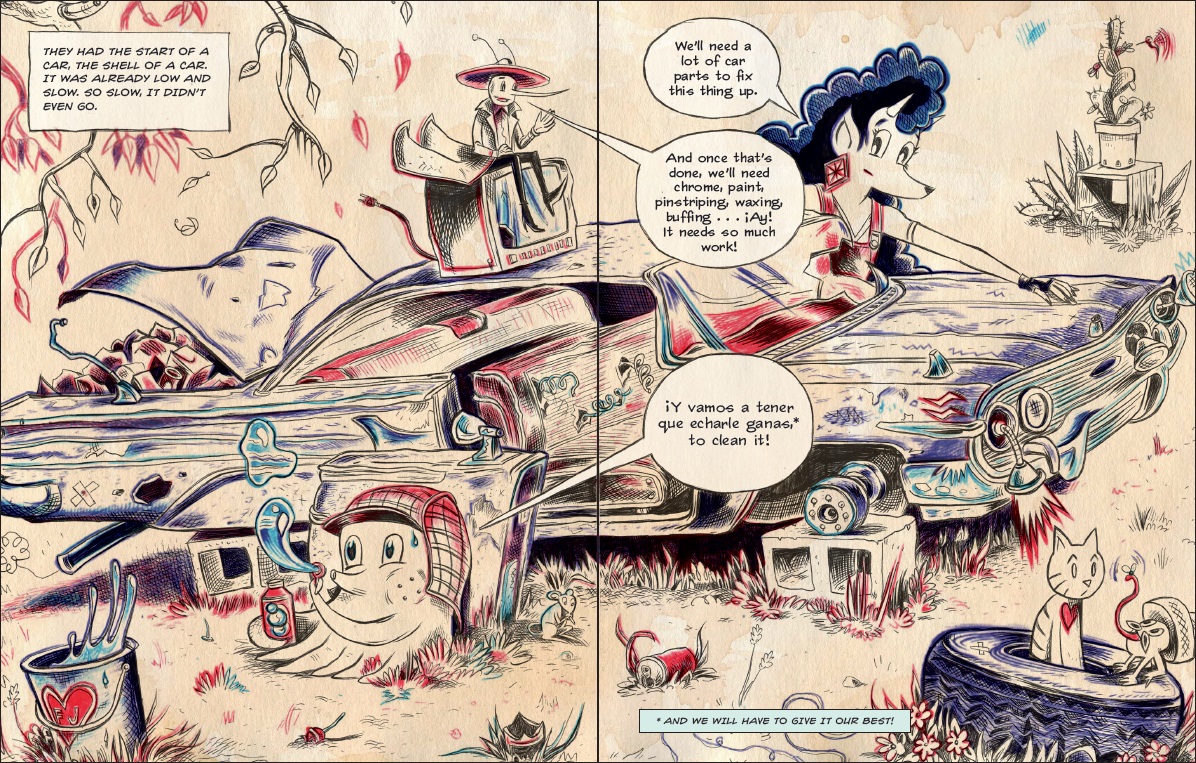
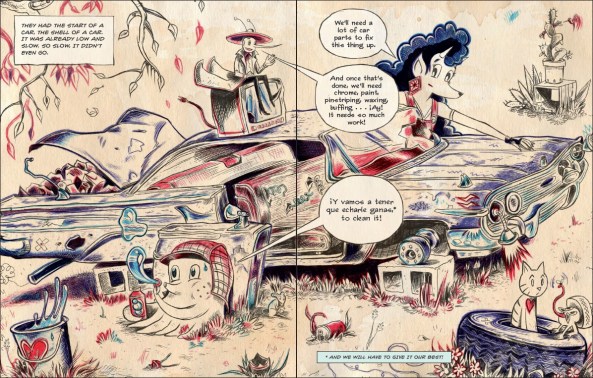
Lowriders In Space_Int_3In the opening pages, we meet three animal characters with Spanish names, all of whom work for a car-repair shop. The shop is called Cartinflas, and this is just one of many playful allusions and verbal jokes in this book. (Cartinflas plays on the name of the famous Mexican comic actor, Cantinflas.) Lupe Impala, (a wolf) busts gender stereotypes as a female lead who knows her way around car engines. Her sidekicks, the octopus El Chavo Flapjack and the mosquito Elirio Malaria, each specialize in key aspects of automobile revamping in the lowrider style. Elirio’s fine-tip proboscis doubles as a paintbrush that turns out the sweetest racing stripes and airbrushed scenes you could imagine. El Chavo’s eight tentacles go to work washing, polishing and buffing cars to a high sheen.

The trio dream of going into business for themselves, but where will they find start-up money? A car competition with a hefty cash prize gives them hope, but there are tough challenges to meet. First, they must find a car to work their magic on. They settle for a rusty heap sitting on cinder blocks. Now for car parts. At an abandoned airplane factory, they pick up mini air compressors and a box of rocket equipment. After attaching the parts, they’re in for a surprise when Lupe cranks the engine and it launches the car into the stratosphere. High above the earth, the car gears down into bajito-y-suavecito mode, low and slow: this is the cruising speed that lets low riders see and be seen. While the transformed auto travels outer space, it takes on loads of flash and bling borrowed from stars, asteroids and others elements of the galactic realm.

There’s much to love in this kid-friendly graphic novel. The story arc follows a familiar trajectory: the protagonists meet every challenge successfully and win the sought-after prize. Kid readers will be cheering. But my hat’s off to Cathy Camper for elevating the storyline above the predictable. She does this through original settings and characters, including the lowrider car itself, and with the inventive twists of space travel and comical astronomy. Her text engages the ear with musical language that includes alliteration, onomatopoeia, and bursts of G-rated street slang in English, Spanish, and Spanglish.

Kids will eat up the comics-style art. Every page offers levels of visual puns and charming details that invite readers to study panels closely. The color scheme and the drawings give off a retro historieta vibe, fitting for a story about lowrider culture, which was born in the 1950s and is rooted in the Mexican American community. I’m not familiar with the ballpoint-pen doodle style that Raúl the Third credits as his inspiration, but I dig it!

TEACHING TIPS: The back of the book contains a glossary of Spanish phrases, factual information on the tongue-in-cheek astronomy that appears in the story, and a thumbnail summary of lowrider history.

One bonus of graphic novels is their appeal to devoted bookworms and reluctant readers. Kids seem to instinctively grasp the multiple levels of interaction offered through their blend of text and images. Teachers may want to approach Lowriders in Space—and any graphic novel—in two steps. Read through it once purely for the story. Revisit it at a slower pace to more fully absorb the images. Raúl the Third’s art is rich with details, charming secondary characters, and visual puns that sharp-eyed kids will relish hunting down. These may not be central to the story, but they sure contribute to the fun. For example, it’s one thing to read that there’s a fast-food joint called Sapo Bell in the background of one scene—it’s another to spy the goofy sapo sitting out front. Middle-grade readers are sure to love such hidden gems.

Lowriders in Space encourages kids to celebrate a fun aspect of Mexican American culture that should be respected, not ridiculed or stigmatized. Too often when lowriders appear in popular culture, they’re thrown in for kitsch points. This usually results in stereotyping and negative connotations. Teachers can use this text to combat the lazy disregard involved in stereotypical usage and replace it with the dignity that comes with cross-cultural appreciation.

If you’d like to learn more about lowrider history culture, here are some suggested resources:

“Lowriding: This Culture is About More Than Cars.”

“Low and Slow: The History of Lowriders.” 

Be sure to read Cathy’s guest post on Latin@s in Kid Lit!

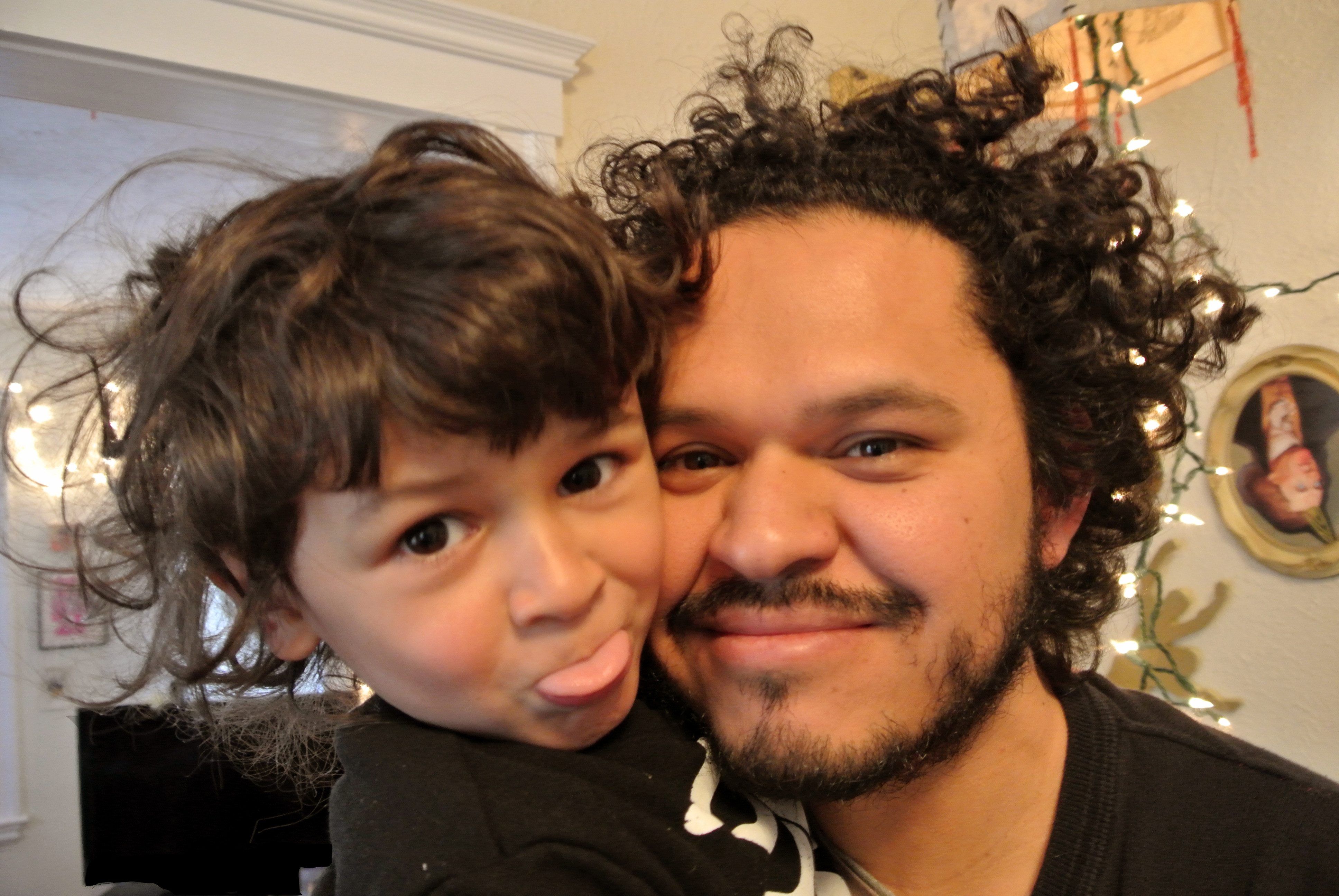
Cathy Camper_headshot_photo (c) Jayson Colomby_smCathy Camper is a librarian focusing on outreach to schools and children in grades K-12. She lives in Portland, Oregon. Raúl the Third teaches classes on  drawing and comics for kids at the Museum of Fine Arts and the Institute of Contemporary Art. He lives in Boston, Massachusetts.          

   Raul the Third (credit Elaine Bay)


And now for a big treat, the official book trailer for Lowriders in Space!


Guest Post by Author Cathy Camper: Lowriders in Space Blast Off!

Cathy Camper_headshot_photo (c) Jayson Colomby_smBy Cathy Camper

Elirio Malaria (a mosquito), Flapjack Octopus and Lupe Impala work at a car dealership six days a week. Lupe’s the mechanic, Flapjack washes and buffs the cars, and Elirio details the cars with his beak. Their dream is to have a garage and a lowrider of their own:

            They’d seen some cars blast by fast,

             And others that could shift and drift,

            But they wanted a car that would go low and slow.

            Bajito y suavecito.

            A universal car contest gives them that opportunity. But not until their car gets customized by outer space! Pinstripes from Saturn, pompom asteroids, and star-capped hubcaps make their car an interstellar phenomena!

That’s how I pitched my graphic novel Lowriders in Space at Pitchapalooza in Portland, Oregon. Back when the book was just a manuscript and a vision in my head, I’d exhausted the list of graphic novel agents, and so winning this contest was like a dream come true. The prize was the advice of The Book Doctors, a husband-wife team who connected my project with an agent and eventually, an editor and publisher.

I’m a writer, artist and a youth services outreach librarian. I wrote Lowriders in Space because as an Arab American, I was fed up with the inability of mainstream comics and books to represent the diversity of kids I see everyday, kids who like me, don’t see themselves in books. When I first sent the script to the book’s artist, Raúl III, who is Latino, he told me, “This is the book I wanted to read as a child,” and he was as excited as I was to create it, and for the same reasons. Our editor at Chronicle Books, Ginee Seo, is Korean American, and she gets it too—like us she wants to give kids a book that meets them where they are.

I’d been working on the book since 2006, and was thrilled when the #WeNeedDiverseBooks campaign launched in May 2014. We’re hoping that when Lowriders comes out this fall, it kicks a big hole in the wall of racism of kids’ books, welcoming kids of all backgrounds to read it. We hope it encourages publishers to create more books by new authors and illustrators of color, and to inspire kids via reading our book, to become creators, too.

By 2050, one third of the US will live in English-Spanish speaking households—that’s our audience! The book’s also aimed at boys, because the literacy rate of boys is dropping, and like Jon Scieszka (who sponsors the Guys Read website), we want boys to read. We also envision that kids struggling to read, for whatever reasons, might find our book inviting. And it looks like adults are loving it, too, from all the reviews that have been popping up online.

Since I’m not Latina, it was crucial to me that our book was culturally correct. I did tons of research, read books, watched films, went to the Lowrider Magazine’s car show, and interviewed people. I’m also fortunate and forever grateful to have the help of many Latino friends and library co-workers, who read the manuscript, offered suggestions, and helped fine-tune the Spanish. One of the cartoonists I admire most is cartoon journalist Joe Sacco. His ability to go into places of high conflict, like Palestine and the Bosnian war and create detailed drawn and written records out of chaos humbles me. When I heard him speak, he mentioned that one of the things he tries to do is set his ego aside, and put the stories of those he’s writing about, up front. When I wrote Lowriders, I tried my best to emulate this goal, and to fight for, as best I could, what would make the story culturally relevant.

This goal included having the right illustrations. Traditionally in children’s books, the writer doesn’t choose an illustrator for the manuscript (though this is different in comics creation). I was warned along the way, “Choosing your own illustrator may work against you.” However, I felt it was crucial that Raúl illustrate this book, not only because he’s a brilliant artist (and if we’re saying we need more diverse kids books, we also need more diverse creators), but because his art added just the right touch of both cultural relevancy and the retro-nuevo feel the text demanded. Raúl told me that much of the setting and landscape is based on his childhood in El Paso, Texas. When he started sketching Flapjack Octopus, he said he couldn’t help but think of him in his pail as El Chavo del Ocho, sitting in his barrel—and so we changed Flappy’s name and look to reflect that.
Lowriders In Space_Int_2

Just as Raúl was able to make contributions to the text, I sometimes added context to the drawings. For example, it was important to me that our lowriders’ car had the Big Dipper on it. For the lowrider diaspora of Latinos and African Americans whom the book celebrates, the Big Dipper represents the path north, and more broadly, the path to freedom. What better symbol to have on a flying car’s license plate? Our book celebrates the influence of older comics, art, pop culture and car references that Raúl and I both love and wanted to share, including George Herriman’s Krazy Kat, the Hernandez BrothersLove and Rockets, Mad Magazine and Big Daddy Roth’s cars.

And then there’s the science – I love science! My first book Bugs Before Time was about giant prehistoric insects – including a sea scorpion as big as your mom. Why wouldn’t our graphic novel include science, when there really are things as wondrous as flapjack octopuses and braided rings of Saturn? The technology of cars is part of science, too, whether it’s learning how cars are buffed and painted, how air compressors make lowriders hop, or what vulcanizing does to make rubber tires strong.

We think Lowriders is going to read like something brand new, because of the unique, aligned intent of author, illustrator, and publisher and because of the crazy mix of culture, comics, and science our combined imaginations dreamed up. We hope you love it and it makes you laugh, and that you share your excitement with all the kids out there that might love it, too. When Lowriders in Space blasts off this fall, our real destination isn’t the outer galaxies, it’s to land in the hands of kids who deserve to see themselves in what they read, and to be read by everyone else so they experience how rich a culture of color can be.

Cathy Camper is a librarian focusing on outreach to schools and children in grades K-12. She lives in Portland, Oregon. Follow the book’s Facebook page for more news.

Coming soon on Latin@s in Kid Lit: A book talk on Lowriders in Space with more story details and more peeks at interior pages!

Book Review: Tortilla Sun by Jennifer Cervantes

By Kimberly Mach

7175992DESCRIPTION FROM THE BOOK JACKET: When twelve-year-old Izzy discovers a beat-up baseball marked with the partially obscured phrase “Because… magic,” she is determined to figure out the missing words. Could her father have written them? What secrets does this old ball have to tell? Her mom certainly isn’t sharing any – especially when it comes to Izzy’s father, who died before she was born.
But when Izzy spends the summer in her Nana’s remote New Mexico village, she discovers long-buried secrets that come alive in an enchanted landscape of majestic mountains , whispering winds, and tortilla suns. Izzy finds herself on an adventure to connect the hidden pieces of her past. And just maybe she will discover the missing words that could change her life forever…but only is she can learn to create a few words of her own.

MY TWO CENTS: Tortilla Sun by Jennifer Cervantes is a perfect middle grade novel. It is well-constructed, has all the required pieces, and that little extra something that keeps you thinking about the story long after you’ve read it.  It is a book I am looking forward to sharing with my grade six students in a book talk.

What I loved most were the surprising elements, the pieces I didn’t expect. I didn’t expect to meet a master storyteller as a character. Socorro, almost mythic in description, appears and guides both Izzy and the members of the village with her wisdom and tales of the people. In fact, she helps Izzy, an aspiring writer, find her way to write and finish the stories she’s been struggling with. With Socorro’s guidance and the help of Nana and her new friends, Izzy is able to find her own cuento, or story. The characters are as rich and varied as village life, like the members of a large family. In fact, one of my favorite scenes is when six of the characters, ranging in age from Nana to young Maggie, play baseball together. Mrs. Castillo with her shiny nails surprises them all and hits a homerun.

I didn’t expect to find the essence of baseball in here either–the magic and lore, the homerun, and those bits that capture our imagination. The story starts with Izzy finding an old baseball.  She is certain it belonged to her father. Every stitch in that baseball is a thread of her story, of her cuento. In that story, there is healing and forgiveness, and it is one of the pieces that stayed with me long after the first read.

Finally, I didn’t expect to come away craving empanadas. When Izzy took her first bite my mouth started watering. Cervantes is expert at describing the smells of cooking and giving us the taste for many Mexican-American dishes through Izzy’s first experience with them. She even includes at the end a recipe for her own Nana’s tortillas, a recipe pulled from her own family history.

Jennifer Cervantes creates characters in Tortilla Sun that move into your heart and stay there. I want to go to Nana’s. I want to run my fingers over the Saltillo mosaic tiled floors and smell the snap and sizzle of the tortillas cooking. I want to run down the same path that Izzy and Mateo took, and then I want to come back and sleep in that hammock. It is hard to believe this is a debut novel. Nana, Izzy’s grandmother, tells her at one point, “Sometimes you can’t see the magic; you just know it’s there because you can feel it.” That is the way I feel about this MG novel. Each time I see it on my shelf, I remember the characters, the sounds, and the smells. You can feel the magic in this story, that certain something that brings it all to life. I look forward to reading Jennifer Cervantes’ next novel, and I hope there will be many more.

TEACHING TIPS: Jennifer Cervantes provides discussion questions for Tortilla Sun on her website. Also, I see mostly social studies connections here and opportunities for interdisciplinary learning.

Geography: Any teacher who is not from the southwest may use portions of the text to teach about that area. Why are hot air balloons popular in New Mexico? Where is the Rio Grande River? What is the terrain like? What does it mean to live in a desert? Simply learning that a desert does not only consist of drifting sand dunes would be a good use here.

Study of culture and the family unit: There are two grandmothers in the story who play vital roles in the lives of young people. A study of the nuclear family and extended family would be a good fit. The role of grandmothers and grandparents in societies today would also be a good fit. In Tortilla Sun there are both multigenerational households and nuclear families: Izzy, her grandmother and mother, Mateo and his parents, and then Maggie and her grandmother, Gip. Unlike some novels, the family unit, although broken at the beginning (Izzy and her mother live alone), becomes the mainstay of the whole story.

Study of Mexican-American culture: Izzy rediscovers her roots and forms her identity in this story. She does not come to New Mexico with a strong sense of who she is. It’s her grandmother, Nana, who teaches her about the religion, the Saltillo tiles, the food, and even a bit of the history. A historian at heart, I was fascinated about why the doorways in her house were so low and narrow in Nana’s house. Izzy even discovers there is more to her name than she first thought.

In Language Arts there are a variety of lessons that could be drawn from the novel from close reading particular passages. Foreshadowing , figurative language, and story structure can be a focus of these reads. In addition, advice on how to start and finish writing a story using practical strategies can be found. Izzy begins her own stories by using index cards. Soon the index cards can be laid out together and she has a full story with a beginning, middle, and end.

AUTHOR: Jennifer Cervantes currently resides in New Mexico with her family, which she calls The Land of Enchantment. Tortilla Sun  is her first novel. For more information about Jennifer and her upcoming works please visit her website: http://www.jennifercervantes.com/index.html

FOR MORE INFORMATION ABOUT Tortilla Sun, visit your local library or bookstore. Also check out worldcat.orgindiebound.orggoodreads.comamazon.com, and barnesandnoble.com.


Kimberly Mach (2)Kimberly Mach has been teaching for sixteen years and holds two teaching certificates in elementary and secondary education. Her teaching experience ranges from grades five to twelve, but she currently teaches Language Arts to middle school students. It is a job she loves. The opportunity to share good books with students is one that every teacher should have. She feels privileged to be able to share them on a daily basis.


2014 Reading Challenge: June

Participants in our 2014 Latin@s in Kid Lit Reading Challenge are out of control in the best possible way! Take a look at the variety of books that were read in June, which happens to be the half-way point of the challenge. Now would be a great time to join us or renew your commitment to the challenge, which is to read one book a month that is written by a Latin@ author (any subject) or a book written by anyone that has Latin@ characters, themes, settings, etc. You’re not required to review–only read and enjoy and let us know what you have read! If you do post a review somewhere, we will link it to the book covers below. If you choose not to review, we will link the covers to Goodreads. For July, you may want to consider some of the new winners of the International Latino Book Awards.

6413788 16043528 13436375 9757257 18166935 13482750 8585924  17286899 18048909 15814459 11387515 862908 8811369 6789056  14740980 240298 465967  13610203  2282907  6084038  4080320  15953630  17171578  8455432  16057383  18654377  10351733  18654384  1861037  52390 1139921  18148193  321133  3308853  15791044  11129790  12921673313233169587  688161  1807231  424182  640476  15893258  2429455

The 2014 International Latino Book Awards Winners!!

Below are the first place winners of the 16th Annual International Latino Book Awards in the children’s, youth, and young adult categories. If you click on the images, you will be taken to Goodreads, Barnes and Noble, or Amazon for more information. The Awards are produced by Latino Literacy Now, an organization co-founded by Edward James Olmos and Kirk Whisler, and co-presented by Las Comadres para las Americas and Reforma, the National Association to Promote Library and Information Services to Latinos. The Awards were announced this past weekend, on June 28, in Las Vegas as part of the ALA Conference. For the complete list, which includes adult fiction, nonfiction, and second place and honorable mention winners, click hereCONGRATULATIONS TO ALL OF THE WINNERS!!

Best Latino Focused Children’s Picture Book: English

18296043

Best Latino Focused Children’s Book: Spanish or Bilingual

17265250  19483940

Best Children’s Fiction Book: English

Best Children’s Fiction Picture Book: Bilingual

17940785

Best Children’s Fiction Picture Book: Spanish

17802285

Best Children’s Nonfiction Picture Book

13610203

Best Educational Children’s Picture Book: English

15791044

Best Educational Children’s Picture Book: Spanish or Bilingual

Hola! Gracias! Adios!

Most Inspirational Children’s Picture Book: English

18371476

Most Inspirational Children’s Picture Book: Spanish or Bilingual

Pink Firetrucks

Best Youth Latino Focused Chapter Book

10436183  16670129

Best Youth Chapter Fiction Book: English

17166339

Best Youth Chapter Fiction Book: Spanish or Bilingual

Best Youth Chapter Nonfiction Book

Most Inspirational Chapter Book

The Adventures of Chubby Cheeks: The Pro Quest

Best Young Adult Latino Focused Book: English

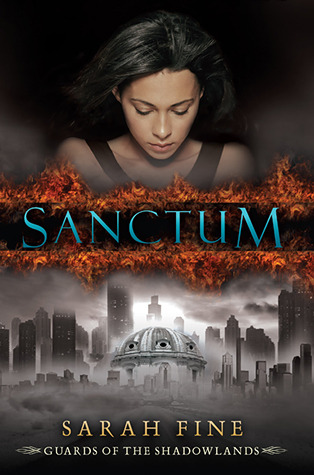
15769992

Best Young Adult Latino Focused Book: Spanish or Bilingual

Los Pájaros No Tienen Fronteras by Edna Iturralde

Best Young Adult Fiction Book: English

15798660

Best Young Adult Fiction Book: Spanish or Bilingual

La Guarida de las Lechuzas by Antonio Ramos Revillas

Best Young Adult Nonfiction Book

Best Educational Young Adult Book

Most Inspirational Young Adult Book

15769992

Best Book Written by a Youth: English

15020431

Best Book Written by a Youth: Spanish or Bilingual

  Serendipity, Poems About Love in High School

Best Children’s Picture Book Translation: Spanish to English

17465058

Best Children’s Picture Book Translation: English to Spanish

Best Chapter/Young Adult Book Translation: English to Spanish

El Gusano de Tequila

Best First Book: Children’s and Youth