Book Review: The Sofia Martinez series by Jacqueline Jules

By Ashley Hope Pérez

This review is based on an advance reader’s copy of My Family Adventure, which is a multi-story volume with “Picture Perfect,” “Abuela’s Birthday,” and “The Missing Mouse.” These texts are also sold as separate early chapter books.

PUBLISHER’S DESCRIPTION: Growing up in a big family, 7-year-old Sofia Martinez is used to fighting for attention. Her outgoing personality mixed with her confidence and fiery passion for everything she does gets her that attention — even if it’s sometimes mixed with trouble. Sofia is a little stubborn and a lot mischievous, so you can imagine the fun she creates in this early chapter book series. A few Spanish words and phrases are intermixed throughout the story, bringing the importance of Sofia’s culture to life. Discussion questions, writing prompts, and a glossary complete each book.

MY TWO CENTS: The Sofia Martinez series is a lovely addition to the world of early chapter books. All newly published in 2015, each of the books can stand alone, and they needn’t be read in any particular order. Lively main character Sofia keeps herself in the middle of the action in her loving, playful extended family, and her adventures are light and joyful with a touch of mischief. The charming illustrations by Kim Smith will bring giggles to young readers.

SofiaM_Pink

Suited well to the needs, interests, and sense of humor of early readers, the books will have broad appeal for the K-2 crowd. Although the prominence of pink in the book design may attract more girls and turn off some boys, my son enjoyed reading the stories. He especially like what he called Sofia’s “tricks.”

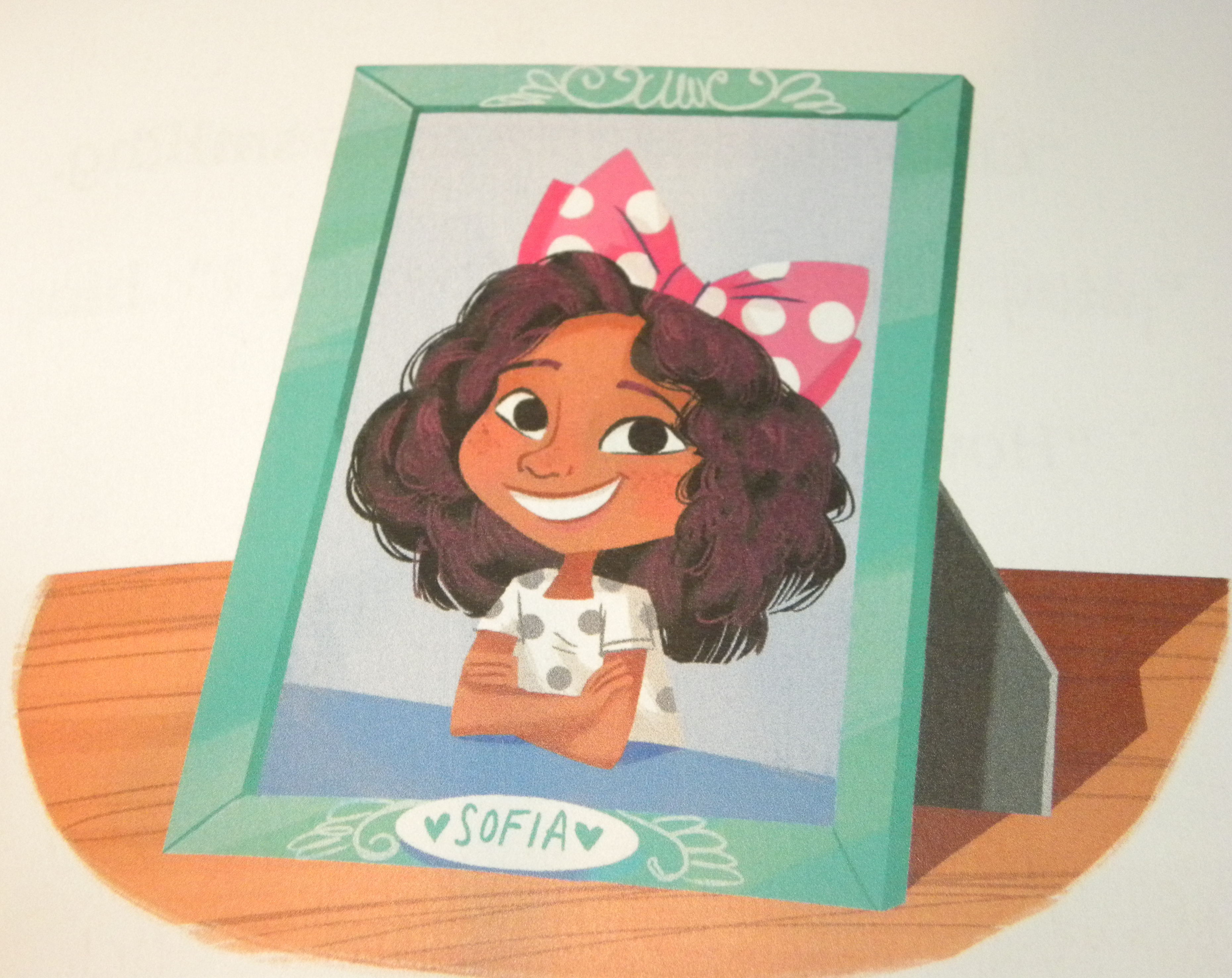
In “Picture Perfect,” Sofia decides to switch her school photo with one of her sister’s, and she’s disappointed when no one notices the swap. The same evening, a baby cousin gets tons of attention because of the enormous pink bow she’s wearing in her hair. When picture days rolls back around, Sofia is determined that this time she’ll stand out. Any guesses as to what Sofia borrows to put in her hair on picture day?SofiaM_bow

“Abuela’s Birthday” centers on Sofia’s (very messy) plan to make a piñata for her grandmother’s birthday. Once the mess is cleaned up, she persuades Tía Carmen for one more chance, and with the help of her cousins and siblings, Sofia makes a great piñata. Even the surprise inside of the piñata—playing cards instead of candy—shows Sofia’s creativity.

In “The Missing Mouse,” Sofia gets advice from Abuela and help from her cousin and sisters to recapture a runaway classroom pet without disturbing her mother while she gives a piano lesson. The solution involves a good deal of creativity and improvisation. A bucket, some blocks, peanut butter, and a few shrieks from her sisters are also involved.

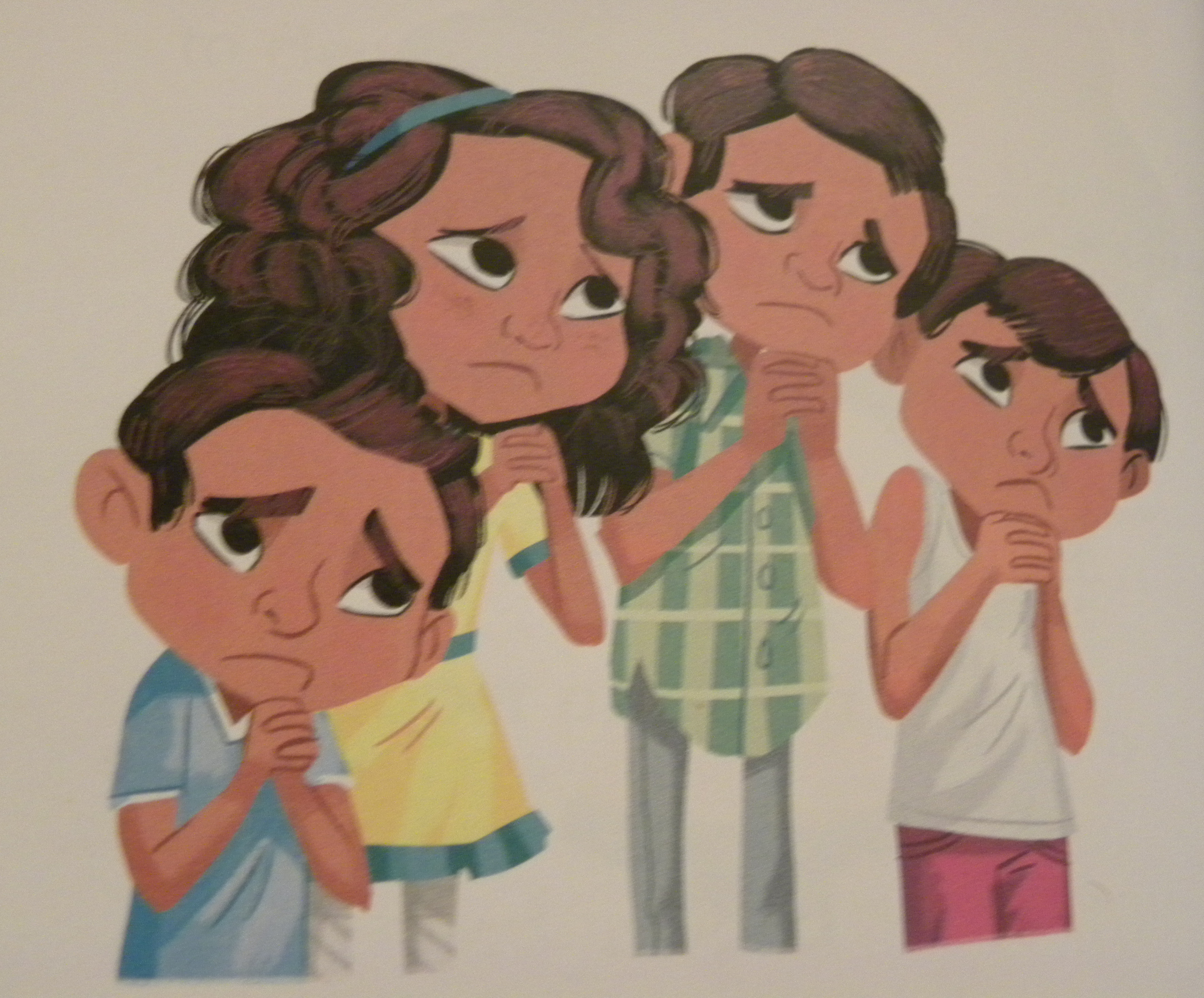
Kim Smith’s illustrations bring the accessible language of the stories to life. Sofia is at the center of most of the drawings—and her freckles and expressive face had me enchanted from the start. But my favorite illustration of all might be this one from “Abuela’s Birthday”:

SofiaM_Please?It’d be hard to deny those four a chance to try again with the piñata endeavor.

The production of these books is especially thoughtful. The use of pink for words in Spanish produces an effect much like what Sofia achieves by wearing an enormous bow for her school picture. It marks Spanish as special–and very much part of Sofia’s world.

SofiaM_SampleText

In general I’m not much of a fan of glossaries, but here, I think it works well as a support for teachers and students not familiar with the Spanish, and a glossary is definitely preferable to embedded translations.

When readers graduate from the world of Sofia Martinez, they can dip right into Jacqueline Jules’s Freddie Ramos/Zapato Power series for slightly more independent readers (grades 1-3).

TEACHING TIPS: The Sofia Martinez series is a great match for students in K-2 (possibly stretching upward a bit for students who have literacy skills in Spanish but are transitioning to reading in English). Think of readers who are beginning to read on their own and for whom the idea of a chapter book has appeal. The advance reader’s copy did not have the discussion questions or writing prompts mentioned in the publisher’s description, so I can’t comment on those.

Instead, I’d like to talk a bit about the linguistic opportunities offered by the series. The change in color for Spanish words inScreen Shot 2015-01-31 at 10.32.36 PMphrases in the Sofia Martinez books will help young bilingual readers recognize when they should apply what they know about Spanish decoding and pronunciation and when they should follow the norms of English. I can imagine this as a confidence builder for Spanish-speaking students learning English in bilingual, ESL, or English-only settings (“Look! You already know these words in Spanish!”). Teachers in English-only classrooms might consider making their Spanish-speaking students “experts” on the Spanish words and phrases when sharing the stories in small or large group. Non-Spanish speakers may take pride in knowing the “secret” words in the story and, with a little coaching, will be able to handle the small amount of Spanish even when reading aloud.

Teachers might pause students on pages where we see Sofia’s “I’m getting an idea” facial expression. What do they think will happen next? When she gets into a pickle, as in “Abuela’s Birthday” and “The Missing Mouse,” ask students to suggest, draw, or journal about the solutions they would try to solve the problem. In Spanish-English bilingual classrooms, students might also experiment with using Spanish their own stories. Using the color switch technique from Sofia Martinez can strengthen students’ sense of pride in their Spanish abilities while also signaling to monolingual guests or administrators that the movement between English and Spanish is intentional and linguistically appropriate. More importantly, this narrative tactic is culturally relevant to the young people sharing their stories.

Above all, have fun with Sofia!

SofiaM_JJpublicityphoto

Jacqueline Jules is the award-winning author of more than twenty children’s books, many of which were inspired by her work as a teacher and librarian. She is also an accomplished poet. When not reading, writing, or teaching, Jacqueline enjoys taking long walks, attending the theater, and spending time with her family. She lives in Northern Virginia.


SofiaM_KimSmith

Kim Smith has worked in magazines, advertising, animation, and children’s gaming. She studied illustration at the Alberta College of Art and Design and is the illustrator of several children’s books and the designer for the cover of the middle-grade novel How to Make a Million. She lives in Calgary, Alberta.

Guest Post: The Universality of Being an Outsider


by Jacqueline Jules

1956Family

Jacqueline Jules’ family in 1956

In my small Virginia town, like many places in the 1960s south, the first question people asked upon meeting was “What church do you go to?”

As a child, I remember fielding that question from parents of new friends and hearing my mother answer it in grocery stores.

“We’re Jewish,” I would explain politely. “We go to a synagogue.”

The response was generally a startled one. People would stare like I was a new species at the zoo.

“Oh my! I don’t think I’ve ever met a Jewish person before!”

From there, I’d often have to answer a series of questions about my “Jewish Church.”

I had been taught from a young age that I represented my religion. If I was impolite, all Jews would be considered rude. I had to be on my best behavior at all times so that others would not have a reason to dislike Jewish people. On many occasions, I also had to explain why Jews didn’t believe in Jesus and why I wasn’t terrified of going to hell. And the questions were just as likely to come from adults as other children.

Growing up, Christmas and Easter were never seasons of joy for me. They were times when the questions intensified. Why didn’t I celebrate Christmas? Didn’t the Jews kill Jesus? I learned early on that the Christmas spirit did not extend to Jewish children.

To add to my stranger status, my parents were not Southern born. Mom was a Northerner from Rochester, New York. Dad was from Switzerland and spoke with a thick German accent. He came to the US after World War II and was not a citizen when I was born. His name was Otto. In small-town Southern culture, having foreign roots set my family apart even in our tiny Jewish community.

So feelings of being “different” are quite familiar to me. I know what it is like to be the child of an immigrant. To be embarrassed in public when people ask your father to repeat something three times because they can’t understand what he is saying. To hear a parent talk of a homeland missed deeply. To long for relatives abroad who were only a part of our lives through letters and very occasional visits. To feel alone, apart from others who are comfortable in their skin and their surroundings.

Years later, when I took a position as a librarian in an elementary school with a large immigrant population, I identified with my students immediately. I had watched my own father struggle with the English language, which he learned in adulthood, at age 32. To his credit, he became quite fluent, but he still made some mistakes with grammar and pronunciation. Misunderstandings occurred in family conversations when my father did not understand a nuance or a cultural reference. Or we didn’t understand the perspective he was coming from. He didn’t approve of everything American. I recall what fun he made of sliced white bread which he compared to eating a sponge, and how excited he was when we found bakeries that sold French bread. And I remember how much my father hated turkey. He thought it tasted dry and he insisted my mother serve lamb or duck on Thanksgiving. I also remember that he didn’t care for pumpkin pie. In his mind, pies should be filled with fruit, gooseberries in particular.

The first Thanksgiving I taught at Timber Lane Elementary, a Title I school in Fairfax County, Virginia, I noticed right away that my immigrant students were not interested in my Thanksgiving lessons. Up until then, my story times had been received warmly. Seeing that my English-language learners enjoyed repetitive songs and choruses, I had quickly adopted them into my curriculum. My students had enjoyed songs about animals, the seasons, the five senses, etc. Why did they hate my turkey songs?

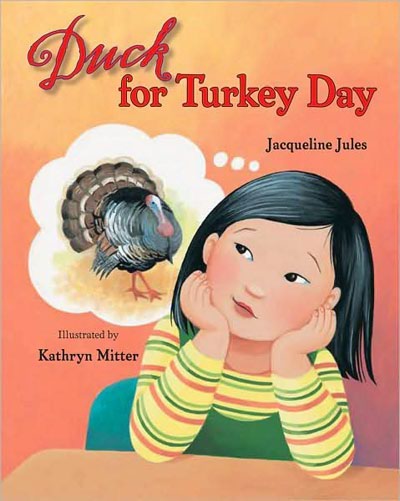
DuckforTurkeyDaybyJJulesA student gently explained: “We don’t have that kind of Thanksgiving dinner in my house.” Suddenly, I stopped being a teacher and returned to my own childhood, where I had been informed that turkey and pumpkin pie were the correct meal choices. These memories led to my first book with Albert Whitman Publishers, Duck for Turkey Day, about young Tuyet, who is worried that her Vietnamese-American family is breaking the rules for Thanksgiving. While the emotions of this book belong to my own childhood, they were deeply shared by the kids I taught. Making my characters Vietnamese-American gave me the opportunity to show how much I identified with my students, along with the universality of the problem. It also made my story current. My experiences as a Jewish child of a German-Swiss in the 1960s south are historical now. While I have shared my Jewish heritage in many of my books, I don’t want everything I write to be limited to my own particular, and not necessarily, universal experiences. Growing up as an outsider myself has naturally made me empathetic to other minorities in America. And it has made me downright indignant that so few children’s books reflect the lives of children who are not white, Christian, and middle-class.

All too often, books with non-majority characters portray their lives as a situation requiring great explanation. As a young Jewish mother in the 1980s, I was annoyed that most Jewish holiday books described traditions in such detail, they read like nonfiction. Not every Christmas story describes the Nativity. Most Easter stories are about bunnies, not the Resurrection. Why can’t Jewish children have light-hearted picture books that celebrate the joy of their culture, too?

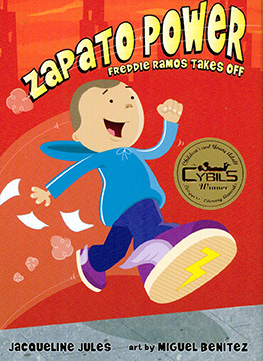
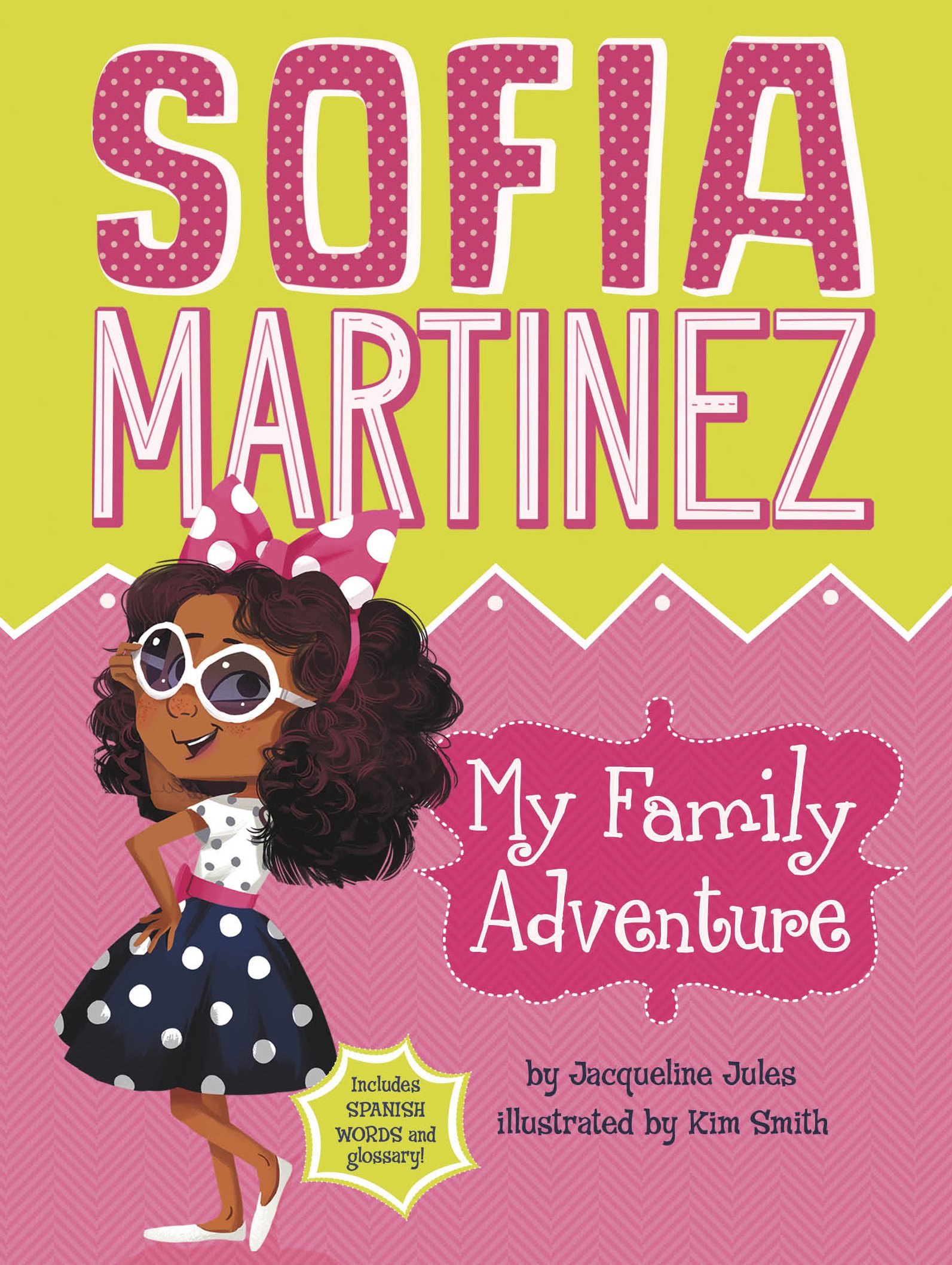
ZapatowithStickerAnd why can’t children of color have books, particularly easy readers, where they see themselves enjoying life? Why is minority status always the problem in a story rather than just one facet of a particular person’s existence? In my Zapato Power books, a chapter book series about a boy with super-powered purple sneakers, the main character, Freddie Ramos, is Latino. He lives an urban apartment life in a close-knit immigrant community, just like most of the students I taught. But that is not the plot of his stories. Freddie is mostly concerned with how he will solve mysteries and be a hero with his super speed. And in my new series, Sofia Martinez, my main character is a spirited Latina who wants more attention from her large, loving family. I taught many Sofias. Her family eats tamales at Christmas. She uses Spanish phrases in her conversations. And she deserves to learn to read with books that show her family life as fun and normal, not a particular ethnic challenge to be overcome.SofiaMartinezFamilyAdventure

Many authors say they write the books they would have liked to see as a child. I do that. But I also write stories I wish I had been able to give my students when I taught—books that show it is okay to be who you are.


JJulesWebPic

Jacqueline Jules is the award-winning author of 30 books, including No English, Duck for Turkey Day, Zapato Power, Never Say a Mean Word Again, and the recently released Sofia Martinez series. After  many years as a librarian and teacher, she now works full-time as an author and poet at her home in Northern Virginia. Find her on Facebook and at her official author site.


Q & A with Illustrator Raúl the Third

selfie

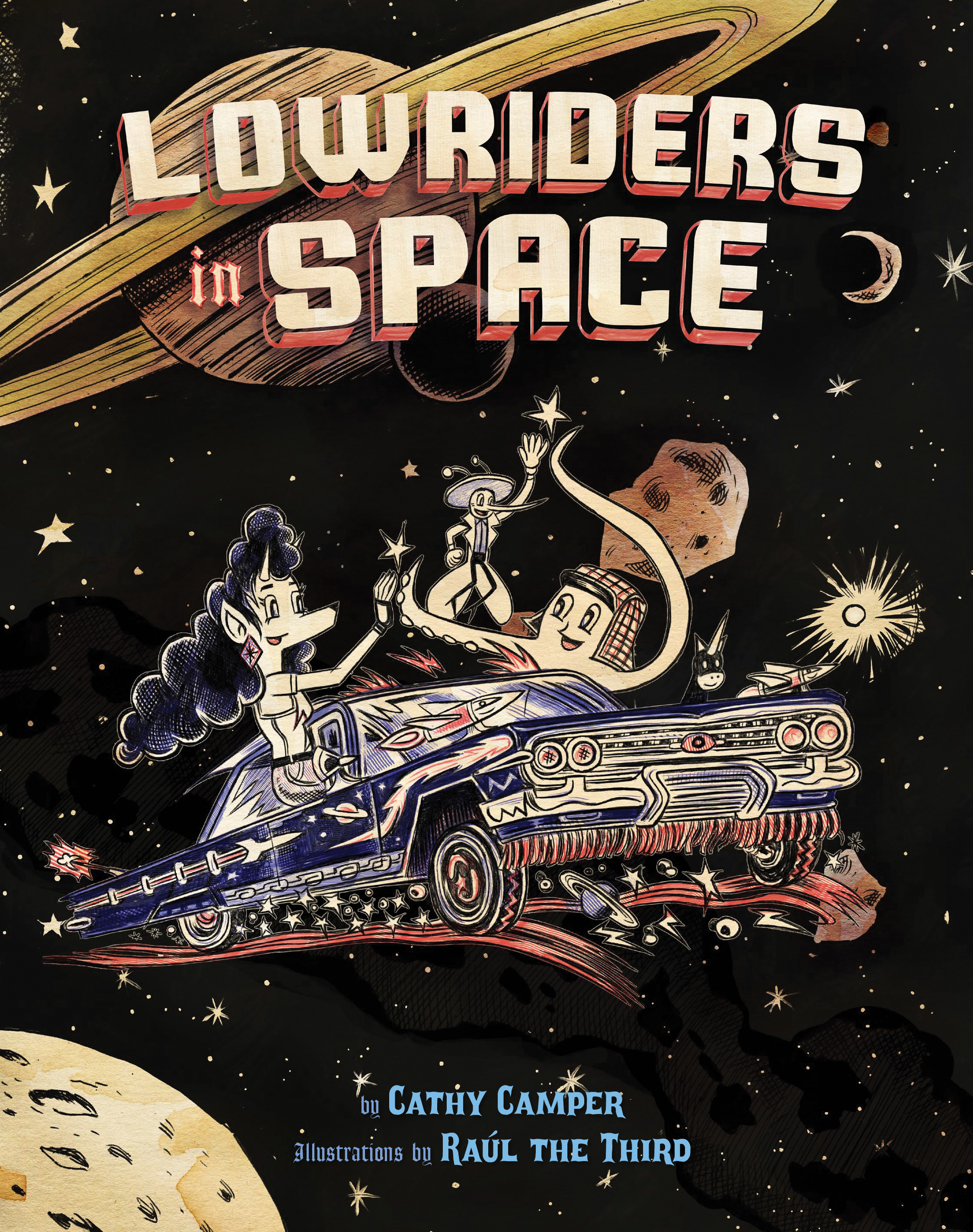
Now here’s something different. Pour yourself a cup of Nescafé Suave and welcome to an ear-catching hang-out with two cool artists from the world of Latin@ kid lit. Chances are, you already know and love acclaimed illustrator Raúl Gonzalez, aka Raúl the Third, lauded in review after review for his work in Lowriders in Space, a dynamic graphic novel for kids written by Cathy Camper, released in 2014. (For a partial list of articles about Raúl, Cathy and LRIS, see the bottom of this post.)

Lowriders in Space_FC_HiRes

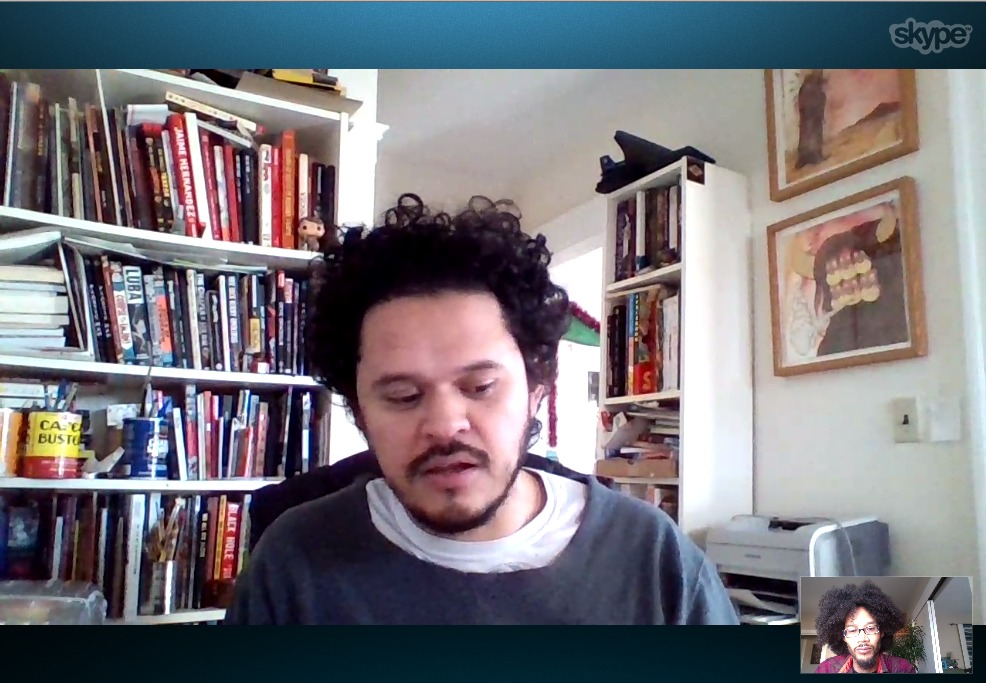
Raúl’s interviewer is Robert Trujillo, an up-and-coming illustrator based in California, who guest posted for Latin@s in Kid Lit in 2014. Instinct told us that Robert and Raúl would hit it off. How right we were! Today we’re offering Raúl and Robert’s Skyped conversation in audio format. It’s 32 minutes of lively repartee on becoming an artist, breaking into illustration, diversity in kid lit and much more– all laced with a zesty dose of Mexican American culture and comic-book geekiness. We’re betting you’ll find the chat engaging, revealing and funny.

(Teachers and parents, a small caution about some adult language.)

Some readers may not have access to audio playback, so we’re also posting a transcript of the conversation. Click here: Raúl Gonzalez Interview

Whether you listen or read, be sure to scroll down the length of this post for a FEAST of images related to the Q & A.


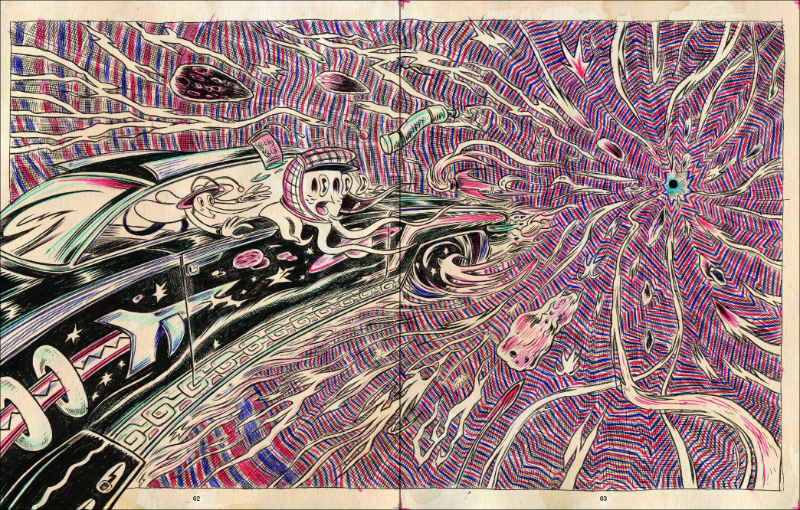
blackhole

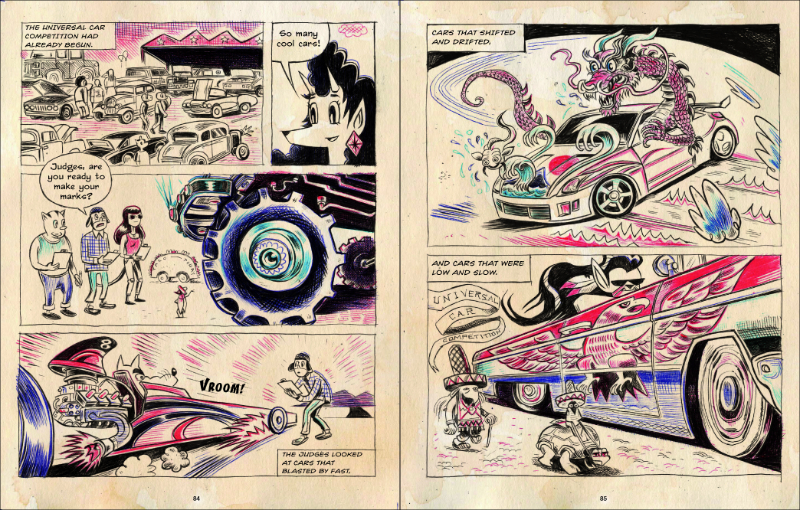
A spread in Lowriders in Space, penned in Bic ballpoints by Raúl Gonzalez


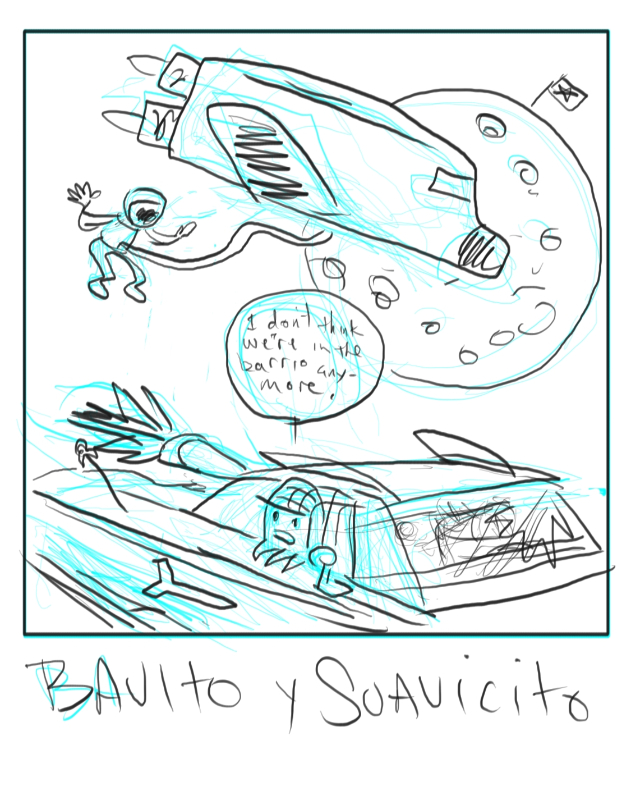
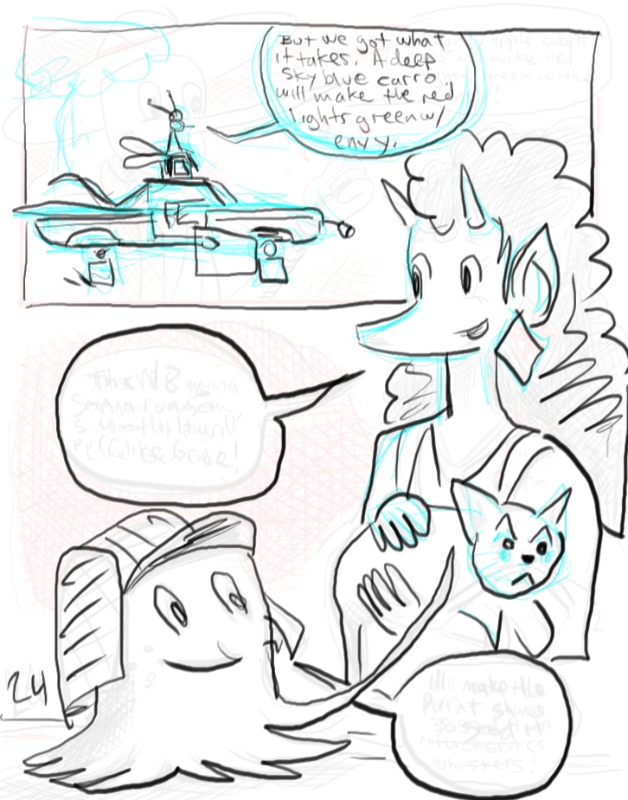
Throughout the interview, Raúl refers to sketches, thumbnails, and overlays that he created for Lowriders in Space. To enlarge the view, click on individual images.


page39 revisions     page24

page28      page32

low and slow

DSC01306

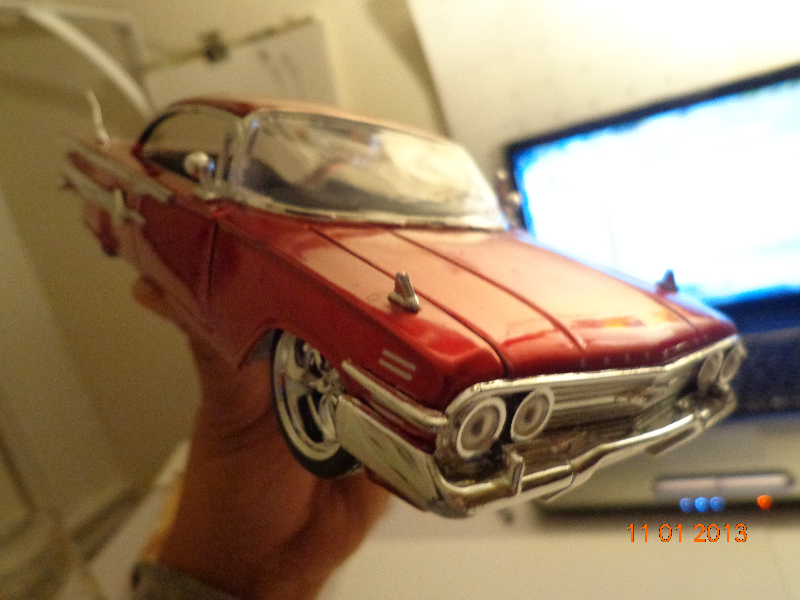
The die-cast Impala


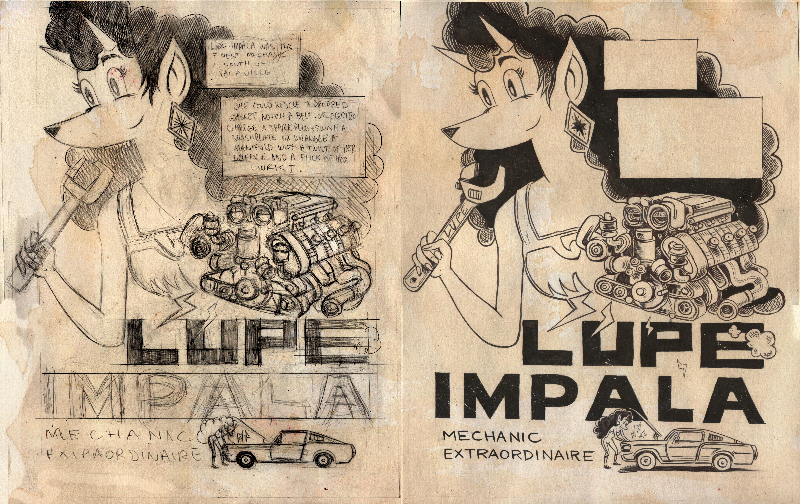
penicltoinks-lupe

Inking stage


More art by Raúl, the fine artist and muralist

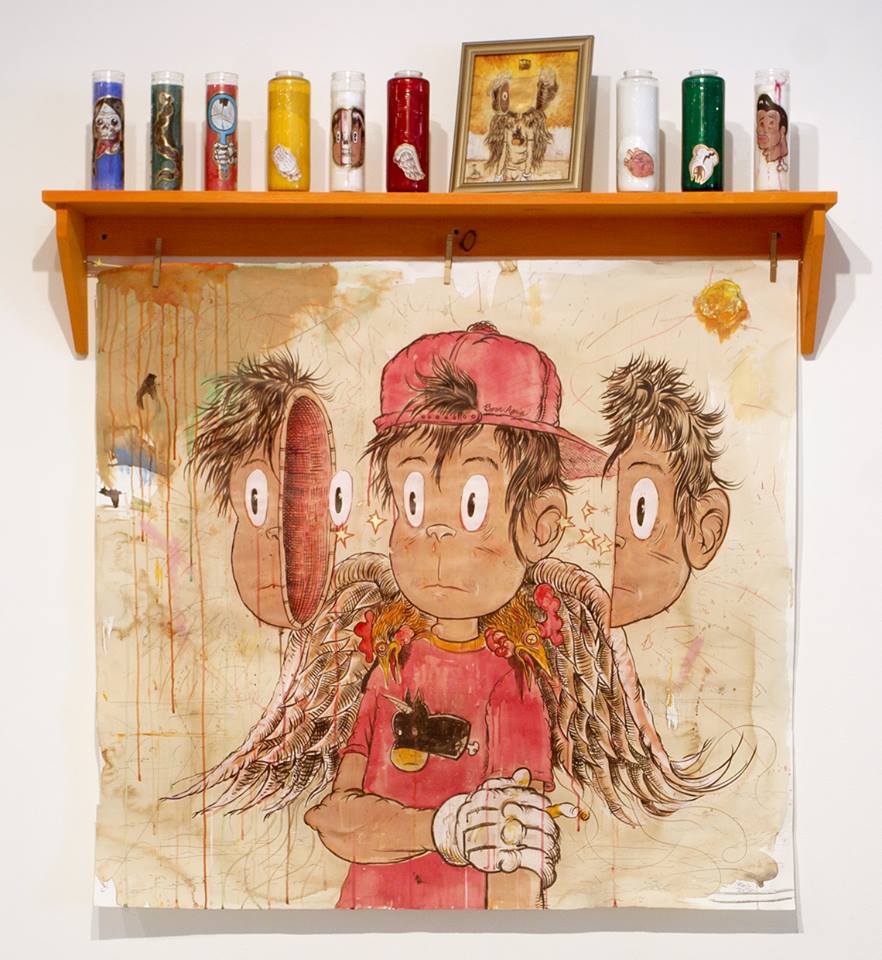
born again

Born Again, by Raúl


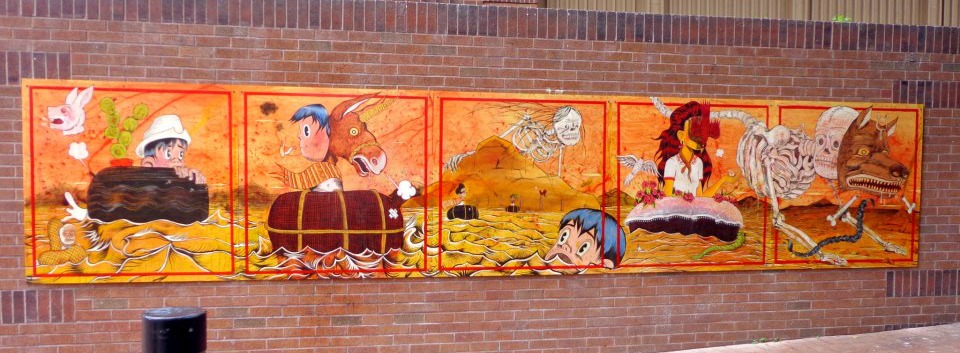
Tufts University

A mural by Raúl at Tufts University


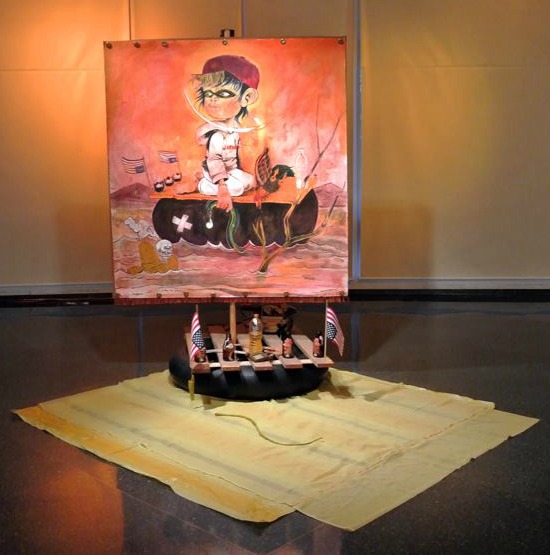
The Shape of Your Path crop

“The Shape of Your Path,” by Raúl


Photos of Raúl on book tour and at home

library crop

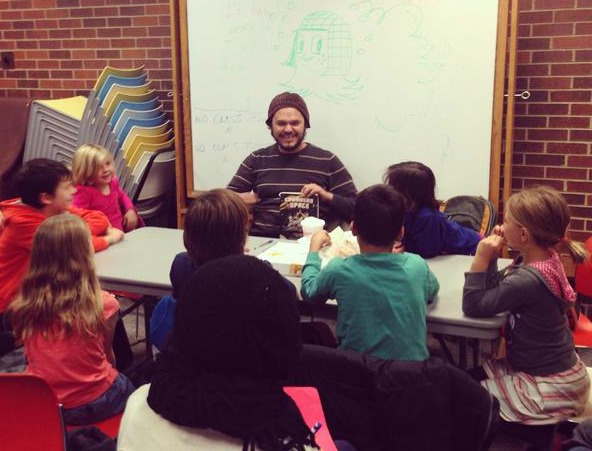
Raul at a library visit

family1

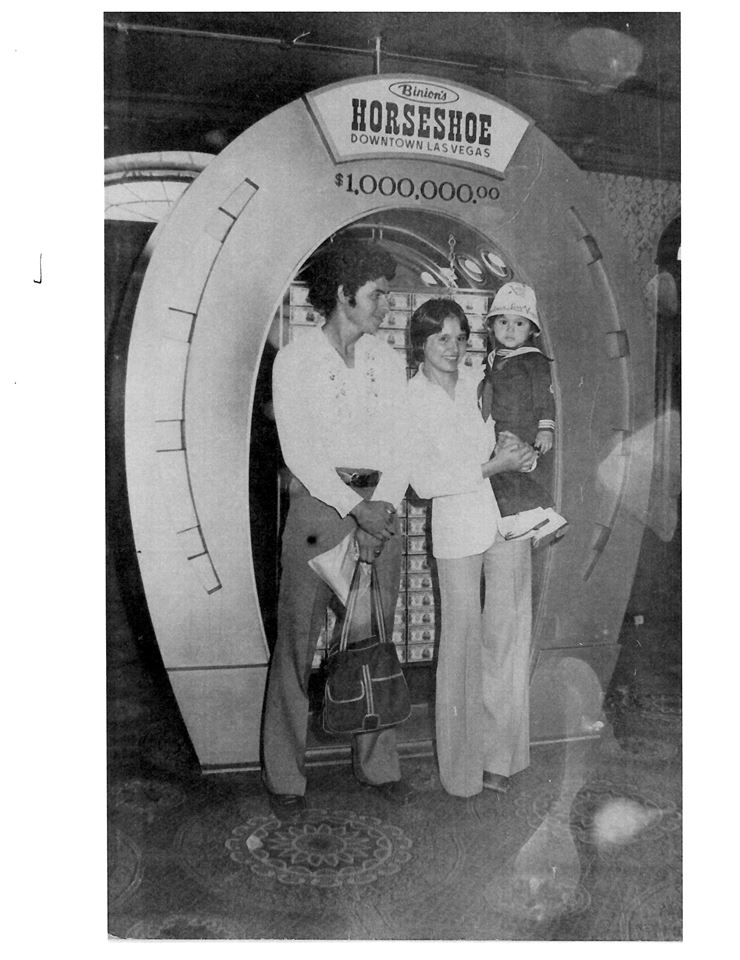
Raúl with his parents


family

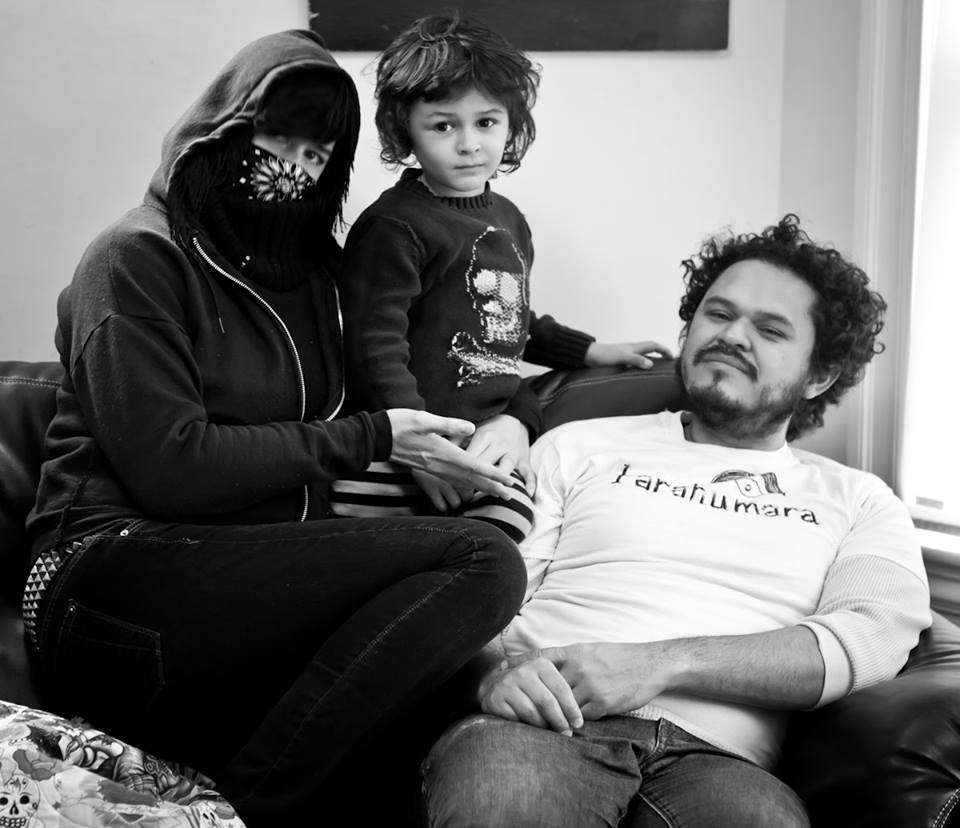
The artist and his family


The Thing cropped

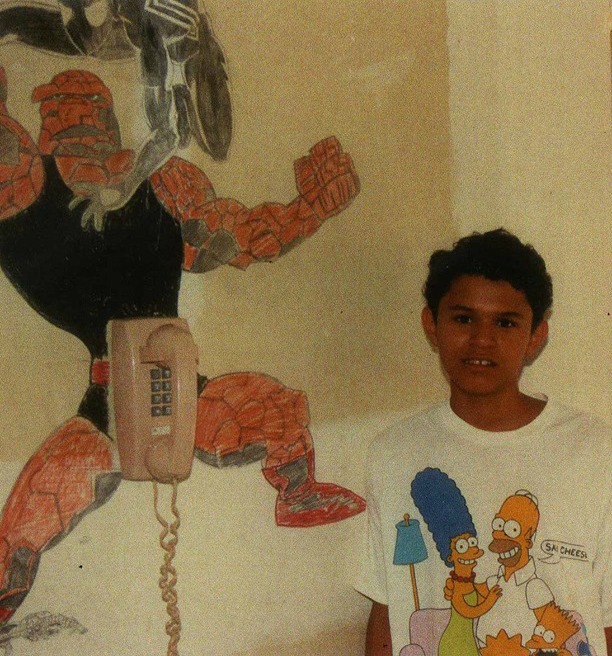
“The Thing,” an early comic creation by Raúl

Raúl and LRIS have been written up EVERYWHERE! Here’s a minuscule sampling of the coverage.

Kirkus–a starred review of Lowriders in Space

School Library Journal, a print interview with Raúl

The Nerdy Book Club, featuring the 2014 Nerdy Awards for Graphic Novels

The Boston Globe, an exhibit by Latino artists at the Fitchburg Art Museum


Visit Raúl’s website here. He’s also on Facebook and Twitter. And don’t miss the official trailer for Lowriders in Space!  It’s a co-creation by Raúl, his artist wife, Elaine Bay, and their young son.

Screen Shot Raul and Rob

Raúl, center; Robert, bottom right


A huge thanks to our interviewer, Robert Trujillo! We look forward to seeing his art in future publications, including his upcoming book with Arte Público.

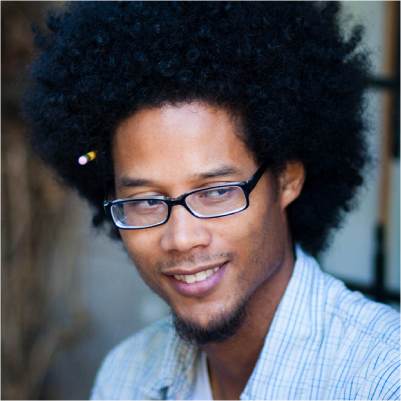
photo1 Born and raised in the Bay Area, Robert Trujillo is a visual artist and father who employs illustration, storytelling, and public art to tell tales. These tales manifest in a variety of forms and they reflect the artist’s cultural background, dreams, and political / personal beliefs. He can be found online and on Twitter at @RobertTres.


Finally, a special thanks to our audio editor, Caitlin C. Weaver.


Book Review: Muckers by Sandra Neil Wallace

by Zoraida Córdova 

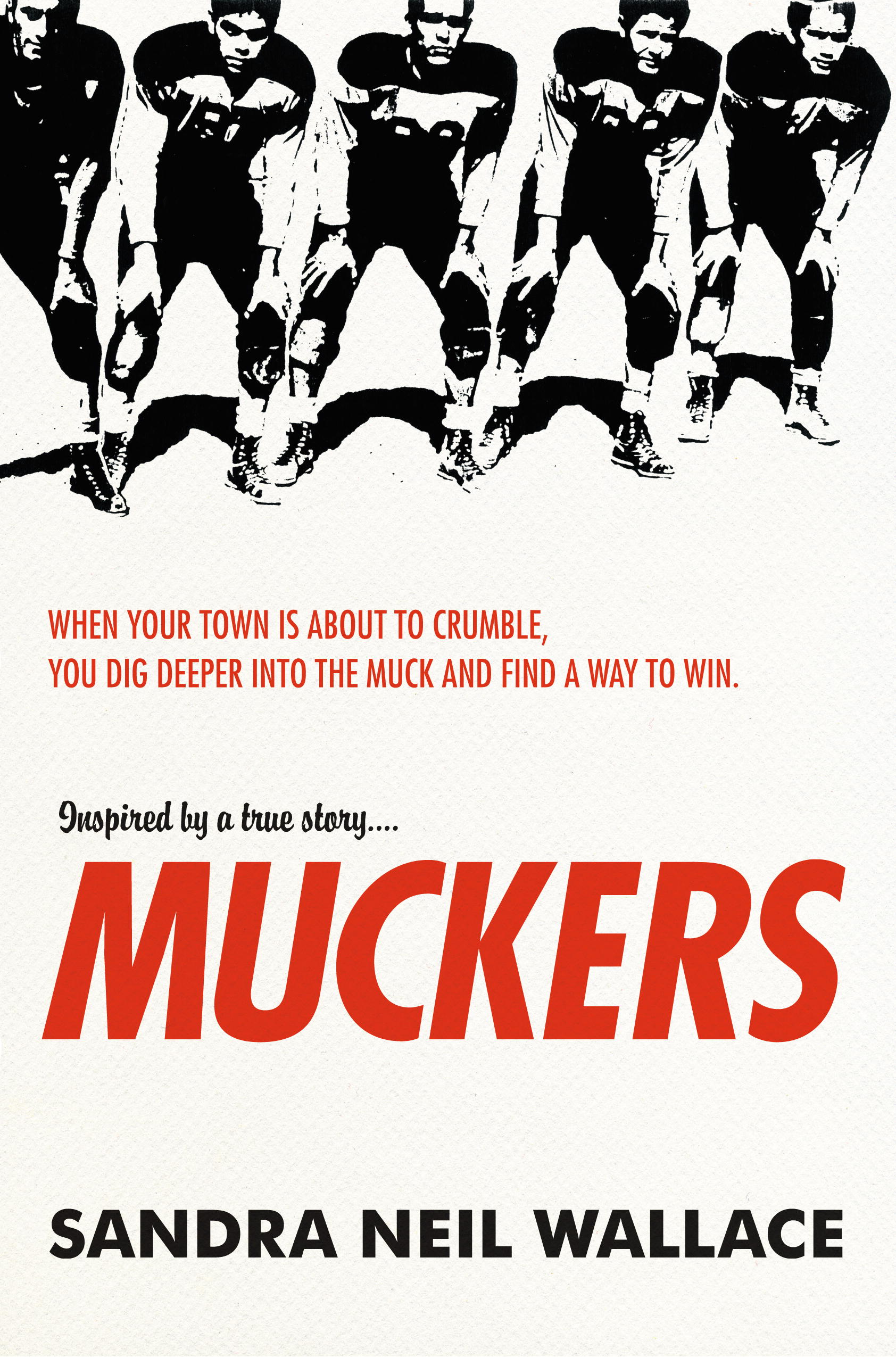
DESCRIPTION OF THE BOOKmuckerscover

Former ESPN sportscaster Sandra Neil Wallace makes her young adult debut with a historical fiction novel that School Library Journal recommends to fans of Friday Night Lights in a starred review.

Felix “Red” O’Sullivan’s world is crumbling around him: the mine that employs most of town is on the brink of closing, threatening to shutter the entire town and his high school with it. But Red’s got his own burdens to bear: his older brother, Bobby, died in the war, and he’s been struggling to follow in his footsteps ever since. That means assuming Bobby’s old position as quarterback and leading the last-ever Muckers team to the championship.

But the only way for the hardscrabble Muckers to win State is to go undefeated and tackle their biggest rival, Phoenix United, which would be something of a miracle. Luckily, miracles can happen all the time on the field.

MY TWO CENTS:

I admit I started reading this book because I had a little bit of Superbowl fever (Can we talk about that last call? No? Ok…)

Muckers took me incredibly by surprise for one reason: I’m reading a book set during World War II, and somehow I still felt like the social climate hasn’t changed that much sixty plus years later.

The novel is based on a true story of the Jerome Muckers. The Muckers in this novel are fictional, but they felt entirely real. We follow “Red” O’Sullivan (Anglo Irish), Rabbit (Italian American), and Cruz (Mexican) as they take up their places in the last football season their town of Hatley will ever have. Theirs is a mining town, which has run dry. The people of the town still cling to shreds of hope, and that hope is football. Football becomes this magnanimous thing, greater even than the power of the lonesome church, and the townspeople put their belief in those kids.

There are some, like Cruz, who keep believing that everything is going to be okay. That Mr. Ruffner (the owner of pretty much the town) will change his mind about closing down the mine, and that they’ll be able to keep going. There are others, like Red’s father, who are broken from such a hard life, that they resolve to drinking and (barely) basic human functioning. Hatley itself is this living, breathing thing that is holding on just barely, it seems, to see the team become champions. And I loved learning about the town as much as I learned about it’s inhabitants, each of them adding layers to the story and to Red’s life. A part of me wanted so very much for a Disney type of resolution, with one of the kids finding an open vein of ore during football practice. But as much as the town is built around the mine, and the mine plays a role in the life or death of the town, the hope of the town lies in a group of scrawny boys whose field is made out of slag.

The training of new and old Muckers is in this paragraph:

“The knees of the wobbly freshman are dripping blood onto the slag and I don’t think he’ll make it. I want to tell him to keep going, that if you on’t you’re sunk. But he’ll have to learn for himself. We’re hanging off the side of a mountain exposed to the desert’s blazing sun with the heart of out town ripped open, churned up, and processes into copper. We play football on the discarded part–the gunk that gets delivered back to us from Cottonville…”

While the adult workers fight their own struggles, the Hatley young Muckers have their enemies in the form of rival teams with new uniforms, equipment, and a field that isn’t called “Hell’s Corner.” The Cottonville Wolves are the worst, and I actually found myself hating this fictional town that never did anything to me. The more the Muckers keep winning, the more I want them to be okay. I want to pull them out of the story and tell them that history is wrong. That segregation is wrong. That miners shouldn’t have to live off dirt wages. That Rabbit doesn’t have to enlist in the war. That Red’s mother is going to get better. The ugly parts of the novel (and I mean ugly in the sense that history can be a cruel thing to read about) is the discrimination that is underlined in the novel.

Red says it best when he’s in the middle of English class and his teacher is putting the fear of Commies into the hearts of his students.

“It’s a funny thing about our town. …everyone’s got the spirit of good ol’ Hatley High. They rally on the sidelines of our football games, but if you want to go for a swim, or say, get married, it better be ‘with’ or ‘to’ your own kind. We come together during the day, but we all head home to our places on the hill. If you climb up from Main to Company Ridge–Gringo Ridge, Cruz likes to remind me–you’re right and her run the mine your house overlooks.

If you stay on Main and follow it to the city limits…you could be Rabbit’s dad…in the middle of Little Italy. If you walk down the hill in the direction from the pool hall that fits your nationality, chances are you work in the mine.

If it’s the Copper star and your legs are draped over a burro…you’re Mexican, maybe Santiago, Cruz’s father, working your way down the switchbacks to the bottom of the Gulch and a little wooden shanty in the Barrio.”

Yeah, that’s pretty emotional to read considering Arizona was still in the headlines in 2014 on account of banning Mexican American studies from public school and not being disability friendly.  And when they passed a bill that made it okay for businesses to discriminate against gays.

So as I’m reading about a town with a football team made up of mostly Mexicans, led by a ginger named Red O’Sullivan, during a time of the Red Scare, I found myself wondering about the kind of progress (or regress) we’re making as a society in 2014. One of the most heartbreaking parts of the story (there are many) is when Red falls for Cruz’s sister, Angie, who has permanent discoloration on her hands because she works at the pool and has to bleach it every time “Mexican hours” are over. Angie who hopes for a little while that they might be together, but realizes she’ll never be able to come to terms with an interracial romance because “they” would always make her feel like she’s doing something wrong. Don’t worry, there is hope.

At the end of it all, there is hope, and it comes in the form of young and bloody football players with big dreams. Even as the town deteriorates around them, they have this one thing that no one in the world can take from them.

In the Author’s Note, Wallace remarks on how incredible the nature of this story is, but it never made any sort of headlines in it’s day, which is very sad indeed. I’m just glad she was able to tell a version of it that is filled with just as much heart.

About the author (from Goodreads): A former news anchor and ESPN sportscaster, Sandra Neil Wallace may have snagged her best lead yet in uncovering the inspirational achievements of the Jerome Muckers football team. She discovered the story while sifting through a box of letters and other memorabilia. The trail of letters led her to write Muckers.

Sandra was named an outstanding newcomer to the children’s literature scene by the Horn Book following the publication of her first novel, Little Joe. She lives in New Hampshire with her husband, author Rich Wallace, and travels to Jerome, Arizona, to visit the surviving Muckers players.

Visit her at www.sandraneilwallace.com

Add Muckers to your Goodreads!

A Rich Year for Art-Related Kid Lit with Latino Flair

By Sujei Lugo and Lila Quintero Weaver

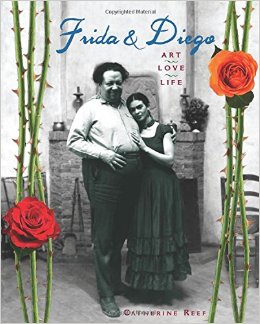
The year 2014 brought us three outstanding Latino children’s books celebrating art. Each book represents a distinct format: Draw! by Raúl Colón, is a wordless picture book; Viva Frida, by Yuyi Morales, is a poetic tribute to a beloved artist of worldwide importance; and Frida & Diego: Art, Love, Life, by Catherine Reef, is a work of non-fiction geared toward upper-level grades. These releases came in a year already brimming with strong Latino titles in children’s publishing, along with the We Need Diverse Books campaign, which challenges publishers and others in the book industry to question their views and roles regarding literature by and about people of color.

And guess what? Latin@s create art, too, so why shouldn’t they be celebrated in art-related books?

Children’s books that extol visual art serve to influence readers in significant ways. Through them, children can learn to appreciate art’s life-enriching power. They can also begin to see themselves as potential creators of art. Up to a certain age, most children freely produce drawings, collages, finger paintings, and other forms of artistic expression. But as kids reach the middle elementary years, inhibition seems to set in. Often, these kids stop making art because they have begun to see themselves as incapable. In fact, many great artists owe their success to a rediscovery of childlike abandon, to a time when the internal critic wasn’t peering over their shoulder. Also, Latin@ children are exposed to fewer artistic role models from within the community. What if good art books transmitted the opposite message–that anyone, from any culture, can create art? Great Latin@ artists already exist and kids need to become familiar with them. The following books make an ideal way to start delivering that message.

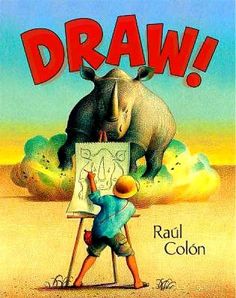
Draw!Draw! by Raúl Colón

In this lovely picture book based on Colón’s childhood, readers are transported through a flight of fancy to golden views of the African savanna, where an adventurous drawing session takes place. Initially, we see a boy drawing in his bedroom. His focus is on animals of the African grasslands. Three pages later, the boy is on the ground, somewhere on the African continent, among his subjects, observing them at close range, and capturing their likenesses with deft pencil strokes. Colón achieves this flight of imagination without the aid of words. The paintings in this book display a tender vintage feel in keeping with much of Colón’s acclaimed work in illustration. In every sense, Colón demonstrates a masterful command. His compositions are striking. He nails the anatomy of both human and wild animal subjects, as well as a wide array of studio techniques. These include the use of expressive, swirling textures and a tawny palette of hues, fitting for the story’s era and setting. This gem of a book landed on quite a few “best of” lists for 2014, including:

New York Times Best Illustrated Books of 2014

NPR Best Books of 2014: Children’s Books

Publishers Weekly Best Children’s Books of 2014: Picture Books

School Library Journal Best Books of 2014: Picture Books

School Library Journal’s Top 10 Latino Books of 2014

For extensive views of interior pages, see this article in SLJ.

Viva FridaViva Frida, by Yuyi Morales

Viva Frida is Yuyi Morales’s love letter to Frida Kahlo. The depth of Morales’s admiration for the groundbreaking Mexican surrealist painter comes through in every expertly prepared page spread. Morales incorporates acrylic painting, stop-motion puppetry and other three-dimensional elements into a series of dioramas, photographed by her collaborator, Tim O’Meara. The result is eye-popping. Each spread bursts with jewel-like colors and captivating details, including Mexican textiles, bits of jewelry and animal fur. Clay figures representing Frida, her husband, Diego, and their animal friends are central to each diorama. Readers familiar with Kahlo’s work will recognize iconic elements in the injured fawn, the monkey, Frida’s famous eyebrows, her hand-shaped earrings and much more. A simple and brief poetic text in Spanish and English complements each page’s visual design. Viva Frida is a stunner that understandably caught the attention of important list-makers.

NPR Best Books of 2014: Children’s Books

Publishers Weekly Best Children’s Books of 2014: Picture Books

School Library Journal Best Books of 2014: Picture Books

 School Library Journal’s Top 10 Latino Books of 2014

Center for the Study of Multicultural Children’s Literature: Best Multicultural Books of 2014

For interior views, see the book’s official page.

Frida and DiegoFrida & Diego: Art, Love, Life, by Catherine Reef

Frida & Diego: Art, Love, Life, by Catherine Reef, is a complex and satisfying portrayal of two giants of twentieth-century art and the development of their storied careers. The book relies on primary sources and seldom-seen photographs to describe the individual lives and work of each artist, as well as their combined lives. Reef weaves into this dual biography fascinating views of the political and social history of Mexico. Readers learn about Frida Kahlo’s medical odyssey. A childhood diagnosis of polio left her with an atrophied leg. As a young woman, she also suffered a debilitating accident that resulted in many surgeries and long periods of painful convalescence. Reef includes details of the couple’s complicated and often troubled marital life. These are not gratuitous digressions, however, since Frida’s body of work is in many ways a reflection of her physical and emotional suffering. Diego Rivera’s work as a muralist captures the era of upheaval that he lived in and reveals much about his devotion to socialist causes. The book includes behind-the-scenes stories of murals he painted in U.S. cities, which often became entangled in political controversy and resulted in conflict between Rivera and his patrons.

School Library Journal’s Top 10 Latino Books of 2014

Center for the Study of Multicultural Children’s Literature: Best Multicultural Books of 2014

These three books come from different perspectives, but their approaches overlap as they magnify works of art and what it takes to produce them. In his picture book, Raúl Colón uses imagination to portray the skills of a budding artist. Yuyi Morales’s tribute to Kahlo reflects the inner world of a powerfully emotional artist. Catherine Reef’s biography informs the reader of the complexity and suffering that composed Khalo’s internal make-up and that of her marital partner.

TEACHING TIPS

Draw! by Raúl Colón

Picture book, K-4

This picture book can be integrated into art and language-arts curricula. Teachers and librarians can use this book to encourage children to compose or tell their own illustrated stories. Art teachers will find a useful example of sound artistic practice in how Colón closely observes his subjects.

Viva Frida by Yuyi Morales

Picture book, K-3

Bilingual and ESL instructors can incorporate this book into their classroom to teach new vocabulary in English and Spanish. The text is brief and focuses on verbs. Teachers of language arts can employ the book’s model of short poetic sentences to suggest a story. In the art classroom, Viva Frida can inspire the creation of dioramas, costumed puppets and other three-dimensional works.

Frida & Diego: Art, Love, Life by Catherine Reef

Non-fiction, grades 9-12

This book holds rich possibilities as a classroom text for Mexican American studies, art history, and social studies. One of the key lessons is the importance in an artist’s life of historical context. Students of social studies can create a timeline of historical events, paralleled by notable developments in Frida’s and Diego’s life. The book includes a brief selection of reproductions for each artist and a list of resources for further study, which teachers can use as a basis for assignments. Art history classes may want to explore the work of other muralists and female painters of the twentieth century or of Mexican artists throughout the ages.

For further information on the creators, see the following:

An interview with Raul Colon at Illustration Friday

An interview with Catherine Reef at Teenreads

And please don’t miss this spectacular video featuring Yuyi Morales demonstrating the creation of Viva Frida!

More Libros Latin@s: 24 YA & MG Novels By/About Latinos in 2015!

Just when you thought your To-Be-Read list couldn’t get any longer, here we have 24 young adult and middle grade novels to be released in 2015 that are all by and/or about Latin@s. While they all share this aspect, you’ll see the novels are diverse, representing these genres: horror, fantasy, contemporary, science-fiction, memoir, magical realism, romance, and historical. Authors include award winners Margarita Engle, and Pam Muñoz Ryan, as well as NY Times Bestselling authors Kierra Cass and Anna Banks. Alongside these authors are many debuts, which are *starred* in the list below. If you click on the cover image, you will go to the book’s Goodreads page, so you can easily add them to your TBR list! And if you’re adding them, you are likely interested in diverse kid lit and should, therefore, consider participating in the We Need Diverse Books reading challenge. Happy reading!!

*SHUTTER by Courtney Alameda

20757532Micheline Helsing is a tetrachromat—a girl who sees the auras of the undead in a prismatic spectrum. As one of the last descendants of the Van Helsing lineage, she has trained since childhood to destroy monsters both corporeal and spiritual: the corporeal undead go down by the bullet, the spiritual undead by the lens. With an analog SLR camera as her best weapon, Micheline exorcises ghosts by capturing their spiritual energy on film. She’s aided by her crew: Oliver, a techno-whiz and the boy who developed her camera’s technology; Jude, who can predict death; and Ryder, the boy Micheline has known and loved forever.

When a routine ghost hunt goes awry, Micheline and the boys are infected with a curse known as a soulchain. As the ghostly chains spread through their bodies, Micheline learns that if she doesn’t exorcise her entity in seven days or less, she and her friends will die. Now pursued as a renegade agent by her monster-hunting father, Leonard Helsing, she must track and destroy an entity more powerful than anything she’s faced before . . . or die trying.

JOYRIDE by Anna Banks
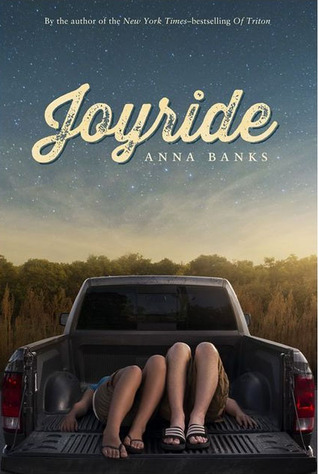
22718685A popular guy and a shy girl with a secret become unlikely accomplices for midnight pranking, and are soon in over their heads—with the law and with each other—in this sparkling standalone from NYT-bestselling author Anna Banks.

It’s been years since Carly Vega’s parents were deported. She lives with her brother, studies hard, and works at a convenience store to contribute to getting her parents back from Mexico.

Arden Moss used to be the star quarterback at school. He dated popular blondes and had fun with his older sister, Amber. But now Amber’s dead, and Arden blames his father, the town sheriff who wouldn’t acknowledge Amber’s mental illness. Arden refuses to fulfill whatever his conservative father expects.

All Carly wants is to stay under the radar and do what her family expects. All Arden wants is to NOT do what his family expects. When their paths cross, they each realize they’ve been living according to others. Carly and Arden’s journey toward their true hearts—and one another—is funny, romantic, and sometimes harsh.

24527773THE SMOKING MIRROR by David Bowles

Carol and Johnny Garza are 12-year-old twins whose lives in a small Texas town are forever changed by their mother’s unexplained disappearance. Shipped off to relatives in Mexico by their grieving father, the twins soon learn that their mother is a nagual, a shapeshifter, and that they have inherited her powers. In order to rescue her, they will have to descend into the Aztec underworld and face the dangers that await them.

HOSTAGE by Rachel Manija Brown and Sherwood Smith

23899848Welcome back to Las Anclas, a frontier town in the post-apocalyptic Wild West. In Las Anclas, the skull-faced sheriff possesses superhuman strength, the doctor can speed up time, and the squirrels can teleport sandwiches out of your hands.

In book one, Stranger, teenage prospector Ross Juarez stumbled into town half-dead, bringing with him a precious artifact, a power no one has ever had before, and a whole lot of trouble— including an invasion by Voske, the king of Gold Point. The town defeated Voske’s army, with the deciding blow struck by Ross, but at a great cost.

In Hostage, a team sent by King Voske captures Ross and takes him to Gold Point. There he meets Kerry, Voske’s teenage daughter, who has been trained to be as ruthless as her father. While his friends in Las Anclas desperately try to rescue him, Ross is forced to engage in a battle of wills with the king himself.
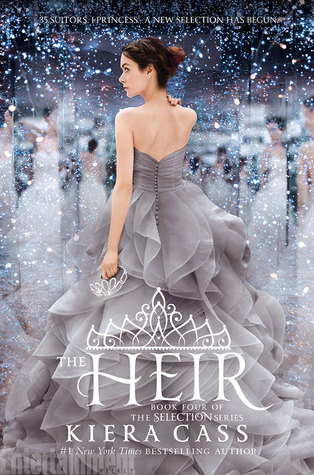
22918050THE HEIR by Kierra Cass

Twenty years ago, America Singer entered the Selection and won Prince Maxon’s heart. Now the time has come for Princess Eadlyn to hold a Selection of her own. Eadlyn doesn’t expect her Selection to be anything like her parents’ fairy-tale love story. But as the competition begins, she may discover that finding her own happily ever after isn’t as impossible as she always thought.
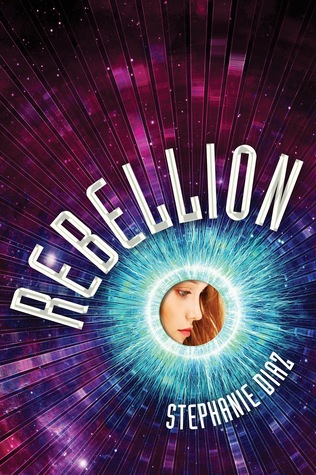


18625184REBELLION by Stephanie Diaz

It’s been seven days since Clementine and Logan, along with their allies, retreated into hiding on the Surface. The rebels may have won one battle against Commander Charlie, but the fight is far from finished. He has vowed to find a way to win—no matter the cost. Do the rebels have what it takes to defeat him…and put an end to this war?

As Clementine and Logan enter a desperate race against time to defeat Commander Charlie—and attempt to weaken his power within his own ranks—they find themselves in a terrifying endgame that pits them against a brutal enemy, and each other. With every step, Clementine draws closer to losing Logan…and losing control of herself.

ENCHANTED AIR by Margarita Engle

23309551In this poetic memoir, Margarita Engle, the first Latina woman to receive a Newbery Honor, tells of growing up as a child of two cultures during the Cold War.

Margarita is a girl from two worlds. Her heart lies in Cuba, her mother’s tropical island country, a place so lush with vibrant life that it seems like a fairy tale kingdom. But most of the time she lives in Los Angeles, lonely in the noisy city and dreaming of the summers when she can take a plane through the enchanted air to her beloved island. Words and images are her constant companions, friendly and comforting when the children at school are not.

Then a revolution breaks out in Cuba. Margarita fears for her far-away family. When the hostility between Cuba and the United States erupts at the Bay of Pigs Invasion, Margarita’s worlds collide in the worst way possible. How can the two countries she loves hate each other so much? And will she ever get to visit her beautiful island again?

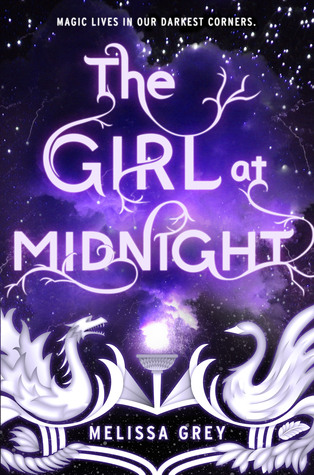
*THE GIRL AT MIDNIGHT by Melissa Grey
20345202

Beneath the streets of New York City live the Avicen, an ancient race of people with feathers for hair and magic running through their veins. Age-old enchantments keep them hidden from humans. All but one. Echo is a runaway pickpocket who survives by selling stolen treasures on the black market, and the Avicen are the only family she’s ever known.

Echo is clever and daring, and at times she can be brash, but above all else she’s fiercely loyal. So when a centuries-old war crests on the borders of her home, she decides it’s time to act.

Legend has it that there is a way to end the conflict once and for all: find the Firebird, a mythical entity believed to possess power the likes of which the world has never seen. It will be no easy task, but if life as a thief has taught Echo anything, it’s how to hunt down what she wants . . . and how to take it.

But some jobs aren’t as straightforward as they seem. And this one might just set the world on fire.

22504701ROLLER GIRL by Victoria Jamieson

For most of her twelve years, Astrid has done everything with her best friend Nicole. But after Astrid falls in love with roller derby and signs up for derby camp, Nicole decides to go to dance camp instead. And so begins the most difficult summer of Astrid’s life as she struggles to keep up with the older girls at camp, hang on to the friend she feels slipping away, and cautiously embark on a new friendship. As the end of summer nears and her first roller derby bout (and junior high!) draws closer, Astrid realizes that maybe she is strong enough to handle the bout, a lost friendship, and middle school… in short, strong enough to be a roller girl.

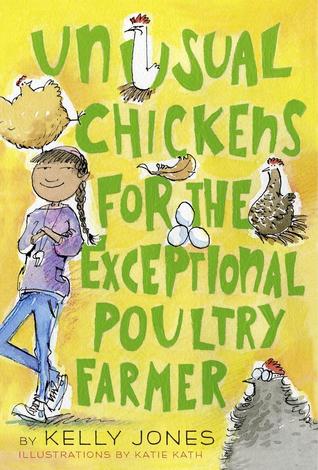
*UNUSUAL CHICKENS FOR THE EXCEPTIONAL POULTRY FARMER by Kelly Jones
22639675

Twelve-year-old Sophie Brown feels like a fish out of water when she and her parents move from Los Angeles to the farm they’ve inherited from a great-uncle. But farm life gets more interesting when a cranky chicken appears and Sophie discovers the hen can move objects with the power of her little chicken brain: jam jars, the latch to her henhouse, the entire henhouse…

And then more of her great-uncle’s unusual chickens come home to roost. Determined, resourceful Sophie learns to care for her flock, earning money for chicken feed, collecting eggs. But when a respected local farmer tries to steal them, Sophie must find a way to keep them (and their superpowers) safe.

Told in letters to Sophie’s abuela, quizzes, a chicken-care correspondence course, to-do lists, and more, Unusual Chickens is a quirky, clucky classic in the making.

SURVIVING SANTIAGO by Lyn Miller-Lachman

23013839To sixteen-year-old Tina Aguilar, love is the all and the everything.

As such, Tina is less than thrilled to return to her homeland of Santiago, Chile, for the first time in eight years to visit her father, the man who betrayed her and her mother’s love through his political obsession and alcoholism. Tina is not surprised to find Papá physically crippled from his time as a political prisoner, but she is disappointed and confused by his constant avoidance of her company. So when Frankie, a mysterious, crush-worthy boy, quickly shows interest in her, Tina does not hesitate to embrace his affection.

However, Frankie’s reason for being in Tina’s neighborhood is far from incidental or innocent, and the web of deception surrounding Tina begins to spin out of control. Tina’s heart is already in turmoil, but adding her and her family’s survival into the mix brings her to the edge of truth and discovery.

Fans of Gringolandia will recognize the Aguilar family as they continue their story of survival and redemption.

ECHO by Pam Muñoz Ryan
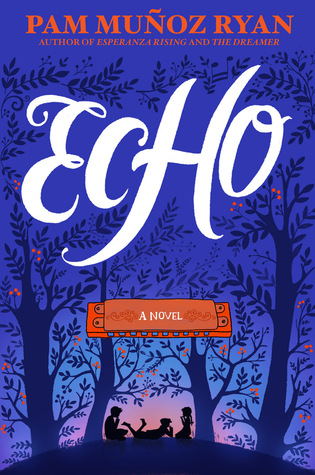
22749539Music, magic, and a real-life miracle meld in this genre-defying masterpiece from storytelling maestro Pam Muñoz Ryan.

Lost and alone a forbidden forest, Otto meets three mysterious sisters and suddenly finds himself entwined in a puzzling quest involving a prophecy, a promise, and a harmonica.

Decades later, Friedrich in Germany, Mike in Pennsylvania, and Ivy in California each, in turn, become interwoven when the very same harmonica lands in their lives. All the children face daunting challenges: rescuing a father, protecting a brother, holding a family together. And ultimately, pulled by the invisible thread of destiny, their suspenseful solo stories converge in an orchestral crescendo.

SHADOWSHAPER by Daniel José Older

22295304Sierra Santiago was looking forward to a fun summer of making art, hanging out with her friends, and skating around Brooklyn. But then a weird zombie guy crashes the first party of the season. Sierra’s near-comatose abuelo begins to say “No importa” over and over. And when the graffiti murals in Bed-Stuy start to weep…. Well, something stranger than the usual New York mayhem is going on

Sierra soon discovers a supernatural order called the Shadowshapers, who connect with spirits via paintings, music, and stories. Her grandfather once shared the order’s secrets with an anthropologist, Dr. Jonathan Wick, who turned the Caribbean magic to his own foul ends. Now Wick wants to become the ultimate Shadowshaper by killing all the others, one by one. With the help of her friends and the hot graffiti artist Robbie, Sierra must dodge Wick’s supernatural creations, harness her own Shadowshaping abilities, and save her family’s past, present, and future.

*WHEN REASON BREAKS by Cindy L. Rodriguez

22032788A Goth girl with an attitude problem, Elizabeth Davis must learn to control her anger before it destroys her. Emily Delgado appears to be a smart, sweet girl, with a normal life, but as depression clutches at her, she struggles to feel normal. Both girls are in Ms. Diaz’s English class, where they connect to the words of Emily Dickinson. Both are hovering on the edge of an emotional precipice. One of them will attempt suicide. And with Dickinson’s poetry as their guide, both girls must conquer their personal demons to ever be happy.

In an emotionally taut novel with a richly diverse cast of characters, readers will relish in the poetry of Emily Dickinson and be completely swept up in the turmoil of two girls grappling with demons beyond their control.

*MORE HAPPY THAN NOT by Adam Silvera
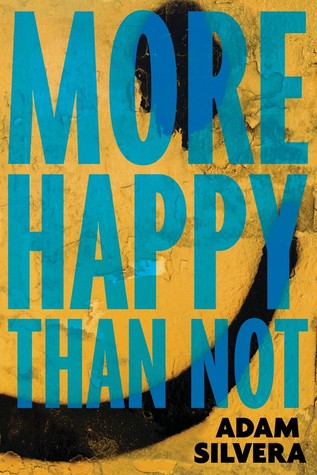
19542841The Leteo Institute’s revolutionary memory-relief procedure seems too good to be true to Aaron Soto — miracle cure-alls don’t tend to pop up in the Bronx projects. But Aaron can’t forget how he’s grown up poor or how his friends aren’t always there for him. Like after his father committed suicide in their one bedroom apartment. Aaron has the support of his patient girlfriend, if not necessarily his distant brother and overworked mother, but it’s not enough.

Then Thomas shows up. He has a sweet movie-watching setup on his roof, and he doesn’t mind Aaron’s obsession with a popular fantasy series. There are nicknames, inside jokes. Most importantly, Thomas doesn’t mind talking about Aaron’s past. But Aaron’s newfound happiness isn’t welcome on his block. Since he’s can’t stay away from Thomas or suddenly stop being gay, Aaron must turn to Leteo to straighten himself out, even if it means forgetting who he is.

*HOLLYWOOD WITCH HUNTER by Valerie Tejeda
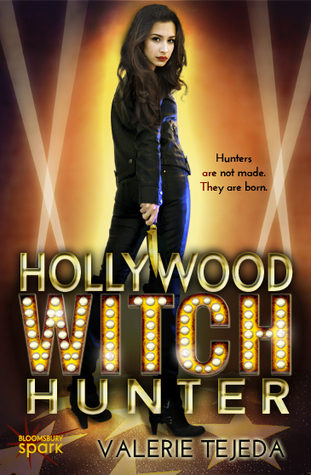
23202520From the moment she first learned the truth about witches…she knew she was born to fight them.

Now, at sixteen, Iris is the lone girl on the Witch Hunters Special Ops Team.

But when Iris meets a boy named Arlo, he might just be the key to preventing an evil uprising in Southern California.

Together they’re ready to protect the human race at all costs. Because that’s what witch hunters do.

Welcome to Hollywood.

HUNTERS OF CHAOS by Crystal Velasquez

23309533Ana’s average, suburban life is turned upside down when she’s offered a place at the exclusive boarding school in New Mexico that both of her late parents attended. As she struggles to navigate the wealthy cliques of her new school, mysterious things begin to occur: sudden power failures, terrible storms, and even an earthquake!

Ana soon learns that she and three other girls with Chinese, Navajo, and Egyptian heritages harbor connections to priceless objects in the school’s museum, and the museum’s curator, Ms.Benitez, is adamant that the girls understand their ancestry.

It turns out that the school sits on top of a mysterious temple, the ancient meeting place of the dangerous Brotherhood of Chaos. And when one of the priceless museum objects is shattered, the girls find out exactly why their heritage is so important: they have the power to turn into wild cats! Now in their powerful forms of jaguar, tiger, puma, and lion they must work together to fight the chaos spirits unleashed in the ensuing battle and uncover the terrifying plans of those who would reconvene the Brotherhood of Chaos.

These titles do not yet have final covers, but we have provided as much information as we could find. Some of them are already listed on Goodreads.

OUT OF DARKNESS by Ashley Hope Pérez. This title is not yet listed on Goodreads, but Ashley wrote a post for us about the historical event at the heart of this story.

Zoraida Córdova’s LABYRINTH LOST in which a teen girl in family of powerful Brujas, accidentally banishes them in a bid to avoid her own magical destiny, then ventures into the otherworldly land of Los Lagos to save them, with the mysterious but alluring Nova as her guide, who seems to have an agenda all his own.

MOVING TARGET by Christina Diaz Gonzalez. It’s a middle-grade novel pitched as “Percy Jackson meets The Da Vinci Code.” In the story, a 12-year-old girl studying in Rome discovers she is a member of an ancient bloodline enabling her to use a legendary object that can alter the future.

THE WEIGHT OF FEATHERS by Anna-Marie McLemore, in which two teenagers from rival families of traveling performers fall in love despite impossible odds.

NEVER, ALWAYS, SOMETIMES by Adi Alsaid, described on GoodReads as “two best friends, a boy and girl, make a list of the cliché things they will never do their senior year.”

NAKED by Stacey Trombley: When tough teenager Anna ran away to New York, she never knew how bad things would get. After surviving as a prostitute, a terrifying incident leaves her damaged inside and out, and she returns home to the parents she was sure wouldn’t want her anymore.

Now she has a chance to be normal again. Back in school, she meets a boy who seems too good to be true. Cute, kind, trusting. But what will he do when he finds out the truth about her past? And when a dark figure from New York comes looking for Anna, she realizes she must face her secrets…before they destroy her.

If we’re missing any, please let us know in the comments!

Which ones are you planning to read?