Enrique Flores-Galbis: Bridge of Words

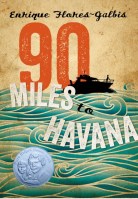
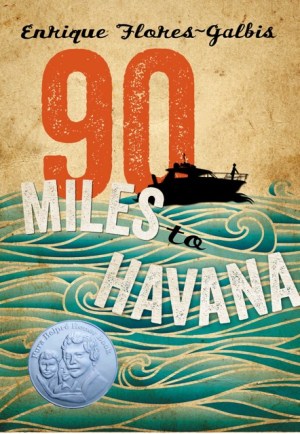
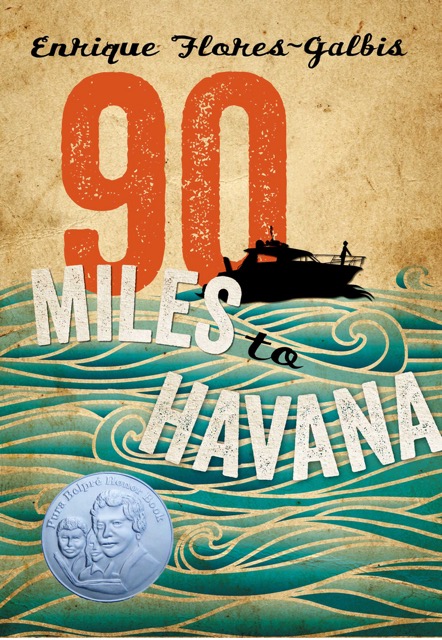
paperback coverAs part of our series on Cuban-American authors, we present an excerpt from a work in progress by Enrique Flores-Galbis, author of the novel 90 Miles to Havana.
 

One last trip to the well.

I grew up in a house of stories—shared memories, recounted with passion and intensity by those afraid that if they didn’t get their accounts across, the worlds and lives they left behind would disappear, and they would be truly dispossessed.

As a writer I have drawn from these exile stories and benefited from the longing and beauty of their telling, especially those told by my grandmother.

Abuela was the voice of our house. During the day she would sit in her room with the door open. This way, she could track the comings and goings of our large, unruly family, and then broadcast her narratives into the open space at the center of our tall house.

At four in the afternoon she brewed her coffee, rich and strong—the old school way. An old jelly jar, with an embossed design of grape leaves caught the drops of the black liquid oozing from the bottom of the cloth funnel. Stirring two tiny spoonfuls of sugar into her espresso cup she would murmur, “Just enough to sweeten the ninety miles I have to cross,” and then go to her room and close the door.

She would sit in her chair, cup hovering, staring out over the tops of the bare winter trees and then leave. Her body might have been slowly rocking in the chair, but she was gone— she had left the room.

Abuela was a dreamer. She could transcend her self-imposed double exile in Connecticut and return to her home on Obispo street, in Old Havana, at will.

One day, before she closed her door, I asked her, “Abuela, where do you go when you leave?”

Sensing that I was vaguely aware of her travels, she smiled and said, “Havana, of course. Where else would I go?”

It was about this time that our daily ritual of coffee, stories, and my induction into the legion of exile dreamers began.
IMG_4990_1024

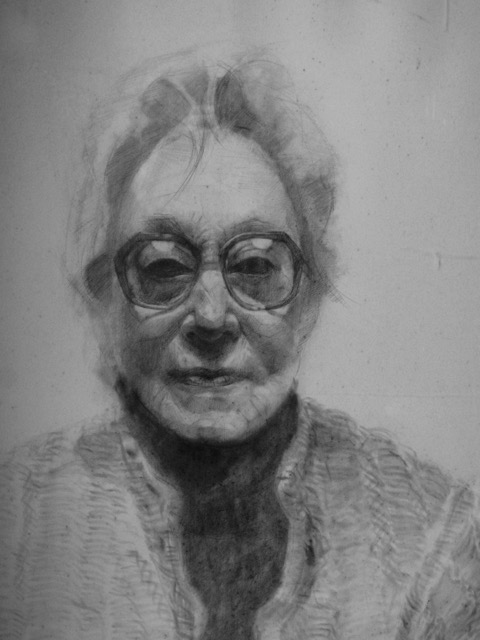
Art by Enrique Flores Galbis

Abuela’s stories always started at the large carved doors of her house on Obispo St. and most of them took place on the same day, the day before her world changed. A sip of coffee, a sigh, and she would begin to describe the doors, the blaring light on the buildings, the hushed blue shadows, and the smell from the chocolate shop on the corner. Each detail, a new strand she would weave into her delicate bridge of words. I listened patiently, closely, until the words disappeared, until only their echoes, the images, remained. And then I too crossed the ninety miles of dark water on her bridge of words.

This, the last story she told me, explained her beginnings as a dreamer and led me to the realization that she was just one of many exiles who dreamed their way back to Havana every day.

“The gallego carpenter carved little cat-like creatures among the leaves and berries at the bottom of the doors where only a child would notice. Those big doors opened into a courtyard paved with smooth grey stones, dug up from the Bay of Biscayne and brought as ballast on the first ships. I always kept my windows open so that I could feel the eternal chill of the grey stones and hear the watery song of the fountain in the middle of the courtyard.

“Every day I was left all alone in that room for my afternoon siesta. I never told anyone before, but as long as I can remember, I wished I had a twin, a girl twin, someone I could whisper my secrets to. Then one day she appeared in my siesta dream. I don’t know how it happened, but there she was, just as real as you are right now. The next day I waited for her, but she did not come back.

“Now I was lonelier than ever before, but determined to bring her back. After all, if I dreamed her once I was sure that I could dream her again. So, one siesta at a time, I began to recreate her, to will her back from my memory.

“I don’t remember how long it took or how old I was when I fully willed her into being, but I do remember the first time she entered my room, she brought the songs of the caged birds as a gift.

“We would lie side by side, barely creasing starched pillowcases, holding hands as we slipped out of this world. In that hour of underwater quiet we were free to roam to places unthinkable at any other time. We tore down walls and burst through gates erected to keep a young girl’s imagination cloistered and safe. We created new worlds and then tossed them back and forth until one of us succeeded in fleshing out a vivid scenario, always reserving a place for the other on our dream stage.

“One day, as I walked to my room for my siesta, there was a loud knock on the big doors. I stopped by the fountain.

“The cook, irritated by the interruption, stepped out of the kitchen and stomped across the courtyard. He nudged the door open only a crack, ready to dismiss the beggar or vendor that had so rudely disturbed his preparation of the evening meal.

“The cook hesitated and then took a step back. As the door swung open, the afternoon light sliced into the shady courtyard. Then the cook, a haughty, serious man, did something that I had never seen him do before. He bowed deeply as a small woman, not much older than myself, walked boldly past him. She stopped at the very tip of the shaft of light as if she wanted me to look at her— to see her fully.

“She had high cheekbones and very small dark eyes. Her sun-darkened skin was a rich ochre, the color of the earth in Matanzas. She seemed to be a perfectly balanced mixture of every race that had ever set foot in the Caribbean.

“She slowly stepped toward me and began to recite details from my secret dream lives, descriptions of places my twin and I had traveled to, places only an intimate of our dreams would know.

“’Have we met?’ I asked.

“ ‘Yes, in your siestas. You left a window open,’ she said in a soft conspiratorial tone.

“I immediately understood what she meant. My dreams were open and inviting. I always left room for my twin and, I realized, they were open to all dreamers.

“It didn’t take me long to see that Uva was my guardian-angel. She had come to teach me about the art of dreams, as she called it, always insisting on the importance of her calling, because shared dreams have the power to affect reality.

“Over time the numbers of dreamers grew, but in exile our once sweet dream turned into a bitter, dark cloud casting its half century shadow on our island.

“Now there are not many of us left and I’m too tired to carry on.

“It is time for this dream to end, so that the new one can begin.”

Good bye, Abuela.


Flores GalbisEnrique Flores Galbis is a painter, teacher, lecturer, and novelist. He immigrated to the United States from Cuba at age nine. As a writer, he is best known for the Pura Belpré Honor Book 90 Miles to Havana. His first novel, Raining Sardines,  (Roaring Brook Press 2007)a recipient of America’s Award Author Honors. Learn more about his art and writing on his professional website. Go here to view an illustrated reading by the author from his award-winning novel.
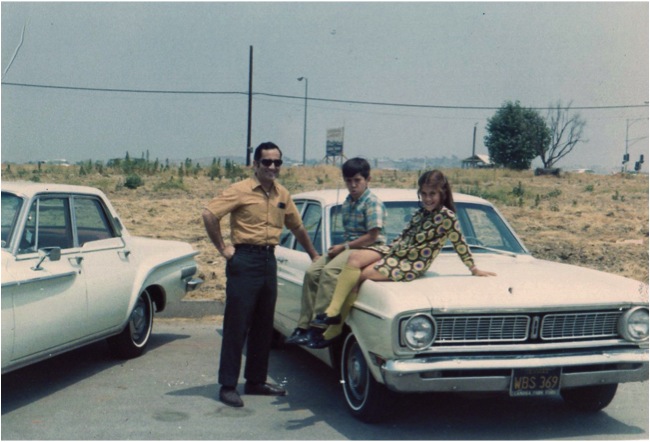
Growing Up Cuban: Laura Lacámara and Meg Medina

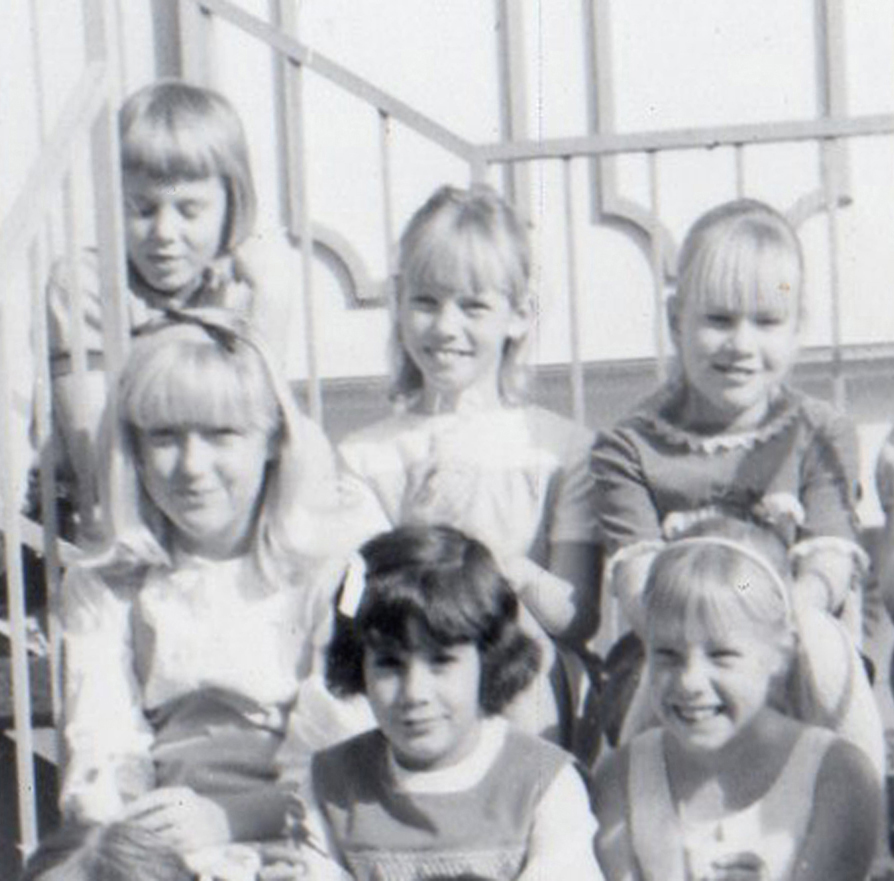
Photo of me & blond girls from class

My Cuban Evolution

By Laura Lacámara

Growing up Cuban-American in suburban Southern California, I teetered back and forth between feeling different, like I didn’t belong, and feeling exotic and special.

The feeling different part came mostly when I was little.

We spoke Spanish at home, while all my friends spoke English.

We ate lechón (roast pork), black beans, and plantains on Christmas eve (nochebuena), instead of turkey, stuffing, and yams on Christmas night.

Then, there was that same embarrassing question asked by all my friends who came over to the house: “Why are your parents fighting?”

“They are not,” I would respond, “they are just talking about what they want for dinner.”

In high school, being Cuban meant getting an easy “A” in Spanish. By the end of high school, being a Spanish-speaking Cuban had gone from totally embarrassing to super cool. I was the “exotic” one among my group of white suburban friends. (I knew I wasn’t really exotic, but I didn’t contradict them because I liked feeling special!)

Me on hood of carFinally, in college, came exploring my roots, and ultimately embracing (and being proud of!) my Cuban-American identity.

Of course, the whole Cuban roots and identity thing comes with the inevitable responsibility to comment on Fidel Castro.

So, when asked that obligatory question by my white, non-Cuban friends: “Don’t you think it’s great that Castro’s revolution has given every Cuban citizen access to a pair of shoes and an education?”

Rather than launching into a big political discussion about the whole embargo thing (which I am totally in favor of lifting, by the way), I now offer the following joke:

“Comrades, what are the three great successes of the revolution? Healthcare, education, and sports. What are the three failures? Breakfast, lunch, and dinner.”

Politics aside, being Cuban remains a very personal thing for me. Sometimes it has felt like missing pieces I can only catch glimpses of here and there, but never quite own.

As a Cuban-American author writing stories inspired by growing up in my Cuban family, I’ve been able to explore some of these pieces and the quality of what Cuba, or being Cuban means to me.

Yes, I have lived in the U.S. most of my life, and I can express myself (verbally and on paper) better in English than in Spanish.

But, deep-down, that Spanish-speaking part of me, the one that finds “home” in a plate of black beans and rice with a slice of my mom’s homemade flan, will always be Cubana!

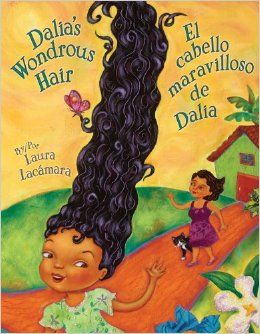
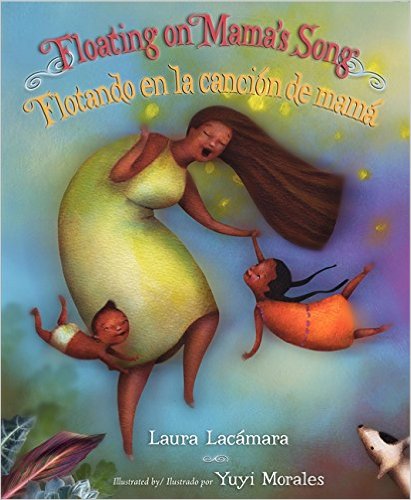
Dalia Cover    Floating

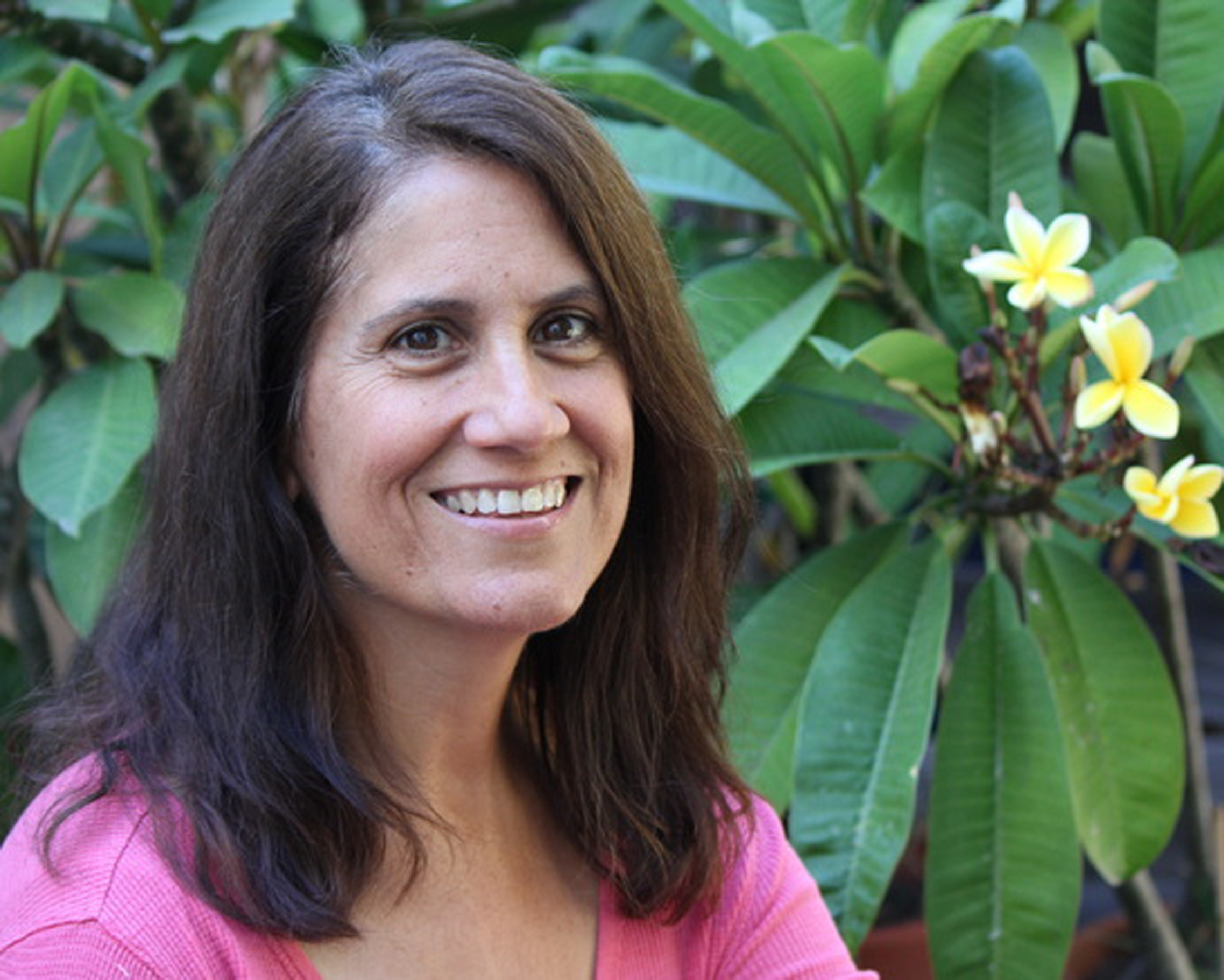
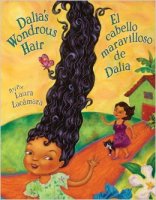
Laura_photo_2015-300 dpiCuban-born Laura Lacámara is the award-winning author and illustrator of Dalia’s Wondrous Hair / El cabello maravilloso de Dalia (Piñata Books), a bilingual picture book about a clever girl who transforms her unruly hair into a vibrant garden.

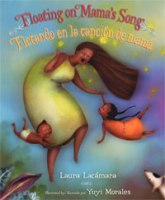
Laura also wrote Floating on Mama’s Song / Flotando en la canción de mamá, a bilingual picture book inspired by her mother, who was an opera singer in Havana. Illustrated by Yuyi Morales and published by HarperCollins, Floating on Mama’s Song was a Junior Library Guild Selection for Fall 2010 and was a Tejas Star Book Award Finalist for 2011-2012.

You can learn more about Laura’s work at her official website.


Cheeseburger by Day, Guayaba by Night

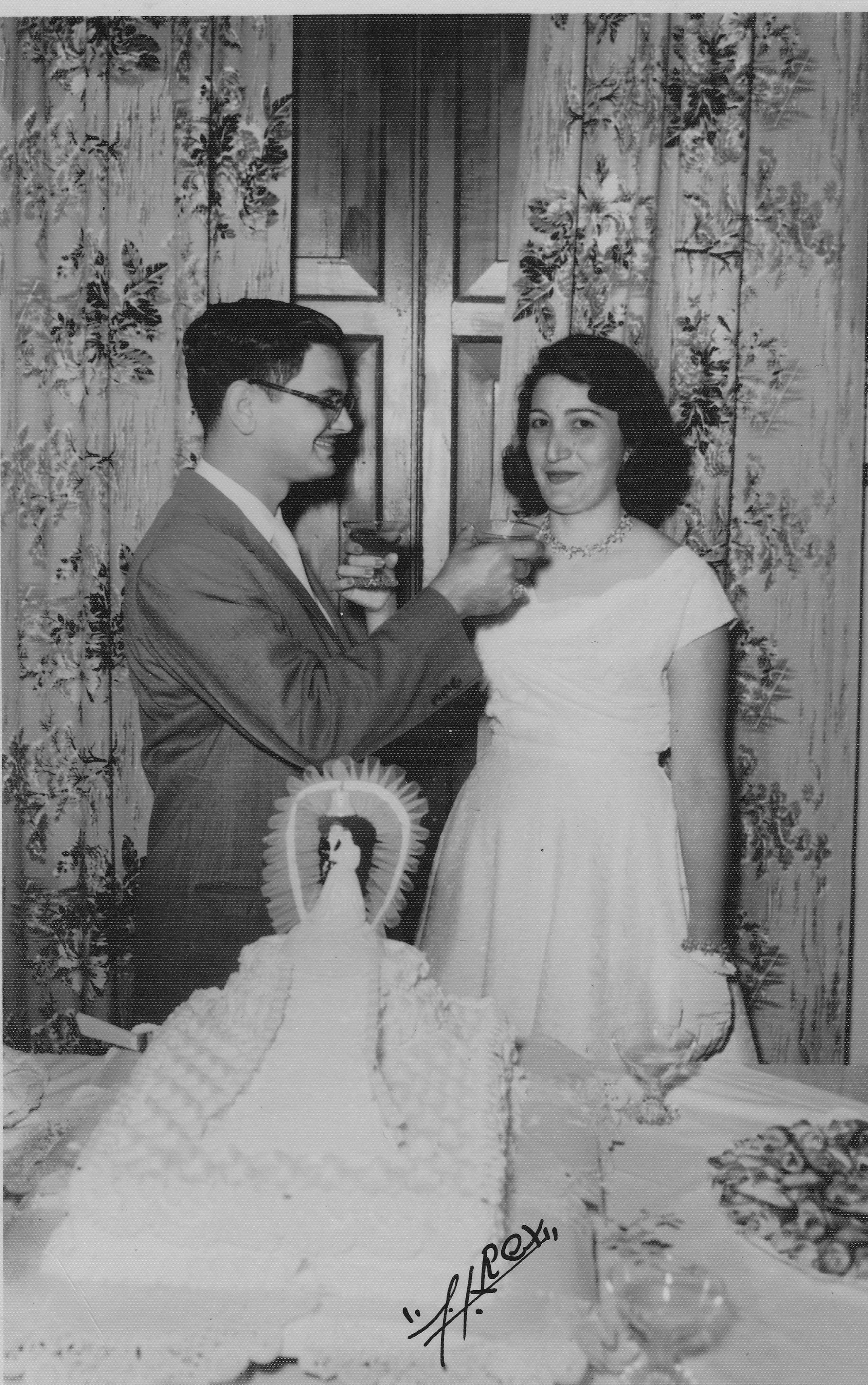
Juan Medina and LIdia Metauten wedding_NEW copy

Meg Medina’s parents at their wedding

By Meg Medina

My parents left Cuba as part of the political exodus in the early sixties. I was the first person in my family born in the United States. I learned Spanish from my mother and English from Romper Room. I grew up biculturally: Cheeseburger by day, guayaba by night, so to speak. All to say that I find that I am Cuban to Americans. To Cubans, I am from the US.

When I consider Cuba, I can only rely on black and white photos and on dreamlike stories – perhaps even the obsessions – of my family. I cut my teeth listening to yarns about a place where you wore only a sweater in the winter, where mangos the size of softballs were heavy with sweetness. It was a place of rivers and beautiful ocean waters where you could see your toes. It was the place of tobacco on their fingertips, a place where my family was happiest and the place that broke their hearts.

Image 7

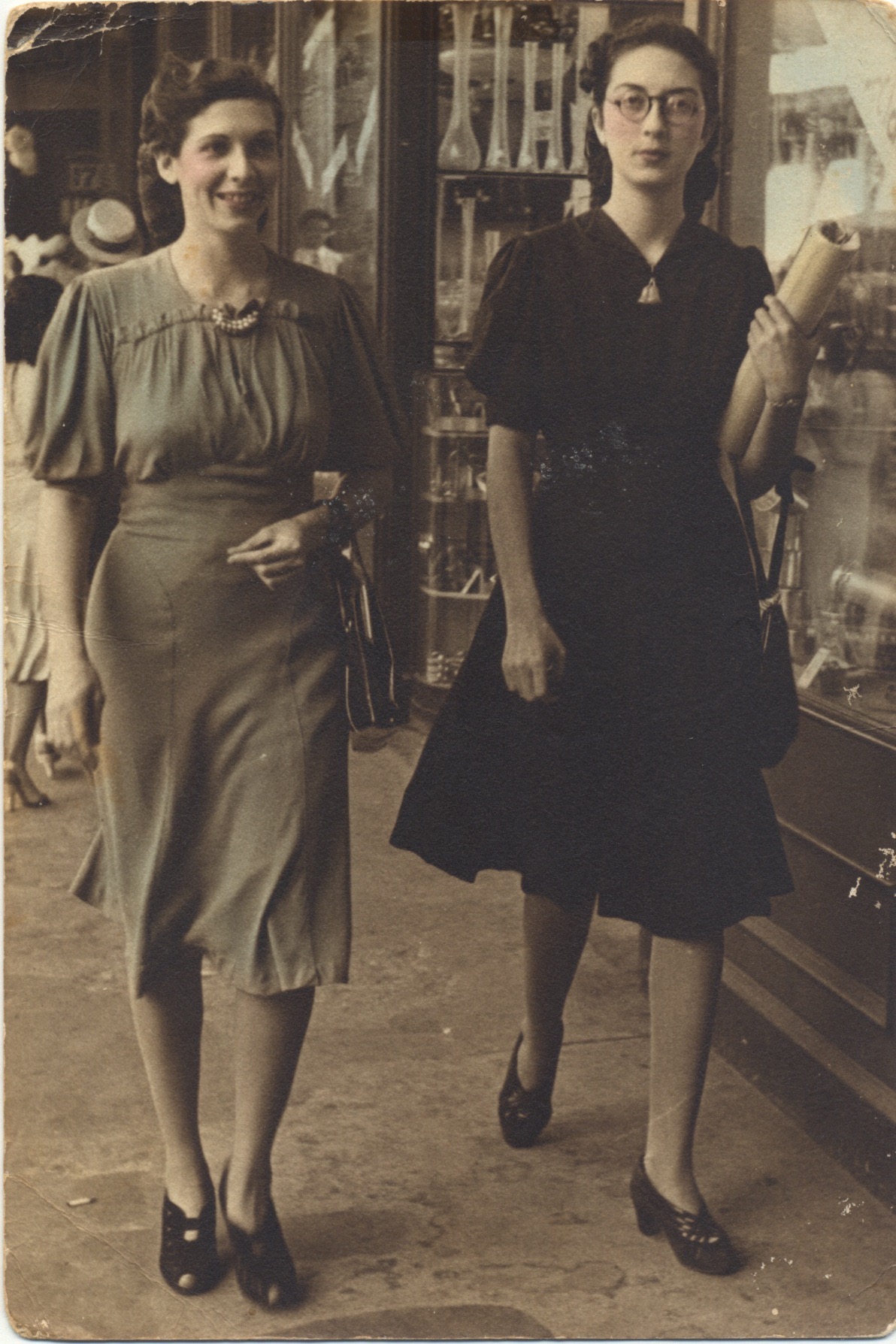
Two of Meg’s relatives on the streets of Havana

My own memories are these: Months of waiting for letters to arrive on thin airmail paper and my aunt’s voice reading the words aloud. A box of old photographs that arrived decades later, the images bored through by insects, and how those photos made my old mother cry. The odd catch in my chest when I see how dire need somehow got recycled into kitschy tourists waving from the seats of classic American cars.

People often ask: “Have you been to Cuba?”

I have never set foot on the island, but in a way, I have been there every day of my life. But how do we talk about Cuba as phantom limb? And, more important, how do we knit ourselves back together – los de aquí y los de allá – and move forward in search of new and better times?

 MANGO_jacket_for_Meg  Tia Isa

ad6df-yaquiMeg Medina is an award-winning Cuban American author who writes picture books, middle grade, and YA fiction.

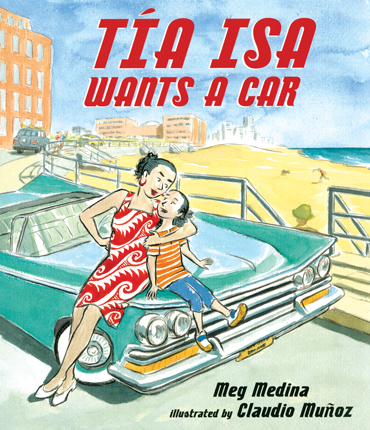
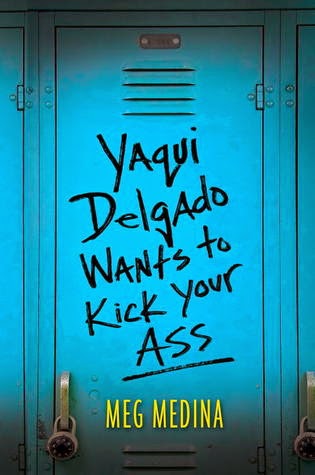
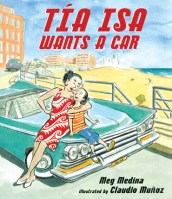
She is the 2014 recipient of the Pura Belpré medal and the 2013 CYBILS Fiction winner for her young adult novel, Yaqui Delgado Wants to Kick Your Ass. She is also the 2012 Ezra Jack Keats New Writers medal winner for her picture book Tia Isa Wants a Car.

Photo credit: Petite Shards Productions

Petite Shards Productions

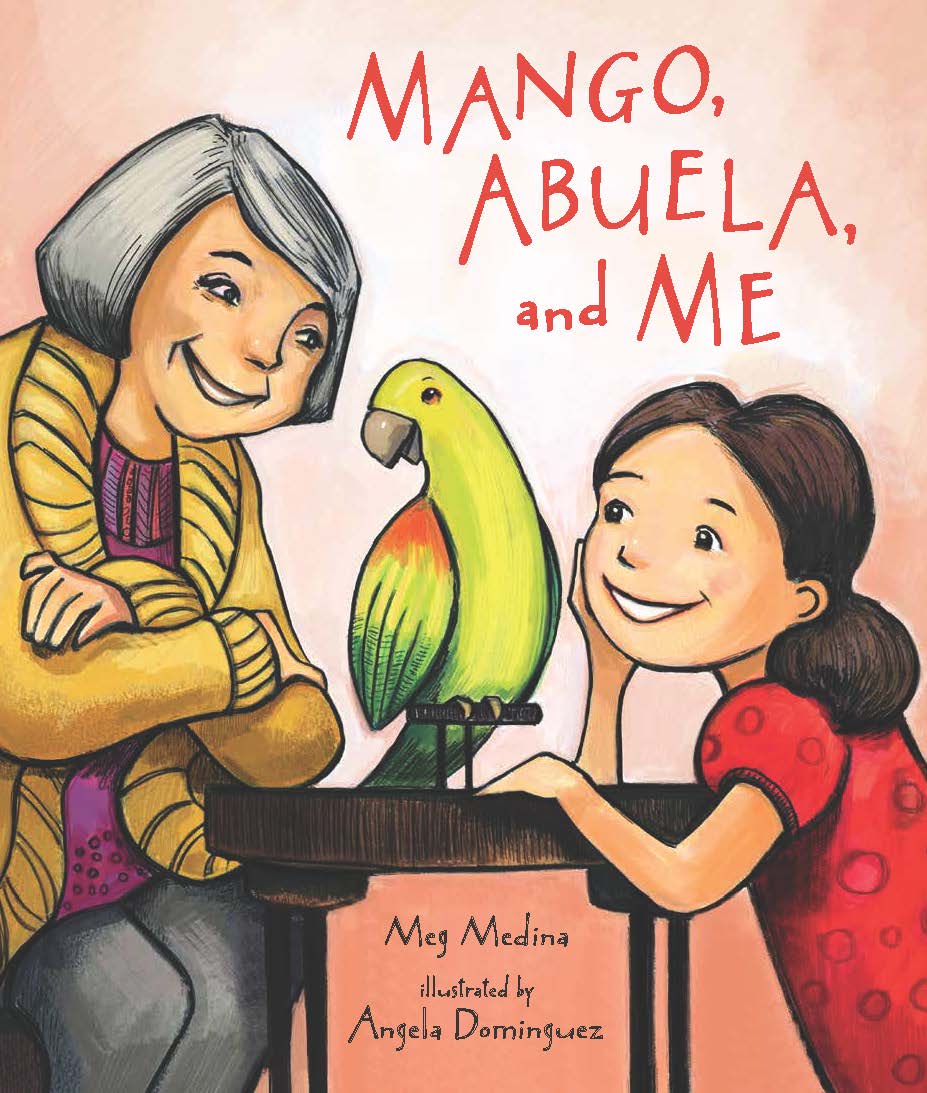
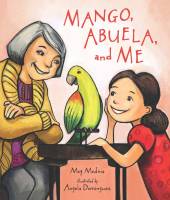
Her most recent picture book, Mango, Abuela, and Me, a Junior Library Guild Selection, has earned starred reviews in Booklist and Publishers Weekly, and  is included in the 2015 American Booksellers Association’s Best Books for Young Readers Catalog.

Meg’s other books are The Girl Who Could Silence the Wind, a 2012 Bank Street Best Book and CBI Recommended Read in the UK; and Milagros: Girl From Away.

Read a wonderful write-up on the Cuban inspiration of Meg’s newest book, Mango, Abuela and Me, at her blog, where you can also find information on her speaking schedule and much more.

Welcome to Cuba Week!


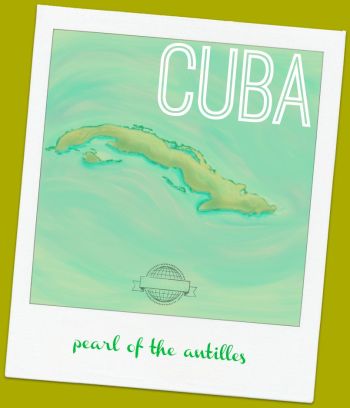
Cuba PearlCuba has been very much on our minds during this year of momentous change and emotional headlines. In a gesture of love and great hope for the Cuban people on both sides of the Straits of Florida, we invited beloved Cuban American children’s writers to speak from their hearts about anything relating to cubanismo. Lucky us: eight authors responded to our invitation with ¡claro que sí!
Guest posts begin tomorrow and continue through next Monday. To whet your appetite, here are some details. You will hear about immigration journeys, life across two cultures, racial identity, remembrances of the Cuba left behind, and the books that sprang from these experiences. Get ready for gorgeous prose from Enrique Flores Galbis; a fresh challenge to publishers from Nancy Osa; nostalgia mixed with humor and biting reality from Guinevere Thomas, Meg Medina, Laura Lacámara, and Christina Díaz González; as well as stirring insights from award-winning poets Alma Flor Ada and Margarita Engle. These authors’ books have enriched young people’s reading lives. For that, and for the perspectives they’ve shared with us, we want to say ¡gracias de todo corazón!

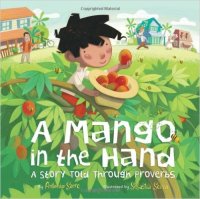
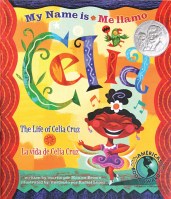
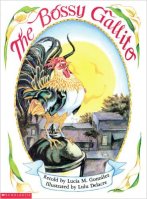
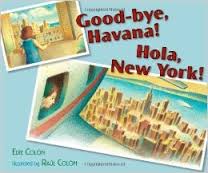
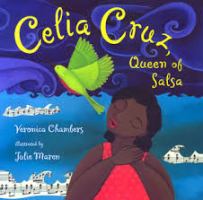
Before we get started on the guest posts, here’s a visual reminder of some glorious children’s books that star Cuban characters and/or settings. Space prevents us from featuring a comprehensive list, but we urge you to add your recommendations in the comments section. To learn more about individual books, click on their cover mages.

Picture Books    

Goodbye Havana Queen of Salsa Martina Mango in Hand

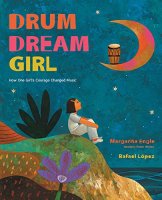
Celia Bossy Gallito Tia Isa  Dalia Cover MANGO_jacket_for_Meg drum dream girl cover floating

Middle-Grade

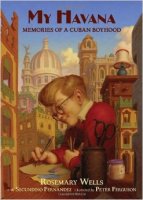
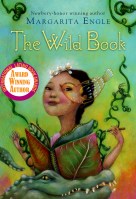
Island Treasures FINAL ART The Red Umbrella  Oye Celia  Moving Target  My Havana The Wild Book  MountainDog.highrescvr  paperback cover

Young Adult

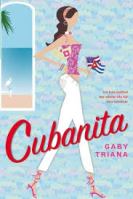
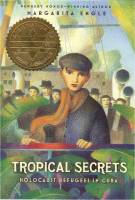
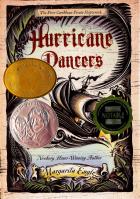
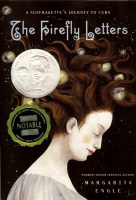
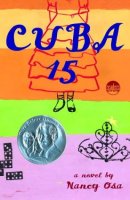
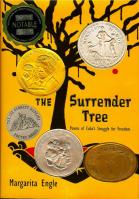
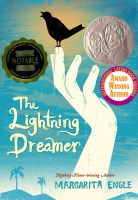
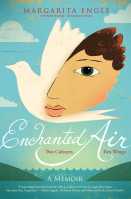
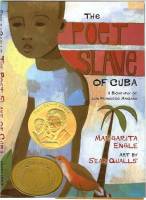
Cubanita  Tropical Secret    Hurricane dancers notable  Firefly notable  Cuba 15  Down to the Bone   Letters to my mother   Significant Girls  ad6df-yaqui  Surrende Tree Notable  Lightning Dreamer notable  Enchanted Air Poet Slave Dark Dude


Book Review: Sofi and the Magic, Musical Mural/Sofi y el Mágico Mural Musical


Reviewed by Sujei Lugo

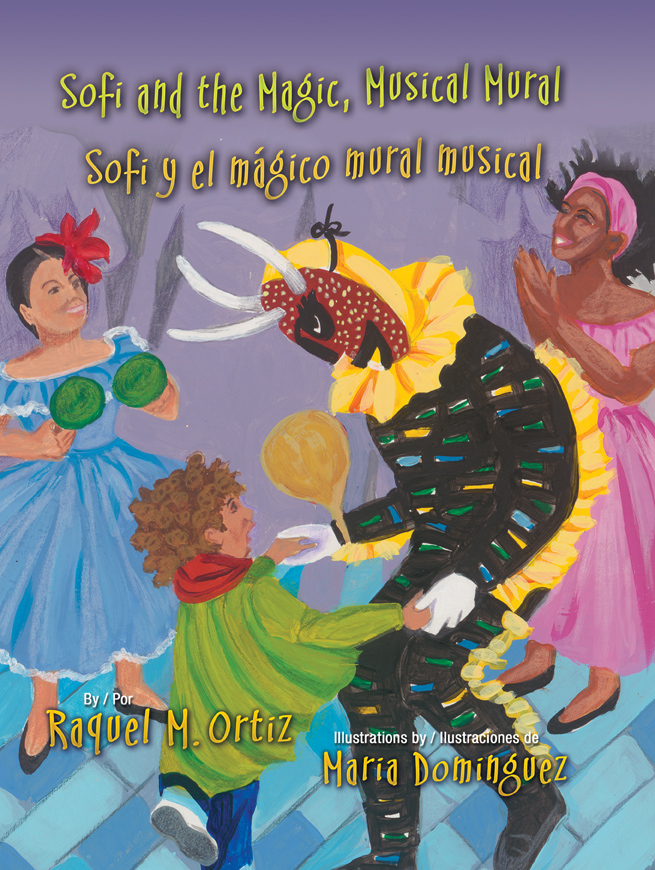
Sofi-and-the-Magic-Musical-MuralDESCRIPTION FROM THE PUBLISHER: When Sofi walks through her barrio to the local store, she always passes a huge mural with images from Puerto Rico: musicians, dancers, tropical flowers and—her least favorite—a vejigante, a character from carnival that wears a scary mask. One day on her way home from the bodega, she stops in front of the mural. Is one of the dancers inviting her to be his partner? “Okay, let’s dance,” Sofi giggles, and suddenly she’s in Old San Juan, surrounded by dancers and musicians playing bongos, tambourines and güiros. She begins to dance and sing with her new friends, but her pleasure turns to fear when the vejigante—wearing a black jumper with yellow fringe and a red, three-horned mask—spins her around and around! What does he want from her? How can she get away?

MY TWO CENTS: In this debut bilingual picture book, author Raquel M. Ortiz and illustrator Maria Dominguez capture the story of an imaginative girl and her magical and musical encounter with a neighborhood mural. Inspired by a mural located in South Bronx, New York, Ortiz and Dominguez give us a story that celebrates Puerto Rican traditions, community-based art, and city life.

Our young protagonist Sofía is lying on her bed feeling pretty bored. Her mom asks her to go to the bodega at the end of the block to get some milk and to remember that she should “not talk to ANYONE!” Sofía gets her scarf and coat, nods to her mom, and embarks on her journey to get the half-gallon of milk. Strolling along the sidewalk, she looks at the huge mural painted on a nearby building. She is stunned by its size and the colorful images of musicians, dancers, amapola flowers, and her least favorite, a vejigante. While returning from the bodega, Sofia can’t help admiring the mural once again. This is when she notices that one of the musicians, a plenero, is extending his hand to her to dance, breaking the wall between reality, art, and imagination. In a heartbeat, Sofía finds herself inside the mural, starting a whimsical experience that will bring her close to her Puerto Rican heritage.

Reading and seeing images of things that I grew up with put a smile on my face. From the plena song “Porque la plena viene de Ponce, viene de barrio de San Antón” to the carnival song “¡Toco-toco, toco-toco! ¡Vejigante come coco!”, I couldn’t help singing along with all the plenas and remembering the presence of plena songs in family gatherings, “navidad” parties, cultural “festivales”, carnivals, and even street protests. No wonder it is known as the  “periódico cantado” (sung newspapers), telling everyday stories all year long.

We also meet the famous vejigante, wearing its colorful outfit and a scary mask made from coconut shell (although some are made from papier-mâché). The vejigante is a mischievous folkloric character that resembles a buffoon or the devil, and which became a symbol of Puerto Rican cultural identity. In the story, Sofi plays and dances with the vejigante that she once saw as scary. She ends up wearing his outfit and flies around the Puerto Rican landscape going through El Yunque rainforest, and landing at the church plaza in Old San Juan. Here the author metaphorically portrays how through art, music, and traditions we can “fly” to the island of Puerto Rico, and demonstrates the deep connections that exist between the Puerto Rican diaspora and the island.

In terms of layout and illustrations, the bilingual text is located on the left side of the book with small illustrations dividing the English and Spanish texts and whole-page illustrations accompanying the text on the right side. The illustrator based her design and images on the original mural and conversations with the students that drew the images for mural. From soft colors for the city and bright and vivid colors for the mural, Dominguez’s paintings transport us from a wintry day in New York City to a sunny day in Puerto Rico.

Using The Pueblo Sings/El Pueblo Cantor mural as an inspiration for this picture book communicates the power of art, music, literature, and images to represent a community and tell its stories of resistance. The 7th- and 8th-grade students that designed the mural embraced the process of community building, public art, and history. It was created with and for the Puerto Rican community that has lived in New York City for decades. The mural’s statement is about the existence of the people and is a representation of their stories. It brings identification to the neighborhood and informs visitors about the living, breathing community located there. It is exciting to see the author centering the narrative on a young Puerto Rican girl who experiences this connection with her culture, traditions, and family, and then back to herself. In so doing, this book gives a powerful testament to how children can experience these connections and embrace them as their own.    

The book includes author and illustrator biographical notes, a glossary, and information about the mural.

TEACHING TIPS: The bilingual picture book is recommended for children ages 4 to 8. It works as a read aloud and for early independent readers. At home or at the library, librarians, parents, grandparents or other caregivers can read the story aloud in English, Spanish, or both, while teaching new words, concepts and discussing the different images. Teachers can include the discussion of Puerto Rican history, traditions, and music in their curriculum. 

IMG_4360-2

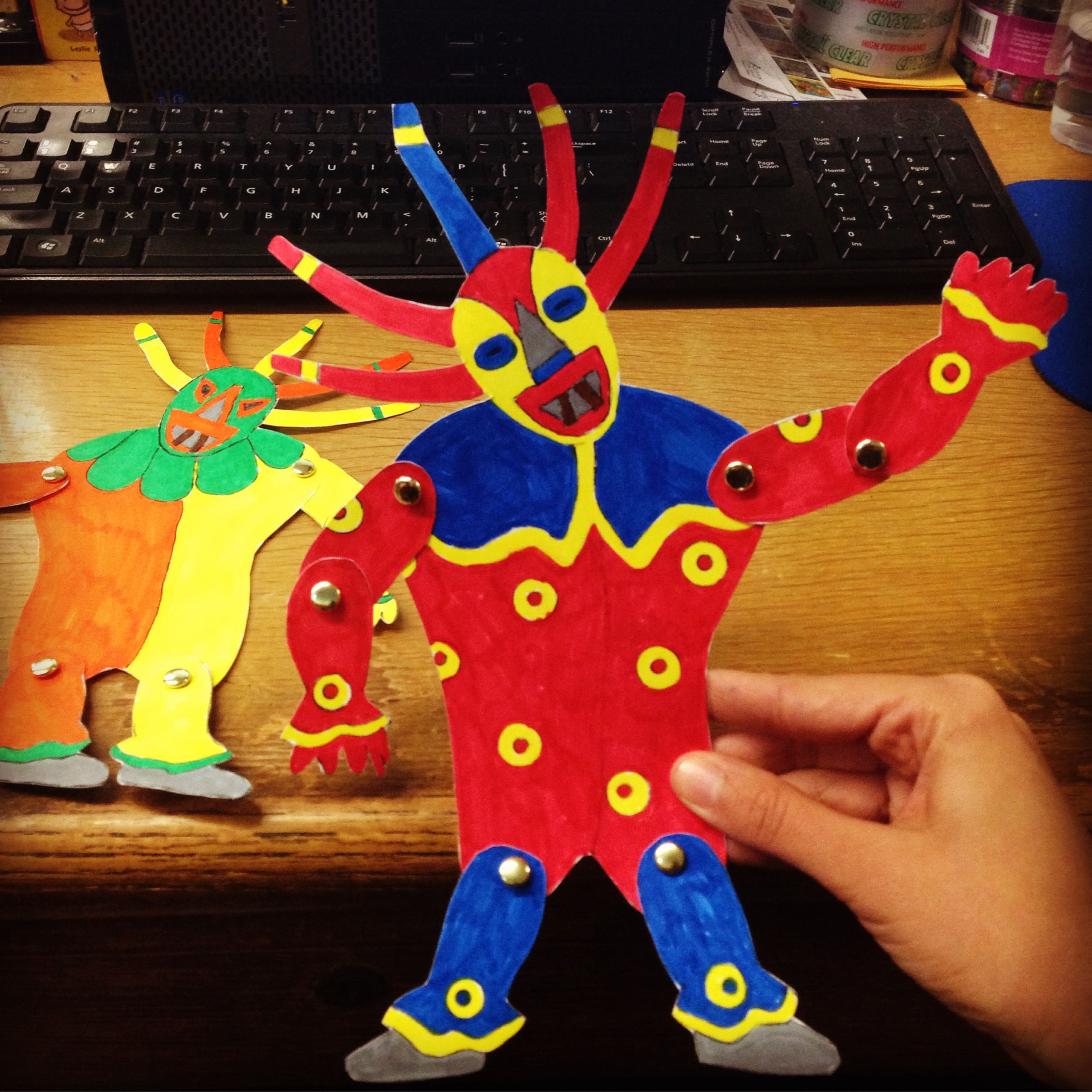
Vejigantes puppets I created for a library program. I explained to the children the meaning of vejigantes and how I grew up seeing them almost everywhere back in Puerto Rico.


Since the main focus of the story and its inspiration is a mural, children can create their own small-scale cardboard murals. Adults should encourage children to use elements from their community or their personal or family stories as inspiration. Moving activities to the street, adults can stroll down the neighborhood with children to view community murals, posing such questions as: Who created this mural? Who is it about? What does it represent? Does it represent the community where it is located? What type of murals should our neighborhood have? This will create a conversation about public art, public space, and community.

AUTHOR & ILLUSTRATOR: Raquel M. Ortiz was born and raised in Lorain, Ohio, and has been making art and telling stories since she was little. She holds a Ph.D. in Social Anthropology from the University of Salamanca and has worked at The Brooklyn Museum, the Allen Memorial Art Museum and El Museo del Barrio. Raquel is the author of El Arte de la Identidad, the documentary Memories of the Wall: Education and Enrichment through Community Murals and textbooks and educational materials for children in Puerto Rico and the United States. She lives in New York City with her family and is a professor at Boricua College.

Maria Dominguez moved from Cataño, Puerto Rico to New York City when she was five year old. She began her artistic career as a muralist with Cityarts in 1982. Over the past twenty-five years, Dominguez has created over twenty public art murals and worked with the Metropolitan Transportation Authority of New York City, Artmaker, Inc. and Brooklyn Connect. The recipient of grants from the National Endowment for the Arts and the New York Foundation for the Arts, she has also headed El Museo del Barrio’s Education Department. She currently teaches art in New York City’s Public School System.

FOR MORE INFORMATION about Sofi and the Magic, Musical Mural/Sofi y el Mágico Mural Musical, check your local public library, your local bookstore or IndieBound. Also, check out GoodreadsAmazon, and Barnes & Noble.


SujeiLugoSujei Lugo was born in New Jersey and raised in her parents’ rural hometown in Puerto Rico. She earned her Master’s in Library and Information Science degree from the Graduate School of Information Sciences and Technologies at the University of Puerto Rico and is a doctoral candidate in Library and Information Science at Simmons College, focusing her research on Latino librarianship and identity. She has worked as a librarian at the Puerto Rican Collection at the University of Puerto Rico, the Nilita Vientós Gastón House-Library in San Juan, Puerto Rico, and the University of Puerto Rico Elementary School Library. Sujei currently works as a children’s librarian at the Boston Public Library. She is a member of REFORMA (The National Association to Promote Library Services to Latinos and the Spanish-speaking), American Library Association, and Association of Library Service to Children. She is the editor of Litwin Books/Library Juice Press series on Critical Race Studies and Multiculturalism in LIS. Sujei can also be found on Twitter, Letterboxd and Goodreads.

Book Review: Becoming Maria by Sonia Manzano

Acting Out Transformative Possibilities: A Review of Becoming Maria: Love and Chaos in the South Bronx

Becoming MariaBy Marilisa Jiménez García, Ph.D.

DESCRIPTION OF THE BOOK: This is the remarkable true story of a girl plunged into a world she never expected. It’s the story of dreams—some of them nightmares, others visions of romance and escape. It’s the tale of a family that is loving and troubled, and of the child who grew up to become a television star.

Set in the 1950’s in the Bronx, this is the beautifully wrought coming-of-age memoir of Emmy Award-winning actress and writer Sonia Manzano, who defined the role of Maria on the acclaimed children’s television series Sesame Street.

MY TWO CENTS: Sonia “Maria” Manzano held a prominent place in American culture for over 40 years, both as a writer and actor on Sesame Street. While many Latino/a readers have struggled to find characters reflecting their experiences in books, Manzano filled this void on one of the most beloved American television franchises in history. Manzano’s performances shaped the way viewers understood Latino/a culture by breaking stereotypes through an expansive repertoire: from friendly neighbor, to comical mime, to new mother, to glamorous leading lady a’ la Ginger Rogers. Indeed, when she announced her retirement this summer, the outpouring of public tributes and reflections on her legendary career underlined just how closely audiences over a generation identified with Manzano’s evolution into a television icon. Now, as a novelist, she continues to respond to the need for Latino/a protagonists. Her newest book, a memoir, highlights the transformative capacity of theatre and performance for young people.

Becoming Maria provides generations of readers with an opportunity to experience Manzano’s evolution from a young Latina, a puertorriqueña, in the Bronx into a promising performer. It is a journey Manzano also reveals as a struggle to reconcile the love and abuse she witnessed in her family life. Becoming Maria is truly the portrait of an artist, as an early passage in the text demonstrates how, even in moments of distress, a young Sonia developed a gift for observation and imagination:

I run to our fourth-floor window, looking for anything, when I see Uncle Eddie’s car pull up. Out spills his wife, Bon Bon; my uncle Frank; his wife, Iris; and my beautiful mother. She is dressed in a soft-colored yellow dress with pleats down the front that she made herself. My father enters my line of vision as he lunges for her. Her brothers restrain him, and I can tell even from the fourth floor that Ma would rip his face off if she could.

There is something beautiful in the picture they make jerking around in the streetlight. And when the Third Avenue El comes swishing through, right in front of our window so suddenly, I feel like I am in the center of the universe and I am happy that they have had this fight because it has introduced me to the wonderful window. And that’s where I go every day, all the time between assaults when there is nervous calm (Manzano 8-9).

Young Sonia’s ability to both observe and “see beyond,” to borrow a phrase from The Giver, her surroundings and circumstances allows her distance and a space to imagine other possibilities. Through this “window,” young Sonia is able reinvent moments in her life. As children’s literature scholar Rudine Sims Bishop has established, a “window” can also function as a metaphor for literature which gives audiences insight to other worlds and cultures.[1] In this moment, young Sonia’s decision to frame her circumstances also signals Manzano’s own expertise providing access into the literary and theatrical worlds she has created for years.

Becoming Maria adds to Manzano’s titles of works marketed for young people. The closest to this text’s breadth and maturity might be her recent young adult novel, The Revolution of Evelyn Serrano (2013), which also features a strong, Latina protagonist coming into her own as a young woman—though the major plot points and struggles emphasized in Evelyn Serrano concern the collective plight of Puerto Ricans in the late 1960s in East Harlem and the rise of the Young Lord’s Party. As in Evelyn Serrano, Becoming Maria includes moments where the young Sonia contemplates the conditions of Puerto Ricans in the New York community and the island, particularly the treatment of Puerto Rican woman by the men in the community. In particular, a young Sonia is frustrated with the realities of internal sexism in a patriarchal culture:

Down with Puerto Rico! Revenge on the island! Screw those people!” becomes my internal battle cry as I vow to shun and reject the place I’ve never been to, where kids drown in sewage, the place of dead mothers, of negligent fathers, of starvation and poverty, of macho men throwing coconuts at their wives’ heads for fun! I know all the horrors even beautiful songs written about the island can’t cover up and will not be fooled by it! (177)

Young Sonia’s struggle to reconcile her views about her home life as both nurturing and abusive parallels with her feelings about her native land. As a writer, Manzano carefully demonstrates how Latino/a authors can both affirm their respective cultures while still encouraging readers to think critically. In fact, the tone and style of Becoming Maria underlines a sense of maturity and confidence in Manzano’s own voice as a novelist.

Overall, Manzano’s work fits into a tradition of Puerto Rican writers including Pura Belpré, Nicholasa Mohr, Piri Thomas, Judith Ortiz-Cofer, and Eric Velasquez who have also written for younger audiences. These writers also demonstrate the power of the creative arts as transformative practices for young Latino/as. Manzano’s position in acting and screenwriting, however, highlights the importance of cultivating spaces in media and performance arts as part of narrating Latino/a histories and counter-narratives.

TEACHING TIPS:

  • Women’s Studies/History: Consider having students read Manzano’s Becoming Maria alongside Mohr’s Nilda (1973) which also emphasizes the evolution of a young female artist. In terms of Latina women’s history, have student compare the differences between the experiences Mohr describes to that of Manzano. Similarly, Becoming Maria might be read in comparison to Esmeralda Santiago’s When I Was Puerto Rican (1993) in which Santiago narrates her journey into performance and New York City’s High School for the Performing Arts, a school which Manzano also attends and describes in the book. How is the journey into performance different/similar in Manzano and Santiago versus the journey into visual arts in Mohr?
  • The Wonderful Window: Young Sonia’s fourth-floor window functions as a kind of retreat which underlines the importance of creating private spaces of reflection and observation for young people. Ask students to reflect on the spaces they retreat to as a means of gaining perspective.
  • Dramatic Arts/Reader’s Theatre: Becoming Maria greatly emphasizes the dramatic arts as a kind of transformative pedagogy for the young Sonia who finds a sense of voice through drama. Consider following up this novel with a play referenced in the book such as Shakespeare’s works and/or Godspell.

[1] Bishop, R. S. (1990). Mirrors, windows, and sliding glass doors. Perspectives: Choosing and Using Books for the Classroom, 6(3), ix–xi.

FOR MORE INFORMATION about Becoming Maria: Love and Chaos in the South Bronx, check your local public library, your local bookstore or IndieBound. Also, check out GoodreadsAmazon, and Barnes & Noble.


Marilisa_Jimenez-GarciaMarilisa Jiménez García is a research associate at the Center for Puerto Rican Studies, Hunter College, CUNY. She works at the intersections of Latino/a Studies and childhood and children’s literature studies. She attended a performing arts middle school for theater and is currently working on a book manuscript on the history of Latino/a children’s and young adult literature and an essay on the Latino/a “YA” tradition. One of the chapters in her manuscripts is about Sonia Manzano’s work. She is also conducting a survey of NYC teachers on teacher education and the use of diverse lit. in the classroom.

Guest Post by Elena Foulis: Latin@ Stories Across Ohio


By Elena Foulis

Over the past year, I have collected 65 video-narratives of Latinos/as in Ohio. Working in English and Spanish, I traveled around the state to interview women and men, older and younger people, artists, students, activists, and educators. While some oral historians have stored their field work in libraries across universities or created an internet collection, Latin@ Stories Across Ohio enters the digital world with historias that highlight the experiences of Latinos and invite the reader to engage further by “clicking” on the different interactive cultural components, which include maps, videos, links, and glossaries for every chapter.

Latin@ Stories Across Ohio highlights the presence of Latinos in the Midwest and opens up a window for conversation and understanding of a culture that has shaped this part of the country for generations. The book combines language and cultural studies perspectives. Latin@ Stories draws on the traditional elements of oral history methodology but enters the digital era by delivering these narratives in conjunction with exciting features that provide fuller context to students and make connections to literature and collective histories.

Thanks to generous support from the Department of Spanish and Portuguese and the Ohio Hispanic Heritage Project at The Ohio State University, this bilingual oral history book is free on iBooks. I hope this will make it easier for teachers and students across the Midwest and the U.S. to use it.

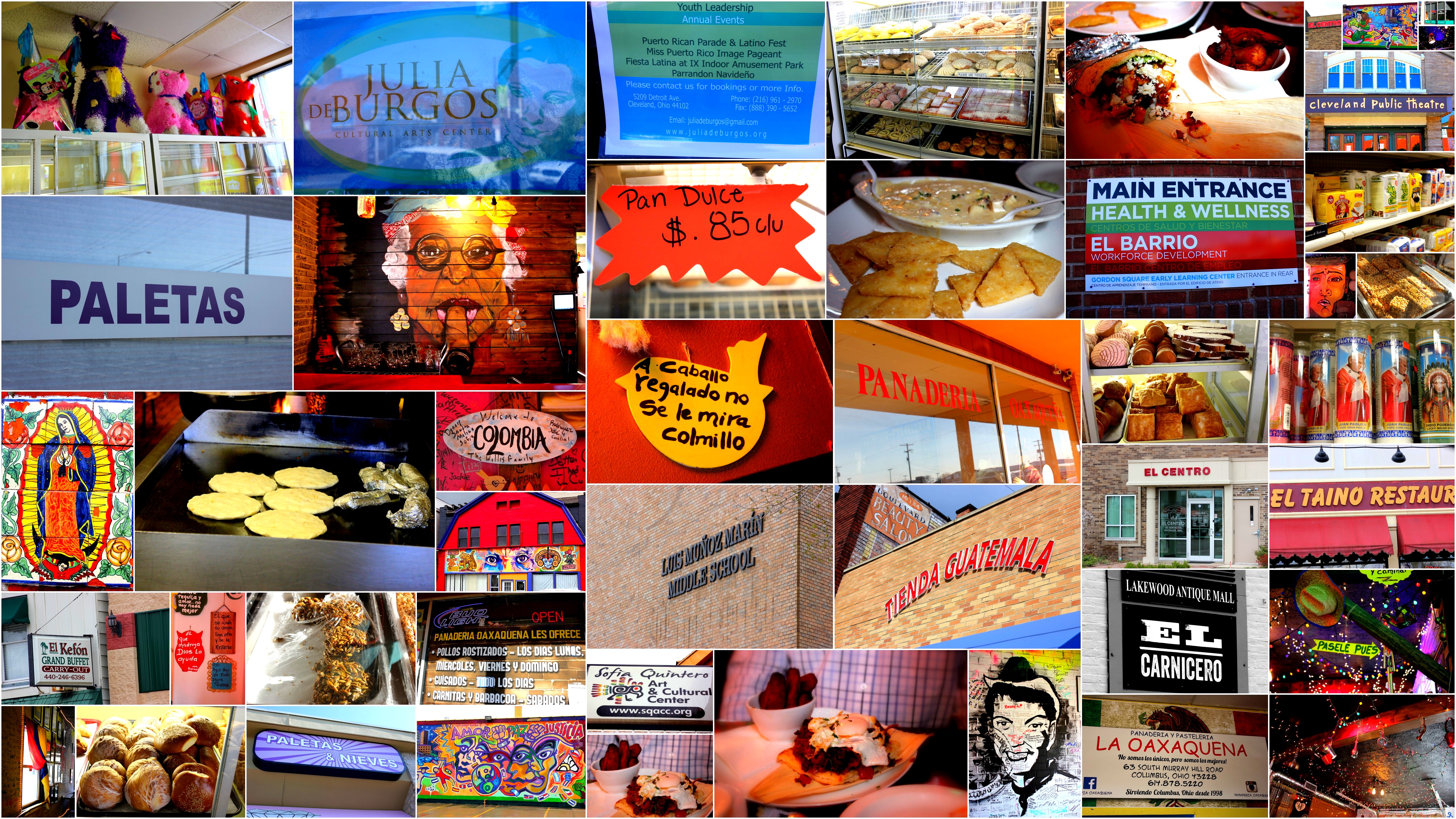
OHIO PICS

Use in the Classroom and Beyond

I currently use Latin@ Stories in my “Spanish in Ohio” class, a senior-level undergraduate service-learning course. This class teaches students about Latino life in the U.S. and, more specifically, in Ohio. Students are able to see, hear, and read first-person narratives of people they might meet or work with in our greater Columbus community. The usefulness of the text isn’t limited to this course, though; I often draw on the material in other classes. For example, in my writing course for the Spanish Department, my students conduct a mini-ethnographical interview that they can then turn into an essay. I show students some of these interviews as examples for the type of interviews they will be doing themselves. I also plan to use some of the content of this book for another course that deals with Latino language and literacy within the context of the U.S. experience.

Since this is a bilingual book with embedded video, it gives students substantial Spanish-language input from speakers with different backgrounds and accents. (In addition, all of the video-narratives collected for the project will be archived at the Center for Folklore studies at OSU.) Whether the focus of the class is language, history, Latino studies, or beyond, instructors who use this book have an opportunity to discuss not only the immigrant experience, but also the stories of abuelitas, the role of memory, argument, joking, advice-giving, and the storytelling practices of younger and older generations.

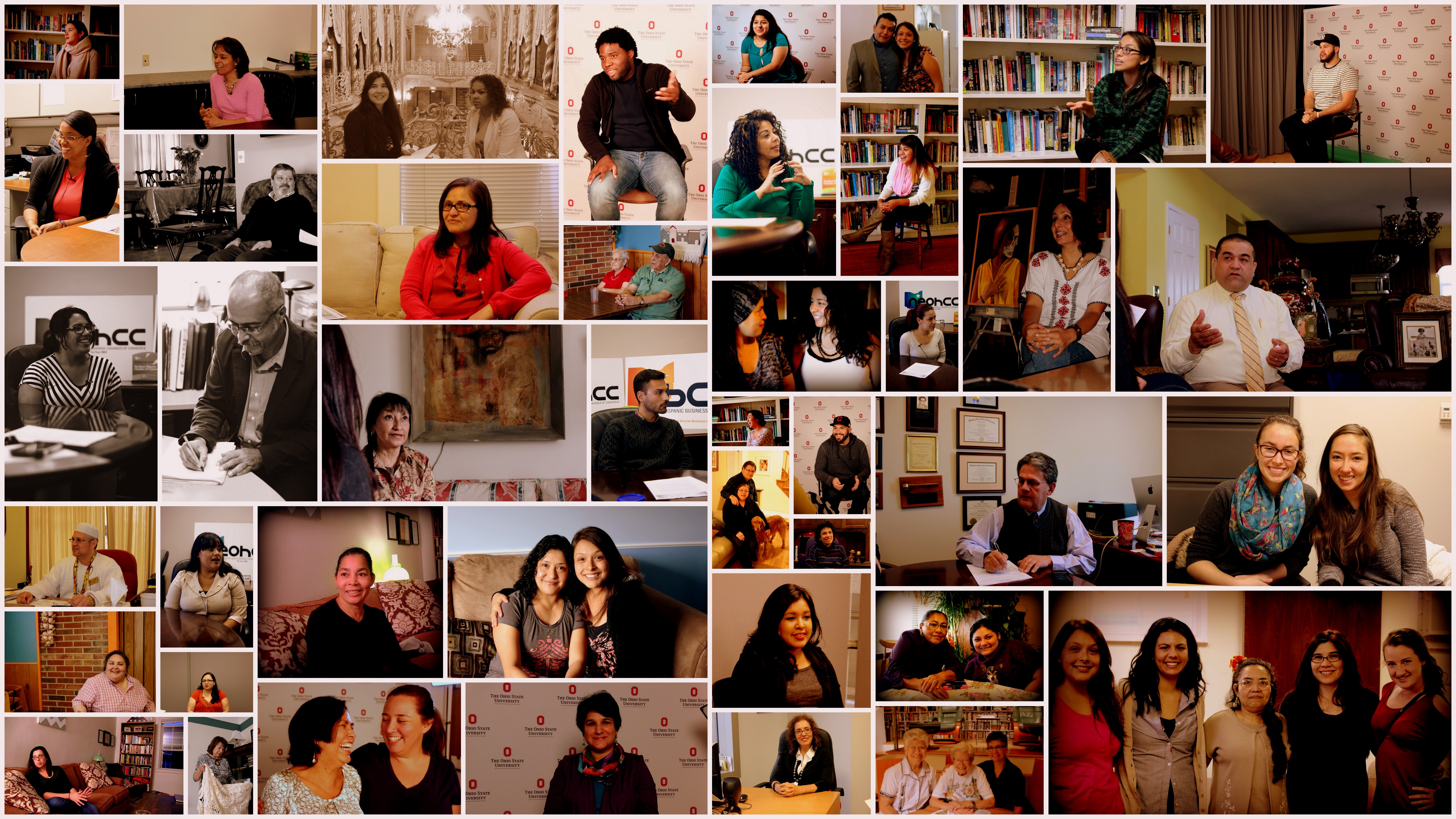
ONLO collageEach chapter groups historias with a similar theme: chapter one includes stories that deal with adapting to a new environment; chapter two has stories of people who have become advocates for Latino and immigrant rights; chapter three focuses on the various professions Latinos have, including being business owners; chapter four, titled “Generaciones,” has stories that include a group of Latinas from three different generations, an older couple, and two mother-daughter interviews; chapter five, “Las Fuertes,” has the stories of women that have overcome difficult situations and are thriving and using their stories to inspire others; and finally, I reserved chapter six for “Los jovenes,” a group of college students with a unique perspective on identity, language and place.

Although the book is localized in its focus on Ohio, it also gives students a rich and multi-faceted vision of Latino life, history and presence in the United States. I have seen the positive impact the value of an individual story has on students.


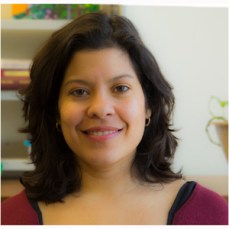
IMG_4045Elena Foulis has a Ph.D. in Comparative Literature and Cultural Studies from the University of Arkansas and currently teaches at the Ohio State University. Her research and teaching interests include U.S. Latina/o literature, Digital Oral History, and Digital Storytelling, particularly in service-learning courses. Her digital oral history collection about Latinos/as in Ohio has been published as an eBook titled, Latin@ Stories Across Ohio. Elena also loves photography and contributed many of the photographs in Latin@ Stories.