The Comadres and Compadres Latino Writers Conference

Pano_Manhattan2007_amk

By Lila Quintero Weaver

Writers workshops and symposiums are every place you look, but only The Comadres and Compadres Latino Writers Conference is specifically geared toward the interests of Latin@ writers. I attended the conference last year and found not only wisdom for the writing life, but also an amazing level of mutual support and enthusiasm for networking among my fellow attendees. Another of the conference’s major strengths is the accessibility of the presenters. The roster of speakers includes authors, editors, agents, and other members of the literary and publishing industry with keen interest in increasing Latin@ representation in books.

My co-blogger Cindy L. Rodriguez wrote about her experience at the 2014 conference, and the year before, Yadhira Gonzalez Taylor shared a recap of the sessions she attended.

This year, on October 3, the 4th Annual Comadres and Compadres Writers Conference will be held at The New School, in Manhattan. The New School is also a co-sponsor of the event.

Adriana Dominguez, of Full Circle Literary, is one the conference founders and organizers. Speaking of this year’s line up, she says, “We will have some amazing editors in attendance on the children’s side, which represents an amazing opportunity for Latino authors in particular! This is the only conference that focuses specifically on Latino writing, and as the numbers of Latino authors (and editors and agents) have dwindled in recent years, we know that our work is more important than ever.”

Please note that the deadline for the lower registration fee ($125) and to sign up for one-on-ones with agents and editors is 9/16, so best to sign up now, while you can still get a one on one, and before the fee goes up to $150 on site!

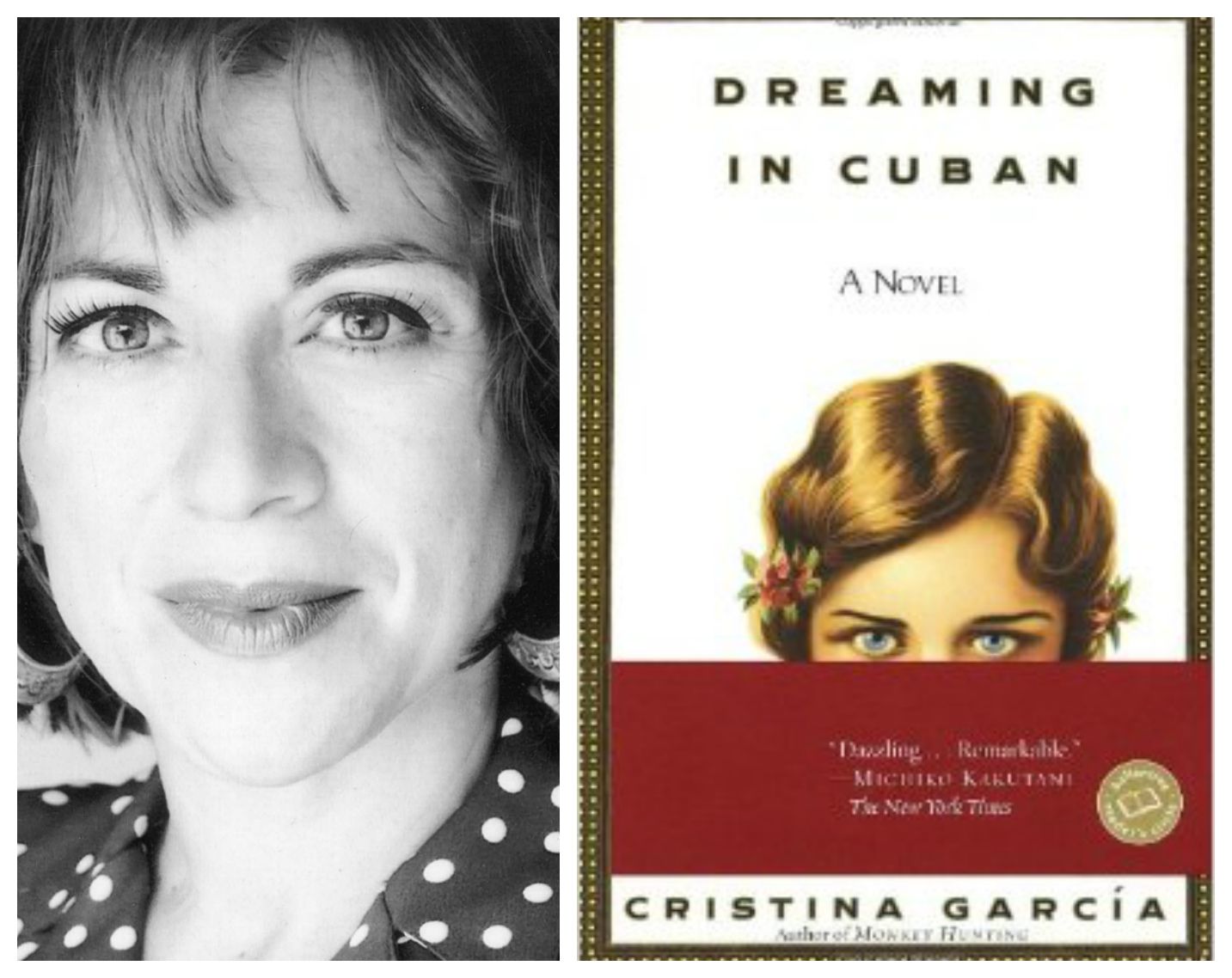
Cristina Garcia collageThis year’s keynote speaker is Cristina García,  the bestselling author of Dreaming in Cuban and other important books.

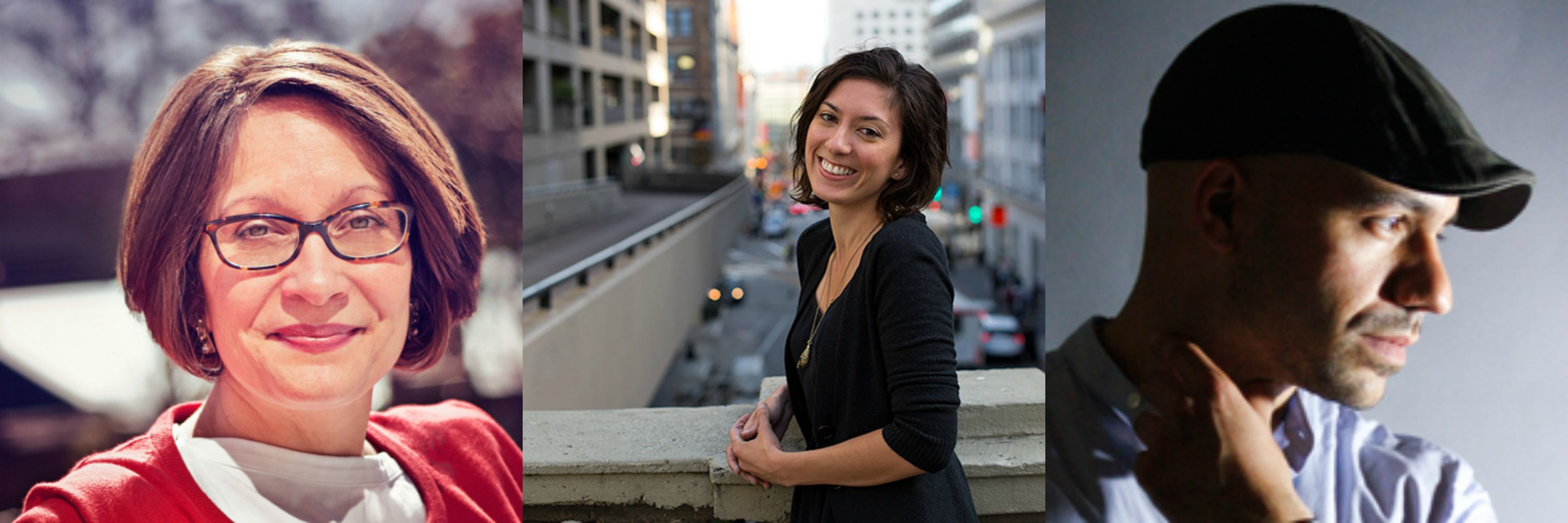
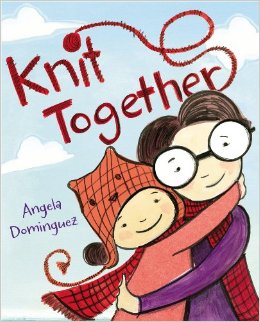
Meg Medina, best known for her Pura Belpré prize-winner, Yaqui Delgado Wants to Kick Your Ass, will lead the children’s writing workshop. Other panelists of note include Angela Dominguez, author-illustrator of many adorable picture books, such as Knit Together, and Daniel José Older, writer of the highly acclaimed YA novel Shadowshapers. You can learn more about the conference program and registration details at the Las Comadres website.

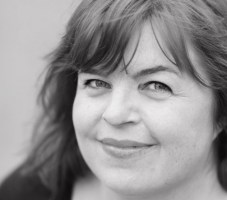
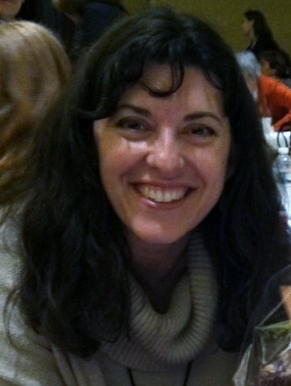
Comadres panelists

Book Review: Out of Darkness by Ashley Hope Pérez

25256386

DESCRIPTION OF THE BOOK: “This is East Texas, and there’s lines. Lines you cross, lines you don’t cross. That clear?”

New London, Texas. 1937. Naomi Smith and Wash Fullerton know about the lines in East Texas as well as anyone. They know the signs that mark them. They know the people who enforce them. But there are some forces even the most determined color lines cannot resist. And sometimes all it takes is an explosion.

Ashley Hope Pérez takes the facts of the 1937 New London school explosion—the worst school disaster in American history—as a backdrop for a riveting novel about segregation, love, family, and the forces that destroy people.

OUR TWO CENTS: 

Cindy L. Rodriguez: As soon as I finished Ashley’s novel, I wanted to reread it as a writer. I want to pull it apart and study it because it’s that good. One of the things I appreciate most was the slow burn of the narrative. The novel opens with the explosion, and then flashes back to show how the characters’ live intersect before the event. The fuse lit in that opening scene coils through the narrative, gaining in intensity as the story leads back to the explosion and then its aftermath. The tension in Naomi’s home, school, and community is palpable throughout the story and increases slowly as we’re led into the heartbreaking climax.

Ashley masterfully balances the big picture and the smallest details. Her writing made me think of a photographer who could both go wide and capture a panoramic view and then zoom in for a close up and not lose anything in this process. She also beautifully balances the swoony magic of falling deeply in love for the first time and the absolutely brutal realities faced by African-Americans and Mexicans at this time in history. BRAVA!!

Lila Quintero Weaver: Ashley’s command of narrative is impressive! In Out of Darkness, she tells a story set in the American past and makes it feel of the moment. It holds all the markers of a historical novel, starting with the cataclysmic explosion of 1937 that looms with ominous eventuality over the characters we come to care about. Threaded with lively detail, the historical richness comes through in social customs, daily activities, and the speech patterns and cultural attitudes typical of 1930s east Texas. No easy feat. I detect a massive amount of research behind it all.

This devotion to authenticity translates into contemporary meaning through the story’s characters and the complicated problems they face. Naomi’s most serious problem is a predatory stepfather whose capacity for evil keeps her in a constant state of vigilance. There is no escape. She has no money or resources and she feels deep loyalty toward her two tender stepsiblings. Because Naomi is Mexican-American and lives in a part of Texas where Mexicans aren’t numerous, she has no community to fall back on and is looked upon by some white classmates as dirty and worthless. When she falls hard for Wash, a young black man who offers her a chance at true happiness, Naomi steps into the arena of forbidden love—one she must keep hidden from society and the stepfather who follows her every move with lecherous eyes. What a story!

Others agree with us, too! Out of Darkness received starred reviews from School Library Journal and Kirkus Reviews. Here are some quotes and links with more information about and praise for the novel:

“The beauty of Perez’s prose and her surefooted navigation through the dangerous landscape of the East Texas oil field in the late 1930s redeem the fact that anyone who dares read this agonizing star-crossed love story will end up in about six billion numb and tiny pieces. Absolutely stunning.” —Elizabeth Wein, author of Code Name Verity and Michael L. Printz Award Honoree

Teen Library Toolbox (an SLJ blog): http://www.teenlibrariantoolbox.com/2015/09/book-review-out-of-darkness-by-ashley-hope-perez/

Detailed review from The Midnight Garden (YA for adults): http://www.themidnightgarden.net/2015/08/outofdarkness.html

Q&A on NBChttp://www.nbcnews.com/news/latino/out-darkness-latina-author-n419026

Diversity in YA post: http://www.diversityinya.com/2015/08/words-that-wake-us/

Q&A on our site earlier this weekhttps://latinosinkidlit.wordpress.com/2015/09/09/qa-with-ashley-hope-perez-about-out-of-darkness/

And this post by Forever Young Adult nails the “casting call” for novel if it were made into a movie. Their picks of Christian Serratos as Naomi and Titus Makin Jr. as Wash were spot on! Nicely done, Forever Young Adult!


TEACHING TIPS: Although the New London, Texas, school explosion was the worst school disaster in our nation’s history, it’s one many (most) students have probably never learned about but should, as it has interesting implications concerning race and class worth exploring. Out of Darkness asks readers to think beyond the black and white dynamics of U.S. race issues by adding Latin@ children to the segregated schools system and portraying the daily concerns and realities of Mexicans who could or could not “pass” as white. Also, the violent consequences of marginalized romantic relationships isn’t often explored in curricula, but might be/should be considering the U.S. Supreme Court’s decision on gay marriage. A book like Out of Darkness could help teen readers appreciate the long history of struggle and violence experienced by people who have wanted to live and love freely.

2012AuthorPhoto500pixelsABOUT THE AUTHORAshley Hope Pérez is a writer and teacher passionate about literature for readers of all ages—especially stories that speak to diverse Latino experiences. She is the author of three novels, What Can’t Wait (2011) and The Knife and the Butterfly (2012), and Out of Darkness (2015). A native of Texas, Ashley has since followed wherever writing and teaching lead her. She completed a PhD in comparative literature from Indiana University and enjoys teaching everything from Spanish language and Latin American literature to the occasional course on vampires in literature. She can also be found on Twitter and Facebook.

FOR MORE INFORMATION about Out of Darkness, check your local public library, your local bookstore or IndieBound. Also, check out GoodreadsAmazon, and Barnes & Noble.


Summer Reading Picks for You!


Summer Reads

Summer’s upon us, and we’re here to help you choose the right Latin@ kid-lit for your young readers. Putting together a fun and useful list was a matter of posing six questions to our contributing book specialists, Lettycia Terrones, Cecilia Cackley, Marianne Snow and Sujei Lugo. We love the variety and originality of their answers and bet you will too. Take this list to your local library or bookstore and stock up!

1. Is there a brand-new release you can’t wait to get your hands on?
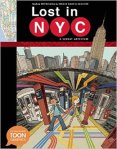
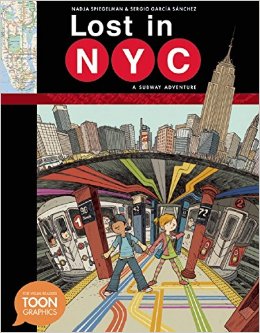
Lost in NYC

Lettycia: Lost in NYC: A Subway Adventure, a TOON Graphic release written by Nadja Spiegelman and illustrated by Sergio Garcia Sanchez. It tells the story of a group of kids on a New York City field trip. Things go haywire when Pablo gets separated from the rest. This title will also be released in Spanish. At TOON Books, get a glimpse of the stunning illustrations. Cesar_Chavez_Cover
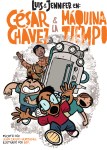
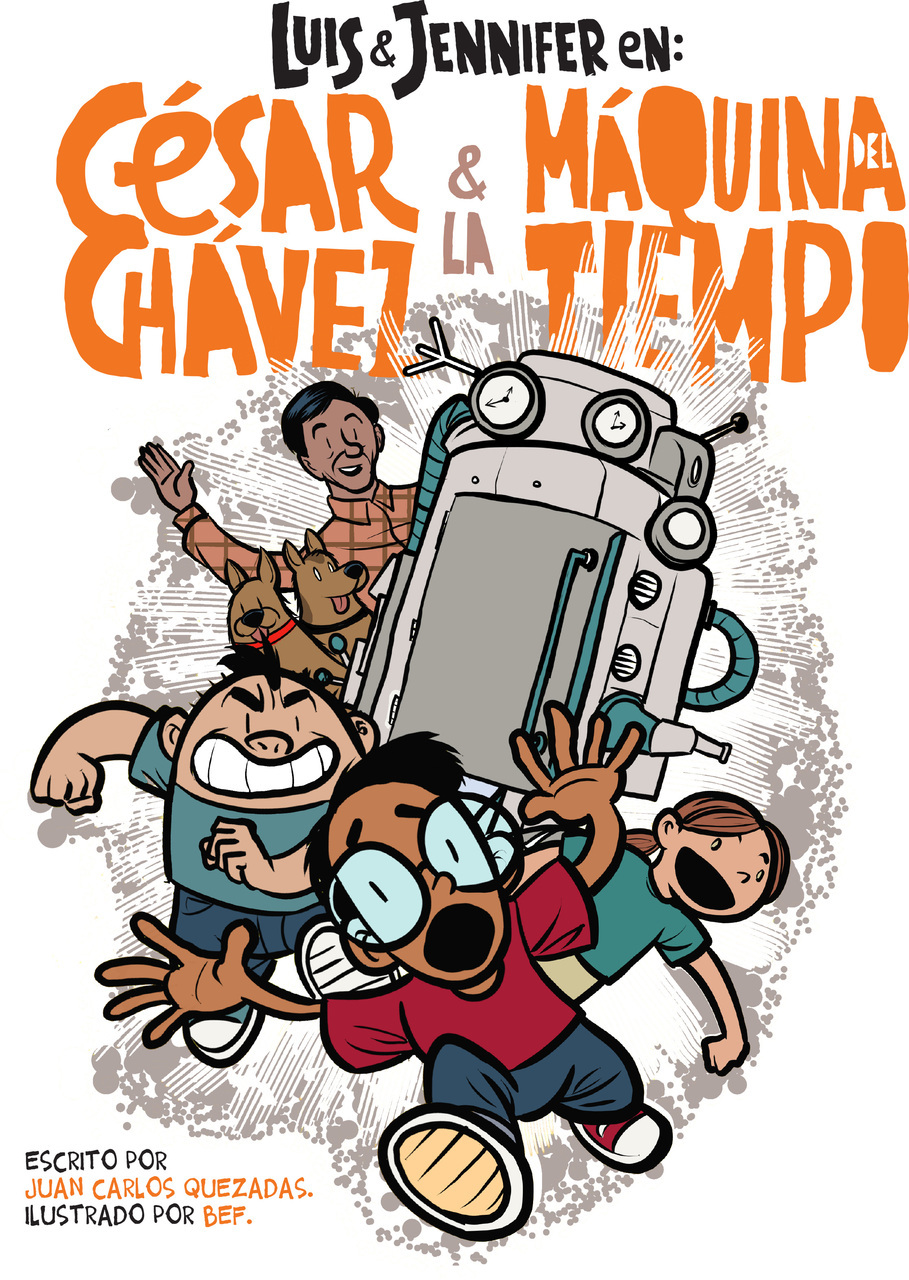
Lettycia: Luis y Jennifer en: César Chavez & la máquina de tiempo, by Juan Carlos Quezadas and Bernardo Fernández. Written in Spanish, this book follows time travelers to 1966, where they encounter adventures in the vineyards of California during the height of César Chavez’s campaign. For purchasing information, go to LA Librería.
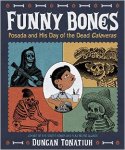
Funny Bones

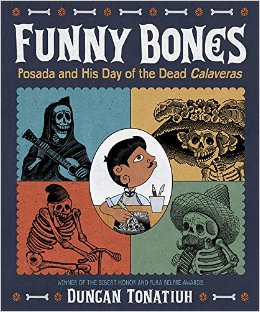
Sujei: Funny Bones: Posada and His Day of the Dead Calaveras, by author-illustrator Duncan Tonatiuh. Here, Tonatiuh lends his artistic power to the amazing story of the 19th-century Mexican artist José Guadalupe Posada, whose calavera drawings have become synonymous with El Día de los Muertos. For more information, see Abrams Books.

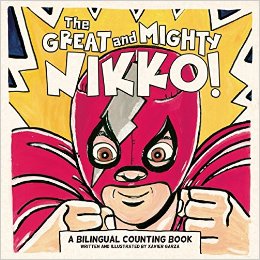
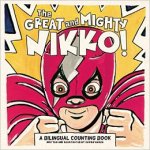
Sujei: The Great and Mighty Nikko! A Bilingual Counting Great and Mighty NikkoBook, written and illustrated by Xavier Garza. It’s bedtime, but Nikko must first wrestle masked luchadores! How many of them are there? Uno, dos, tres…Learn more at Cinco Puntos Press.
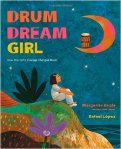
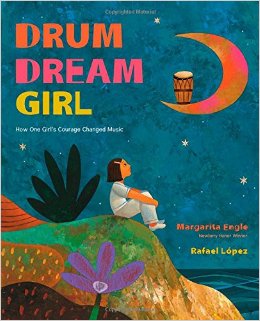
Drum Dream GirlThree of our contributors chose Drum Dream Girl: How One Girl’s Courage Changed Music, written by Margarita Engle and illustrated by Rafael López. It’s based on the true story of Millo Castro Zaldarriaga, a young Cuban in the 1930s who defied the social stigma against female drummers. Marianne says, “I’ll read anything that Margarita Engle writes and Rafael López’ illustrations are sumptuous.” Cecilia and Sujei feel much same, and apparently, so does Kirkus!


2. Oldies, but goldies! Which classic book do you wish every kid would read?

taste_of_the_mexican_market_sml

Marianne: El gusto del mercado mexicano/ A Taste of the Mexican Market, by Nancy María Grande Tabor. Marianne: “This book beautifully weaves together math, science, and culture as the author takes readers on a tour of a traditional Mexican market.” For a peek at the gorgeous interior of this award-winning book, go to the official Charlesbridge page.
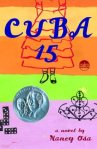
Cuba 15Cecilia: Cuba 15, by Nancy Osa. Nudged by her grandmother, a Cuban-American girl reluctantly dives into preparations for her quinceañera. Click here for more information on this multiple award-winner.
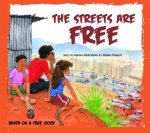
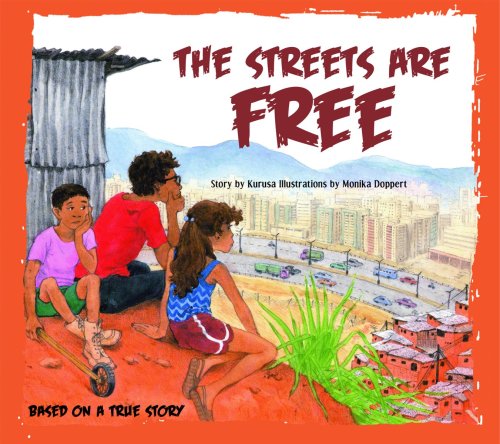
Streets are freeSujei: The Streets are Free, by Kurusa. Kids in a Venezuelan barrio realize that if they’re ever going to get a playground, they’ll have to build it themselves. This inspiring book is based on a true story. Learn more at Scholastic.


3. Is there an adorable picture book you’d like to remind readers about? 
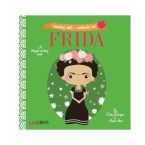
Counting with FridaSujei: Counting with Frida/Contando con Frida, by Patty Rodriguez and Ariana Stein. It’s a bilingual board book from Lil’ Libros that employs images inspired by the Mexican painter Frida Kahlo to teach counting. Looks irresistible!
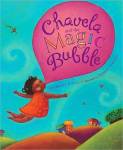
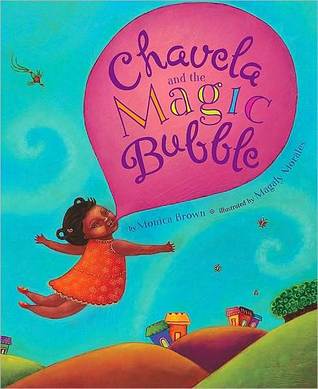
ChavelaMarianne: Chavela and the Magic Bubble, written by Monica Brown and illustrated by Magaly Morales. This book takes readers on a magical ride to the sapodilla tree, the source of chicle, essential to the manufacture of chewing gum. “You can’t go wrong with colorful illustrations, magic realism, a sweet family story, and bubble gum,” Marianne explains. Check out this review on La Bloga.

Knit TogetherCecilia: Knit Together, by Angela Dominguez. It’s the story of a collaboration between a knitting mom and a daughter who draws. The adorable illustrations pay tribute to the textures and colors of yarn. See more on Angela’s website!


4. Everybody has at least one fabulous book on their must-read list. What’s yours? 
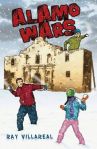
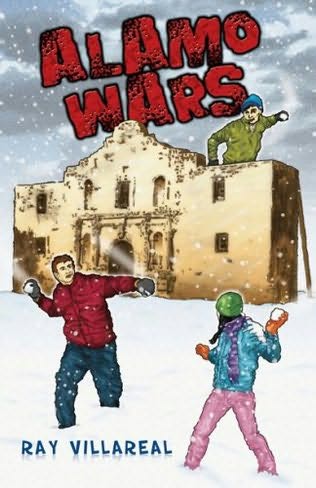
Alamo WarsMarianne: Alamo Wars, by Ray Villarreal. “I’m immensely interested in Texan history and multiple perspectives (Tejano, Mexican, Anglo) about historical events, and this middle-grade book tackles those topics by exploring how a school struggles to address controversial representations of the past when they put on a play about the Battle of the Alamo. Should be fascinating!” Here’s the book’s page on Amazon.
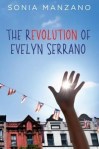
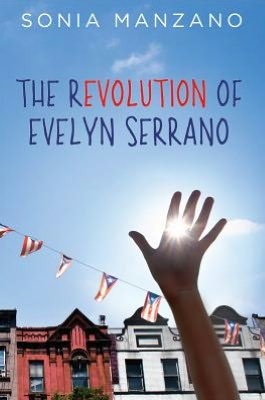
Evelyn overSujei: The Revolution of Evelyn Serrano, by Sonia Manzano, of Sesame Street fame. Evelyn is a Puerto Rican girl living in New York City’s Spanish Harlem, and coming of age just as the activist group known as the Young Lords is creating literal and political heat in the barrio. Read the Latin@s in Kid Lit review here.

5. Which book have you found impossible to put down? In fact, you’re sure somebody should make a movie of it!
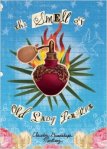
Smell of old lady perfumeMarianne: The Smell of Old Lady Perfume, by Claudia Guadalupe Martinez. She says, “Martinez’ novel addresses subjects like family, loss, and friendship with grace, warmth, and understanding, and reading it felt like coming home.” This novel garnered a long list of honors for its portrayal of a young girl whose life in a Texas border town undergoes upheaval when her father suffers a stroke. Read more on the Cinco Puntos site.
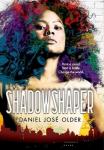
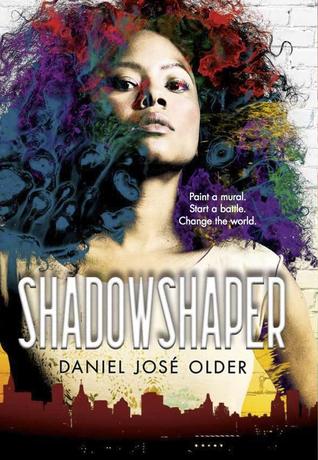
ShadowshaperCecilia and Sujei both got hooked by Daniel José Older’s debut YA novel, Shadowshaper– a mystical fantasy thriller starring Sierra Santiago, a 15-year-old Brooklyn girl of Afro-Caribbean heritage with supernatural connections. Publishers Weekly gave it a solid thumbs up.
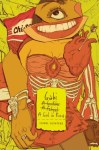
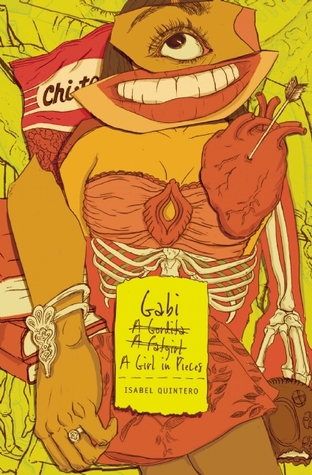
Gabi A GirlSujei: Gabi, a Girl in Pieces, by Isabel Quintero. The author took the book world by storm in 2014, crafting her main character through strongly voiced and often humorous diary entries. Gabi is a Mexican American high school girl whose friendships, romantic crushes and family troubles create a dramatic mix. Here’s our book talk.
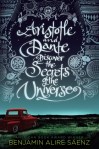
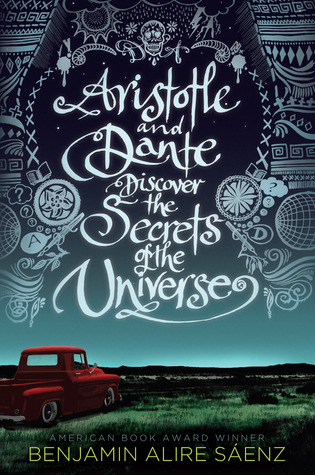
AristotleFor this category, Lettycia seconded the nomination of Gabi and also chose Pura Belpré winner Aristotle and Dante Discover the Secrets of the Universe, by Benjamin Alire Saenz. It’s the moving story of the tight friendship and blossoming romance between two Latino boys. Here’s our review.

6. And now for the “wild card”– a category of your making. 
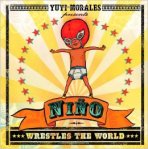
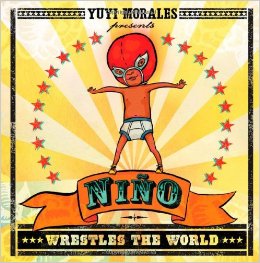
Niño wrestles the worldCecilia is ready to turn two recent books into plays–Niño Wrestles the World, by Yuyi Morales, and Drum Dream Girl, discussed above. Niño Wrestles the World is one of the most celebrated picture books in Latin@ children’s literature. Click here to read Sujei’s review and here, for Lettycia’s examination of the story’s fable elements.
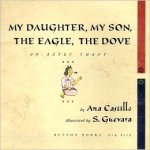
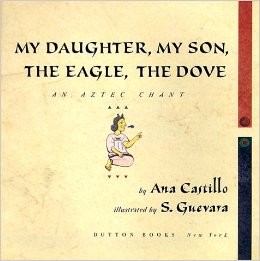
My daughter my sonLettycia described her “wild card” choice as the “best book for parents to read with their kids.” It’s My Daughter, My Son, The Eagle, The Dove, written by Chicana poet Ana Castillo and illustrated by Susan Guevara. The book celebrates milestones in a child’s and family’s life. It’s an homage to traditional Aztec chants and includes art inspired by Aztec culture. See it at Barnes and Noble.
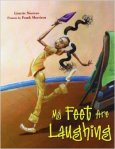
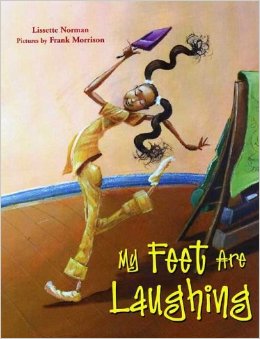
My feet are laughingThe final wild-card suggestion is in the category of poetry. In Sujei’s words, My Feet Are Laughing, by Lissette Norman, is “a poetry book that celebrates family and life in the city.” Sadie, the main character, calls New York City home. The poems highlight Dominican American life in the neighborhoods of Harlem. Here’s a review from Rhythm, the Library Dog!


For additional suggestions, check out this reading list from Edi Campbell and friends. It’s built around diverse books of all types, not just Latino reads. And at Latinas 4 Latino Lit, take advantage of a summer reading program designed especially for Latino families.

Meet our contributors:

Cecilia Cackley is a performing artist and children’s bookseller based in Washington DC, where she creates puppet theater for adults and teaches playwriting and creative drama to children. Cecilia’s interests include literacy, immigrant advocacy and bilingual theater.

Sujei Lugo has studied and worked in children’s library services in Puerto Rico and Massachusetts, where she is currently working toward her Ph.D. in Library and Information Science from Simmons College.

Marianne Snow is a doctoral student at the University of Georgia, where she researches Latin@ picture books, representations of Latin@ people in nonfiction children’s texts, and library services for Spanish-speaking children and families.

Lettycia Terrones serves as the Education Librarian at the Pollak Library at California State University, Fullerton. Her research interests are in Chicana/o children’s literature and critical literacy.




Mixed Up: Author Kim Baker Navigates a Bicultural Narrative

By Kim Baker

I’m bicultural. My grandparents on my mom’s side eloped and migrated from Mexico to New Mexico where they had babies and my grandpa worked in the coal mines until, lungs destroyed, they moved again to East Los Angeles for better weather. My uncle can tell you about how cramped it was with all the kids in the backseat. Sunshine couldn’t save my grandpa, but most of my family is still around the area. My dad is Anglo and from Texas. His side of the family has been in the states so long, nobody knows for sure from where they originally migrated. So, like lots of people, I’ve got a mixed ethnicity. Culture is a weird thing. It’s shared customs and distinct experiences. I’m ridiculously pale, and I have my husband’s surname so people are often surprised to hear about my Mexican heritage. When people do find out (and I’m pretty open about it), sometimes we play stereotype bingo and they ask questions to see if I meet their preconceived qualifications (Do I have a big family? Yes. Do I like spicy foods? …Yes. Do I listen to mariachi? Please stop.).

I consider myself Latina, and proud. This is me, the grouchy one covering her face in front, with a small portion of my family. My cousin Joey is mortified that I share this picture because he is self-conscious about how much leg he’s showing in those cutoffs.

Maciasfamily

Now I feel guilty about sharing it, so I will also tell you that later that day I threw up an Orange Julius at the mall and tried to hide it under a t-shirt rack. That’s worse than knobby knees.

When I was a lonely kid, books were my escape. I never really saw myself in books until I was older. There’d be bits in stories here and there (e.g. A kid in the book loved horses, and I was a horse nut. Harriet was overly curious about people? Me, too!). And maybe, in part, because of how I didn’t see myself as a whole in books as a kid, I often feel different and separate from those around me. Feeling abnormal in itself is a pretty shared understanding (We’re ALL weirdos!), but having a bicultural identity certainly magnifies the experience. Granted, I was getting most of my books from a Wyoming library that underestimated its Latino population by at least a few, so there were probably more stories out there than I wasn’t finding.

I grew up in Wyoming, where I could count the other non-Anglo kids at my school on one hand. My mom missed her family, missed the sunshine, missed seeing people like her, so we’d drive to East L.A. in the summertime to visit. My grandma and aunts would make all of the foods we couldn’t get in Wyoming and bring my favorite orejas from the panadería. Some of my cousins would tease me about my pale skin (I look just like my dad.), so I’d sit on the porch and watch my also shy uncle tend his jasmine and geraniums while the rest of the family visited inside. You could hear them laughing all the way down the block. We’d go back to Wyoming and I’d ride horses, trudge through snow, and eat American foods. The taco shells and beans in my hometown grocery store were labeled as “Spanish Foods.” I always felt a bit disconnected and different, no matter where I was. My parents split up and I lived with my mom in New Mexico and California. I was in primarily Latino communities, but still stood apart because of my Anglo features. Kids called me gringa and worse. I read more. My school didn’t have a library, the town didn’t have a bookstore, and the public library’s shelves were pretty spare, but I found what I could. I identified with S.E. Hinton’s The Outsiders being from the wrong side of the tracks, but found nothing about Mexican-American kids or mixed culture kids. I would have been overjoyed to find Isabel Quintero’s Gabi, A Girl in Pieces as a teen.

13170031The protagonist in my first book, Pickle, is straight up Mexican American. The main character in my next novel is a mixed Latino like me, and writing has been a little bit more of a personal journey. I’ve taken a little longer with it, because I want to do it right. There’s so much I want to include, and I’m still working on how much serves the story. I know that there are other writers out there who balance between environments and depend on cultural code-switching to find their way. And there are kids that are looking for those stories, that need them. Books are touchstones. Identity, displacement, and belonging are important themes in middle grade and YA fiction that can reach all readers. The crazy thing about the loneliness of feeling different from our peers is that it’s probably one of our most communal traits. So, as a writer, I’ll continue to write about Latino kids and put little pieces of myself and my world in there. I implore you to do the same. And putting your truth into stories isn’t necessarily autobiographical. I think the best stories come from combining what you love with what you wish there was a story about.

Every kid should be able to find mirrors on the bookshelves, and it’s especially crucial for those of us who might struggle to fit into their worlds. Let’s put more stories out there, because you can’t always tell who might need them.


BakerBWheadshotKim’s debut middle grade novel, Pickle (Macmillan), was a finalist for the 2013 Children’s Choice Awards, Book of the Year (5th and 6th grade), one of Mamiverse’s Top 50 Latino Children’s Books You Should Know, and the recipient of the 2013 SCBWI Crystal Kite West award. She lives with her family in Seattle and can often be found in the woods, despite a chronic fear of bears. Find out more at www.kimbakerbooks.com.
¡Feliz Día!

Feliz Dia


El día de los niños/El día de los libros is an annual celebration of children, children’s books, culture and multilingual literacy, observed across the nation on or around April 30. Día is not limited to a single day on the calendar. It recognizes a year-long commitment by libraries to impart literacy to children of all linguistic and cultural backgrounds. To learn about the history of this special day, visit the author website of Pat Mora. She is the visionary who brought Día to the United States, in collaboration with members of REFORMA. Don’t forget to check with your local public or school library to find out how Día is being celebrated where YOU live! From the Association of Library Service for Children, here’s a peek at what some librarians have in store for their patrons, including our own Sujei Lugo in Boston!

Book Review: Ask My Mood Ring How I Feel by Diana López

16131067By Kimberly Mach

DESCRIPTION FROM THE BOOK JACKET: The only thing I knew for sure was that I had issues. Lots of issues. No wonder my mood ring kept changing! It went from black for tense to pink for uncertain to white for frustrated. I kept waiting to see blue, the color for calmness and peace, but no such luck. With all the craziness in my life, I couldn’t see blue if I looked at the sky.

MY TWO CENTSAsk My Mood Ring How I Feel, by Diana Lopez, is an excellent middle grade novel for a teen book group or for an individual read.

Author Diana Lopez remembers what it’s like to be a middle school girl. Rarely have I read a book that made me feel so connected to my eighth grade self. The excitement, the fear, the boys, the uncertainty of everyone’s confidence, the loyalty of friends, the changing body, Lopez gets it all. On top of that, she shows us that kids deal with real problems, too. Our kids face real problems, like having a parent with cancer.

The book opens with Erica’s (Chia’s) mom buying bathing suits before their summer vacation. Mom shows Erica and her younger sister, Carmen, nine new bikinis. Then she throws the bottoms away. Soon the girls learn their mother has breast cancer and is due to have a mastectomy. Summer vacation plans have changed.

Before the surgery, the family makes a pilgrimage to La Virgen de San Juan del Valle. Each member of the family leaves a special object as an offering, prays for God and La Virgen to help mom, and then makes a promesa.  The promesa is a thank-you promise to God and La Virgen in acknowledgment of their help and healing.

This is where I fell in love with Erica’s character. Erica takes her time deciding what her promesa, or promise, will be. While at the shrine she discovers el cuarto de Milagros, or the miracle room, “where people share stories and make offerings.” It is here where Erica sees a newspaper article and a picture of the Race for the Cure. Erica’s promesa is to walk the 5k and raise money for breast cancer research.

Erica returns to school in the fall to face many challenges in her eighth grade year. Throughout them her mood ring changes color. Erica relies on the ring to tell her what she is feeling instead of listening to her heart. Her friends, the Robins, remain a constant support throughout the story. Erica deals with boys and homework, then goes home and deals with her mother’s illness, all while trying to work on her promesa. Erica takes on the role of an adult covering most of the house chores and taking care of her younger brother as her mother recovers from surgery and then faces radiation treatment. Very quickly Erica starts missing assignments and her grades, especially in math, plummet.  When a counselor calls a meeting with the family at school, Erica finally shares what she has been struggling with. When at last her teachers and her parents are on the same page, Erica gets the help she needs.

The book concludes with Erica and many of her friends completing her promesa. She trusts herself to know and understand her own feelings. She does not rely on her mood ring anymore to tell her how she feels.

TEACHING TIPS: The two most beneficial ways this book could be used are through book talks and book clubs. If a teacher or librarian book talks this book, students will gravitate toward it. Most of the readers will be girls, but I think that’s what it’s designed to do. Even as an adult reading it, I felt the same kinship and recognition I had felt when I read Are You There God? It’s me, Margaret when I was eleven years old. It’s about a girl growing and changing and dealing with the trials of middle school. The only difference is that students will also recognize the struggle of a family dealing with cancer, and we get characters from diverse backgrounds, which all our children need.

The second way I see this book being effective is for a teen girl book club. Again, the driving force for me was the honesty with which Erica (Chia) looked at her friends, her family, and her challenges with school. All girls will recognize this. They will see themselves and their friends in this book.

In a Social Studies and Language Arts classes, teachers can use the book as a launching point for their own students’ service projects as well as a geographic study of San Antonio. You may visit the church of La Virgen de San Juan del Valle on line at http://www.olsjbasilica.org/  There are links to the history of the church, as well as information on pilgrimages and pictures of the basilica – including the mural that Erica describes seeing.

Teachers may even create math problems from the book. How much money did Erica raise? How much do local teams in Race for the Cure raise? Was Erica’s achievement similar to this or greater?

An awareness of breast cancer and the organizations that raise money for research may also be used in an extension of science curriculum.

ABOUT THE AUTHOR: You may visit the author website for Diana Lopez at http://www.dianalopezbooks.com/Home_Page.html She does have teacher resource links for her middle grade novel Confetti Girl and her young adult novel Choke. (None were listed for Ask My Mood Ring How I Feel at the time of this writing.) A talented writer living in Texas, Lopez has two writing awards under her belt. She spent time teaching at the middle school level and currently teaches at the university level. She continues to find stories in the pages of life and we look forward to reading more!

FOR MORE INFORMATION about Ask My Mood Ring How I Feel, visit your local library or bookstore. Also check out IndieBound.orgWorldCat.orgGoodreadsAmazon, and Barnes & Noble.


Kimberly Mach (2)Kimberly Mach has been teaching for sixteen years and holds two teaching certificates in elementary and secondary education. Her teaching experience ranges from grades five to twelve, but she currently teaches Language Arts to middle school students. It is a job she loves. The opportunity to share good books with students is one that every teacher should have. She feels privileged to be able to share them on a daily basis.