Growing Up Cuban: Laura Lacámara and Meg Medina

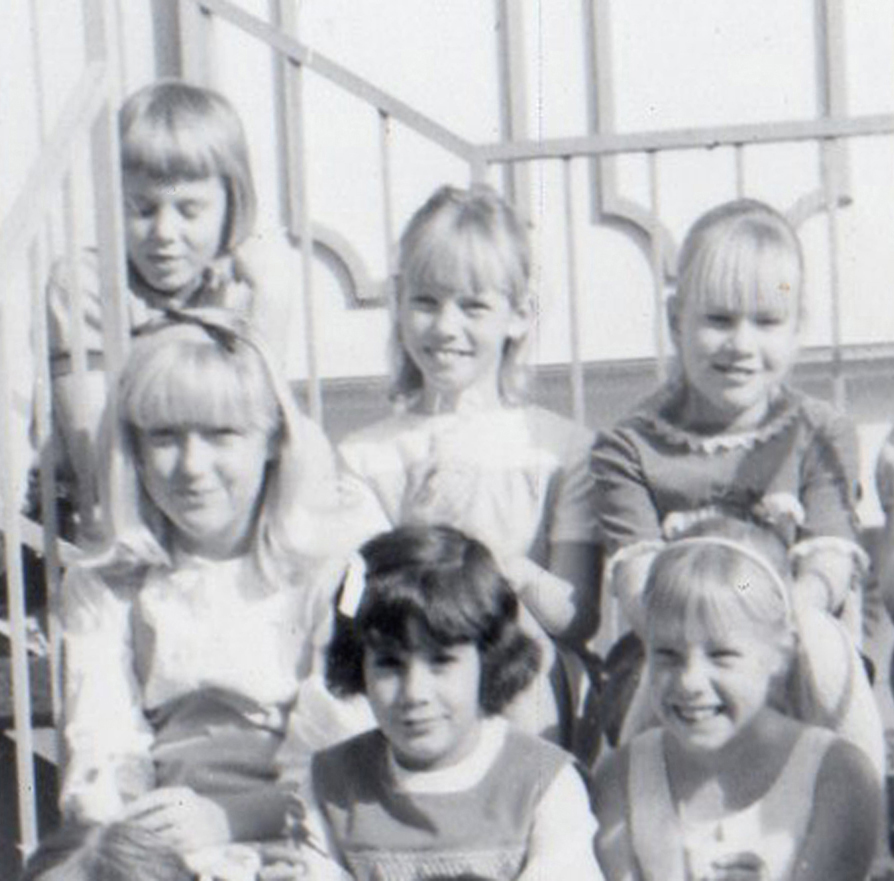
Photo of me & blond girls from class

My Cuban Evolution

By Laura Lacámara

Growing up Cuban-American in suburban Southern California, I teetered back and forth between feeling different, like I didn’t belong, and feeling exotic and special.

The feeling different part came mostly when I was little.

We spoke Spanish at home, while all my friends spoke English.

We ate lechón (roast pork), black beans, and plantains on Christmas eve (nochebuena), instead of turkey, stuffing, and yams on Christmas night.

Then, there was that same embarrassing question asked by all my friends who came over to the house: “Why are your parents fighting?”

“They are not,” I would respond, “they are just talking about what they want for dinner.”

In high school, being Cuban meant getting an easy “A” in Spanish. By the end of high school, being a Spanish-speaking Cuban had gone from totally embarrassing to super cool. I was the “exotic” one among my group of white suburban friends. (I knew I wasn’t really exotic, but I didn’t contradict them because I liked feeling special!)
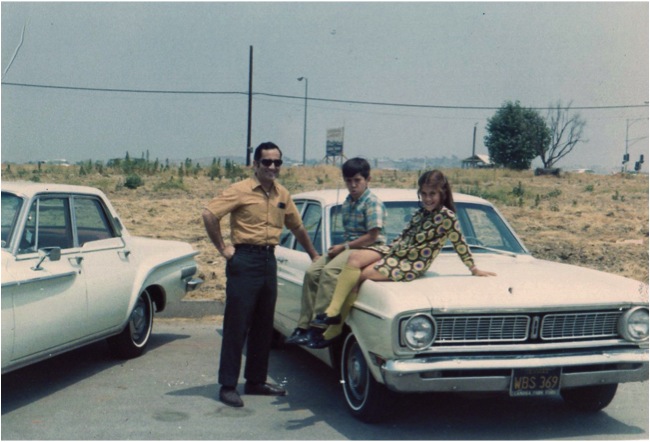
Me on hood of carFinally, in college, came exploring my roots, and ultimately embracing (and being proud of!) my Cuban-American identity.

Of course, the whole Cuban roots and identity thing comes with the inevitable responsibility to comment on Fidel Castro.

So, when asked that obligatory question by my white, non-Cuban friends: “Don’t you think it’s great that Castro’s revolution has given every Cuban citizen access to a pair of shoes and an education?”

Rather than launching into a big political discussion about the whole embargo thing (which I am totally in favor of lifting, by the way), I now offer the following joke:

“Comrades, what are the three great successes of the revolution? Healthcare, education, and sports. What are the three failures? Breakfast, lunch, and dinner.”

Politics aside, being Cuban remains a very personal thing for me. Sometimes it has felt like missing pieces I can only catch glimpses of here and there, but never quite own.

As a Cuban-American author writing stories inspired by growing up in my Cuban family, I’ve been able to explore some of these pieces and the quality of what Cuba, or being Cuban means to me.

Yes, I have lived in the U.S. most of my life, and I can express myself (verbally and on paper) better in English than in Spanish.

But, deep-down, that Spanish-speaking part of me, the one that finds “home” in a plate of black beans and rice with a slice of my mom’s homemade flan, will always be Cubana!
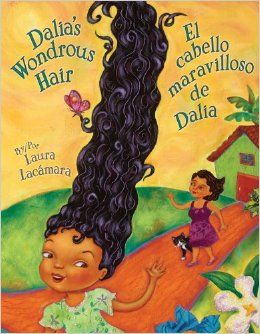
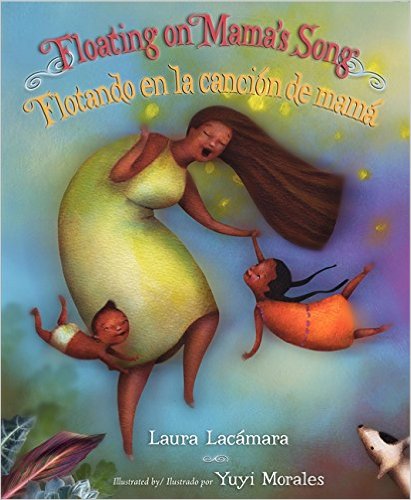
Dalia Cover    Floating

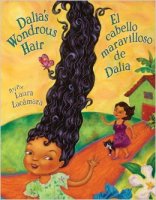
Laura_photo_2015-300 dpiCuban-born Laura Lacámara is the award-winning author and illustrator of Dalia’s Wondrous Hair / El cabello maravilloso de Dalia (Piñata Books), a bilingual picture book about a clever girl who transforms her unruly hair into a vibrant garden.

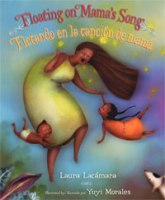
Laura also wrote Floating on Mama’s Song / Flotando en la canción de mamá, a bilingual picture book inspired by her mother, who was an opera singer in Havana. Illustrated by Yuyi Morales and published by HarperCollins, Floating on Mama’s Song was a Junior Library Guild Selection for Fall 2010 and was a Tejas Star Book Award Finalist for 2011-2012.

You can learn more about Laura’s work at her official website.


Cheeseburger by Day, Guayaba by Night
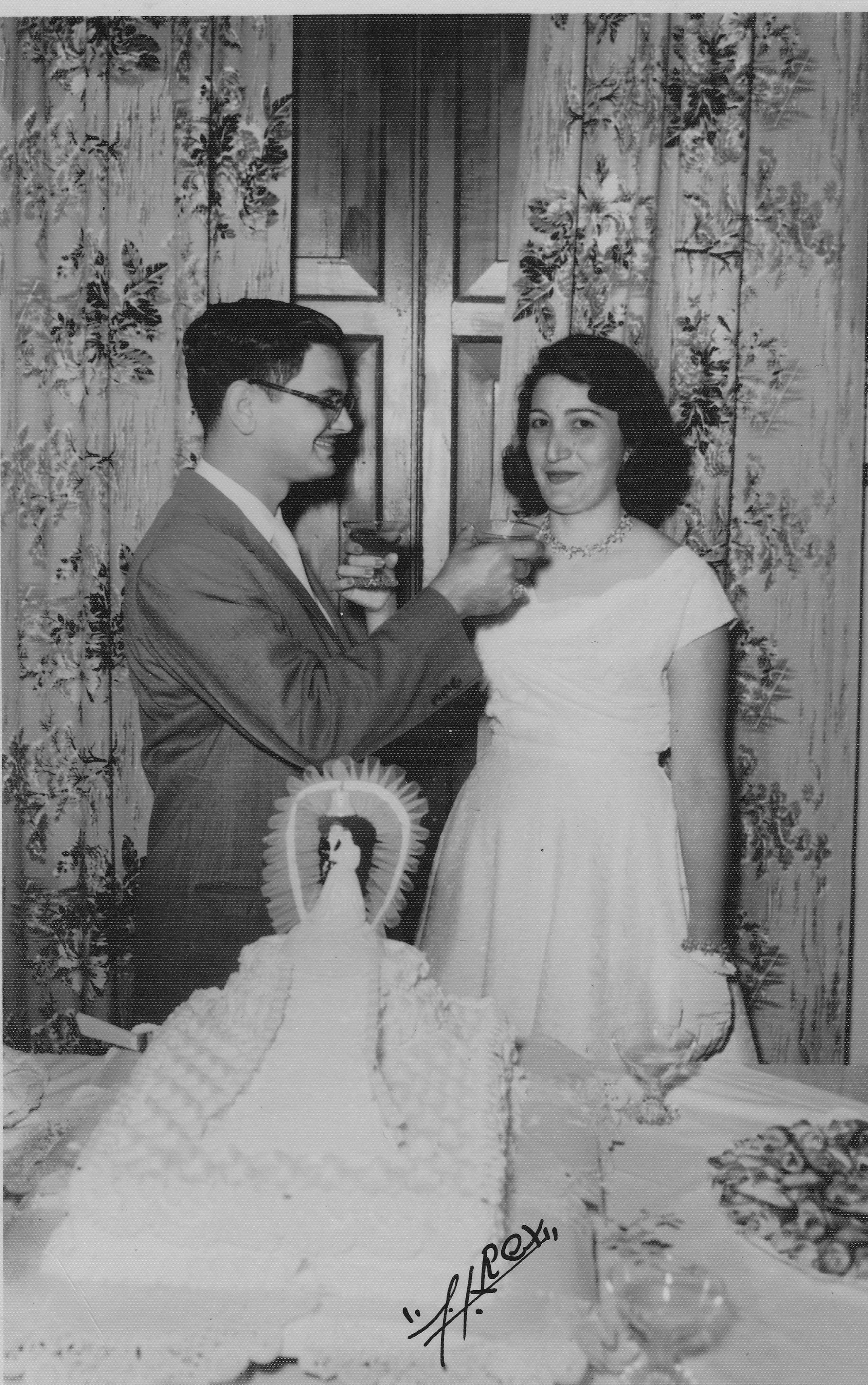
Juan Medina and LIdia Metauten wedding_NEW copy

Meg Medina’s parents at their wedding

By Meg Medina

My parents left Cuba as part of the political exodus in the early sixties. I was the first person in my family born in the United States. I learned Spanish from my mother and English from Romper Room. I grew up biculturally: Cheeseburger by day, guayaba by night, so to speak. All to say that I find that I am Cuban to Americans. To Cubans, I am from the US.

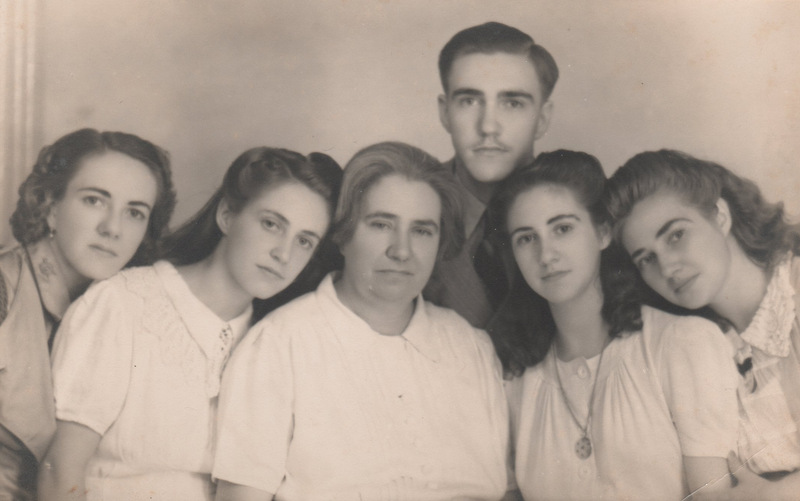
When I consider Cuba, I can only rely on black and white photos and on dreamlike stories – perhaps even the obsessions – of my family. I cut my teeth listening to yarns about a place where you wore only a sweater in the winter, where mangos the size of softballs were heavy with sweetness. It was a place of rivers and beautiful ocean waters where you could see your toes. It was the place of tobacco on their fingertips, a place where my family was happiest and the place that broke their hearts.
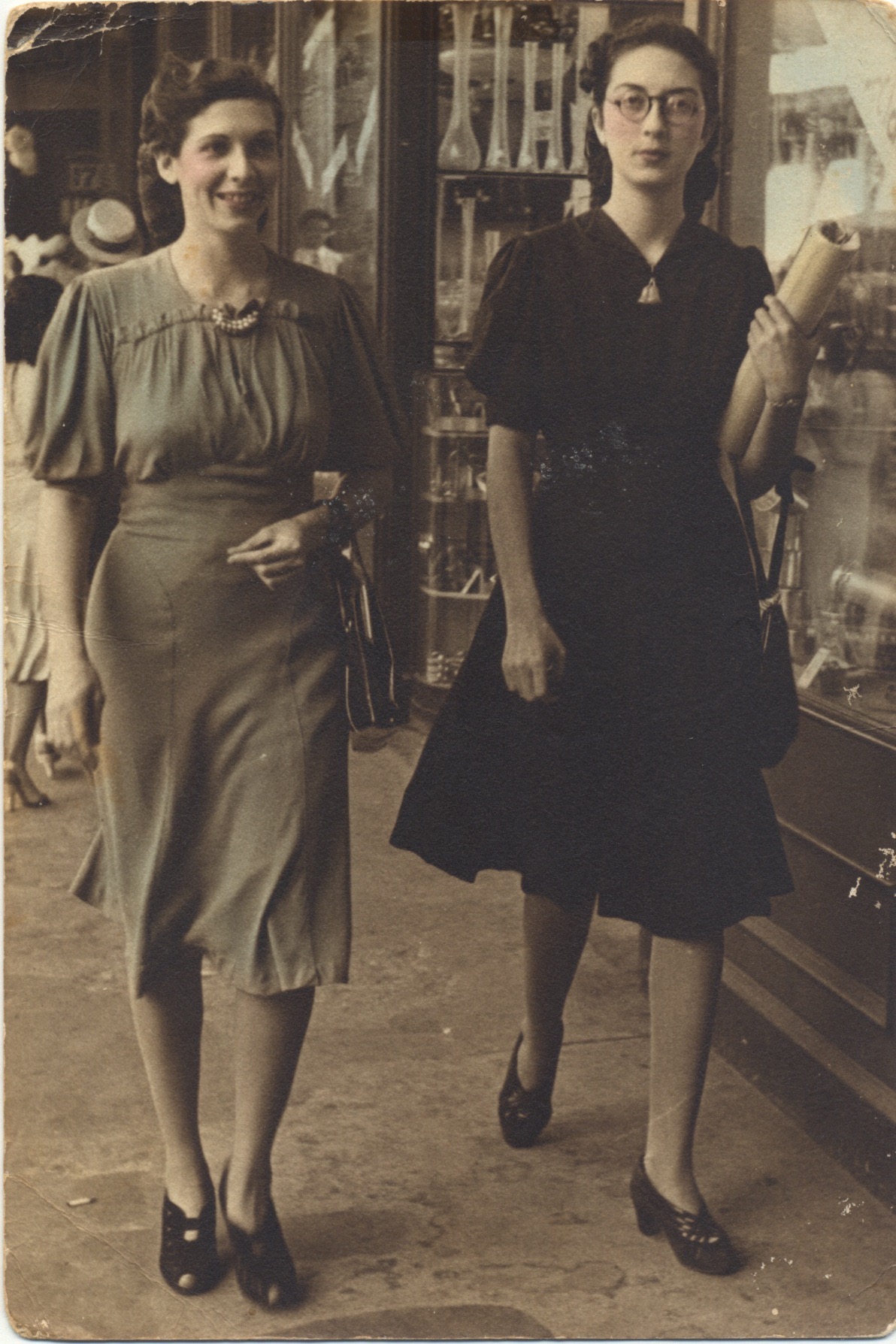
Image 7

Two of Meg’s relatives on the streets of Havana

My own memories are these: Months of waiting for letters to arrive on thin airmail paper and my aunt’s voice reading the words aloud. A box of old photographs that arrived decades later, the images bored through by insects, and how those photos made my old mother cry. The odd catch in my chest when I see how dire need somehow got recycled into kitschy tourists waving from the seats of classic American cars.

People often ask: “Have you been to Cuba?”

I have never set foot on the island, but in a way, I have been there every day of my life. But how do we talk about Cuba as phantom limb? And, more important, how do we knit ourselves back together – los de aquí y los de allá – and move forward in search of new and better times?
 MANGO_jacket_for_Meg  Tia Isa

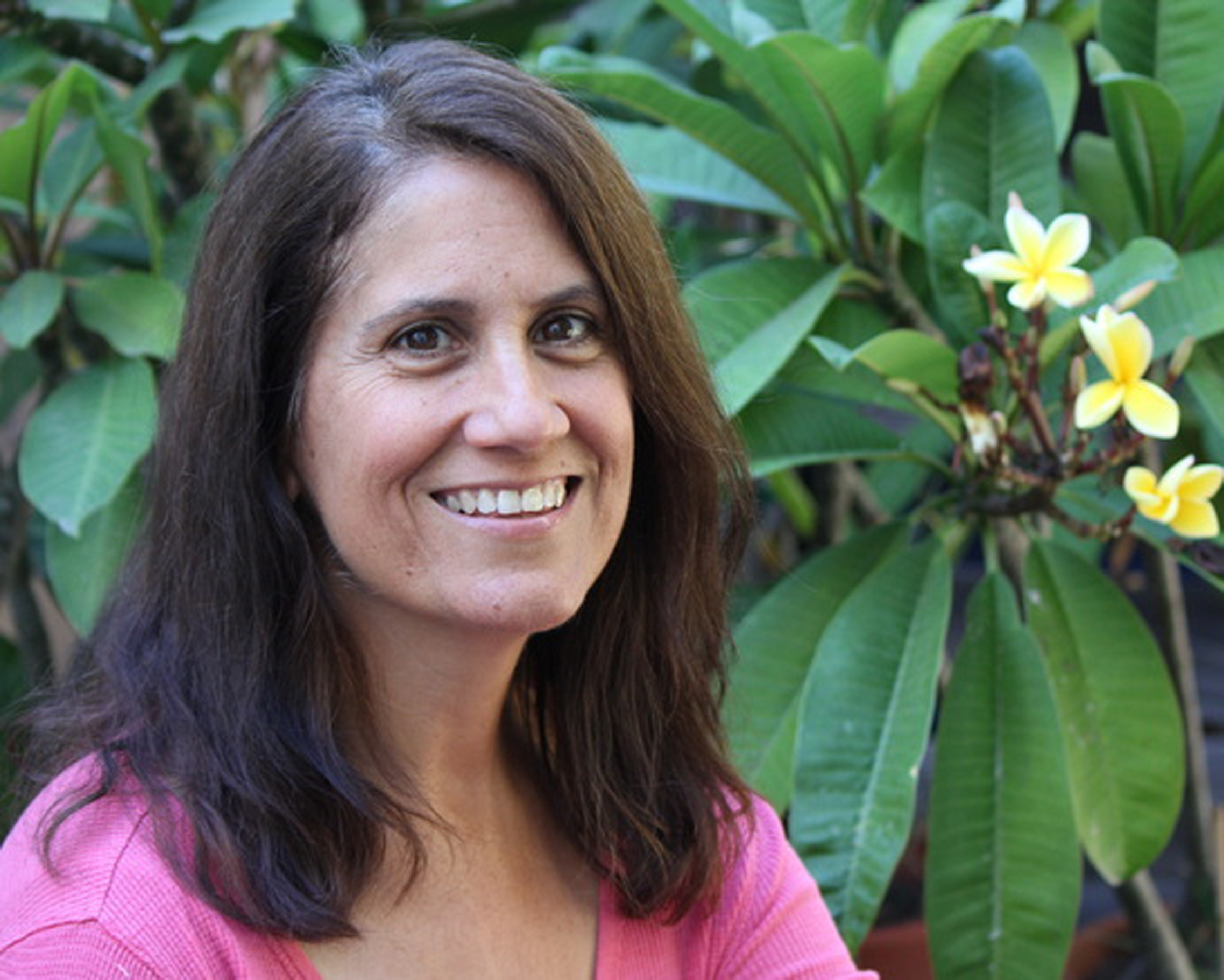
ad6df-yaquiMeg Medina is an award-winning Cuban American author who writes picture books, middle grade, and YA fiction.

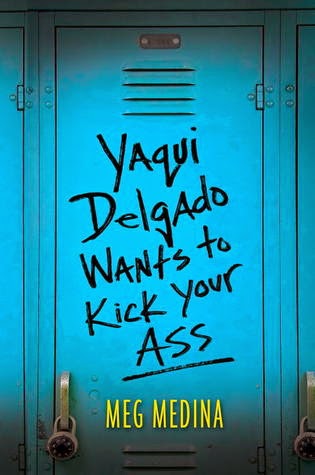
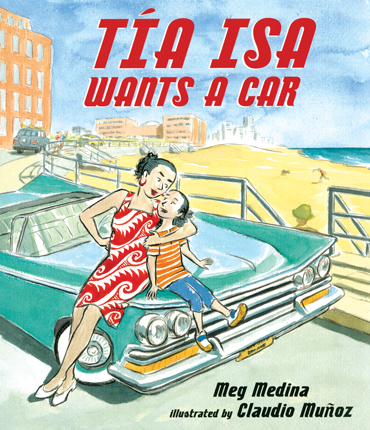
She is the 2014 recipient of the Pura Belpré medal and the 2013 CYBILS Fiction winner for her young adult novel, Yaqui Delgado Wants to Kick Your Ass. She is also the 2012 Ezra Jack Keats New Writers medal winner for her picture book Tia Isa Wants a Car.

Photo credit: Petite Shards Productions

Petite Shards Productions

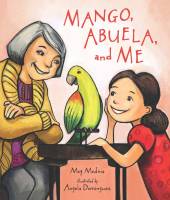
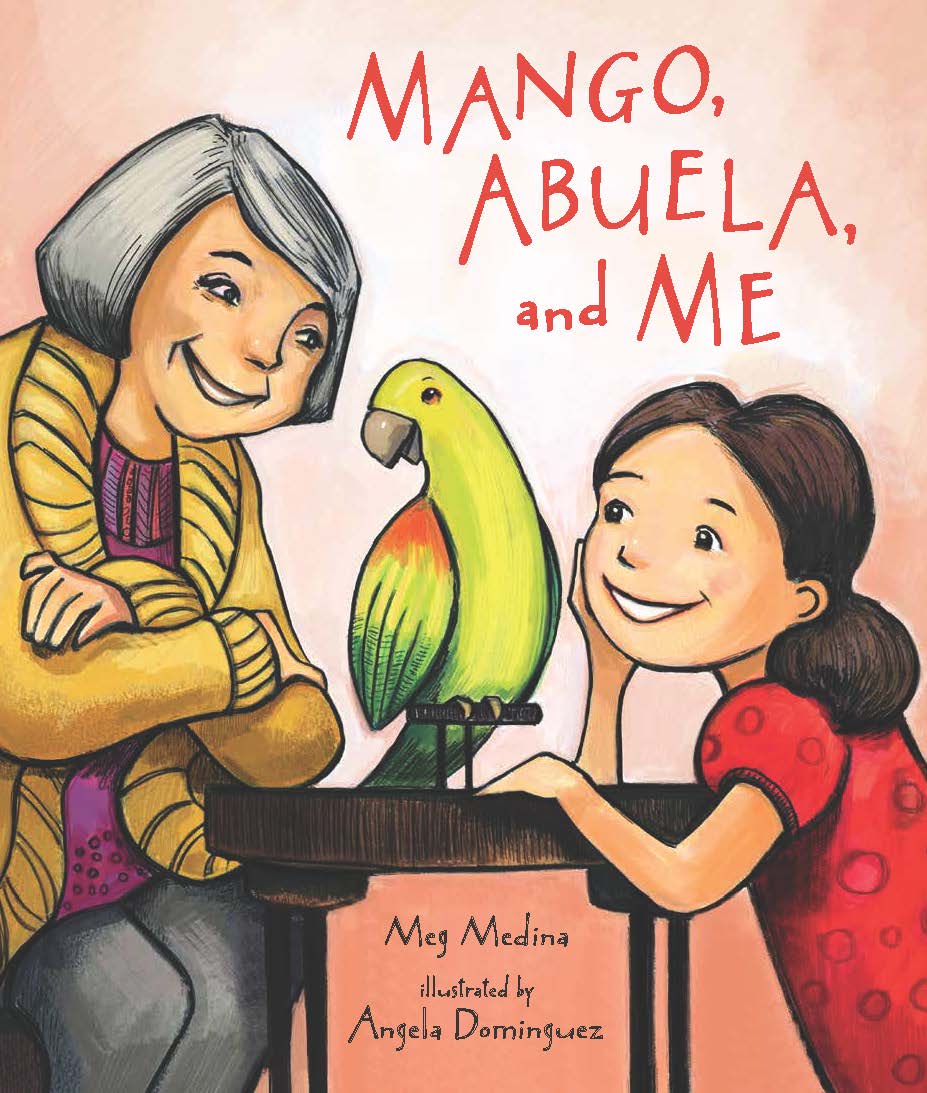
Her most recent picture book, Mango, Abuela, and Me, a Junior Library Guild Selection, has earned starred reviews in Booklist and Publishers Weekly, and  is included in the 2015 American Booksellers Association’s Best Books for Young Readers Catalog.

Meg’s other books are The Girl Who Could Silence the Wind, a 2012 Bank Street Best Book and CBI Recommended Read in the UK; and Milagros: Girl From Away.

Read a wonderful write-up on the Cuban inspiration of Meg’s newest book, Mango, Abuela and Me, at her blog, where you can also find information on her speaking schedule and much more.
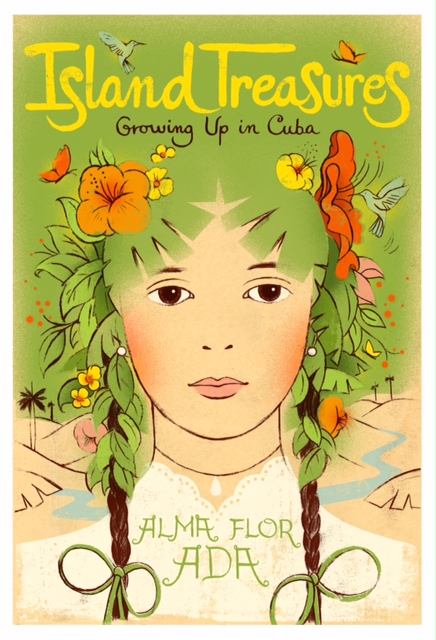
Alma Flor Ada: Always Cuban


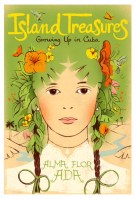
Island Treasures FINAL ART“Yo soy un hombre sincero

  de donde crece la palma…”

   –José Martí

During most of my life I have lived outside of Cuba, as part of the Cuban Diaspora, yet my being continues to be rooted in the fertile island where I was born and where I lived as a child, an adolescent, and a young woman.

AFA with braids

Alma Flor

In 1958, during the Batista dictatorship, my father’s dream of helping low-income families own their own homes was thwarted when the soldiers who had bought some of the accessible yet solid houses he had built with such care, refused to make their mortgage payments. Trying to find a solution, my father met with the garrison’s commander. Instead of support, he received a frightening threat that led us to flee to Miami.

At that time, Miami did not have the Latino presence it has today. As I wanted to study Spanish and Latin-American literature, I begged to go study in Mexico City. I was fascinated by the artistic and literary achievements of post-Revolutionary Mexico. However, my parents did not feel comfortable sending me to a country where we knew no one. Instead, they suggested I go to Spain, where my mother had relatives.

Spain became the third country where I lived. While the Franco regime imposed many limitations, I was immensely fortunate to be mentored by some extraordinary professors, Elena Catena, don Alonso Zamora Vicente, and doña María Josefa Canellada, who helped channel my thirst for learning. I will always be grateful for their teaching and their example.

A set of unexpected circumstances led me to Perú, which became the fourth country where I lived. In Cuba, I had delighted in being my parents’ daughter; in Perú I became a mother. In Cuba, I had absorbed my family’s commitment to education; in Perú, I became a teacher. In Cuba, I had learned the key role of education in striving for social justice; in Perú, I studied Paulo Freire’s words and became actively concerned with social issues.

While in Perú, I finished my doctorate degree. The topic of my dissertation led to an appointment as a research scholar at Harvard. There I experienced an exciting cultural milieu comprised of distinguished authors and artists who had left Spain after the Spanish Civil War, including the poet Jorge Guillen. Later, after two years in Lima, I returned to the United States with my children and became involved in several grassroots movements on behalf of social justice and education.

Each of these four countries left a profound imprint on me, as I learned to understand their different worldviews, to enjoy their colors and fragrances, and to love their people. I also learned to rebel against the unjust social conditions suffered by many in each of these places, and also, to admire the resilience, fortitude and creativity of the majority of the people I met, wherever I lived. But always, as the backdrop to all these life experiences, my memories of Cuba continued to nourish my deepest soul.

Top

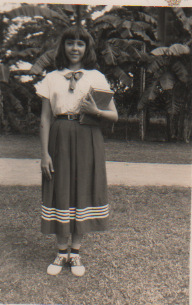
Alma Flor in teen years

As a child, some of my best friends were trees. In the large overgrown gardens of the old historical house where I was born, many different kinds of living creatures inspired me to learn to observe and respect nature. Our colonial city was a microcosm of the larger world; there I learned to listen to those around me and reflect on what I heard. From my family, I learned the values of caring and compassion; kindness and generosity; friendship, knowledge, and justice.

The overgrown gardens have expanded and today I consider the whole planet my home. I continue to marvel at its richness and diversity, including the daily miracles of flower petals and bird feathers. I especially attempt to not remain indifferent to any human experience. Yet, no matter how far my circle of interest may expand, I never feel far from my roots; on the contrary, it is through being nurtured by them, that I can open my heart to everything else.

I learned about immigration from my own family. Both of my grandfathers had immigrated to Cuba from Spain. They each made great efforts to contribute to their new homeland and to defend freedom of thought. My maternal grandfather, Medardo Lafuente Rubio, used his talents for self-expression as a poet, public speaker, educator, and journalist to promote universal human values. During the despotic dictatorship of Machado, he was incarcerated for defending freedom in his newspaper. His time in prison greatly damaged his health and he died not long after his eventual release. My paternal grandfather owned a newspaper and also one of the earliest radio stations in Cuba. His words, whether written or spoken, always defended the value of free independent thinking that had been crushed in his county of birth by Franco’s dictatorship.

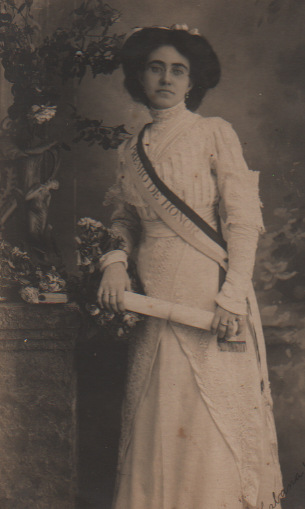
My grandmother on her graduation as a teacher

AFA’s grandmother at graduation from teaching school.

My maternal grandmother, Dolores Salvador, was the strongest influence in my life. Losing her when I was very young filled me with profound nostalgia. In response to the pain of this loss, I sought to protect and nurture my memories of her, as one would a tender plant. And thus I became a storyteller, sharing my stories again and again, sometimes orally, other times in writing, often in silence.

The feelings arising from my own experiences have inspired much of my writing. Even one of my more recent books, Love, Amalia, co-authored with my son Gabriel Zubizarreta, is rooted in the memory of losing my grandmother. Another source of inspiration has been the desire to continue to savor my own children’s childhood.

image

AFA’s grandmother, surrounded by her children


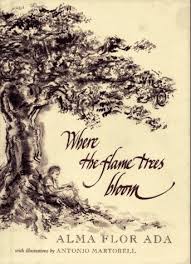
I often remind teachers to encourage children to write, as each child has a unique perspective to share. I am very grateful to an editor of The Hungry Mind who many years ago, asked me to contribute one real-life childhood story for his publication. In response, I wrote my first three real-life stories and submitted them to him. He told me kindly that, while he could only publish one, he wanted to encourage me to write a few more. And thus, Where the Flame Trees Bloom was born.

It took the additional encouragement of my dear friend Antonio Martorell, an inspired artist and illustrator, to continue writing the childhood memoirs that became Under the Royal Palms, and which received the Pura Belpré Medal in 2000. More recently, when Simon & Schuster decided to re-print both of these books under one cover, Emma Ledbetter, my supportive editor, welcomed the idea of also including some new stories from my growing-up years in Cuba. Thus Island Treasures has come to be.

Flame TreesRoyal Palms

Like the mountain springs in Tope de Collantes, in Cuba, whose currents of clear cool water never stop running, all of our memories hold an endless number of sensations, feelings, faces, flavors, aromas, textures, and emotions, if only we are willing to turn inward, to welcome and honor them in some way. It is my hope that as I share my stories with you in Island Treasures, your own awareness of the people who have enriched your life and the moments that have helped shape who you are, will deepen. May you welcome and value your own stories as an intrinsic part of who you are, dear reader, while also rejoicing in who you have become.


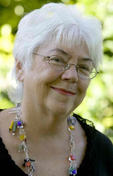
Alma Flor AdaAlma Flor Ada has written countless books, most of which do not specify Cuban settings or characters, but which nearly always highlight Latino life. She is an author, educator, scholar, and internationally known speaker. Her life’s work includes advocacy for peace and social justice. A Pro­fes­sor Emerita at the Uni­ver­sity of San Fran­cisco, she is also a for­mer Rad­cliffe Scholar at Har­vard Uni­ver­sity and Ful­bright Research Scholar.

In the world of children’s books, Alma Flor is known for her poetry, narratives, folk­lore and non-fic­tion. She’s the recipient of many prestigious awards, including the Christo­pher Medal, the Pura Bel­pré Medal, the International Latino Book Award, and the Vir­ginia Hamil­ton Award, in recognition of her body of work for children. Learn more at her official website.


Welcome to Cuba Week!


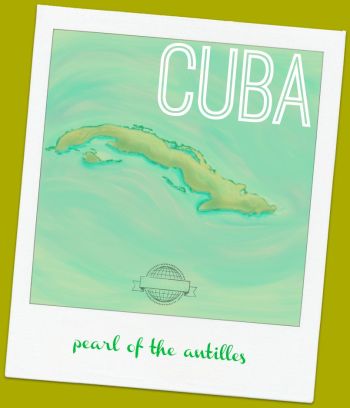
Cuba PearlCuba has been very much on our minds during this year of momentous change and emotional headlines. In a gesture of love and great hope for the Cuban people on both sides of the Straits of Florida, we invited beloved Cuban American children’s writers to speak from their hearts about anything relating to cubanismo. Lucky us: eight authors responded to our invitation with ¡claro que sí!
Guest posts begin tomorrow and continue through next Monday. To whet your appetite, here are some details. You will hear about immigration journeys, life across two cultures, racial identity, remembrances of the Cuba left behind, and the books that sprang from these experiences. Get ready for gorgeous prose from Enrique Flores Galbis; a fresh challenge to publishers from Nancy Osa; nostalgia mixed with humor and biting reality from Guinevere Thomas, Meg Medina, Laura Lacámara, and Christina Díaz González; as well as stirring insights from award-winning poets Alma Flor Ada and Margarita Engle. These authors’ books have enriched young people’s reading lives. For that, and for the perspectives they’ve shared with us, we want to say ¡gracias de todo corazón!
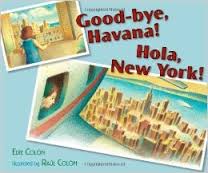
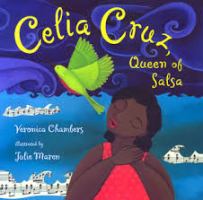
Before we get started on the guest posts, here’s a visual reminder of some glorious children’s books that star Cuban characters and/or settings. Space prevents us from featuring a comprehensive list, but we urge you to add your recommendations in the comments section. To learn more about individual books, click on their cover mages.

Picture Books    

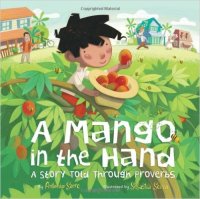
Goodbye Havana Queen of Salsa Martina Mango in Hand

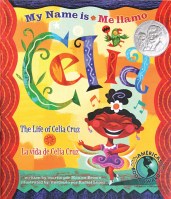
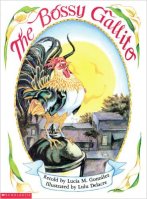
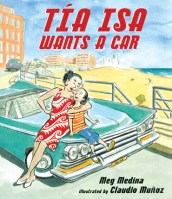
Celia Bossy Gallito Tia Isa  Dalia Cover MANGO_jacket_for_Meg drum dream girl cover floating

Middle-Grade

Island Treasures FINAL ART The Red Umbrella  Oye Celia  Moving Target  My Havana The Wild Book  MountainDog.highrescvr  paperback cover

Young Adult

Cubanita  Tropical Secret    Hurricane dancers notable  Firefly notable  Cuba 15  Down to the Bone   Letters to my mother   Significant Girls  ad6df-yaqui  Surrende Tree Notable  Lightning Dreamer notable  Enchanted Air Poet Slave Dark Dude


Kickin’ Back With #KidLitCon

By Libertad Araceli Thomas

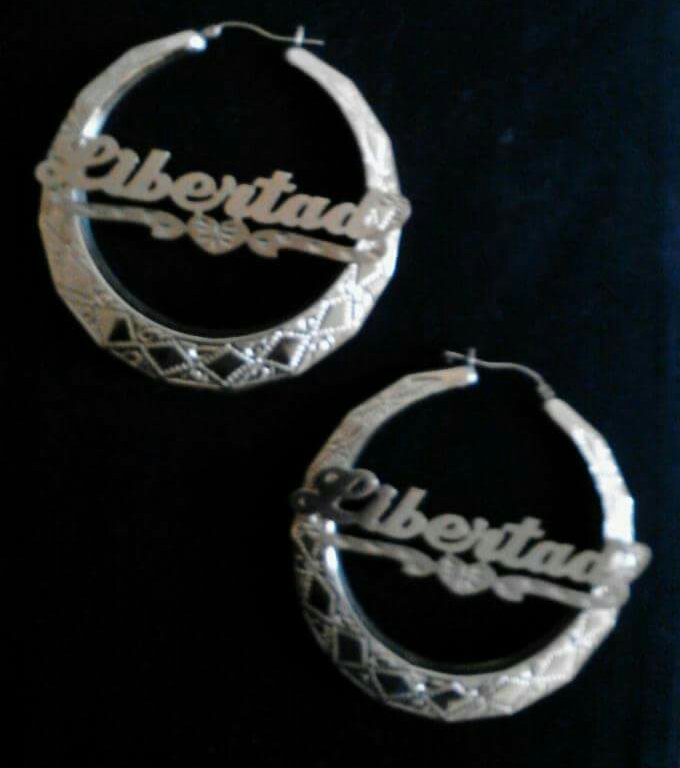
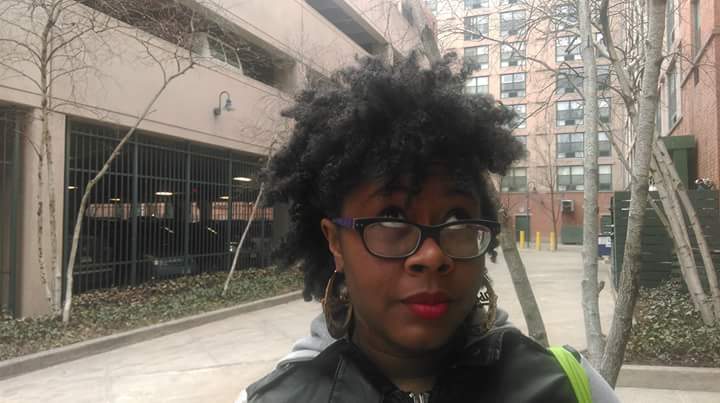
There’s always this anxiety I get when I attend book and writing conferences. While in my everyday non-bookish life I’m pretty extroverted, when I step foot in these places, where most likely, if not for my sister, I’d be one of the few people of color (POC) as well as the only Latina, I shut down and go into hermit mode. I’ll admit the first day was a little tough for me. I did remember a ton of folks from last year, but Kid Lit Con moves around every year, so there’s always tons of new people that you’re not going to know. As I predicted, I closed off. I felt lonely. I thought here are all these people who like books just as much as I do, but I always have this fear that people aren’t going to like me because here I am, this inner city negrita with these big hoop name plate earrings (that I personally cannot live without) and this big hair and very awkward in my own way.

FB_IMG_1444687743048_1

There’s this feeling deep down inside me that I feel awful for admitting being a POC. I have this immense distrust for white people. I’ve never trusted white people to make me feel comfortable. I’ve never trusted them to understand my experiences and worst of all, many opportunities I’ve had to challenge a white person’s way of thinking, I’m almost always shot down, left feeling lesser than and invalidated to the point where sometimes it’s just easier to not say anything at all.

Last year’s theme was a subject very dear to me: Diversity. Sometimes as book bloggers, my sister and I feel very disadvantaged because we’re not blogging about the latest Stephenie Meyer books or the ones that are deemed the next big thing; the books that speak the most to me are books that feature non “default” characters. So I prayed we’d get a chance to bring up diversity before our panel the next day. It unfortunately didn’t happen, so I was feeling a little down on my luck.

My sister and I kept score on how many things had gone wrong with this trip and then the day of our panel, the worst thing in the world happened. Our moderator, Dr. Zetta Elliott, who created this amazing thought provoking presentation, was unable to make it and we’d found out just moments before our scheduled slot.

The show went on with our other lovely panelist/author Mary Fan (who was totally awesome and poised to perfection) reading in Zetta’s place. Our pressing topic?

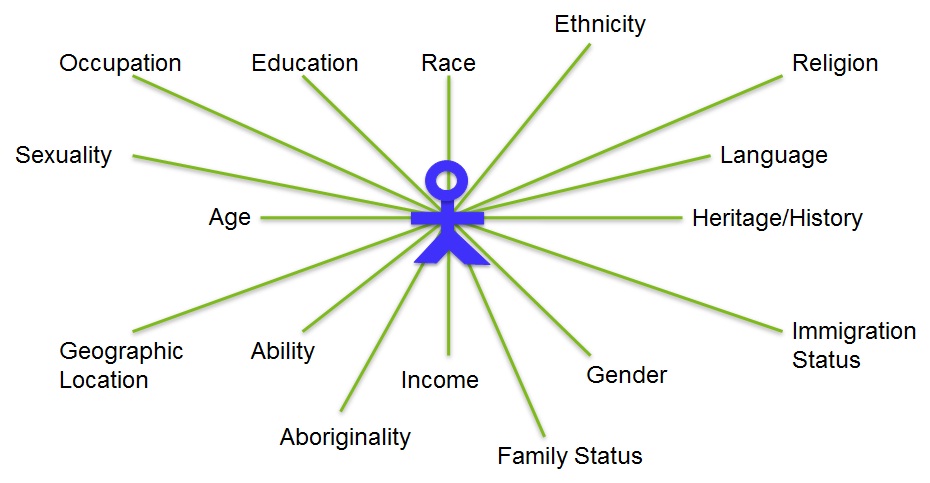
Intersectionality

intersectionality-blueman

Sharing personal stories is hard on paper, but it’s especially hard vocalizing them to a room full of people when you’re on display. A key point I felt passionate about was how perception leads people to believe there’s one way to be something.–one way to be black, one way to be queer, one way to be a person. Being Afro-Latina, Queer and Buddhist, I suffer from a severe case of unicorn syndrome. No one really expects me to be all these things, but I am and there was a librarian named Maureen (who was also Latina, yay!) whose words really stuck out to me: To be Latina is to be intersectional because there is no one identity.

mary fan

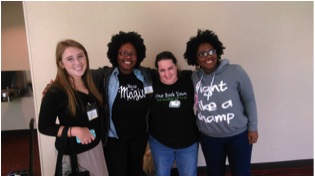
*Guinevere and I with our fellow panelist, Mary Fan*

After our intersectionality panel all the apprehension washed away. One minute, I was feeling like no one saw me and then the next I had an overwhelming amount of people thanking me for challenging their thoughts.

marissa

*Me, Marissa, and Guinevere*

And turns out, we weren’t actually alone. The Latinas were there representing. A young and amazingly beautiful boricua named Marissa (who blogs @Marissa Reads) was just so full of life and loved to read so much that she had to start blogging about books to find others like her!

While our intersectionality panel could have been the very best panel I’ve ever spoke on, I have to say my favorite moment of that day had absolutely nothing to do with any of the panels themselves but a member of the audience during a panel about professional blogging. The father of the young lady we’d met earlier was just so proud of her, filming and taking photos, silently encouraging her love for books.

It brought a tear to my eyes because just a month ago a friend of mine confessed he didn’t push his son to read because “Dominicans don’t read.” Maybe it’s just he doesn’t see Dominican kids in books. Either way, the moment gave me so much hope for the future and plans to incorporate a Dominican character in my next WIP. Just one person’s mind challenged about race, culture, gender, and disability is a battle won in my book. Next year, I pray I won’t be so afraid to tell people my story because my story is one of many that I hope can diversify people’s perceptions about the world we live in today.

4 latinas

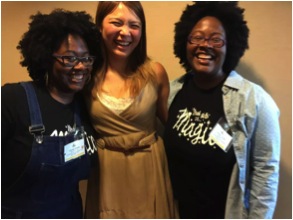
*From left to right Marissa, Guinevere, Maureen and me representing for the Latinas*

FB_IMG_1444688996687

Libertad Araceli Thomas is one half of Twinja Book Reviews, a book blog that celebrates diversity. Between mastering her handstands and perfecting her butterfly kicks, she can be caught reading and promoting a good book! Tweet with her @afrocubansista and @dos_twinjas 

Guest Post by Derek Taylor Kent: My Ravenous Latino Fans

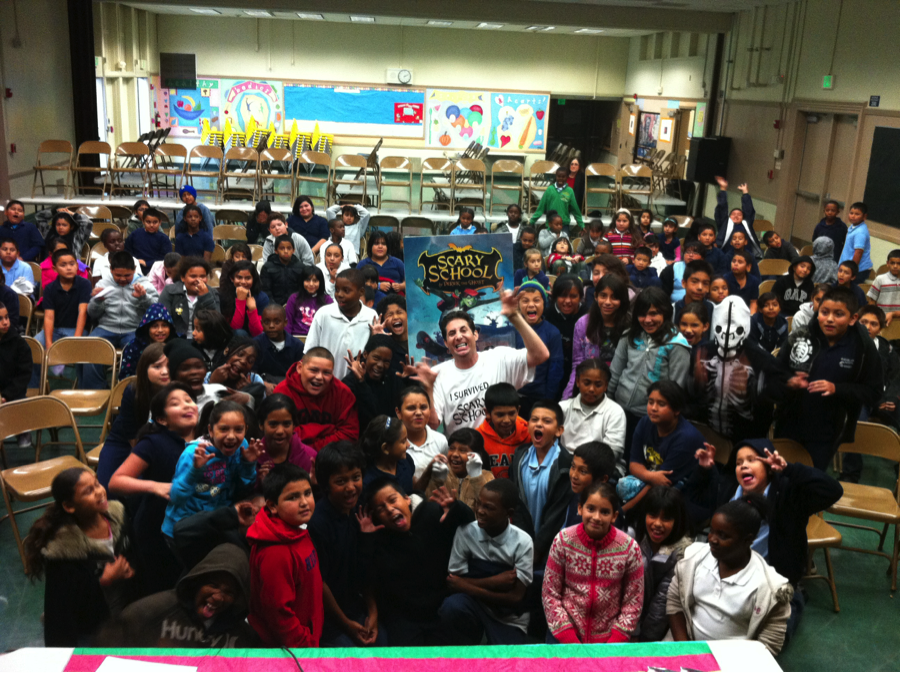
Derek's audienceBy Derek Taylor Kent

In the process of promoting my series for middle-grade kids, Scary School, I’ve discovered that at least half of my readership has turned out to be Latino kids and parents. I think Latino youth are the most voracious readers out there and yet remain under-represented in the works themselves.

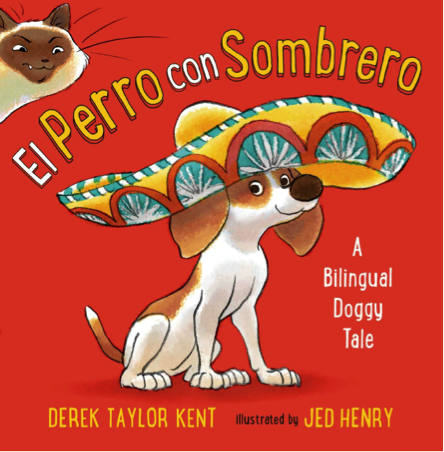
I’ll start off by confessing I am not of any Latino heritage, but growing up in Los Angeles, it has always felt like a part of my culture. My mother was an art teacher at the mostly Latino San Fernando High School for over ten years, where she founded LA Mural Project and helped get hundreds of students into college on art scholarships. I studied Spanish in school and later dated a lovely Nicaraguan girl, who ended up becoming the translator for my picture book El Perro Con Sombrero.

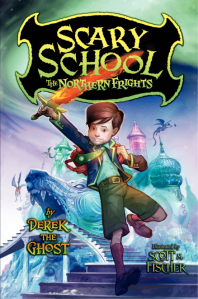
Scary School 2The beginning of my journey takes place when the first Scary School book was released in 2011. I was eager to spread the word about it. I formed a fantastic partnership with a Barnes and Noble in Redlands, California, who hosted book fairs at almost every school in the San Bernardino region. Most of these schools were predominantly Latino or dual immersion.

I also worked with After-School All-Stars and performed my Scary School show for dozens of schools all over Southern California in low-income areas, where book sales were never part of the agenda. It was purely about inspiring the kids to love reading and writing and give them a chance to meet a real author.

I cannot begin to describe the enthusiasm and joy from the kids when I made these visits. Perhaps a big part of the reason they were so enthralled was because I was a children’s horror author and they were already fans of books like Goosebumps. During my shows, kids got to scream and make monster noises, as well as ask me questions.

The response of the kids in the Latino-populated schools was always the most enthusiastic and joyful. They LOVED scary stories and monsters! At other schools, just the mention of werewolves, ghosts, and vampires might send nine-year-olds scurrying out of the room in fear, but my Latino audiences challenged me to scare them every time and I had a great time doing it.

One of my most memorable experiences was when a class of students started peppering me with questions about what monsters they would find in the books. One kid named Pedro asked if there was a Cyclops in the book. When I told him there wasn’t, he put on the saddest expression I’d ever seen. He really loved Cyclopes! I assured him that I would write a Cyclops into Scary School #3 if he promised to read the series. He became so happy he screamed “YES!” and we both fulfilled our ends of the bargain.

Scary SchoolOver the last five years, I estimate that at least 50% of my readership is from the Latino audience. One of the main characters of the Scary School series is named Ramon the zombie kid. I don’t make a big deal about his background in the books or even during the shows, but I always notice smiles from the kids when, just because of the name, they know there’s a character they can relate to. (He’s the zombie on the cover of Book 1.)

In Scary School #4, which will release this fall, Ramon plays his biggest part yet, which fits with the title Scary School #4: Zillions of Zombies.

Despite the enthusiastic Latino audiences that I’ve witnessed, there are still relatively few U.S. published books that focus on the Latino experience or have Latino main characters, especially in the middle-grade and YA categories.

I want to encourage Latino writers to consider writing stories designed for 7-12 year olds and teens. While it’s easy for young kids to become excited about books, grabbing the attention of older kids is more challenging. Books centered on their experiences would go a long way toward increasing readership.

PerroParents can encourage their kids’ reading by making regular and fun-filled trips to the bookstore or library. Allowing kids to find books that excite them means they’ll be more likely to read them. For reluctant readers, setting up a reward system at home can be very beneficial, especially if this includes not only the books they read on their own, but also those that parents read with them. Reading is like exercise for the brain, and just like with sports, the more practice the brain gets, the more success kids will have in school and throughout their lives.


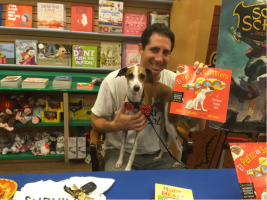
Derek and dogDerek Taylor Kent is also known as Derek the Ghost. He is the author of the middle-grade book series Scary School. His bilingual picture book El Perro Con Sombrero is new this year. It’s about a street dog named Pepe who happens upon a lucky sombrero that turns his life around. For more information about Derek’s books and projects, please visit DerekTaylorKent.com. At a special site for kids, ScarySchool.com, visitors can tour Scary School, read a secret chapter, and play video games.

On Acting and Writing: a Q&A with Sonia Manzano


Becoming MariaBy Cecilia Cackley

Sonia Manzano’s new memoir Becoming Maria: Love and Chaos in the South Bronx was released in August. In it, Manzano tells the story of her childhood in the Bronx, high school at the LaGuardia School of the Performing Arts, her college years at Carnegie Mellon, and breakthrough performance in the Broadway musical Godspell. The book ends with Manzano’s successful audition for a new children’s television show called Sesame Street. I was able to interview Manzano during the 2015 National Book Festival in Washington, D.C.

Cecilia Cackley: Was there a library near your house growing up? What kinds of books did you read as a kid?

Sonia Manzano: There was no library close by my house. We had a library at my school, but we were not allowed to take the books home. Every week we would have a 40 minute ‘library period’ when we would read silently to ourselves. So each week I would mark my place with a scrap of paper and try to find it again the next time so I could finish the book. The book I remember most clearly was Fifteen by Beverly Cleary. I left the school before I could finish it, and although I kept looking for it, I didn’t find it again until I was 35, in a rural library in Pennsylvania!

CC: You’ve written both picture books and a YA novel. What do you think about the state of Latinxs in children’s literature right now?

SM: We have a lot of books with Latino-based stories…I don’t know why more people don’t know about them. I actually asked Pam Muñoz Ryan that recently and she said that while there are wonderful titles, such as El Bronx by Nicholasa Mohr, there aren’t a lot of long lasting titles that have become classics. Also, some elements of traditional Latino stories, like the Juan Bobo stories, play into stereotypes that publishers don’t like. Our culture is always in flux, and publishing houses can’t pin us down.

CC: Are there any recent Latinx books that you’ve read that you would recommend?

SM: I recently read Shadowshaper by Daniel José Older, which was wonderful and relates to the urban experience. I also read I Lived on Butterfly Hill, which was excellent.

CC: Part of Becoming Maria is about your experience as a student at Carnegie Mellon. What advice would you give to today’s students who are the first in their families to attend college?

SM: I would say that if at all possible, visit the college first. I wasn’t able to do that. It is a mind-expanding experience. Visiting will help it seem less strange when you get there.

CC: You’ve worked in theater, television, and now writing. Is there a connection for you between performing and writing?

SM: I think all art forms are connected in some way. I approach acting and writing very differently, though. The best acting is spontaneous, but when you write it is very examined.

CC: Now that you’re leaving Sesame Street, do you think you would do a theater show again?

SM: I would do it in a minute. But I hate auditioning. I would need a group to work with, someone with a vision. It’s hard as an actor because you need to be a vessel of someone else’s dream. But for me, for so long, I have been the character. I don’t know that I’d want to be someone else on stage.

CC: What if you were asked to do a one-woman show about your life?

SM: Yes, absolutely I’d do that.


Books for young readers by Sonia Manzano:

Becoming-Maria  Miracle-on-133rd-Street    no-dogs-allowed  


Cackley_headshotCecilia Cackley is a performing artist and children’s bookseller based in Washington DC where she creates puppet theater for adults and teaches playwriting and creative drama to children. Her bilingual children’s plays have been produced by GALA Hispanic Theatre and her interests in bilingual education, literacy, and immigrant advocacy all tend to find their way into her theatrical work. You can find more of her work at www.witsendpuppets.com.