
This is an excellent post from Kayla Whaley who has joined our 2014 Reading Challenge. She makes a great point about supporting diversity by choosing to diversify her bookshelves. Saying you support diversity in kid lit is great. Doing something, like reading more books by and about POC, is even better! Thanks for joining us, Kayla!
Category Children’s Lit
The Road to Publishing: a Q & A with Andrew Karre of Carolrhoda Books
On Tuesday, Ashley Hope Pérez laid out what it’s like to work with rock star editor Andrew Karre , editorial director of Carolrhoda Books, Carolrhoda Lab & Darby Creek. Today, we have a bonus post, a Q&A between Ashley and Andrew, the last piece in our “Road to Publishing” series. We hope it’s been helpful! All of the posts can now be found if you click on the “The Road to Publishing Series” tab on the menu.
Ashley: What are the rookie mistakes you see first-time authors make during the editorial process?
Andrew: Rushing revisions. There are no points for speed. Although I hope I’ve learned enough to anticipate this and prevent it.
Ashley: What qualities make you look forward to working with an author again on a future project? Any deal-breakers?

Andrew: A spirit of adventure. The authors I most enjoy working with are excited about the process. They like to use me as a sounding board, as a stress-test for their work. They want to hear my questions and suggestions, but they’re quite capable of going an entirely different direction. I’m not interested in authors who unquestioningly adopt my view of YA fiction. I’m interested in authors who will engage with it and articulate their own. In many cases, editing is a bit of a friendly struggle between the author and me wherein my goal is to lose in an interesting way that highlights the author’s strengths.
Ashley: In what way(s) does your approach to the editing process differ from other editors you know or have worked with?
Andrew: It’s hard to say. I only have second-hand information about how others edit. I tend not to write editorial letters. I prefer to write voluminous marginal notes and have lots of phone conversations (or lunches, whenever possible). Maybe that’s unusual? My goal in a markup is to highlight the places where an author is at the height of her powers and then challenge her to meet that standard throughout.
Ashley: Boundary-pushing is arguably your editorial signature. How does that priority influence the guidance you offer authors during the editing process?
Andrew: I don’t really think about that when we’re editing. Editing is about realizing and reconciling a manuscript’s potential and its author’s vision. It’s about pleasing the two of us, first and foremost. Insofar as we worry only about the limitations inherent in the manuscript, I guess the desire to be unbound is present.
Ashley: Beyond writing (and revising) a novel into its best possible form, what should authors be doing from the time they sign their contract to the time of the book’s release?
 Andrew: There are a few practicalities every author should take care of–at least by that point if not sooner. Acquire all your digital real- estate. By that I mean, register a useful domain name, grab a good Twitter handle, etc. Even if you can’t see how you’ll use them, at least you’ll have them. The only one of these that costs anything is the domain, and that’s cheap. Then, read your contemporaries. And if you can, interact with them as a colleague and fellow traveler. Join the conversations online in much the way you’d join a dinner party conversation: wait for your opening, and take it graciously when it comes. Be interesting, first and foremost. It’s not about selling.
Ashley: I distinctly remember a come-to-Jesus talk we had about social media some time between revisions for What Can’t Wait and the book’s launch day. I remember feeling very overwhelmed. Now, four years down the line, I can see lots of benefits from the relationships that I’ve established by existing online and at least intermittently being present in Twitter and other spaces.
At Latin@s in Kid Lit, we’re working to draw more attention to great books for younger kids as well as teens. What are some of your favorite books to read to or with your boys? Do their preferences ever surprise you?
Andrew: Henry (5) loves nonfiction at the moment. He loves processes and technical details so we read a lot of things in that vein. I really loved Building Our House by Jonathan Bean. In the coverage of the death of Charlotte Zolotow, we discovered her Over and Over, and that’s been fun. I still enjoy reading Goodnight Moon to Edmund (18 months).
Ashley: What’s one book that you hope to find in your stocking this holiday season?
Andrew: I still haven’t read NW by Zadie Smith and I generally enjoy her work.
Ashley: Any thoughts on the current state of publishing with regard to the percentages of works by/for/about Latin@s?
Andrew: It seems to me that the level of awareness of the need among publishers is high, as is the desire to find and break out new voices. High enough? I don’t know if it’s possible to say. I know I’m encouraged.
The Road to Publishing: One Take on Working with a (Rock Star) Editor
In articles and blog posts about breaking into the world of publishing, the lion’s share of attention goes to the writing craft, getting an agent, and securing a book deal. But what happens after those hurdles have been jumped? What can writers expect from their editors once the deal is sealed? And what will editors expect from writers?
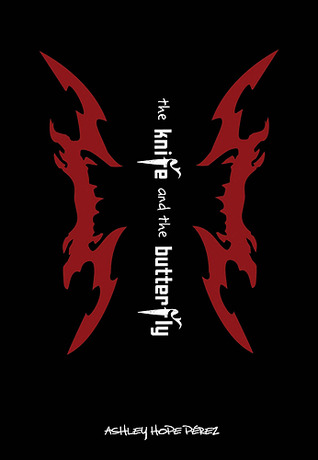 Because writer-editor relationships are endlessly varied, I don’t actually have the answers to these questions. In fact, as I started writing this post, I realized that the only thing I am really qualified to talk about are my experiences working with Andrew Karre, my editor at Carolrhoda Lab. Andrew bought my first two novels, What Can’t Wait and The Knife and the Butterfly, in a two-book deal back in 2009, and now I am in the beginning stages of working with Andrew on a third novel. I can’t say what it’s like for other writers, although you can find some descriptions of authors’ experiences with editors, my favorite being the five perspectives offered up here.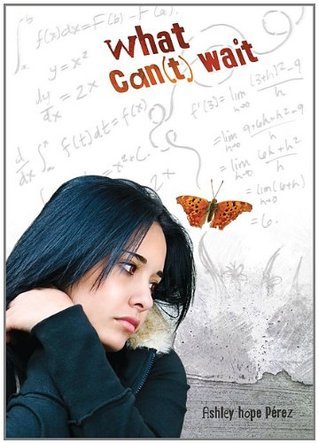
For the editor’s perspective, check out this post from Scholastic imprint editor Cheryl Klein, who also has a book on editing YA. Andrew will stop by the blog on Thursday to toss in his two cents on editorial work; if you want to balance some of my gushing below with more objective reporting, you can read this feature on him in Publisher’s Weekly.
Enough preliminaries. Here’s the scoop I can offer on working with my editor.
What happens after you sign the contract with a publisher? Waiting. Waiting. Waiting. I remember expecting to hear from Andrew the day after the contract was signed, but often there’s a considerable lag (months, friends) between sealing the deal and getting the feedback that will guide the revision. Editors are working on dozens of projects—all in different stages—at any given point. The good ones are expert at juggling these demands and giving each project what it needs.
Isn’t it painful to be told how to revise? To start with, I have to say that Andrew is as close to my “ideal reader” as I expect ever to find. With all three novels, he has grasped the essential aspects of the projects as well as (or better than) I did myself. This fact secures my total confidence in his intuition and editorial recommendations; on top of that, I’ve benefitted from his ability to see subterranean connections that invited development as well as other missed opportunities. So even what might have been “pain” in the process invariably felt crucial to the mission of making the book what it was meant to be.
 I should also say that the thought of revision is what gets me through the agony of drafting; revision is my happy zone, where things finally come together. I don’t mind cutting scenes or paragraphs or sentences that I love. I don’t mind writing new material. I don’t mind collapsing subplots, ditching characters, or even radically altering the point of view for 100,000 words of prose. I don’t mind because when Andrew tells me to do these things, I instantly see how much sense they make. For me, Andrew’s vision manages to expand the story’s possibilities while also clarifying what needs to be done to achieve those possibilities.
How, specifically, does the editing happen? I’ve often heard writer friends discuss the editorial letter, which I’m told is a fairly formal write-up of all the things that need to be done in revision for a manuscript to be acceptable to the editor. (More discussion of the editorial letter and an example here ) The editorial letter reflects the major first pass of editing and defines the focal areas for the main revision, after which (everyone hopes) it will be mostly scene- and sentence-level rewriting.
Unless I have suffered some serious memory loss—which is possible since I gave birth to my son during the early editorial process with What Can’t Wait—I don’t think I’ve ever gotten a formal editorial letter from Andrew. Instead, we tend to have several hour-longish phone calls where he tells me what his instincts are as far as what could or should change in the manuscript and why. Perhaps what is most important to me about how these things go is that the “why” is always intimately linked to the internal logic of the novel or its essential characteristics (as opposed, for example, to trends in the market or notions of what teens can “handle”). These conversations generally entail multiple epiphanies on my part and copious note-taking. The macro-level feedback from the phone calls comes along with scene-by-scene feedback via comments and edits in Word.
After responding to the major editorial feedback (over 2-5 months), I submit to Andrew my “final” manuscript. Once he reads and accepts it, I get the second half of the advance (the first half comes with signing the contract). There is still some back and forth and perhaps even some more substantive changes, but all the major pieces are in place. There will be at least one more full read-through with comments to address before the book goes to the next stage of copy-editing (line-by-line stuff and the standardization of things like “OK” for “okay” according to the publisher’s house style), which is done by wonderful people who work under Andrew.
 What’s next? Then the book goes into production, and a while later (3-6 months) I get an email with galleys that give an idea of what the manuscript will look like as a “real” book. There will also be drafts of jacket copy, which I’m glad I don’t have to write, and cover designs. With What Can’t Wait, I wasn’t in on anything until after the final cover was chosen; with The Knife and the Butterfly, I saw about a dozen preliminary designs and got to weigh in on their relative merits. From contract to the printing of advance reader copies, the process has taken between a year and two.
Any words of advice for those on the road to publishing? The truth is that—at least for your first book—you will have little say in who your editor is. Your agent will submit the book where she or he thinks it’s a good fit, and if an editor bites and makes a reasonable offer, your agent will advise you to accept. There is no room in this process for mailing editors personality tests to check for compatibility.
What you can do is embrace the editorial process as an opportunity to discover more about your novel and your work as a writer. I find that the writer-editor dynamic—inevitably centered on the book—creates an amazing triangle of insight inside of which all kinds of possibilities for the story come into focus. I hope that’s the case for many other writers, too.
JOIN OUR 2014 READING CHALLENGE!
A year ago, The New York Times wrote about the lack of Latin@ literature in classrooms, which leaves the youngest members of the largest ethnic or racial minority in the U.S. with little chance to “see themselves in books.” The School Library Journal countered that the literature is there but needs to be promoted.
We believe both statements and would like to see more all around, meaning: more Latin@ children’s literature on bookshelves and in libraries and classrooms, more titles by and for Latin@s on year-end “Best of” lists and best-seller lists, more people buying, reading, and writing about Latin@ children’s literature.
We cannot control publishing and marketing, but we can read and write about Latin@s in children’s literature. So, as the new year approaches, we invite you to participate in our 2014 Reading Challenge. This would be a great way to diversify your reading lists and support already established and emerging writers who include Latin@s in their books. One of the best ways to express that diversity in kid lit is important is to buy, read, and write about these titles.
Here are the Guidelines:
- This challenge will run from January 1, 2014-December 31, 2014.
- Anyone can join! You don’t have to be a book blogger. WordPress doesn’t accept anything that uses JavaScript, so we can’t use a linky list. If you want to participate: post somewhere that you are joining the 2014 Latin@s in Kid Lit Reading Challenge, sign up in the comments, and include a direct link to your announcement. Copy and paste our reading challenge logo onto your site. If you don’t have a site, you can spread the word on Facebook, Twitter, or any other way.
- The goal is one book per month. You may post reviews on GoodReads (use a shelf dedicated to 2014 Latin@s in Kid Lit Reading Challenge), Amazon, Barnes and Noble, Facebook, or wherever else you post your reviews. Again, link back to the challenge. Each month, we will check up on participants, but you can also send a direct link to our email at: latinosinkidlit@gmail.com whenever you read and review a book. We will have a monthly round-up post that lists all reviews available online.
- Re-reads and crossovers from other challenges are fine.
- You may select books as you go.
- You can join at anytime during the year. Any books you have read in 2014 can be added.
- Prizes will be given to those who stick with it through the year!
- Any format, level (children’s, MG, or YA), or genre is welcome. The book, however, must be written by a Latin@ author and/or include Latin@ characters, settings, themes, etc.
“How will I find such books?” you ask.
“No problemo,” we say. Here are some suggestions:
- Browse our book lists and “Great Resources” tab for possibilities.
- Read School Library Journal’s Top 10 Latino-themed Books of 2013.
- Latinas 4 Latino Lit put out its own list of Remarkable Latino Children’s Literature of 2013 when the annual New York Times Notable Children’s Books list failed to honor a single book by or for Laint@s. They also offer book suggestions throughout the year.
- Search through the Pura Belpre Medal winners.
- Check out the winners of the International Latino Book Awards. The SLJ has a list of top prizes in various categories here.
Also, these titles were on “Best of” 2013 lists:
Yaqui Delgado Wants to Kick Your Ass by Meg Medina; SLJ, Kirkus
From Norvelt to Nowhere by Jack Gantos: PW
Enrique’s Journey by Sonia Nazario, Kirkus
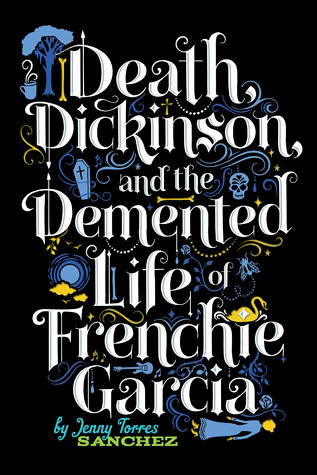
Death, Dickinson, and the Demented Life of Frenchie Garcia by Jenny Torres Sanchez, Kirkus
Niño Wrestles the World written and illustrated by Yuyi Morales, Horn
The Summer Prince by Alaya Dawn Johnson, Kirkus
If you’re like us, then you will be reading anyway because you’re a person who loves books and children’s literature, in particular. Why not challenge yourself to add some Latin@ literature to your TBR pile? We hope you join us!
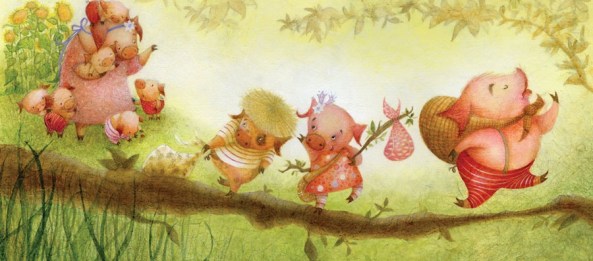
The Road to Publishing: Juana Martinez-Neal on Landing an Agent
Since Juana Martinez-Neal is an illustrator, writers might be tempted to skip her how-I-landed-an-agent story. Don’t! Anyone seeking professional success will find value here. In the following interview, she shares her journey to the 2012 Showcase Portfolio Grand Prize at the SCBWI Los Angeles conference, a coup that led to agent representation and many great opportunities. No matter your craft, Juana’s approach serves as a model of careful study and preparation, which on top of her brilliant art skills, gave her the winning edge. In today’s competitive world of publishing, that’s a lesson we can all put to good use.
Latin@s in Kid Lit: Were you a published illustrator before winning the portfolio award at the SCBWI conference? If so, how did you get jobs?
Juana: Before the Portfolio Grand Prize, I was published by smaller publishers, the educational market, and advertising companies. My jobs would come from paid, online portfolios, such as childrensillustrators.com. I would also email samples to art directors that accepted email submissions. I never got around to sending postcards to a mailing list. That was a mistake! I would also attend SCBWI regional and national conferences. Whenever these conferences offered portfolio shows, I entered mine and paid for critiques. Critiques are a great way to put your work in front of editors and art directors.
Latin@s in Kid Lit: How did you prepare for the SCBWI portfolio show? The competition must have been fierce!
Juana: Illustration, much like writing and every other profession, requires everyday practice. If you rush to get twelve new pieces ready a month or two before a portfolio show, chances are, your pieces will be decent. But decent doesn’t win a show. You must work everyday, year round.
The selection process is simple and repeats every year that I attend the SCBWI LA Conference. A month-and-a-half beforehand, I select fifteen to eighteen favorite pieces from everything I’ve done within the last twelve months. After printing them at 8.5” x 11”, I meet with my illustrator friends, who help me choose eight to twelve of the strongest ones. On my blog, I have a series of posts about portfolios, including how to put together a children’s illustrator portfolio, a comparison of my 2011 and 2012 portfolios, and a how-to on mounting artwork.
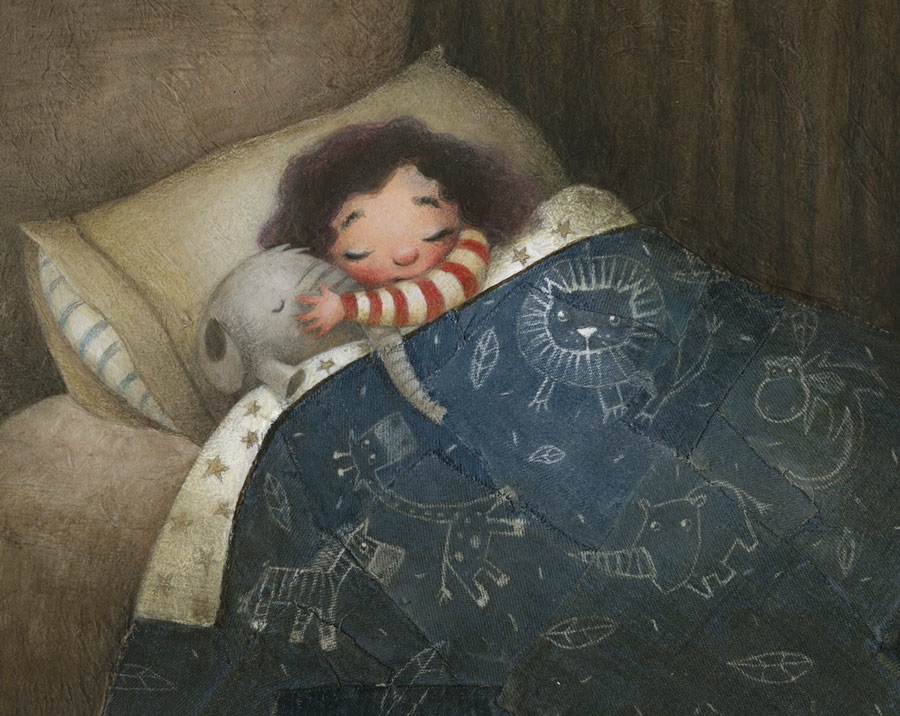
Most of the time, we recognize outstanding work before we produce outstanding work. Ira Glass said it beautifully here:
“What nobody tells people who are beginners — and I really wish someone had told this to me . . . is that all of us who do creative work, we get into itbecause we have good taste. But there is this gap. For the first couple years you make stuff, and it’s just not that good. It’s trying to be good, it has potential, but it’s not. But your taste, the thing that got you into the game, is still killer. And your taste is why your work disappoints you. A lot of people never get past this phase. They quit. Most people I know who do interesting, creative work went through years of this. We know our work doesn’t have this special thing that we want it to have. We all go through this. And if you are just starting out or you are still in this phase, you gotta know it’s normal and the most important thing you can do is do a lot of work. Put yourself on a deadline so that every week you will finish one story. It is only by going through a volume of work that you will close that gap, and your work will be as good as your ambitions. And I took longer to figure out how to do this than anyone I’ve ever met. It’s gonna take awhile. It’s normal to take awhile. You’ve just gotta fight your way through.” – Ira Glass on Storytelling: http://www.youtube.com/watch?v=BI23U7U2aUY
When we put this into practice, there comes a time when our work starts matching our expectations. Our hand starts painting what our brain has envisioned. At that point, we may be ready. I didn’t know I was ready to win when I did. I knew my portfolio was decent, and I knew that eventually I would win—but not that year. I thought: I will win in 2014. I gave myself two more years.
In 2012, I was pregnant and putting my portfolio out because the following year I would have a baby to take care of and would have to miss the conference. There is an action of letting go that generates energy. That energy makes things happen and surprises us in the most wonderful ways.
Latin@s in Kid Lit: After you won the portfolio award, did agents approach you at the conference or through e-mails and phone calls? Tell us a little bit about that.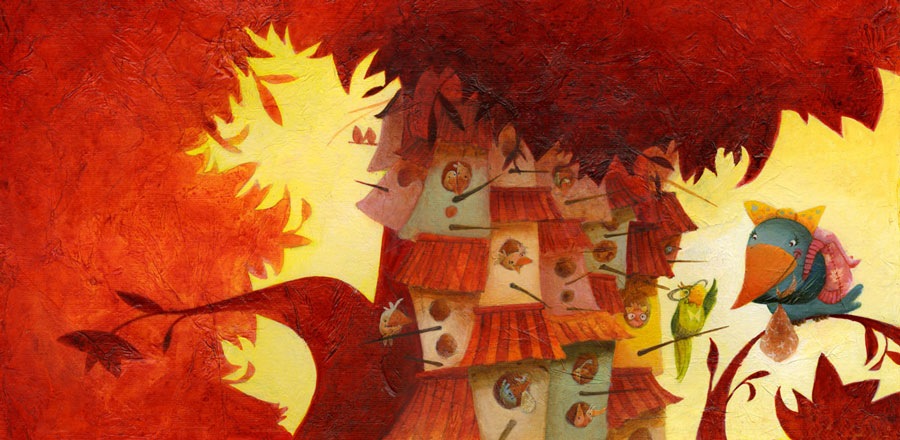
Juana: Agents can approach you all different ways if they are interested. In my case, I met Stefanie Von Borstel, of Full Circle Literary, at the Portfolio Showcase. She had been one of the judges and enjoyed looking at my work. We talked during the conference a few times and stayed in touch. Three months later, we signed a contract.
I think it’s important to meet the agents you are interested in. Listen to yourself during that first call or meeting. You need to feel comfortable and communicate easily with her/him. You will be working with that person for what you hope is the rest of your career. We are all so eager to get representation that sometimes we may let warning signs slide. Please don’t. Listen to them. You don’t want to waste time.
Latin@s in Kid Lit: Your experience shows how helpful conference attendance can be for connecting with agents.
Juana: If there are agents presenting at breakout sessions, go listen to them. You’ll get a great sense of who they are and how they work. You will be able to tell if you could work together. Personality counts. I’ve seen some rather quiet, introverted friends with agents that are their complete opposites. Their relationships work wonderfully. They complement each other.
Latin@s in Kid Lit: What difference has it made to your work to have an agent representing you?
Juana: Having Stefanie as my agent has improved my work. Her comments come from someone who knows this industry so well. She helps me find direction when I’m feeling a bit confused. An agent will help you polish your manuscripts and dummies and get them ready for editors and art directors. I also love the fact that they will take care of the contracts. There is so much I am not aware of when it comes to legal matters.
Latin@s in Kid Lit: What are some other tips for illustrators on getting the attention of art directors and agents?
- Create work consistently, continuously.
- Stay busy. If you have no paid projects, give yourself assignments regularly. Set some deadlines for yourself.
- Keep your portfolio updated. Post new work regularly, but post only your BEST work.
- Mail postcards consistently, every three to four months. Be critical when selecting names. A mailing list of 80 can be very effective. Send postcards to anyone you would love to work with.
- Look into agents’ clients and books. Follow them on Twitter. See if your work is a good match. Keep in mind that if they have someone with a style too similar to yours, chances are, you won’t be picked. Why have two artists that do almost the same work?
******
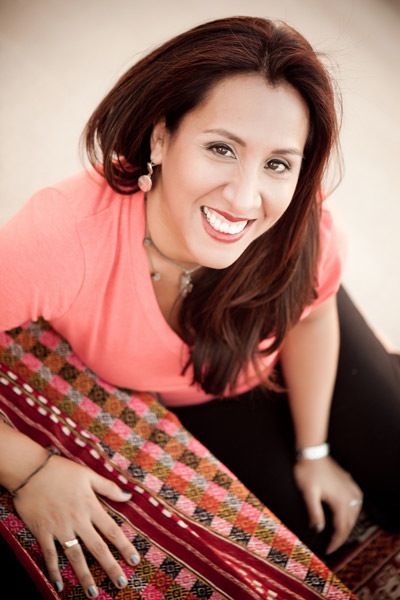 Juana Martinez-Neal was born in Lima, Peru, to an artistic family. At 16, she was already laying the groundwork for a career in children’s illustration. She now lives in the United States. Her work has been featured in Babybug, Ladybug and Iguana magazines, and recently made the cover of the SCBWI Bulletin. See more of Juana’s glorious gallery at her website, where you can also take advantage of detailed tutorials on portfolio selection and assembly and read fascinating illustrator interviews.
12 Days of Christmas Book Giveaway!!
¡Feliz Navidad! ¡Feliz Natal! Merry Christmas!
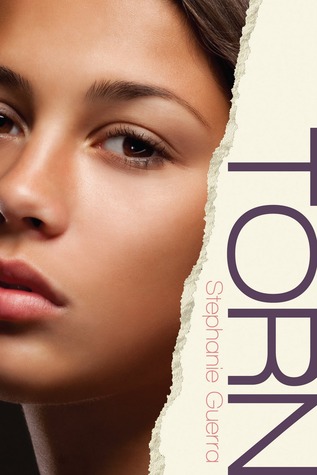
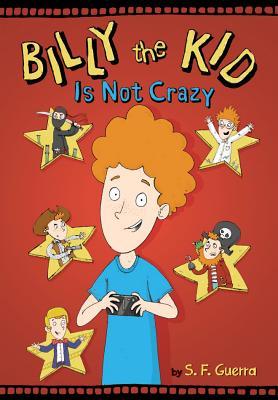
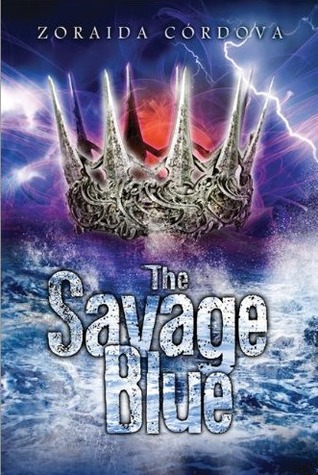
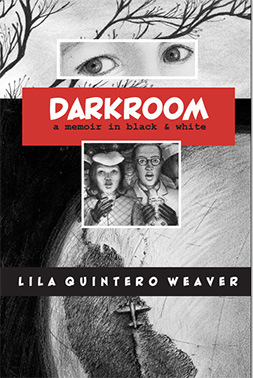
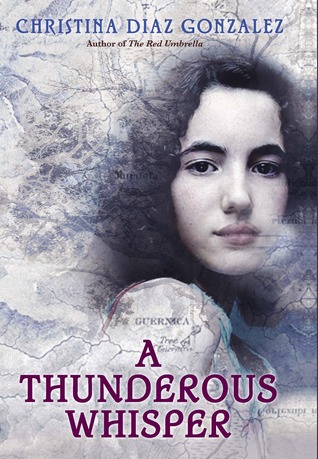
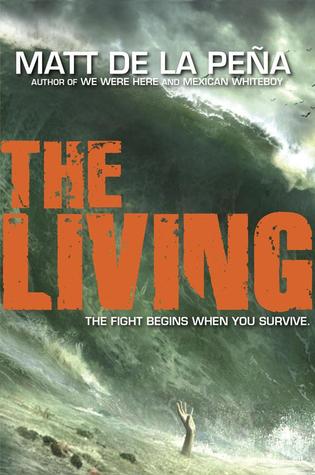
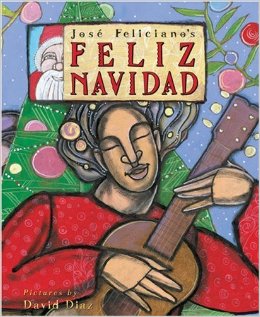
We are celebrating the holiday with a 12-book giveaway. Here’s how it works: enter by clicking on the “a Rafflecopter giveaway” link below the book images. From Christmas Day through Three Kings Day (January 6), one lucky winner will win one of these awesome books.
12 days = 12 books = 12 winners.
One of them could be you!
Remember, when you enter, you are putting your name into a pool for any of these books, not one in particular. To increase your chances, you can Tweet about the giveaway, follow us on Twitter, like our Facebook page, leave a comment, or share news of our giveaway on your blog or website. Good luck and thanks for entering and spreading the word about Latin@s in Kid Lit! Winners will be notified each day and arrangements will be made for shipping. We will ship only within the US and Canada.
After today, you will also find this information on a page in the menu area so that you can easily find it and enter over the next three weeks!
 Latinxs in Kid Lit