Guest Post by Elena Foulis: Latin@ Stories Across Ohio


By Elena Foulis

Over the past year, I have collected 65 video-narratives of Latinos/as in Ohio. Working in English and Spanish, I traveled around the state to interview women and men, older and younger people, artists, students, activists, and educators. While some oral historians have stored their field work in libraries across universities or created an internet collection, Latin@ Stories Across Ohio enters the digital world with historias that highlight the experiences of Latinos and invite the reader to engage further by “clicking” on the different interactive cultural components, which include maps, videos, links, and glossaries for every chapter.

Latin@ Stories Across Ohio highlights the presence of Latinos in the Midwest and opens up a window for conversation and understanding of a culture that has shaped this part of the country for generations. The book combines language and cultural studies perspectives. Latin@ Stories draws on the traditional elements of oral history methodology but enters the digital era by delivering these narratives in conjunction with exciting features that provide fuller context to students and make connections to literature and collective histories.

Thanks to generous support from the Department of Spanish and Portuguese and the Ohio Hispanic Heritage Project at The Ohio State University, this bilingual oral history book is free on iBooks. I hope this will make it easier for teachers and students across the Midwest and the U.S. to use it.
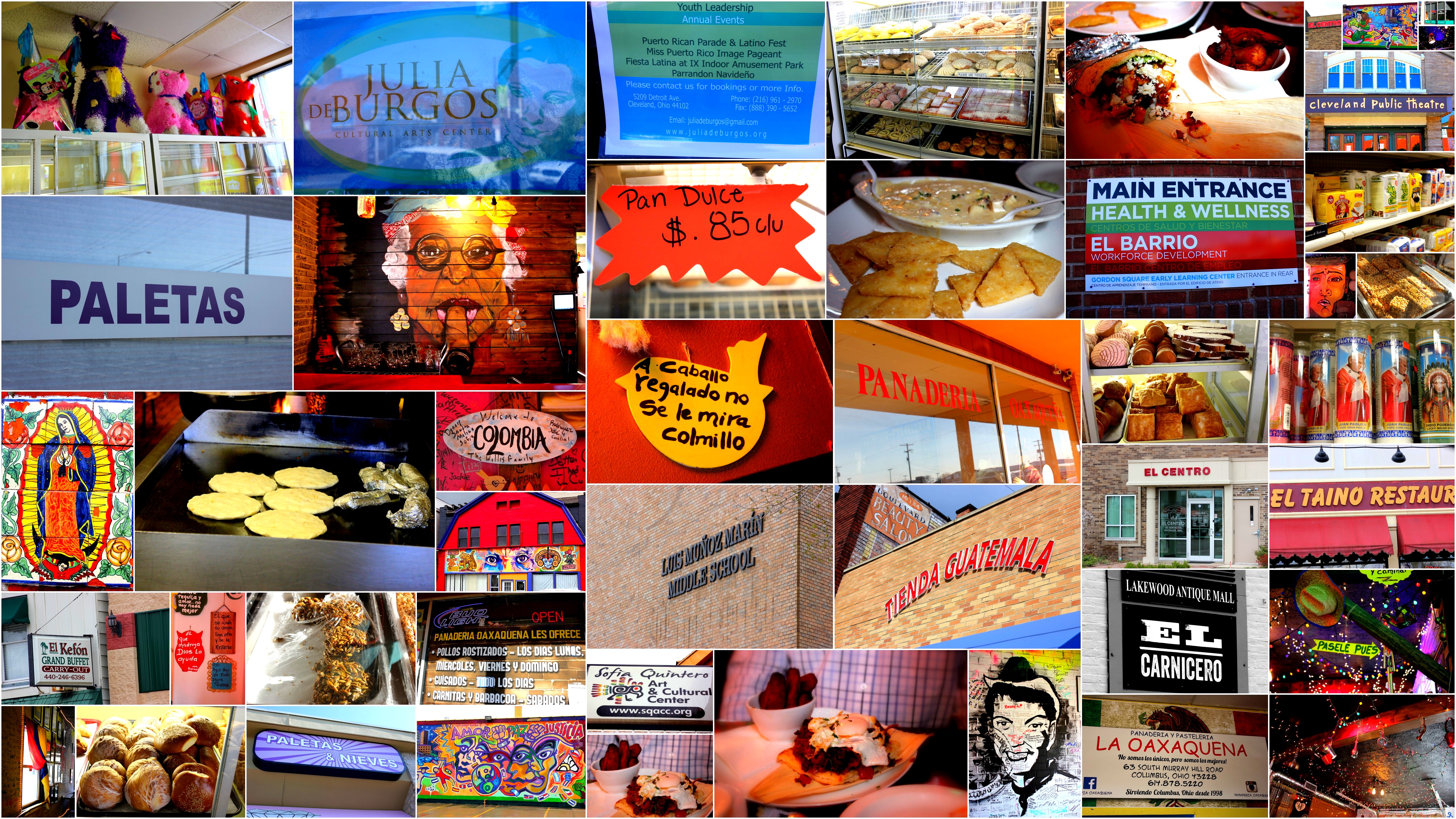
OHIO PICS

Use in the Classroom and Beyond

I currently use Latin@ Stories in my “Spanish in Ohio” class, a senior-level undergraduate service-learning course. This class teaches students about Latino life in the U.S. and, more specifically, in Ohio. Students are able to see, hear, and read first-person narratives of people they might meet or work with in our greater Columbus community. The usefulness of the text isn’t limited to this course, though; I often draw on the material in other classes. For example, in my writing course for the Spanish Department, my students conduct a mini-ethnographical interview that they can then turn into an essay. I show students some of these interviews as examples for the type of interviews they will be doing themselves. I also plan to use some of the content of this book for another course that deals with Latino language and literacy within the context of the U.S. experience.

Since this is a bilingual book with embedded video, it gives students substantial Spanish-language input from speakers with different backgrounds and accents. (In addition, all of the video-narratives collected for the project will be archived at the Center for Folklore studies at OSU.) Whether the focus of the class is language, history, Latino studies, or beyond, instructors who use this book have an opportunity to discuss not only the immigrant experience, but also the stories of abuelitas, the role of memory, argument, joking, advice-giving, and the storytelling practices of younger and older generations.
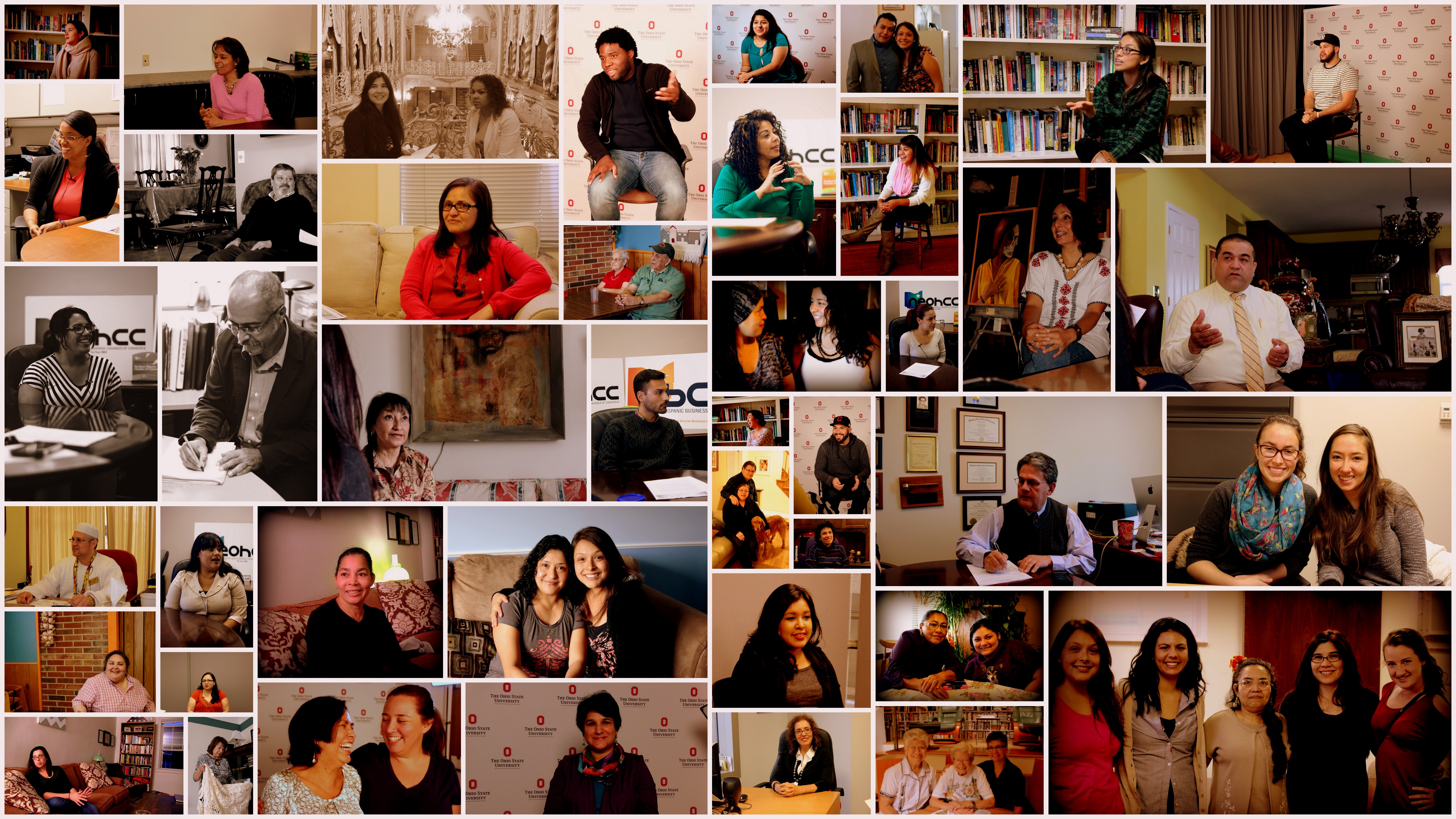
ONLO collageEach chapter groups historias with a similar theme: chapter one includes stories that deal with adapting to a new environment; chapter two has stories of people who have become advocates for Latino and immigrant rights; chapter three focuses on the various professions Latinos have, including being business owners; chapter four, titled “Generaciones,” has stories that include a group of Latinas from three different generations, an older couple, and two mother-daughter interviews; chapter five, “Las Fuertes,” has the stories of women that have overcome difficult situations and are thriving and using their stories to inspire others; and finally, I reserved chapter six for “Los jovenes,” a group of college students with a unique perspective on identity, language and place.

Although the book is localized in its focus on Ohio, it also gives students a rich and multi-faceted vision of Latino life, history and presence in the United States. I have seen the positive impact the value of an individual story has on students.

 

IMG_4045Elena Foulis has a Ph.D. in Comparative Literature and Cultural Studies from the University of Arkansas and currently teaches at the Ohio State University. Her research and teaching interests include U.S. Latina/o literature, Digital Oral History, and Digital Storytelling, particularly in service-learning courses. Her digital oral history collection about Latinos/as in Ohio has been published as an eBook titled, Latin@ Stories Across Ohio. Elena also loves photography and contributed many of the photographs in Latin@ Stories.

Book Review: Francisco’s Kites by Alicia Z. Klepeis

25673458

Reviewed by Marianne Snow

DESCRIPTION OF THE BOOK (from Arte Público Press): Francisco looks out his bedroom window and thinks about his home back in El Salvador. He misses his friends and playing in the village’s park. He wants to fly a kite near his new home in the U.S., but his mother can’t afford one.

“If Mamá can’t buy me a kite, maybe I can make one,” he thinks. Picking up a bag, Francisco leaves the apartment in search of treasures that he can use for his project. He finds purple cellophane, a pile of string and a broken model airplane. In his apartment building’s recycling area, Francisco discovers other useful items that people have thrown away. He can’t wait to spread out all the goodies and start building his very own cometa!

Soon Francisco is testing his creation in Sunnydale Park. He makes it fly up and down, spin in the air, even make loops! The colorful toy catches the attention of a man who runs a recycled goods store. He wants to sell Francisco’s kites in his shop! But can Francisco really find enough material to make them? And will he be able to deliver them in time?

MY TWO CENTS: I love how Alicia Klepeis so deftly and unassumingly weaves together a variety of topics in this dual language book. With themes like homesickness, immigration, recycling, ingenuity, and family, Francisco’s Kites might easily become cluttered or scattered, but it’s not. Instead, it’s a simple story about a boy who creatively channels his past experiences – flying kites in his former home in El Salvador – to establish himself in windy Chicago, spend quality time with his mom, meet new people, and work on saving the earth. Readers will enjoy following the inventive Francisco, learning about kites, and maybe even picking up some information about Salvadoran food (pupusas – yum!). Meanwhile, Gary Undercuffler’s charmingly retro – but still fresh, clean, and colorful – illustrations add to the airy, buoyant tone of the book.

Another perk of this book is its message about recycling, which is delivered clearly without being heavy-handed. As they observe Francisco resourcefully collecting trash and other used objects to make kites, readers will learn about repurposing, a recycling strategy that anyone can try. These days, we know about the benefits of recycling, and no doubt children constantly hear about it at school. But many neighborhoods, towns, and even larger cities don’t have accessible, user-friendly services and resources like curbside pickup or community recycling bins. If kids don’t have access to these services at home, it’s important for them to learn about other options – like repurposing, which can provide them with fun, easy ways to help the earth and feel like they’re making a difference. When young readers pick up a book like Francisco’s Kites, who knows how they’ll be inspired?

TEACHING TIPS: Teachers who want to foster their students’ interests in recycling can use Francisco’s Kites as a platform for a hands-on, interdisciplinary learning unit. In addition to this book, teachers can share other texts about recycling of various genres and formats (non-fiction, poetry, news articles, videos), and students can discuss how repurposing used materials can not only prevent waste from piling up in landfills, but also help people save money as they reuse instead of buying new. Next comes collecting used materials – either at home or at school – and turning them into some kind of magnificent art project.

ABOUT THE AUTHOR (from her website): I arrived on this planet on a fall day in 1971. My mom delivered me at a big hospital in Boston, Massachusetts. She stayed home with me until I went to school. My dad was a 5th and 6th grade teacher. I spent my entire childhood in Woburn, Massachusetts on a quiet dead-end road. An only child, I was somewhat of a bookworm. I was always a bit nervous about school and spent a lot of my time doing homework until I graduated from college.

Right after I finished college, I got an internship at the National Geographic Society in Washington, D.C. I loved that job for many reasons. The work was interesting, I got to go to great films and concerts nearly every week and… I met my husband (a fellow intern) there. We’ve been married nearly 20 years now. When my internship ended, I started graduate school to become a teacher. I taught middle school geography for several years in Massachusetts. Then I moved to upstate New York and stayed home with my three children for about ten years before becoming a writer. I now write almost full-time for kids and plan to do that for as long as possible. I love this job!

FOR MORE INFORMATION about Francisco’s Kites, check your local public library, your local bookstore or IndieBound. Also, check out GoodreadsAmazon, and Barnes & Noble.


MarianneMarianne Snow is a doctoral student at the University of Georgia, where she researches Latin@ picture books, representations of Latin@ people in nonfiction children’s texts, and library services for Spanish-speaking children and families. Before moving to Georgia, she taught Pre-K and Kindergarten in her home state of Texas and got her master’s degree in Teaching English to Speakers of Other Languages (TESOL) at Texas A&M University. In her spare time, she enjoys obnoxiously pining for Texas, exploring Georgia, re-learning Spanish, and blogging at Critical Children’s Lit.
The 2015 International Latino Book Awards Winners!

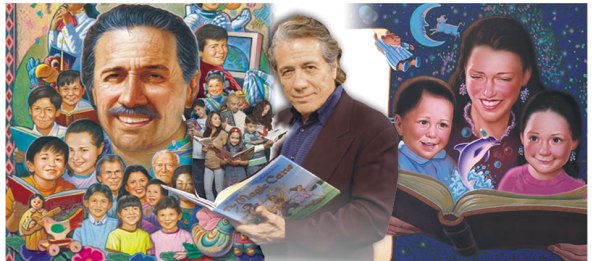
Below are the first place winners of the 17th Annual International Latino Book Awards in the children’s, youth, and young adult categories. If you click on the images, you will be taken to Indiebound, Amazon, or Barnes and Noble for more information. The Awards are produced by Latino Literacy Now, an organization co-founded by Edward James Olmos and Kirk Whisler, and co-presented by Las Comadres para las Americas and Reforma, the National Association to Promote Library and Information Services to Latinos. The Awards were announced this past weekend, in San Francisco as part of the ALA Conference. For the complete list, which includes adult fiction, nonfiction, and second place and honorable mention winners, click hereCONGRATULATIONS TO ALL OF THE WINNERS!!

Best Latino Focused Children’s Picture Book: English

18465502

Best Latino Focused Children’s Picture Book: Spanish or Bilingual

20640741

Best Children’s Fiction Picture Book: English

20759593  18106361

Best Children’s Fiction Picture Book: Bilingual

18654384

Best Children’s Fiction Picture Book: Spanish

22750429

Best Children’s Nonfiction Picture Book: English

18405521

Best Children’s Nonfiction Picture Book: Spanish or Bilingual

Best Educational Children’s Picture Book: English

18465502

Best Educational Children’s Picture Book: Bilingual

23173378

Best Educational Children’s Picture Book: Spanish

Most Inspirational Children’s Picture Book: English

18465502

Most inspirational Children’s Picture Book: Spanish or Bilingual

23058499

Best Youth Latino Focused Chapter Book

21928995

Best Youth Chapter Fiction Book

18166935

Best Educational Youth Chapter Book

Most Inspirational Youth Chapter Book


Best Young Adult Latino Focused Book: English

IslandCover.png

Best Young Adult Latino Focused Book: Spanish or Bilingual

 Micaela, Adalucía, Cholita Prints and Publishing Company

Best Young Adult Fiction Book: English

18048909

Best Young Adult Fiction Book: Spanish or Bilingual

 Micaela, Adalucía, Cholita Prints and Publishing Company

Best Young Adult Nonfiction Book

Best Educational Young Adult Book

 Micaela, Adalucía, Cholita Prints and Publishing Company

Most Inspirational Young Adult Book

The Sparrow and The Frog

Best Book Written by a Youth

Best Children’s Picture Book Translation: Spanish to English

Best Children’s Picture Book Translation: English to Spanish

Best First Book: Children’s and Youth: English

22174131

Best First Book: Children’s and Youth: Spanish or Bilingual

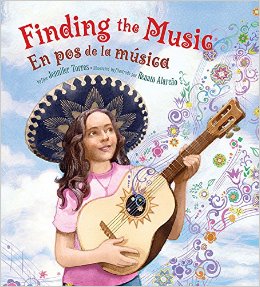
Book Review: Finding the Music/En Pos de la Música by Jennifer Torres
 

finding the music coverBy Sujei Lugo

DESCRIPTION FROM THE BOOK JACKET: Above Reyna’s favorite booth in her family’s restaurant hangs the old vihuela, a small guitar-like instrument, that belonged to her abuelito when he was in a mariachi band. Reyna has never heard the vihuela played, but her mamá treasures the instrument as a reminder of abuelito and his music. One noisy day in the restaurant, Reyna accidentally damages the vihuela. Determined to get it repaired before Mamá notices, Reyna sets out to search her neighborhood for someone who can help her fix the instrument. Little does Reyna know that along the way she will find herself growing closer to abuelito and to the power of his music.

MY TWO CENTS: From the winner of the 2011 Lee & Low Books New Voices Award, here we have a bilingual story filled with charm that showcases the power of music as an intergenerational unifier.

Every weekend, Reyna hangs out at her mom’s restaurant, Cielito Lindo, reading and enjoying the cast of characters that visit the place. One day, she accidentally breaks her grandfather’s precious vihuela that hanged on one of the restaurant’s walls. Reyna never met her abuelito, but her mother’s tales about him and the way he played the vihuela are near and dear to her. Reyna knows she must embark on a journey to fix her abuelo’s beloved instrument.

This journey will bring her to learn, first hand, about his legacy and the importance of music and the power of community engagement. Throughout each page, and Reyna’s conversation with different community members, her abuelo’s presence can be felt. Jennifer Torres uses Reyna’s journey as a great portrayal of how meaningful everyday life is for a community. The vihuela becomes a powerful artifact that jump-starts the memory of the past, the important history of the community that tends to be invisible but is so essential to understanding the present. The broken vihuela reveals other anecdotes from the past that will help Reyna see the bigger picture of who her abuelo was and how the community remains united through their shared past. And it is through oral history and the passing of this knowledge that Reyna becomes aware of the real importance behind the vihuela and why it was hanging on the wall. The breaking of the vihuela is not a tragedy, but the catalyst for Reyna to better understand where she came from and get closer to her mother and her community.
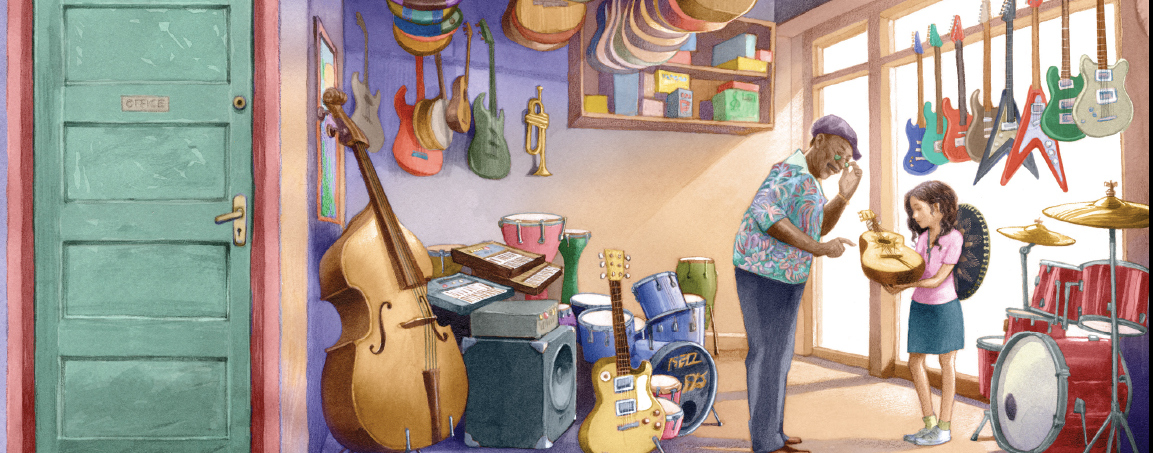
The realistic illustrations by Renato Alarcão, enhance the warmth of the tale and allow readers to see the characters’ expressions and feelings. Each image is filled with pastel colors and a consummated care to portray the connection and relations of the characters. The illustrations really echo a phrase said by Reyna’s mother at the beginning of the story, “these are the sounds of happy lives.” The illustrations truly convey the sounds of these lives.

Torres’s first picture book, Finding the Music/En Pos de la Música, is a solid work that is very much welcomed. The importance of oral history, the unifying qualities of music and the importance of preserving the artifacts that trigger the remembrance of who we were are all important concepts to help spark the curiosity of children among their own families and communities. We are in a constant search of adequate representation and we sometimes fail to see that in our own stories lie strong narratives that empower us and unite us.

*The book includes a glossary and pronunciation guide. The backstory of the Cielito Lindo and author’s note about mariachi music and band are also apprehended. Spanish translation by Alexis Romay.

musicstore
TEACHING TIPS: 
This bilingual picture book is recommended for children ages 4-9, and works well for early readers and as a read aloud with musical interventions as a bonus. Librarians, parents, grandparents, and caregivers can read with the young ones in English, Spanish, or both, while practicing or learning new vocabulary, identifying the different images and community components presented through the illustrations. It’s also a perfect book for a StoryWalk, given that our main character walks around her neighborhood finding some clues and stories about her abuelo. StoryWalk allows people to visit different points (parks, local stores, buildings) around the neighborhood where pages of the books are spread, they would walk to one point to another to follow the story.

Language Arts, Social Studies, Arts, and Music educators can collaborate in the development of different activities: vocabulary and writing activities, discussions and conversations regarding community, neighborhoods and Mexican, Chicano, and Latino history; the incorporation of drawings with writing activities; and the history of Mexican folk music. The author includes helpful activities for the Language Arts classroom: Story Map and Mini-Memoir. On the publisher’s website, you can access teaching guides developed for this book and other resources.

AUTHOR & ILLUSTRATOR:

Jennifer Torres is a freelance journalist, author, and coordinator of a community-wide literacy initiative at University of the Pacific, California. She studied journalism at Northwestern University, Illinois and at University of Westminster, London, England. Torres also worked as reporter for The Record newspaper, covering education, immigration, and other issues related to children and families. FINDING THE MUSIC/EN POS DE LA MÚSICA is her first picture book and her first middle grade novel, STEF SOTO, TACO QUEEN, will be published in Fall 2016.

Renato Alarcão is a graphic designer, illustrator and professor of visual arts. He studied in the Illustration as a Visual Essay program at the School of Visual Arts of New York and at The Center for Book Arts. In addition to his work as an illustrator, Alarcão has collaborated in different youth arts projects and has presented lectures on illustration, creativity, and artistic techniques. He has presented his work in exhibitions at the American Institute for the Graphic Arts, the American Society of Illustrators, the New York Public Library, the Skirball Cultural Center of Los Angeles, the Biennale of Illustrations in Bratislava, where he won the NOMA Prize for Illustrated Book. Some of his illustrated books: RED RIDIN’ IN THE HOOD: AND OTHER CUENTOS by Patricia Santos Marcantonio, SOCCER STAR by Mina Javaherbin, ROBERTO’S TRIP TO THE TOP by John B. Paterson & John Paterson, ELLA ENFEITIÇADA by Gail Carson Levine, Andiana Figueiredo.

FOR MORE INFORMATION ABOUT Finding the Music/En Pos de la Música visit your local library or bookstore. Also, check out WorldCat.orgIndieBound.orgGoodreadsAmazon, and Barnes & Noble.

Summer Reading Picks for You!


Summer Reads

Summer’s upon us, and we’re here to help you choose the right Latin@ kid-lit for your young readers. Putting together a fun and useful list was a matter of posing six questions to our contributing book specialists, Lettycia Terrones, Cecilia Cackley, Marianne Snow and Sujei Lugo. We love the variety and originality of their answers and bet you will too. Take this list to your local library or bookstore and stock up!

1. Is there a brand-new release you can’t wait to get your hands on?

Lost in NYC

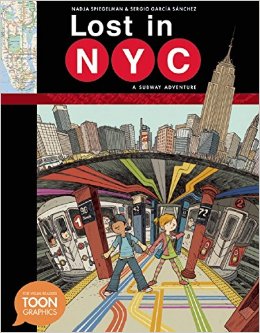
Lettycia: Lost in NYC: A Subway Adventure, a TOON Graphic release written by Nadja Spiegelman and illustrated by Sergio Garcia Sanchez. It tells the story of a group of kids on a New York City field trip. Things go haywire when Pablo gets separated from the rest. This title will also be released in Spanish. At TOON Books, get a glimpse of the stunning illustrations. Cesar_Chavez_Cover

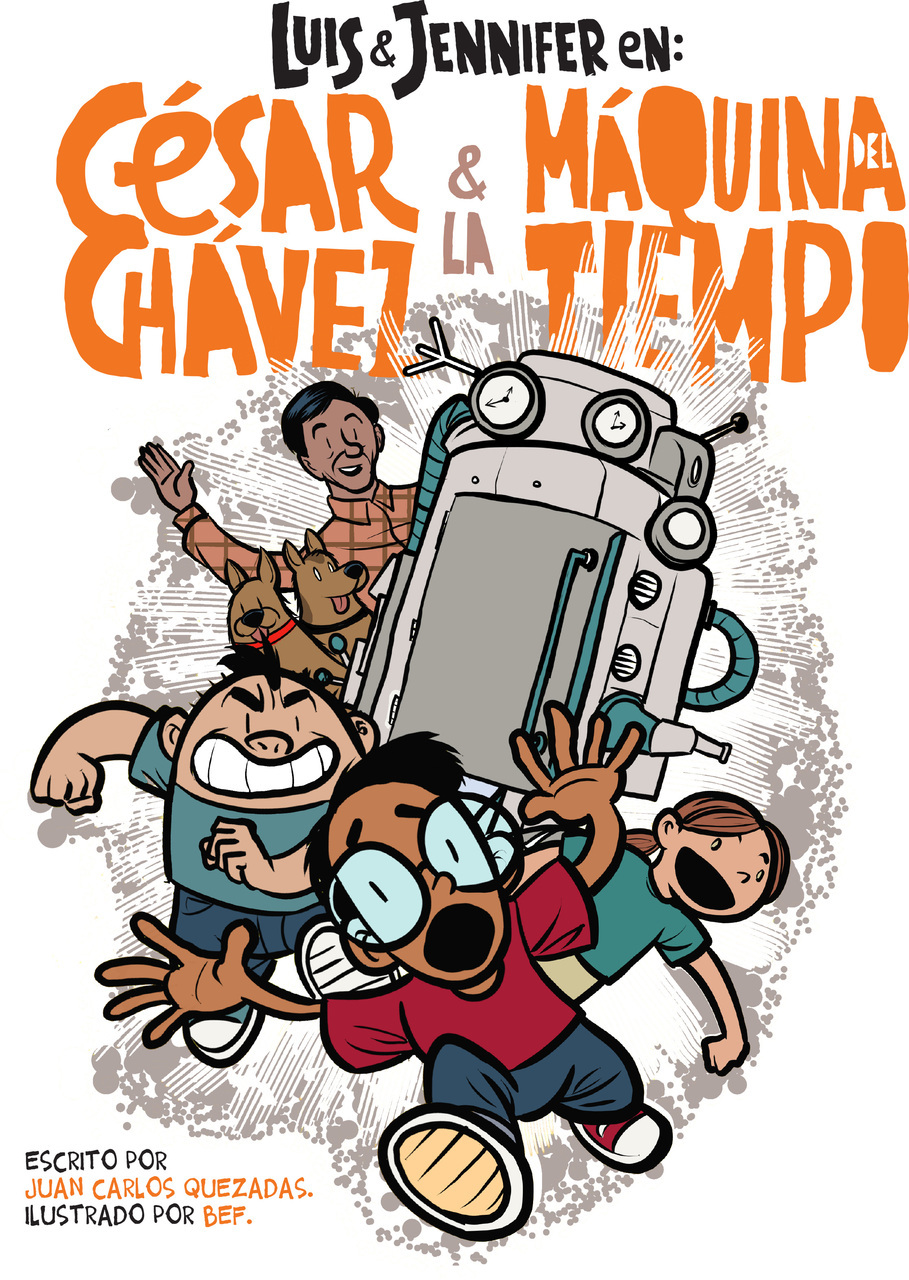
Lettycia: Luis y Jennifer en: César Chavez & la máquina de tiempo, by Juan Carlos Quezadas and Bernardo Fernández. Written in Spanish, this book follows time travelers to 1966, where they encounter adventures in the vineyards of California during the height of César Chavez’s campaign. For purchasing information, go to LA Librería.

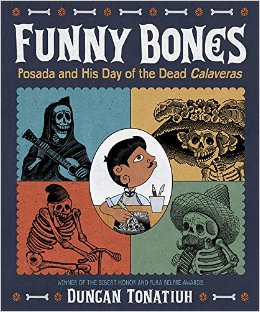
Funny Bones

Sujei: Funny Bones: Posada and His Day of the Dead Calaveras, by author-illustrator Duncan Tonatiuh. Here, Tonatiuh lends his artistic power to the amazing story of the 19th-century Mexican artist José Guadalupe Posada, whose calavera drawings have become synonymous with El Día de los Muertos. For more information, see Abrams Books.

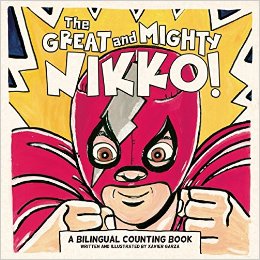
Sujei: The Great and Mighty Nikko! A Bilingual Counting Great and Mighty NikkoBook, written and illustrated by Xavier Garza. It’s bedtime, but Nikko must first wrestle masked luchadores! How many of them are there? Uno, dos, tres…Learn more at Cinco Puntos Press.

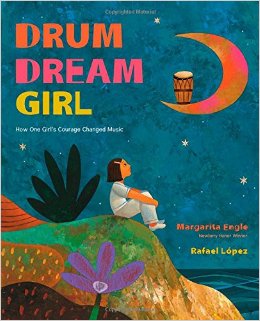
Drum Dream GirlThree of our contributors chose Drum Dream Girl: How One Girl’s Courage Changed Music, written by Margarita Engle and illustrated by Rafael López. It’s based on the true story of Millo Castro Zaldarriaga, a young Cuban in the 1930s who defied the social stigma against female drummers. Marianne says, “I’ll read anything that Margarita Engle writes and Rafael López’ illustrations are sumptuous.” Cecilia and Sujei feel much same, and apparently, so does Kirkus!


2. Oldies, but goldies! Which classic book do you wish every kid would read?

taste_of_the_mexican_market_sml

Marianne: El gusto del mercado mexicano/ A Taste of the Mexican Market, by Nancy María Grande Tabor. Marianne: “This book beautifully weaves together math, science, and culture as the author takes readers on a tour of a traditional Mexican market.” For a peek at the gorgeous interior of this award-winning book, go to the official Charlesbridge page.

Cuba 15Cecilia: Cuba 15, by Nancy Osa. Nudged by her grandmother, a Cuban-American girl reluctantly dives into preparations for her quinceañera. Click here for more information on this multiple award-winner.

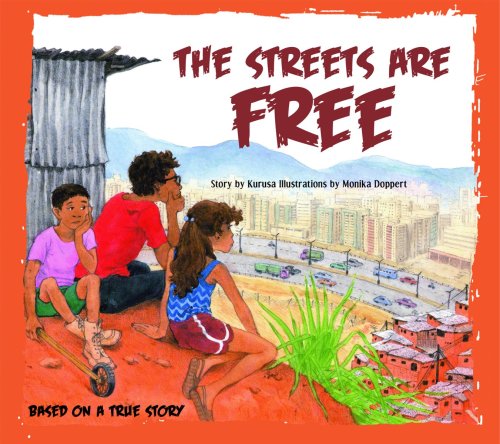
Streets are freeSujei: The Streets are Free, by Kurusa. Kids in a Venezuelan barrio realize that if they’re ever going to get a playground, they’ll have to build it themselves. This inspiring book is based on a true story. Learn more at Scholastic.


3. Is there an adorable picture book you’d like to remind readers about? 

Counting with FridaSujei: Counting with Frida/Contando con Frida, by Patty Rodriguez and Ariana Stein. It’s a bilingual board book from Lil’ Libros that employs images inspired by the Mexican painter Frida Kahlo to teach counting. Looks irresistible!

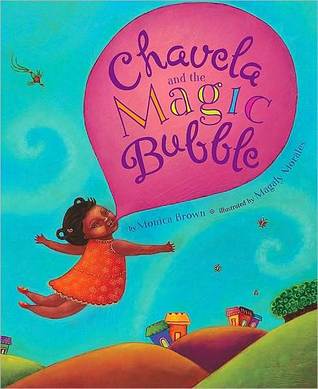
ChavelaMarianne: Chavela and the Magic Bubble, written by Monica Brown and illustrated by Magaly Morales. This book takes readers on a magical ride to the sapodilla tree, the source of chicle, essential to the manufacture of chewing gum. “You can’t go wrong with colorful illustrations, magic realism, a sweet family story, and bubble gum,” Marianne explains. Check out this review on La Bloga.

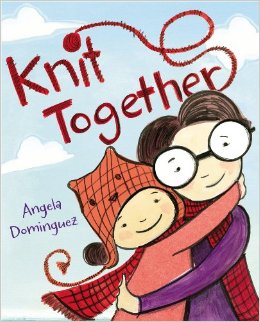
Knit TogetherCecilia: Knit Together, by Angela Dominguez. It’s the story of a collaboration between a knitting mom and a daughter who draws. The adorable illustrations pay tribute to the textures and colors of yarn. See more on Angela’s website!


4. Everybody has at least one fabulous book on their must-read list. What’s yours? 

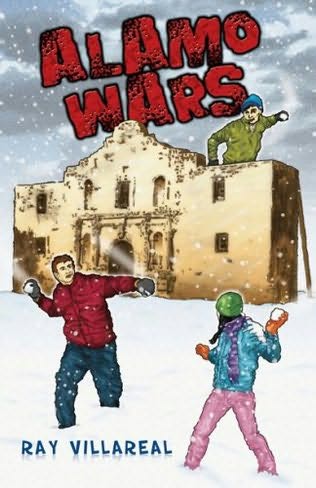
Alamo WarsMarianne: Alamo Wars, by Ray Villarreal. “I’m immensely interested in Texan history and multiple perspectives (Tejano, Mexican, Anglo) about historical events, and this middle-grade book tackles those topics by exploring how a school struggles to address controversial representations of the past when they put on a play about the Battle of the Alamo. Should be fascinating!” Here’s the book’s page on Amazon.

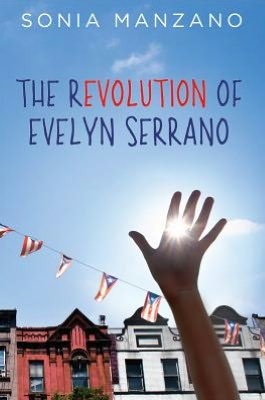
Evelyn overSujei: The Revolution of Evelyn Serrano, by Sonia Manzano, of Sesame Street fame. Evelyn is a Puerto Rican girl living in New York City’s Spanish Harlem, and coming of age just as the activist group known as the Young Lords is creating literal and political heat in the barrio. Read the Latin@s in Kid Lit review here.

5. Which book have you found impossible to put down? In fact, you’re sure somebody should make a movie of it!

Smell of old lady perfumeMarianne: The Smell of Old Lady Perfume, by Claudia Guadalupe Martinez. She says, “Martinez’ novel addresses subjects like family, loss, and friendship with grace, warmth, and understanding, and reading it felt like coming home.” This novel garnered a long list of honors for its portrayal of a young girl whose life in a Texas border town undergoes upheaval when her father suffers a stroke. Read more on the Cinco Puntos site.

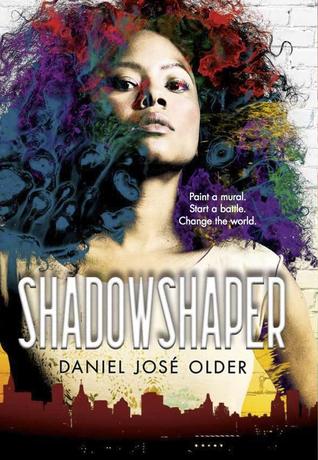
ShadowshaperCecilia and Sujei both got hooked by Daniel José Older’s debut YA novel, Shadowshaper– a mystical fantasy thriller starring Sierra Santiago, a 15-year-old Brooklyn girl of Afro-Caribbean heritage with supernatural connections. Publishers Weekly gave it a solid thumbs up.

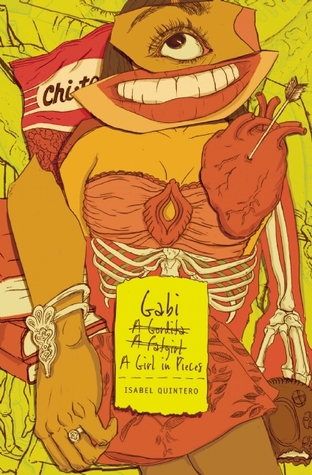
Gabi A GirlSujei: Gabi, a Girl in Pieces, by Isabel Quintero. The author took the book world by storm in 2014, crafting her main character through strongly voiced and often humorous diary entries. Gabi is a Mexican American high school girl whose friendships, romantic crushes and family troubles create a dramatic mix. Here’s our book talk.

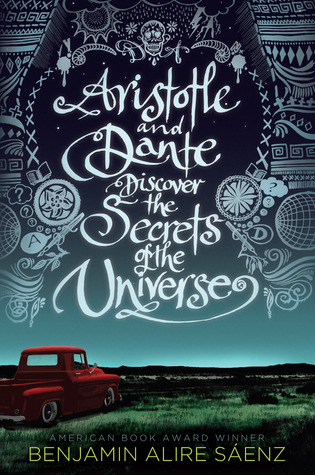
AristotleFor this category, Lettycia seconded the nomination of Gabi and also chose Pura Belpré winner Aristotle and Dante Discover the Secrets of the Universe, by Benjamin Alire Saenz. It’s the moving story of the tight friendship and blossoming romance between two Latino boys. Here’s our review.

6. And now for the “wild card”– a category of your making. 

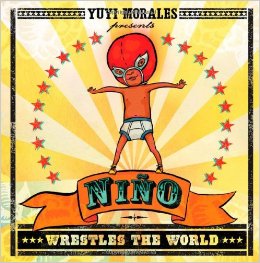
Niño wrestles the worldCecilia is ready to turn two recent books into plays–Niño Wrestles the World, by Yuyi Morales, and Drum Dream Girl, discussed above. Niño Wrestles the World is one of the most celebrated picture books in Latin@ children’s literature. Click here to read Sujei’s review and here, for Lettycia’s examination of the story’s fable elements.

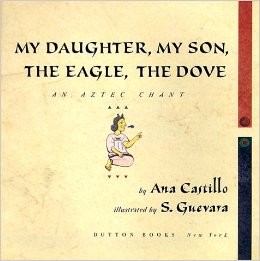
My daughter my sonLettycia described her “wild card” choice as the “best book for parents to read with their kids.” It’s My Daughter, My Son, The Eagle, The Dove, written by Chicana poet Ana Castillo and illustrated by Susan Guevara. The book celebrates milestones in a child’s and family’s life. It’s an homage to traditional Aztec chants and includes art inspired by Aztec culture. See it at Barnes and Noble.

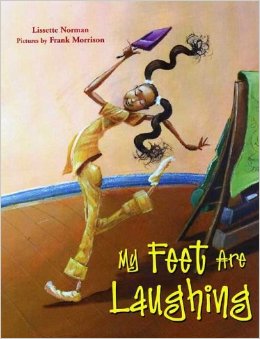
My feet are laughingThe final wild-card suggestion is in the category of poetry. In Sujei’s words, My Feet Are Laughing, by Lissette Norman, is “a poetry book that celebrates family and life in the city.” Sadie, the main character, calls New York City home. The poems highlight Dominican American life in the neighborhoods of Harlem. Here’s a review from Rhythm, the Library Dog!


For additional suggestions, check out this reading list from Edi Campbell and friends. It’s built around diverse books of all types, not just Latino reads. And at Latinas 4 Latino Lit, take advantage of a summer reading program designed especially for Latino families.

Meet our contributors:

Cecilia Cackley is a performing artist and children’s bookseller based in Washington DC, where she creates puppet theater for adults and teaches playwriting and creative drama to children. Cecilia’s interests include literacy, immigrant advocacy and bilingual theater.

Sujei Lugo has studied and worked in children’s library services in Puerto Rico and Massachusetts, where she is currently working toward her Ph.D. in Library and Information Science from Simmons College.

Marianne Snow is a doctoral student at the University of Georgia, where she researches Latin@ picture books, representations of Latin@ people in nonfiction children’s texts, and library services for Spanish-speaking children and families.

Lettycia Terrones serves as the Education Librarian at the Pollak Library at California State University, Fullerton. Her research interests are in Chicana/o children’s literature and critical literacy.


Guest Post: How My Life With a Guatemelan Street Dog Became a Children’s Book

DOLEY Cover PRINTBy Jill Brazier

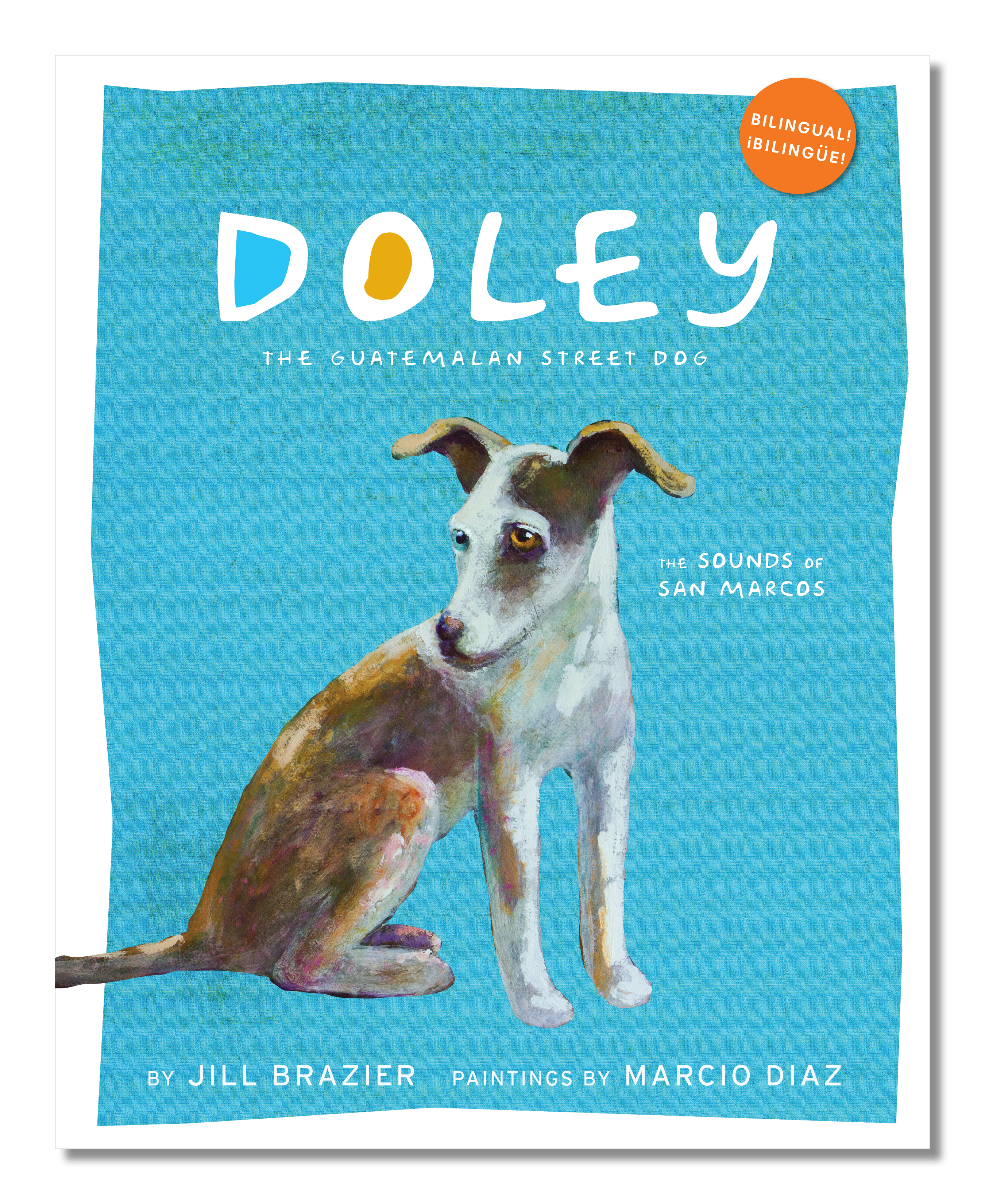
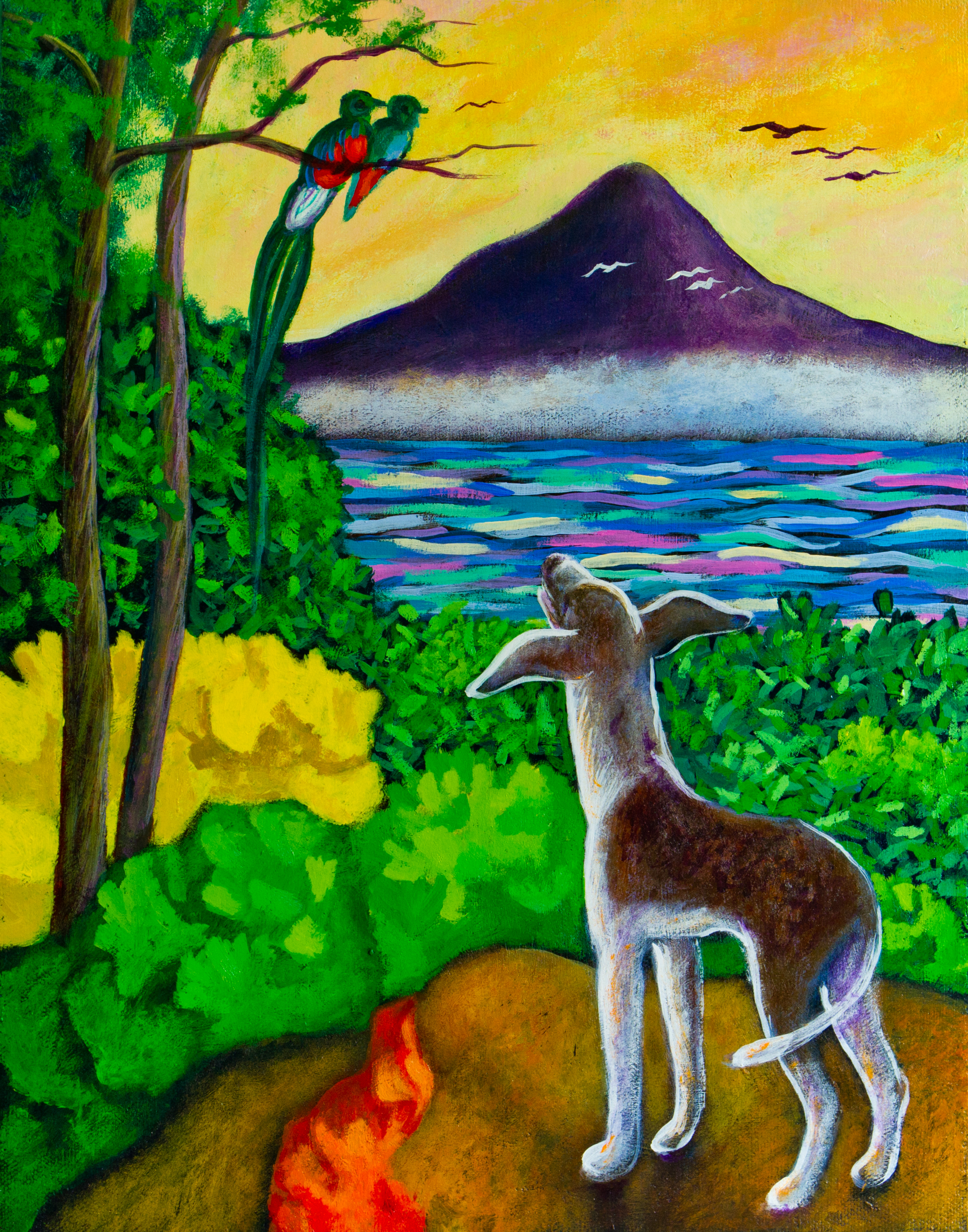
Use your senses and pay attention to what’s around you. You never know where inspiration might strike! These are two of the lessons that I focus on when presenting my bilingual children’s book, Doley the Guatemalan Street Dog: The Sounds of San Marcos, to students. I never would have imagined that my time living in a treehouse above Lake Atitlan in Guatemala, and my special friendship with a starving little street dog, would direct the course of my life for years to come.

At 20 years old, I traveled by land from Seattle to Guatemala. The trip took over a year, with stops along the way to find work when the money ran out. Guatemala was never on my list, but I loved my time in Mexico and wanted to continue south. I joined up with a traveling companion for a long, bumpy, chicken-bus ride from Chiapas, Mexico, to Panajachel, Guatemala. An immediate and special feeling for this country struck me. I was determined to find a way to stay in this beautiful land.

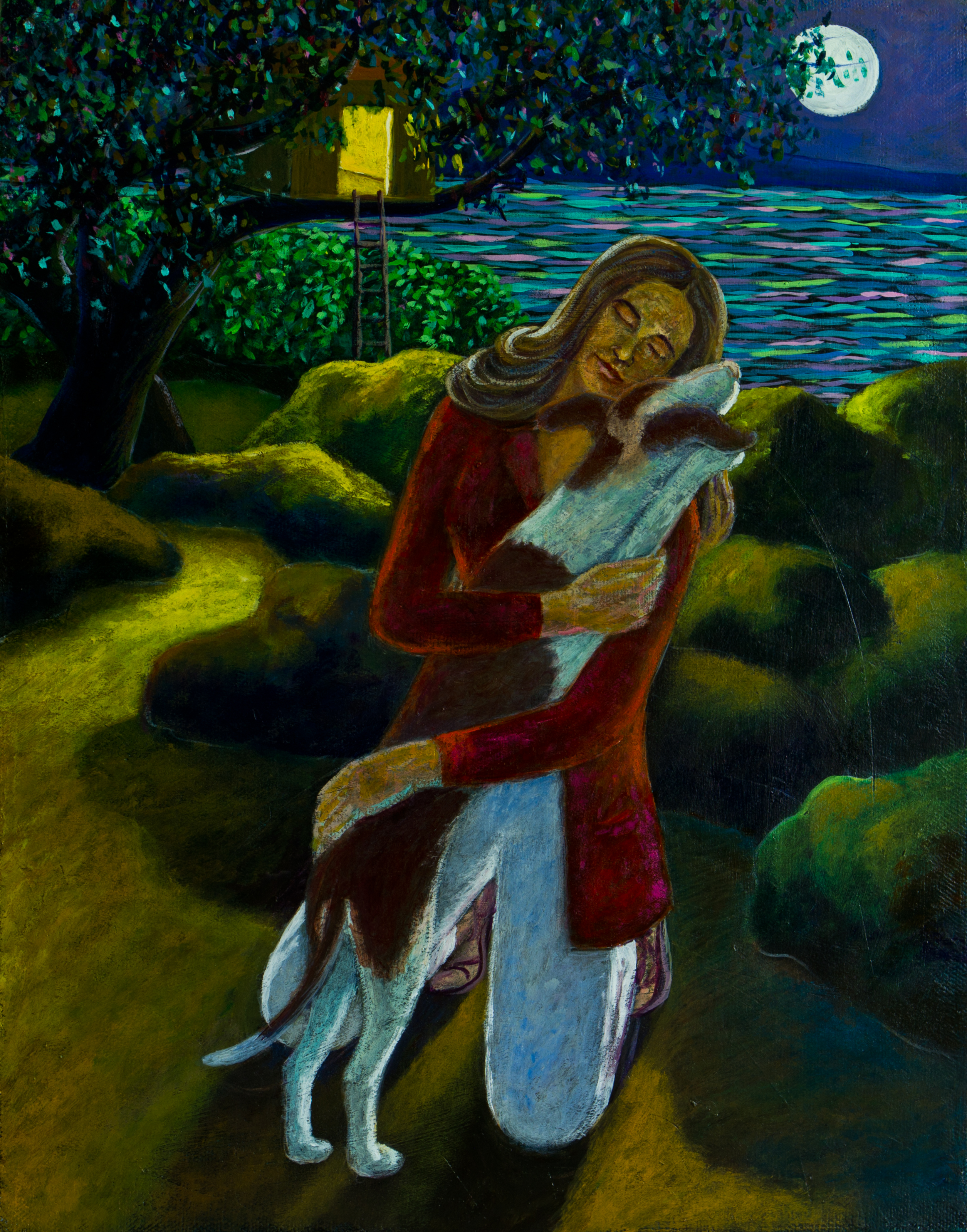
I found a work/trade in a meditation center in the little village of San Marcos La Laguna, one of twelve villages around Lake Atitlan. There was no electricity there at the time. We lit our way with candles, stars and moonlight. My home was a simple bamboo treehouse with one room, a doorway, two windows, and gauze curtains for privacy. At night, I would sit in my treehouse and listen to the many sounds of San Marcos. The breeze blew in, offering constant connection with the lush natural environment.

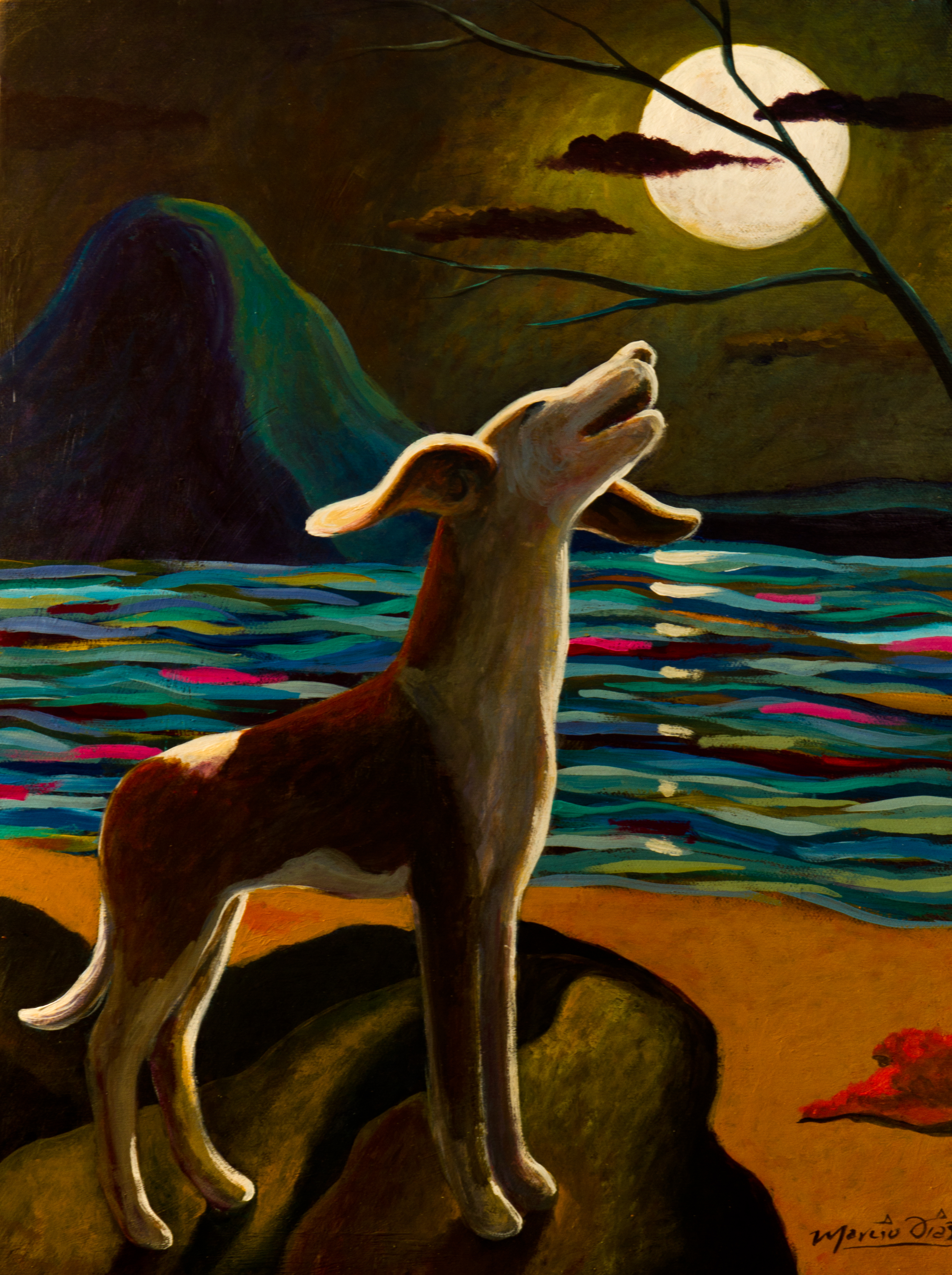
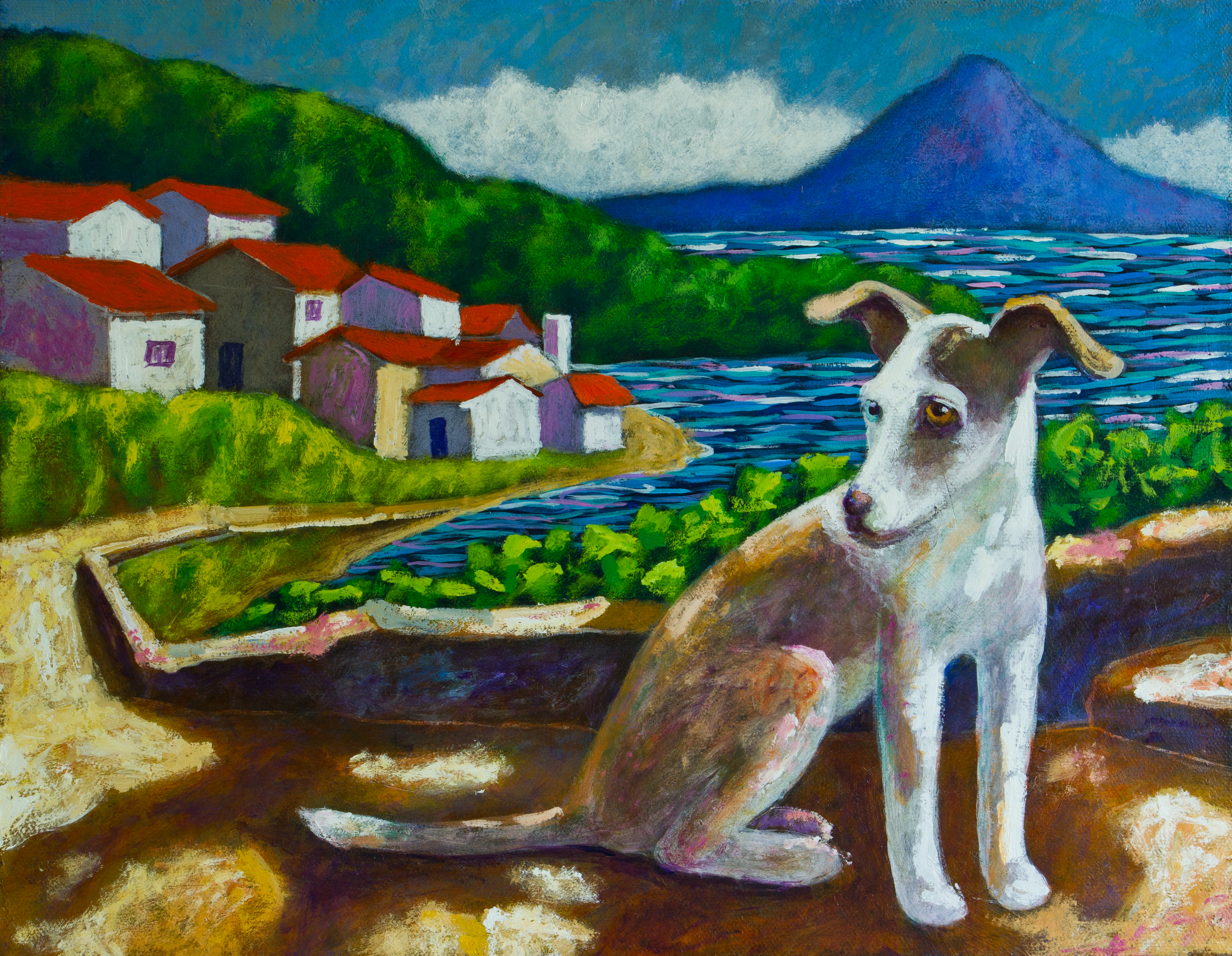
One day, I was preparing a meal in the community kitchen when a tiny, frantic puppy ran in and looked at me with desperation. She had one bright blue eye and one brown eye. After I instinctively gave her a tiny piece of bread, this little puppy visited me daily. She had mange, a belly full of worms, layers of ticks in her ears, and malformed legs which made it difficult for her to walk. I took care of all of these problems, one by one. I wrapped half an ace bandage around each of her legs so that she could walk without her legs buckling, and fed her eggshells to strengthen her bones. Over time, she healed and followed me everywhere I went. Soon, this Guatemalan street dog had a name: Doley. This was the beginning of our fourteen-year friendship as best friends and travel companions.TenderHowling

Doley would sleep in the treehouse with me at night, cuddling right into the crook of my stomach. Often, she would wake up to the sound of other street dogs howling and barking, and insist on being taken down from the treehouse, to run and howl with the other dogs. All of these real life experiences, which Doley and I shared during our time together in Guatemala, appear in the book.

The Sounds of San Marcos, was released independently in 2012. The theme of sounds emerged as I wrote the story and reflected on Doley’s acute sensory awareness of everything around her as a street dog, and our rich, sensory experience of living a treehouse in Guatemala. Readers learn the importance of listening – a vital lesson for students and young people! I further developed the idea to make Doley a series based on the five senses.

With beautiful artwork by Nicaraguan artist Marcio Diaz, the story comes to life in the vivid color of Guatemalan and Latin American culture. After looking for the right artist for many years, I finally discovered Marcio, whose ability to express profound feeling with bold color evokes the look and feel that I wanted. Marcio says, “In the brushstrokes of a painter, lays the history of his people.”

I want to FlyIt can feel like a daunting task to create something new and find a place for it in the world! There are many ways to share our stories and creative visions. For this project, I chose to publish independently in order to create the books in exactly the look and feel that I wanted. There are many ways to publish these days, and advantages and disadvantages to each. Artists and authors can choose which path to take according to the particular project, goals, intentions, budget, and timeline.

Publishing independently was the right place to start for Doley, and I am thrilled with the result. Everything about it is true to my vision and meets my standards of excellence. Moving forward, I will find a strategic partner to maximize the potential of the Doley series and accompanying reading guides.

Brown and BlueThe Read with Doley Reading Guide, developed according to the National Common Core Standards (K-2 Literature), consists of 134 bilingual questions and answers, designed to engage students in language learning and encourage them to think beyond the text, and is available to download for free on my website. Doley believes in education!

The next book in the series, Doley the Guatemalan Street Dog: The Caravan of Colors, will be released in September 2015 and also features the remarkable artwork of Marcio Diaz, along with its own reading guide. The story is inspired by some traveling performers I met in Guatemala and my own love of trapeze. The Caravan of Colors gives Doley the chance to explore the world around her through the sense of sight, and provides lessons about perseverance and friendship along the way.

It is always a joy to share Doley and the inspiration for the book with students – and to remind them to listen carefully and pay attention. You never know where inspiration will strike or where it may lead you! I am so grateful for where inspiration has taken me.

For purchasing options, and additional information, please visit Jill’s website,

JillWhen Jill Brazier isn’t writing about Doley, she works at a charming Italian restaurant in Seattle. She is a traveler, fitness enthusiast, yoga practitioner, and amateur trapeze artist. After Doley, Jill’s heart belonged to a 12-year old abandoned Husky. They spent three happy years together until she passed away at the age of 15. Jill remains without a dog for now, until the next one chooses her.